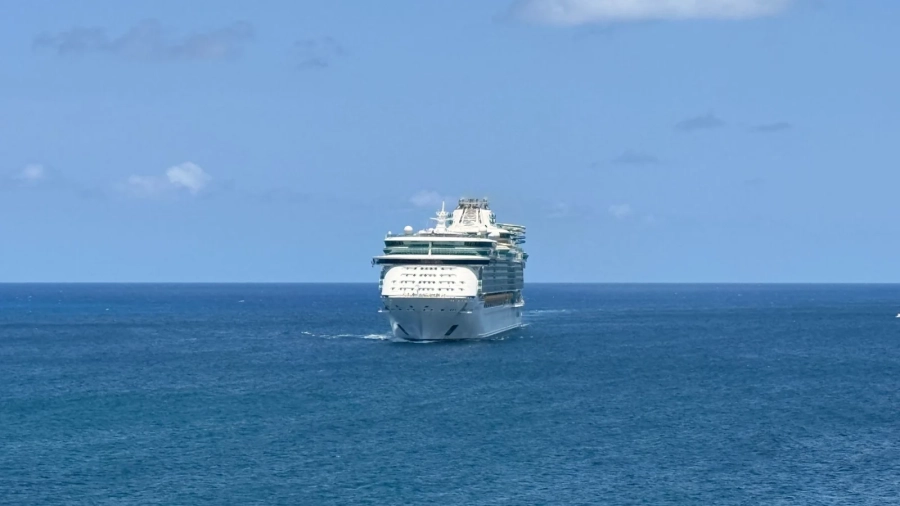
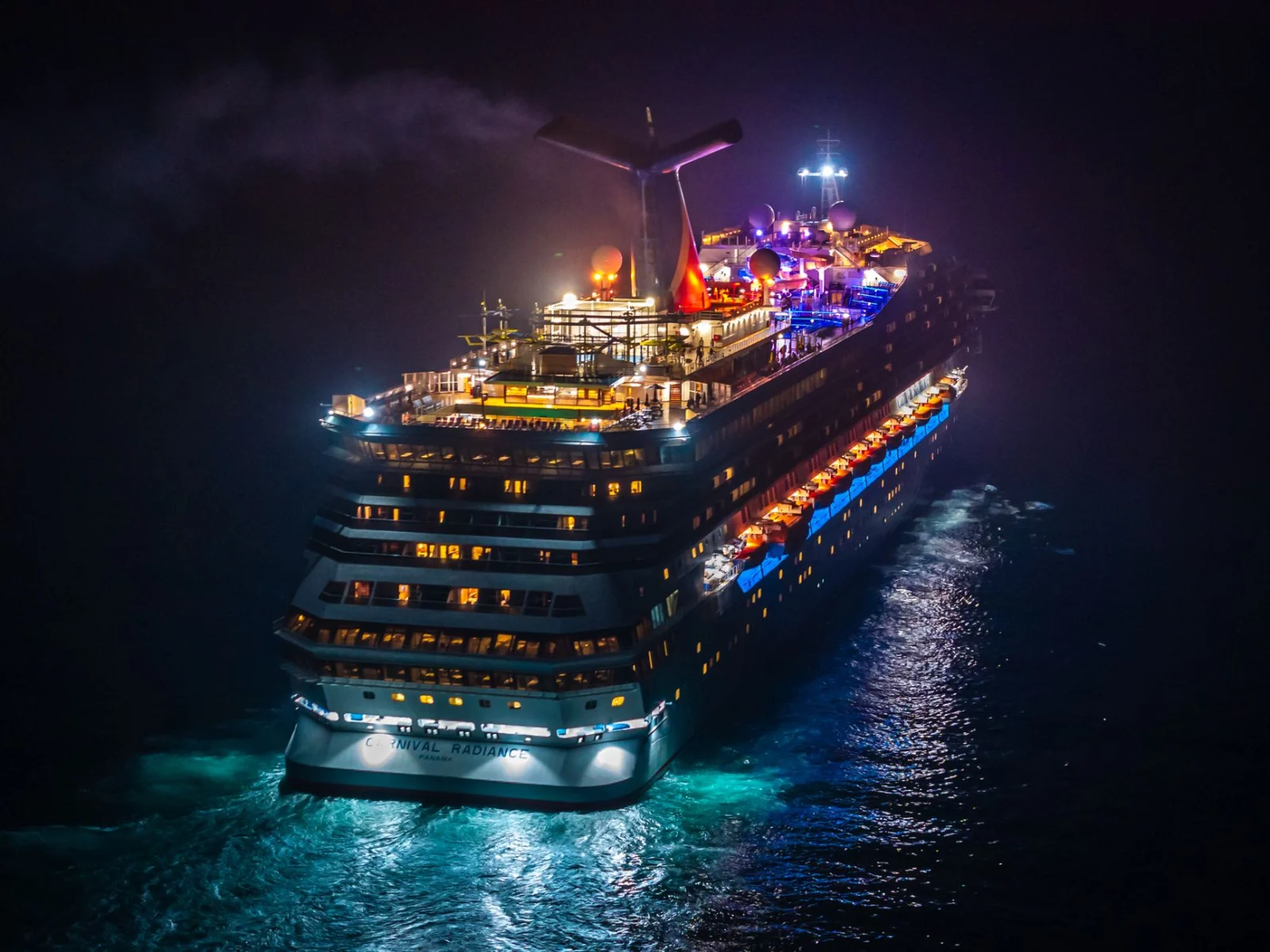
Large cruise ship sailing in turquoise Caribbean water, the setting for a Norwegian vs Royal Caribbean cruise

Norwegian vs Royal Caribbean: Which Cruise Line Is Best in 2026-27?

Norwegian vs Royal Caribbean comes down to one question: do you want flexibility or the biggest choice of things to do? Norwegian Cruise Line (NCL) is best for relaxed, no-schedule cruising with lots of restaurants and an optional bundle of drinks and extras. Royal Caribbean is best for families and thrill-seekers who want the largest ships, more free activities and the strongest private island in the Caribbean.

Both are mainstream, mid-priced American cruise lines sailing from many of the same US ports, so they often compete for the same passengers. This guide compares the two lines as they stand in late 2026, from the newest ships and private islands to packages, dining and the real cost of a week at sea, so you can pick the line that fits how you like to travel.

Norwegian vs Royal Caribbean at a glance

Feature Norwegian Cruise Line Royal Caribbean
Overall style Freestyle: no set dining times, no formal nights Resort-style mega-ships with lots of included activities
Fleet size (late 2026) Around 20 ships Around 29 ships
Newest ships Norwegian Aqua (2025), Norwegian Luna (2026); Norwegian Aura due 2027 Icon of the Seas (2024), Star of the Seas (2025), Legend of the Seas (2026)
Largest ships Prima Plus class, about 4,200 guests Icon Class, around 7,600 guests at full capacity
Private destinations Great Stirrup Cay (Bahamas), Harvest Caye (Belize) Perfect Day at CocoCay (Bahamas), Labadee (Haiti), Royal Beach Club Paradise Island (Nassau)
Bundled extras Free at Sea (drinks, specialty meals, Wi-Fi, excursion credit), optional Free at Sea Plus Pay as you go: drinks packages, Voom Wi-Fi, dining plans, The Key
Kids clubs Splash Academy (from 3) and Entourage for teens Adventure Ocean (3 to 12) plus teen spaces
Best for Couples, groups of friends, solo travelers, foodies Families, first-timers, active travelers

Ships and fleets: the newest Royal Caribbean and NCL ships

Royal Caribbean runs the bigger fleet and the biggest ships. Its Icon Class is the headline: Icon of the Seas arrived in 2024, Star of the Seas followed in 2025 from Port Canaveral, and Legend of the Seas debuted in July 2026, taking the class to Europe for the first time with sailings from Barcelona before moving to Fort Lauderdale. These ships carry around 7,600 guests at full capacity and are split into themed neighborhoods, including a dedicated family water park area. Below them sit the Oasis, Quantum and older Freedom, Voyager, Radiance and Vision classes, so the experience varies a lot by ship. Our guide to Royal Caribbean ship classes explains the differences.

Norwegian’s ships are smaller but still large. Its newest are the Prima Plus class pair, Norwegian Aqua (2025) and Norwegian Luna, which was christened in Miami in spring 2026 and carries about 4,200 guests. Both have the Aqua Slidecoaster, a hybrid roller coaster and waterslide. Norwegian Aura, the third and largest ship of the class, is due in 2027. NCL is also retiring its oldest tonnage, with Norwegian Sky and Norwegian Sun leaving the fleet. If you want to know which NCL ship to pick, see our Norwegian Cruise Line ships ranked and the full list of newest NCL cruise ships.

The practical point: comparing the lines only makes sense ship to ship. A brand-new Norwegian Prima-class ship can feel more modern than an older Royal Caribbean Vision-class ship, while an Oasis or Icon Class ship offers far more onboard than any NCL vessel.

Private islands and beach clubs

This is one of the biggest differences for Caribbean cruises.

  • Perfect Day at CocoCay (Royal Caribbean): widely seen as the best cruise line private island. The beach, pools and food at several venues are included; Thrill Waterpark, the adults-only Hideaway Beach and cabanas cost extra.
  • Royal Beach Club Paradise Island (Royal Caribbean): opened in December 2025 near the Nassau cruise port, with pools, two beaches and a huge swim-up bar. It works on an all-inclusive day pass bought separately, rather than being free.
  • Great Stirrup Cay (Norwegian): the island has had a major upgrade. A new two-berth pier means ships can dock instead of using tenders, a new pool area has opened, and the Great Tides Waterpark, with 19 waterslides, a lazy river and an adults-only area, had its official grand opening in September 2026. Check NCL’s site for which parts are included and which are paid.
  • Harvest Caye (Norwegian): a resort-style stop in Belize used on Western Caribbean itineraries.

Royal Caribbean still has the edge on choice, but Great Stirrup Cay has closed much of the gap, especially now that guests can walk off the ship.
Elegant cruise ship restaurant with set tables, suited to comparing Norwegian and Royal Caribbean dining
Dining style is one of the clearest differences between the two lines. Photo: Jose Parra on Pexels

Free at Sea vs Royal Caribbean packages

How the two lines price extras is the difference most comparisons gloss over, and it changes the real cost of your cruise.

Norwegian: Free at Sea and Free at Sea Plus

Many NCL fares come with Free at Sea, which bundles an unlimited open bar, a set number of specialty dining meals, Wi-Fi and a shore excursion credit, depending on the fare and sailing length. You still pay the daily service charges on the drinks and dining perks. For sailings from February 2026, NCL added Free at Sea Plus, an upgrade priced at around $49.99 per person per day at launch, which adds premium spirits and wines, Starbucks drinks, streaming Wi-Fi, bottled water and a discount on extra specialty meals.

Royal Caribbean: pay for what you want

Royal Caribbean fares are usually more basic. Drinks packages (such as the Deluxe Beverage Package), Voom internet, specialty dining plans and The Key (priority boarding and other perks) are bought separately, and prices vary by ship and sailing date, often with pre-cruise sales. If you drink little alcohol, this can work out cheaper; if you want drinks and Wi-Fi every day, the add-ons quickly mount up.

Royal Caribbean vs Norwegian cost: what a week really costs

Headline fares can mislead. At the time of writing, a 7-night Caribbean inside cabin on an older ship from either line can start from several hundred dollars per person, while new ships such as Icon of the Seas or Norwegian Luna cost much more, especially in school holidays. To compare fairly:

  1. Price the same cabin type, sailing length and season on each line.
  2. Add the extras you would actually buy: drinks, Wi-Fi, specialty dining and any paid private island or waterpark access.
  3. Add daily gratuities and NCL’s service charges on Free at Sea perks.
  4. Check whether one line’s fare includes perks you would otherwise pay for.

Couples who drink and want Wi-Fi often find Norwegian’s bundled fare good value. Families with children who drink soft drinks and spend the day on free attractions often do better with Royal Caribbean. Prices change constantly, so watch for offers in our guide to cruise deals for 2027.

Staterooms and suites

Both lines offer inside, ocean view, balcony and suite cabins. Royal Caribbean has some unusual options, such as interior cabins with virtual balconies on newer ships and Central Park or Boardwalk balconies on Oasis and Icon Class ships, plus multi-level loft suites and large family cabins.

Norwegian stands out in two areas. Its Studio cabins are designed and priced for one person, with access to a shared lounge, which makes NCL one of the better big-ship lines for solo travelers. At the top end, The Haven is a private suite complex with its own pool, sundeck, restaurant and butler service, a ship-within-a-ship that feels closer to a premium line. Royal Caribbean’s Royal Suite Class gives suite guests extra perks and, on some ships, a private lounge, but not usually a fully separate enclave.

Dining: freestyle vs traditional

Norwegian invented freestyle dining: you eat when you like in the main dining rooms, with no fixed table or time. Ships often have many specialty restaurants, such as Cagney’s Steakhouse, Le Bistro and teppanyaki, which cost extra unless covered by Free at Sea.

Royal Caribbean offers a choice of traditional fixed-time dining or flexible My Time Dining. It is generally strong on included casual food, such as the buffet, Park Café, El Loco Fresh and late-night pizza at Sorrento’s, depending on the ship. Specialty options include Chops Grille, Izumi and Giovanni’s. Food quality on both lines is broadly similar and depends more on the ship and the venue than the brand.
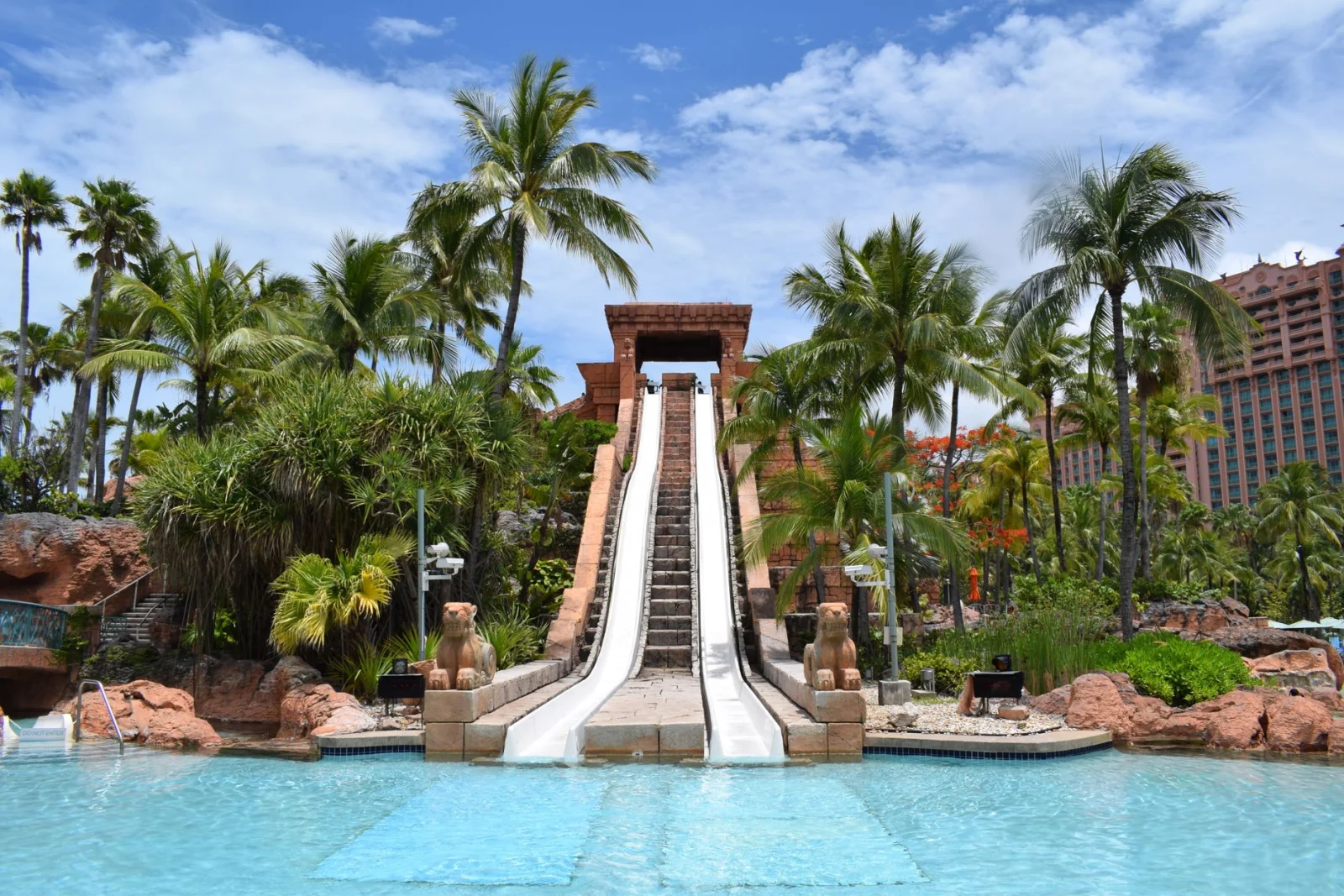
Colorful waterslides above a busy pool deck on a large cruise ship
Top-deck thrills are where the bigger ships pull ahead. Photo: Rick Josey on Pexels

Activities and entertainment

Royal Caribbean is the clear leader for onboard activities. Depending on the ship you can find surf simulators, climbing walls, ice skating, zip lines, waterslides and the AquaTheater, and most of these are included. Its shows range from Broadway musicals to ice and high-diving productions.

Norwegian has impressive top-deck attractions of its own, including go-kart tracks on several ships and the Aqua Slidecoaster on its newest ships, but some of these carry an extra fee. NCL’s entertainment includes Broadway-style shows, comedy and live music, with a strong nightlife and bar scene that suits adults.

Norwegian vs Royal Caribbean for families and kids

Both lines have free kids clubs. Royal Caribbean’s Adventure Ocean covers ages 3 to 12, with spaces for teens, and Norwegian’s Splash Academy runs from age 3, with Entourage for teens and some paid extras. Royal Caribbean usually wins for families because so many attractions are free and its biggest ships have dedicated family zones. If you go that way, our guide to the best Royal Caribbean ships for kids matches ships to ages. Norwegian suits families with older children who prefer flexible meal times over a packed activity schedule.

Which cruise line is best for you?

Choose Norwegian if you want no fixed schedule, lots of restaurants, a bundle of drinks and Wi-Fi, a strong solo cabin option or a luxury suite area like The Haven.

Choose Royal Caribbean if you are traveling with kids, want the most free activities, love big-ship variety or want regular visits to Perfect Day at CocoCay.

Many cruisers try both. Whichever line you lean toward, choosing the right ship and comparing total cost matter more than the brand.

If you’re also weighing up a lower-cost option, our Norwegian vs Carnival comparison shows how NCL stacks up against the Fun Ships on price, drinks and dining.

If you sail with both lines often, it is worth knowing that RCL and NCLH stock can each earn you onboard credit, as explained in our guide to cruise line shareholder benefits.

If MSC is also on your shortlist, read our Royal Caribbean vs MSC comparison as well.

FAQs

Is Norwegian food better than Royal Caribbean?

Neither line is clearly better across the board. Norwegian usually offers more restaurant variety and flexible dining times, while Royal Caribbean tends to have more included casual venues and late-night grab-and-go food. On both lines the specialty restaurants, which cost extra, are where the standout meals usually are.

Is Norwegian or Royal Caribbean better for families?

Royal Caribbean is usually the stronger choice for families, especially with children aged about 6 to 14. Its bigger ships include more free attractions such as waterslides, surf simulators and climbing walls, and Perfect Day at CocoCay is built around family water fun. Norwegian works well for families who value flexible dining and do not mind paying for some activities.

Is Norwegian Cruise Line cheaper than Royal Caribbean?

Not always. Norwegian fares often look higher because they can include the Free at Sea perks, while Royal Caribbean fares are usually lower but drinks, Wi-Fi and specialty dining are add-ons. Compare the total cost of the cruise with the extras you would actually buy, plus gratuities, before deciding.

Is Norwegian a high end cruise line?

No. Norwegian Cruise Line is a mainstream, mid-priced line like Royal Caribbean. Its upscale option is The Haven, a suite complex with its own pool, restaurant and concierge on most ships, which gives a more exclusive feel at a much higher price.

Which is bigger, Royal Caribbean or Norwegian?

Royal Caribbean has the larger fleet, with around 29 ships, and the largest ships, with Icon Class vessels carrying more than 7,000 guests at full capacity. Norwegian has roughly 20 ships, and its largest current ships carry about 4,000 to 4,300 guests at double occupancy.

Seven-Seas-Mariner-1.jpg

Second Ship Impacted By Netherlands Protestors Within A Week

A second cruise ship has suffered delays due to protestors from the Extinction Rebellion group in the Netherlands.

Following the Jewel of the Seas being diverted from Amsterdam to Ijmuiden last week, now the Regent Seven Seas ship Seven Seas Mariner was blocked from docking in Ijmuiden.

The ship is in the middle of an 83-night epic Grand Arctic Adventure cruise, with the current segment in Northern Europe drawing to an end.

But the ship – carrying up to 700 passengers – was held up in the locks due to the actions of Extinction Rebellion who were directly targeting the ship, and ended up only arriving in Amsterdam at 10 pm – over four hours behind schedule.

“(Seven Seas Mariner is) an example of unprecedented luxury that seems to be reserved only for the richest in the world… ships like the Seven Seas Mariner exacerbate the crisis we are in the middle of.

“In 2022, the Seven Seas Mariner at Friends of the Earth received a B rating, which means ‘satisfactory… But this ‘satisfactory’ is a comparison with other cruise ships and therefore says nothing about how polluting they are, compared to other ways of holidaying.“

Extinction Rebellion statement

No arrests were made during the protest and the ship was able to continue on her planned journey from Amsterdam, albeit slightly delayed. She reached Bruges on time and will then sail around the Bay of Biscay to reach Barcelona later in August.

Regent Seven Seas has a Sail & Sustain programme which aims to reduce the environmental impact of its fleet, but protestors argue this doesn’t do enough to counter the impact that ships have on the environment.

Suite Deals

I recommend booking with luxury specialists Panache Cruises for the best service.

Related posts

If you found this interesting, please share!

Cruise Mummy

Jenni Fielding is the founder of Cruise Mummy. She has worked in the cruise industry since 2015 and has taken over 30 cruises. Now, she helps over 1 million people per month to plan their perfect cruise holidays.

Read more about me

Source link

Large family cruise ship sailing on calm blue sea, illustrating Disney cruise ships newest to oldest

Disney Cruise Ships Newest to Oldest (2026) and Which Is Best for You

Listed from newest to oldest, the eight Disney cruise ships sailing in October 2026 are Disney Adventure (2026), Disney Destiny (2025), Disney Treasure (2024), Disney Wish (2022), Disney Fantasy (2012), Disney Dream (2011), Disney Wonder (1999) and Disney Magic (1998). Disney Believe is next, with its first sailing set for December 2027, and Disney plans to have 13 ships in its fleet by the end of 2030.

Below you will find Disney cruise ships from newest to oldest, what each one added to the fleet, which Disney ship is best for different kinds of travellers, and a timeline of the ships still to come. If you mainly want tonnage, length and guest numbers side by side, see our guide to Disney cruise ships by age and size.

Disney Cruise Ships Newest to Oldest: Quick List (October 2026)

# Ship First sailed Class Headline addition Where it sails (2026-27)
1 Disney Adventure March 2026 Global class Seven themed areas, Marvel roller coaster Singapore
2 Disney Destiny November 2025 Wish class Heroes and Villains theme Fort Lauderdale
3 Disney Treasure December 2024 Wish class Adventure theme, Coco and Haunted Mansion venues Port Canaveral
4 Disney Wish July 2022 Wish class Grand Hall, AquaMouse, LNG power Florida, then Europe in summer 2027
5 Disney Fantasy March 2012 Dream class Longer Caribbean sailings, AquaDuck Port Canaveral
6 Disney Dream January 2011 Dream class First water coaster at sea (AquaDuck) Port Canaveral
7 Disney Wonder August 1999 Magic class Classic ocean-liner styling Alaska from Vancouver in summer
8 Disney Magic July 1998 Magic class The original Disney ship Alaska from Vancouver in summer 2027, plus Galveston

Want them oldest to newest instead? Simply read the table from the bottom up: Magic, Wonder, Dream, Fantasy, Wish, Treasure, Destiny, Adventure. The oldest Disney cruise ship is Disney Magic, which first sailed in 1998, so the fleet now covers 28 years of shipbuilding. Homeports change from season to season, so check the itinerary for your exact dates before you book.

What’s New on Each Disney Ship, Newest First

1. Disney Adventure (2026): the newest Disney cruise ship

Disney Adventure is the newest and largest ship in the fleet. It is roughly 208,000 tons and can carry around 6,000 guests. Disney bought the unfinished hull from Genting Hong Kong in 2022 and finished it with Meyer Werft. The debut slipped from December 2025, and the maiden voyage left Singapore on 10 March 2026. Rather than one central atrium, the ship has seven themed areas mixing Disney, Pixar and Marvel stories. They include a Marvel zone with the Ironcycle Test Run roller coaster and the Broadway-style show “Remember”. Adventure runs three- and four-night cruises from Marina Bay Cruise Centre Singapore under a five-year agreement, and these sailings are cruises to nowhere with no port stops. It is the first Disney ship based in Asia.

2. Disney Destiny (2025)

Disney Destiny was the third Wish-class ship, and its maiden voyage left Port Everglades in Fort Lauderdale on 20 November 2025. Its theme is “Heroes and Villains.” The Grand Hall centres on Black Panther, and the bars include De Vil’s, The Sanctum and the Haunted Mansion Parlor. In the dining rotation you’ll find Pride Lands: Feast of The Lion King and Worlds of Marvel. The theatre stages “Disney Hercules”, and Saga is a two-deck space with family activities by day and adult entertainment at night. In 2027 it keeps sailing three- to five-night Bahamas and Caribbean cruises from Fort Lauderdale, plus a few seven-night trips.

3. Disney Treasure (2024)

Disney Treasure first sailed on 21 December 2024, with an adventure and exploration theme. The Grand Hall is styled after Agrabah from Aladdin. Plaza de Coco is a dining room built around the film Coco. Two lounges have become fan favourites: Skipper Society, inspired by the Jungle Cruise, and the Haunted Mansion Parlor. Evening shows include The Tale of Moana, and the AquaMouse water ride carried over from the Wish with a new animated story. In summer 2027 Treasure is scheduled for seven-night Eastern and Western Caribbean cruises from Port Canaveral, which suits families who want a full week at sea.

4. Disney Wish (2022)

Disney Wish was the first new Disney ship in ten years and set the template for everything since. It was the line’s first ship powered by liquefied natural gas. It moved the main gathering space into a large Grand Hall, added the AquaMouse (a water ride with show scenes) and introduced theatrical dining, including a Frozen-themed restaurant. The biggest news for 2027 is that the Wish will sail in Europe for the first time. It will run three- to ten-night itineraries with calls such as Zadar in Croatia, Trieste in Italy and Hellesylt in Norway.

5. Disney Fantasy (2012)

Disney Fantasy is a Dream-class ship with the AquaDuck water coaster, adults-only spaces and the classic dining rotation. It has long been the ship for slightly longer trips from Port Canaveral. For summer 2027 it is scheduled for four- and five-night Bahamas and Caribbean cruises plus a ten-night Southern Caribbean sailing, with Pixar Day at Sea on some five-night trips.

6. Disney Dream (2011)

Disney Dream doubled the size of the original ships and introduced the AquaDuck, billed as the first water coaster at sea. These days it is Disney’s short-break ship. Three- and four-night Bahamas cruises from Port Canaveral call at Castaway Cay and Lookout Cay at Lighthouse Point, Disney’s two private island destinations. If you are pairing a cruise with Walt Disney World, this is often the easiest ship to fit in.

7. Disney Wonder (1999)

Disney Wonder and its twin Disney Magic are the smallest ships in the fleet at about 84,000 tons and roughly 2,700 guests. They have Art Deco, ocean-liner-style interiors and feel noticeably more intimate. The Wonder is the long-standing Alaska ship and runs seven-night Alaska cruises from Vancouver in summer.

8. Disney Magic (1998): the oldest Disney ship

Disney Magic started it all in 1998 and is still sailing after several major refits. For summer 2027 it joins the Wonder in Vancouver for Alaska sailings, and it is also the ship carrying Marvel Day at Sea from Galveston. Older does not mean worse: the Magic often visits ports the bigger ships can’t, and it is often one of the cheaper ways to sail with Disney.

Families relaxing on a sunny cruise ship pool deck with water slides behind them
The newest ships pack in more water rides and deck space, but the classic ships still deliver the Disney basics. Photo: Quang Nguyen Vinh on Pexels

Which Is the Best Disney Cruise Ship?

There isn’t one best Disney cruise ship for everyone, because the ship decides only part of the holiday. The itinerary, trip length and price often matter more. Here is a practical way to match a ship to your plans.

  • Best for first-time Disney cruisers: Disney Wish or Disney Destiny. Both are new, easy to get around and offer short three- or four-night trips from Florida, which is a low-risk way to see whether a Disney cruise suits your family.
  • Best for a full week in the Caribbean: Disney Treasure. Its seven-night itineraries from Port Canaveral make the most of the newest-generation venues without feeling rushed.
  • Best for Marvel and villain fans: Disney Destiny, with its Heroes and Villains theme, Worlds of Marvel dining and villain-themed bars.
  • Best for younger children and quick breaks: Disney Dream. Short Bahamas trips with two private island days suit toddlers and children on their first cruise. Every Disney ship has supervised kids’ clubs, so you won’t lose out on those by choosing an older ship.
  • Best for Alaska or a more intimate feel: Disney Wonder or Disney Magic. They are smaller, have a classic style and take you to scenery the big Florida ships don’t reach.
  • Best for Europe in 2027: Disney Wish, on its first European season.
  • Best for travellers in Asia, or anyone who wants the biggest ship: Disney Adventure, sailing from Singapore. Remember that its cruises have no port calls, so the ship is the destination.
  • Best for adults sailing without children: any Wish-class ship (Wish, Treasure, Destiny) for the widest choice of adults-only lounges and the Palo and Enchanté restaurants. Longer itineraries, which tend to have fewer children on board outside school holidays, also help.

When search results rank the best Disney ships, the Wish-class trio (Wish, Treasure and Destiny) usually comes out on top for facilities. That’s fair, but it is also why those sailings tend to cost more. If the newest venues aren’t your priority, compare the same week on the Dream or Fantasy, where the price per night is often lower.

How Ship Age Affects Your Disney Cruise

Most guides skip this practical point: the age of a Disney ship affects your trip in different ways than it does on many other cruise lines.

  • Service and characters don’t change much with age. Rotational dining, where your servers move restaurants with you, character meetings, kids’ clubs and fireworks or deck parties are part of the Disney formula on every ship.
  • Newer ships have more themed bars and dining shows. If venues like the Haunted Mansion Parlor or Worlds of Marvel are the reason you’re booking, you need a Wish-class ship.
  • Older ships go to more varied places. The smaller Magic-class ships handle Alaska and more varied routes. The newest ships mostly stick to Florida, the Bahamas and the Caribbean, with Asia and Europe as the exceptions.
  • Price follows demand. The newest ships usually cost the most for the same number of nights. For a 2027 holiday, our roundup of cruise deals for 2027 can help you compare.
Large cruise ship under construction in a shipyard dock with cranes overhead
Several new Disney ships are already being designed or built for delivery between 2027 and 2030. Photo: Ertuğrul Togo on Pexels

Upcoming Disney Cruise Ships: 2027 to 2030 Timeline

Disney first announced its expansion plans in 2024, aiming to reach 13 ships by 2031. In its latest results the company brought that forward and now expects to finish the 13-ship fleet by the end of 2030. Here is the current timeline as of October 2026. As with any new ship, dates can still move.

When Ship What we know
18 December 2027 Disney Believe Fourth Wish-class ship, sailing four- and five-night Bahamas and Caribbean cruises from Fort Lauderdale. Bookings opened in October 2026.
Spring 2029 Disney Imagination Fifth Wish-class design. Based in Tokyo and owned and operated by Oriental Land Co. under the Disney Cruise Line Japan brand.
2029 New class, ships 1 and 2 (unnamed) A new mid-size class of about 100,000 tons and around 3,000 guests, sitting between the Magic and Dream classes in size. The second ship is due late in 2029.
Late 2030 New class, ship 3 (unnamed) Completes the planned 13-ship fleet.

Disney Believe mixes stories rather than following one theme, with spaces inspired by Zootopia, Monsters, Inc., Tangled, Moana and Inside Out. The new venues include Oaken’s Table, a Frozen-inspired family dining show, and Sea Notes, a piano bar themed to The Little Mermaid. There is also a two-storey Tower Suite that sleeps eight, and Buzz and Woody appear on the stern. Read more in our article on the newly revealed details of Disney Believe.

Disney Imagination will be the first Disney ship to sail from Japan. It’s planned at about 140,000 tons with roughly 1,250 cabins and LNG power, and Ariel and Sebastian will appear on the stern. Our news story on Disney Imagination, the first Japan-based Disney ship has the background.

Disney hasn’t yet named the new mid-size class or said where its ships will sail. Because they are smaller than the Wish class, they could open up ports and regions the big ships can’t easily reach. We’ll update this guide when Disney confirms details. For official itineraries and ship pages, see Disney Cruise Line’s fleet page.

Still deciding between lines? Our Disney Cruise vs Royal Caribbean comparison looks at price, kids clubs, private islands and entertainment.

Planning a Singapore sailing? Our guide to Disney Adventure staterooms and suites explains every room category on Disney’s biggest ship.

For more detail on the ships still to come, including Disney Believe and Disney Imagination, see our guide to new Disney cruise ships.

FAQs

What is the newest Disney cruise ship?

Disney Adventure is the newest Disney cruise ship. It began sailing from Singapore on 10 March 2026. The next new ship is Disney Believe, with its first sailing scheduled for 18 December 2027 from Fort Lauderdale.

What is the oldest Disney cruise ship?

Disney Magic is the oldest Disney ship. It entered service in 1998, followed by its sister ship Disney Wonder in 1999. Both are still sailing after major refits.

What is the best Disney cruise ship?

For facilities, the Wish-class ships (Disney Wish, Treasure and Destiny) are generally seen as the best. The best ship for you depends on your trip, though: the Dream suits short Bahamas breaks, the Wonder and Magic suit Alaska, and the Adventure suits travellers in Asia.

Which Disney cruise ship is best for kids?

Every Disney ship has supervised clubs for ages 3 to 17 and a nursery, so children are well looked after on all of them. For short first cruises the Disney Dream and Disney Wish work well. Families who want water rides and the newest themed areas should pick a Wish-class ship.

How many ships will Disney Cruise Line have?

Disney sails eight ships today and plans to reach 13 by the end of 2030. The new ships are Disney Believe in 2027, Disney Imagination in Japan in 2029, and three ships in a new mid-size class arriving in 2029 and 2030.

Untitled-design-27.jpg

Astrotourism Demand Fuels Exciting New Solar Eclipse Cruises With Virgin Voyages

Virgin Voyages has announced an exciting new selection of Eclipse Voyages for 2026, perfect for any guests who want to experience a total solar eclipse.

Virgin Voyages Solar Eclipse

These cruises, designed to take advantage of the growing interest in ‘astrotourism’, will follow the path of totality for the 2026 solar eclipse due on 12th August.

The eclipse is due to appear across the Arctic Ocean and the Atlantic Ocean along with Greenaldn, Iceland, Portugal and northern Spain. Virgin Voyages has announced two cruises for these destinations.

Valiant Lady will sail on a UK, Ireland and Iceland cruise with ports of call in Dublin, Greenock (Glasgow), and Reykjavik. During her visit to Iceland, guests will enjoy 98% totality.

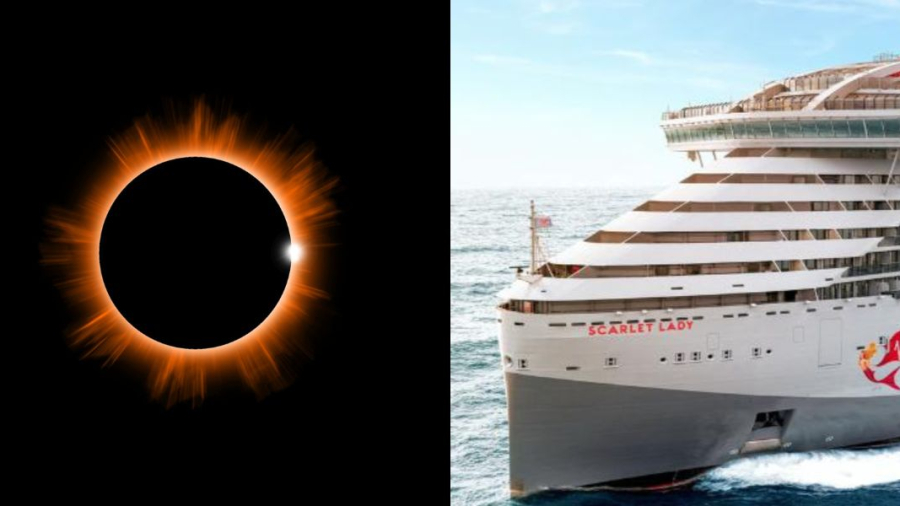
Scarlet Lady will focus on the European ports, including a visit to Ibiza on 12th August which is on the path for 100% totality.

“Our Marvelous Voyages, paired with Brilliant Lady’s epic itineraries across all four corners of the U.S., just shows the growth and strength of this monumental brand and the choice we are committed to offering.”

Michelle Bentubo, chief operating officer at Virgin Voyages

The new cruises will be available to book from 21st August 2024.

NEW DEALS JUST RELEASED!

Don’t miss the latest Virgin Voyages offers…

Related posts

If you found this interesting, please share!

Cruise Mummy

Jenni Fielding is the founder of Cruise Mummy. She has worked in the cruise industry since 2015 and has taken over 30 cruises. Now, she helps over 1 million people per month to plan their perfect cruise holidays.

Read more about me

Source link

amsterdam-at-night.jpg

Protestors Block Cruise Ship Docking And Force It To Reroute

Royal Caribbean’s Jewel of the Seas was unable to dock at Amsterdam this weekend as planned, due to a protest by Extinction Rebellion.

Amsterdam at night

The small group of just seven protestors managed to block key locks which meant that the ship was unable to safely reach the Amsterdam port.

Instead, the ship was forced to head to nearby Ijmuiden.

The impact was significant, as this was not a port of call mid-itinerary but it was an embarkation and disembarkation port.

This meant that guests had to board buses from the ship to get to the port, and vice versa – those guests due to embark on their cruise had to board the shuttle buses on the return journey to get to the ship.

The port was relatively close, with the bus journey taking less than an hour, but it was still a significant inconvenience for all guests leaving the ship or joining her for the next cruise.

The protest was directly against the cruise industry, with Extinction Rebellion releasing a statement:

This action is a direct protest against the scandalous pollution caused by cruise shipping. They deliberately prevented the arrival of the gigantic cruise ship, the Jewel of the Seas… Extinction Rebellion demands an immediate and total halt to the destructive cruise industry in the midst of the devastating climate and ecological crisis.

The local government in Amsterdam are already taking steps to potentially ban cruise ships from the dock and reduce cruise tourism in the city, due to the impact tourists are having on life for locals.

Police chose not to remove the protestors as they were not causing injuries or in life-threatening situations. The protestors left once they had caused the ship to divert.

NEW DEALS JUST RELEASED!

Don’t miss the latest Royal Caribbean offers…

Related posts

If you found this interesting, please share!

Cruise Mummy

Jenni Fielding is the founder of Cruise Mummy. She has worked in the cruise industry since 2015 and has taken over 30 cruises. Now, she helps over 1 million people per month to plan their perfect cruise holidays.

Read more about me

Source link

Large white cruise ship sailing at sea, illustrating Eurodam cabins to avoid and the best cabins to book

Eurodam Cabins to Avoid (and the Best Cabins to Book Instead)

The main Eurodam cabins to avoid are on Deck 8 directly under the Lido Market and pools, on Deck 1 near the World Stage and below the Deck 2 music venues, and the verandahs where a lifeboat or a solid steel wall gets in the way of the view, mainly forward on Deck 4 and midship on Deck 5. For a quiet, steady cabin, book midship on Decks 5 to 7 with cabins above and below you. If you want the best balcony at a good price, look at the aft-facing verandahs on Deck 4.

Eurodam is a Signature-class ship. She was built by Fincantieri in 2008, measures about 86,000 gross tons and carries around 2,100 guests at double occupancy. Her only sister is Nieuw Amsterdam (2010), which has an almost identical layout, so nearly everything below applies to both ships. Cabin numbers can shift slightly between the two, so always check the deck plan for the exact ship you are booking.

Eurodam at a glance: cabin types and decks

Eurodam has a little over 1,000 staterooms, and roughly two-thirds of them have a verandah. To make sense of the advice below, it helps to know how the decks are laid out. Holland America names its decks as well as numbering them:

  • Deck 1 (Main): cabins, the atrium and the World Stage area forward.
  • Deck 2 (Lower Promenade): casino, music venues and bars, plus the lower level of the dining room.
  • Deck 3 (Promenade): shops, the upper dining room and the wraparound promenade with its lifeboats.
  • Decks 4 to 8 (Upper Promenade, Verandah, Upper Verandah, Rotterdam, Navigation): mostly cabins. The Neptune Lounge for suite guests is on Deck 7.
  • Deck 9 (Lido): Lido Market buffet, pools and spa.
  • Decks 10 and 11 (Panorama and Observation): more cabins, including the spa cabins, plus Club HAL, sports courts and the Crow’s Nest.

The table below sums up the main categories, using approximate sizes from published deck plan data. Holland America sometimes renames or splits categories, so treat the letters as a guide and confirm them when you book.

Cabin type Typical codes Approx. size Where on the ship Watch out for
Interior I, J, K, L, M, N, IQ (spa) 140-285 sq ft Decks 1, 4-8, 10 Cabins under Deck 2 venues or near crew doors
Ocean view C, D, E, F, G, H, CQ (spa) 140-285 sq ft Decks 1, 4-6, 10, 11 Obstructed-view grades that look onto lifeboats
Verandah V, VA-VF, VH, VQ, VT (spa) About 175 sq ft plus balcony Decks 4-8, 10, 11 Steel-walled forward balconies, lifeboat views, shallow spa balconies
Signature Suite SS, SY, SZ, SQ/SU (spa) About 300 sq ft Decks 5, 6, 10 Forward suites move more in rough seas
Neptune Suite SA, SB, SC About 270-380 sq ft Decks 4-8 Few downsides; aft-facing ones are the most sought after
Pinnacle Suite PS About 1,000 sq ft plus large verandah Deck 7 (only two on board) Price, and they sell out early

Eurodam cabins to avoid (and why)

None of these cabins is bad as such. Each one has a specific drawback that matters a lot to some people and not at all to others. Here are the locations most worth checking before you pay a deposit.

1. Deck 8 cabins under the Lido Market and pools

Deck 9 is the Lido, home to the Lido Market buffet, the pools and the spa. Deck 8 cabins directly beneath the buffet are the ones most likely to hear early-morning set-up, sliding chairs and food-service carts, especially on sea days. If you sleep lightly, compare the Deck 8 and Deck 9 plans side by side and avoid any cabin with the buffet or pool deck directly above it. Many Deck 8 cabins are fine, but the ones under the Lido Market are the classic Eurodam noise complaint.

2. Deck 1 cabins near the World Stage and under the Deck 2 music venues

Holland America’s own deck plan puts Deck 1 next to the World Stage and directly below the Deck 2 entertainment area. Cabins forward on Deck 1, near the theater, can pick up rehearsals, show crowds and foot traffic. Cabins under the Lower Promenade music venues can hear bass and late-night noise. Cruise forum posters have pointed to Main deck cabins around C1056 to C1066, plus a few nearby inside cabins, as the ones most affected. They also say the starboard side tends to be quieter than port. The venue line-up on Deck 2 has changed over the years, so check what is currently above any Deck 1 cabin you are considering.

3. Forward Deck 4 verandahs with solid steel walls

On the Upper Promenade (Deck 4), the forward verandahs, roughly cabins 4001 to 4042, have solid steel balcony fronts rather than glass. When you sit down, the wall blocks most of the sea view, and you need to stand to see over it. Some people like the extra privacy and shelter from the wind, especially in Alaska. If you want to watch the scenery from a lounger, though, choose a cabin further aft. Be careful with “verandah guarantee” fares: they can put you in exactly this kind of cabin.

4. Lifeboat-view verandahs and obstructed ocean views

Eurodam’s bright orange lifeboats hang along the Promenade (Deck 3), just below the first cabin decks. The cabins this affects most are:

  • Deck 4 corner “hump” verandahs near the lifeboats, which past guests identify as cabins 4053, 4054, 4129 and 4132.
  • Midship Deck 5 verandahs, which sit above the lifeboats. The outward view is usually fine, but looking down you see lifeboat roofs instead of water.
  • Obstructed-view ocean view cabins, which are sold at a discount because a lifeboat partly or mostly blocks the window. How much they are blocked varies from cabin to cabin.

Obstructed-view cabins can be good value if you mainly want natural light. Just book them knowing what you are getting.

5. Shallow or “Juliet” spa balconies (VQ and VT)

The spa cabins high up on Decks 10 and 11 put you close to the Greenhouse Spa. Their balconies are narrower than standard, though. VQ balconies are only about 4 feet deep, and the VT cabins on Deck 11 have Juliet-style balconies that are really only for standing. If a proper balcony with two chairs matters to you, these aren’t the cabins to book. Deck 11 cabins are also close to the sports courts.

6. Far forward cabins if you get seasick

Cabins at the very front of the ship, and especially high up, feel the most pitching in a swell. Forum posters mention forward suites on Decks 5 and 10 in particular. This matters most on open-sea repositioning cruises and winter crossings. It matters much less on a calm Caribbean week or in Alaska’s Inside Passage.

7. Connecting cabins if you are not traveling as a group

Eurodam has a large number of connecting cabins, around 280 according to published ship data. The connecting doors are not as well soundproofed as solid walls, so you may hear the TV or conversation next door. Families should book them; couples who want quiet should avoid them. On the online deck plan, connecting cabins are usually marked with a small symbol between the two rooms.

Other small things to look for on the plan include laundry and service rooms, elevator lobbies and crew doors. Cabins next to them can hear doors and carts. These are minor issues, but worth a glance.

Eurodam best cabins to book

Now for the good news. Some Eurodam cabins are consistently well regarded, and several of them aren’t the most expensive on board.

Aft-facing verandahs on Deck 4

The aft-facing Upper Promenade verandahs, roughly cabins 4133 to 4179, have deeper balconies, around 7.5 feet compared with about 5.5 feet on a standard verandah. They also give you a view of the wake. Cabins 4166 and 4168 have extra-wide balconies. Because Deck 4 is lower down, these cabins feel less motion than aft cabins higher up. Many repeat Holland America guests rate them the best-value balconies on the ship. Aft cabins on higher decks can be even deeper, but the stern balconies on the upper decks are smaller than many people expect, so check each one.

Neptune Suites

Neptune Suites come with access to the Neptune Lounge on Deck 7 and concierge help, which makes a real difference on longer voyages. The balconies are also large, about 135 sq ft. The aft-facing Neptune Suites are the ones people tend to fight over. They are quiet, have wake views and cost much less than a Pinnacle Suite.

Pinnacle Suites

Eurodam has just two Pinnacle Suites, both on Deck 7. Each one is roughly 1,000 sq ft with a very large verandah, and they come with Neptune Lounge access and Holland America’s top suite perks. If they are in your budget, they are the best rooms on the ship, but they often sell out more than a year ahead.

Signature Suites

Signature Suites, mainly on Decks 5 and 6, give you a separate sitting area, a larger bathroom and a balcony of about 85 sq ft. They sit between the Verandah and Neptune categories and are a good upgrade if you want more space without paying for full suite perks. Choose midship or aft ones over far-forward ones if motion bothers you.

Midship verandahs on Decks 5 to 7

For most people, the safest choice is a standard verandah midship on Decks 5, 6 or 7. These cabins have other cabins above and below them, are close to the elevators, and are well away from the Lido and the Deck 2 venues. Pick one that is not directly above the Deck 3 lifeboats and you have a quiet, steady cabin with a clear view.

Large Deck 1 inside cabins

If you’re on a budget, the larger Main deck inside cabins (category J, around 225 sq ft according to past guests) are some of the roomiest interior cabins in Holland America’s fleet. Some of them can sleep four. Choose ones away from the forward theater area and from the cabins under the Deck 2 music venues mentioned above.

Calm ocean at sunset seen from the deck of a large cruise ship
Midship cabins on lower decks feel the least movement at sea. Photo: Tomasz Filipek on Pexels
Calm blue sea stretching to the horizon, the smooth sailing seasick-prone Eurodam guests hope for
Midship cabins on lower decks feel the least motion when the sea picks up. Photo: Mathias Reding on Pexels

Best Eurodam cabins for seasickness

A ship moves least at its center, so for seasickness choose a midship cabin on a low deck. On Eurodam, the best options are midship cabins on Deck 1 (interior or ocean view) or midship verandahs on Deck 4 and Deck 5. Avoid the far forward cabins, and remember that higher decks feel more sway. An ocean view or balcony also helps, because being able to see the horizon reduces nausea for many people.

Where Eurodam is sailing matters too. According to published 2026-27 schedules, she spends the winter on Caribbean round trips from Fort Lauderdale. These include 7-night Eastern and Western Caribbean loops calling at Half Moon Cay (now marketed as RelaxAway, Half Moon Cay), Grand Turk, Amber Cove, Cozumel and Grand Cayman, along with some longer 10- to 14-night voyages. In summer she moves to Seattle for 7-night Alaska round trips, with Panama Canal repositioning cruises between the two seasons. The Caribbean and the Inside Passage are usually fairly calm. The repositioning voyages and some open-ocean stretches can be rougher, so cabin location matters more on those. Schedules change, so check the current itinerary on Holland America’s Eurodam page.

Eurodam obstructed view cabins: are they worth it?

Obstructed-view cabins are some of the cheapest outside cabins on Eurodam. Whether they are worth it depends on what you want from a window. You get daylight and a sense of the time of day. You may not get a sea view at all if the cabin looks straight at a lifeboat. Two practical tips:

  1. Look at the deck plan legend. Holland America marks obstructed and partially obstructed cabins on its deck plans. Partial obstructions are often barely noticeable, while full obstructions can mean a wall of orange.
  2. Compare the price gap. If the difference between an obstructed ocean view and a standard interior is small, the window may be worth it. If the price is close to a midship verandah instead, the verandah is usually the better buy.

How to check a Eurodam cabin before you book

The thing most cabin guides skip is a simple routine for checking a specific cabin number. Here is a quick five-step check that works for any Eurodam (or Nieuw Amsterdam) cabin:

  1. Look up. Open the deck plan for the deck above your cabin. If you see a buffet, pool, gym, galley or bar instead of more cabins, expect some noise.
  2. Look down. Check the deck below for theaters, lounges or the casino, which matter most for Deck 1 and Deck 4 cabins.
  3. Look outside. On Decks 4 and 5, check whether the lifeboats on Deck 3 sit below or beside your cabin. Forward on Deck 4, check whether the balcony has a steel front.
  4. Look sideways. Look for connecting-door symbols, service rooms, laundry rooms and elevator banks next to the cabin.
  5. Check the balcony depth. Spa cabins (VQ and VT) and some forward cabins have smaller balconies than the standard verandah.

If you are choosing between Holland America ships, our guide to Holland America ships ranked by real customer reviews shows where Eurodam stands in the fleet. Once you have picked a cabin, it is also worth reading about whether Holland America drink packages are worth it before you finalize your booking. If you are comparing lines, our Celebrity Cruises cabins to avoid guide uses the same approach.

FAQs

What deck is best on the Eurodam?

For most people, Decks 5, 6 and 7 midship are the best, because they have cabins above and below them and sit away from the Lido and the Deck 2 entertainment venues. For the best balcony value, aft-facing cabins on Deck 4 are a popular choice.

Which Eurodam cabins have obstructed views?

Obstructed-view cabins are the ones that look onto the orange lifeboats along Deck 3. Some Deck 4 corner verandahs, such as 4053, 4054, 4129 and 4132, sit beside the lifeboats, and midship Deck 5 verandahs look down onto them. Forward Deck 4 verandahs (roughly 4001 to 4042) have solid steel balcony walls.

Are Deck 8 cabins on Eurodam noisy?

Deck 8 cabins directly below the Lido Market and pool area on Deck 9 can hear early-morning set-up and chair noise. Deck 8 cabins with other cabins above them are generally fine.

Is Nieuw Amsterdam the same as Eurodam?

Yes. Nieuw Amsterdam is Eurodam’s Signature-class sister and has a nearly identical layout, so the same cabins-to-avoid advice applies. Check exact cabin numbers on each ship’s own deck plan.

How many passengers are on the Eurodam?

Eurodam carries about 2,100 guests at double occupancy, and up to around 2,500 when third and fourth berths are filled. She has roughly 900 crew.

Large cruise ship sailing across a deep blue ocean under a clear sky

Cruises for 18 Year Olds Without Parents: Which Lines Say Yes in 2026

The best cruises for 18 year olds without parents are on Virgin Voyages, which is adults-only and lets anyone 18 or over book and sail on their own, and on European or UK sailings with lines such as P&O Cruises, Marella, Cunard, MSC, Celebrity and Royal Caribbean, where the minimum age to sail unaccompanied is 18. Disney Cruise Line also accepts 18-year-olds on their own. Most big lines sailing from the US, including Carnival, Norwegian and Royal Caribbean’s North American departures, now require you to be 21 unless you are married or in the military.

Below you will find which lines say yes at 18, how drinking ages differ between US and European waters, and the practical points that trip up young first-time cruisers at the check-in desk.

Can you go on a cruise at 18 without your parents?

Yes, but it depends far more on where the ship sails from than on how old you are. Cruise lines set their own age rules, and most of the large American-owned brands use two sets of rules: one for ships leaving North America and one for everywhere else.

  • Sailings from the US, Canada and the Caribbean: on most mainstream lines you need to be 21, or share a cabin with someone who is 21 or older.
  • Sailings from Europe, the UK, Australia, New Zealand, Asia and South America: many lines drop the minimum to 18.
  • Adults-only lines: Virgin Voyages is 18+ on every sailing, so an 18-year-old is simply a regular guest.

The age that counts is your age on the day you board, not the day you book. Lines check passports and ID at embarkation, and anyone who does not meet the policy can be refused boarding, usually with no refund. If your birthday falls just before the cruise, make sure the date works before paying a deposit.

Cruise lines for 18 year olds: minimum age and drinking age

This table summarises current published policies for the lines most people ask about. “Alone” means without a parent or a passenger aged 21+ in the same cabin. Rules change, so always check the line’s own FAQ before booking.

Cruise line Minimum age to sail alone Drinking age on board
Virgin Voyages 18 (adults-only line) 18 in international waters; 21 in US waters and on Alaska voyages
Disney Cruise Line 18 21
Royal Caribbean 21 from North America; 18 from Europe, Asia, Australia, NZ, South America 21 from North America; 18 on those other regions
Celebrity Cruises 21 from North America; 18 from Europe, Asia, Australia, NZ, South America 21 in North America; 18 on sailings from Europe, South America, Australia, NZ
MSC Cruises 21 on US itineraries; 18 elsewhere 21 if the cruise calls at a US port; 18 otherwise
P&O Cruises (UK) 18 18 (21 in US waters)
Marella Cruises 18 18
Cunard 18 18 (21 in US waters and ports)
Ambassador Cruise Line 18 (adult-only sailings) 18 on UK sailings (confirm with the line)
Carnival 21 (exceptions for married couples and military) 21 everywhere
Norwegian Cruise Line 21 (exceptions for married couples and military) 21 on US sailings
Princess Cruises 21 21; 18 on some Europe, Australia and Asia itineraries
Holland America Line 21 21

Fred. Olsen, another UK line, generally lets passengers aged 18 and over travel and drink on board, though its older passenger profile makes it a less obvious choice for a first trip with friends.

Group of young adult friends laughing together on a sunny beach during a holiday
Sailings from the UK and Europe are where 18-year-olds have the most choice. Photo: PNW Production on Pexels

Best cruises for 18 year olds without parents

Being allowed on board is one thing. Enjoying it is another. These are the lines that combine an 18+ booking policy with the kind of atmosphere younger travellers tend to want.

Virgin Voyages: the easiest choice from the US

Virgin Voyages is the standout because it is adults-only. There is no chaperone rule to work around, no kids’ club, and the whole ship is designed around nightlife, festival-style parties, a tattoo studio, fitness classes and a large choice of included restaurants. Ships sail from Miami to the Caribbean, as well as in the Mediterranean and other regions. Remember that the drinking age switches to 21 while the ship is in US waters and on Alaska voyages, and follows local law in port. Read more in our guide to the best adult cruise line options.

Royal Caribbean and Celebrity in Europe

Royal Caribbean raised its North American minimum to 21 in early 2025, but its European, Asian and Australian sailings still accept 18-year-olds, who can also drink there. That makes a Mediterranean or Northern Europe cruise from Barcelona, Rome or Southampton a realistic option, with big-ship extras such as surf simulators, ice shows and climbing walls. Celebrity follows the same regional split with a calmer, more grown-up feel.

MSC Cruises from European ports

MSC’s minimum is 18 on non-US itineraries, and the drinking age is 18 unless the cruise calls at a US port. MSC is often competitively priced in the Mediterranean, and its newer ships have large water parks, bars and shows. A cruise from the US, however, means you need to be 21 or travel with someone who is.

P&O Cruises, Marella and Cunard from the UK

For UK-based 18-year-olds, these three are straightforward: 18 to sail alone and 18 to drink (apart from in US waters on P&O and Cunard). P&O’s larger ships have the most going on for younger adults, with plenty of bars, live music and evening entertainment. Marella’s prices often include drinks, which can help a tight budget. Cunard is more traditional, with formal nights and an older crowd, so it suits someone who likes the idea of a classic ocean liner experience.

Ambassador Cruise Line

Ambassador has moved towards adult-only sailings for guests aged 18 and over, with all of its 2027-28 no-fly departures from the UK set to be child-free. Its ships are smaller and passengers skew older, so it is better for a relaxed trip than a party.

Disney Cruise Line

Disney accepts guests 18 and over without a parent, and that includes US departures. The catch is that the drinking age is 21 and the atmosphere is built around families. It can work well for a group of 18-year-old Disney fans, but it is not an adults’ party ship.

Cruise lines that require you to be 21

If you are set on a Caribbean cruise from Florida or Texas, expect most mainstream lines to say no to an 18-year-old sailing alone:

  • Carnival: you must be 21 on embarkation day. Under-21s need a relative or guardian aged 25 or older travelling with them.
  • Norwegian Cruise Line: under-21s must stay in the same or a connecting cabin as a guest aged 21+.
  • Royal Caribbean from North America: 21, since a policy change in February 2025.
  • Princess and Holland America: 21.

Exceptions: married couples and military

Several of these lines make exceptions. Carnival, Norwegian, Royal Caribbean and Celebrity accept married couples under 21 with proof of marriage, and active-duty US or Canadian military members aged 18 to 20 with valid ID. Bring the original documents, as they are checked at the pier.

Travelling with an older friend

One useful detail many guides miss: on lines such as Norwegian and Royal Caribbean, the rule is about who is in the cabin, not who your parents are. If one friend in your group is 21 or older and shares your cabin (or a connecting one on Norwegian), younger friends can usually sail. Carnival is stricter, asking for a relative or guardian aged 25+.

Colourful cocktails lined up on a bar counter in warm evening light
Drinking ages at sea depend on where the ship is, not just your passport. Photo: Dasha Klimova on Pexels

Drinking at 18 on a cruise

Expect the drinking age to be 21 on almost any ship sailing from the US, even in international waters. Virgin Voyages is a partial exception, serving 18-year-olds in international waters but not in US waters or on Alaska voyages. Norwegian lets 18- to 20-year-olds drink beer and wine without a waiver on Europe- or Australia-only itineraries.

On UK and European departures, 18 is the norm on P&O, Marella, Cunard, MSC, Royal Caribbean and Celebrity. In port, local laws apply, and a few private islands keep a 21 limit. Lines are strict about this: wristbands, flagged cruise cards and ID checks are common, and a drinks package may not be sold to under-21s where 21 applies. If you are under the drinking age, a soda or mocktail package is usually available.

Tips for booking your first cruise at 18

Once you have found cruises for 18 year olds without parents that fit your dates, a little preparation makes check-in smooth.

  1. Get your documents sorted early. At 18 you do not need a parental consent letter, but you do need a valid passport or the ID your itinerary requires. A passport is the safest choice for any cruise visiting another country.
  2. Check the age rule for your exact sailing. The same ship can have different rules depending on where it departs from.
  3. Have a card for your onboard account. Cruise lines link a credit or debit card to your cabin for drinks, tips and extras. Some accept cash deposits, but a card in your own name is simpler.
  4. Share a cabin to cut costs. Fares are priced per person, usually based on two sharing. An interior cabin for three or four friends is one of the cheapest ways to cruise.
  5. Look for deals and low deposits. Booking well ahead or watching last-minute offers can save a lot; see our roundup of cruise deals for 2027.
  6. Buy travel insurance. Get cover that includes medical treatment at sea and evacuation, as onboard medical care is charged separately and can be expensive.
  7. Know the rules on board. Being 18 makes you an adult on board. You can visit adults-only areas on most lines, and on many lines you can use the casino (often 18, but 21 on Alaska sailings with lines such as Royal Caribbean), but misbehaviour can still get you sent home at your own cost.

If you want a cruise with a social vibe, themed sailings are worth a look too; our guide to the best music cruises covers festival-style voyages, though many charter cruises set their own minimum ages.

For drinking, casino and cabin rules at every age, see our full guide to cruise age limits by line.

If you want the liveliest ships at sea, our ranking of the best party cruises for nightlife compares Virgin Voyages, Carnival, Royal Caribbean and music charters.

FAQs

Can an 18-year-old go on a cruise alone?

Yes, on Virgin Voyages, Disney Cruise Line, UK lines such as P&O, Marella and Cunard, and on Royal Caribbean, Celebrity and MSC sailings outside North America. Most US departures on other lines require you to be 21.

Which cruise lines allow 18-year-olds without parents from the US?

Virgin Voyages and Disney Cruise Line both accept 18-year-olds on their own from US ports. Carnival, Norwegian, Royal Caribbean, Celebrity, Princess and MSC all set 21 on North American sailings, apart from married couples and military exceptions on some lines.

Can you drink at 18 on a cruise?

On UK and European sailings with lines such as P&O, Marella, Cunard, MSC and Royal Caribbean, yes. On US departures the drinking age is almost always 21, although Virgin Voyages serves 18-year-olds in international waters.

Are all Virgin Voyages cruises adults only?

Yes. Every Virgin Voyages sailing is for guests aged 18 and over, so there are no children on board and no chaperone rules for 18-year-olds.

Can 18-year-olds cruise on Royal Caribbean without parents?

Only outside North America. Since February 2025, Royal Caribbean’s minimum age to sail unaccompanied from North America is 21, while sailings from Europe, Asia, Australia, New Zealand and South America accept 18-year-olds.

Waiter in a white uniform serving guests in an elegant cruise ship dining room

The 5 Best Cruise Lines to Work For: Contracts, Benefits and How to Apply

The best cruise lines to work for depend on your role, nationality and languages, but five stand out for different reasons: Royal Caribbean for sheer scale and promotion paths, Disney Cruise Line for shorter contracts and strong benefits, MSC Cruises for structured training, Cunard for experienced hospitality staff who want a classic luxury setting, and AIDA Cruises for German speakers. All of them share the basics of cruise ship work: multi-month contracts, long days with few full days off, and free food and accommodation on board.

This guide compares each line’s typical contracts, benefits and hiring routes, then covers what every applicant needs (STCW safety training, a seafarer medical and the right visa) and how to pick the line that suits you. Cruise lines publish little about pay, so where figures vary or aren’t public we say so rather than guess.

Best Cruise Lines to Work For: Quick Comparison

Cruise line Typical contract Main language on board Stand-out benefit Best suited to
Royal Caribbean International Around 4-8 months English Huge fleet, lots of internal promotion Ambitious first-timers and tipped roles
Disney Cruise Line 3-8 months, most 4-6 English Matched retirement plan, theme park admission Guest-facing and entertainment staff
MSC Cruises Often around 5-7 months (reported) English, plus European languages valued Pre-boarding training academies Multilingual applicants
Cunard Varies by role English Small, upscale fleet with formal service Experienced hotel and fine-dining staff
AIDA Cruises About 3-6 months German with guests, English among crew EU-standard contracts for EU citizens German speakers

Contract lengths come from the lines’ own career pages where published, and from reputable cruise press where not. They vary by position, and senior and officer roles usually differ from the ranges above.

What Working on a Cruise Ship Is Really Like

Before comparing employers, it helps to know what is common to almost every line:

  • Contracts, not permanent jobs (at first). Most crew sign on for several months, then go home for a break, often around six to eight weeks, before the next contract.
  • Long hours. Ten to twelve hours a day, seven days a week, is normal in many departments. Time off is usually counted in hours, so you may get an afternoon ashore in port rather than whole days off.
  • Room and board included. Crew typically share a cabin, eat in a crew mess and have crew-only facilities such as a bar, gym and sometimes a pool.
  • Flights usually paid to and from the ship for most crew, though terms vary by line and contract.
  • Pay varies widely. Base salaries for entry-level roles are modest, and in tipped or commission roles (bar, dining, spa, retail, casino) a large share of earnings can depend on guests and sales. Lines rarely publish pay, so ask the recruiter for the exact package in writing.

1. Royal Caribbean International

Royal Caribbean is one of the world’s biggest cruise brands, and that scale is its main appeal for crew. More ships means more vacancies, more departments and more room to be promoted. Its newest Icon-class ships carry several thousand crew each; our guide to Royal Caribbean ships by age shows how varied the fleet is, from older, smaller ships to the latest mega-ships.

Contracts and benefits

  • Contracts typically run around four to eight months depending on the role.
  • Benefits reported for crew include accommodation, meals, medical care on board, crew gyms, free messaging-app Wi-Fi and cruise discounts for family.
  • Royal Caribbean Group, which also owns Celebrity Cruises, hires through its official careers site and a network of approved recruitment partners in different countries.

Good fit for: first-time crew in hotel, food and beverage roles, and people who want a clear ladder to supervisor and manager jobs.

2. Disney Cruise Line

Disney is often named by crew as a good employer, partly because its contracts are shorter than average. Disney says contracts range from three to eight months, with most positions averaging four to six. The fleet is growing, with new ships added in recent years; see our list of Disney cruise ships from newest to oldest.

Contracts and benefits

  • Benefits listed by Disney include a company-matched retirement savings plan after 90 days, complimentary theme park admission for you and your family, bi-weekly pay, medical coverage while on contract, training and recognition programmes.
  • Most crew share a cabin and have access to a 24-hour crew gym, recreation room and dining areas.
  • You apply through Disney Careers by choosing your country of residence; each country page lists available roles and Disney’s approved local recruitment partner.

Good fit for: people who enjoy guest interaction, youth activities and entertainment, and who are comfortable with Disney’s strict appearance and conduct standards.

Cruise ship crew members in uniform standing on an outdoor deck
Crew contracts usually last several months with a break in between. Photo: Moisés Fonseca on Pexels

3. MSC Cruises

MSC Cruises is a fast-growing, Swiss-based line with a strongly international crew and guests from across Europe and the Americas. It puts a lot of emphasis on training: MSC says it runs pre-embarkation hospitality training at schools in several countries, alongside onboard training and the mandatory STCW safety courses.

Contracts and benefits

  • English is a primary requirement, assessed against the CEFR language framework; Italian, Spanish, German or French are a real advantage in guest-facing roles.
  • Contracts are reported to be in the region of five to seven months, followed by around two months at home, though this varies by role.
  • Crew benefits reported include shared accommodation and meals, crew bar and gym, medical care and free messaging Wi-Fi.

The quality of the guest experience on MSC varies quite a bit between ship classes, as our MSC ships ranked by guest reviews shows, and crew facilities tend to be better on newer ships too.

Good fit for: multilingual applicants, and people from countries where MSC runs training academies.

4. Cunard

Cunard operates four ships: Queen Mary 2, Queen Victoria, Queen Elizabeth and Queen Anne. It is run by Carnival UK, which also manages P&O Cruises, so recruitment goes through Carnival UK and its approved agencies. With a smaller fleet there are fewer vacancies, but the setting is formal and traditional, and transatlantic crossings on Queen Mary 2 are unique in the industry.

Contracts and benefits

  • Contract lengths depend on the role; ask the recruiter for exact terms.
  • Many roles ask for previous cruise, four- or five-star hotel or upscale restaurant experience, and some request qualifications such as WSET wine certificates or food safety awards.
  • Carnival UK job adverts note that some compliance documents or training may initially be at your own cost, with some refundable once your first assignment starts. Cunard says its agencies never charge a fee to apply.

Good fit for: experienced hospitality professionals, especially in fine dining and wine service, who want a classic British luxury brand on their CV.

5. AIDA Cruises

AIDA is Germany’s biggest cruise line, sailing mainly for German-speaking guests. That makes it an excellent option if you speak German, and largely closed if you don’t: German is the language used with guests, and good English is needed because the crew is international.

Contracts and benefits

  • AIDA says assignments usually last about three to six months, depending on the role and deployment area.
  • EU citizens receive contracts under EU rules including social and health insurance, and after several successful assignments crew can move to a permanent contract.
  • Benefits listed include single or shared cabins, free meals and drinks in the crew mess, uniforms cleaned free, crew pool, sauna, gym and bar, internet access, and travel paid for crew joining from outside Germany.
  • The minimum age is 18, and tattoos and piercings are accepted.

Good fit for: German speakers, including career changers, as some entry roles don’t require formal training.

Orange life jackets and safety equipment on a ship deck used in crew safety training
STCW safety training is required for almost every crew role. Photo: Bohdan Hyrovych on Pexels

Cruise Ship Job Requirements: STCW, Medical and Visas

Whichever cruise line you choose, expect to need the following before you join a ship:

  1. A valid passport with plenty of validity left.
  2. STCW Basic Safety Training. This international certificate covers personal survival, fire prevention and firefighting, elementary first aid, and personal safety and social responsibility. Passenger ship crew also do crowd and crisis management training. Some lines arrange it after hiring, but applicants who already hold it are often preferred.
  3. A seafarer medical. You must pass a medical arranged by the line or hold a recognised certificate such as the UK ENG1. Germany has its own sea-fitness certificate for AIDA crew.
  4. The right visa. If your ship calls at U.S. ports and you are not a U.S. citizen or green card holder, you will usually need a C1/D crew visa, normally applied for after a job offer.
  5. A background check and, for some lines, a police clearance certificate.

Minimum age is usually 21 for many roles, though some lines (AIDA, for example) accept 18-year-olds.

How to Choose the Right Cruise Line for You

  • Start with your languages. English-only speakers have the widest choice with Royal Caribbean, Disney and Cunard; German opens AIDA; other European languages help with MSC.
  • Match your experience to the brand. Mass-market lines hire more entry-level staff; luxury and premium brands like Cunard usually want hotel or fine-dining experience.
  • Think about contract length. Disney’s and AIDA’s shorter stints suit people who don’t want to be away for eight months.
  • Compare the full package, not just base pay. Ask about tips or commission, flights, contract length, leave between contracts and medical cover.
  • Read crew reviews critically. Sites like Glassdoor and Indeed carry crew reviews, but they mix shoreside and shipboard staff and change over time, so read recent shipboard reviews rather than relying on a headline score.

How to Apply (and Avoid Job Scams)

Apply only through the cruise line’s official careers website or the recruitment partners it lists for your country. Under the Maritime Labour Convention, seafarers should not be charged fees for recruitment or placement, so treat any “agent” demanding money for a guaranteed job with suspicion. Be wary of offers that arrive by WhatsApp or social media without an interview, and never pay to “reserve” a position. You may pay for your own medical, STCW course or visa in some cases, but those payments go to clinics, training centres or embassies, not to a recruiter.

Many of the well-known Carnival cruise directors started out in the Fun Squad or as performers before being promoted to run a ship’s entertainment.

If one of these employers appeals, our guide to how to get a job on a cruise ship covers the paperwork, typical pay and recruitment scams to watch for.

FAQs

Which cruise line is best to work for?

There’s no single best. Royal Caribbean offers the most vacancies and promotion paths, Disney has shorter contracts and strong benefits, MSC suits multilingual applicants, Cunard suits experienced luxury hospitality staff, and AIDA is ideal for German speakers.

How long are cruise ship contracts?

Most crew contracts last between about three and nine months depending on the line and role, followed by a break at home of roughly six to eight weeks.

Do cruise lines pay well?

It depends on the role. Entry-level base pay is modest, but food and accommodation are free, so many crew save most of what they earn. Tipped and commission roles, officers and specialists can earn considerably more.

Can I apply for jobs at Royal Caribbean online?

Yes. Royal Caribbean Group posts shipboard vacancies on its official careers website, and in many countries it also hires through approved recruitment partners.

Do I need STCW training to work on a cruise ship?

Most crew need STCW Basic Safety Training. Some lines provide it after you’re hired, but having it already can make your application stronger.

Smartphone in airplane mode held by a traveler, showing how to avoid roaming charges on a cruise

How to Avoid Roaming Charges on a Cruise (2026 Guide to Avoiding Huge Phone Bills)

The simplest way to avoid roaming charges on a cruise is to switch your phone to airplane mode before the ship leaves port, then turn Wi-Fi back on by itself so you can use the ship’s internet. That stops your phone from connecting to the ship’s own satellite-linked cell network, which is billed separately from your normal plan and can cost dollars (or pounds) per megabyte. If you want to use your phone at sea anyway, buy a cruise pass from your carrier or a Wi-Fi package from the cruise line in advance.

Knowing how to avoid roaming charges on a cruise matters because the bill can land weeks after you get home, long after you can do anything about it. Below we explain why phones run up big bills at sea, what US carriers and UK networks actually charge, and a simple routine that keeps your phone useful without the shock.

Why cruise roaming charges are so high

Once a ship is out of range of land-based masts, your phone can still find a signal. That signal comes from a small cell network on the ship itself, run by a maritime provider such as Wireless Maritime Services (the “Cellular at Sea” network used on many big ships) or similar operators on other lines. The ship’s network passes your calls and data up to a satellite and back down to land, which is expensive to run.

To your carrier, that onboard network is just another foreign partner network, but it sits outside the normal roaming deals. That is the key point many passengers miss:

  • US plans: International day passes and “free” international data on many plans generally cover countries, not ships. T-Mobile states plainly that cruise ships are not covered by its international data passes.
  • UK plans: EU “roam like at home” style allowances do not apply to satellite connections at sea. O2 notes that maritime and in-flight connections fall outside these rules, so charges “can be high”.

Phones are also chatty in the background. Even if you never open an app, photo backups, app updates, email sync and messaging apps can pull megabytes every hour. On a per-MB maritime rate, a single day of background data can add up to a bill in the hundreds.

When does the ship’s network switch on?

Ships normally switch their onboard cell service off when they are close to port and on again once they are out at sea, so you may not notice the change. The risky moments are sailaway and the hour before arrival, when your phone can hop between a land mast and the ship’s network. T-Mobile even advises customers to turn roaming off while the ship is docked in a US port, because a phone can latch on to the ship’s system before it sails.

How much are roaming fees on a cruise?

Prices vary by carrier, plan and ship, and they change often, so always check your own account before you sail. Here is what the carriers’ own pages showed in November 2026:

Carrier Cruise option What you get
AT&T (US) Cruise Day Pass, $15 per 24 hours (per AT&T’s support page, updated April 2026) Unlimited texts, calls to the US, data on select ships (speeds may slow after 500MB a day). Charged only on days you use it.
Verizon (US) Cruise Daily Pass, $20 per line per day 0.5GB high-speed data then slower speeds, unlimited calls to the US and texts. Charged only on days used at sea. Pay-as-you-go data is not available at sea.
T-Mobile (US) Pay-per-use cruise rates Cruise ship roaming on selected lines only; not covered by international data passes. Check rates and your ship in the T-Mobile app or website.
UK networks (EE, O2, Vodafone, Three and others) Separate maritime / satellite rates Not included in EU or worldwide roaming bundles. Rates are set per network, and past customer reports suggest several pounds per MB, so check your network’s maritime price list.

A couple of things to note. AT&T’s Cruise Day Pass and Verizon’s Cruise Daily Pass only charge on days you actually use service, and AT&T says the 24-hour period can be triggered by background data, not just a call. Some cruise partner pages quote different AT&T prices, so confirm the current figure in your account. Verizon’s pay-as-you-go rates for calls and texts are listed at $1.99 a minute and 50 cents per text sent, which shows how quickly casual use adds up without a pass.

Woman checking her smartphone settings on a cruise ship deck to avoid roaming charges at sea
Checking your phone settings at sailaway is the easiest way to avoid a surprise bill. Photo: Burak Arpaci on Pexels

How to avoid roaming charges on a cruise: step by step

This routine works on any phone and any carrier. Do it as part of your boarding-day checklist, alongside the other jobs in our guide to embarkation day mistakes and must-dos.

  1. Before you leave home, call or check your carrier app. Ask what your plan does at sea and in each port. Remove any cruise pass you don’t want, or add one if you do.
  2. Turn off data roaming. On iPhone it is under Settings > Cellular (Mobile Data) > Cellular Data Options. On Android it is usually under Network or Connections > Mobile network. This is your safety net if airplane mode gets switched off by mistake.
  3. Switch on airplane mode before sailaway. Do it once you are on board and before the ship leaves the dock.
  4. Turn Wi-Fi back on by itself. Airplane mode with Wi-Fi on lets you use the ship’s network and the cruise line’s app, while the cellular radio stays off.
  5. Turn off Wi-Fi Assist (iPhone) or Adaptive Wi-Fi / mobile data switching (Android). These features quietly fall back to cellular data when Wi-Fi is weak, which is exactly what you want to avoid.
  6. Pause automatic photo backup and app updates until you are home or on reliable Wi-Fi. They eat paid ship Wi-Fi and, if cellular is on, maritime data.
  7. Repeat after every port day. Switch airplane mode back on before you re-board, not once you are at sea.

Don’t forget smartwatches, tablets and kids’ phones

Any device with its own SIM or eSIM can connect to the ship’s network. That includes cellular smartwatches, iPads with mobile data and children’s phones. Put each one in airplane mode, or turn off the watch’s cellular plan, as these are a common cause of bills that passengers can’t explain. It is worth adding to your list when you work through our cruise packing tips and hacks.

A Wi-Fi calling caveat

Wi-Fi calling sounds like a loophole, and on ship Wi-Fi it often is, but read your carrier’s terms. T-Mobile states that Wi-Fi calls to non-US numbers from a ship are billed at the cruise rate. Some cruise Wi-Fi plans also block or degrade voice calls. The safer option is to call through an app such as WhatsApp, FaceTime or Messenger over a Wi-Fi package you have already paid for.

Using ship Wi-Fi instead of cellular at sea

For most passengers, a cruise line Wi-Fi package is better value than cellular at sea. Many big ships now use Starlink or similar low-orbit satellite systems, so speeds are much better than a few years ago and video calls are often possible. Prices have risen, though. A January 2026 Parade report noted Disney’s standard package at $30 per device per day, Carnival’s plans starting from about $20 a day bought in advance, and Royal Caribbean typically around $20 a day for one device, varying by ship.

Ways to keep Wi-Fi costs down:

  • Buy before you sail. Pre-cruise prices are usually lower than onboard prices, and lines often run sales.
  • Use the free app access. Most major lines let you use their own app on ship Wi-Fi without paying, for daily schedules, deck maps and, on some lines, onboard chat.
  • Choose a messaging-only plan if you only need WhatsApp or iMessage. It is cheaper than a full streaming package.
  • Share smartly. Some lines let you log out on one device and in on another, so a couple can share one plan.
  • Look for perks. Wi-Fi is sometimes bundled in fares, loyalty benefits or promotions. Check what your fare includes before you buy separately.
Colourful harbour town with boats, the kind of cruise port stop where local mobile networks can be used
In port, you may be back on land networks, so check your roaming settings before you go ashore. Photo: 0xd1ma on Pexels

Using your phone in port

When the ship docks, your phone connects to land networks again, so the usual international roaming rules apply rather than maritime rates. Your options:

  • Use what your plan already includes. Some US plans, notably many T-Mobile plans, include texting and some data in many countries. AT&T and Verizon generally charge a daily international pass on land, separate from their cruise passes.
  • UK passengers in Europe may have EU roaming included or available for a daily fee, depending on the network. Check before you sail, because rules differ between networks.
  • Try a travel eSIM. If your phone is unlocked and supports eSIM, a regional data eSIM bought before the trip can be cheaper for a multi-country itinerary. Note that these are for land networks; most do not cover ships at sea.
  • Use free Wi-Fi ashore in cafés and terminals, but avoid banking on public networks.

Before sailaway, switch airplane mode back on. Phones commonly jump onto the ship’s network during the last minutes in port.

What if you still get a big bill?

If a bill shows maritime or “ship” charges you didn’t expect, contact your carrier quickly. Ask for an itemised list showing dates, times and network names, which will tell you whether a device connected at sea. Carriers are not obliged to refund legitimate usage, but polite requests for a one-off goodwill credit sometimes succeed, especially if it’s your first time. UK customers who cannot resolve a billing dispute can escalate to an independent ombudsman after the network’s complaint process, as set out by Ofcom.

To stop it happening again, set up a spending alert or data cap in your carrier account. UK networks offer usage caps, and US carriers send usage alerts by text. Most importantly, make airplane mode a habit for every sea day; our list of sea day mistakes to avoid has more ways to make those days count.

FAQs

Does a cruise ship have data roaming?

Yes. Many ships run their own cell network, which connects to land by satellite. Your phone treats it as a roaming network, and it is billed at special maritime rates that are not included in normal roaming bundles.

How much are roaming fees on a cruise?

It depends on your carrier. As of November 2026, AT&T lists a Cruise Day Pass at $15 per 24 hours and Verizon a Cruise Daily Pass at $20 per day. Without a pass, pay-per-use rates apply, and UK networks charge separate maritime rates that past customers report at several pounds per MB.

Should I turn off roaming on a cruise?

Yes, unless you have bought a cruise pass. Turn off data roaming and use airplane mode with Wi-Fi switched back on. That way your phone can’t connect to the ship’s cell network by accident.

Can I use my phone on a cruise ship in airplane mode?

Yes. With Wi-Fi turned back on you can use the cruise line’s app, and with a Wi-Fi package you can use messaging and calling apps like WhatsApp and FaceTime, all without cellular roaming charges.

Is Wi-Fi calling free on a cruise ship?

Not always. You still need to pay for ship Wi-Fi, and some carriers bill Wi-Fi calls at cruise rates; T-Mobile does so for calls to non-US numbers. App-based calls over a Wi-Fi package are the safer choice.

DCLBlog_Special-Offers.png

Special Offers on Disney Cruise Line Sailings as of August 12, 2024 • The Disney Cruise Line Blog


Source link