Finding a cruise for a family of four can be tricky because when you see cruise offers advertised online, they’re almost always based on two people sharing. This means that it can be very tricky to compare cruise prices for families.
A Lot Of Cruises Are Priced For Couples
Before I became a cruise blogger, I spent five years working in marketing for a specialist cruise travel agent. Whilst we did sometimes show family prices for families of four, most often, the price displayed was based on two people sharing a cabin.
The reason for this is that travel agents’ websites pull their prices from a feed and then apply their own programmatic price adjustments. The feed comes from the cruise line’s database, via third-party software.
This software only has the capacity to show prices based on two people for the four main cabin types – inside, outside, balcony and suite.
Not All Travel Agents Show Family Prices
For a travel agent to display a family price for a cruise, they have to price this manually, rather than using the live price feed. This task involves a member of staff going on to the cruise line’s website, finding the price, and then updating the travel agent’s website.
As cruise prices change most days, this is quite a labour-intensive task, so it’s not done for most sailings.
How to Find Family Cruise Prices
The way to see accurate prices for a cruise for a family of four is to search for the cruise on the cruise line’s own website, rather than a travel agent’s website.
However, booking directly with the cruise line usually costs you more and I wouldn’t recommend it in most cases. This is because travel agents are able to secure discounted rates.
Therefore, you should look for the price on the cruise line website and then call your travel agent and ask them to beat it. Any good travel agent will be able to get you a better deal than if you book directly with the cruise line.
Get Help Booking Your Family Cruise
Cruise Family are the only UK specialists in cruises for families of 5+ (and smaller ones too!)
Things To Consider When Booking A Cruise For A Family Of 4
1. Child Prices Depend On The Age Of The Child
For most cruises, the child price depends on the age of the child. When you see family prices advertised by travel agents, this is usually based on the price for eight-year-old children. If your kids are older or younger than this, the price may be lower or higher
2. Two Cabins May Be Cheaper Than One
Whilst you might think that having four people in one cabin is the cheapest way to cruise, this isn’t always the case. If there’s a special offer such as Buy One Get One Free, then it might work out cheaper to have two inter-connecting cabins.
You’ll need to book one adult and one child in each cabin, but if you have a door between them you don’t actually need to sleep in this configuration.
3. Free Child Places Don’t Apply To Flights
When you see an offer for free or reduced child places on your cruise, it can seem like a great deal. But don’t forget that kids aged two and over will pay the full fare for any flights that you need.
Unfortunately, the flights can sometimes cost more than the cruise, so be sure to factor this in when you book.
4. Family Cabins Sell Out Quickly
Not every cruise cabin has the extra beds to accommodate families. Since family cruising is becoming more popular, you’ll find that some of the older cruise ships have a distinct lack of cabins that sleep four.
I once tried to book a cruise the day after it went on sale, almost two years in advance, only to find that all the family cabins had already sold out!
For families of five, you’ll find that family cabins are even more rare.
If you’re planning a family cruise, take a look at my guide on how to choose a cruise in 7 easy steps. It guides you through the process of finding the best cruise for your family, including any pitfalls to watch out for.
If you have any questions or would like any help, please follow me on Instagram where I’ll be happy to chat over direct messages.
Get Help Booking Your Family Cruise
Cruise Family are the only UK specialists in cruises for families of 5+ (and smaller ones too!)
Let them find your perfect trip…
Related posts:
If you found this interesting, please share!
Jenni Fielding is the founder of Cruise Mummy. She has worked in the cruise industry since 2015 and has taken over 30 cruises. Now, she helps over 1 million people per month to plan their perfect cruise holidays.
Two cruise influencers have revealed how much they spend on average while living on a residential cruise ship.
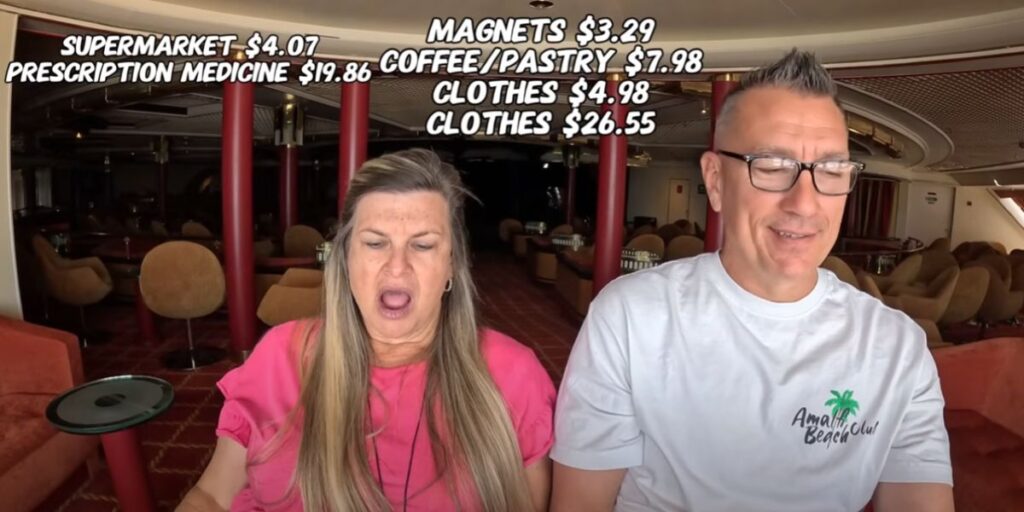
Angela and Steve are living onboard Villa Vie Odyssey and are documenting their cruise experiences on their YouTube channel, MidLife Cruising.
They’ve been discussing the costs of their unique lifestyle, from daily expenses in port to larger excursions, and breaking it all down for their followers.
Their January budget sheds light on the real costs of this lifestyle, offering valuable insight for anyone dreaming of sailing the world full-time.
Breaking down the costs
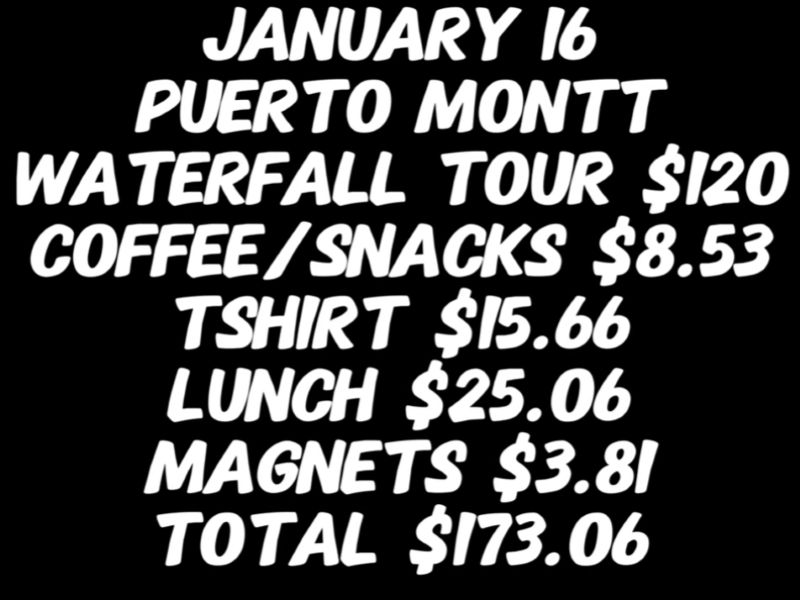
Angela and Steve meticulously tracked their spending throughout January while cruising through South America, visiting ports in Argentina, Chile, and Peru.
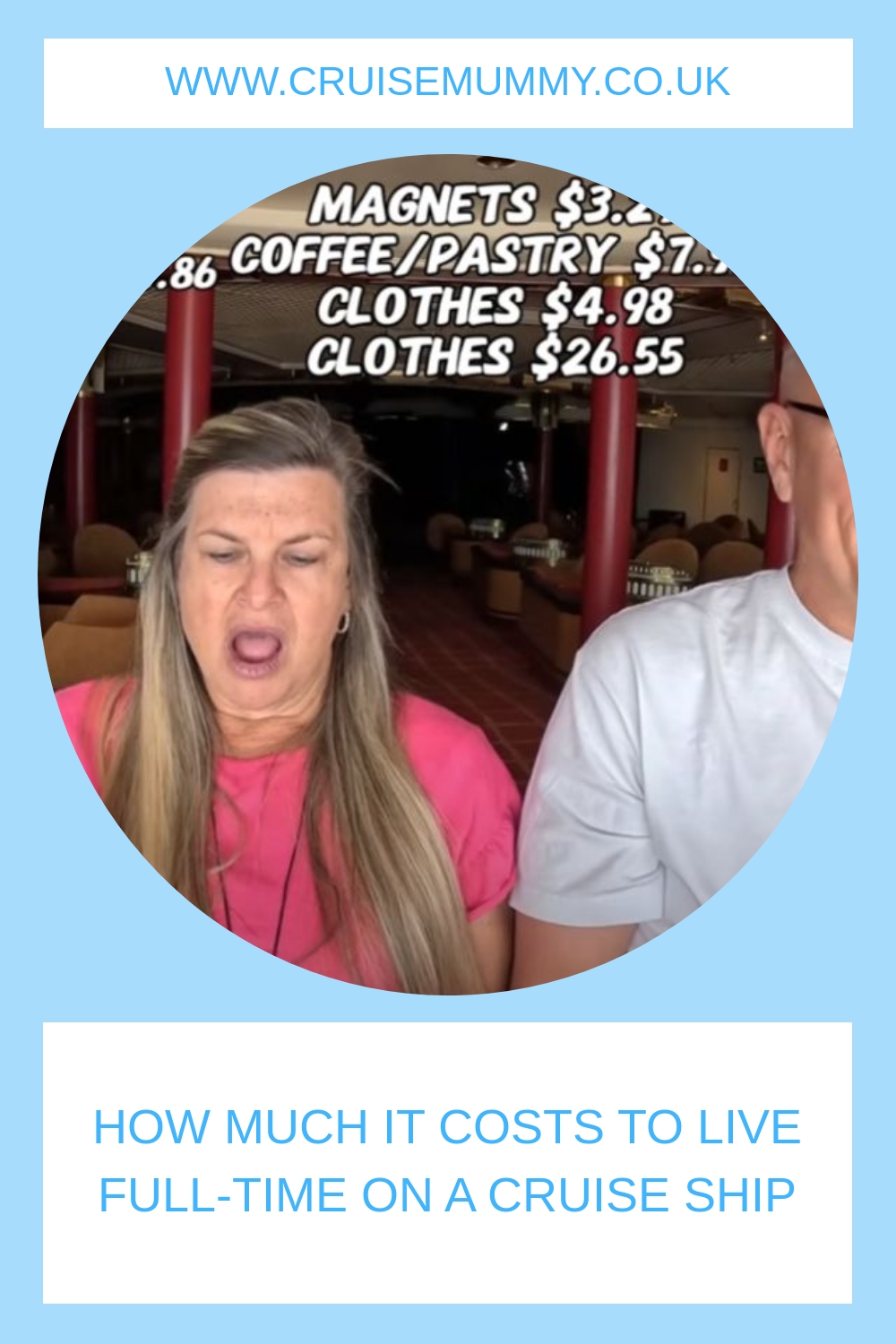
Their total expenditure for the month, including excursions, meals, and daily essentials, came to $1,940.97.
However, once they excluded the cost of a major trip to Machu Picchu, their monthly spend on day-to-day living was $1,388.71.
This amount covered everything from food and shopping to excursions and souvenirs. Notably, they spent some days at sea without spending a penny, which helped keep costs down.
Excursions and activities
One of the biggest expenses for the couple was excursions. For instance, they took a boat tour in Peru for just $40, an incredibly budget-friendly way to see wildlife, including penguins and sea lions.
However, their largest excursion, a 20-hour tour of Torres del Paine National Park in Chile, set them back $360 for the two of them. While expensive, they deemed it well worth the money for the breathtaking scenery and unique experiences.
Food and shopping
One of the fun aspects of cruising full-time is dining out in different countries. They often grabbed local pastries, coffee, and small meals while in port. In Ushuaia, Argentina, they visited a popular local bakery for $22.76, which included churros and alfajores.
Their grocery shopping expenses were minimal since meals on the ship are included in their maintenance fees.
However, they did pick up snacks, toiletries, and other essentials, such as toothpaste (which they noted was surprisingly expensive in Argentina).
Unexpected costs
One category of expenses that some may not consider is cash withdrawals and transaction fees.
Fortunately, Angela and Steve use a Charles Schwab account, which refunds ATM fees at the end of each month. In January, they received $22.53 in refunded fees, helping to offset some of their costs.
Tipping is another consideration.
While gratuities are included in their monthly maintenance fee, the couple still provides additional tips to their favourite crew members, estimating that they spend $100 per month in discretionary gratuities.
Overall monthly cost
In total, excluding all of the costs of their major trip to Machu Picchu, their cost of living on the ship for January was $1,388.71.
If they factor in their mobile phone plan, which costs $46.24 per month, their grand total rises to $1,462.40.
This means they spent roughly $47.60 per day living on a cruise ship, which, when compared to land-based living expenses, is quite reasonable.
Of course, this amount does not include their monthly maintenance fee, which varies depending on the type of cabin.
Prices on the Villa Vie Odyssey range from $2,500 per month for a single person in an inside cabin to $11,000 for a suite. And that’s after they have paid for the room itself.
As early investors, Angela and Steve secured a lower rate, though their exact figures remain undisclosed due to an NDA they signed.
Future plans and more adventures
Their journey is far from over! In the coming months, they have big trips planned, including a visit to the famous Iguazu Falls, spanning both Argentina and Brazil.
Additionally, they will be venturing into the Amazon before making a short trip back to Nicaragua to check on their home.
For those curious about what it’s like to live full-time on a cruise ship, Angela and Steve continue to document their experiences on their YouTube channel, MidLife Cruising.
They plan to track their expenses again in the coming months to give their viewers even more insight into the costs of this unique lifestyle.
Want to follow along on their adventure? Be sure to check out their channel for regular updates on life at sea, budgeting tips, and travel inspiration!
Related posts
If you found this interesting, please share!
Jenni Fielding is the founder of Cruise Mummy. She has worked in the cruise industry since 2015 and has taken over 30 cruises. Now, she helps over 1 million people per month to plan their perfect cruise holidays.
The traditional way to book and pay for a cruise involves paying a small deposit at the time of booking and then paying off the balance around 12 weeks before you sail.
However, many people struggle to budget for the final balance payment, which can lead to them having to cancel and lose their deposit if they’re unable to meet the payment deadline.
Thankfully, there are ways to pay off your cruise with manageable monthly payments. Read on to find out how to do it.
How To Pay For A Cruise Monthly
There are several ways to pay for a cruise in monthly instalments.
Some cruise lines offer monthly payments as an option when you book. Alternatively, you could book your cruise with a travel agent with no deposit and interest-free monthly payments. Another option would be to put the cruise balance on a credit card and pay it off monthly.
Option One: Use A Travel Agent
The best way to book a cruise and pay monthly is to use a travel agent. Many specialist cruise travel agents will allow you to pay for a cruise monthly instead of all in one go.
When you take the monthly payment option, you’ll often have no deposit to pay, and there should also be no interest charged on your balance.
Here’s how it works:
Book your cruise (with or without a deposit, depending on the offer)
Set up a direct debit to the travel agent for regular monthly instalments
Your cruise is all paid off before you set sail
As an added bonus, you may also have nothing to pay for a set period of time. For example, if you book your cruise in December, your first monthly payment may not be due until February, which will help with budgeting over Christmas.
Travel agents can also help you get special deals if you want a cheap cruise.
NEW DEALS JUST RELEASED!
I’m ALWAYS looking for cruise bargains! These are the best deals I found this week…
Option Two: Book With The Cruise Line
Pay monthly cruises are sometimes available when you book directly with your cruise line. Note that not every cruise line offers monthly payments as an option. If yours doesn’t, you could still pay monthly if you use a travel agent.
When booking a pay monthly cruise directly with a cruise line, you’ll still need to pay your deposit as normal, and then spread the remaining balance over regular monthly payments.
If you book extras such as flights, transfers and optional extras, these may not be included in the instalment scheme.
Here’s where you’ll find more information on the pay monthly options from each of the cruise lines that offer this service:
Most of the time, the instalments are interest-free. However, if you choose to pay via Uplift, you will be charged interest on your payments. Cruise payment plans vary so check with your cruise line.
Some cruise lines will also let you set your own payment schedule. You pay the initial deposit, and then you have a deadline where you pay off the rest of your balance.
This leaves it up to you as the best way to pay for a cruise – you can pay it all off in one go, pay regular monthly instalments, or pay just when you can – varying the payments.
Option Three: Use A Credit Card
Whether you book with a travel agent or directly with the cruise line, you have the option to pay with a credit card. If you put the balance of your cruise on an interest-free credit card, you can pay it off monthly at no extra cost.
With a credit card, you could even continue to pay for your cruise after the departure date. Of course, it’s generally a good idea to pay for your cruise before you sail, but if you’re not able to, then a credit card would be the way to spread your payments over a longer period of time.
Credit cards with 0% interest on purchases each have their own terms, and there will be different lengths to the interest-free period. If you want to avoid paying any extra, it’s vital that you set up your payments to end before your interest-free period ends.
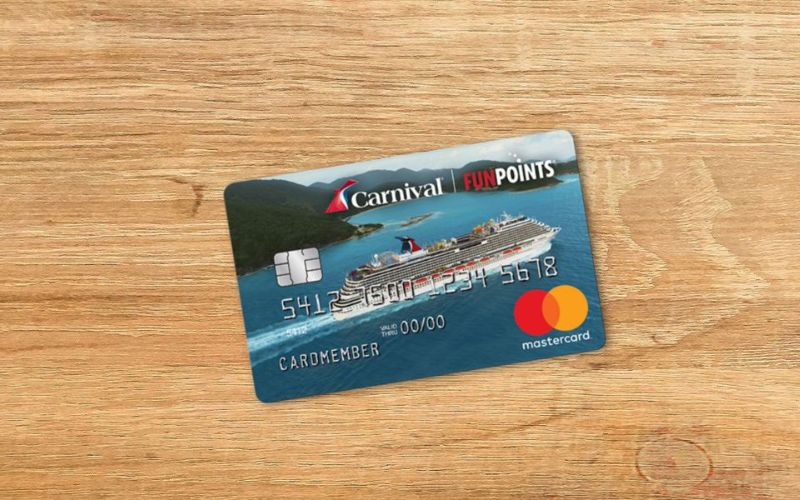
If you use a specialist credit card such as the Carnival Mastercard to pay for your cruise, you could accumulate points that you can exchange for all kinds of freebies on board, or even a free cruise!
Conclusion
I would always recommend using a good travel agent to book your cruise. As well as securing you the best price and taking care of everything for you, a travel agent can also offer you the option to pay for your cruise in interest-free monthly instalments, making it much easier to budget for and pay for your cruise.
Related posts:
If you found this interesting, please share!
Jenni Fielding is the founder of Cruise Mummy. She has worked in the cruise industry since 2015 and has taken over 30 cruises. Now, she helps over 1 million people per month to plan their perfect cruise holidays.
The closest of the hotels near Newcastle cruise terminal is Premier Inn North Shields (Ferry Terminal), about 0.6 miles from the Port of Tyne, with free parking while you stay. For the cruise itself, most guests use the port’s own secure car park beside the terminal, which you book through your cruise line. We could not find any local hotel advertising a park-and-cruise package for 2026.
Newcastle’s cruise ships leave from the Port of Tyne International Passenger Terminal at Coble Dene, North Shields (NE29 6EE), on the north bank of the river and about nine miles from Newcastle city centre. This guide covers the best places to stay, how cruise parking works, and how to reach the terminal by car, train, Metro or plane.
Hotels Near Newcastle Cruise Terminal at a Glance
Hotel
Area
Approx. distance to terminal
Parking for guests
Best for
Premier Inn North Shields (Ferry Terminal)
North Shields
About 0.6 miles
Free on-site
Closest stay
Travelodge Newcastle Cobalt Business Park
Cobalt, North Tyneside
Roughly 3 to 4 miles
On-site, limited (check with hotel)
Budget
Village Hotel Newcastle
Cobalt, North Tyneside
Roughly 3 to 4 miles
On-site, charged after 4 hours
Pool, gym and spa
Premier Inn South Shields (Port of Tyne)
South Shields
Short drive via the Tyne Tunnel
Free on-site
Travellers from the south
Newcastle Quayside and city centre hotels
Newcastle
About 9 miles
Varies; often paid
A night out before sailing
Distances are approximate road distances; check a route planner for your exact journey.
The Best Hotels Closest to the Port of Tyne
Premier Inn North Shields (Ferry Terminal)
This is the obvious choice if you want to wake up minutes from the ship. Premier Inn says the hotel is within walking distance of the ferry terminal, which is the same building cruise passengers use, and it has free on-site parking for guests plus its own restaurant for dinner and breakfast. Walking with large cases is possible but not much fun, so most people take a short taxi or drive across. Parking here covers your hotel stay only; if you want to leave the car for the length of a cruise, ask the hotel directly, as we could not find a published policy allowing it.
Travelodge Newcastle Cobalt Business Park
A newer budget hotel on Silver Fox Way, close to the A19, with a bar and café serving breakfast and evening meals. Travelodge’s own page describes parking as free but limited and first come, first served, while another section mentions paid parking, so confirm before you arrive.
Village Hotel Newcastle
Also at Cobalt Business Park, this is the pick if you want facilities the night before: an indoor heated pool, gym, sauna, steam room and a pub and grill. Parking is free for the first four hours, then charged by the day, and the hotel notes that penalty charges apply, so it suits an overnight stay rather than leaving a car for a week.
The Tyne links Newcastle city centre with the cruise terminal at North Shields. Photo: Bastien Neves on Pexels
Staying South of the River or in Newcastle
Premier Inn South Shields (Port of Tyne)
If you are driving up from the south via the A1(M) or A19, a hotel on the south bank can save you time on sailing day. Premier Inn South Shields (Port of Tyne) has free parking for guests, and the terminal is a short drive through the Tyne Tunnel. The tunnel is tolled: from 1 May 2026 the car toll is £2.60, or £2.34 with a pre-paid account, according to the operator TT2.
Newcastle Quayside and city centre
If you would rather spend the evening on the Quayside, a city hotel works well, but parking is usually paid and you are around nine miles from the ship. Many guests park at the port, stay in town and take the Metro or a taxi, or arrive by train and skip the car altogether. Allow around 30 minutes by taxi from Newcastle Central Station to the terminal.
Newcastle Cruise Terminal Parking: How It Works
For Newcastle cruise terminal parking, the main option is the port’s secure car park, booked through your cruise line rather than directly with the port.
Fred. Olsen guests book by phoning Guest Services, quoting their vehicle registration and make. Fred. Olsen’s FAQ lists the price as £19.25 per night, with vans and camper vans charged 50% more. You must book at least three days before departure, and spaces are limited. The car park is about 100 metres from the terminal entrance, and porters take your luggage from the car.
Ambassador Cruise Line guests arrange a car parking permit through Ambassador. Its port guide says the car park is reserved for Ambassador guests on its sailings, with a shuttle bus to the terminal. Ambassador does not publish a price on that page, so ask when you book.
Access is limited. Ambassador notes the car park is open only on embarkation and disembarkation days and locked while you sail, so pack everything you need before you leave the car.
Private driveways and small car parks near the port also appear on parking apps such as JustPark and YourParkingSpace. These can be cheaper, but security, distance and luggage handling vary, so read the listing carefully.
Do any hotels offer cruise parking packages?
Unlike Southampton, where several hotels sell stay-and-park deals, we found no hotel near the Port of Tyne advertising a park-and-cruise package for 2026. Some airport hotels sell packages for parking while you fly, which are not designed for cruise passengers. If you compare ports, our guide to Southampton hotels with cruise parking shows how those deals work.
Newcastle Central is on the East Coast Main Line. Photo: Shovan Datta on Pexels
How to Get to the Port of Tyne
By car: Use NE29 6EE and follow signs for the International Passenger Terminal. From the A1 and A19, head for North Shields and the A187 and follow Coble Dene. There is a small drop-off area outside the terminal; arrive at your allocated check-in time to avoid queues.
By train: Newcastle Central Station is on the East Coast Main Line. A taxi to the terminal takes about 30 minutes.
By Metro: Take the Metro to Percy Main, then a short taxi or bus, or a 20 to 30 minute walk.
By air: Newcastle International Airport is about 14 miles away, roughly 35 minutes by taxi depending on traffic, or you can take the Metro via the city centre to Percy Main.
By taxi: Local firms named by the cruise lines include Blueline Taxis, and Fred. Olsen notes a taxi booking machine inside the terminal for your return.
The terminal is also used by DFDS ferries to Amsterdam, so the area can be busy; leave a little extra time.
Which Cruise Lines Sail From Newcastle?
Fred. Olsen Cruise Lines is the main line on the Tyne and celebrated 20 years of Newcastle sailings in August 2026. Balmoral was scheduled for 17 cruises from the Port of Tyne between February and September 2026, from one night to 14 nights, to Norway, Iceland, the Baltic and Europe’s cities and rivers. Fred. Olsen has announced 27 sailings from Newcastle for 2027, its largest programme there so far.
Ambassador Cruise Line ran its fourth no-fly summer season from the Port of Tyne in 2026, with Ambition sailing five itineraries between 22 August and 22 September. Ambassador has announced that its no-fly sailings in 2027 and 2028 will be for adults only.
Fjord cruises are among the most popular trips from the Tyne, as Norway is a short sail away. See our guide to Norwegian Fjords cruises from the UK for itineraries and the best time to go.
If you would rather leave your car at the port itself, our guide to Newcastle cruise terminal parking explains how to book, current prices and the cheaper alternatives.
FAQs
Can you park at Newcastle cruise terminal?
Yes. The Port of Tyne has a secure car park next to the International Passenger Terminal for cruise guests, but it must be pre-booked through your cruise line. Fred. Olsen guests book through Guest Services at least three days before sailing; Ambassador guests arrange a parking permit through Ambassador.
How much is cruise parking at the Port of Tyne?
Fred. Olsen’s parking FAQ lists £19.25 per night for cars, with a 50% supplement for vans and camper vans. Prices can change, so confirm the current rate with your cruise line when you book.
Which hotel is closest to Newcastle cruise terminal?
Premier Inn North Shields (Ferry Terminal) is the closest, roughly 0.6 miles away in North Shields, with free on-site parking for hotel guests during their stay.
Do any hotels near the Port of Tyne offer park and cruise packages?
We could not find any hotel near the terminal advertising a park-and-cruise package for 2026. The usual approach is a night at a nearby hotel, then the port’s official car park for the cruise. If you want to leave your car at a hotel, ask the hotel directly before booking.
What is the nearest Metro station to the Port of Tyne?
Percy Main is the nearest Metro station. From there it is about a 20 to 30 minute walk, or a short taxi or bus ride, to the terminal.
Sometimes – rarely – something can go wrong with a cruise ship, or there might be a wider issue in the world (here’s looking at you, 2020), which means your cruise might have to be cancelled.
When this happens, cruise lines will often offer Future Cruise Credit (FCC) to entice you to rebook your cruise for a future date.
This guide to Future Cruise Credit will tell you everything you need to know about cruise credit so that you can decide whether it’s for you or not, and what to expect when it comes to rebooking your cruise.
Understanding Future Cruise Credit (FCC)
Future Cruise Credit (FCC) is a voucher that can be used to book another cruise with the same cruise line. This means that your money stays with the cruise line, and can be used to book another cruise within a specified time period.
Future Cruise Credit (FCC) is not to be confused with On Board Credit (OBC). On Board Credit is money that can be used to pay for things on-board the ship, such as drinks, spa services and souvenirs. OBC is often given as part of a promotion or booking incentive.
When Future Cruise Credit Is offered
Cruise lines offer Future Cruise Credit when cruises have been cancelled or have had their itinerary significantly changed.
If a cruise has been cancelled, you may get a credit note that is equal to or greater than what you paid originally.
When cruises have been cancelled and the cruise line is partly at fault (such as a mechanical fault with a ship), then you may receive a full refund back to your original payment method and also an additional amount of FCC as a gesture of goodwill.
How Much You Are Likely To Receive
The amount of Future Cruise Credit varies depending on the cruise line and the circumstances. Cruise lines usually give between 100% and 200% of the booking value as credit. (100% would mean that you get the full amount as a voucher, 200% would mean that you get a voucher worth double what you paid).
As a guide, most cruise lines offered 125% FCC for cancelled cruises in 2020, when the COVID-19 pandemic caused cruising to essentially shut down.
See all Future Cruise Credit Policies:
How Future Cruise Credit Is Calculated
The calculation method used to work out the Future Cruise Credit varies by cruise line and also depends on the country you live in.
Some cruise lines convert everything you’ve paid into FCC. Others may refund taxes, fees, upgrades and other purchases back into your bank account and only apply the base cruise fare as Future Cruise Credit.
To know exactly how FCC is calculated in your individual case, you should ask your cruise line or travel agent.
NEW DEALS JUST RELEASED!
I’m ALWAYS looking for cruise bargains! These are the best deals I found this week…
Accepting Future Cruise Credit Is Not Mandatory
You’re under no obligation to accept Future Cruise Credit. When your cruise is cancelled, you have the option to receive a full refund back to your original payment method or to choose to rebook your cruise using FCC.
If you can’t decide, there’s no rush. You can keep the FCC until you decide that you’re ready to rebook or apply for a refund.
Future Cruise Credit vs. Getting A Refund
If your cruise is cancelled, it’s entirely your decision whether to take Future Cruise Credit or to ask for a full refund. There are pros and cons to each option.
Some reasons you might want to take Future Cruise Credit:
You can get a great deal with 125% or more FCC
Taking FCC helps to support the cruise lines
If you booked using a gift card or other credit, you can’t get a refund
Some reasons you might want to take a refund:
The terms of the FCC don’t suit your future plans
You want or need the cash for other things
You’re not sure that you want to cruise again
How To Apply For FCC
You don’t need to do anything to apply for Future Cruise Credit. Your cruise line will have a record of your booking, and if it’s cancelled, they will automatically place the credit on your account. It can take a couple of weeks for this to happen, so look out for emails from your cruise line.
If you wish to have a refund instead of Future Cruise Credit, you will need to apply for this either with the cruise line, if you booked directly with them, or with your travel agent. Refunds can take much longer than FCC to process, and it may be a few weeks until you get your money back in your bank account/on your credit card.
What Can Future Cruise Credit Be Used For?
Future Cruise Credit can always be used to book a new cruise. Policies about what else Future Cruise Credit can be used for vary depending on the cruise line.
Many, but not all, cruise lines are also allowing passengers to apply their FCC to existing bookings where a balance is outstanding. In this case, you may be able to spread your FCC across two or more future bookings if there is a remaining balance after its initial use. Some cruise lines may also allow you to use FCC to upgrade your cabin on an existing cruise, or for extras such as excursions.
Some cruise lines allow you to transfer FCC between passengers or to gift it to other people, whereas other cruise lines fix it to each passenger’s name and do not allow it to be transferred.
You won’t be able to use your FCC on a different brand. For example, Princess Cruises and P&O Cruises are both part of the Carnival Corporation, but you can’t use your FCC interchangeably between Princess and P&O Cruises.
How To Book A Cruise Using Future Cruise Credit
To book your cruise with Future Cruise Credit, just call the cruise line or your preferred travel agent.
FCC is linked to your account with the cruise line, not your travel agent. This means that you could switch your booking to a different travel agent and use your FCC. Some travel agents offer extra discounts for people who are booking with FCC to encourage this.
What To Do If Your New Cruise Is A Different Price
If your new cruise is more expensive, you will have to pay the difference. In this case, if you’d rather not pay any more money, try to look for alternative ships or itineraries with the same cruise line, which may be cheaper.
If your new cruise is cheaper, you can retain the excess credit for another cruise. Alternatively, you could upgrade to a better cabin with the excess credit.
Future Cruise Credit If You Cancel The Cruise
If you have a cruise booked and know that you won’t want to travel, you may be wondering if you should cancel your cruise and receive Future Cruise Credit.
If you cancel the cruise, your options may be a refund (with loss of deposit) or 100% Future Cruise Credit. But you’ll need to check your cruise line’s policy.
If you’re looking to cancel close to your sailing date, you might not get a full refund and the cruise line might not offer FCC either, because they’ll have more difficulty re-selling the room. This is why it’s also good to have travel insurance, in case something outside your control means you can no longer sail.
My Recommendation
My recommendation for cruise insurance depends on where you live.
These are trusted price comparison sites that will quickly get you lots of quotes to match your exact needs.
Future Cruise Credit Validity
The expiry date on cruise credit notes varies. There will often be a date when you have to use it on a booking as well as a date you have to cruise by. Make a note of both of these. Whilst you don’t need to be in a rush to spend your FCC voucher, you definitely won’t want to let it expire.
Related posts:
If you found this interesting, please share!
Jenni Fielding is the founder of Cruise Mummy. She has worked in the cruise industry since 2015 and has taken over 30 cruises. Now, she helps over 1 million people per month to plan their perfect cruise holidays.
The quickest way to get cheap cruises is to stay flexible: sail outside peak school-holiday dates, pick an inside or guarantee cabin, look at repositioning and shoulder-season voyages, and compare the cruise line’s own price with a travel agent’s before you pay a deposit. Then keep watching the fare until final payment, because many lines will reprice or give you onboard credit if it drops. Finally, budget for the extras, since a low fare can hide a high total.
This guide explains how to find cheap cruises step by step, for both US and UK cruisers, and how to work out whether a “cheap” fare really is the better deal once gratuities, drinks, Wi-Fi and travel to the port are added. If you just want the offers on the table right now, see our separate round-up of cruise deals for 2027 and when to book them; this page is about the methods that work whatever the year.
How to Get Cheap Cruises: The Short Checklist
Be flexible on dates. Moving a sailing by a week or two, away from school holidays, often makes more difference than anything else.
Choose the cheapest cabin you are happy with. Inside cabins and guarantee fares are usually the lowest prices on any ship.
Look at shoulder seasons and repositioning cruises. These regularly have the lowest per-night fares.
Compare budget lines and older ships. The newest, most hyped ships rarely carry the lowest fares.
Price the same cabin in several places. Check the line directly, a travel agent and a discount agency.
Book early for popular trips, late for flexible ones. The right timing depends on what you want.
Track the fare after booking. Ask for a reprice or onboard credit if it falls before final payment.
Add up the true cost. Gratuities, drinks, Wi-Fi, flights, hotels and parking all count.
Pick Budget-Friendly Cruise Lines and Ships
Mainstream, family-focused lines usually offer the lowest starting fares. In the US market that typically means Carnival Cruise Line, MSC Cruises and Royal Caribbean’s older ships, with Norwegian Cruise Line and Princess often competitive on certain itineraries. Costa Cruises is a popular budget option in Europe. For UK cruisers sailing from British ports, P&O Cruises, Ambassador Cruise Line and Marella Cruises are common starting points, and it is worth checking each line’s current terms because some (Marella, for example) have long included tips in the fare, which changes the comparison.
Within any one cruise line, the newest ships tend to cost more because demand is higher. An older or smaller ship on the same route can be far cheaper for the same ports, even if it has fewer headline attractions. If you mainly want the destinations, a quiet older ship is one of the simplest ways to save.
Inside cabins and guarantee fares
An inside cabin has no window, so it is almost always the cheapest category on board. If you plan to spend your days on deck and ashore, you may barely notice. A guarantee fare goes a step further: you book a category (or better) but the line chooses your exact cabin later. Cruise Critic notes these are often discounted by roughly $50 to $100 per person, and you may occasionally be upgraded. The trade-offs are that you can’t pick your location, which matters if you get seasick or are sensitive to noise, and some guarantee fares are excluded from bundled perks.
Repositioning cruises and shoulder seasons often bring the lowest fares. Photo: Carlos Mazorra on Pexels
The Cheapest Times and Destinations to Cruise
When you sail matters as much as where. Prices rise in school holidays, around Christmas and New Year, and on any date when lots of families travel at once. The best value usually sits in the weeks just outside peak season.
Option
Why it can be cheaper
Trade-off
Caribbean in autumn (especially September to early November)
Low demand once school restarts
Atlantic hurricane season runs to 30 November, so itineraries can change
Alaska in May or September
Shoulder months either side of summer
Cooler, less predictable weather
Mediterranean in spring or late autumn
Fewer families sailing, lower port crowds
Cooler sea and some shorter daylight hours
Repositioning cruises (spring and autumn)
Ships moving between regions sell many one-way, sea-day-heavy trips
Lots of sea days and one-way flights home
Short 2-5 night sailings
Low total price and easy to fill midweek
Can be busier and livelier; higher cost per night on some lines
Repositioning cruises
Twice a year, cruise lines move ships between seasonal regions, for example from Europe to the Caribbean in autumn and back again in spring, or into and out of Alaska. These sailings often have some of the lowest per-night fares available because they include many sea days and start and end in different ports. If you enjoy relaxing on board, they can be excellent value, but price the one-way flight before you book, because it can wipe out the saving.
Short cruises
Three- and four-night cruises from Florida to the Bahamas, or two- to four-night “taster” sailings from Southampton, keep the total cost low and are a good way to test whether cruising suits you. Check the cost per night rather than just the headline price, since short trips are not always the cheapest per day. If you are comparing a week from Florida, our price comparison of the cheapest 7-day cruises out of Florida shows how the lines stack up.
How to Find Cheap Cruises When You Book
Early booking vs last-minute cheap cruises
There is no single “best” time to book, but there is a reliable pattern. For popular sailings, such as school holidays, new ships, suites, Alaska in summer or bucket-list itineraries, booking early usually gives you the best fares and the widest cabin choice. Last-minute cheap cruises do still appear, usually within about 90 days of departure once the final payment deadline has passed and lines want to fill empty cabins. They work best if you live within driving distance of a port, are happy with any cabin, and don’t need school-holiday dates. Flights booked late can cost more than the cruise savings, so keep that in mind.
Wave season
Wave season is the cruise industry’s big sales period, roughly January to March, with some offers starting as early as November. Rather than just cutting fares, lines often add value: reduced deposits, free or discounted drinks packages, Wi-Fi, prepaid gratuities, onboard credit, or free fares for third and fourth guests. UK lines run similar new-year sales. These offers suit people planning a trip for later in the year or the following year.
Travel agent, discount site or direct?
Cruise lines publish the same base fare everywhere in many markets, so agents compete with extras rather than lower headline prices. A good agent may add onboard credit, prepaid gratuities or group perks, and will usually handle repricing for you. In the US, comparison and agency sites such as Vacations To Go and CruiseCompete let you see what different agencies will offer for the same sailing, and warehouse clubs like Costco Travel bundle cruises with shop cards. Booking direct can be simpler if you want to manage everything yourself. Whichever route you take, compare like for like: same ship, date, cabin category and inclusions.
UK cruisers should also check the financial protection on offer. A package that includes flights should come with ATOL protection, and booking through an ABTA member gives additional safeguards.
Discounts you might qualify for
Military and veterans’ rates, senior rates and state or province resident rates (common on US lines).
Kids-sail-free or reduced third and fourth guest fares in the same cabin.
Loyalty programme offers for past guests, including members-only sales.
Group rates if you book several cabins together.
Keep checking the fare until final payment to catch price drops. Photo: Ling App on Pexels
Price Drops, Repricing and Tracking Tools
Booking a cruise is not the end of the hunt. Fares move constantly, and if yours falls before final payment you may be able to benefit.
Before final payment: Many lines will reprice your booking to a lower public fare, or offer the difference as onboard credit. Royal Caribbean, for example, allows price adjustments before final payment, but the lower fare must be for the same cabin category and not marked “new bookings only,” and recent promotions increasingly carry that restriction.
Within 48 hours: Carnival’s Lowest Price Guarantee has paid 110% of the difference as onboard credit if you find a lower qualifying fare shortly after booking. Check the current terms, as these schemes change.
After final payment: Repricing is rare. Cancelling and rebooking usually costs more in penalties than it saves.
UK bookings: Repricing rules can differ by country of residence, and some lines don’t offer it to UK customers at all, so ask before you rely on it.
Cruise lines won’t tell you when the price drops, so set a reminder to check, or use a tool. Cruise Critic’s Deal Score shows how a fare compares with typical pricing, while services such as CruisePlum and Cruisewatch track fares and send alerts. If you booked through an agent, ask whether they monitor prices for you.
One more check: a cheaper fare may not include perks your current booking has. Compare onboard credit, drinks or Wi-Fi inclusions before switching.
Budget for the Hidden Costs
The fastest way to turn a cheap cruise into an expensive one is to ignore the extras. Before you book, add these to the fare:
Cost
What to expect
Gratuities (service charges)
On big US lines, roughly $17 to $20.50 per person per day in a standard cabin in 2026 (Carnival $17, Princess $18, Royal Caribbean $18.50, Norwegian $20), more in suites
Taxes, fees and port charges
Sometimes shown separately from the headline fare in US pricing
Drinks
Pay as you go, or a drinks package charged per adult per day; most lines require all adults in a cabin to buy one
Wi-Fi
Usually charged per day or per voyage, per device
Shore excursions
Can match the cruise fare on a port-heavy trip; independent tours or walking ports are cheaper
Flights, hotels and parking
Port parking is charged per day, and arriving the day before adds a hotel night
Travel insurance
Essential, and should cover medical evacuation at sea
A useful habit that many guides skip: work out the all-in cost per person per night for each option you are weighing. Take the fare, add taxes, gratuities, any package you will definitely buy, and your travel to and from the port, then divide by the number of nights. A slightly dearer cruise that includes drinks and tips, or one leaving from a port you can drive to, often beats the cheapest headline fare. Choosing a homeport you can reach without flying is one of the biggest savings for both US and UK cruisers. When you do need to fly, our guide to finding cheap flights with Google Flights can help, and booking a flight that lands the day before sailing is safer than saving money on a same-day arrival.
Once you are on board, set a daily spending limit, use your onboard account app to keep an eye on charges, and remember that main dining rooms and buffets are included, so speciality restaurants are optional.
Book an inside or guarantee cabin on a short or shoulder-season sailing with a budget-friendly line, from a port you can drive to. Then skip drinks packages and paid excursions unless they genuinely save you money.
Is it cheaper to book a cruise last minute?
Sometimes. Last-minute deals tend to appear within about 90 days of sailing, but cabin choice is limited and flights can be expensive. For school holidays and popular itineraries, booking early is usually cheaper.
Is it cheaper to book a cruise through a travel agent?
The base fare is often the same, but agents may add onboard credit, prepaid gratuities or other perks, and can handle repricing for you. Compare the full package, not just the fare.
What month are cruises cheapest?
For the Caribbean, late August to early November is usually cheapest, outside major holidays. Shoulder months such as May and September for Alaska, and spring or late autumn for Europe, also tend to be good value.
What happens if my cruise price drops after I book?
If it drops before final payment, contact the line or your agent; many will reprice the booking or give onboard credit for the same cabin category. After final payment, adjustments are rare.
The NCL shareholder benefit is a free onboard credit that Norwegian Cruise Line Holdings (NYSE: NCLH) gives to anyone who owns at least 100 NCLH shares when they sail. It is worth $50, $100 or $250 per stateroom depending on cruise length, and it works on Norwegian Cruise Line, Oceania Cruises and Regent Seven Seas Cruises. You claim it by sending proof of your shares at least 15 days before departure.
As of November 2026 the programme is still listed on NCLH’s investor website. Here is exactly how it works, how to claim it, the rules that catch people out and how it compares with the Carnival and Royal Caribbean shareholder benefits.
What is the NCL shareholder benefit?
It is a perk for investors rather than a loyalty reward. You don’t need to have sailed before, and owning more than 100 shares does not increase the credit. The current amounts are:
Sailing length
Onboard credit per stateroom
6 days or less
$50
7 to 14 days
$100
15 days or more
$250
The credit is added to your onboard account and can be spent on things like drinks, speciality dining, spa treatments and shopping. It can’t be used for onboard service charges or pre-purchased activities, it isn’t redeemable for cash, and anything left at the end of the cruise is forfeited.
Which cruise lines does it cover?
All three Norwegian Cruise Line Holdings brands:
Norwegian Cruise Line, from short Bahamas trips to long repositioning voyages
Oceania Cruises, where many itineraries run 10 days or longer, so the $100 or $250 tiers are common
Regent Seven Seas Cruises, the group’s all-inclusive luxury line
Because the credit is a flat amount, it goes furthest on Norwegian, where extras like speciality restaurants and drinks packages are where most onboard spending happens. On Regent, where most extras are already included, it is a smaller relative saving.
Who qualifies for the Norwegian Cruise Line shareholder benefit?
You must own at least 100 shares of NCLH at the time of sailing. Selling before you board technically ends your eligibility.
The credit applies to the shareholder’s own stateroom only, and only one shareholder credit is allowed per stateroom per sailing.
If you are travelling in more than one stateroom, you need 100 shares per stateroom. Joint holders must also meet the 100-share minimum for each stateroom.
Solo travellers paying a 200% single fare still get the full credit.
Charter sailings are excluded, as are employees and agents of NCLH and its brands, travel agents and tour operators.
The benefit is not combinable with other offers. If your fare comes with a promotion, NCLH says you choose between the shareholder credit and the other offer.
That last rule is the one many guides skip. Norwegian’s fares often bundle perks, so before you claim, check your booking terms or ask NCL whether the shareholder credit would replace something worth more.
You need at least 100 NCLH shares at the time of sailing to qualify. Photo: Rômulo Queiroz on Pexels
How to buy NCLH shares for the benefit
NCLH trades on the New York Stock Exchange, so you can buy it through almost any brokerage account or trading app. A few practical points:
Buy whole shares. You need a statement clearly showing 100 shares. Fractional holdings that add up to 100 may be harder to prove, so stick to whole shares.
Check the cost. One hundred shares cost 100 times the current share price, which moves daily. Even a modest drop in the share price can easily wipe out the value of several onboard credits.
Brokerage or registered holding both work. NCLH accepts either a current brokerage statement or a shareholder proxy card as proof.
Keep holding until you sail. Eligibility is based on owning the shares at the time of sailing, not when you book.
Not financial advice: this article explains a cruise perk, not whether NCLH is a good investment. Share prices can fall as well as rise, and you should only buy shares you’d be comfortable holding for their own sake. Speak to a qualified financial adviser if you’re unsure.
How to claim your NCL shareholder onboard credit
Book your cruise first. You need a reservation number, ship and sailing date for the form.
Get your proof of ownership. Download a current brokerage statement or use your proxy card. It must show your name and at least 100 NCLH shares. Black out your account number before sending it.
Complete the Shareholder Benefit Request form for the right brand from the shareholder benefits page on the NCLH investor website (nclhltd.com). You’ll need your name, address, email, phone number, ship and sail date.
Submit at least 15 days before sailing. Requests received later may not be processed.
Check your booking. Confirm the credit appears on your reservation or onboard account. If it is missing, ask Guest Services early in the cruise with a copy of your submission to hand.
You can claim for every eligible cruise, and you don’t have to wait until close to departure. Submitting soon after booking means you’re less likely to forget, but remember you still need the shares when you sail.
Shareholder credit can go towards drinks, dining and spa treatments onboard. Photo: Szymon Shields on Pexels
Cruise shareholder benefits compared: NCL vs Carnival vs Royal Caribbean
All three big cruise groups currently run similar programmes, each with a 100-share minimum. Here’s how they compare, based on each company’s investor website in November 2026.
Feature
Norwegian Cruise Line Holdings (NCLH)
Carnival Corporation (CCL)
Royal Caribbean Group (RCL)
Minimum shares
100
100
100
Short cruises
$50 (6 days or less)
$50 (6 days or less)
$50 (5 nights or less)
Mid-length cruises
$100 (7 to 14 days)
$100 (7 to 13 days)
$100 (6 to 13 nights)
Long cruises
$250 (15+ days)
$250 (14+ days)
$250 (14+ nights); $1,000 on world cruises
Brands
Norwegian, Oceania, Regent
Carnival, Princess, Holland America, Seabourn, Cunard (US); also P&O Cruises, Costa, AIDA in other markets
Royal Caribbean, Celebrity, Silversea
How to claim
Request form plus brokerage statement or proxy card
Stockperks app
Online form (separate form for Silversea)
Deadline
15 days before sailing
3 weeks before sailing
About 2 to 3 weeks before sailing
Published end date
None stated
Sailings through Dec 31, 2026
None stated
Carnival shareholder benefit
Carnival Corporation’s benefit covers the widest range of brands. Claims now go through the Stockperks app, where you verify your holding and submit each booking. The published terms cover sailings through December 31, 2026, and Carnival has historically renewed the offer for each new year, but check its investor site before relying on it for 2027 cruises. Credits can’t be used for casino play or gratuities.
Royal Caribbean shareholder benefit
Royal Caribbean’s programme has changed over the years. The current version applies to bookings made from June 1, 2023, and the RCL investor FAQ was still live in late 2026. It covers Royal Caribbean, Celebrity and Silversea, but excludes Celebrity river cruises, Galapagos sailings and charters. Its standout feature is the $1,000 credit on world cruises. Requests are made online; RCL says emailed requests aren’t processed.
Which is best?
On regular sailings the amounts are almost identical, so the right one is simply the group you sail with most. NCLH is the natural fit if you cruise with Norwegian, Oceania or Regent, and its 15-day deadline is a little more forgiving than the three weeks Carnival asks for. If you split your cruising across groups, owning 100 shares of each multiplies your exposure to one industry, so think carefully about the investment risk.
Is the NCL shareholder benefit worth it?
It’s worth claiming if you already own the shares. If you’re buying shares only for the credit, do the maths: on a typical seven-night Norwegian cruise you’d receive $100, so you’d need to take several cruises a year for the credit to be meaningful against the risk of holding the stock. For cheaper ways to save on your next sailing, see our roundup of the best cruise deals for 2027, and if you’re booking one of Norwegian’s newest ships, read up on Norwegian Prima cabins to avoid before choosing your stateroom.
FAQs
How many shares do you need for the NCL shareholder benefit?
You need at least 100 shares of Norwegian Cruise Line Holdings (NCLH) at the time of sailing. Owning more than 100 shares does not increase the credit.
How much onboard credit do NCL shareholders get?
$50 per stateroom on sailings of 6 days or less, $100 on 7 to 14 days and $250 on cruises of 15 days or more, on Norwegian, Oceania and Regent.
Do Royal Caribbean shareholders get any perks?
Yes. Royal Caribbean Group shareholders with 100 or more RCL shares can claim $50 to $250 onboard credit per stateroom on Royal Caribbean, Celebrity and Silversea, or $1,000 on a world cruise.
Can I combine the NCL shareholder credit with other offers?
No. NCLH says the shareholder benefit is not combinable with other offers, so you choose between it and any promotion that conflicts with it.
Does Norwegian Cruise Line Holdings pay dividends?
NCLH does not currently pay a dividend, so the onboard credit is the only direct perk for shareholders. Check the company’s investor site for the latest position.
Yes, the Carnival shareholder benefit still applies to Princess Cruises. If you own at least 100 shares of Carnival Corporation, you can claim onboard credit of US$50, $100 or $250 per stateroom, depending on the cruise length. As of November 2026, Carnival’s investor relations page lists the benefit for sailings through 31 December 2027. Claims go through the Stockperks app at least three weeks before you sail.
Over the past two years the benefit has been the subject of many “has it been discontinued?” forum threads. The claims process moved to an app, and in 2026 the company’s share structure changed. Below we cover the Carnival shareholder benefit as it works on Princess right now, what has changed, what it is worth, and how to claim it without problems.
Is the Carnival shareholder benefit discontinued?
No. We found no announcement that the perk has ended. When we checked in late November 2026, Carnival Corporation’s official shareholder benefit page described the credit as available on sailings through 31 December 2027. The rumours have a few real sources:
Sailing dates are set one period at a time. Carnival renews the benefit for a set run of sailing dates and states that it can change or end it at any time without notice. Before each extension is published, claims for later sailings are rejected. In early 2024, for example, Stockperks would not accept sailings after 31 July 2024, and some cruisers read that as the end of the programme. It was extended soon afterwards.
The paper form was replaced. Shareholders once sent a request form with proof of ownership to each cruise line. Since late 2023 and early 2024, claims have been handled through the Stockperks app, and many old “how to claim” guides are now out of date.
Carnival plc no longer exists as a listed company. In May 2026 Carnival unwound its dual-listed structure. Carnival plc shares (LSE: CCL and NYSE: CUK) were exchanged one for one into shares of the renamed Carnival Corporation Ltd, now incorporated in Bermuda, and the plc listings were removed. Some people took this to mean the shareholder perk had gone too. It had not. The perk was not part of that change.
Third-party pages, including Stockperks’ own web listing, sometimes take a while to show the latest sailing window. Treat Carnival Corporation’s investor page as the final word, and check it again before you book, because the company can withdraw the perk.
How much onboard credit Princess shareholders get
The credit depends on the length of the cruise and is paid per stateroom, not per guest. For Princess, the currency follows the ship’s onboard currency. That is US dollars on most of the fleet, sterling on Princess’s UK-market sailings, and Australian dollars on ships based in Australia.
Cruise length
North America (US$)
UK (£)
Australia (A$)
14 days or more
$250
£150
A$250
7 to 13 days
$100
£60
A$100
6 days or fewer
$50
£30
A$50
These amounts have stayed the same for many years. Older guides list the same figures, so the perk has not been cut back, but it has not grown with inflation either. On a 7-night Caribbean or Alaska cruise, US$100 covers a couple of specialty coffees a day or part of a spa treatment. On a 14-night or longer voyage, such as a transpacific, a long Panama Canal transit or a Princess world cruise segment, the $250 tier is worth noticeably more.
Which cruise lines accept the Carnival shareholder benefit
Princess is one of several Carnival Corporation brands that honour the credit:
North America: Carnival Cruise Line, Princess Cruises, Holland America Line, Seabourn and Cunard
UK: P&O Cruises, Cunard and Princess Cruises (UK)
Continental Europe: Costa Cruises and AIDA
Australia: Carnival Cruise Line and Princess Cruises
The same shares qualify you on every brand on this list. Owning 100 shares does not give you one credit a year. It gives you one credit per eligible booking. Carnival has also been moving ships between its brands, as in its recent fleet shuffle involving Queen Anne, P&O and Holland America, so check which brand is operating your ship on the date you sail.
Princess shareholder credits are now claimed through the Stockperks app rather than a paper form. Photo: ready made on Pexels
How to claim the Princess shareholder benefit, step by step
Book your Princess cruise as normal. Book with Princess or through a travel agent. You will need the booking number.
Download Stockperks and create a profile using the same name that appears on your cruise booking.
Search for “Carnival” and choose Princess Cruises as the brand.
Validate your portfolio. You can link your brokerage account or upload a recent statement or holdings letter that shows at least 100 shares. If you would rather not link your brokerage, a statement with the account numbers redacted is usually accepted.
Submit a claim for each booking at least three weeks before departure. The credit is added to your booking before you sail. Princess cannot add it once you are on board.
For questions about a specific booking, Princess’s shareholder benefit team can be reached at sbpcl@princesscruises.com. Problems with the app or with verifying your shares go to carnivalcorp@stockperks.com.
The rules that trip people up
The shareholder has to be in the cabin. You get one credit per shareholder-occupied stateroom, so you cannot pass the benefit to friends travelling without you.
Discounted fares are excluded. Travel agent and interline rates, tour conductor places, complimentary cruises and other reduced-rate fares do not qualify. Normal public promotions and sale fares are generally fine.
It works like ordinary onboard credit, with limits. The credit is non-refundable and non-transferable and cannot be exchanged for cash. It cannot be used in the casino or put towards the daily gratuities charged to your account.
Don’t leave it late. Claims made less than three weeks before sailing are not guaranteed, and some forum posters note that the credit may not appear in time to pre-book shore excursions with it.
Onboard credit from the shareholder benefit can go towards extras on a Princess sailing. Photo: Roman Chernov on Pexels
Carnival shareholder benefit for UK and former CUK shareholders
Before May 2026, UK investors usually held Carnival plc shares, listed in London and traded in the US as CUK ADSs, and those holdings counted towards the 100-share minimum. Since the unification, Carnival plc shares have been converted one for one into Carnival Corporation Ltd shares. Holders in CREST now hold Depository Interests, each representing one share, and certificated holders were offered a sponsored nominee service run by Equiniti.
If you already had 100 Carnival plc shares, you should now hold 100 Carnival Corporation Ltd shares or the equivalent Depository Interests. When you validate in Stockperks, upload a current statement showing the new holding. A statement listing the old plc line may be rejected. UK guests on Princess’s sterling sailings, for example from Southampton, receive the £ amounts shown above. Holding shares through a nominee or an ISA is usually fine as long as your statement shows your name and the number of shares.
Is it worth buying 100 shares just for the credit?
This article is general information, not financial advice. A share price can fall far more than any onboard credit is worth, and dividends and currency movements also affect the real return. Think about what the perk is worth to you. For a couple who take two 7-night Princess cruises a year, it comes to about US$200 a year. That is a useful extra if you already want to own the shares, but on its own it is rarely a reason to buy them. If you are unsure, speak to a qualified adviser.
Other ways to get onboard credit on Princess
If you don’t own Carnival shares, or you want more value on top of the perk, these options can usually be combined with it:
Captain’s Circle loyalty. Princess’s free programme gives status for life: Gold after one cruise, Ruby after three cruises or 30 days, Platinum after five cruises or 50 days, and Elite after 15 cruises or 150 days. From Platinum upwards you get 50% off MedallionNet Wi-Fi packages. Elite adds free laundry and discounts on shops and shore excursions. Princess stopped giving loyalty onboard credit in 2021, but the discounts can save more than the shareholder credit does.
Princess promotions. Princess Plus and Premier packages, “sale” fares and seasonal offers sometimes include onboard credit or reduced deposits. Our guide to the best cruise deals for 2027 keeps track of current offers.
Travel agent bonuses. Many agencies add their own onboard credit to Princess bookings. That credit sits alongside the shareholder benefit on the same booking.
Future Cruise Credit bookings onboard. Buying a future cruise deposit while you are on board often comes with a small onboard credit or deposit incentive on the next booking.
How many Carnival shares do I need to get onboard credit?
You need at least 100 shares of Carnival Corporation. Former Carnival plc shares now count as Carnival Corporation Ltd shares after the 2026 one-for-one exchange. You do not have to hold them for a minimum period, but you must show proof of ownership when you claim.
Has Carnival discontinued the shareholder benefit?
No. As of November 2026, Carnival Corporation lists the benefit for sailings through 31 December 2027. The company renews it one period at a time and can withdraw it without notice, so check its investor page before relying on it.
Can I use the Carnival shareholder benefit on Princess Cruises?
Yes. Princess is an eligible brand in North America, the UK and Australia. Claim through the Stockperks app at least three weeks before departure, choosing Princess Cruises as the brand.
Can I combine the shareholder credit with other Princess offers?
Generally yes. It works alongside public promotions, travel agent onboard credit and Captain’s Circle perks. It does not apply to reduced-rate fares such as travel agent, interline or complimentary cruises.
Does Royal Caribbean or Norwegian offer a shareholder perk?
The Carnival benefit only covers Carnival Corporation brands. Other cruise companies have run their own shareholder perks at times. Check their investor relations pages for current terms before you buy shares.
Yes, the Royal Caribbean shareholder benefit is still running in November 2026. If you own at least 100 shares of Royal Caribbean Group (NYSE: RCL) at the time you sail, you can claim onboard credit of $50 to $250 per stateroom on Royal Caribbean, Celebrity and Silversea cruises, or $1,000 on a world cruise. You claim it through an online form about two to three weeks before you sail. It isn’t added automatically.
Here is how the Royal Caribbean shareholder benefit works today: who qualifies, what it pays, how to apply, the small print that trips people up, and how it compares with the perks from Carnival Corporation and Norwegian Cruise Line Holdings. It also covers the question most guides skip, which is whether buying shares for the perk ever makes sense.
Royal Caribbean Shareholder Benefit at a Glance (2026)
The current terms on Royal Caribbean Group’s investor relations site apply to bookings made on or after June 1, 2023, and they haven’t changed since then. The credit depends on how long your sailing is:
Sailing length
Onboard credit per stateroom
5 nights or fewer
$50
6 to 13 nights
$100
14 nights or more
$250
World Cruise
$1,000
Some older articles and PDFs still list $200 for 9 to 13 nights. That figure belongs to an earlier version of the program and is no longer correct.
Which brands are included
Royal Caribbean International
Celebrity Cruises (ocean ships)
Silversea Cruises
The benefit doesn’t apply to charter sailings, complimentary sailings, Celebrity River Cruises or Galapagos sailings. That last exclusion matters if you’re looking at Celebrity Flora or Silversea’s Galapagos expeditions. Shareholders on those trips have reported that the form simply doesn’t accept the booking.
Who Qualifies for Royal Caribbean Stockholder Benefits
The rules are short, but each one counts:
100 shares minimum, held at the time of sailing. Owning them when you book isn’t enough. If you sell before you sail, you lose the credit.
The shares must be in your name. The form asks you to prove ownership, so shares you hold indirectly through a mutual fund, index fund or ETF don’t count. Your name on the brokerage account should match a guest in the cabin.
One credit per stateroom, per sailing. One shareholder can’t collect two credits for the same cabin. Two cabins need 100 shares per stateroom. For jointly held shares, the rule is also 100 shares per credit.
Solo travelers paying the 200% single fare get the full credit.
Not transferable. You can’t pass the credit to friends or family sailing without you. Royal Caribbean Group employees aren’t eligible.
Onboard credit can go toward drinks, dining and spa time during the cruise. Photo: Jimmy Liao on Pexels
How to Apply for the Royal Caribbean Shareholder Benefit
The process changed a few years ago, so ignore older advice about emailing or faxing a form. Royal Caribbean Group now says plainly that it doesn’t process email requests.
Book your cruise first. You need a reservation number and sail date.
Get proof of ownership. Download a recent brokerage statement or screenshot that shows your name and at least 100 RCL shares. Black out your account number.
Use the right form for the brand. Royal Caribbean and Celebrity sailings use the shareholder onboard credit request form linked from the Royal Caribbean Group shareholder benefit page. Silversea uses a separate Silversea shareholder benefit form, linked from the same page.
Submit about two to three weeks before sailing. Royal Caribbean asks for requests about two to three weeks before departure. If you leave it until the last few days, the credit may not be applied in time.
Check your onboard account. The credit posts to your stateroom folio when you sail. If it’s missing on day one, ask Guest Services. Bringing a copy of your submission helps.
The shareholder benefit email address on the investor site is for questions only, not applications. You need a new request for every sailing, because the benefit doesn’t carry over automatically.
Things to Know Before You Count on the Credit
What you can and can’t spend it on
Shareholder onboard credit works like most onboard credit. It covers things you charge to your cabin, such as drinks, specialty dining, spa treatments and shopping. It can’t be used for onboard service charges (gratuities) or for activities you pre-purchased before the cruise. Unused credit is lost after the final night and can’t be cashed out. The exception is the $1,000 world cruise credit, which can go toward shore excursions, and any unused amount can be refunded on request.
Combining it with other offers
Don’t assume the shareholder credit will stack with other promotions. Royal Caribbean’s terms only say that “other terms and conditions may apply”. Cruisers on forums often report that when a booking already includes a promotional onboard credit, they end up with the larger of the two rather than both. If the shareholder perk is a deciding factor, ask your travel advisor or Royal Caribbean before you book. Our guide to cruise deals for 2027 covers the promotions that may clash with it.
Currency and changes
The credit is calculated in US dollars. On ships that use a different onboard currency, the cruise line sets the conversion. Royal Caribbean Group also says it can change or withdraw the offer at any time without notice. It has run in some form for many years, but it isn’t a contractual right of share ownership.
Share prices move far more than any onboard credit is worth. Photo: Pixabay on Pexels
How Other Cruise Lines’ Shareholder Perks Compare
Royal Caribbean is one of three big cruise companies with a shareholder perk. Here’s where each one stands in November 2026, based on each company’s own investor pages:
Company (ticker)
Brands covered
Credit per stateroom
How to claim
Status
Royal Caribbean Group (RCL)
Royal Caribbean, Celebrity, Silversea
$50 (5 nights or fewer), $100 (6–13), $250 (14+), $1,000 world cruise
Online form, 2–3 weeks before sailing
Active; no end date published
Carnival Corporation (CCL)
Carnival, Princess, Holland America, Seabourn, Cunard, Costa, AIDA, P&O Cruises
$50 (6 days or fewer), $100 (7–13), $250 (14+)
Stockperks app, at least 3 weeks before sailing
Published for sailings through Dec 31, 2026; reviewed annually
Norwegian Cruise Line Holdings (NCLH)
Norwegian, Oceania, Regent Seven Seas
$50 (6 days or fewer), $100 (7–14), $250 (15+)
Request form with brokerage statement, at least 15 days before sailing
Active; not combinable with other offers
Viking (VIK)
Viking
None
–
No shareholder perk
Carnival Corporation
Carnival’s benefit covers the most brands. It moved to the Stockperks app, and Cunard says email applications are no longer accepted. In Europe, the UK and Australia the credit is paid in local currency, for example £60 on a 7 to 13 day P&O Cruises sailing. Carnival’s casino charges and gratuities are excluded. The important point for 2027 travelers is that Carnival’s terms currently cover sailings through December 31, 2026, and the company says it reviews the program each year. It has been renewed year after year so far, but check the Carnival Corporation shareholder benefit page before you count on it for a 2027 cruise. For other ways to get extra spending money on Carnival, see our Carnival onboard credit guide.
Norwegian Cruise Line Holdings
NCLH’s program uses slightly different length bands (7 to 14 days for $100, 15 days or more for $250) and the tightest deadline at 15 days before sailing. Its FAQ states plainly that the benefit can’t be combined with any other offer, so you choose either the shareholder credit or the other promotion. On Norwegian bookings that already include onboard credit as a perk, the shareholder benefit may add nothing.
Is Buying Shares for the Onboard Credit Worth It?
This is general information, not investment advice. Do the math before you click “buy”. In late November 2026, RCL traded at roughly $296 a share, so 100 shares cost about $29,600. Over the previous 52 weeks the price ranged from about $222 to $356. That’s a swing of more than $13,000 on a 100-share holding, up or down, compared with a credit of $100 on a typical week-long cruise.
For most people, the share price risk far outweighs the onboard credit. Even someone who sails three seven-night cruises a year collects $300 in credit, and a single bad week in the market can wipe that out. Commissions are low these days, but you may also owe tax on gains or dividends when you sell.
The perk makes the most sense if you already own 100 shares (or more) of a cruise company as part of a diversified plan you’d keep anyway. In that case, claiming the credit is free money you shouldn’t leave on the table. If you’re mainly after better value at sea, cruise line loyalty programs, smart booking timing and promotional onboard credit carry no market risk at all.
FAQs
Is the Royal Caribbean shareholder benefit still available in 2026?
Yes. As of November 2026, Royal Caribbean Group still offers onboard credit to guests who own at least 100 RCL shares at the time of sailing, on Royal Caribbean, Celebrity and Silversea. The company can change or withdraw it without notice.
How much is 100 shares of Royal Caribbean stock?
About $29,600 in late November 2026, based on a share price of around $296. The price changes every trading day and has ranged from about $222 to $356 over the past year.
Does Royal Caribbean stock pay dividends?
Yes. Royal Caribbean brought back its quarterly dividend after the pandemic, and in November 2026 the stock showed a dividend yield of under 2%. Dividends are separate from the onboard credit and can be changed by the board at any time.
Can I combine the shareholder credit with other onboard credit offers?
Not reliably. Norwegian’s benefit is explicitly not combinable with other offers, and Royal Caribbean cruisers often report getting the larger of two credits rather than both. Confirm with the cruise line before you book.
Do shares held in a fund or retirement plan count?
Generally no. You need to show a statement with at least 100 RCL shares in your own name, so indirect holdings through mutual funds or ETFs don’t qualify.
The most realistic ways to get a free cruise are casino offers from cruise lines, a complimentary berth earned by organizing a group booking, and working or speaking on board. Long-term loyalty milestones on some luxury lines can also earn a free sailing. In almost every case the cruise fare is what’s free; you still pay taxes, port fees, gratuities and travel to the ship, so think “nearly free” rather than zero cost.
Below are the methods that actually work in 2026, ranked roughly from easiest to hardest. We’ve included the catches the cruise lines put in the fine print, and a comparison table showing effort against realistic value.
What “free” really means on a cruise
Before chasing any offer, it helps to know what a free cruise usually leaves you paying. A “free” fare almost always excludes:
Taxes, fees and port expenses. These can run to several hundred dollars per cabin. For example, at the time of writing, one of Carnival’s free-room casino offers listed required cruise fees and expenses of up to $411 plus government taxes of up to about $176, along with a non-refundable deposit.
Gratuities. Daily service charges on mainstream lines are commonly in the region of $16 to $20+ per person per day, so a week adds well over $100 per guest.
Flights, hotels and transfers to the departure port.
Single supplements. Many offers are priced for two people sharing a cabin; travelling alone may cost extra.
Onboard spending such as drinks packages, Wi-Fi, specialty dining and shore excursions.
None of that makes a free fare worthless. A complimentary balcony cabin on a seven-night sailing can still save you well over a thousand dollars. Just budget for the extras from the start.
How to get a free cruise: 10 methods that work
1. Casino loyalty programs at sea (free cruise offers from casinos)
This is the method most people mean when they ask how to get a free cruise. The big lines run onboard casino clubs that track your play and send you offers afterwards, which can be anything from discounted fares to free interior, oceanview or balcony cabins.
Royal Caribbean Club Royale: points are earned from slot and table play, and higher tiers unlock annual free cruise certificates. Reaching the Prime tier has been reported to need around 2,500 points, which works out to roughly $12,500 in slot “coin-in” (total amount wagered, not money lost). Royal Caribbean tightened several rules in 2025 and 2026, including a higher wager per point on video poker, so check the current rewards table.
Carnival Players Club: free to join; slot play earns 1 point per $2 coin-in and video poker 1 point per $5 coin-in. Offers can include free rooms, onboard credit and “Drinks On Us” while you play, but taxes, fees, port expenses and the deposit are excluded.
Norwegian Casinos at Sea, Celebrity Blue Chip Club and others work in a broadly similar way.
The catch: casino cruises are “free” because the line expects you to gamble. One frequent casino cruiser who tracked a full year of Royal Caribbean play reported around $6,300 in casino losses and roughly $3,300 in taxes and fees across nine cabin-sailings. The cruises they received were worth more than that, but the losses were real money. Only use this route if you would gamble anyway, and set a strict budget.
2. Land-based casino rewards
Some land casino programs include cruise benefits. Caesars Rewards members who reach Diamond Elite (75,000 tier credits in a year) became eligible in 2026 for a congratulatory 7-night Norwegian Cruise Line sailing in an oceanview cabin, or an Alaska cruise in an inside cabin, on select dates. Guests still pay taxes, port expenses and fees, and booking is through Norwegian’s casino reservations team. Other casino groups have offered status matches with cruise casino programs over the years; terms change often, so verify before relying on one.
3. Organize a group and earn a tour conductor credit
If you can rally friends, family, a club or a reunion, this is one of the most honest ways to cruise for free. Most lines treat 8 or more cabins as a group (Norwegian may start at 5), and group bookings typically earn a complimentary berth, often called a tour conductor (TC) credit, for every 8 to 16 paying guests, depending on the line and the contract. That free berth is cruise fare only and is usually issued through a travel agent who manages the group.
Ratios, amenities and deadlines vary by line and sailing, so ask a travel agent to quote the exact group terms before you promise anyone a discount. You can keep the free berth yourself or split the value across the group.
4. Become a guest lecturer or enrichment speaker
Cruise lines need speakers on history, destinations, science, finance, wellness and more. Agencies such as Sixth Star Entertainment, Compass Speakers, Posh Talks and To Sea With Z place lecturers, and some lines book directly. Typical commitments are two or three talks of about 45 minutes per week, and you usually get a cabin you can share with a companion.
The catch: it is rarely paid. Agencies commonly charge an administrative fee (often quoted at around $50 to $100 per day on board), you may pay gratuities, and travel to the ship is normally your cost. You need genuine expertise and a polished presentation.
5. Teach or entertain on board
Instructors for bridge, dance, art, fitness or crafts, and some musicians and entertainers, sail as “guest staff” in return for a cabin and meals. These roles go through entertainment agencies or the lines’ own talent departments and are competitive.
Enrichment speakers often sail free in exchange for a few talks. Photo: ICSA on Pexels
Longer-term ways to cruise for free
6. Loyalty milestone cruises
Mainstream loyalty programs reward you with perks rather than full free cruises, but some luxury lines do offer them. Seabourn Club has historically let members redeem 140 sailed days for a complimentary voyage of up to seven days (or 250 days for up to 14), and Silversea’s Venetian Society has offered a free seven-night cruise at 350 days and a 14-night cruise at 500 days. These terms have changed before, so check the current program.
Carnival replaced its VIFP Club with Carnival Rewards on 1 September 2026. It is spend-based, earning 3 points per $1 on eligible purchases, and points can be redeemed for onboard items or applied toward a future cruise. That is closer to a discount than a free trip unless you spend heavily.
7. Cruise line credit cards and travel points
Co-branded cards earn points you can redeem toward fares or onboard spending. Carnival’s World Mastercard now feeds into Carnival Rewards with boosted earning on Carnival purchases. We look at the pros and cons in our Carnival credit card review. General travel rewards cards that let you “erase” travel purchases can also cover a fare. Only use cards if you pay the balance in full each month, otherwise interest wipes out the benefit.
8. Work on a cruise ship
Crew members do not cruise for free in the holiday sense; they work long contracts with little time off. But roles such as fitness instructors, youth staff, photographers, spa staff and shipboard medical teams do let you see the world while being paid. Doctors and nurses usually need several years of emergency experience. Go in for the job, not as a shortcut to a vacation.
9. Competitions and giveaways
Cruise lines, travel agents, TV shows and brands regularly run cruise sweepstakes. Entry is free, but odds are long. Only enter through official cruise line or well-known brand channels, and be wary of “you’ve won a free cruise” calls or messages asking for card details or “port fees” up front; that is a classic scam.
10. Travel agent familiarization trips
Working travel agents can be invited on ship inspections and fam cruises at heavily reduced or no fare, so they can sell the product. This is only realistic if you genuinely work as an agent and meet the line’s booking requirements.
Disrupted sailings usually lead to refunds or future cruise credit rather than a fully free trip. Photo: Chen Te on Pexels
Free cruise compensation when things go wrong
When a line cancels a sailing, drops a port for operational reasons or has a significant onboard failure, it may offer a refund, onboard credit or a future cruise credit. This is goodwill or contract-based, not something you can plan for. Read the line’s ticket contract, keep records, and complain politely and accurately if something genuinely went wrong. Never exaggerate or invent a complaint to try for a free cruise; lines track this, and it can get you banned from booking.
Comparing the ways to get a free cruise
Method
Effort
Upfront cost
Realistic value
Cruise casino offers
Medium
Gambling losses + taxes/fees
High for regular players
Land casino rewards
High
Heavy casino play
One 7-night cruise a year
Group TC credit
High (organizing)
Taxes/fees on free berth
One free berth per group block
Guest lecturer
High
Agency fees, travel
Cabin for two, often unpaid
Teaching/entertaining
High
Travel
Cabin and meals
Luxury loyalty milestones
Very high (years)
Many paid cruises
7 to 14-night voyage
Credit card points
Low to medium
Card spending
Partial to full fare
Working on board
Very high
Training, travel
Paid job, not a holiday
Competitions
Low
None
Very unlikely to win
Travel agent fam trips
High (career)
Varies
Reduced or free fares
Tips before you book a “free” cruise
Price the extras first. Add taxes, fees, gratuities and flights to see the real cost.
Compare against sales. A deep discount on a cruise you choose can beat a free inside cabin on a date you don’t want. Browse current cruise deals for 2027 before committing.
Read the offer code terms. Casino offers are usually capacity-controlled, limited to certain sailings, non-transferable and not combinable.
Know which rules matter. Some booking habits are worth ignoring; see our cruise booking tips for a sensible take.
FAQs
Can you really get a free cruise?
Yes, but usually only the fare is free. Casino offers, group tour conductor credits, guest speaker roles and some luxury loyalty milestones can all cover the fare, while you still pay taxes, port fees, gratuities and travel.
How much do you have to gamble to get a free cruise?
It depends on the line and offer. Some casino offers arrive after relatively modest play on one sailing, while top tiers need far more; reaching Royal Caribbean’s Prime tier has been reported at roughly $12,500 in slot coin-in. Coin-in is total wagered, not total lost.
How many cabins do you need for a free group cruise berth?
Most lines define a group as at least 8 cabins (some start at 5), and typically give one free berth for every 8 to 16 paying guests. Ask a travel agent for the exact ratio on your sailing.
Are free cruise phone calls a scam?
Unsolicited calls or texts saying you’ve won a free cruise are very often scams, especially if they ask for card details or fees up front. Genuine offers come from the cruise line’s own accounts or official casino clubs.