A little over a week ago, all cruise lines canceled visits to the popular Mexican resort town and cruise port of Puerto Vallarta. Now, at least one cruise ship is back.
Chaos and unrest gripped the city after it was reported that drug cartel leader “El Mencho” was killed. Social media videos out of Puerto Vallarta showed multiple fires across the city as reports of gunshots and car jackings flooded online platforms.
There were no cruise ships in port at the time of the peek of unrest, but Holland America’s Zuiderdam quickly pulled their scheduled visit that was planned for the following day.
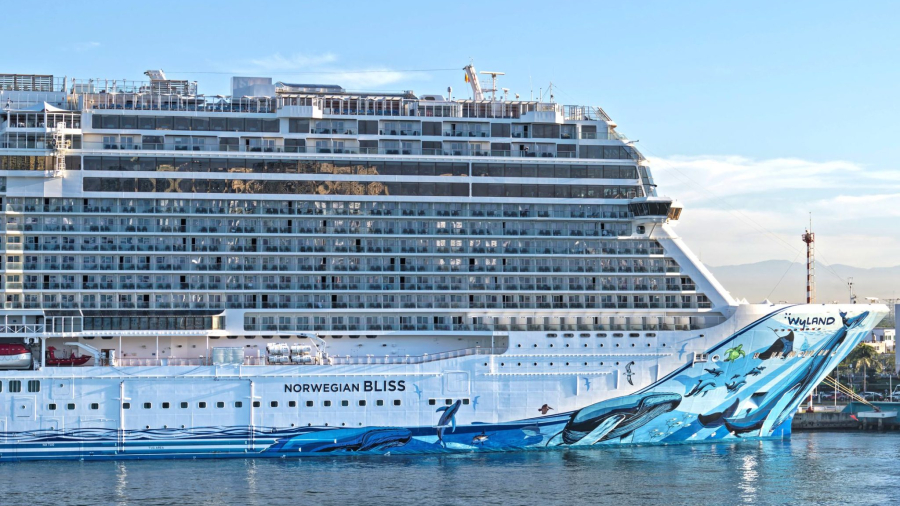
Now that things have calmed down and the Mexican military moved in to put a stop to the violence and chaos, NCL’s Norwegian Bliss is back in port. It’s the first ship to call on Puerto Vallarta since the violent upheaval of February 22, 2026
Norwegian Bliss Arrives
Norwegian Bliss arrived at the Puerto Vallarta cruise terminal around 5:45 AM local time today.
While other cruise lines have been hesitant to return to Puerto Vallarta, Norwegian Cruise Line made the independent decision to resume its schedule after its security teams determined the city was stable and safe enough for passengers to disembark.
The ship brought over 4,000 passengers into the port, an area that heavily relies on tourism for its economic survival.
Bliss is on a 7-day sailing out of San Pedro, California and is scheduled to make stops in Mazatlán and Cabo San Lucas before heading back to homeport.
Not All Ships Coming Back Yet
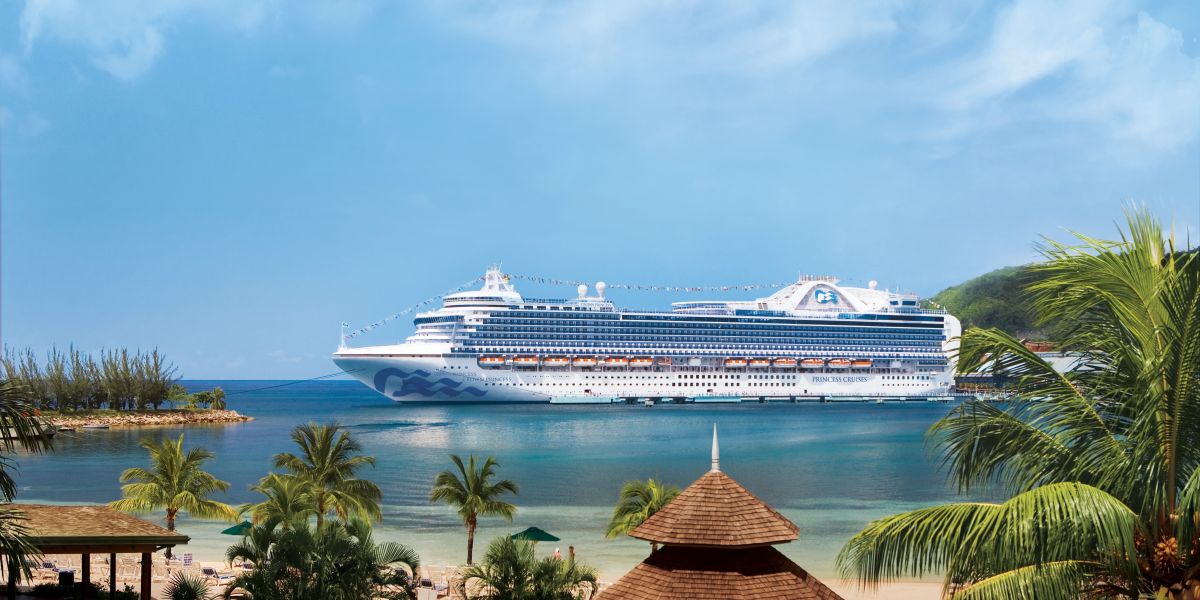
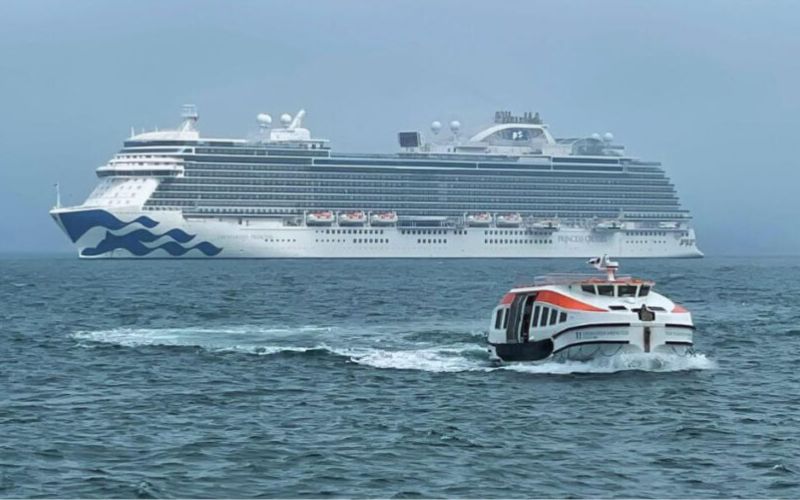
Royal Princess was also originally scheduled to visit Puerto Vallarta today, but cruise ship tracking data with CruiseMapper shows the ship in Mazatlán.
Carnival Corporation & plc (which owns Princess Cruises, Holland America Line, and Carnival Cruise Line) has issued a broader suspension, indicating that most of its brands will skip Puerto Vallarta through at least mid-March as an extra precaution.
Mazatlán has become a common “safe haven” for ships during this period, as it remained unaffected by the specific violence that broke out in the state of Jalisco.
Bottom Line
Even though this is not the busiest time of year for cruise ships in Puerto Vallarta, the lack of any ship visits over the last ten days has had to have made an impact.
Some industry travel experts estimate that the string of five major canceled calls resulted in a loss of between $9 million and $14 million in local economic activity. This represents well over 15,000 passengers and includes crew spending, port fees, shore excursions, and other related revenue generated by cruise traffic.
For now, Norwegian Bliss even pulling into port suggests that the worst of the chaos may be behind us. Puerto Vallarta has long been regarded as one of the safest and most tourist-friendly cities in Mexico.
The next scheduled port of call is not until March 10 for Island Princess, and the next day Norwegian Bliss and Royal Princess are scheduled to make a stop. We have reached out to Princess to see if the cruise line plans to avoid the port and will update this article when we hear back.
Get the latest cruise news, tips, and deals sent straight to your inbox with our free newsletter: Sign Up Now
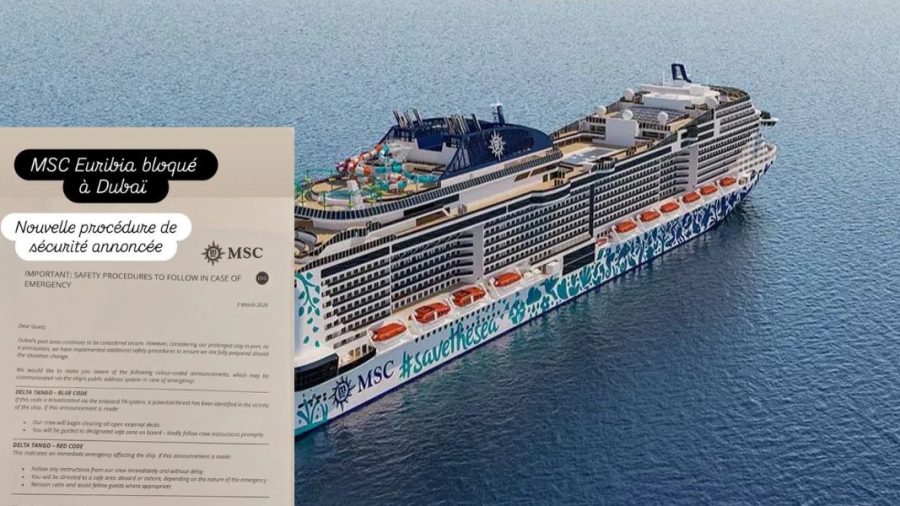
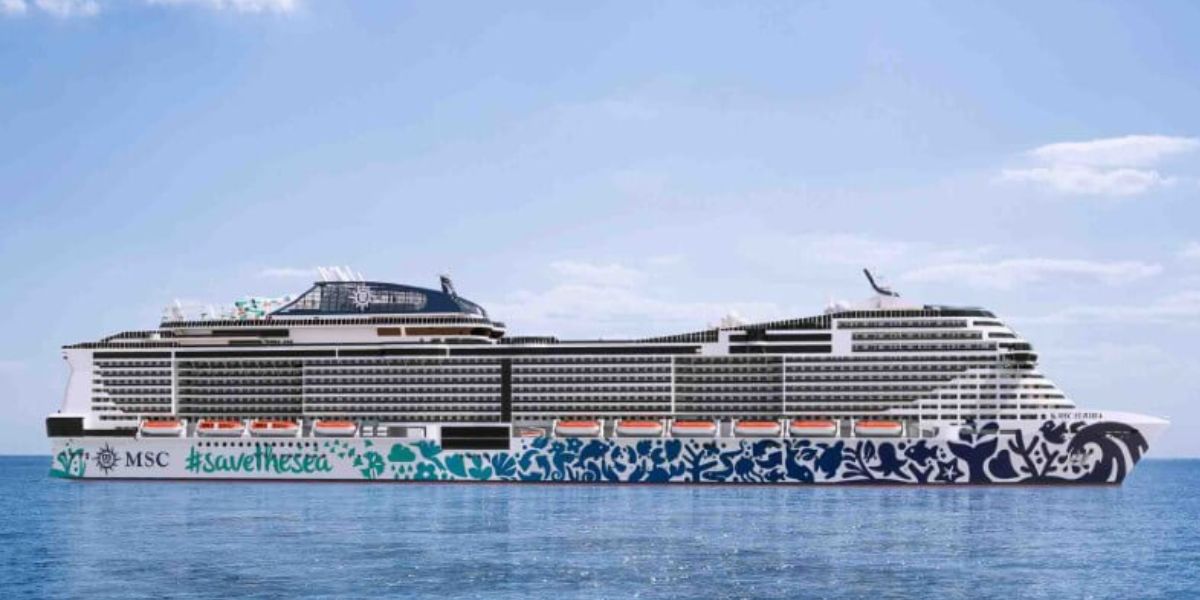
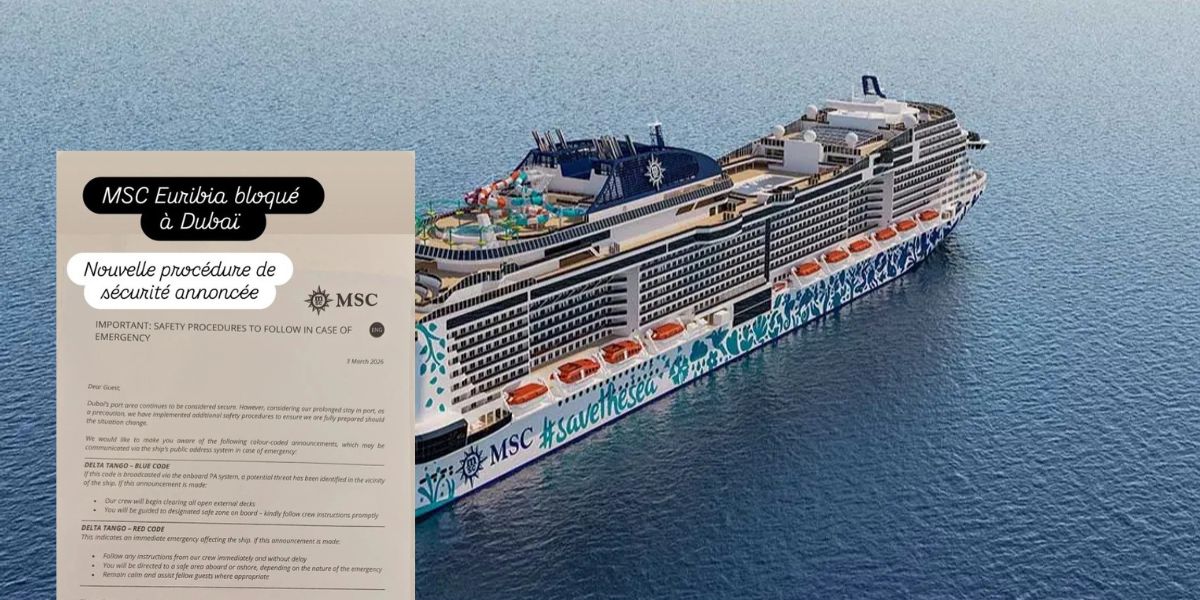
Passengers aboard MSC Euribia have been given detailed emergency instructions as the vessel continues to remain docked in Dubai after cruise operations in the Persian Gulf were cancelled amid regional security concerns.
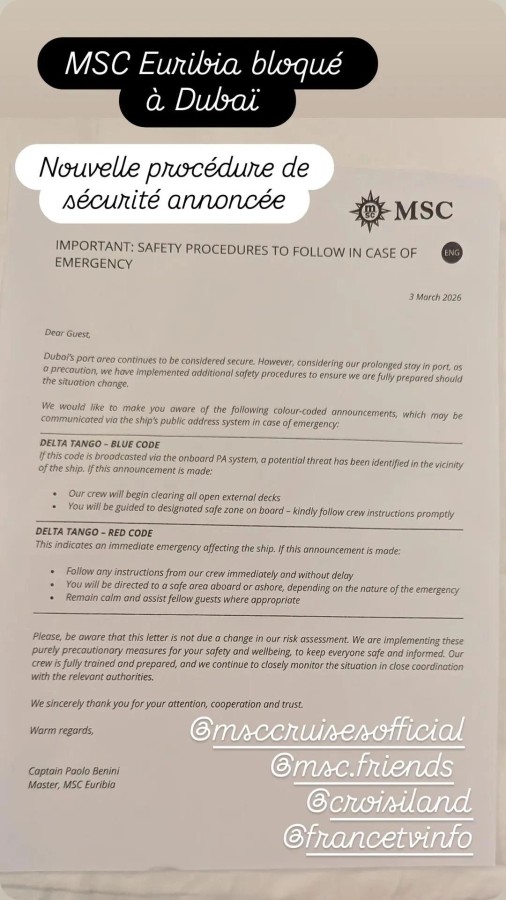
The precautionary notice, dated 3rd March 2026, was issued while the ship stays alongside in the United Arab Emirates port.
In a letter to guests, Captain Paolo Benini confirmed that the port area in Dubai is currently regarded as secure, but explained that additional procedures are being put in place to ensure readiness should the situation escalate.
The message, which was shared within the MSC friends community, makes clear that the steps are precautionary rather than a response to any specific new threat.
Colour Codes Introduced As Extra Safeguard
Guests were informed that two colour-coded announcements could be broadcast via the ship’s public address system if required.
If passengers hear the announcement “Delta Tango – Blue Code”, it would indicate that a potential threat has been identified in the vicinity of the vessel.
In such circumstances, crew would begin clearing all open outside decks and escort guests to designated safe areas on board. Passengers are instructed to follow crew guidance promptly.
A second announcement, “Delta Tango – Red Code”, would signify an immediate emergency affecting the ship. Should this code be activated, guests would be required to follow crew instructions without delay.
Depending on the nature of the incident, passengers could be directed either to protected areas on board or potentially ashore. The letter also urges guests to remain calm and to assist fellow passengers where necessary.
The captain stressed that the communication does not reflect a change in the vessel’s risk assessment.
Instead, it has been issued because MSC Euribia is remaining in port longer than originally scheduled following the suspension of its Gulf itineraries.
Captain Benini reassured guests that the crew is fully trained to respond to a range of emergency scenarios and that the ship continues to monitor developments closely in coordination with the appropriate authorities.
Despite that, it’s sure to be concerning for guests onboard to receive a letter such as this.
Sailings in the Persian Gulf were cancelled as a result of heightened regional tensions, leaving MSC Euribia alongside in Dubai while the situation is assessed.
Cruise lines operating in the region have been reviewing their deployment plans in recent weeks as security conditions evolve, with passenger safety cited as the overriding priority.
Get the best price on your cruise…
Related Posts
If you found this interesting, please share!
Norwegian Cruise Line Holdings has confirmed it will charter Seven Seas Navigator for nine years to a new luxury residential cruise venture, in a deal that will ultimately see the…
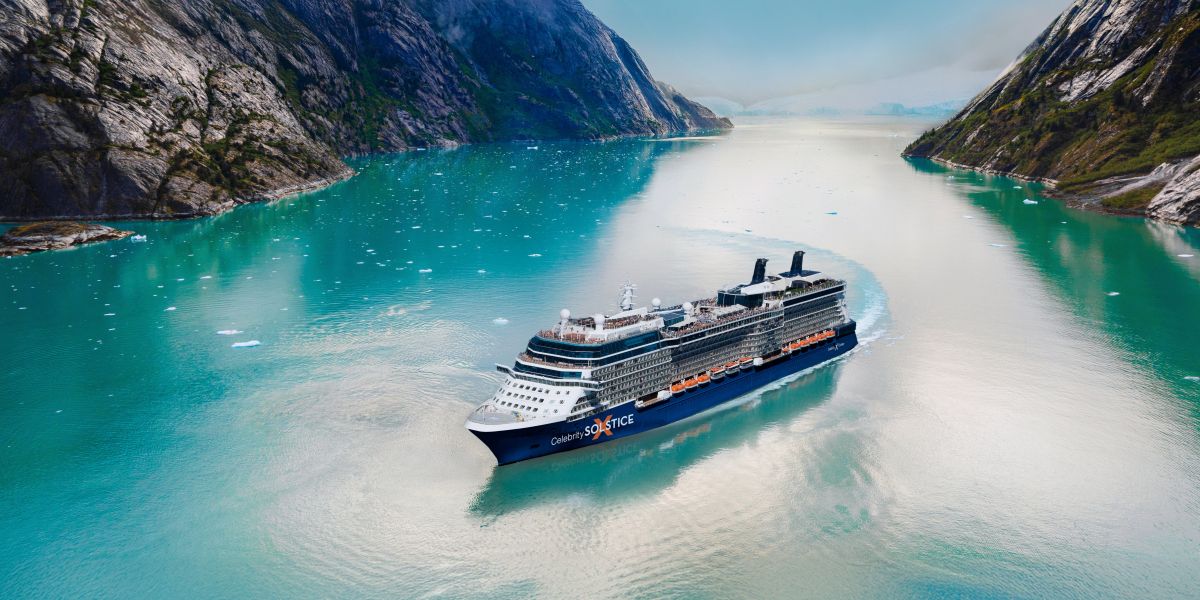
Passengers boarding Celebrity Cruises’ newly revitalised Celebrity Solstice this week are stepping onto a ship that has undergone a sweeping transformation as part of a $250 million fleet-wide investment. The…
Princess Cruises is to expand its Southern Caribbean deployment for 2027 and 2028 by introducing Barbados as a new homeport, giving guests the option to sail either roundtrip from San…
Six cruise ships remain unable to leave the Middle East after the joint US and Israeli strike on Iran on 28th February 2026 triggered a rapid escalation in the region,…
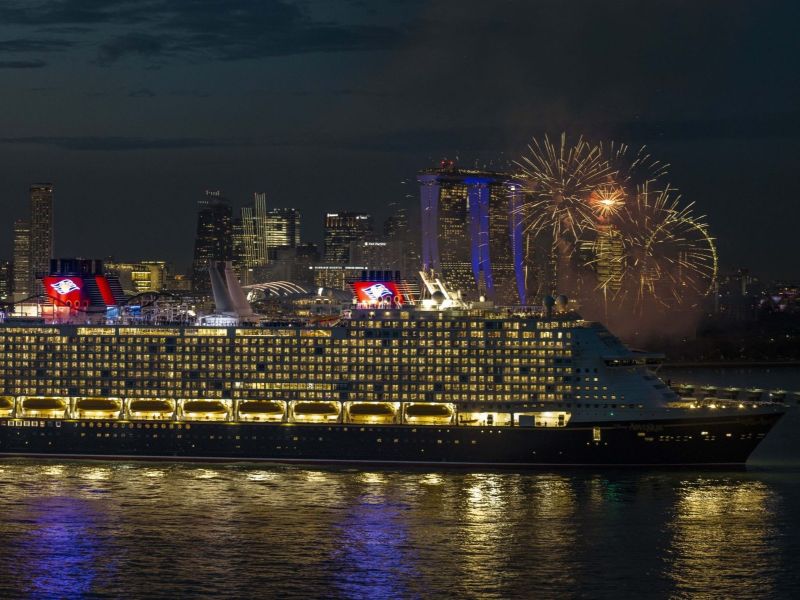
Disney Cruise Line has officially christened Disney Adventure in Singapore, marking the arrival of its first ship to homeport in Southeast Asia and the largest vessel in the fleet to date.
The glittering ceremony took place on 4th March 2026 inside the Walt Disney Theatre onboard the new ship, combining live music, theatrical storytelling and celebrity appearances in a showcase designed to highlight the line’s expansion into Asia.
Guests attending the ceremony were treated to a production that blended regional talent with internationally recognised performers.
A 23-piece orchestra led the musical programme, joined by Hollywood Performing Arts Hall of Fame inductee Jed Madela and Eurovision star Dami Im. The performance featured a medley of Disney, Pixar and Marvel songs, enhanced by immersive video effects that surrounded the theatre stage.
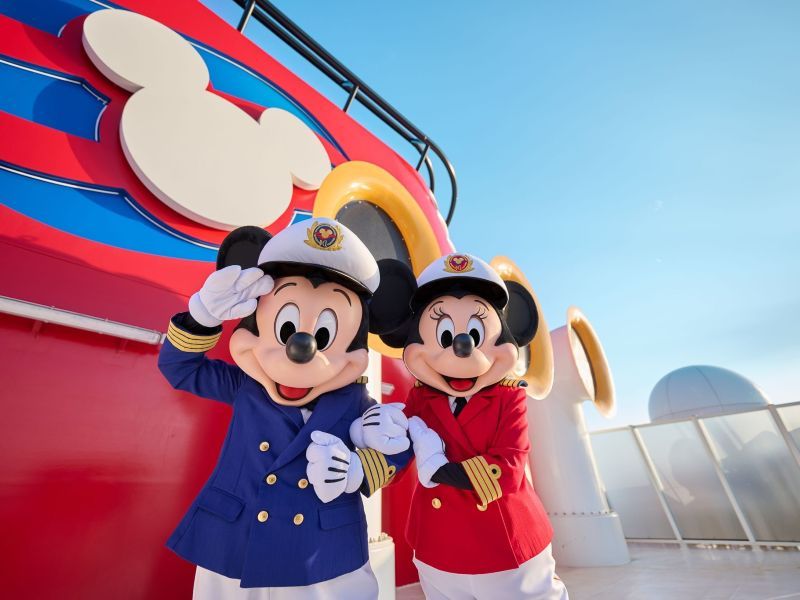
Captain Mickey Mouse and Captain Minnie Mouse made special appearances during the show, adding a familiar touch for fans as the ship prepares to welcome guests from across the region.
Senior executives from The Walt Disney Company were also present for the milestone. Chairman of Disney Experiences and incoming Chief Executive Officer of The Walt Disney Company, Josh D’Amaro, appeared on stage alongside Joe Schott, President of Disney Signature Experiences.
“The Walt Disney Company has always been built on the power of storytelling and innovation – and Disney Cruise Line brings those values to life in extraordinary ways. Our cruise ships are ambassadors of our brand that carry joy, wonder and enchantment to destinations around the world,
“As our first ship to homeport in Asia, the Disney Adventure represents a new chapter for Disney Cruise Line and will introduce Disney to audiences who may be experiencing our magic for the very first time. It offers fans across this region an opportunity to immerse themselves in unforgettable ways and create memories that are uniquely Disney.”
Josh D’Amaro
Hollywood actor Robert Downey Jr. served as the ship’s Godparent and delivered the ceremonial blessing. Lending his voice to the official proceedings, he praised the creative work behind the vessel before conducting the formal christening.
“I’ve had the privilege of getting to know the team at Walt Disney Imagineering, and I can tell you Adventure is the perfect name for what they’ve created,
“Being the Godparent of this majestic vessel is an honor, and I have some serious duties to perform, so let’s make it official, shall we?”
Robert Downey Jr.
Downey Jr. then signalled the orchestra, declaring, “You bring the theme and I’ll bring the thunder,” before delivering the traditional blessing: “I christen thee, Disney Adventure, may God bless this ship and all who sail upon her.”
The ceremony concluded with a burst of confetti and a company-wide rendition of “Let’s Set Sail”, a longstanding Disney Cruise Line tradition that signals the beginning of a new ship’s service.
Onboard Highlights And Expansion Plans
Disney Adventure becomes the eighth ship in the Disney Cruise Line fleet and its largest so far. The vessel is designed around more than a century of storytelling from Disney, Pixar and Marvel, featuring seven themed areas inspired by well-known worlds and characters.
Among the standout features is San Fransokyo Street, inspired by Disney’s Big Hero 6, alongside a new Broadway-style production titled Remember. Guests will also find immersive dining venues, dedicated clubs for children and teenagers, a range of adult-only lounges and signature fireworks displays at sea.
In a first for the cruise line, Disney Adventure introduces Ironcycle Test Run, billed as Disney Cruise Line’s inaugural roller coaster at sea.
The ship is scheduled to depart on its maiden voyage on 10th March 2026. Its inaugural season will consist of three- and four-night sailings, offering shorter itineraries aimed at both local and regional markets.
The launch forms part of Disney Cruise Line’s significant expansion plans. With eight ships now in operation and five more due to join the fleet by 2031, the company is positioning itself for further international growth, with Asia playing a central role in that strategy.
NEW DEALS JUST RELEASED!
Don’t miss the latest Disney Cruise Line offers…
Related Posts
If you found this interesting, please share!
Passengers aboard MSC Euribia have been given detailed emergency instructions as the vessel continues to remain docked in Dubai after cruise operations in the Persian Gulf were cancelled amid regional…
Norwegian Cruise Line Holdings has confirmed it will charter Seven Seas Navigator for nine years to a new luxury residential cruise venture, in a deal that will ultimately see the…
Passengers boarding Celebrity Cruises’ newly revitalised Celebrity Solstice this week are stepping onto a ship that has undergone a sweeping transformation as part of a $250 million fleet-wide investment. The…
Princess Cruises is to expand its Southern Caribbean deployment for 2027 and 2028 by introducing Barbados as a new homeport, giving guests the option to sail either roundtrip from San…
Virgin Voyages has shaken up the cruise world in a big way – banishing buffets, ditching dress codes, and creating an adults-only cruise experience that feels more like a boutique hotel at sea.
With its bold red design, edgy entertainment, and focus on dining and wellbeing, it’s a very different kind of cruise line. Some people absolutely love it. Others find it’s not quite their vibe.
But which Virgin Voyages ship is actually the best?
To find out, I compared real guest reviews and ranked the ships from best to worst based on their average scores. What surprised me most is just how high the scores were across the board – even the lowest-ranked ship still scored over 4 out of 5.
Before we get into the rankings, here’s how I put it all together.
How I Gathered the Data
I love Virgin Voyages as a concept, but I haven’t sailed on every single ship (yet). To keep things fair, I didn’t use my own opinions at all.
Instead, I collected genuine guest review scores from three major independent cruise review websites – Cruise Critic, Cruiseline.com and TripAdvisor – and calculated an overall average score for each ship. These are large sites, with enough reviews that one or two unhappy sailings don’t skew the results.
One important thing to note – Virgin Voyages’ ships tend to score very highly in general. The gap between first and last place is much smaller than with many other cruise lines, which means this is more about “best of the best” rather than good versus bad.
With that in mind, let’s start with the highest-rated ship in the fleet.
The Best Virgin Voyages Ships By Reviews
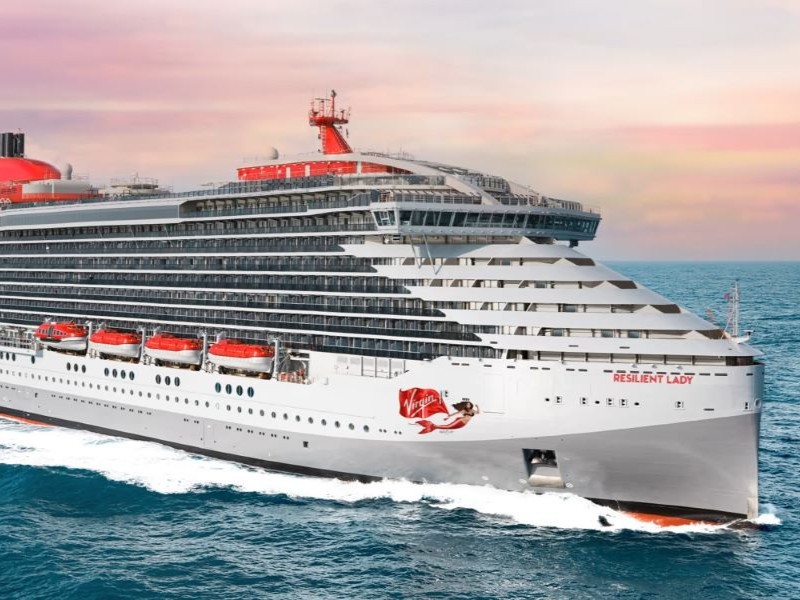
1. Resilient Lady
Resilient Lady comes out as the best-rated ship in the Virgin Voyages fleet.
Guests consistently praise the modern design, relaxed resort-style atmosphere and high-quality food. Restaurants like Test Kitchen and Extra Virgin get regular mentions for being a real step up from traditional cruise dining.
Service is another strong point. Reviews highlight friendly, helpful crew and a fun, sociable onboard vibe. Activities and hosted events are especially well received on longer sailings, where keeping sea days interesting matters most.
That said, not everything is perfect. Some guests report frustrations with the Virgin Voyages app, which can make booking restaurants tricky – but this isn’t a ship complaint really, despite it dragging the score down.
However, more relevant criticisms were that popular venues like The Wake often have long waitlists. A few reviews also mention chaotic shore excursions and the ship’s layout being slightly confusing.
Overall though, Resilient Lady clearly delivers on what people expect from Virgin – stylish, fun, and different – which explains her standout score.
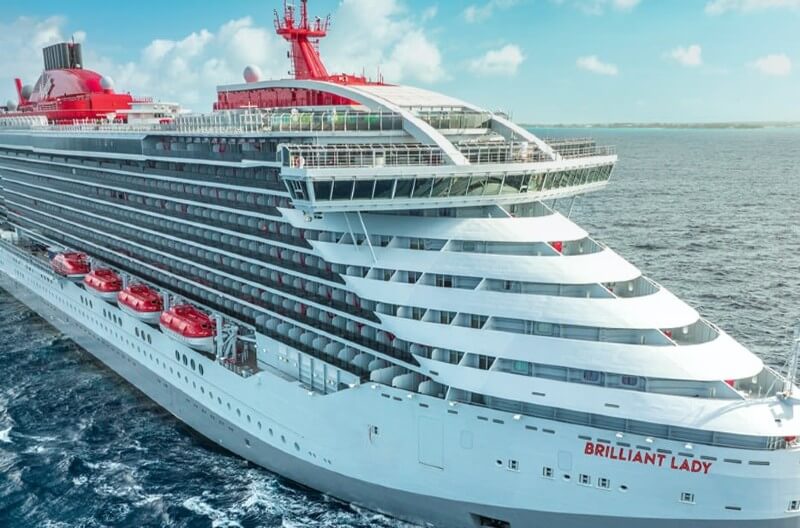
2. Brilliant Lady
Brilliant Lady ranks as one of the best-reviewed Virgin Voyages ships, although it’s important to add a caveat here – she’s still very new, so her overall rating is based on a much smaller number of reviews than her sister ships. That means her position in the rankings could shift as more guests sail and leave feedback.
That said, early reviews are largely very positive, particularly when it comes to food and dining. Guests love the restaurant-style approach with no traditional main dining room, rotating between venues like Test Kitchen, Extra Virgin and the Galley.
Many describe the food as a real step up from mainstream cruise lines, including strong options for vegans and health-conscious travellers.
Cabins also receive good feedback for their modern tech, clever storage and standout features like the famous balcony hammock. Embarkation is often described as smooth, and many guests praise cabin stewards and frontline staff for being friendly and attentive.
However, the reviews aren’t universally glowing. Several guests describe inconsistent service, particularly in bars and dining venues, and frustrations with the restaurant reservation system.
A handful of long-time Virgin fans feel the experience has become more “watered down” compared to earlier sailings, with entertainment and soft furnishings occasionally described as underwhelming.
Overall, Brilliant Lady is clearly impressing many early cruisers, but her ranking should be seen as provisional for now – as more guests sail, we’ll get a clearer picture of where she truly sits within the Virgin Voyages fleet.
NEW DEALS JUST RELEASED!
Don’t miss the latest Virgin Voyages offers…
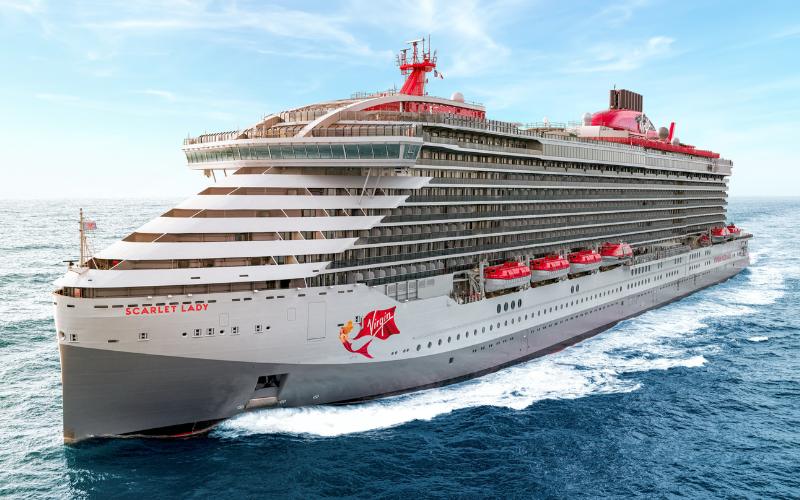
3. Scarlet Lady
Scarlet Lady sits comfortably in the middle of the Virgin Voyages rankings and is often described as the ship that really defines the “Virgin difference”.
Many guests love the adults-only atmosphere, unusual itineraries and the feeling that this is a very different kind of cruise.
Reviews regularly praise the food, with lots of sailors saying the restaurant-style dining feels more like eating out in a city than being on a traditional ship. The Galley concept, in particular, is popular for its variety and relaxed feel.
Service is frequently highlighted as a strong point, especially cabin stewards and activity hosts, and the ship itself is widely viewed as modern, clean and well maintained despite not being the newest in the fleet.
First-time Virgin cruisers often say this ship “reset their expectations” of cruising and left them wanting to book another sailing straight away.
As with all Virgin ships, it isn’t for everyone. Some guests don’t love the ‘phone-first experience’, and others feel cabins and storage can be a little tight, especially for longer sailings. Drink prices and the lack of traditional drinks packages are another recurring talking point.
Overall though, Scarlet Lady scores well for doing exactly what Virgin promises – stylish, adults-only cruising with a modern twist and a strong focus on food and experiences rather than formalities.
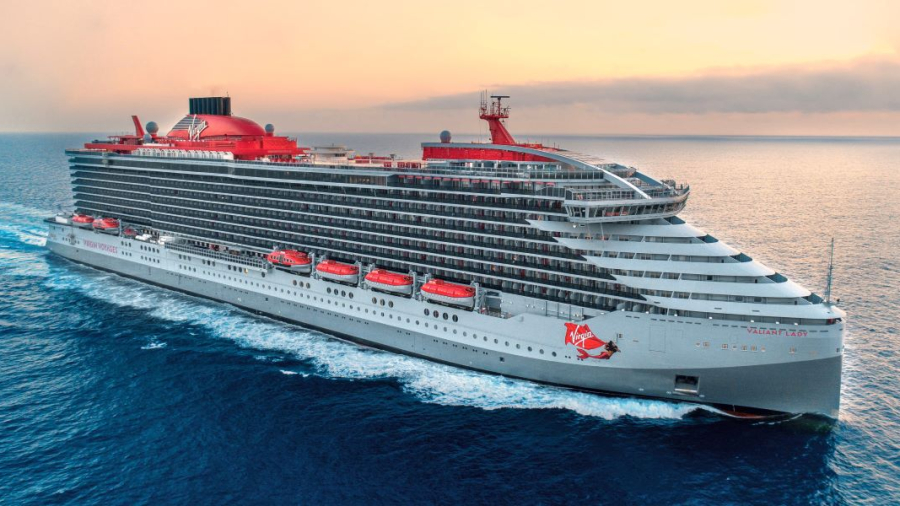
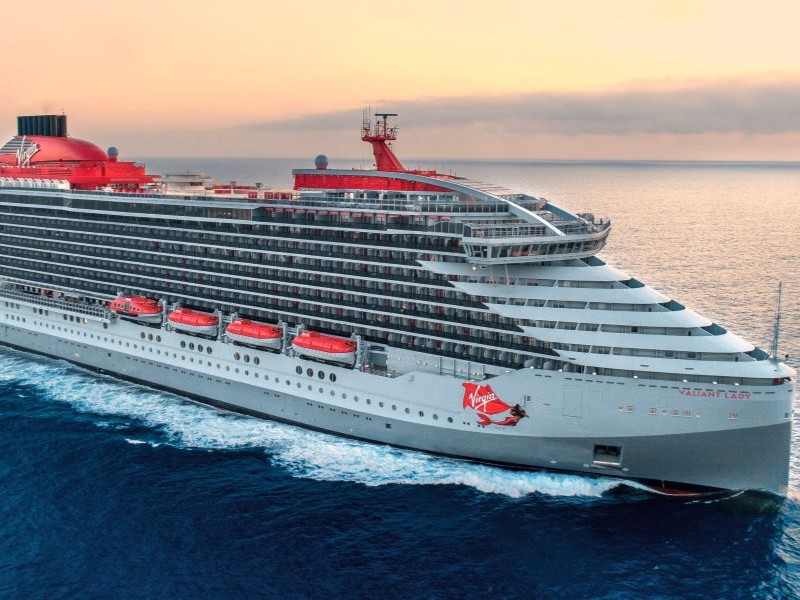
4. Valiant Lady
Valiant Lady rounds out the Virgin Voyages fleet rankings, but still delivers a very strong experience overall and scores well compared to most mainstream cruise lines.
Guests regularly praise the modern cabins, touch-screen controls, mood lighting and the tech-forward feel of the ship. The adults-only environment is a huge plus for many, with several reviewers saying it’s the first cruise where they’ve truly been able to switch off and relax.
Food divides opinion more here than on the other ships. Many guests say the restaurants offer some of the best-tasting food they’ve had at sea, especially venues like The Wake and Extra Virgin, while others found the menus repetitive or struggled to get reservations, making it harder to enjoy the dining fully.
Service reviews are mixed. A lot of guests mention friendly, helpful crew and smooth embarkation, particularly for guests with accessibility needs, but a smaller number felt the atmosphere was less warm than they expected.
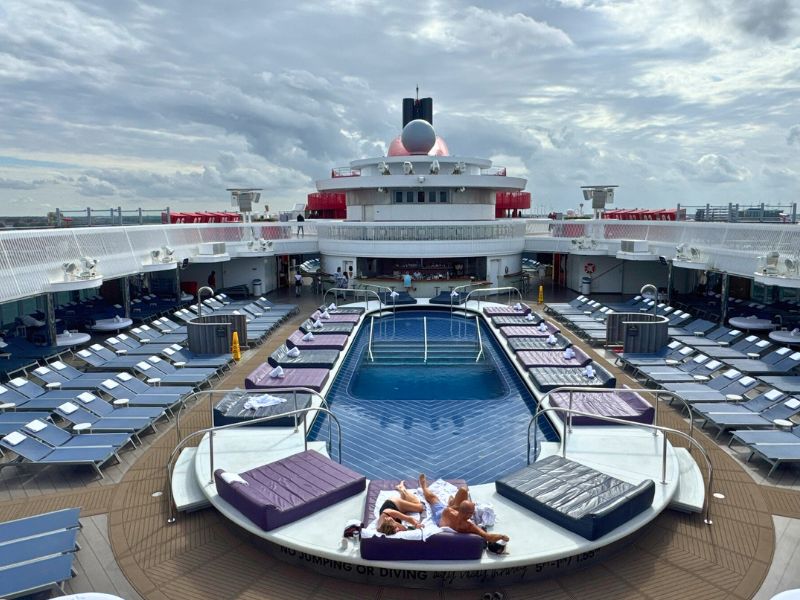
Other common feedback includes frustrations with the Virgin Voyages app, limited pool and hot tub space, and occasional chaos at busy ports.
Overall, Valiant Lady tends to appeal most to guests who want a relaxed, adults-only cruise with a modern, non-traditional feel, and who are happy to embrace Virgin’s app-based, flexible style of cruising.
The Scores
Like I’ve said, there’s very little between the ships in this list – they all scored very well in reviews! Here’s a full breakdown including the overall average:
Ship
Cruiseline.com Score
Cruisecritic.com Score
Trip Advisor Score
Overall Average Score
Resilient Lady
4.6
4.2
4.31
4.34
Brilliant Lady
4.5
4
4.25
4.28
Scarlet Lady
4.4
4
4.23
4.21
Valiant Lady
4.3
4
4.20
4.13
The Bottom Line
Virgin Voyages is one of the most consistently high-scoring cruise lines when it comes to guest reviews, and the small differences between ships reflect that. Across the fleet, the themes are clear – modern design, standout food, stylish adults-only spaces and a very different approach to cruising compared to traditional lines.
NEW DEALS JUST RELEASED!
Don’t miss the latest Virgin Voyages offers…
Resilient Lady tends to win over guests looking for the most polished overall experience, while Brilliant Lady shows huge promise despite being very new and still finding her feet. Scarlet Lady appeals to those who love Virgin’s bold, alternative style, and Valiant Lady is a solid choice for travellers who want a relaxed, tech-forward and child-free holiday at sea.
There isn’t really a “bad” choice in the fleet. The best ship for you comes down to whether Virgin’s style of cruising matches what you enjoy most – informal dining, app-based planning, and a more hotel-like experience at sea.
But what do you think? Do you agree with the rankings, or do you have a favourite Virgin Voyages ship?
Whether you’re stepping ashore to explore a new port or preparing to say goodbye at the end of your voyage, what you do before you leave the ship can make or break your day.
A little preparation keeps things smooth, stress-free and far more enjoyable – trust me, I’ve seen some very frazzled people who got it all wrong!
Here are the essential things you should always do before getting off a cruise ship – split into what you should do on port days and on embarkation day (since they’re completely different).
Things You Should ALWAYS Do Before You Get Off the Ship in Port
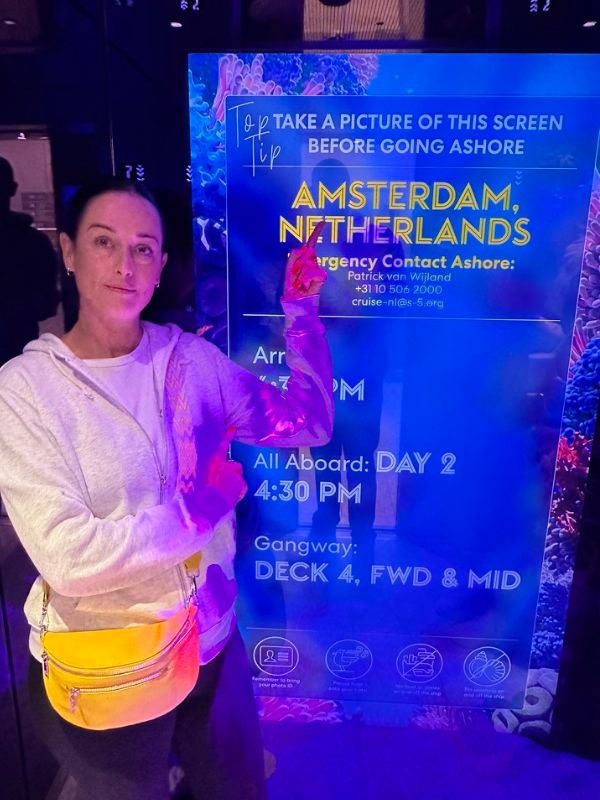
1. Check the All-Aboard Time (and Ship’s Time!)
All-aboard time is sacred. The ship waits for no one – unless you’re on a cruise-line excursion – and ports often run on a different local time than the ship.
One tiny time-zone mismatch and you could watch your floating hotel sail away without you. Double-check both times every port day, no exceptions.
I like to take a photo of it so I have no doubt about what time I need to be back onboard.
Also, make sure you’ve made a note of your ship’s phone number. Yes, they have one – find it on the app or printed daily planner. It may also be on cruise cruise card, but not always.
If you are held up shoreside, call the ship and maybe they will keep the gangplank down a little longer for you.
2. Bring Your Cruise Card, Photo ID and Any Required Documents
You’ll need your cruise card to get off the ship, get back on again, and also to pass through local port security.
You’ll also be told if there are any other documents you need to take with you before each port visit – it’s rare, but carry those if needed.
As for your passport – well, this splits opinion. A lot of people don’t take it, leaving it in the safe instead.
You don’t need it in most of ports. And if the worst does happen, and you miss the ship, then the crew will go into your cabin and retrieve your passports (but just those) and leave them with the port workers for you.
Still, a lot of people prefer to carry it with them. It’s up to you.
Once, my son lost his cruise card ashore. They asked me if I had his passport for ID. I didn’t, but I did have a photo of it on my phone, which they accepted and let us back onto the ship.
3. Download or Screenshot Maps, Bookings and Directions
Port WiFi is notoriously patchy (in some places – others it can be excellent), and mobile data can be expensive or unavailable altogether, depending on your mobile plan.
Download offline maps, screenshot excursion tickets, and save restaurant bookings. When everyone else is desperately looking for signal, you’ll already be happily exploring.
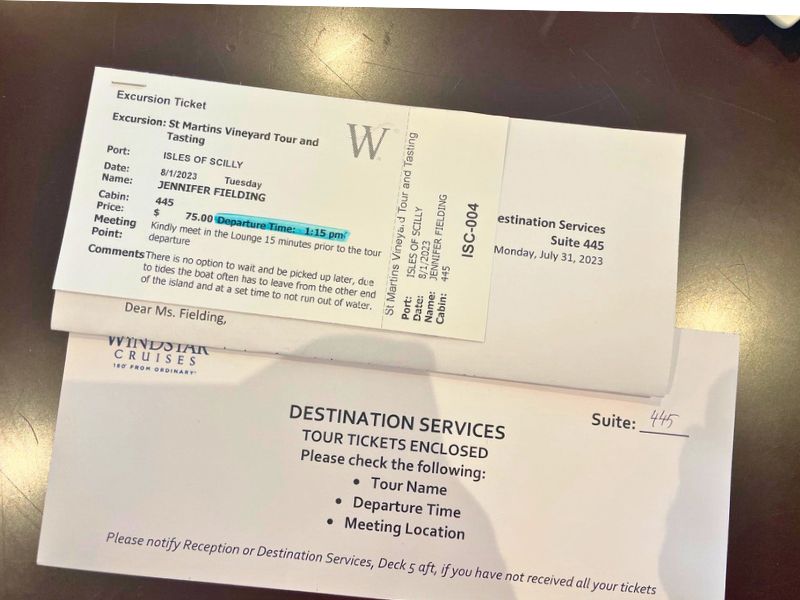
4. Confirm Shore Excursion Details
If you’re heading off on an excursion, check the meeting point, meeting time and whether your port is tendering or docked.
Plans sometimes change due to weather or port congestion, and cruise lines update their app frequently. A quick check avoids frantic last-minute dashes.
5. Check the Daily Schedule for Port Rules
Some ports strictly ban taking food ashore. Others have limitations on beverages, souvenirs, shells or wooden items.
Knowing the rules prevents awkward confiscations (and saves you having to wolf down a banana at the gangway while security watches – never a classy moment).
6. Pack a Simple Port-Day Kit
A small bag with the essentials makes a world of difference:
Sunscreen
Water
Portable charger
Local currency
Towel
Medications
Hand sanitiser
Tissues
Hat
Better to pack it now than realise halfway across town that you’ve forgotten something vital.
7. Apply Sunscreen and Bug Repellent Before You Leave
The moment you walk off the ship into Caribbean, Mediterranean or tropical sun, it starts working on you. Which is lovely – until you get sunburn that ruins the rest of your trip.
Apply before you step off, and you’ll thank yourself later. Bug spray is equally important in some ports – especially ones with mosquitos that adore cruise passengers.
8. Check the Weather Forecast
So many people forget to do this!
From sudden tropical showers to chilly sea breezes, port weather can change quickly. A quick look at the forecast ensures you’re dressing comfortably rather than shivering, sweating or scrambling for cover.
If you’re not sure, pack an extra layer. You’re better carrying something you don’t use, than feeling like you have to dash back to grab a jacket or hoodie you wished you’d brought.
9. Eat Before You Go – or Know Where You’ll Eat
Some ports have endless cafés… others have nothing for miles.
A proper breakfast onboard saves time, money and hunger-induced grumpiness later in the day. If you’d rather eat ashore, do a little research first so you’re not stuck wandering aimlessly.
If you’re vegan or vegetarian, I recommend using the Happy Cow app. It show which restaurants have options and the map feature is really handy.
10. Understand Tender Procedures (If Applicable)
Tender ports require you to catch a small boat to shore. That means queueing for tender tickets, heading to your designated lounge, and waiting for your number to be called.
Missing the process can delay your entire morning – and potentially your excursion. Also if you need special assistance, make sure you’ve let the crew know, or you might not be able to board a tender at all.
You’ll be amazed how easy it is to misplace passports or expensive jewellery in the rush to get ashore.
Lock away anything you don’t need for the day. Your future self will be grateful.
And again, if you’ve declined to take your passport ashore, it makes it easy for crew to find them to hand to the shore team should you miss the ship (yes, they’re able to unlock the safe – otherwise what would happen if you forgot the code you’d used to lock it?)
12. Check for Port-Day Sales or Specials
It’s a little-known secret, but onboard spas, bars and some shops offer the best deals on port days.
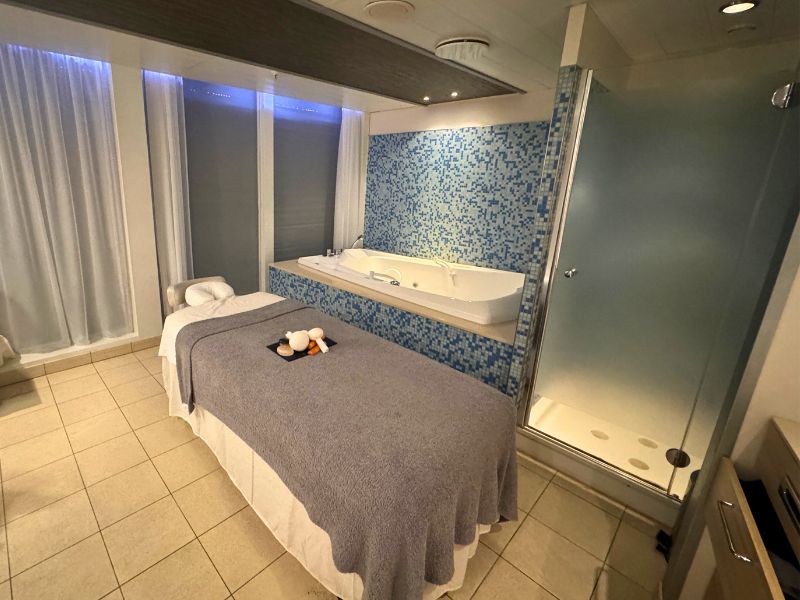
If you’re planning to return to the ship early, keep an eye out – it might be the perfect time for a discounted massage or cocktail.
13. Take a Photo of the Ship or a Port Landmark
A simple but brilliant hack. If you’re returning through a maze-like port or a busy taxi area, having a photo helps you find the right terminal or even the right ship.
It’s also just a fun little memory to look back on.
Things You Should ALWAYS Do Before You Get Off the Ship to Disembark at the End of Your Cruise
Leaving a cruise ship is bittersweet. You’re relaxed, sun-kissed, full of memories… and about to enter a world of airport queues, real life and responsibility again.
Preparing properly the night before and the morning of disembarkation keeps your final hours calm instead of chaotic.
The Night Before Disembarkation
1. Settle Your Onboard Account
If there’s one time Guest Services becomes a zoo, it’s the morning of disembarkation. Actually the night before isn’t much better – but it is a little better.
Check your statement the night before and get ahead of any surprises. You’ll stroll off the ship stress-free while others queue in desperation.
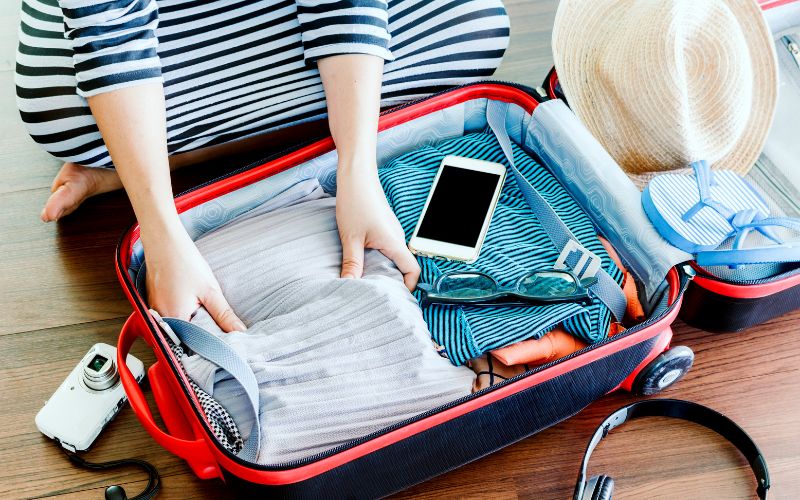
2. Pack Your Suitcases Completely
Leave out just the morning essentials: clothes, toiletries, medication and your travel documents. Everything else goes in the suitcase.
This is also the time to do the classic “drawer check,” because socks love hiding in corners.
3. Put Suitcases Outside Your Door on Time (If You’re Not Self-Assist)
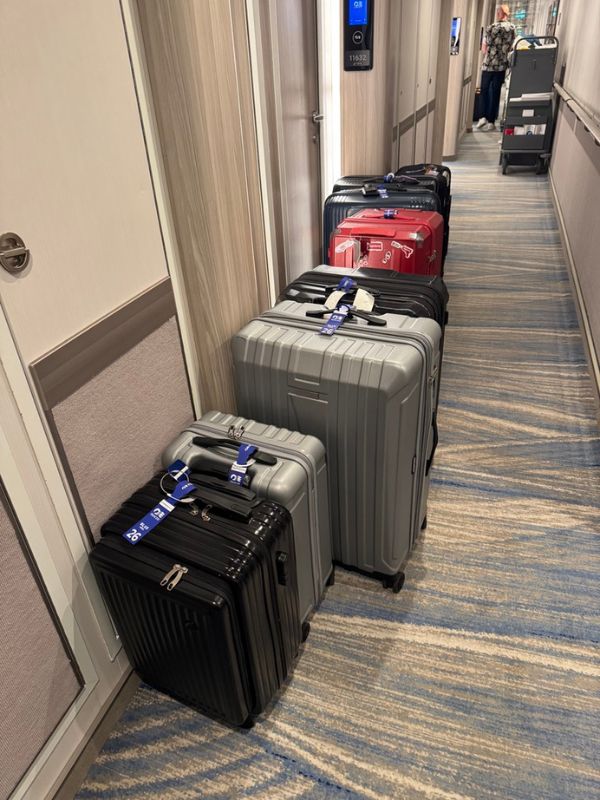
Cruise lines collect checked luggage the night before. Put it outside by the deadline, labelled correctly, and it will be waiting for you in the terminal.
If you prefer to walk off with all your bags, opt for self-assist – but be prepared for a busy queue for the lifts, or dragging your case up or down several flights of stairs.
4. Confirm Your Disembarkation Group and Meeting Location
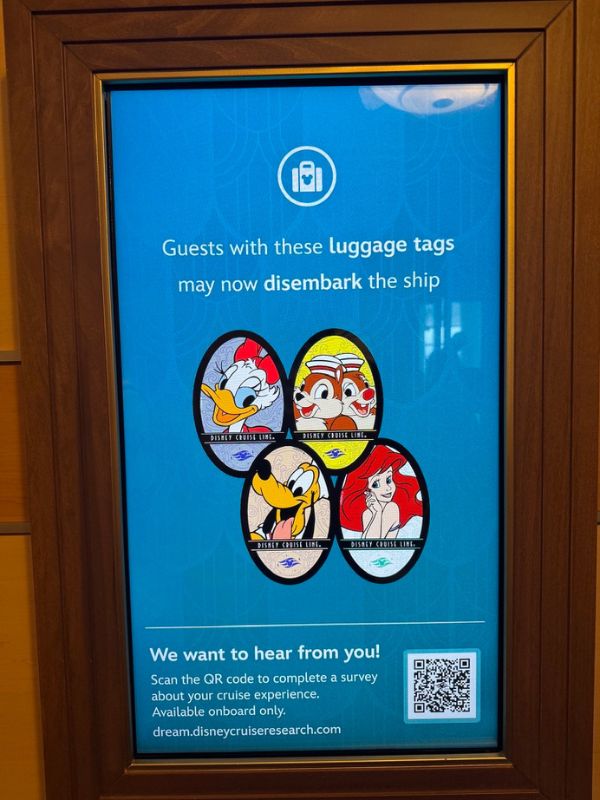
Colour-coded tags, group numbers, waiting lounges… the system varies by line, but you need to know exactly where and when to go.
Sorting it out tonight means you won’t be wandering around half-asleep wondering where everyone went.
5. Charge All Your Devices
Travel day kills batteries quickly. Charge phones, watches, tablets – even your portable charger.
Airports are full of people fighting over a limited number outlets; better not to join them. And if you’ve got a long drive home, rather than a flight, then you’re all going to want your devices charged still – especially the kids in the backseat.
Otherwise, it could be “Are we home yet?” for four hours…
6. Keep Your Essentials in Your Carry-On
This includes:
Wallet
Passports
Travel confirmations
Medication
Glasses
Keys
Chargers
If it’s important, it stays with you.
7. Pre-Book Transfers, Taxis or Ride Shares
Ports get busy. Demand spikes. Pre-booking saves both money and sanity, especially in major cruise hubs like Miami, Barcelona or Southampton.
If you can’t, then don’t worry too much. You’ll still have options. It just might cost a little more, and involve a slightly longer wait.
8. Check Airline Baggage Rules (If You’re Flying)
Nothing ruins the post-cruise glow like paying surprise luggage fees because your souvenir-packed suitcase is suddenly overweight.
Checking the rules now avoids airport drama later. It’s unlikely you’ve packed luggage scales to bring with you but make sure you aren’t breaking other rules – and leave space in your carry-on in case you have accidentally added too much weight.
9. Say Goodbye and Sort Any Tipping
If you’ve had amazing service from certain crew members, the last evening is the perfect time to say thank you – whether with words, a note, or an extra tip. It makes their day, and you’ll sail away with warm feels.
Don’t leave it until the morning, because you might miss them, and things will be hectic enough.
The buffet turns into organised chaos on the final morning. If your ship offers a sit-down breakfast in the main dining room, it’s usually quieter, calmer and infinitely more pleasant.
Not all do, though – some ships might use the dining room as a meeting point for disembarkation groups. So bear that in mind.
2. Recheck the Safe
The number one most forgotten items on cruise ships come from the safe: passports, wallets, jewellery and cash. Open it. Check it. Then check it again. You’ll thank yourself.
One tip that I read somewhere – the night before you disembark, put your shoes in the safe.
Sounds odd, but I tell you now – there’s no chance of you walking off the cruise ship without your shoes! So, this guarantees you’ll remember to check the safe in the morning.
3. Double-Check Your Cabin and Balcony
Look everywhere!
Bathroom shelves
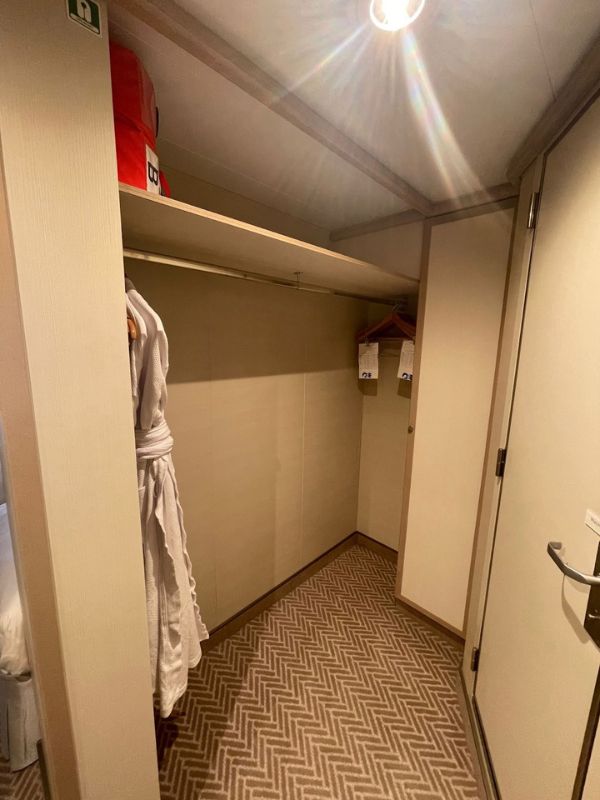
Closets
Under the bed
Behind curtains
Charging areas
Balcony chairs and tables
Phone chargers and AirPods are the usual culprits hiding in plain sight.
I know we’ve already done this step the night before, but you’ll want to check again.
4. Listen for Disembarkation Announcements
Delays happen. Customs takes time. Sometimes, you’re going to be held up – and if you try to walk off the ship before your group is called, you’ll be sent back.
Knowing what’s happening means less waiting around and fewer wrong turns, so keep an ear out and make sure you pay attention.
5. Wear Comfortable Travel Clothes
You’ll be sitting, queueing, lugging bags and possibly rushing… or you’ll be melting in post-cruise humidity.
So definitely dress comfortably, rather than for fashion, and you’ll have a far better travel day.
6. Keep Your Carry-On With You At All Times
Don’t leave it unattended in lounges or corridors.
Disembarkation morning is busy and chaotic, and losing your bag now would be a nightmare. Plus someone will pick it up and hand it to Guest Services, so that’s another queue you need to join…
Things You Should NEVER Do Before Disembarkation
A few common mistakes can turn the smooth end of your cruise into a frantic mess. Avoid these at all costs:
1. Don’t Stay Up Drinking Until 2am
Disembarkation day hits hard if you’re hungover. There’s luggage to haul, queues to stand in and travel ahead.
Save the wild night for literally any other evening. Or if you really, really want to make the most of that drinks package before you leave, try to balance each drink with some water.
Hungover travel is horrendous…
2. Don’t Overpack Your Carry-On
You’ll be carrying it for hours – through corridors, lounges, security and the terminal. Heavy bags make everything harder. If it isn’t essential, then put it in your suitcase.
Or spread it out! If your bag is super heavy and your partners is light, share the load. They can cope.
3. Don’t Leave Packing Until the Morning
Morning packing is a one-way ticket to forgotten items, stress, and being late to your disembarkation group.
Do it the night before and enjoy a chilled breakfast instead. At least aim to get 80% of the way there, so you know that there isn’t as much to sort out in the morning.
4. Don’t Forget to Check Your Account Until the Last Second
Cue the giant Guest Services line and a very cranky start to your travel day. Just don’t do it.
Make sure you’ve kept an eye throughout, and that you are happy with the charges listed.
5. Don’t Assume Your Luggage Will Be Nearby in the Terminal
Checked bags are spread across huge colour-coded sections. Take a moment to note your tag colour and number so you’re not wandering through a sea of suitcases looking confused.
Final Word
Leaving the ship – whether just for the day or for good – doesn’t have to be stressful. With a little preparation and a few smart habits, you can keep your port days smooth, your disembarkation morning calm, and your memories firmly in the “amazing holiday” category instead of “chaotic rush”.
Do the essentials early, avoid the common mistakes, and give yourself the gift of a relaxed, effortless end to your cruise. After all… the magic doesn’t stop just because you’re stepping ashore.
If you’ve ever chatted to someone who cruises often, you’ll notice their eyes light up when the conversation turns to bargains.
And often they’ll tell you that the best-kept secret for a great deal is repositioning cruises.
These often-overlooked sailings are one of the cruising world’s great delights: part adventure, part relaxation, part incredible-value getaway.
For some people though, the term still sounds like something obscure or even industrial, as though you’re hitching a ride on a technical sailing the public was never meant to see.
I’ve done several repositing cruises, and I’ve paid as little as £99 per cruise for the priviledge. In fact, I may even go as far as to say that these are my favourite itineraries.
Repositioning Cruises Explained
Despite the slightly clunky name, a repositioning cruise is simply a journey where a ship moves from one area to another to begin a new season, or to prep for another cruise.
Repositining Itineraries I’ve sailed include:
Bristol to Liverpool
Liverpool to Southampton
Southampton to Hamburg
Barcelona to Rome
Southampton to Fort Lauderdale
One of the most common repositioning cruises you’ll see is the transatlantic. In summer the Mediterranean is full of cruise ships, but come autumn, most of them sail across to the Caribbean for winter sun.
Alaska is a popular region in the summer, but you won’t find any cruise ships there in the winter. Instead, they follow the sun for warm-weather adventures in Asia or Mexico.
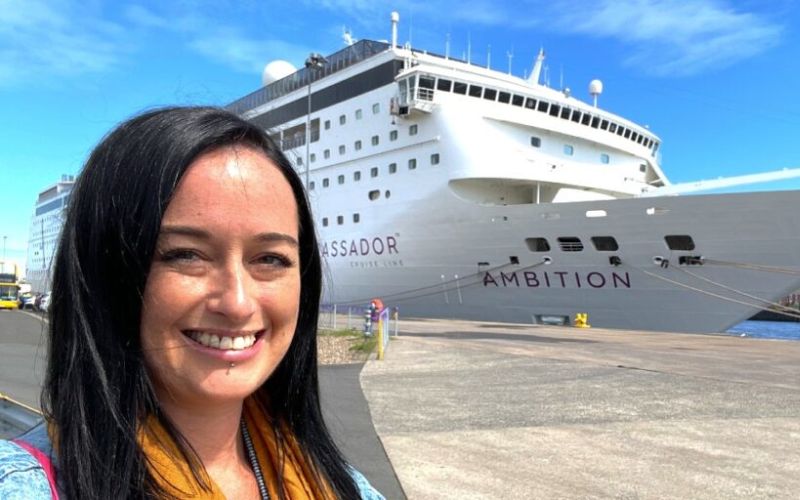
Even within the UK, there are cruise lines like Ambassador Cruise Line with ships that sail from regional ports. These may sail from Liverpool for a couple of months, then move to sailing from Bristol for a few more, then sailing from Tilbury.
The one-way sailings are very rarely empty. If the ship needs to move, the cruise line will usually sell that voyage to passengers.
Because these sailings don’t fit the traditional mould, the prices often fall in the “surely that can’t be right?” category.
That’s the joy of repositionings: they’re logistical necessities for the cruise line, but unexpected bargains for those of us who love an adventure at sea.
Not All Repositioning Cruises Are Trans-Oceanic
Many people automatically imagine two weeks at sea, crossing an ocean for days on end.
And yes, repositioning cruises can absolutely be epic voyages full of sea days and starry skies. But they can also be tiny little hops that last barely long enough for you to unpack your slippers.
I’ve done both ends of the spectrum. One of my favourites was a genuinely unbelievable £99 cruise on Cunard’s Queen Anne from Hamburg to Southampton. It was only a couple of nights long, but it felt like a little slice of luxury, like sneaking into the world of classic cruising without the classic price tag.
All I needed was a cheap flight to Hamburg. By the time I stepped aboard the Queen Anne, admiring her glossy style and that unmistakable Cunard elegance, I couldn’t believe this bargain had been hiding in plain sight.
I’ve taken similarly short repositionings around the UK too. Sailing from Liverpool to Southampton on Borealis was like nothing I’ve ever experienced.
Fred. Olsen Cruise Line’s three-month-long world cruise gave guests the option to start in Liverpool, or in Southampton two days later. As many of the guests opted for Southampton, that meant that there were spaces for the first two days of the epic journey – so I snapped one up for a bargain price.
Then there was the Bristol to Liverpool run with Ambassador, a friendly little jaunt that cost astonishingly little and yet felt like a full mini-holiday. Just book a cheap coach transfer to get you home and you’re sorted – so easy, so cheap, and a great break and a great price!
And of course, there are the longer repositionings, the ones that feel like stories in themselves.
Costa Smeralda – a huge, sunlit Italian resort of a ship – cost me around £30 per night on a repositioning itinerary for 5 nights. And that was for a balcony cabin as a solo traveller – both of which would normally mean paying significantly higher costs!
And then there was my Disney transatlantic crossing, which remains one of my favourites.
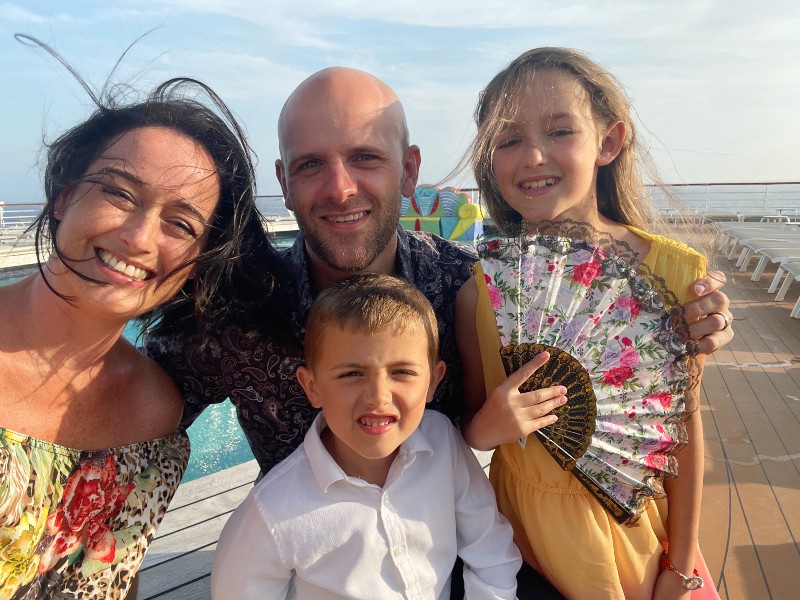
Disney cruises are notoriously expensive. But given that repositioning cruises are so cheap, booking the transatlantic meant that we could enjoy a two-week cruise for less than the price of a one-week round trip!
Some of the best cruise deals I find are for repositioning cruises – make sure you’re signed up to get my emails if you want to get the best offers sent to you.
Consider How Much You Enjoy Sea Days
One of the defining aspects of many repositioning cruises is the sea-day rhythm.
Without a port every morning, you have time – proper, indulgent, do-whatever-you-like time. It’s a lovely feeling to wake up, open the curtains, and realise that your only real appointment is with the horizon.
If you’re someone who always feels a little torn on port-heavy itineraries – as if you should be doing something, seeing something, squeezing every minute dry – then a repositioning cruise can feel like bliss.
There’s no guilt, no sense of missing out, just the ship itself becoming your destination. You finally get to enjoy that leisurely breakfast you usually rush.
You discover corners of the ship you’ve never had time for before: a quiet reading nook, a suntrap on the promenade deck, a little café that becomes your personal sanctuary.
Cruise lines often lean into this unhurried pace with extra activities. There might be wine tastings, guest lectures, craft workshops, cookery demonstrations, dance classes, film screenings, or stargazing sessions.
Or you might simply sink into a deck chair with a book you’ve been meaning to read for three months and lose yourself for an afternoon.
Of course, some people find too many sea days a challenge, and that’s important to acknowledge.
If you’re happiest hopping from city to city, exploring somewhere new every day, a long repositioning might not match your travel style. But if the idea of a slow, serene crossing speaks to you, then you’re probably the target audience.
The Lesser-Visited Ports You Might Enjoy
Because repositioning itineraries are designed around geography rather than holiday-brochure patterns, the ports can be wonderfully unusual.
Ships tend to call wherever makes sense as they travel between regions, which means you often get destinations you’d rarely see on a standard weekly cruise.
It might be a day in Madeira, all sweeping viewpoints and cake shops. It could be the Azores, shrouded in mist and beautifully green. You might end up somewhere like Charleston or Halifax on a coastal repositioning, or sail through Hawaii on a huge Pacific arc.
Even within Europe, you can end up with charming one-off stops in places that don’t normally appear on mainstream itineraries. These ports feel like little treats, the kind you remember long after disembarking.
Quieter Ships, Calmer Atmospheres
Repositioning cruises usually sail outside the peak holiday rush, and they often attract travellers who choose them deliberately for the slower pace. The result is a ship that feels roomier, friendlier and often more personal.
Our transatlantic Disney cruise had barely any kids onboard. Most of the guests were retired couples, which was great because the ship was much quieter and there was never a queue for the waterslides!
You’ll find it easier to get a table in the buffet and a lounger by the pool. Crew members have time to chat. The entertainment feels more relaxed. You start recognising people as you wander, and the ship begins to feel like a floating neighbourhood rather than a busy hotel.
That slightly quieter atmosphere also gives the whole trip a sense of stepping away from the real world. It feels more like a retreat than a holiday.
The main reason repositioning cruises are such astonishing bargains is simple: they’re harder to sell.
They don’t repeat every week, they’re one-way, they require a bit more planning, and they often have more sea days than the average cruiser expects. But that’s exactly what makes them such good value.
Because the cruise lines want to fill the cabins, the nightly cost can be dramatically lower than anything you’d normally find. Sometimes it’s much less than you’d pay for a half-decent hotel at home. Sometimes it’s less than you’d pay for your weekly food shop.
And because you’re still getting the full ship experience – all the amenities, entertainment, dining, pools, lounges and sunset views – the value becomes even more astonishing.
The only thing to plan carefully is travel. You’ll usually need to arrange your own flight to the starting point or back from the final port (or both), and prices can vary depending on where you go.
But with a bit of flexibility, or a well-timed check of flight deals, it’s easy to make the whole trip affordable. I’ve often found that even when flights are factored in, the entire adventure still comes out far cheaper than a standard cruise would have been.
Lots of Cruisers Love Them…
These voyages tend to attract a certain sort of traveller. If you love the ship as much as the destinations, you’ll probably be in heaven.
Retirees often adore them because there’s no rush, no crowds and plenty of time to unwind. Digital nomads appreciate the long stretches of peaceful days, especially now that many ships have much better WiFi than a few years ago.
And then there are the bargain hunters who simply can’t resist the idea of sailing on a premium line for the cost of a budget hotel. Hi!
They’re also wonderful for anyone who wants to ease into a new region. Imagine crossing to Europe, arriving refreshed, and starting a longer trip already adjusted to the new time zone. Or sailing from Alaska towards Japan and feeling the climate shift gently over days rather than hours.
That said, they’re not perfect for everyone. Some travellers get restless without regular port days. Others find the idea of organising flights a bit too fiddly. But cruising is wonderfully varied, and there’s a place for every travel style – repositionings included.
Some Practical Considerations
Like any trip, repositionings work best when you know what to expect. Because routes can stretch across different climates, packing layers is always sensible – a warm hoodie for breezy deck days, something summery for your ports, and perhaps a waterproof for good measure.
If you’re prone to seasickness, choosing a mid-ship cabin lower down tends to provide the smoothest ride, though modern ships are remarkably stable.
It’s also wise to keep an eye on visas, even if you’re only calling at a port for a day. And although cruise lines work hard to provide smooth sailing, captains may occasionally alter routes for weather, especially on autumn Atlantic crossings.
Think of it as part of the adventure: the sea makes the rules.
TODAY’S BEST CRUISE DEALS!
Don’t miss these offers…
Final Word
A repositioning cruise feels less like a holiday and more like a journey – a chance to slow down, breathe a little deeper and watch the world unfurl at a gentler pace. You feel the distances. You feel the shift from one region to another. You wake to new horizons, not new alarms.
It’s that rare combination of tranquillity, value and adventure that keeps me coming back.
Whether it’s a £99 taste of Cunard luxury, a cheerful weekend hop up the UK coast, a sun-soaked Italian mega-ship for the price of a takeaway, or a mega-ship-fuelled Atlantic crossing filled with tons of activities, these are voyages that linger in the memory.
Repositioning cruises are the best-kept secret – and I will continue to hunt the best deals I can to enjoy these super-cheap cruises!
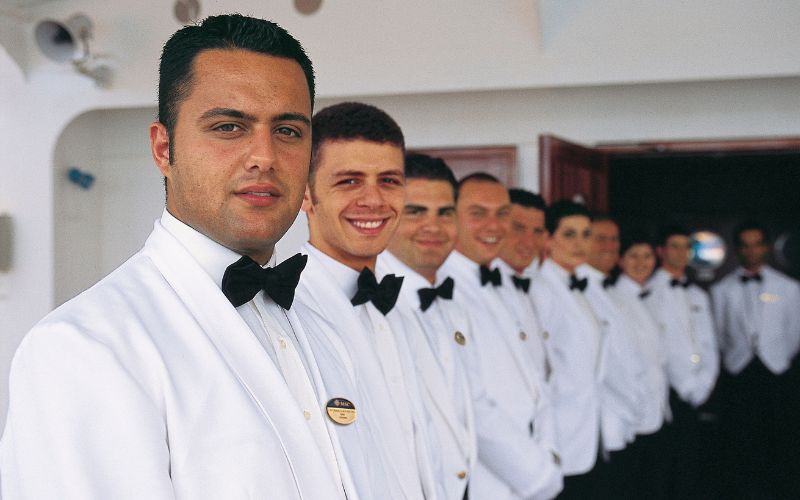
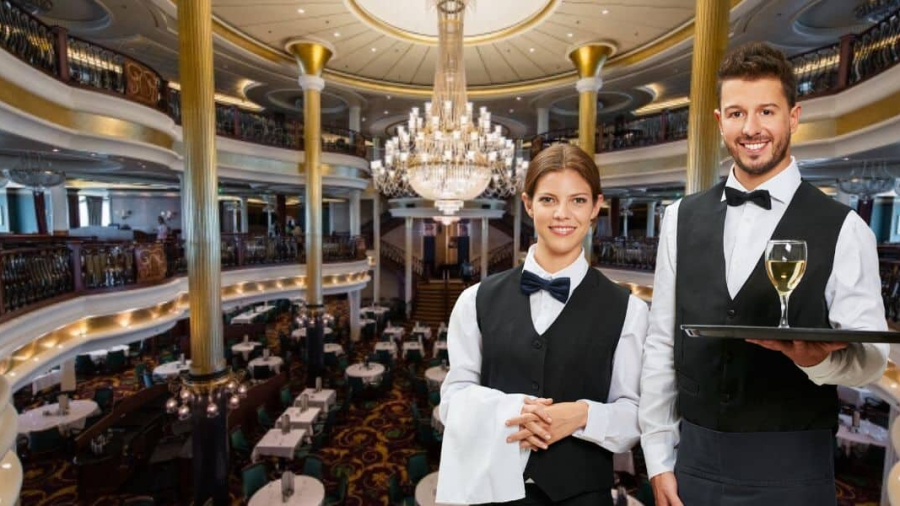
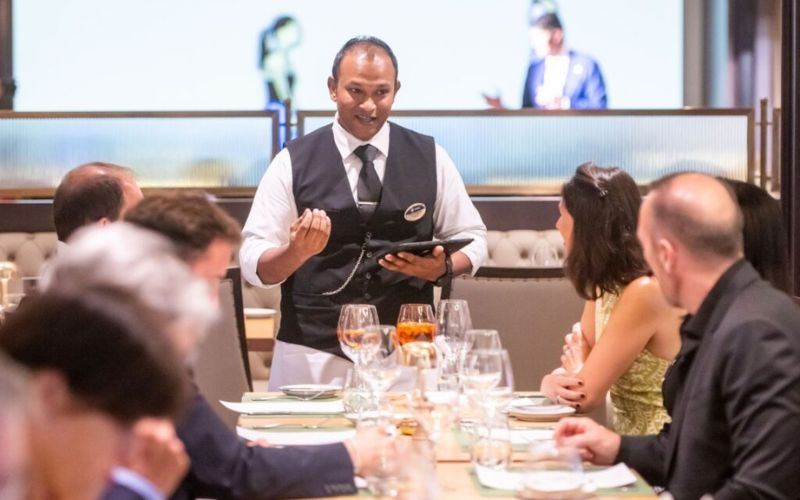
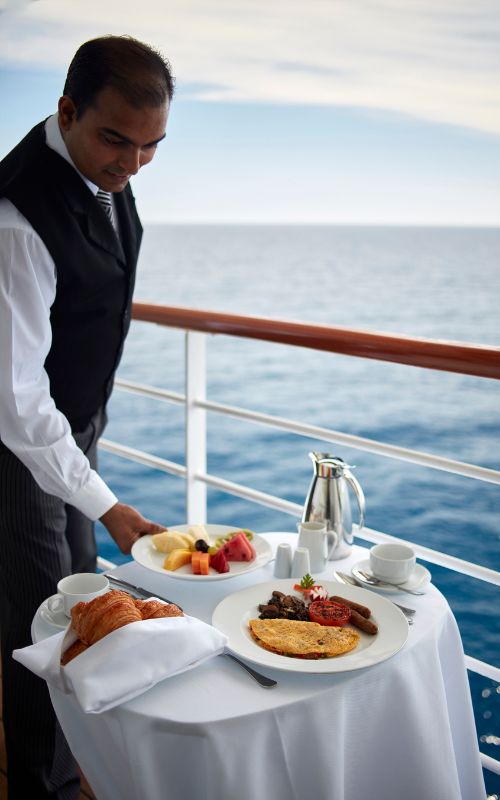
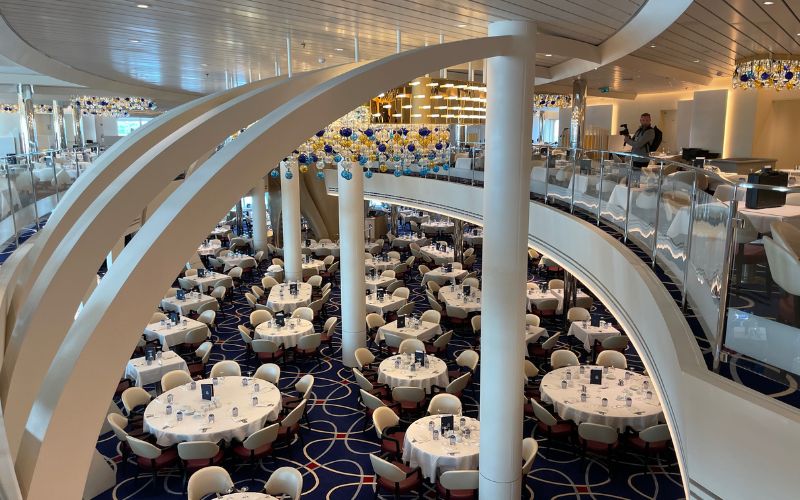
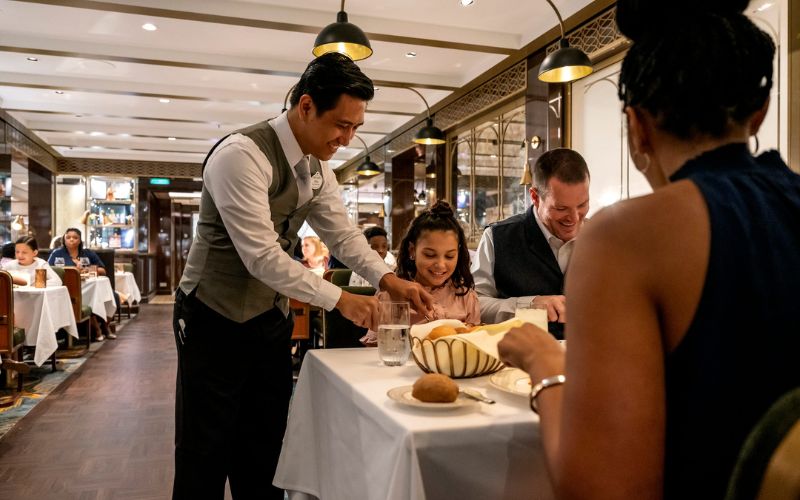
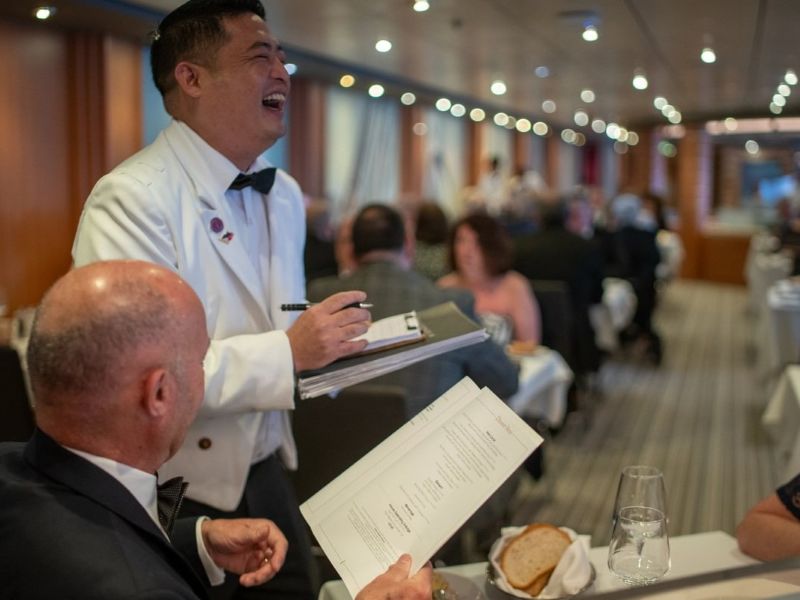
Cruise ship waiters are among the most visible crew members on any cruise.
They’re the friendly faces who greet you at breakfast, remember your coffee order at lunch, and guide you through multi-course dinners each evening. And because they seem to be everywhere at once, many guests are curious about how much they actually earn.
If you’re thinking about working at sea yourself, or simply want to understand where your gratuities go, it helps to know what affects a cruise ship waiter’s pay and what life is really like behind the scenes.
How Much Waiters Make
Rather than guessing at how much cruise waiters make, I’ve been able to pull together some research from the website Shiplife.
This is a site that covers all kinds of information about working on cruise ships – and it allows cruise staff to anonymously share details of their salary, to help others find out how much they could earn in a similar career.
From that data, I’ve been able to work out some averages for you.
Junior/Assistant Waiters: $1,210 per month
Senior Waiters: $1,435 per month
Head Waiters/Team Leaders: $1,965 per month
Room Service Waiters/Bell Person: $850 per month
These are base salary only – they don’t include tips, gratuities or commissions. Which is important, as you’ll see…
And of course, it varies quite a lot by cruise line. So read on for more info about which cruise lines pay the most, and the least.
Junior/Assistant Waiters
Junior or assistant waiters support the main dining team by carrying trays, resetting tables, serving drinks and helping with orders. It’s an entry-level position that involves long hours but offers a clear path to promotion.
The lowest reported monthly salary for a junior waiter was $550 for Celestyal Cruises.
The highest reported salaries for these positions are on Virgin Voyages, at $1,800.
Cruise Line
Assistant Waiter Salary (USD)
Celestyal Cruises
550
Costa Cruises
717
Carnival Cruise Line
770
Adora Cruises
850
Marella
850
MSC Cruises
850
Crystal Cruises
998
Norwegian Cruise Line
1,000
Hapag-Lloyd
1,100
Disney Cruise Line
1,160
Holland America
1,180
P&O Cruises
1,200
Royal Caribbean
1,200
SAGA
1,200
Silversea
1,350
Regent Seven Seas
1,400
Celebrity Cruises
1,500
Hurtigruten
1,500
Oceania Cruises
1,525
Princess Cruises
1,600
Seabourn
1,650
Viking Cruises
1,650
Virgin Voyages
1,800
Senior Waiters
Senior waiters are responsible for their own station, taking orders, managing guest relationships and ensuring meals run smoothly from start to finish. They typically earn more because they handle greater responsibility and receive a larger share of gratuities.
There’s less data for these roles – some cruise lines may only use assistants and heads. Of those that have salary information available, Aroya Cruises pays least but Princess Cruises pays quite generously.
Cruise Line
Senior Waiter Salary (USD)
Aroya Cruises
971
MSC Cruises
978
Norwegian Cruise Line
1,100
Carnival Cruise Line
1,200
Cunard Line
1,400
Hurtigruten
1,500
P&O Cruises
1,550
Seabourn
1,700
Crystal Cruises
1,800
Princess Cruises
1,950
Head Waiters/Team Leads
Head waiters oversee sections of the dining room, support the wider service team and handle any guest issues or special requests. Their role is more supervisory, and they often earn higher gratuities thanks to their leadership position.
Costa Cruises pays $760 for this senior role, while Virgin Voyages offers over 4x that amount, at $3,225.
Cruise Line
Head Waiter Salary (USD)
Costa Cruises
760
Fred Olsen
900
Celestyal Cruises
1,300
Carnival Cruise Line
1,400
Cunard Line
1,500
TUI Cruises
1,520
Disney Cruise Line
1,540
Silversea
1,600
Celebrity Cruises
1,615
MSC Cruises
1,700
Phoenix Reisen
1,775
Royal Caribbean
1,780
Holland America
1,925
Princess Cruises
2,000
P&O Cruises
2,025
Norwegian Cruise Line
2,025
Azamara
2,400
Regent Seven Seas
2,500
Seabourn
2,700
Oceania Cruises
2,900
Viking Ocean
2,970
Crystal Cruises
3,150
Virgin Voyages
3,225
Room Service Waiters
Room service waiters deliver meals directly to guests’ cabins, often working across a 24-hour schedule depending on the ship.
Earnings can vary widely as tipping behaviour differs for in-cabin service compared to the dining room.
Cruise Line
Room Service Waiter Salary (USD)
Costa Cruises
625
MSC Cruises
625
Celestyal Cruises
780
Royal Caribbean
829
Disney Cruise Line
850
Viking Ocean
850
Norwegian Cruise Line
878
AIDA
930
Carnival Cruise Line
958
Celebrity Cruises
1,200
Factors That Impact Wages For Cruise Waiters
Cruise ship waiters don’t all earn the same amount. Their income varies considerably depending on the cruise line, the region where the ship sails, their level of experience and the type of dining venue they work in.
One of the biggest influences is the cruise line itself.
Luxury brands such as Regent Seven Seas, Silversea and Seabourn tend to offer higher basic wages and more generous tipping environments.
Mainstream lines like Carnival, Royal Caribbean, Norwegian and MSC generally sit somewhere in the middle, although earnings can still be excellent when gratuities are strong.
Smaller or budget-focused cruise lines can offer lower starting pay, though this may be balanced out by an attractive itinerary or faster career progression.
Where the ship is sailing also matters more than people realise. North American passengers typically tip more readily, and that can have a noticeable effect on a waiter’s total monthly income.
Cruises in the Caribbean, Alaska or Mexico are often the most lucrative.
By contrast, cruises departing from Australia or parts of Europe can result in lower take-home pay simply because tipping culture differs from region to region.
Experience plays an important role too. Junior waiters usually assist more senior team members, and so their share of the gratuity pool is smaller.
Once promoted to a full waiter, earnings increase significantly. Head waiters, who oversee larger sections of the dining room, can earn more again thanks to additional responsibility and a larger share of service charges.
It’s also worth noting that not all restaurant roles are equal.
Those working in speciality dining venues often earn more because guests are more inclined to tip after a fine-dining meal.
Main Dining Room waiters, on the other hand, rely heavily on the standard gratuity system. Buffet roles tend to be the least well paid because tipping is much less common in a self-service environment.
Tips For Cruise Waiters
Tips form a major part of a cruise ship waiter’s earnings. Most cruise lines add an automatic daily gratuity to every guest’s account, and a large portion of this goes directly to the dining team, including waiters, assistant waiters and head waiters.
On lines such as Royal Caribbean, this service charge is around US $18.50 to US $21.00 per person, per day, depending on the cabin category.
This is pooled and shared among hundreds of front-of-house crew. When guests remove this charge – which cruise lines strongly discourage – it reduces the entire pot, not just the income of the waiter who happened to serve that table.
Many guests do still choose to give additional cash tips, particularly at the end of longer cruises when they’ve built a rapport with their waiter.
For some crew members these extra envelopes can make a measurable difference, especially during peak holiday seasons or on voyages with a large number of returning cruisers.
Speciality dining restaurants are another source of additional income. While a service charge is usually included, diners often add something extra for particularly attentive service, and those working in these venues can see a meaningful boost in their monthly pay.
Working Hours for Cruise Ship Waiters
To understand a waiter’s salary, you also have to consider their working hours. A typical day can stretch from early morning until late evening, with only short breaks in between. Most waiters work every day for the duration of their contract, which normally lasts between six and nine months.
The day usually begins with breakfast service, followed by a short rest before lunch.
After another brief gap they return to prepare the dining room ahead of dinner, which is the busiest and most time-consuming shift. Even once the final course has been served there are still tables to reset, side stations to organise and cleaning tasks to complete.
All in all, many waiters work between ten and sixteen hours each day. It’s physically demanding work involving heavy trays, thousands of steps and constant interaction with guests.
But for those who thrive in a fast-paced environment and enjoy providing good service, it can also be an incredibly rewarding career.
Benefits That Add to the “Real” Salary
When comparing cruise ship salaries to land-based hospitality jobs, it’s important to factor in the difference in living costs.
Cruise ship employees have very few expenses while working at sea, which means they’re often able to save a far greater proportion of their earnings.
Accommodation, food and laundry are provided at no cost. Medical care on board is free, uniforms are supplied, and crew are offered discounted drinks in the crew bar.
Part of the reason that medical care is covered is because waiters – and all crew – undergo very strict medicals before they begin a contract. So any illness or medical issue onboard isn’t going to be as a result of something pre-existing – meaning cruise lines are more inclined to pay.
Many cruise lines also pay for flights to and from the ship at the start and end of each contract, which is a huge saving for anyone travelling from overseas.
Because they aren’t paying rent, utility bills, transport costs or groceries, many waiters are able to save far more than they could working in a land-based restaurant – especially if they receive strong gratuities during their contract.
Some waiters report that they are able to only spend their tips and send all of their salary home to their families.
How Cruise Waiter Pay Compares to Other Cruise Ship Jobs
Waiters generally sit somewhere in the middle of the cruise-ship pay scale.
Their earnings can be very good when tips are strong, meaning they often earn more than youth staff, room stewards, buffet attendants and some bar staff.
However, they typically earn less than casino staff, spa employees, chefs, dancers, nurses, engineers and the ship’s senior officers.
It’s a role with a wide earning range and excellent potential, but it isn’t one of the very highest-paid positions on board.
Most cruise lines require previous experience in a hotel or restaurant, together with strong English-language skills and a proven ability to deliver friendly, professional service. Working on a ship also requires a good level of physical fitness, as the long hours and constant movement can be demanding.
Applicants must hold a valid passport and will need to pass medical checks before joining the ship. They also need to be comfortable living in close quarters, sharing a cabin and working away from home for months at a time.
Recruitment is usually done either through a cruise line’s own careers website or via approved hiring partners in different regions. Some positions are filled internally too, with buffet staff or assistant waiters being promoted into more senior roles.
Pros and Cons of Being a Cruise Ship Waiter
Being a waiter on a cruise ship can offer excellent earning potential, especially when gratuities are high.
Crew also enjoy very low living costs and the opportunity to travel to destinations they may never otherwise visit.
Many waiters progress quickly into more senior roles, and for those who enjoy hospitality it can be an exciting international career.
However, the job is not without its challenges. The hours are long, days off are rare, and living conditions can be tight.
Income can vary from one contract to the next depending on the itinerary and passenger mix, and time away from family can be difficult, particularly on longer contracts.
TODAY’S BEST CRUISE DEALS!
Don’t miss these offers…
Final Word
Cruise ship waiters work incredibly hard, but the rewards can be substantial – especially once gratuities and the lack of living expenses are taken into account.
It’s a role that offers the chance to save well, gain valuable experience and see the world at the same time.
For anyone considering a career at sea, it’s worth weighing up the long hours and lifestyle alongside the financial benefits. For many, the opportunity to travel while earning a strong income makes it a compelling choice.
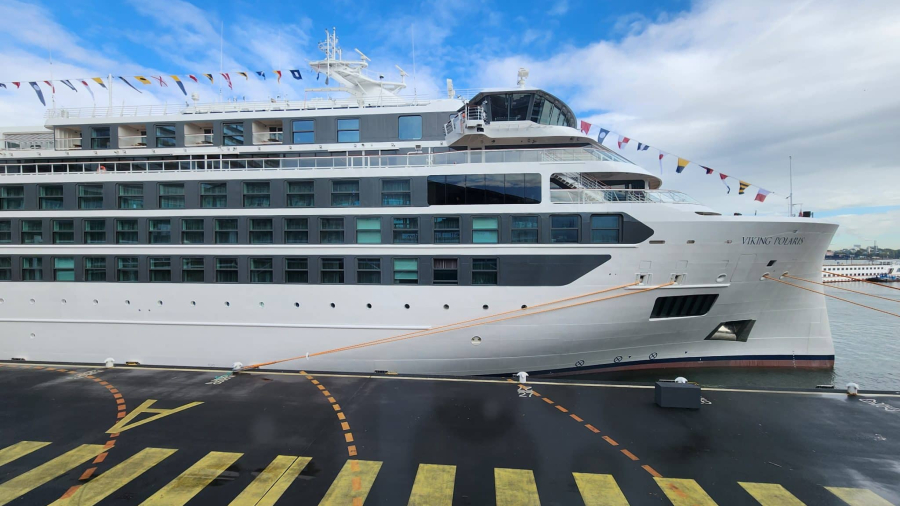
Viking announced this morning that they have ordered two additional expedition ships that will enter service in 2030 and 2031.
The cruise line’s quarterly earnings report, that was released this morning, stated that Viking has entered into shipbuilding commitments for two additional expedition ships that are scheduled for delivery in 2030 and 2031.
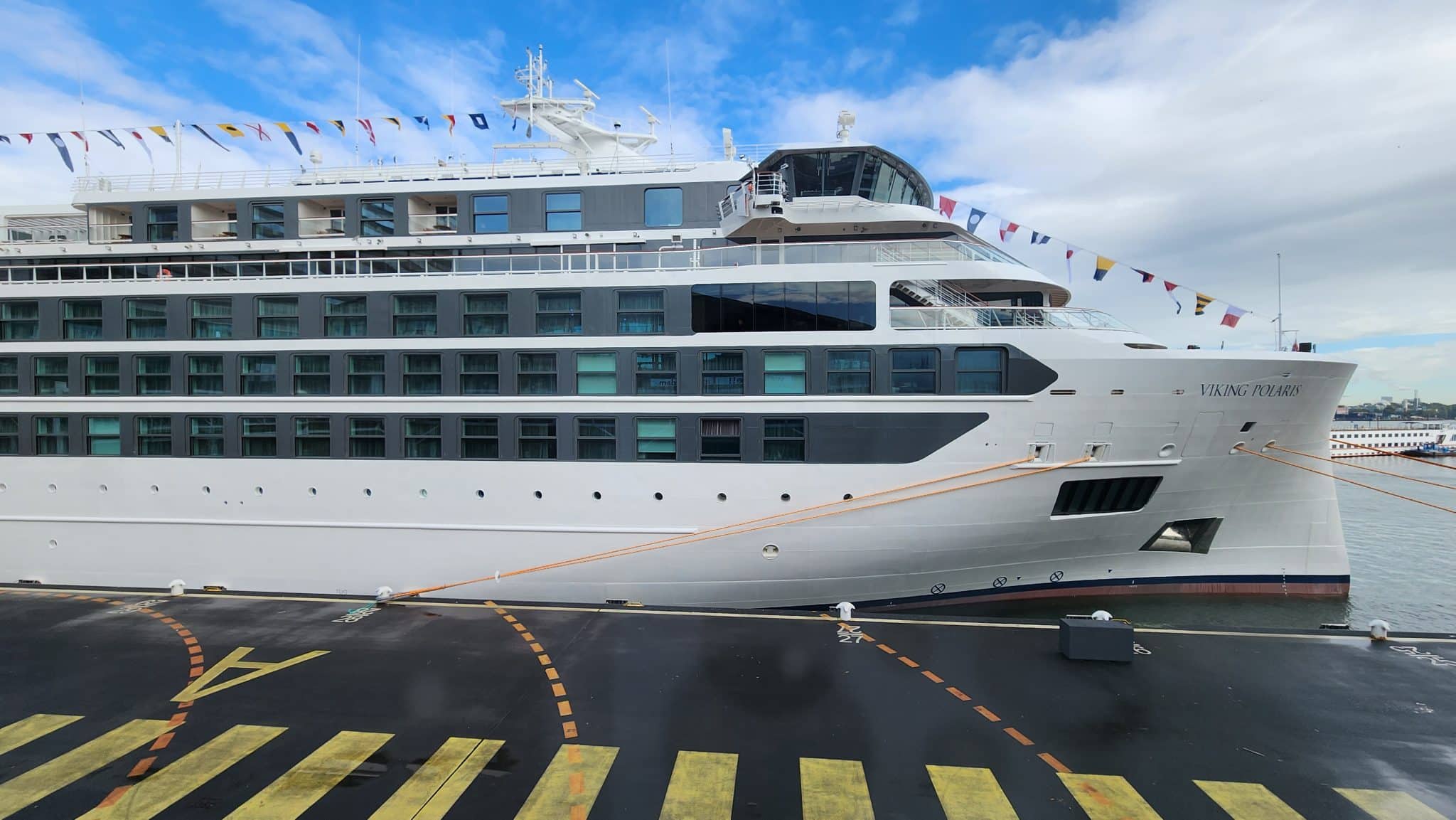
Viking currently has two expedition ships in service, Viking Octantis and Viking Polaris.
In addition to the two expedition ships, Viking has also entered into option agreements for two more ocean ships for delivery in 2034. This new agreement has an exercise date of July 30, 2028.
The cruise line currently has the following eight ocean ships on order or under construction:
Viking Mira – Summer of 2026
Viking Libra – Late 2026
Viking Astrea – Summer of 2027
Viking Lyra – Spring 2028
Currently unnamed – May 2029
Currently unnamed – November 2029
Currently unnamed – May 2030
Currently unnamed – November 2030
Viking expects to take delivery of 10 new river ships in 2026, in addition to Viking Mira and Viking Libra.
Get the latest cruise news, tips, and deals sent straight to your inbox with our free newsletter: Sign Up Now
Thousands of cruise passengers have been trying to get back home after cruises along the Persian Gulf had to be canceled due to the conflict in the region.
After a lot of uncertainty in and around Iran, German travel giant TUI confirmed today that it has officially begun the process of sending guests back to their home countries.
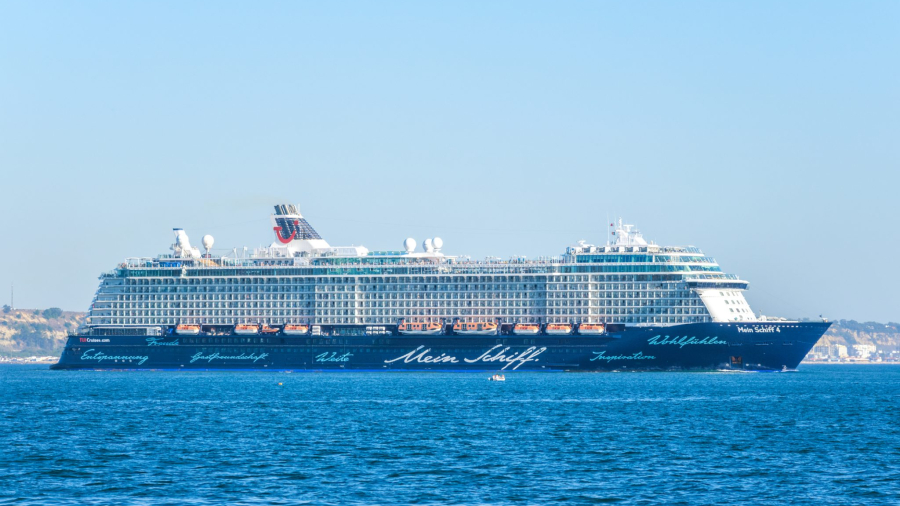
TUI CEO Sebastian Ebel announced that the company is responsible for about 10,000 customers in the Middle East, with about 5,000 of them being cruise passengers currently on two vessels. Add in the crew and these ships have about 7,000 people in total.
These ships include Mein Schiff 4, docked in Abu Dhabi, and Mein Schiff 5, currently in Doha.
“We Take it Very Seriously”
To get everyone home safely, TUI is working with Gulf carriers including Etihad, Emirates, and Qatar Airways.
While TUI’s own airline, TUIfly, has aircraft ready to help out, they are currently on standby waiting for the necessary governmental permissions to fly through the restricted airspaces.
“Repatriation is our responsibility, and we take it very seriously,” Ebel told German broadcasters. “Everything is organized, but when you have 5,000 customers on a ship and each plane only holds 200, it takes time.”
Reports Near Mein Schiff 4
Over the weekend, reports surfaced that a projectile, which was likely debris from an intercepted missile, landed in the water near Mein Schiff 4 in Abu Dhabi. In reality, the debris was still 1 to 2 kilometers away and no one on board was in any imminent danger.
But still, this kind of event is nothing to play games with, and after hearing the loud explosion travel across the water, it’s no wonder any one on board would be ready to head home.
Smoke was visible from the ship and passengers received emergency alerts on their phones.
Passengers have spent much of the last 48 hours following strict safety protocols, which include staying away from outdoor decks and remaining in interior cabins.
What’s Next?
The first wave of flights is expected to arrive in Germany, specifically Munich, later today. But because of the large number of travelers and the limited number of available flight slots, the full evacuation is expected to take several days.
The German Foreign Ministry is also stepping in to provide any help needed. Reports say Germany is focusing on chartering flights for the most vulnerable travelers, including the elderly, children, and pregnant women.
Get the latest cruise news, tips, and deals sent straight to your inbox with our free newsletter: Sign Up Now
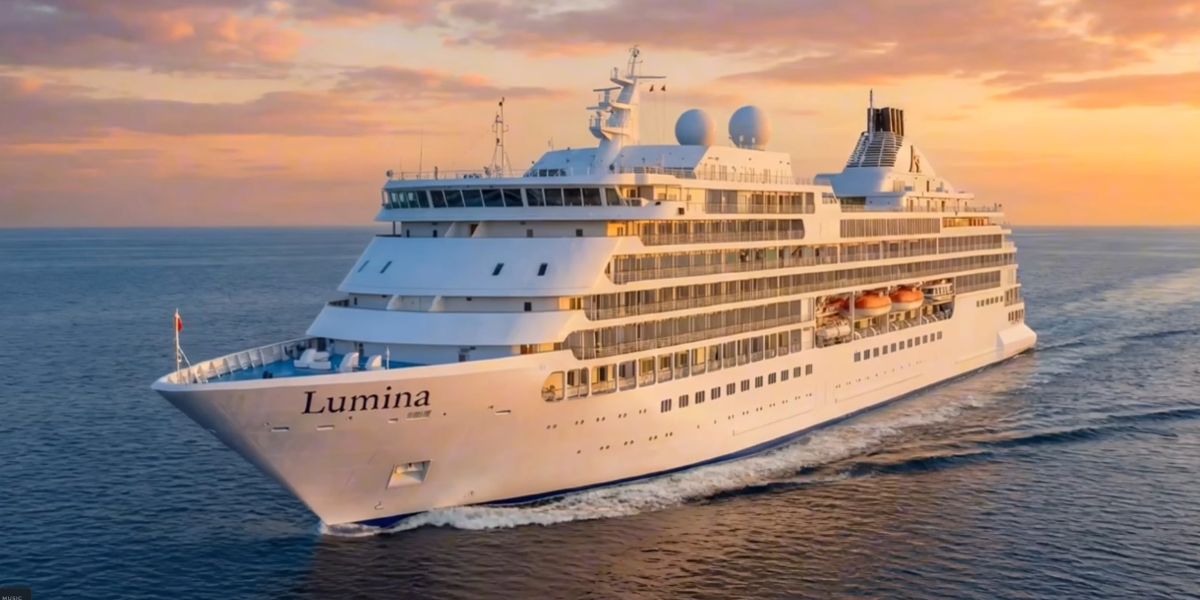
Norwegian Cruise Line Holdings has confirmed it will charter Seven Seas Navigator for nine years to a new luxury residential cruise venture, in a deal that will ultimately see the 490-guest ship leave the Regent Seven Seas Cruises fleet.
The agreement includes a nominal purchase option for Avora Residences, a new brand owned by Residential Cruise Holdings, which also created Villa Vie Residences and operates Villa Vie Odyssey.
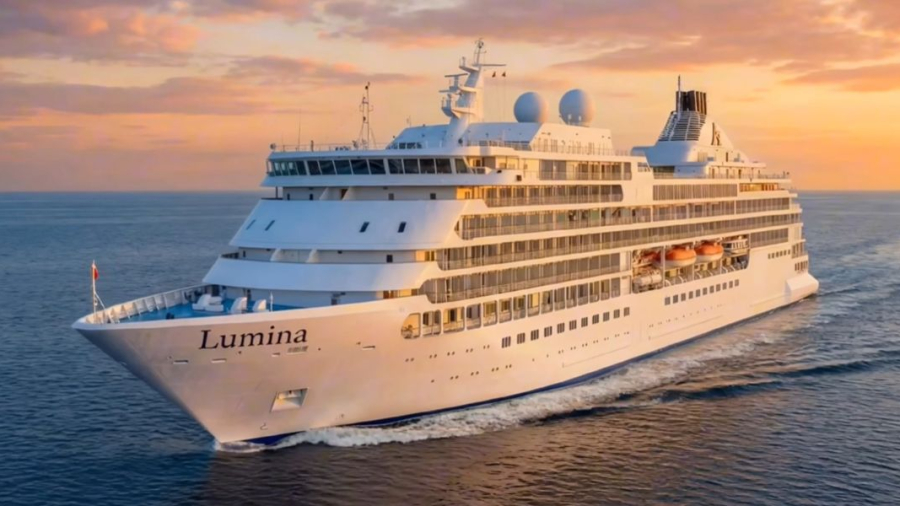
Under the arrangement, Seven Seas Navigator will continue sailing for Regent Seven Seas until January 2028, after which the vessel will transfer to Avora and be renamed Avora Lumina.
The 1999-built ship will remain part of the Regent Seven Seas Cruises fleet for the next two years, operating itineraries across Europe, the South Pacific and East Asia before undergoing a substantial refurbishment ahead of its debut in the residential cruise market.
A New Chapter As Avora Lumina
Once it joins Avora in 2028, the vessel will be comprehensively renovated to support long-term residential living. Planned enhancements include redesigned public areas tailored to full-time residents and the addition of a dedicated business centre, reflecting the needs of those living and working at sea.
“Avora Lumina represents the next evolution – purpose-built for long-duration global living, expedition capability, and a more refined residential experience,”
Mikael Petterson, founder of Avora Residences.
Currently configured with 244 all-suite cabins, around 90 per cent of which feature private balconies, the ship will be reimagined with 242 residential units. Avora has emphasised that the concept will prioritise personalisation, allowing owners to customise their homes onboard.
“These are not cruise cabins. They are designed as floating homes – primary residences that travel with their owners for years at a time,” Petterson explained.
Residences will range in size from approximately 300 square feet to nearly 1,200 square feet, with high-end finishes and expansive ocean views forming part of the core design approach.
Continuous Three-Year World Voyages Planned
Avora Lumina is expected to follow a similar operating model to sister brand Villa Vie Residences, which launched its residential ship in 2024. The plan is for Lumina to undertake continuous three-year world voyages, visiting around 140 countries and calling at more than 400 ports.
The ship will offer extended port stays of up to five days, enabling residents to spend more time exploring destinations in depth. Thanks to its polar certification, the vessel will also be capable of expedition sailings to remote regions, including Antarctica.
Culinary programming is set to be another central feature, with regionally inspired menus, locally sourced ingredients and curated food and wine experiences designed to reflect each destination visited.
Buyers will have two purchasing options. A Life-of-Ship Ownership will be priced between 545,000 US dollars and 4.2 million US dollars. Alternatively, a five-year ownership plan will be available, with prices starting from 219,600 US dollars. Avora has said the pricing structure was designed to be competitive with traditional residential property in major global cities.
Fleet Renewal Underway At Regent
The departure of Seven Seas Navigator will mark the exit of the oldest ship in the Regent Seven Seas Cruises fleet, as the luxury line prepares to introduce its new Prestige-class vessels.
Regent currently operates six ships, with Seven Seas Prestige under construction and scheduled to enter service in December 2026. A further three Prestige-class ships are planned for delivery in 2030, 2033 and 2036.
In February 2026, Norwegian Cruise Line Holdings announced an additional newbuild for each of its three brands, with all vessels to be constructed at Fincantieri in Italy, underscoring a significant period of fleet expansion and renewal for the group.
The charter agreement comes amid changes at the top of the parent company. On 12th February 2026, Norwegian Cruise Line Holdings appointed board trustee John W. Chidsey as chief executive officer, replacing Harry Sommer. The leadership change followed criticism from the company’s largest shareholder, Elliott Investment Management, which had raised concerns about strategy and leadership.
While the executive reshuffle has drawn attention, the agreement with Avora Residences is understood to have been progressing well before Sommer’s departure, forming part of longer-term fleet planning within the group.
The best way to book a Regent cruise
Want expert help to plan your perfect cruise?
Related Posts
If you found this interesting, please share!
Passengers boarding Celebrity Cruises’ newly revitalised Celebrity Solstice this week are stepping onto a ship that has undergone a sweeping transformation as part of a $250 million fleet-wide investment. The…
Princess Cruises is to expand its Southern Caribbean deployment for 2027 and 2028 by introducing Barbados as a new homeport, giving guests the option to sail either roundtrip from San…
Six cruise ships remain unable to leave the Middle East after the joint US and Israeli strike on Iran on 28th February 2026 triggered a rapid escalation in the region,…
Royal Caribbean International will remove its Coca-Cola souvenir cups from selected onboard drink packages from 15th March 2026, restricting guest access to the popular Coca-Cola Freestyle machines across most of…