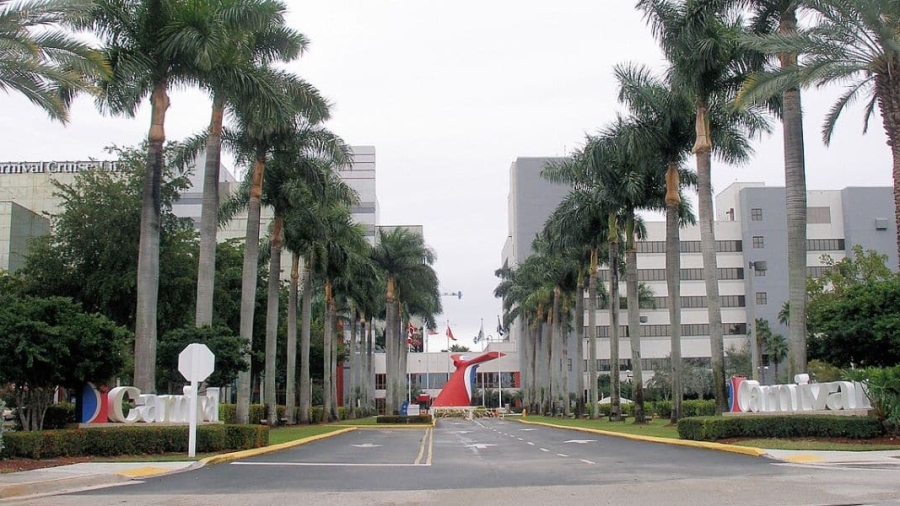
Carnival-HQ.jpg

Carnival Hit With Multiple Lawsuits After Massive Data Breach Affecting Millions


Carnival Corporation is facing a growing legal battle after a major cyberattack that allegedly exposed more than 8.7 million records led to multiple class action lawsuits in the United States.

Carnival Place, Carnival Corporation and Carnival Cruise Line headquarters in Doral, Florida

The cruise giant confirmed earlier in April that it had detected unauthorised activity linked to a single user account, prompting the company to shut down access and contact law enforcement. However, several former passengers claim the company failed to adequately protect their personal data.

The legal action comes after reports that the cybercriminal group ShinyHunters targeted Carnival, with stolen information potentially including sensitive guest and corporate data.

Read more: Carnival Investigates Potential Data Breach Affecting Millions Of Cruisers

Three separate lawsuits were filed between 22nd April and 24th April 2026 in the United States District Court for the Southern District of Florida.

Passengers Claim Negligence Over Data Protection

The claims were brought by former passengers Yvonne Vasquez from California, Zachary Pottle from Florida and Ashley Cole from Tennessee.

All three lawsuits argue that Carnival did not have adequate cybersecurity measures in place to protect customer information. The plaintiffs claim the cruise company should have anticipated the risk of cyberattacks, particularly as large travel and financial companies have increasingly become targets for hackers.

Person using computer

The lawsuits also allege that sensitive personal data may not have been encrypted, potentially allowing hackers to access the information more easily.

Cole and Vasquez further claim that additional safeguards such as two-factor authentication were not in place, although those details have not been publicly confirmed by Carnival.

According to the legal filings, the hacking group allegedly warned Carnival that the stolen data would be released unless their demands were met by 21st April.

The plaintiffs say the breach has left them at long-term risk of fraud and identity theft. They are seeking financial compensation, lifetime credit monitoring services for affected individuals and a court order requiring Carnival to strengthen its cybersecurity systems.

Carnival Says It Acted Quickly

When the breach first came to light, Carnival said it moved rapidly to stop the unauthorised access.

“After detecting unauthorized online activity involving a single user account, we acted quickly to shut it down and block any further unauthorized access and have notified law enforcement,” the company said in a statement.

“Data privacy and protection are extremely important to Carnival Corporation and we’re working closely with trusted global security experts to be thoughtful and deliberate in our review of the data involved, recognizing that anonymous reports circulating online are not always accurate,” the cruise company continued.

Carnival also said it would contact any affected guests directly once its investigation into the incident is complete.

Second Major Breach In Recent Years

If the lawsuits proceed, the company could face another significant payout linked to a cybersecurity incident.

In 2022, Carnival was ordered to pay $1.25 million and strengthen its data protection systems following a separate breach in August 2020.

That earlier incident affected around 180,000 guests and employees. The latest breach is believed to be far larger, with millions of records potentially involved across several Carnival Corporation brands including Carnival Cruise Line, Princess Cruises, Holland America Line, Cunard, Seabourn, Costa Cruises and AIDA Cruises.

Investigations into the latest breach are ongoing and it remains unclear exactly what information was accessed or how many guests were ultimately affected.

Related Posts:

If you found this interesting, please share!


Jenni with Disney Cruise ship at Castaway Cay

A person has died after reportedly falling from a balcony aboard Carnival Cruise Line’s Carnival Firenze while the ship was sailing near Catalina Island off the coast of California. The…

Royal Caribbean has confirmed plans to build two more Icon Class cruise ships, extending its investment in the largest vessels ever built for the cruise industry. The cruise line announced…

River cruise line AmaWaterways has announced its biggest expansion yet, revealing plans to grow its fleet to more than 50 ships by 2032 as demand for river cruising continues to…

MSC Cruises has revealed a wide range of new family entertainment experiences that will debut on board its upcoming flagship, MSC World Asia. The new ship will introduce expanded attractions,…


Source link
Untitled-design-2026-04-30T114645.167.jpg

Carnival’s Heald Clears Up Confusion Over Which Fans Are Actually Banned

The list of banned items on a cruise ship is an ever-evolving thing. And any time an item is added or removed from the naughty list it typically creates at least a little confusion.

This time, the topic was fans. And while apparently a “cruise influencer” was spreading some false rumors about one type of fan being banned, the cruise line set the record straight about which type of fans are allowed.

Carnival Cruise Line clarifies fan rule

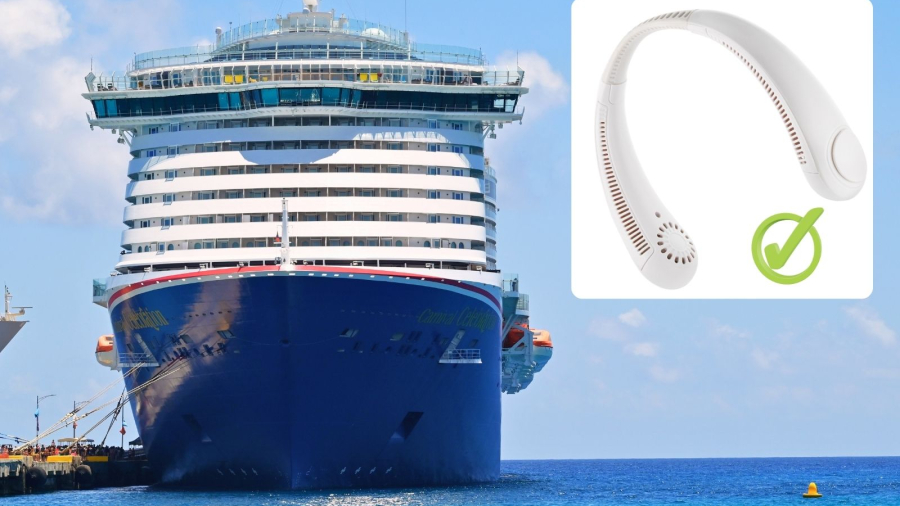
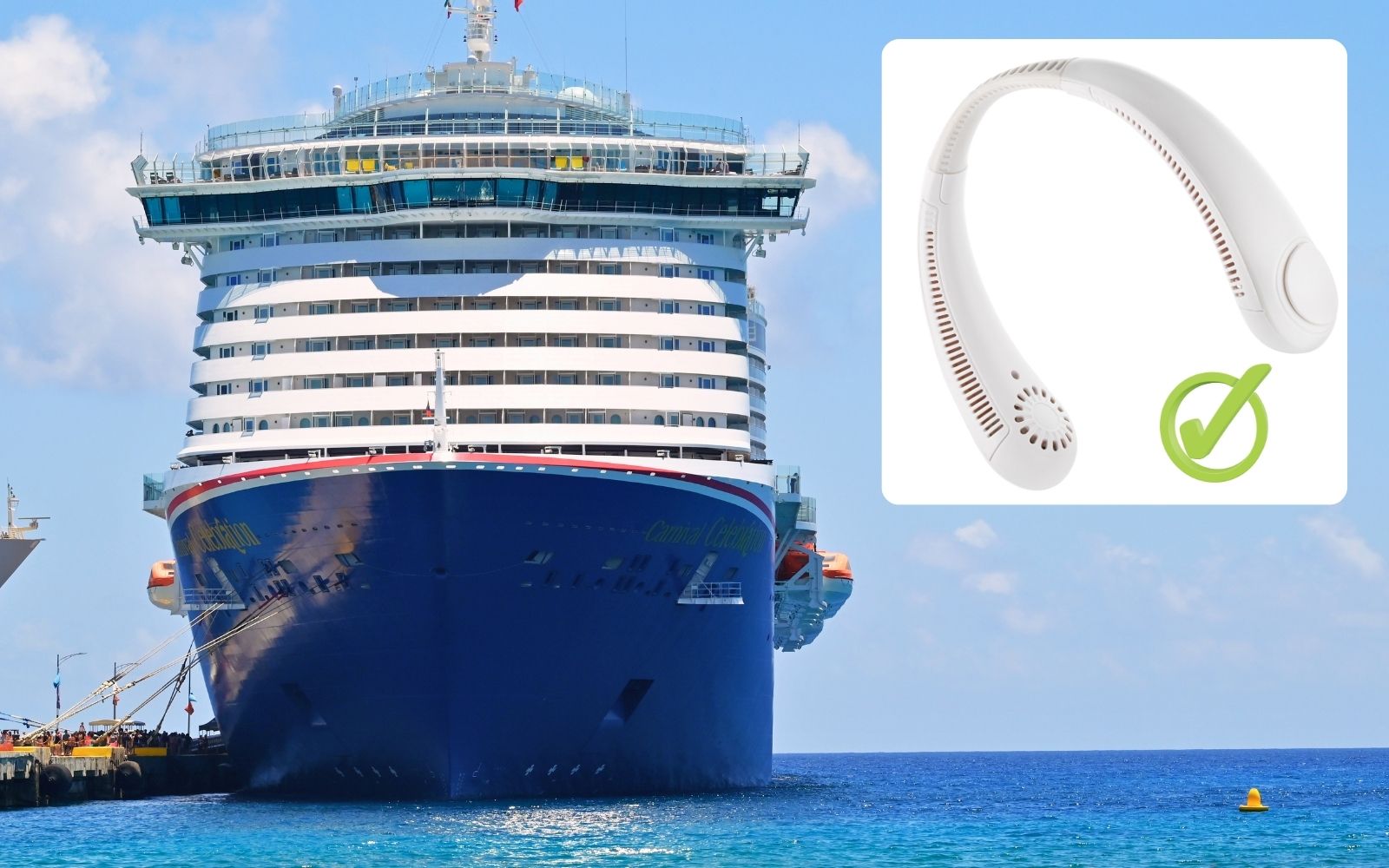
Carnival Cruise Line’s Brand Ambassador took to his popular Facebook page to let everyone know that “neck fans are allowed”.

Clearing the Air on Portable Cooling

The confusion began when several cruisers reached out to Heald, concerned by reports from a “lovely cruise influencer” claiming these neck-worn gadgets had been added to the prohibited items list.

After consulting with “the mothership,” Heald confirmed that these battery-operated fans are perfectly fine to bring on board.  So, crisis averted for those that run hot it seems.

Unlike traditional plug-in fans that can pose a fire risk, most neck fans are USB-rechargeable.

This keeps them off the “naughty list,” as they don’t require the ship’s electrical grid in the same way a large pedestal or box fan might.

What Carnival Cruisers Think

As comments poured into Heald’s post, it became pretty obvious that many Carnival cruisers are thankful these neck fans are still allowed.  For some it was not just a luxury but something they “needed”.

One cruiser shared a story about her daughter, who used a neck fan during a “near fatal motorcycle accident” recovery in the ICU to prevent overheating. They are now packing it for their upcoming fall cruise.

And on top of several saying the fans are essential for managing “hot flashes” that can strike at any moment, many just said those humid days in Nassau or Jamaica made the portable gadgets lifesavers.

What Fan IS Actually Banned?

The reason the rumors likely started is because Carnival did recently implement a ban on a very specific type of fan recently: the folding clack fan.

In 2025, the cruise line restricted these handheld, non-electric fans from being used on indoor dance floors and in nightclubs.

“For safety reasons, handheld fans are not permitted in the nightclub or on any indoor dance floor,” the new rule reads.

The decision came after a viral trend of line dancing along with the popping and clacking sound of the fans became an issue.  Apparently, these seemingly innocent looking fans were an injury waiting to happen (or that did happen), and the cruise line was trying to get ahead of it.

To be clear, folding clack fans are still allowed on the ship.  You just can’t use them in the nightclub or on any dance floors indoors.

Other Fan Rules to Remember

To avoid having your luggage flagged at the pier and having to endure the walk of shame to the “naughty table”, here are a few other fan-related rules to keep in mind:

  • Size Matters: Standard fans for your stateroom are generally allowed as long as they are 12 inches in diameter or smaller.  According to Carnival’s prohibited items list, “Personal grooming devices such as hair dryers, flat irons, curling irons, shavers, and other electrical devices, such as fans (no larger than 12″ in diameter…are allowed when used with proper caution.”
  • Safety First: Any fan brought on board must be in good working condition. If the cord is frayed or the motor smells, security will likely confiscate it for the duration of the voyage.
  • Power Play: Do not bring a fan that requires a surge protector, as surge protectors are strictly prohibited on all Carnival ships.

One thing most people don’t realize is that you can request a fan from your room steward as well.  There are only so many of them on board, but it’s worth asking for one if you forget yours or have a hard time keeping cool at night.

They are only provided on a first-come, first-served basis, so ask for it on day one if you’re interested.

As long as your cooling device is small, safe, and in the case of the neck fan, silent, you can keep the breeze going while you sail.

Get the latest cruise news, tips, and deals sent straight to your inbox with our free newsletter: Sign Up Now


Looking for the Best Cruise Deals?

Search Multiple Sites at Once

Instant Real Time Pricing

Search Now

Source link

Lusitania-Vs-Titanic-1.jpg

What Made These Ships So Different


Most people have heard of the Titanic. But far fewer know the story of the Lusitania.

Both were famous ocean liners from the early 1900s. Both were symbols of luxury and ambition. And both ended in tragedy.

Yet one became the most famous shipwreck in history, while the other is often forgotten.

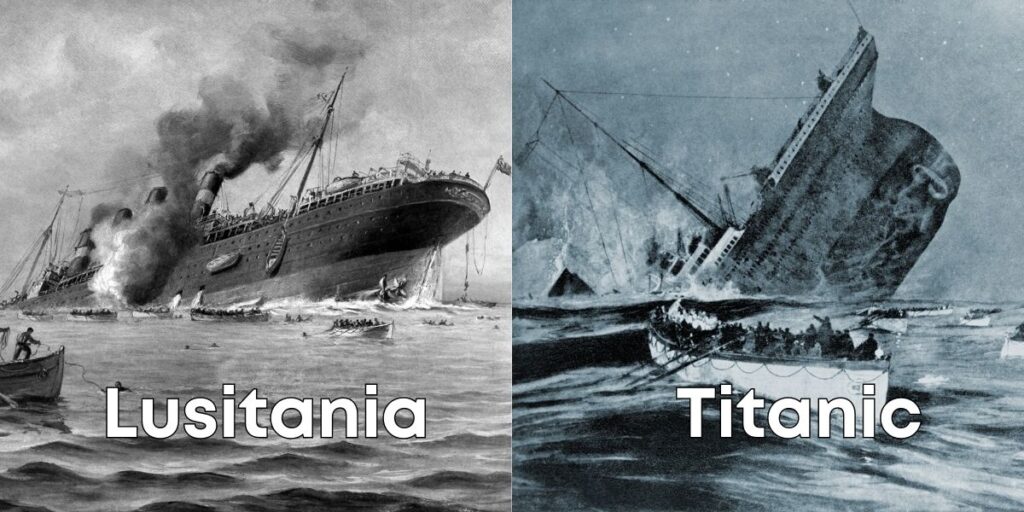
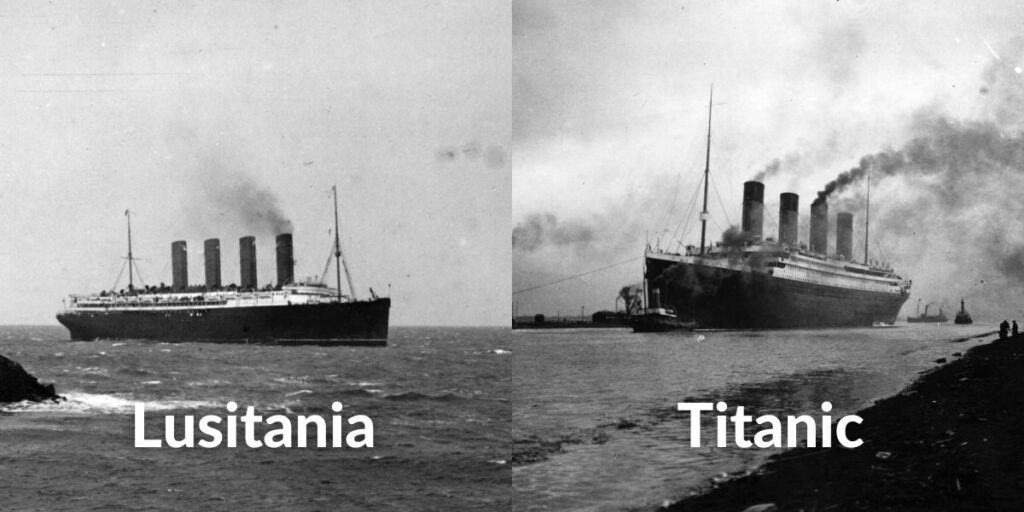
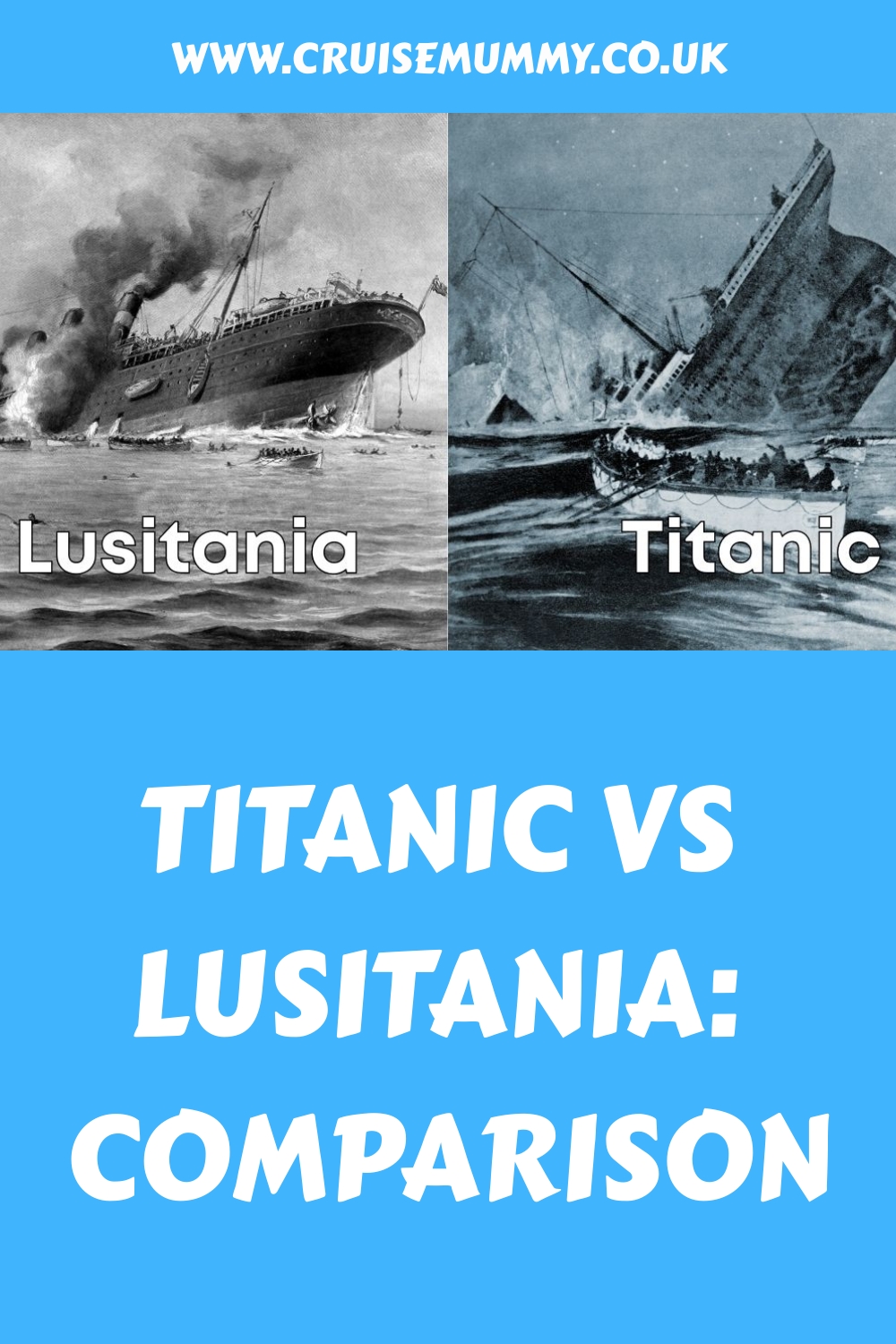
Lusitania vs Titanic

So what really separates the stories of Titanic and Lusitania… and why did one become legendary while the other didn’t?

The Similarities Between These Two Ill-Fated Ships

The Titanic and the Lusitania were both the largest ships in the world when they first launched, and both were designed for luxury travel across the Atlantic Ocean. Both ships sank in the 1910s and in each incident, there was a severe loss of life.

The ships were not identical, and they weren’t sister ships despite some people thinking so. In fact, they could be considered rivals.

Lusitania was built in 1906 for Cunard Line (yes, the same cruise company that exists today) while Titanic was built five years later for the competitor White Star Line.

Both were British companies, looking to establish a dominant position to ferry guests from Europe to the US and back. And they tried to do so by building the biggest ships in the ocean at the time. Lusitania came first, but she was later surpassed by Olympic, the sister ship of Titanic.

Size of the Ships

Titanic was the bigger of the two ships. Lusitania launched as the biggest ship in the world in 1906 Lusitania launched as the largest ship in the world in 1906, but Titanic later took that record when she entered service in 1912, a few years later.

This means that Titanic sank as the biggest ship in the world, but Lusitania sank when other larger ships were still sailing.

Lusitania vs Titanic

Let’s look in more detail at the statistics of both ships:

MeasurementsTitanicLusitania
Length882 feet787 feet
Beam (width)92 feet87 feet
Gross tonnage46,328 GT31,938 GT
Maximum capacity (passengers and crew)3,3273,048
Maximum passenger capacity2,4532,198
Crew874850
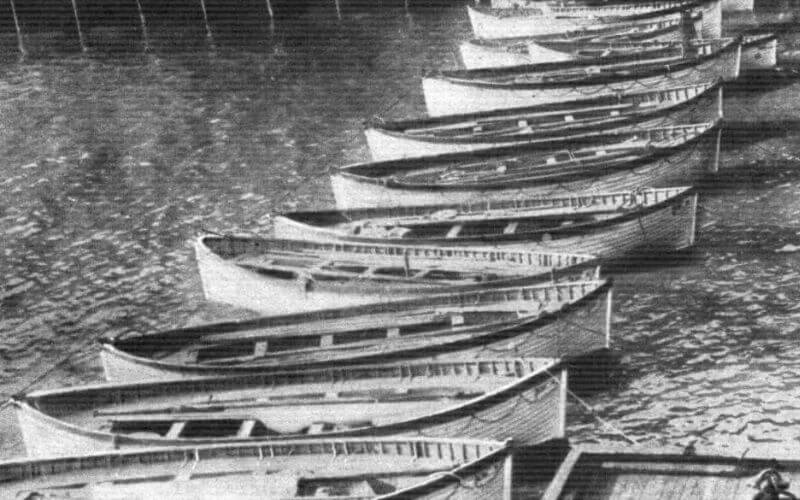
Lifeboat capacity35.4%100%
Maximum speed22 knots25 knots

By every measurement, the Titanic was a bigger ship. She was 12% longer and almost 6% wider. But more importantly, she was over 45% larger in total when you consider gross tonnage, which measures the internal volume of the ship.

That stat becomes even more interesting when you realise that she was only around 9% larger in terms of total capacity. While yes, Titanic did carry more passengers, she also had more space for passengers to enjoy, as there was a higher ratio between passengers and volume of the ship.

We of course know that lifeboat capacity was one of the major issues of the Titanic, and I’ll touch more on her legacy below.

Titanic lifeboats

But an interesting final note is that, despite being launched six years later, Titanic was actually slower than Lusitania. Lusitania could complete a transatlantic crossing between 12-24 hours faster than the Titanic could.

This was a conscious decision when building Titanic. The aim was to focus on luxury in lieu of speed, and Lusitania’s fuel costs were apparently very high due to the amount of coal needed to reach those speeds.

Sinking Incidents

Here’s a quick look at the sinking of both ships:

FactsTitanicLusitania
Sinking date14th April 19127th May 1915
Number of years the ship had been sailing before being sunkLess than one8 years
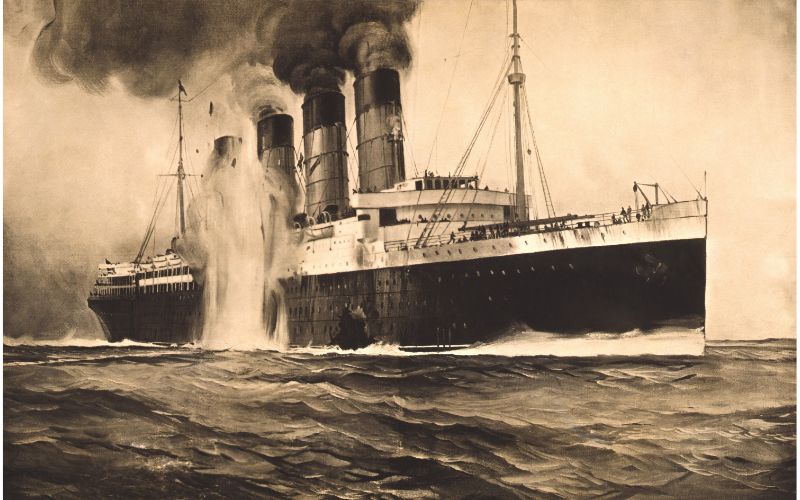
Cause of sinkingCollided with an icebergTorpedoed by a German U-Boat
Time the sinking took2 hours, 40 minutes18 minutes
Total passengers and crew onboard2,2071,949
Total deaths1,5171,198
Survival rate31.3%38.5%

The sinking of both ships was monumental and catastrophic, primarily for the sheer number of lives lost. These were huge disasters.

But there are differences between them too.

The Titanic sank in 1912 on her maiden voyage across the Atlantic. She never completed a single sailing. And there was a huge uproar at the time of her sinking too because of the lack of lifeboats on the ship.

The cause, too, was natural – an iceberg that hadn’t been seen. But also look at the time it took for Titanic to sink – hers was a drawn-out affair, lasting the best part of three hours before she completely sank.

Titanic sinking

Compare that to Lusitania. From the moment she started to sink, she was under the water completely within just 18 minutes. That’s a seriously fast amount of time for a ship her size. And yet, a higher percentage of people survived the Lusitania than did the Titanic.

The story of the Lusitania is a concerning one, for a number of reasons.

Firstly, she was a civilian ship and yet she was sunk without warning by the German navy. However, she was carrying munitions for the British army, which gave the Germans more incentive to sink her. 

Lusitania ship

Then there are the conspiracy theories around Britain trying to put the ship in danger – more on that below.

And finally, there was a higher percentage of women and children who lost their lives in the Lusitania sailing compared to the Titanic.

It’s believed that this was due to the time it took for the ship to sink. With everything happening in just 18 minutes, there was no time for the sense of self-preservation to calm down within the passengers.

Whereas with the Titanic, experts believe that there would’ve been enough time for that initial panic to calm down, and for the men to help the women and children into the lifeboats first as a priority (source).

The Ships’ Legacies

Both the Titanic and Lusitania had major impacts on world history, but for very different reasons.

When the Titanic sank, she famously was not a safe ship, primarily due to the lack of lifeboats. The huge loss of life led to a massive inquest that lasted for years, ultimately overhauling the safety standards of shipping going forward.

If it wasn’t for the sinking of the Titanic, then who knows how long it would’ve taken for shipping safety to be looked at under such a microscope and how many more, smaller tragedies could’ve taken place?

The Lusitania’s legacy is very different but arguably even more important. It was one of the factors that led to the US joining the First World War.

In fact, there have been some, including an intelligence officer in Britain, who believed that Britain had purposefully endangered the Lusitania in order to provoke the Americans into joining the war.

He wrote that Britain purposefully chose not to give the ship an escort, and gave orders which put it more at risk of being attacked by the German navy (source).

Why Titanic Is More Famous

There are a number of reasons why Titanic is more famous than Lusitania. She was the biggest ship in the world when she sank, she was billed as unsinkable, and it sank with natural causes combined with human error, instead of in wartime conditions.

Remember that Lusitania was the biggest ship in the world when she was built, but by the time she was sunk, she had surrendered that title.

And she was hit by a torpedo during the First World War. Yes, she was the biggest maritime loss during that war, but millions lost their lives due to the conflict in general.

Whereas the Titanic was lost because human mistakes were made. Mistakes that could’ve been avoided, and that were later rectified for all future sailings. It was her maiden voyage too, which makes it more of a dramatic event.

And there was the hubris too – the fact that Titanic was declared to be unsinkable, yet didn’t even complete a single sailing. Both ships were major disasters but there are a number of reasons why Titanic became more famous, even before the 1997 movie was made.

There are more than 10 Titanic Museums in the world. While there is also a Lusitania Museum in Ireland, it’s not to the same scale.

One Man Survived Both

A man named George Beauchamp is believed to be the only person who survived both the Titanic and Lusitania disasters. An urban legend names another man, Frank Tower, as a survivor of both but his existence has not been proven.

George Beauchamp’s story is more well-known and has been told by his family. He was a coal stoker on the Titanic who helped to get people into the lifeboats when she started to sink. He later switched to work for Cunard Line on the Lusitania and was onboard when she sank three years later (source).

There are rumours of a Frank Tower who survived both, but his tale is considered to be an urban legend. A ‘Frank Tower’ is listed as a passenger on Lusitania, but never as a worker on either ship (source).

Final Word

There are a startling number of similarities between the Lusitania and Titanic tragedies, but even more differences. They were different ships, sailed by rival cruise lines, and sank under very different circumstances.

Titanic will always be the more famous disaster, and more lessons were learned from her sinking too. And yet the victims of the Lusitania disaster deserve to be remembered equally.

Related Posts:

If you found this interesting, please share!

Jenni with Disney Cruise ship at Castaway Cay


Source link
Titanic-Sister-ship-Olympic.jpg

What Happened To Olympic & Britannic


Almost everyone knows the story of the Titanic.

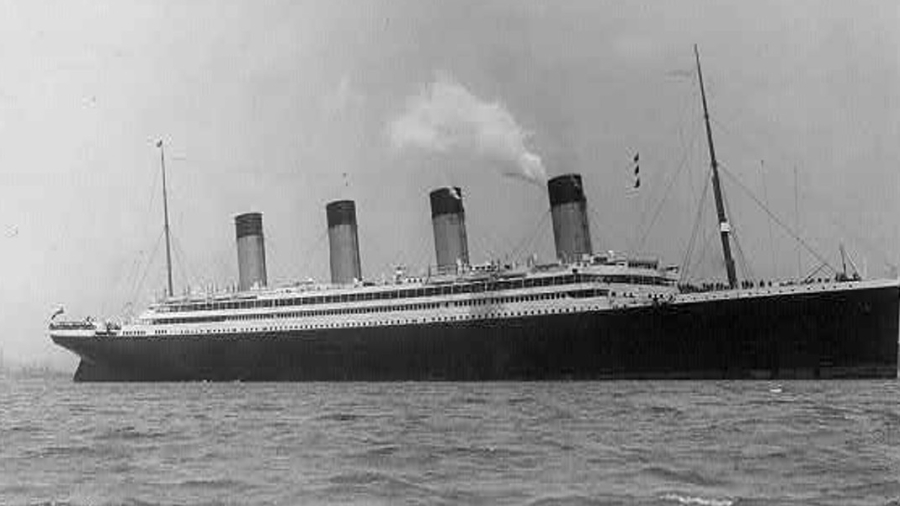
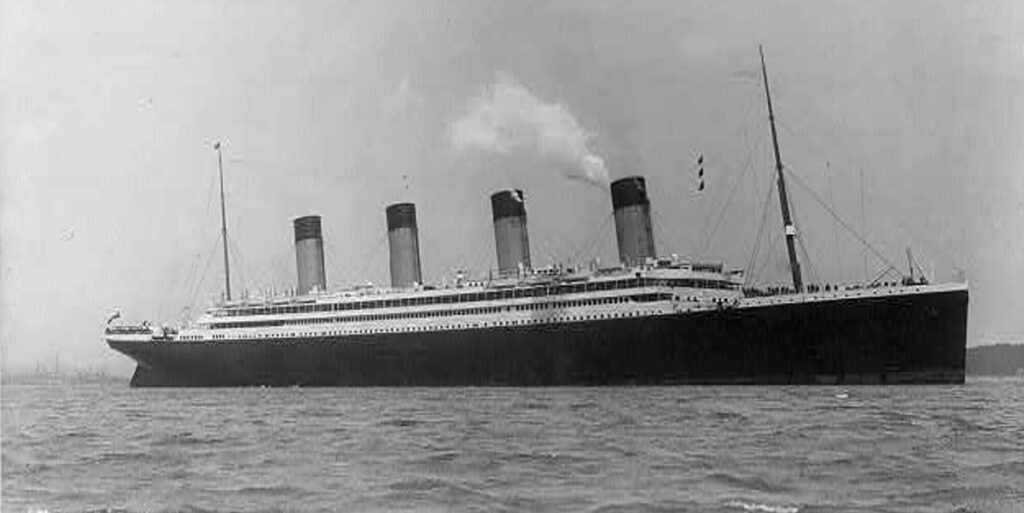
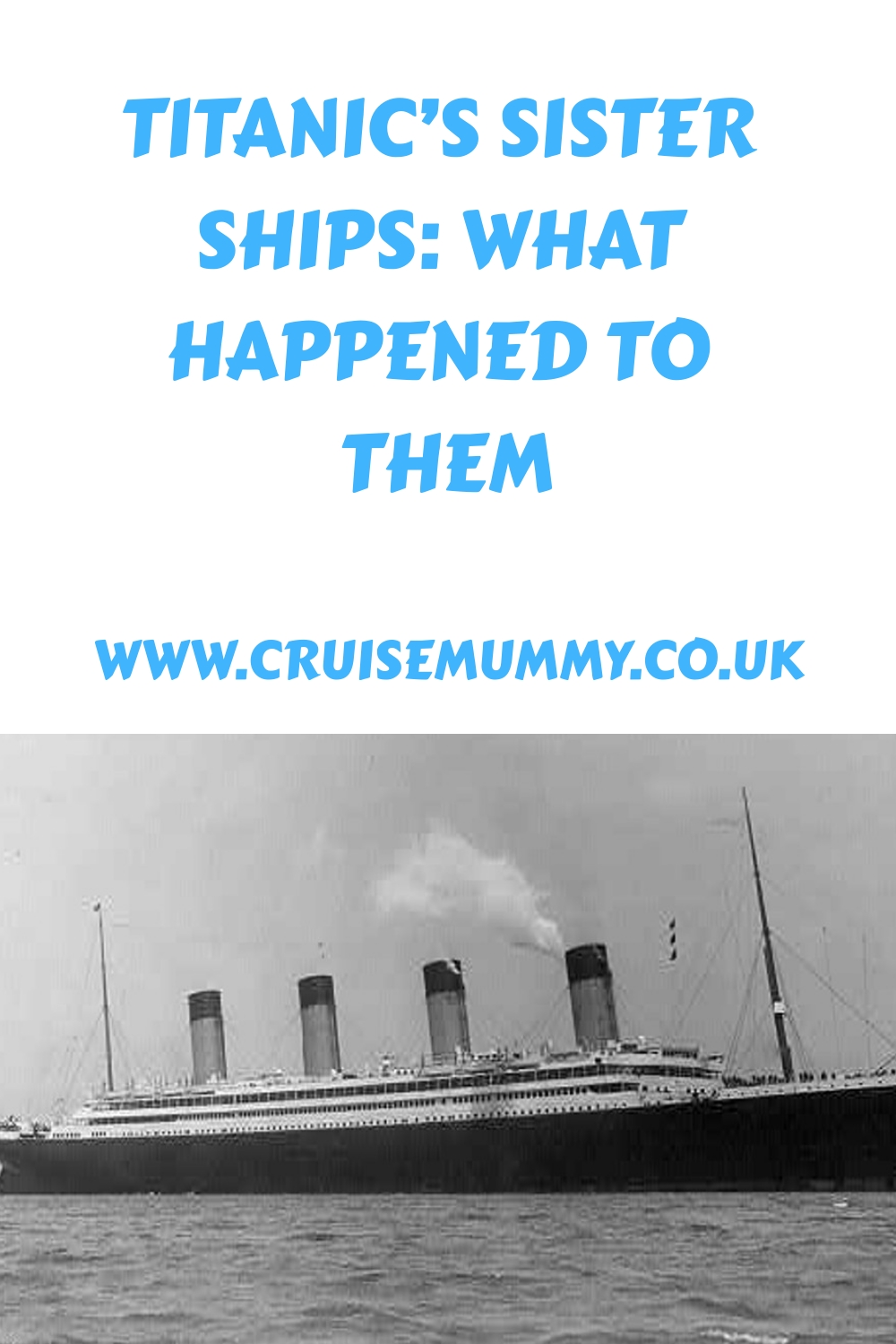
But far fewer people realise she wasn’t alone. The Titanic was actually one of three nearly identical sister ships, all built by the same company around the same time.

One became the most famous shipwreck in history. But the other two had dramatic stories of their own.

So what really happened to Titanic’s sister ships… and why don’t we hear about them nearly as often?

Olympic

About Titanic’s Sister Ships

The Titanic had two sister ships. She was preceded by the Olympic (1911 to 1935) and she was followed by the Britannic (1914 to 1916). The Britannic also sank, but the Olympic had a long life until she was retired.

All three ships were built for the White Star Line by the shipyard Harland & Wolff, and they were designed to be the largest and most luxurious ocean liners in the world.

Unfortunately, for various reasons, they didn’t really get to see out their lives as intended.

The Olympic sailed for 24 years after she was first launched, serving primarily in her intended role as a luxurious passenger liner, although she was commandeered for the war for a few years.

The Britannic didn’t do as well – she was used as a ship for the war too, and was sunk during it.

Let’s look at the story of each ship in a little more detail.

Olympic

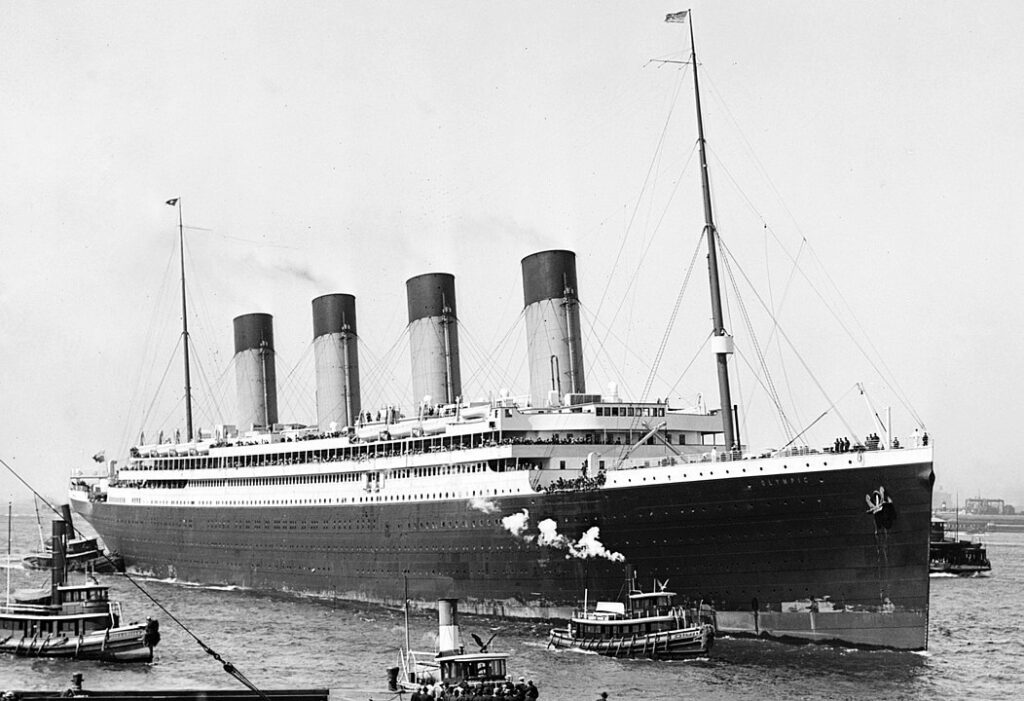
Olympic
RMS Olympic arriving at New York on her Maiden Voyage
Bain News Service, Public domain, via Wikimedia Commons

The RMS Olympic was the first of the new Olympic-class ships to launch, making her debut in 1911. After departing Belfast following her sea trials, she arrived in Liverpool for her public debut. She then sailed to Southampton to prepare for her real maiden voyage.

She was designed to follow a similar route as the Titanic would later attempt – travelling across the Atlantic Ocean with calls first at Cherbourg and Queenstown. She arrived safely in New York after 7 days. She was captained by Edward Smith, who would sadly lose his life on the Titanic a year later.

Because the Olympic was, at the time, the largest ship in the world, this maiden voyage attracted a lot of attention from the press and the general public.

8,000 people came onboard the ship to look around while she was docked in New York, and it’s believed 10,000 people watched her leave the port on the return leg, according to ‘The Olympic Class Ships’, a book by Mark Chirnside.

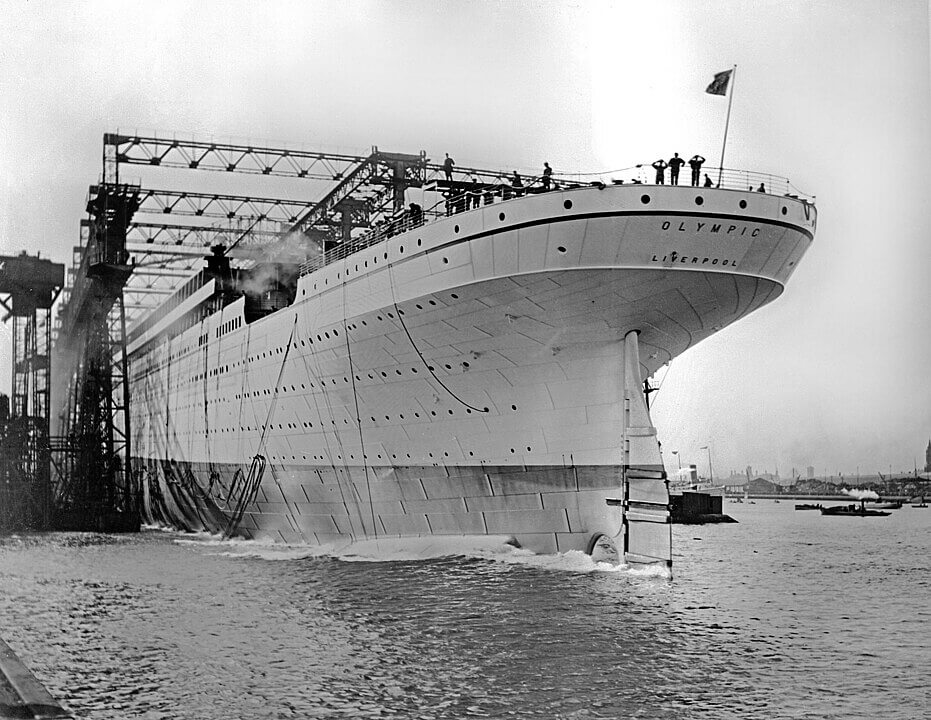
RMS Olympic at launch
Launch of Olympic in 1910
Robert Welch, Public domain, via Wikimedia Commons

Olympic’s first real negative incident of note took place on her fifth voyage. While sailing alongside the British cruiser HMS Hawke, the ships collided, tearing a couple of holes in the Olympic’s hull. She was able to return to Southampton under her own power and nobody was injured.

Two of the crew onboard during this incident were Violet Jessop (a stewardess) and Arthur John Priest, a stoker. They would work on the Titanic the following year and survive, before working on the Britannic when she also sank, again surviving.

Following repairs, the Olympic re-entered service, and she made efforts to assist the Titanic during the sinking incident. Unfortunately, she couldn’t get there in time.

The Olympic did offer to take the survivors from Cunard’s RMS Carpathia, but that ship’s captain refused, saying that asking the passengers to board a replica of the ship that had just sank would distress them.

The Olympic then returned to dock to be fitted with new temporary lifeboats.

Some of the crew would strike when the new lifeboats were deemed not to be seaworthy, and ultimately 54 of the crew were arrested for mutiny, and while they were found guilty, they were discharged without punishment. Later, the ship would have more permanent lifeboats and davits added.

In 1915 the ship was drafted into the war effort. Unlike many other privately-owned ships, she wasn’t converted into a hospital ship but served instead as troop transportation.

She did rescue crew from the battleship HMS Audacious during service, and once fitted with guns she rammed a German U-boat in the English Channel, forcing it to scuttle.

Post-war, the ship was converted back into a passenger liner and served the cruise line with minimal incidents. She was given numerous upgrades, but by her final years she was proving to be unprofitable.

She was retired in 1935, and she sailed to Jarrow in the North-East to be scrapped. She had completed 257 round trips across the Atlantic by this point.

Read more: Key Differences Between Titanic and Olympic

Britannic

HMHS Britannic was the third and final ship in the Olympic class, and work began on her construction in 1911. However, she wasn’t launched until 1914, by which point her sister Titanic had already sunk.

And so, work began on improving the safety of Britannic before she launched. She was due to have a similar design to her earlier sisters, but changes were made to double-up the hull around the engine and boiler rooms, and to enhance the water-tightness of the central compartments so that the ship could still stay afloat with six compartments flooded.

The biggest change was arguably the addition of davits – cranes that could launch six lifeboats. The ship was planned to have eight of these davits installed but only five were ready when the ship was called into action.

That’s because, in 1915 when she was fully completed, the war was well underway and the ship was needed in service. She only had four weeks’ notice from her engine trials before she went into the war.

She was repainted with large red crosses and a green stripe, so that it was clear she was to be a hospital ship, and she had over 3,300 beds installed along with several operating rooms. Common areas were changed to be able to support wounded soldiers and many of the cabins were kept to house doctors.

She first left Liverpool in December 1915 to retrieve injured troops from the island of Lemnos in the Aegean Sea, and then was moored as a floating hospital off the Isle of Wight.

She then helped to evacuate the Dardanelles in 1916 and ended her military service in 1916, returning to Belfast to be refitted as a passenger ship. Two months later though, she was recalled into service. She made a fourth and fifth trip successfully.

Her sixth mission was her last though – after stopping to refuel as normal in Naples, she struck a mine in the Kea Channel. 35 lifeboats were successfully launched, carrying most of the people onboard. Sadly 30 people were killed.

The reasons that so few people lost their lives in comparison to their sister include the higher temperatures of the water (20 degrees C compared to -2 degrees C), the huge improvement in lifeboat launches (35 were launched by Britannic compared to just 20 for Titanic), and the proximity to land and therefore aid.

Lusitania Is Often Mislabelled As a Titanic Sister, But…

The Lusitania was not a sister ship of the Titanic. She was owned by rival cruise line Cunard (the same Cunard Line that still exists today). People often mistakenly believe they were sisters just because their sinking incidents are similar and were relatively close together in years.

Cunard and White Star Line were rival companies, so it would be like asking if Carnival Celebration and Oasis of the Seas were sister ships, just because they had a similar design. 

Unfortunately, the Titanic and Lusitania are only linked because they are two of the most famous cruise ships to have sunk.

Final Word

The Titanic orphan twins led very different lives, with only the Olympic surviving long enough to really be able to learn the lessons from the sinking of the Titanic.

These three ships should have helped White Star Line to new heights, but poor safety planning and the outbreak of the war meant that only one of the three was able to enjoy the service she was designed for.

It’s also interesting to compare the Titanic to modern cruise ships because it shows you how the three Olympic-class ships would fare when side-by-side with some of the most contemporary vessels. So make sure you check that guide out!

Related Posts

If you found this interesting, please share!


Jenni with Disney Cruise ship at Castaway Cay


Source link
celestyaljourneyship.jpg

Cruise Line Launching 1 Day Sale on Cruises to Greece

Celestyal Cruises will be offering a one day sale on cruises to Greece in May and June of 2026 with fares starting at just $209 per person.

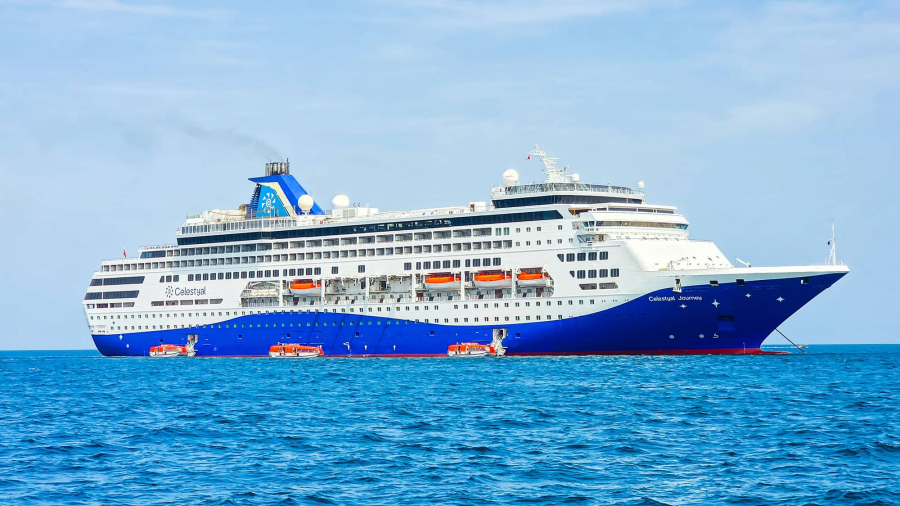
Celestyal journey cruise ship

This one day sale with Celestyal Cruises will take place on April 30, 2026 and will last for just 24 hours.

The sale is good on 25 cruises to Greece in May and June, 2026. It includes 17 departures of the three- and four-night “Iconic Greek Island”, sailing roundtrip from Athens onboard Celestyal Discovery, with prices starting at $209 per person.

The other eight departures are the seven-night “Idyllic Greece,” sailing roundtrip from Athens onboard Celestyal Journey, with prices starting at $499 per person.

The following is included in all cruise fares:

  • Meals
  • Soft drinks
  • WiFi
  • Port fees
  • Gratuities

The flash sale also forms part of Celestyal’s “Sail with Confidence” message, giving guests added peace of mind when booking. This includes flexible booking conditions and 24/7 onboard guest support.

Lee Haslett, Chief Commercial Officer at Celestyal, gave the following statement about this one day sale:

“We’re incredibly excited to be back in our homeport of Athens and ready to welcome guests onboard for the summer season. Our flash sale is a celebration, giving guests the chance to secure exceptional value on sailings over the coming weeks.”

Adds John Diorio, Vice President and Managing Director of Business Development for North America, added”

“Demand for the Greek Islands remains incredibly strong. These itineraries showcase what we do best, combining iconic destinations with lesser-known ports, all delivered with our signature premium casual experience and personal service.”

Get the latest cruise news, tips, and deals sent straight to your inbox with our free newsletter: Sign Up Now


Looking for the Best Cruise Deals?

Search Multiple Sites at Once

Instant Real Time Pricing

Search Now

Source link

Untitled-3-scaled.jpg

Star Princess Makes Overnight Stop in Los Angeles, Gears Up for Alaskan Season

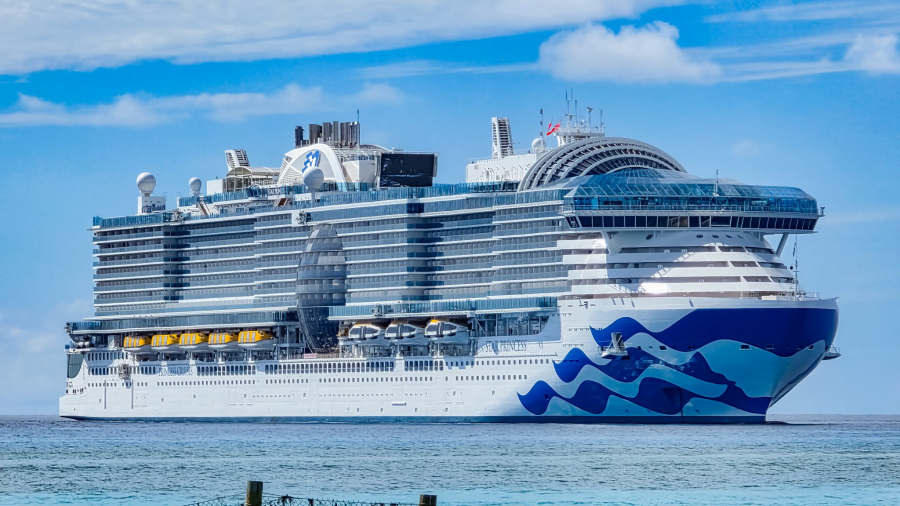
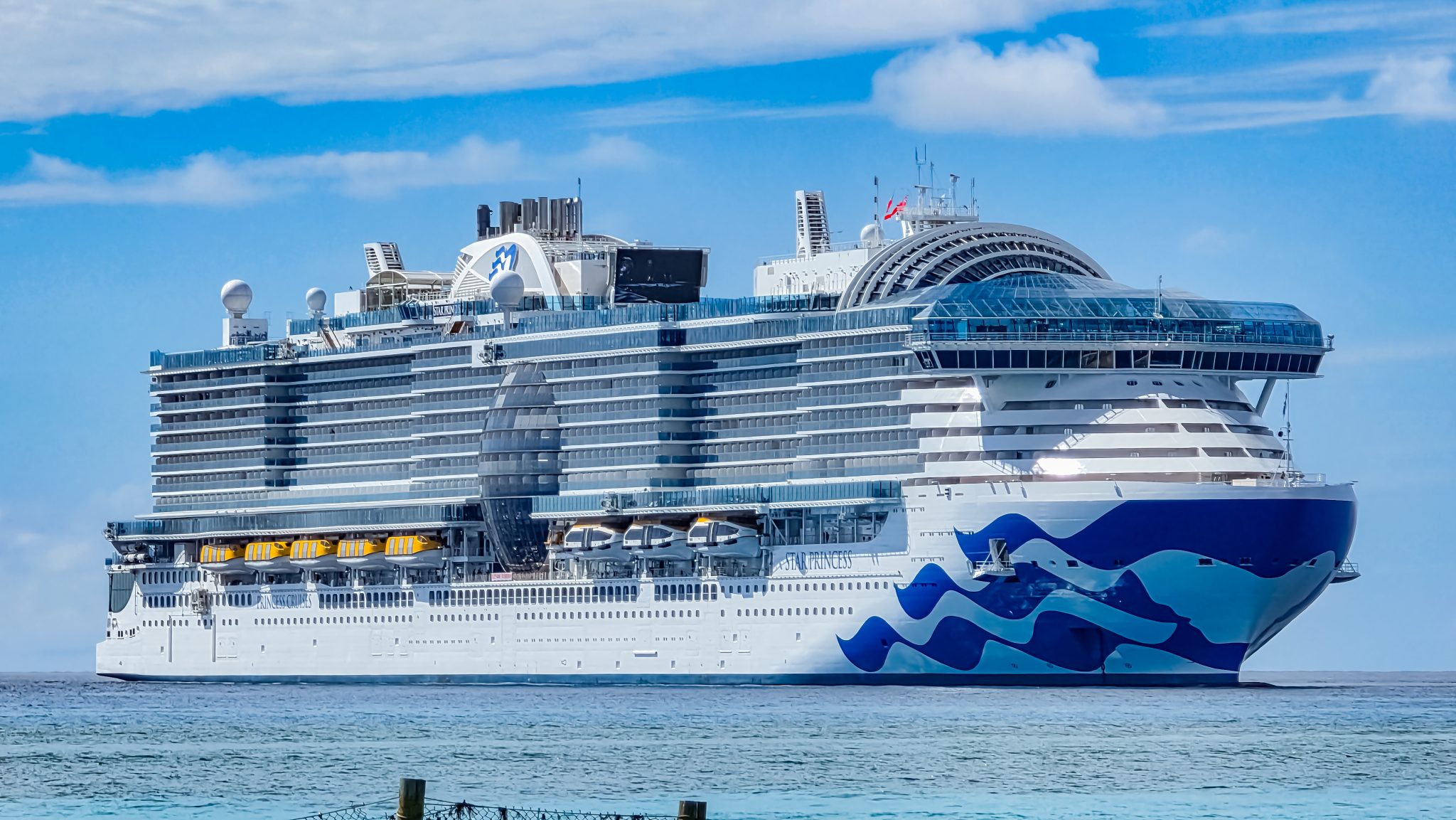
Star Princess, the newest ship in the Princess Cruises fleet, officially arrived at the Port of Los Angeles on Tuesday around 5:30 PM for a special overnight stay.

The 4,300-passenger vessel is the second in the Sphere Class, and its arrival means that the ship is one step closer to offering an entire season of 7-day Alaskan cruises.

Star Princess

The ship is currently wrapping up a long voyage that began in Fort Lauderdale, Florida, on April 13. On its way to LA, it completed its first-ever transit through the Panama Canal on April 18.

“Bringing Star Princess to Los Angeles for her West Coast debut is a proud moment for Princess Cruises,” Princess Cruises Chief Marketing Officer Marie Lee said. “Los Angeles has always held a special place in our history — our very first cruise sailed from the Port of Los Angeles to the Mexican Riviera in 1965.”

While the ship is new to these waters, it has already gained international recognition. It was recently named to Condé Nast Traveler’s 2026 Hot List, which highlights the best new travel experiences in the world.

Star Princess is scheduled to depart LA late tonight to finish its voyage in Seattle on May 3. From there, it will spend the entire summer running 7-day round-trip cruises through Alaska’s Inside Passage.

If you’re looking to catch a cruise out of Los Angeles, the ship will return this fall. Its upcoming local schedule includes:

  • September 27: A one-way trip from Vancouver to Los Angeles.
  • October 4: A 16-day one-way voyage from Los Angeles back to Fort Lauderdale via the Panama Canal.

Just last week Princess Cruises also announced Arrival Groups (staggered embarkation) to cruises out of Fort Lauderdale and Port Canaveral after adding the new boarding system on two ships out of Seattle.

Get the latest cruise news, tips, and deals sent straight to your inbox with our free newsletter: Sign Up Now


Looking for the Best Cruise Deals?

Search Multiple Sites at Once

Instant Real Time Pricing

Search Now

Source link

unnamed-4.jpg

Port Canaveral Secures $20 Million Federal Grant To Upgrade Commercial Berths

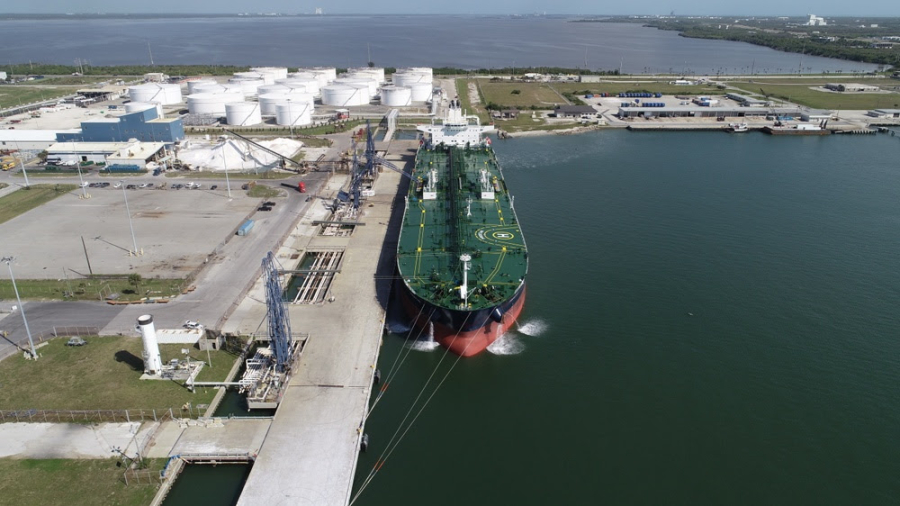
Port Canaveral has been selected to receive a $20.21 million Port Infrastructure Development Program (PIDP) grant from the U.S. Department of Transportation to upgrade its North Cargo Berths 1 and 2, which almost exclusively serve tanker vessels carrying refined petroleum products that play a vital role in supplying the Central Florida region’s transportation system.

The project is part of a $37.43 million Port Canaveral initiative to modernize the aging bulkheads to extend their useful life by 20 to 30 years and expand the Port’s capacity to handle bulk cargo, particularly transportation fuels, which account for more than 50 percent of the Port’s annual total cargo tonnage.

Currently in the design and engineering stage, project construction is estimated to begin in early 2027 with substantial completion approximately 16 months later. Once completed, these berth improvements will strengthen the Port’s role as a leading port of entry for fuel supplies destined for markets throughout Florida and into the southeastern United States.

Port Canaveral Secures Federal Grant

“We are very grateful for the efforts of Congressman Haridopolos to support our role as a gateway for global commerce, a creator of jobs and a driver of economic growth,” said Capt. John W. Murray, Port Canaveral CEO.  “These federal funds are an investment in our regional economies to ensure consumers – including Orlando International Airport – have efficient, cost-effective, reliable access to highly demanded transportation fuel products.”

The PIDP grant will fund 54 percent of the total project cost, with the Canaveral Port Authority and the Florida Department of Transportation (FDOT) confirming committed and planned amounts of $4.36 million, or 12 percent, and $12.86 million, or 34 percent in local match of the total cost, respectively.

U.S. Representative Mike Haridopolos (FL-8) stated, “Port Canaveral is a cornerstone of our local economy and a critical gateway for commerce, national security, and job creation here on Florida’s Space Coast. This $20 million investment is about strengthening the infrastructure that keeps goods moving, supports our workforce, and ensures our port remains competitive on the global stage. By modernizing these cargo berths, we are not only improving safety and efficiency—we are making a long-term investment in American strength and economic growth.”

In line with its commitment to generate economic growth in the Central Florida region, Port Canaveral has been proactively investing in its capabilities to expand business opportunities, committing nearly $1 billion in its five-year capital improvement initiative across all aspects of its operations. Projects include harbor and berth box deepening to accommodate larger vessels, improving landside infrastructure, renovating seawalls and berthing facilities, expanding cruise and cargo terminals, and access roadway improvements.

Source link

Untitled-design-2026-04-28T142451.075.jpg

5 Reasons to Buy It (and 3 to Skip It) in 2026

Royal Caribbean knows that cruisers want the VIP treatment even if they don’t always have the funds to go all in.  And anything that can save time, skip lines, or save money is worth checking out.

“The Key” is a program the cruise line came up with to offer some extra perks to passengers that may not have reached a major milestone in loyalty status or have a suite booked.

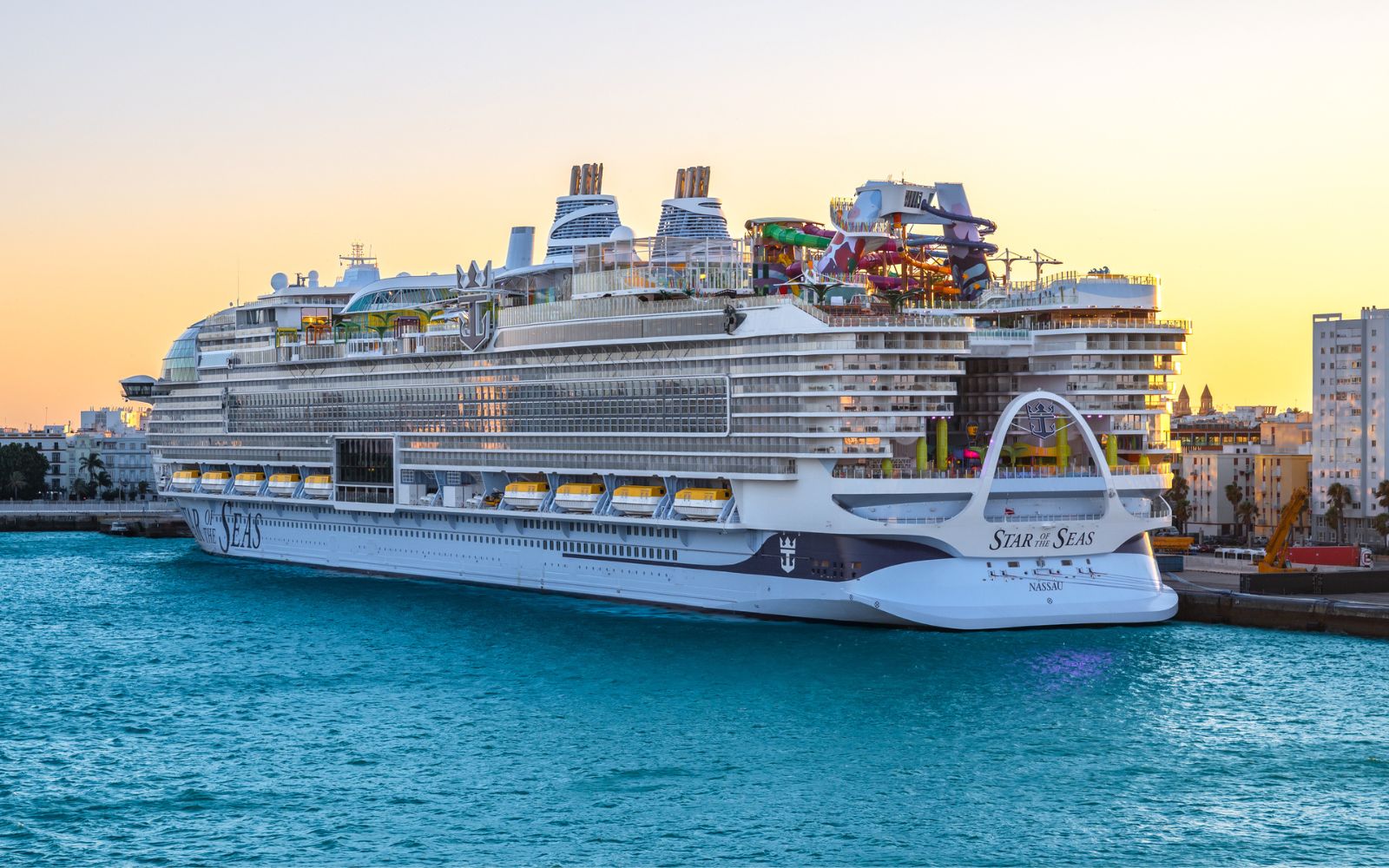
Royal Caribbean's Star of the Seas docked

If you’ve been planning a Royal Caribbean cruise lately, you’ve probably seen The Key pop up in your planner. It comes with a per-day price tag and has left a lot of cruisers wondering if the perks are worth it.

A recent Reddit post asked this very question, and some of the community’s replies were very insightful. I thought it would be great opportunity to give the pros and cons.

Let’s look at the breakdown of why this extra perk program might or might not be right for your 2026 sailing.

Official Perks of The Key

  • Priority Arrival: Access during a designated early check-in window.
  • Bag Drop: Carry-on drop-off at the Dining Room with stateroom delivery.
  • Exclusive Dining: Private welcome lunch (Day 1) and à la carte breakfast (final day).
  • Voom Internet: High-speed Surf & Stream for one device per person.
  • Fast-Pass Access: Priority lanes for onboard activities and priority tendering at ports.
  • Reserved Seating: Dedicated sections at the Main Theater, AquaTheater, Studio B, and Two70.
  • Day 1 Discounts: 20% off dining, 50% off select sports, and $60 off spa services ($250+ spend).

5 Reasons to Consider The Key

  1. You are 100% buying the internet anyway.

The Key includes Voom Surf & Stream for every person on the reservation. If the daily price of the package is only a few dollars more than the standalone Wi-Fi, the extra perks are worth it.

As one comment in the social media post shared: “I found the key to be great, and well worth the small extra cost.”

  1. You want to bypass the “Day 1” Buffet Chaos.

While thousands fight for a table at the Windjammer buffet with their carry-on bags, Key guests get a sit-down “signature” lunch in the Main Dining Room and a place to drop off their luggage.

One comment highlighted this as a big reason for choosing The Key, mentioning the “peaceful lunch featuring excellent mushroom soup while others waited in the buffet line.”

  1. You are sailing on an Oasis or Icon-class ship.

On these mega-ships, the “Reserved Seating” for shows is a big advantage. You don’t have to show up 45 minutes early for the AquaTheater or Ice Shows just to see the action.  I’ve missed these shows before because I planned too late.

One longtime buyer listed “VIP seating” as their top reason for consistently buying the pass.

  1. Your itinerary is “Tender-Heavy.”

In ports like Belize or Grand Cayman, you have to take a small boat to shore. The Key offers priority tendering, which can save you an hour or more of waiting in a hot stairwell (one of my least favorite parts of cruising).

  1. You want a “VIP” exit from the ship.

Ending a vacation can be stressful.  After all, it’s bad enough your cruise is over but now you have to deal with a rather hectic disembarkation process. But The Key offers an à la carte breakfast and a private and escorted departure process that allows you to choose a departure time as well.

One Diamond member shared that they loved the “shorter lines and special seating” all the way until the moment they left the ship.

3 Reasons to Skip It

  1. You already have Crown & Anchor Status.

If you are Diamond, Diamond Plus, or Pinnacle, you already get many of these perks for free. Paying for The Key often means paying for things you already have in your pocket.

  1. You are on a smaller, older ship.

On Vision or Radiance-class ships, the “Fast Lane” activities are limited and shows rarely sell out. One skeptical cruiser laid out a clear checklist, saying it’s only worth it if “you are on an Oasis or Icon class ship. The reserved seating is valuable on these ships for smaller venues.”

  1. You are on a long cruise (10+ nights).

Because it is priced per person, per day, a 12-night cruise can turn a $30/day “bargain” into a $360/person expense. For that price, you could buy the internet separately and still have enough left over for two nights of high-end Specialty Dining.

Bottom Line

All the factors laid out above matter: the ship, the itinerary, your personal status etc.  Many first-time cruisers get The Key just because it’s one less thing to worry about.  And some that try it once say they will never get it again. 

For most, I will say that it’s probably not as advantageous, but in the world of cruising, I’ve learned that everyone vacations differently.  If your goal is to save money, do the math first.  If the goal is to save a bit of time and hassle, try it out yourself at least once.  It’s really the only true-fire way to know if it’s worth it or not.

Get the latest cruise news, tips, and deals sent straight to your inbox with our free newsletter: Sign Up Now


Looking for the Best Cruise Deals?

Search Multiple Sites at Once

Instant Real Time Pricing

Search Now

Source link

1-Rotterdam-Dry-Dock-2026.jpg

Holland America’s Rotterdam Returns to Service After 2 Week Dry Dock

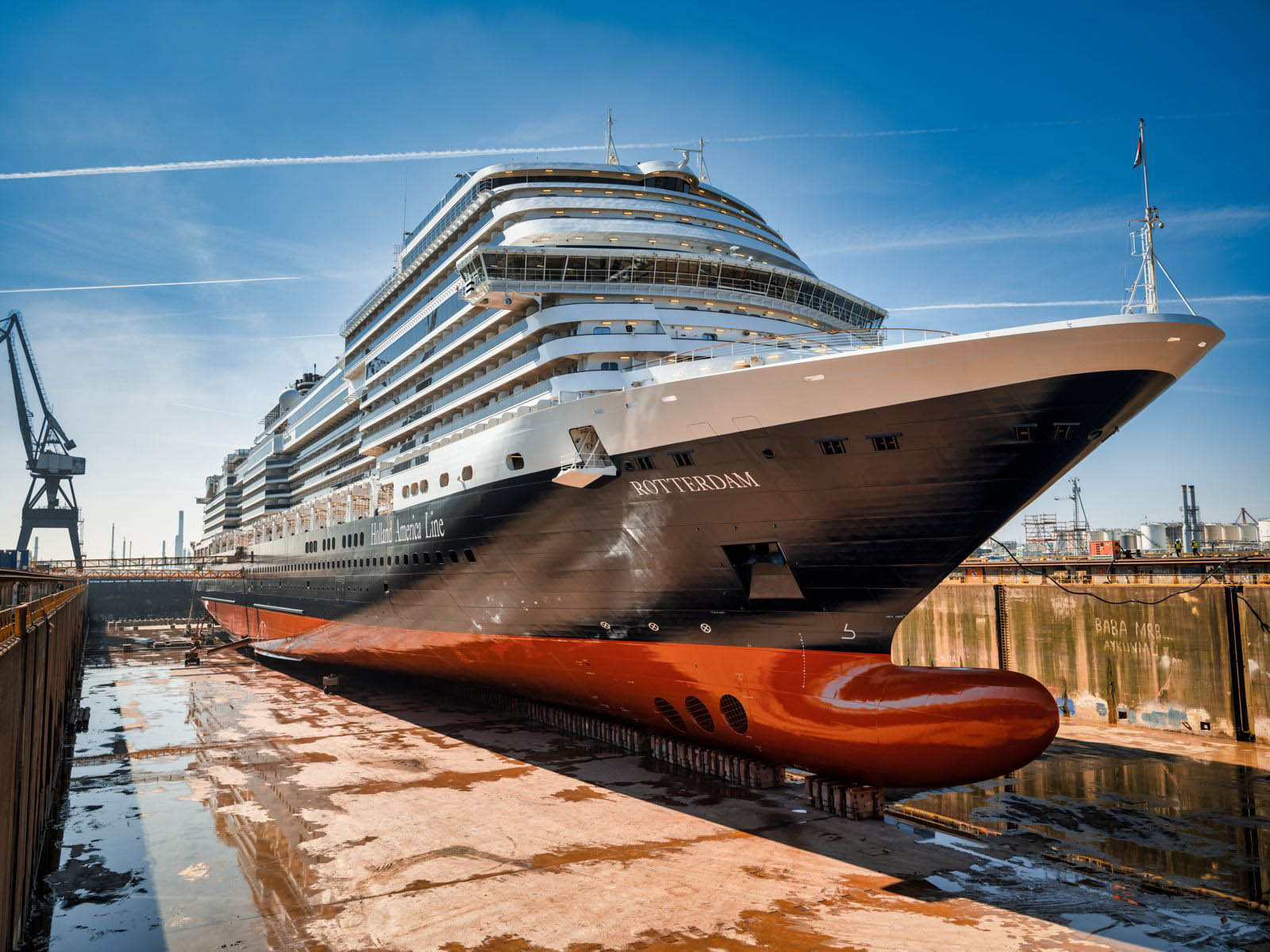
Holland America Line’s Rotterdam returned to service better than ever this week after spending two weeks in a dry dock in The Netherlands.

rotterdam

During the two-week dry dock, the cruise ship receive refreshed space that include updates suites and additional live music venues.

More Live Music

The main focus of Rotterdam’s dry dock enhancements was more live music. Billboard Onboard and Rolling Stone Lounge now have additional seating, along with a redesigned central lounge that allows guests to enjoy live performances from both venues.

In addition, Crow’s Nest debuted a new live music stage, creating another inviting space for guests to enjoy performances, lectures and enrichment programming with panoramic views.

A new live music stage and bandstand was also added at the Sea View Pool on Deck 9 aft, expanding entertainment options outdoors and giving guests more opportunities to enjoy live performances throughout the day and evening.

Suite Upgrades

Staterooms were upgrades on the ship to better service groups that sail together.

Twenty-two Vista Suites were enhanced with new sofa beds, expanding quad-occupancy options aboard the ship. Each upgraded suite now offers a comfortable sleeping arrangement for up to four guests without compromising the elevated design and amenities that define Holland America’s Pinnacle Class Vista Suite experience.

Refreshed Spaces

The casino onboard the ship was refreshed and now features approximately 20 additional slot machines, new seating, updated carpeting and new televisions installed in the table games area.

The main public areas throughout the ship also received updates including new furniture upholstery, as well as refinished and hand-polished wood chairs, refinished floors and new wall coverings.

The Greenhouse Spa & Salon received thoughtful updates, including the installation of a new, more ergonomic hair‑washing station designed to improve comfort for both guests and stylists.

Rotterdam returned to service on April 26, 2026 and the ship will spend the summer sailing seven-night cruises to Northern Europe.

Get the latest cruise news, tips, and deals sent straight to your inbox with our free newsletter: Sign Up Now


Looking for the Best Cruise Deals?

Search Multiple Sites at Once

Instant Real Time Pricing

Search Now

Source link

1-Harbour-MSC-World-Asia.jpg

MSC Cruises Reveals Next-Level Family Fun Experience Aboard MSC World Asia

From innovative game shows and immersive technology experiences to thrilling outdoor adventures for all generations, MSC Cruises is unveiling a vibrant new world of family entertainment aboard its latest flagship, MSC World Asia.

The highly anticipated ship will sail 7-night itineraries to some of the Mediterranean’s most sought-after destinations including Barcelona, Marseille, Messina, Civitavecchia for Rome, Naples and Valletta, and will offer families the perfect blend of exciting destinations to discover and unforgettable experiences on board. 

Family Fun Experience Aboard MSC World Asia

Family Fun Experience Aboard MSC World AsiaFamily Fun Experience Aboard MSC World Asia
MSC World America, MSC Formula Racer

At the heart of the ship is the Family Aventura District, a vibrant hub designed to bring families together. This lively area features a range of engaging spaces, including The Clubhouse, The Harbour and Doremiland kids club, each offering new ways to play, connect and create lasting memories. Elsewhere on board, Luna Park Arena adds even more family fun with high-energy entertainment and interactive experiences.

MSC Cruises Vice President of Entertainment Steve Leatham said: “As a family-owned company, MSC Cruises knows what it takes to keep the whole family happy on holiday, with tailored family entertainment activities and facilities for guests of all ages. On board MSC World Asia, family entertainment will reach new heights – bigger, bolder and more innovative than ever. Featuring our widest range of programs yet, alongside immersive, interactive and personalized experiences for everyone from toddlers to teens, families can expect truly extraordinary moments at sea.”

MSC Cruises Family Entertainment Development Director Matteo Mancini said: “For us, the greatest reward is seeing the joy on families’ faces when they discover something completely new. On MSC World Asia, every experience has been designed to surprise, inspire and spark imagination. We’ve pushed creativity to new limits, and we’re confident guests will leave genuinely amazed.”

Highlights of family entertainment experiences coming to MSC World Asia include:

MSC Luna Park ArenaMSC Luna Park Arena
MSC World Asia, MSC Luna Park Arena

MSC Luna Park: MSC Luna Park Arena is set to become one of MSC Cruises’ most innovative, interactive and versatile venues. Using innovative digital technology, the entire floor transforms into an interactive arena, allowing guests to compete in dynamic, immersive gaming experiences – a first of its kind on any MSC Cruises ship.

The venue will host three original game shows: Code Breakers, a fast-paced mission to crack a secret code; Labyrinth, a challenge of intelligence, strategy and orientation; and Chart Toppers, a lively music quiz where players compete to identify songs and artists from different generations.

The Clubhouse: The Clubhouse unveils a vibrant world of color, nostalgia and retro charm—with bright signage and vintage props—serving as the central hub for active family entertainment. Designed for families and friends to connect, compete and create lasting memories, this multiuse space will feature a dedicated LEGO® Family Zone, roller skating, bumper cars, sports, and wellness sessions led by professional coaches. Guests can also enjoy refreshed versions of MSC Cruises’ favorites including Guinness World Records, featuring a new popup concept; Extra Record Live; MasterChef at Sea Juniors, redesigned to inspire future young chefs; and Out of Control, a brand-new high-energy experience where participants compete against digitally assigned, timed obstacle challenges on the sports court. Fan-favorite productions will also return, including the Doremix Family Disco with new original songs for children, plus Star Shooters and World Quest live games. 

The Harbour: The Harbour is an outdoor destination where fun-loving guests come together for unforgettable open-air experiences. From the Adventure Trail rope course and the longest dry slide at sea to Europe’s first over-water swing, Cliffhanger, there are activities for all ages. With sweeping ocean views, wet and dry attractions, and a vibrant setting centered around the Tree of Life, families can enjoy experiences such as the Twin Racer and U Drop waterslides. Younger guests can also enjoy a new playground, The Play Deck, a relaxed outdoor space designed for kids of all ages and built to encourage connection and interaction within families. It will combine comfortable seating with simple, playful elements for kids and families to enjoy together. Inspired by Asia’s most dynamic cities, The Harbour blends tradition with modern design and is brought to life through live activities, the LEGO® Parade, and daily entertainment. As the sun sets, The Harbour transforms into a glowing outdoor theme park, offering an extended evening program.

Teen Entertainment: Teen entertainment on board MSC World Asia is elevated with a refreshed evening program led by Yuna, a new AI avatar hosting exclusive events including the Yuna K-Pop Party and Yuna Boogie Roller Party. Teen-only sessions will take place in MSC Luna Park Arena and The Clubhouse, with dedicated editions of Chart Toppers, Labyrinth and Code Breakers, alongside an updated Quiz O’Clock: The Battle, with new video content and multilingual support.

Doremiland: Located on Deck 19, Doremiland spans more than 10,000 square feet, with dedicated spaces for every age group—from the Baby Club developed with Chicco, to Junior and Teens Clubs featuring state-of-the-art technology, the latest gaming experiences, a full arcade and MSC Formula Racer simulator. Families can choose supervised childcare or shared experiences designed to create unforgettable moments together.  Younger guests can also enjoy two brand-new themed LEGO® rooms—one inspired by iconic landmarks and culture across Asia, and another dedicated to the thrill of Formula 1®.

Guests can also enjoy a new LEGO® Parade, featuring seven mascots inspired by beloved LEGO® characters.

Source link