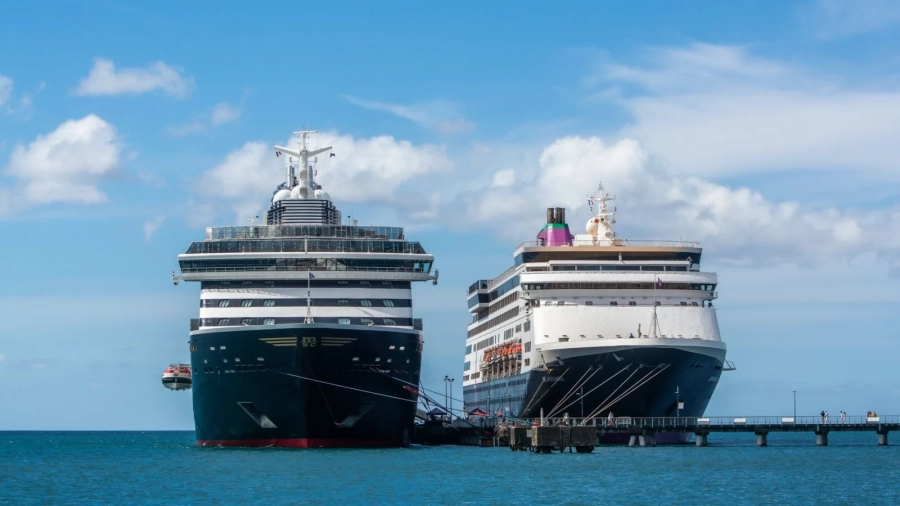
Cruise ship docked beside turquoise water at a tropical pier, typical of cruise ports in Mexico

Cruise Ports in Mexico: Every Caribbean and Pacific Port by Coast

The main cruise ports in Mexico are Cozumel, Costa Maya (Mahahual) and Progreso on the Caribbean side, plus Ensenada, Cabo San Lucas, Puerto Vallarta, Mazatlán, Manzanillo and Huatulco on the Pacific, known as the Mexican Riviera. Caribbean ports mostly get cruises from Gulf and Florida homeports like Galveston, Miami and Tampa. Mexican Riviera cruises usually leave from Los Angeles, Long Beach or San Diego.

Government figures reported by Cruise Hive show about 6.5 million cruise passengers arrived in Mexico in the first half of 2026, up 17% on the year before. Below we cover every port by coast, where ships sail from, current US safety advice and the 2026 changes to know before you book.

Mexico Cruise Ports at a Glance: A Coast-by-Coast Map

Use these tables as a text map: each coast runs north to south.

Mexican Riviera cruise ports (Pacific and Sea of Cortez)

Port (state) Docking Best for
Ensenada (Baja California) Pier Short cruises from California, La Bufadora blowhole, Valle de Guadalupe wine tours
Guaymas / San Carlos (Sonora) Pier, occasional calls Desert-meets-sea scenery and quiet beaches on the Sea of Cortez
Loreto (Baja California Sur) Tender, small ships Marine park snorkeling, kayaking, a historic mission town
Topolobampo (Sinaloa) Pier, occasional calls Copper Canyon rail excursions on longer itineraries
La Paz (Baja California Sur) Pier at Pichilingue, outside the city Seasonal whale shark tours, Balandra beach, the malecón
Cabo San Lucas (Baja California Sur) Tender El Arco boat trips, whale watching in winter, beach clubs
Mazatlán (Sinaloa) Pier Historic old town, a long seafront malecón, local food
Puerto Vallarta (Jalisco) Pier The malecón, Banderas Bay beaches, Los Arcos snorkeling
Manzanillo (Colima) Pier Beach days and deep-sea fishing
Acapulco (Guerrero) Pier, few calls La Quebrada cliff divers, mostly on repositioning and world cruises
Huatulco (Oaxaca) Pier, walkable Clear-water bays, snorkeling, a relaxed small-resort feel
Puerto Chiapas (Chiapas) Pier Coffee farms, Izapa ruins, Panama Canal itineraries

Mexico Caribbean cruise ports (Gulf of Mexico and Caribbean)

Port (state) Docking Best for
Progreso (Yucatán) Very long pier with shuttle to shore Mérida, Chichén Itzá or Uxmal, Yucatán food
Playa del Carmen / Calica (Quintana Roo) Limited, occasional calls Fifth Avenue shopping, Xcaret-style parks, Tulum
Cozumel (Quintana Roo) Three piers Reef snorkeling and diving, beach clubs, San Miguel town
Costa Maya / Mahahual (Quintana Roo) Pier at a purpose-built cruise port Chacchoben ruins, an easy beach day, the small town of Mahahual

Docking can change with the ship and weather, so check your cruise line’s port guide.

Caribbean Side: The Busiest Mexico Cruise Ports

Cozumel

Cozumel is Mexico’s busiest cruise port and one of the busiest in the world. On peak days in winter, four or five ships can be in at once. Ships use three piers: the International Pier and Puerta Maya, which sit south of town near the hotel zone, and Punta Langosta, which is right in San Miguel. Punta Langosta is walkable to town; the southern piers suit beach clubs and the reef. The island is known for snorkeling and diving along the Mesoamerican Reef. For ideas, see our guide to the best things to do in Cozumel on a cruise day. If you’d rather eat well near the ship, we have a separate round-up of Cozumel restaurants close to each cruise pier.

Cozumel isn’t growing much more. Plans for a fourth cruise pier were suspended in July 2025 after opposition from local officials, residents and environmental groups, so the island still has three berths.

Costa Maya (Mahahual)

Costa Maya is a cruise port built for the purpose, on the southern Quintana Roo coast not far from Belize. Next to the pier there’s a village of shops, bars and pools. The real fishing village of Mahahual is a short taxi ride away and has a laid-back beachfront. The most popular excursion is the Maya site of Chacchoben, which you reach by coach through the jungle.

Progreso

Progreso, in Yucatán, is the gateway to Mérida, the colonial state capital, and to Maya ruins such as Uxmal and Dzibilchaltún. Chichén Itzá is reachable too, but it’s a long round trip. The cruise pier is famously long, and a shuttle takes you to the shore. In the first half of 2026, Progreso grew faster than any other Mexican Caribbean port, with passenger numbers up about 22%.

Playa del Carmen and Calica

Few big ships call directly at Playa del Carmen, and calls at the Calica pier just south of town are occasional. Most cruisers reach Playa, Tulum and the Riviera Maya parks from Cozumel, by ferry or ship’s tour.

These ports often appear alongside Belize, Honduras and Jamaica on the same sailing. Our guide to Western Caribbean cruise ports worth visiting covers those as well.
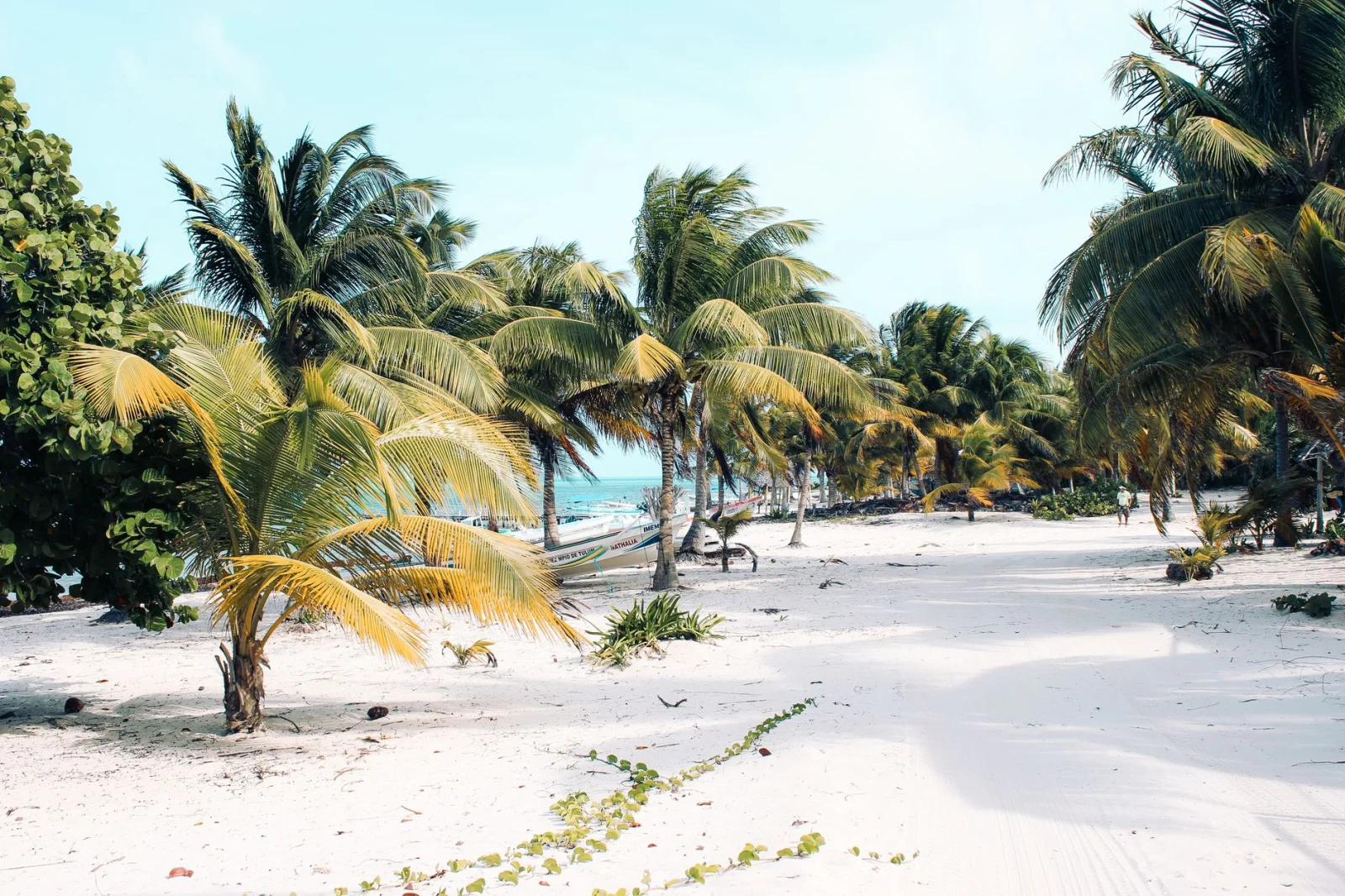
Turquoise Caribbean water and palm trees on a quiet Mexican beach near a cruise port
Caribbean Mexico ports pair reef snorkeling with easy beach days. Photo: Joan Costa on Pexels

Mexican Riviera Cruise Ports: The Pacific Side

Ensenada

Ensenada is about 70 miles south of San Diego, so it shows up on almost every three-, four- and five-night cruise from California. Ships dock close to town. The usual trips are La Bufadora, a sea blowhole about 18 miles away, and wine tasting in the Valle de Guadalupe.

Cabo San Lucas

Cabo is a tender port. Ships anchor in the bay and take you in to the marina by small boat, which is a quick trip. The classic outing is a boat to El Arco and Lover’s Beach. From roughly December to April, whale watching is the big draw. Cabo’s passenger numbers rose about 65% in the first half of 2026, so expect it to be busy.

Puerto Vallarta

Ships dock in the marina area north of downtown. A short taxi ride takes you to the malecón and the Zona Romántica. Popular trips include Los Arcos marine park, boat-only beaches and tequila tastings.

Mazatlán

Mazatlán’s cruise terminal sits in the working port, close to the restored historic center, Plaza Machado and the long seafront malecón. Passenger numbers rose almost 70% in the first half of 2026.

Manzanillo, Huatulco and the far south

Manzanillo docks close to downtown and is known for beaches and sport fishing. Further south, Huatulco is a small, walkable port with a row of clear-water bays. It’s one of the most relaxed stops on the coast. Acapulco now gets few cruise calls, and Guerrero is under a Do Not Travel advisory with no exceptions, so many travelers stay on board or stick to ship tours there. Puerto Chiapas, near the Guatemala border, is mostly visited on Panama Canal and repositioning cruises, and it was Mexico’s fastest-growing Pacific port in early 2026.

La Paz, Loreto, Topolobampo and Guaymas, all on the Sea of Cortez, mostly appear on longer or smaller-ship itineraries.

Where Do Mexico Cruises Depart From?

  • Texas and the Gulf: Galveston is the biggest homeport for Western Caribbean Mexico cruises, with short trips to Cozumel, Progreso and Costa Maya. New Orleans and Mobile offer similar routes.
  • Florida: Tampa is closest to the Yucatán. Miami, Fort Lauderdale and Port Canaveral run Western Caribbean itineraries that usually include Cozumel or Costa Maya.
  • California: Los Angeles (San Pedro) and Long Beach handle most Baja and Mexican Riviera cruises. San Diego is the closest US port to Ensenada. Royal Caribbean said Serenade of the Seas would start sailing from San Diego in October 2026, and Voyager and Ovation of the Seas are based in Los Angeles for the 2026-27 season.
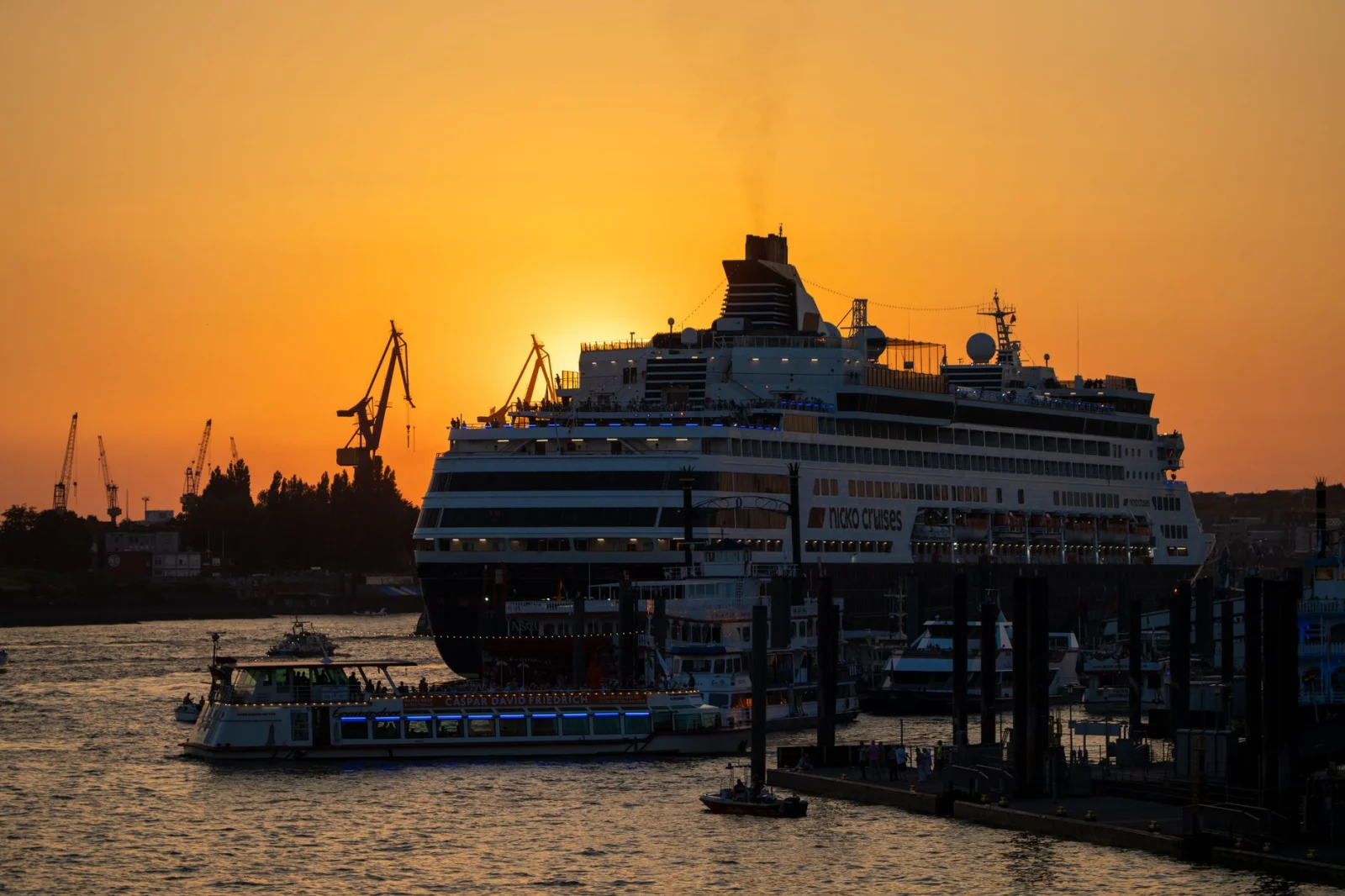
Large cruise ship docked in a harbor at sunset with hills behind, typical of a Pacific Mexico port
Mexican Riviera ports suit week-long sailings from California. Photo: skigh_tv on Pexels

Are Mexico Cruise Ports Safe?

For most cruise visitors, the main ports are no riskier than other busy tourist destinations, as long as you stay in tourist areas and use reputable transport. The US State Department rates each Mexican state separately. Its latest Mexico advisory was reissued on May 29, 2026. Here’s how the cruise states compare at the time of writing:

Level States with cruise ports
Level 1 – Exercise Normal Precautions Yucatán (Progreso), Campeche
Level 2 – Exercise Increased Caution Quintana Roo (Cozumel, Costa Maya, Playa del Carmen), Baja California Sur (Cabo, La Paz, Loreto), Oaxaca (Huatulco), Nayarit
Level 3 – Reconsider Travel Baja California (Ensenada), Jalisco (Puerto Vallarta), Sonora (Guaymas). Chiapas was also at Level 3 at last check
Level 4 – Do Not Travel Sinaloa (Mazatlán, Topolobampo), Colima (Manzanillo), Guerrero (Acapulco)

Levels cover whole states, so read the detail. The advisory allows US government employees into Mazatlán’s tourist core, Manzanillo’s port and tourist areas, and Topolobampo’s city and port when traveling by sea. It sets no extra restrictions for Puerto Vallarta or Ensenada. Advisories can change at short notice, so read the current version on travel.state.gov before you sail.

Practical safety checklist

  1. Read the current state-by-state advisory for every port on your itinerary.
  2. Use ship tours or well-reviewed operators for trips well outside town, especially in Level 3 and 4 states.
  3. Take official taxis from the pier rank and agree the fare (often quoted in US dollars) before you get in.
  4. Allow plenty of time to get back. Ships don’t wait for late independent travelers.

What Changed for Mexico Cruises in 2026

  • Higher passenger fee: Mexico’s per-passenger cruise fee started at $5 in July 2025. It doubled to $10 on August 1, 2026, and is scheduled to reach $15 in July 2027 and $21 from August 2028. It applies at Cozumel and the other major ports. Reports say it’s charged once per sailing rather than at every port, and it normally appears in the taxes and fees part of your fare.
  • Perfect Day Mexico cancelled: In May 2026, Royal Caribbean withdrew its planned Perfect Day Mexico water park next to Costa Maya after Mexico’s environment ministry said the project would not be approved. Costa Maya still operates as normal. Royal Caribbean has said it wants to keep investing in Mexico, but it hasn’t announced a replacement.
  • Record growth, especially on the Pacific: Pacific ports grew about 36% in passenger numbers in the first half of 2026, compared with about 9% on the Caribbean side.

How to Choose Between Mexico Cruise Ports

  • Want the shortest, cheapest trip? A three- or four-night cruise from California to Ensenada, or from Galveston or Tampa to Cozumel.
  • Snorkeling and clear water? Cozumel on the Caribbean side, or Huatulco and Cabo on the Pacific.
  • Maya history? Progreso for Uxmal and Mérida, or Costa Maya for Chacchoben.
  • Whales? A winter Mexican Riviera cruise calling at Cabo, or Sea of Cortez ports like La Paz and Loreto.
  • Fewer crowds? Huatulco, Progreso or a small-ship Sea of Cortez itinerary rather than a peak-day Cozumel call.

Hurricane season runs from June to November on both coasts. The dry, calmer months from roughly December to April are the most reliable time for either route.

FAQs

What is the most popular cruise port in Mexico?

Cozumel. It handles more cruise passengers than any other Mexican port and often has four or five ships in on the same day during peak season. Costa Maya is usually second.

Which ports are on a Mexican Riviera cruise?

A typical seven-night Mexican Riviera cruise from Los Angeles calls at Cabo San Lucas, Mazatlán and Puerto Vallarta. Shorter cruises usually visit Ensenada. Longer ones may add La Paz, Manzanillo or Huatulco.

Are Mexico cruise ports safe for American tourists?

Millions of Americans visit Mexican cruise ports every year without trouble, but the risk varies by state. The US State Department’s advisory, reissued in May 2026, ranges from Level 1 for Yucatán to Level 4 for states such as Sinaloa and Guerrero. Stay in tourist areas and check the current advisory.

Do I need a passport for a cruise to Mexico?

On closed-loop cruises that start and end at the same US port, US citizens can often travel with a birth certificate and government photo ID. A valid passport is still strongly recommended in case you have to fly home from a foreign port. Check your cruise line’s documentation rules.

How much is Mexico’s cruise passenger tax?

It has been $10 per passenger since August 1, 2026, and is due to rise to $15 in July 2027 and $21 in August 2028. It’s normally included in the taxes and fees on your cruise fare.
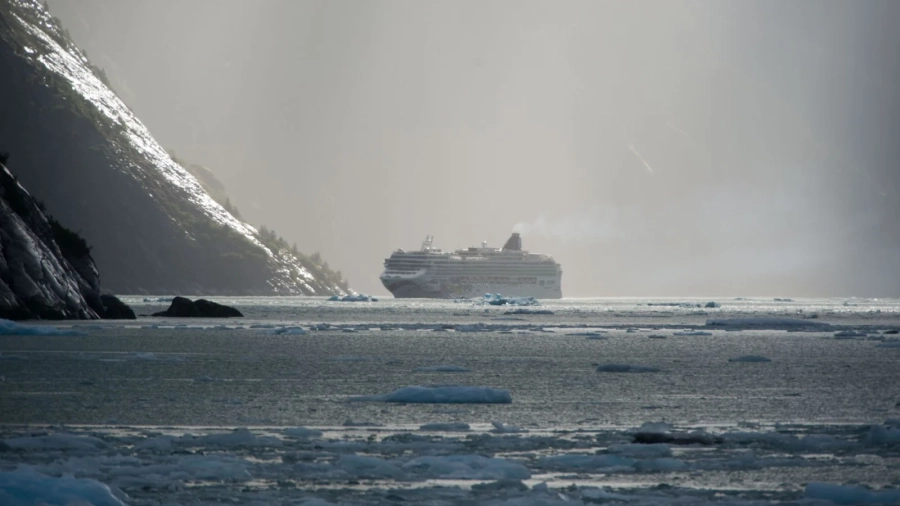
Ship sailing near glaciers and mountains, the scenery passengers see between Alaska cruise ports

Alaska Cruise Ports Guide: Every Port and Glacier Stop, South to North

Most Alaska cruise ports sit along two corridors: the sheltered Inside Passage of Southeast Alaska (Ketchikan, Juneau, Skagway, Icy Strait Point, Sitka and Haines) and the Gulf of Alaska coast further north (Seward, Whittier, Valdez and Kodiak). Round-trip cruises sail from Seattle or Vancouver and stay mostly in the Inside Passage, while one-way “cross-Gulf” cruises link Vancouver with Seward or Whittier, the gateways for Anchorage.

Below is a south-to-north guide to every port you are likely to see on an itinerary, the scenic glacier days that sit between them, and what changed for the 2026 season and beyond.

Alaska Cruise Ports Map: South to North Route Table

There is no single “Alaska cruise ports map” that fits every itinerary, but the geography is simple once you see the order. This table lists the main ports and scenic stops roughly from south to north, the way most ships meet them.

Order Port or stop Region Type Best known for
1 Seattle, Washington Pacific Northwest Embarkation (round trip) Most round-trip sailings; Pike Place Market
2 Vancouver, British Columbia Pacific Northwest Embarkation (round trip and one-way) Canada Place terminal; scenic start through the Inside Passage
3 Victoria or Prince Rupert, BC British Columbia Foreign stop Required call on most Seattle round trips
4 Ketchikan Inside Passage Port of call Totem poles, Creek Street, Misty Fjords
5 Wrangell and Petersburg Inside Passage Small-ship ports Petroglyphs, Norwegian heritage, fishing
6 Tracy Arm / Endicott Arm Inside Passage Scenic cruising Narrow fjords, Sawyer and Dawes glaciers
7 Juneau Inside Passage Port of call Mendenhall Glacier, whale watching, tramway
8 Sitka Inside Passage (outer coast) Port of call Russian and Tlingit history, raptor center
9 Icy Strait Point (Hoonah) Inside Passage Port of call Whales, ZipRider, Native-owned destination
10 Glacier Bay National Park Inside Passage Scenic cruising (permit only) Tidewater glaciers, park rangers aboard
11 Haines Upper Lynn Canal Port of call Bald eagles, quieter town
12 Skagway Upper Lynn Canal Port of call Gold Rush town, White Pass railway
13 Hubbard Glacier Gulf of Alaska (Yakutat Bay) Scenic cruising One of the largest tidewater glaciers in North America
14 Valdez Prince William Sound Occasional port Mountains, Columbia Glacier tours
15 College Fjord Prince William Sound Scenic cruising A string of glaciers named after US colleges
16 Whittier Prince William Sound Embarkation (one-way) Closest cruise port to Anchorage
17 Seward Kenai Peninsula Embarkation (one-way) Kenai Fjords National Park, Alaska Railroad
18 Homer and Kodiak Cook Inlet / Gulf of Alaska Occasional ports Fishing, bears, longer voyages

The quick rule: if your cruise starts and ends in the same city, you are almost certainly sailing the Inside Passage (stops 1 to 12). If it starts in Vancouver and ends in Seward or Whittier, or the reverse, you will usually add Hubbard Glacier or College Fjord and cross the open Gulf of Alaska.

Alaska Cruise Embarkation Ports

Seattle

Seattle runs the largest share of round-trip Alaska sailings from two terminals: Pier 66 (Bell Street) downtown and Pier 91 (Smith Cove) a short drive north. Because of the US Passenger Vessel Services Act, foreign-flagged ships sailing round trip from Seattle must call at a foreign port, which is why Victoria or Prince Rupert in British Columbia usually appears near the end of the trip. Check which pier your ship uses before booking a hotel.

Vancouver

Vancouver’s Canada Place terminal sits right on the downtown waterfront. Sailing north from here takes you through the protected waters east of Vancouver Island, so the first day is often scenic. Vancouver is also the southern end of most one-way Gulf of Alaska cruises. US citizens need a valid passport to fly into Canada.

Seward and Whittier (for Anchorage)

Big ships do not normally dock in Anchorage itself for one-way cruises. Instead they use Seward, about 125 road miles south, or Whittier, about 60 miles away through the Anton Anderson Memorial Tunnel, a single-lane tunnel shared by cars and trains that runs on a set schedule. The Alaska Railroad connects both ports with Anchorage, and many cruise-and-land packages continue to Denali from there.

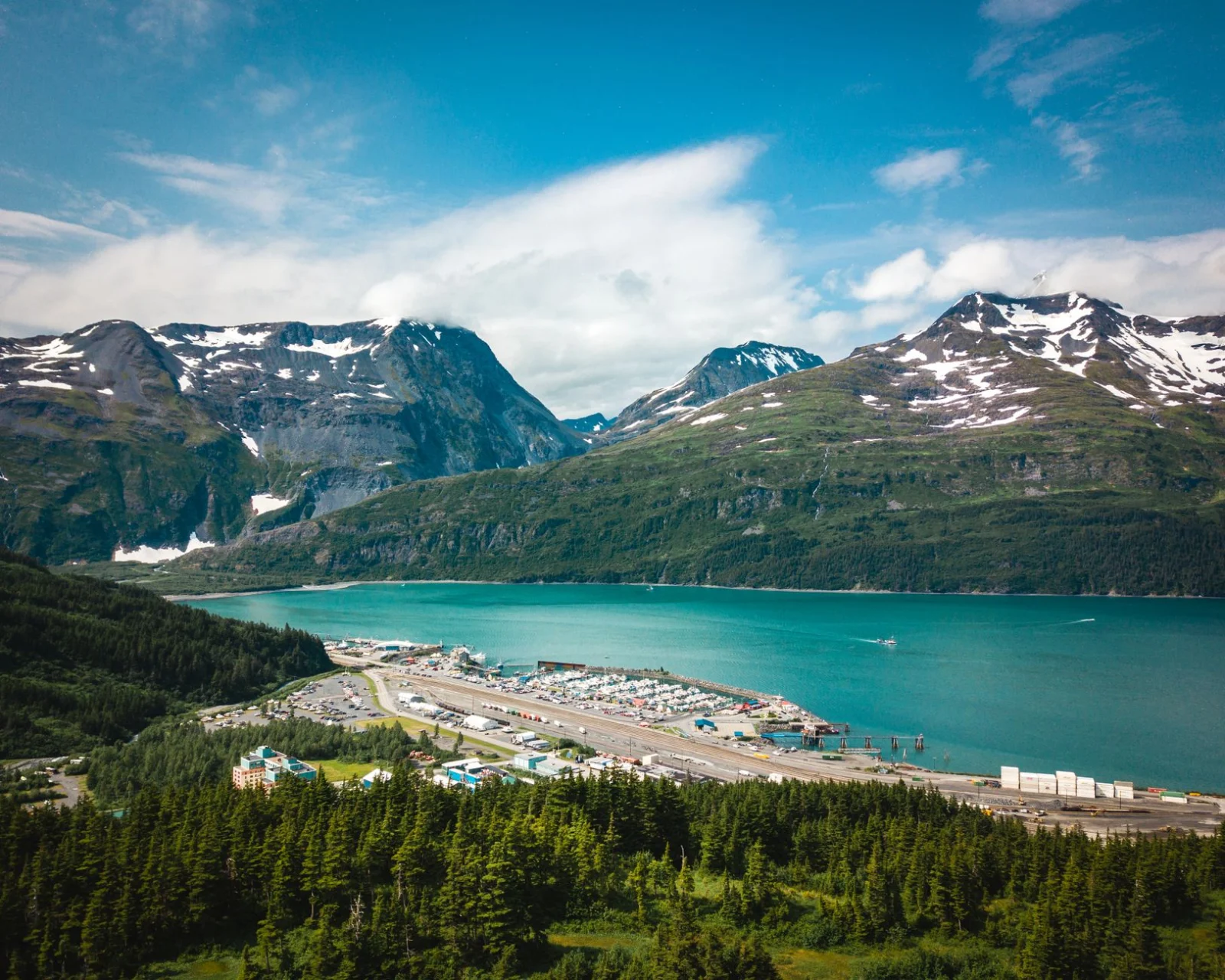
Whittier update: on 15 September 2026, a fire destroyed the newer $80 million cruise dock in Whittier, built and operated by Huna Totem Corporation and used since 2024 by Norwegian Cruise Line, Oceania Cruises and Regent Seven Seas Cruises. The state fire marshal declared it a total loss and the cause was still under investigation at the time of reporting. NCLH ships were reported to still be scheduled to call at Whittier in 2027, but if you are booked on a Whittier sailing, confirm with your line which berth it will use and how transfers will work.

Colorful waterfront buildings below forested mountains in a small Alaska cruise port
Most Alaska cruise ports are small towns squeezed between mountains and water. Photo: Andrew Hanson on Pexels

Main Alaska Cruise Ports of Call

A typical seven-night Inside Passage cruise visits three of these six Alaska cruise ports of call, plus one scenic glacier day.

Ketchikan

Usually the first Alaska stop heading north, Ketchikan is known for its totem pole collections at Totem Bight and Saxman, the historic boardwalk of Creek Street, and floatplane trips over Misty Fjords National Monument. It is one of the wettest towns in the US, so pack a rain jacket. Most ships dock downtown, but Norwegian Cruise Line ships often use Ward Cove, a two-berth facility opened in 2021 about six miles north of town; shuttles run between the two. Our guide to cruise ports that are far from the city centre explains how to plan around docks like this.

Juneau

Alaska’s capital can only be reached by sea or air. The headline sights are Mendenhall Glacier, whale-watching trips in the nearby channels, and the Goldbelt Mount Roberts Tramway that leaves right from the waterfront. Juneau is also the port most affected by crowd limits: from 2026 the city enforces a cap of 16,000 cruise passengers a day Sunday to Friday and 12,000 on Saturdays, alongside an earlier five-ships-a-day agreement. That should make busy days less crowded, but popular excursions such as the glacier and whale tours still sell out, so book them early.

Skagway

Skagway preserves its 1898 Klondike Gold Rush streetscape inside a national historical park, and the White Pass and Yukon Route railway climbs from town toward the Canadian border. Since 2022, rockslides above the Railroad Dock have forced closures and restrictions at what was the town’s largest cruise berth, and the borough has been redeveloping the nearby ore terminal area into new cruise berths. Berth assignments here can change at short notice, so check your docking spot and all-aboard time on the day.

Icy Strait Point (Hoonah)

Icy Strait Point is a privately developed destination owned by Huna Totem Corporation, a Native corporation, next to the Tlingit village of Hoonah. It now has two piers, Ocean Landing (2016) and Wilderness Landing (2021, built with Norwegian Cruise Line), so most ships dock rather than tender. Expect whale watching, bear-viewing trips, a restored 1912 salmon cannery and the ZipRider, one of the world’s longest ziplines. Hoonah itself is under two miles away by road and footpath.

Sitka

Sitka faces the open Pacific rather than the Inside Passage, so it appears on fewer itineraries. It was the capital of Russian America, and today you can visit St. Michael’s Cathedral, the Russian Bishop’s House, Sitka National Historical Park’s totem trail and the Alaska Raptor Center. Large ships usually berth at the private Sitka Sound Cruise Terminal several miles north of town, with shuttles into the centre; smaller ships may tender.

Haines

Just across the water from Skagway, Haines is quieter and less commercial. It is best known for the Alaska Chilkat Bald Eagle Preserve, river float trips and a small arts scene. Only a handful of lines call here, so it suits passengers who want a slower day ashore.

Scenic Cruising: Glaciers Between the Ports

Some of the best days on an Alaska cruise are spent on deck rather than ashore. These are not ports, as you don’t get off, but they shape which itinerary you should pick.

  • Glacier Bay National Park: entry is limited by National Park Service permits, so only some ships and sailings include it. Park rangers usually come aboard to give commentary. Holland America Line and Princess Cruises hold many of the permits, which is worth checking if Glacier Bay is a must.
  • Hubbard Glacier: in Yakutat Bay on the Gulf of Alaska, with an ice face several miles wide. It features on many one-way cruises and some longer round trips. Ice conditions decide how close ships can get.
  • Tracy Arm and Endicott Arm: twin fjords south of Juneau. Tracy Arm ends at the Sawyer Glaciers and Endicott Arm at Dawes Glacier. Ice and narrow channels mean larger ships sometimes switch from one to the other or turn back early.
  • College Fjord: in Prince William Sound, near the northern end of one-way cruises. Its glaciers carry the names of East Coast colleges such as Harvard and Yale.
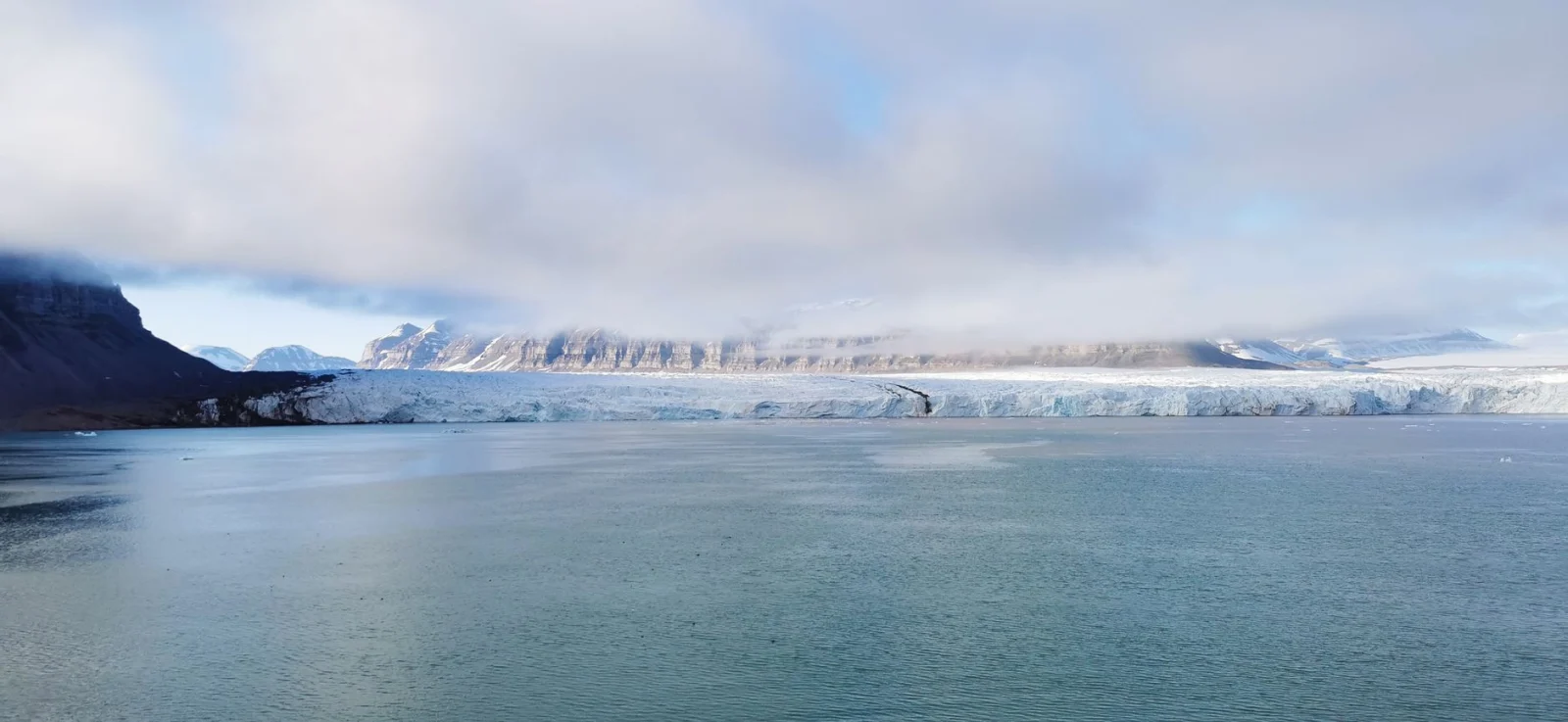
Blue glacier ice meeting dark fjord water under snowy peaks in Alaska
Glacier days such as Hubbard or Tracy Arm are often the highlight of an Alaska cruise. Photo: Glenn Langhorst on Pexels

Smaller and Less Visited Alaska Cruise Ports

Small expedition ships and some longer voyages reach ports the big ships skip. If you see these on an itinerary, it usually signals a smaller vessel or a 10 to 14 night trip.

  • Wrangell: one of Alaska’s oldest towns, with Petroglyph Beach and access to the Anan Wildlife Observatory for bear viewing.
  • Petersburg: a working fishing town with strong Norwegian roots, reachable only by small ships through the narrow Wrangell Narrows.
  • Valdez: in Prince William Sound, the end of the Trans-Alaska Pipeline, with dramatic mountains and Columbia Glacier boat trips.
  • Kodiak: a large island famous for Kodiak brown bears and fishing; seen mostly on longer voyages and repositioning cruises.
  • Homer: on Kachemak Bay at the end of the Sterling Highway, popular for halibut fishing and bear-viewing flights to Katmai and Lake Clark.
  • Anchorage: occasionally visited by smaller ships, but most cruise passengers arrive by train or coach from Seward or Whittier.

Inside Passage vs Gulf of Alaska: Which Route Should You Choose?

Inside Passage round trip Gulf of Alaska one-way
Starts and ends Seattle or Vancouver Vancouver to Seward or Whittier (or reverse)
Typical ports Ketchikan, Juneau, Skagway plus one of Icy Strait Point, Sitka or Haines Similar Inside Passage ports, then Hubbard Glacier or College Fjord
Flights Simple round-trip flight Open-jaw flights, often into Anchorage
Sea conditions Mostly sheltered One or two days in more open water
Land add-on Less common Easy to add Denali or Kenai Peninsula

If you want to add a land tour, the one-way route is usually the better fit. Holland America, for example, has been expanding its land programmes, including the new Alaska heritage tours launched ahead of its 80th anniversary.

Tips for Planning Your Alaska Port Days

  1. Check the docking location, not just the port name. Ketchikan (Ward Cove), Sitka and Skagway can all put you some distance from the main sights.
  2. Book signature excursions early. Mendenhall Glacier, whale watching, floatplanes and the White Pass railway have limited seats, and Juneau’s passenger caps don’t change that.
  3. Look at the ship schedule. Port schedules published by Cruise Line Agencies of Alaska show how many ships share your port day.
  4. Dress in layers. Summer days can range from cool and wet in Ketchikan to sunny and mild in Skagway on the same cruise.
  5. Time your booking. Alaska sails roughly May to September, and fares for the shoulder months are often lower; our guide to cruise deals for 2027 and when to book covers the offers worth watching.

Which Is the Best Cruise Ship to Alaska?

There isn’t one best ship, but the right one depends on the ports you want. If Glacier Bay is important, pick a line that holds permits for your sailing date, most often Holland America or Princess. If you want smaller ports such as Haines, Wrangell or Petersburg, look at small expedition ships or luxury lines with lower passenger counts. Big resort ships suit families on Seattle round trips but are more likely to use outlying docks and miss the narrowest fjords.

Wondering where to book your cabin? We explain the best side of the ship for an Alaska cruise for northbound, southbound and round-trip itineraries.

FAQs

What are the main Alaska cruise ports?

The most visited ports of call are Ketchikan, Juneau and Skagway, followed by Icy Strait Point, Sitka and Haines. Embarkation ports are Seattle and Vancouver for round trips, and Seward or Whittier for one-way cruises.

Where does an Alaska cruise go?

Most Alaska cruises sail the Inside Passage of Southeast Alaska, a chain of islands and fjords between British Columbia and Skagway. One-way cruises continue across the Gulf of Alaska to Hubbard Glacier and Prince William Sound.

Do Alaska cruises stop in Anchorage?

Rarely for large ships. One-way cruises end in Seward or Whittier, and passengers travel to Anchorage by train or coach, which takes roughly two to four hours depending on the port.

Is there a limit on cruise passengers in Juneau?

Yes. From 2026, Juneau limits cruise passengers to 16,000 a day Sunday to Friday and 12,000 on Saturdays, managed through ship scheduling.

Which Alaska cruise port is best?

It depends on your interests: Juneau for glaciers and whales, Skagway for Gold Rush history and the railway, Ketchikan for Native culture, and Icy Strait Point for wildlife with fewer crowds.

Shuttle van waiting at an airport curb, a common way to get from Orlando airport to Port Canaveral

Orlando Airport to Port Canaveral: Shuttles, Transfers, Uber and Costs (2026 Guide)

The trip from Orlando International Airport (MCO) to Port Canaveral is about 45 miles and usually takes 45 to 60 minutes by road via State Road 528. The cheapest options are shared shuttles at roughly $20 to $30 per person each way. Cruise line transfers cost around $38 to $45 per person, and an Uber or Lyft typically runs about $70 to $110 per car. A rental car or private car service makes the most sense for families and groups who want to travel on their own schedule.

Below is a practical, up-to-date look at every realistic way to get from Orlando airport to Port Canaveral as of late 2026, with approximate prices, where to find each service at MCO, and the timing rules that catch many cruisers out.

Orlando Airport to Port Canaveral: Quick Comparison

Prices below are approximate, one-way, and were correct at the time of writing. Rates change, so always confirm when you book.

Option Approx. cost (one way) Pros Cons
Shared shuttle (e.g. Happy Limo, Go Port) $20–$30 per person Cheapest for solo travelers and couples; set departures Fixed morning time slots; may wait for the van to fill
Cruise line transfer About $38–$45 per person Line knows your ship; reps meet you at MCO Flight time cut-offs; slower with big groups; adds up for families
Uber / Lyft About $70–$110 per car Leave whenever you like; door to terminal Surge pricing on busy embarkation days; car seats not guaranteed
Private car / SUV (e.g. Mears, Go Port, Blacklane) Often $150+ per vehicle Flight tracking, meet and greet, room for luggage Most expensive option for small parties
Rental car + port parking Rental rate + $20/day parking (round trip) Freedom for a grocery or beach stop; good for 4+ people Parking for a 7-night cruise is around $160 plus tax; tolls

Shared Shuttles From Orlando Airport to Port Canaveral

For one or two travelers, a shared shuttle from Orlando airport to Port Canaveral is usually the best value. These companies run on a fixed morning schedule geared to cruise embarkation times, so they work best if you land early or fly in the day before.

Happy Limo

Happy Limo lists shared shuttle fares from $19.99 per person each way when booked online (a little more by phone). Departures from MCO were listed at 9:00, 10:00 and 11:00 a.m., and you are asked to be ready 30 minutes before. Pickup is on Level 1 of Terminal B, so if you land at Terminal A or C you will need to make your way there. The company also runs private limo and SUV transfers and return trips from the port to the airport in the morning after you disembark. Note that its shared shuttles cannot carry wheelchairs or mobility scooters.

Go Port

Go Port is one of the best-known operators on this route. Its shared shuttle was listed at $29.99 per traveler each way, with airport-to-cruise departures between about 10:00 a.m. and 12:00 p.m. Check-in is at the Go Port counter on Level 1 of Terminal A, near the car rental desks. Shuttles leave first come, first served once full, and flights landing after noon need another option. Go Port also offers private black car transfers (up to around six passengers), which must be booked a couple of days ahead. It does not supply car seats.

Airport Canaveral

Airport Canaveral advertises shared shuttles from around $25 per person, plus private car service, between MCO and the Port Canaveral cruise terminals. Its published details are thinner than the others, so call to confirm departure times and pickup instructions before relying on it.

Tip: Whichever company you choose, book in advance, give the exact cruise terminal for your ship, and allow a buffer between your flight landing and the shuttle departure for baggage claim.

Cruise Line Transfers From MCO

Most major lines sailing from Port Canaveral sell airport transfers, usually through the cruise planner or online check-in. They are convenient because the line expects you, but they come with strict flight windows.

  • Carnival: Carnival’s MCO-to-pier transfer was listed from $37.99 per person, run by Sunward Tours. Flights must land at MCO by 12:00 p.m. on sailing day, and the meeting point is Level 1 Ground Transportation in Terminal B, beside the Hertz counter. It can be bought up to two days before you sail.
  • Disney Cruise Line: Disney runs its own ground transportation coaches between Orlando and Port Canaveral, bookable through your reservation or travel advisor. Recent published rates have been around $45 per person each way, but check your booking for the current price.
  • Royal Caribbean, Norwegian and others: These lines generally offer transfers too, priced per person and tied to arrival time cut-offs. Look in your cruise planner or booking account for the current rate and rules for your sailing.

For a family of four, a cruise line transfer can cost more than a single Uber, so do the maths before you book. If you are still choosing a line, our Royal Caribbean vs Carnival comparison covers what else differs between the two big Port Canaveral players.

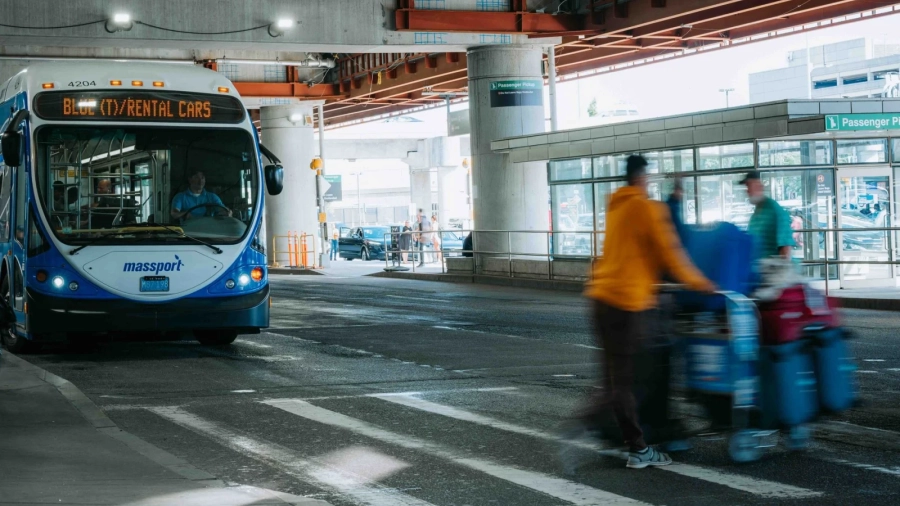
Travelers loading suitcases into a car at an airport pickup curb before a cruise transfer
Rideshare pickups at MCO depend on which terminal you land in. Photo: Yazid N on Pexels

Uber and Lyft From Orlando Airport to Port Canaveral

Rideshare is the most flexible way to get from MCO to Port Canaveral. Uber’s own route page puts the trip at about 47 miles with an average fare around $78, and travelers commonly report paying roughly $70 to $110 depending on vehicle size and demand. Prices can jump on busy Saturday and Sunday mornings when several ships embark at once, so compare Uber and Lyft before you request, or schedule a ride in advance.

Where to Find Uber and Lyft at MCO

  • Terminals A and B: Head to baggage claim on Level 2 and follow the Ground Transportation and Ride App signs to the curb.
  • Terminal C: Pickups are on Level 6 (Arrivals), outside the baggage claim doors. Uber’s guidance points riders to doors C48 and C50.

Always check the in-app directions after you request, because pickup spots at MCO are adjusted from time to time. If you need a car seat, rideshare is a gamble; a private car service that supplies seats is safer.

Private Car Service and Luxury Transfers

If you want someone waiting for you when you land, a private car is the most comfortable option. Mears Transportation offers chauffeured sedans, SUVs and private shuttle vans from MCO to Port Canaveral, bookable online in advance, with car seats available on request and stretch limousines by phone. Blacklane and Go Port also sell private transfers on this route. Expect pricing per vehicle rather than per person, which can make an SUV good value for a group of four to six with plenty of luggage.

Cars parked near a cruise terminal with a large cruise ship docked behind
Port Canaveral parking costs $20 per day plus tax. Photo: www.EPiC VIDEO.es🎥 on Pexels

Rental Car and Port Canaveral Parking

Renting a car at MCO suits travelers who want a pre-cruise stop at Cocoa Beach or a grocery store, or who are flying in a day early. Rental desks are on-site at the airport, though one-way drop-off fees apply if you return the car near the port instead of at MCO.

If you keep the car and park at the port, Port Canaveral charges $20 per day plus tax for cars and RVs, counting both the day you arrive and the day you return. Payment is by card only. The daily rate rose from $17 in October 2025. The port’s own directions are simple: leave MCO by the North Exit onto S.R. 528 East (a toll road) and follow it to the port, taking Exit 54A for the A terminals (CT-5, CT-6, CT-8, CT-10) or Exit 54B for the B terminals (CT-1, CT-3). The port estimates the drive at about 45 minutes in normal traffic.

Is There a Train or Bus to Port Canaveral?

Not directly. Brightline runs high-speed trains from Orlando airport to South Florida, but it does not stop near Port Canaveral today. A planned Brightline station in Cocoa, on the mainland west of the port, received $57.5 million in federal funding in October 2026, but Brightline has indicated an opening around 2030. Brightline also went through a debt restructuring in late 2026. For now, the train is not a realistic way to reach your ship. There is no straightforward public bus from MCO to the cruise terminals either, so a shuttle, transfer, rideshare or car is the practical choice.

How to Pick the Best Option

  1. Check your flight time first. Most shuttles and cruise transfers stop running from MCO around midday. If you land later, plan on rideshare, a private car, or flying in the day before (the safest choice for any cruise).
  2. Count your party. Per-person shuttles win for one or two people; per-car options usually win for four or more.
  3. Know your terminal. Port Canaveral has several cruise terminals on two sides of the harbor. Give your exact terminal number to any driver.
  4. Think about the return. Return shuttles usually leave the port between about 8 and 10 a.m., so book an afternoon flight home.

Getting to the ship smoothly sets the tone for your whole trip. Our guide to costly mistakes to avoid on the first day of a cruise has more embarkation-day advice, and if you fly often, see whether CLEAR airport security could speed up your departure from MCO on the way home.

Sailing from South Florida instead? Our guide to hotels near Fort Lauderdale cruise port compares shuttles, park-and-cruise deals and distances to Port Everglades.

If you would rather drive yourself to the port but only carry a debit card, read our guide on how to rent a car without a credit card before you book.

Not sure where to sail from? Our guide to the cruise ports in Florida compares passenger numbers, airports, parking and cruise lines at each port.

FAQs

How long is the shuttle from Orlando airport to Port Canaveral?

The drive itself takes about 45 to 60 minutes, but shuttle operators often quote 60 to 75 minutes once loading and drop-offs at different terminals are included.

How far is Port Canaveral from Orlando airport by car?

About 45 miles, almost entirely on S.R. 528 East, which is a toll road.

What is the cheapest way to get from Orlando airport to Port Canaveral?

For one or two people, a shared shuttle at roughly $20 to $30 per person each way is usually cheapest. For groups of four or more, a single Uber or Lyft can cost less overall.

Is there a free shuttle from Orlando airport to Port Canaveral?

Not as a rule. Cruise line and independent shuttles charge a fare. Some cruise fares or promotions may bundle transfers, so check your booking.

How much is an Uber from Orlando airport to Port Canaveral?

Uber lists an average of around $78, and fares commonly range from about $70 to $110 depending on vehicle type and demand.

Cruise ships docked at a pier in Cozumel cruise port beside turquoise Caribbean water

25 Best Things to Do in Cozumel Cruise Port (2026)

The best things to do in Cozumel cruise port are snorkeling the reefs of the Cozumel marine park, spending the day at a beach club or Chankanaab, exploring the Maya ruins at San Gervasio, or simply walking downtown San Miguel for tacos and shopping. Which works best depends on which of the three piers your ship uses, how long you’re in port and whether you want to book a ship excursion or go it alone.

Cozumel Cruise Port at a Glance

Cozumel is an island about 12 miles off Mexico’s Yucatán coast, opposite Playa del Carmen, and it’s one of the busiest cruise ports in the world. Its only town, San Miguel de Cozumel, runs along the west coast, and that’s where all three cruise piers sit. Our guide to the best Western Caribbean cruise ports compares them.

Some quick practical points:

  • Currency: US dollars are widely accepted, but carry small bills. Change may come back in pesos.
  • Ride-share: Uber and similar apps don’t operate on the island. Taxis are the main option.
  • Water: Don’t drink the tap water. Stick to bottled.
  • Weather: Peak cruise season runs from roughly November to early April. Hurricane season (June to November) can bring itinerary changes.
  • Port fees: Mexico’s per-passenger cruise visitor fee rose to $10 on August 1, 2026, and is scheduled to rise to $15 in July 2027. It’s normally collected through your cruise fare, not on the pier.

The Three Cozumel Cruise Piers (and Which Lines Use Them)

Your pier shapes your whole day, so check your cruise line’s app or daily planner before you arrive. Assignments change, especially on busy days when six or more ships may be in port.

Pier Location Typical lines To downtown
Punta Langosta Right in San Miguel Disney, MSC, Norwegian and others Walk out into town
International Pier (SSA) South of town, next to Puerta Maya Royal Caribbean, Celebrity, plus overflow About 3 miles (taxi)
Puerta Maya South of town Carnival, Princess, Holland America About 2.5 to 3 miles (taxi)

Punta Langosta is the most convenient if you want to explore on your own: you cross the road into the waterfront shopping area and downtown’s restaurants and bars. Puerta Maya, which Carnival’s ships typically use, has a large open-air shopping area with dozens of stores and a pharmacy. The International Pier is the smallest, and its entrance is a short walk from Puerta Maya’s, so the two southern piers share the same taxi stands and much the same options.

The southern piers are actually closer to many of the island’s beach clubs and Chankanaab, which are a short ride further south. If the reefs and beaches are your plan, being docked away from town can work in your favor.

Is a fourth pier coming?

A fourth cruise pier off Cozumel’s south coast, planned by Muelles del Caribe for ships carrying up to 7,000 guests, has been tied up in legal and environmental challenges for years. In mid-2025 the developer announced a “technical pause” after Mexico’s environment ministry raised concerns about nearby reefs, and Cozumel’s city council said it opposed the project. As of late 2026 it isn’t under construction, so expect the same three piers for any 2027 sailing.

Getting Around Cozumel on a Cruise

Taxis

Taxis are run by the island’s taxi union, which sets fixed fares by zone rather than using meters. Rates are charged per taxi (not per person), usually in two tiers: one to four passengers, and five to eight. They’re posted at the taxi stands in each port, so it’s worth photographing the board before you leave. As a rough guide, short hops around town cost around $8 to $15 per cab, and trips from the southern piers to downtown, Chankanaab or the nearer beach clubs often fall in the $10 to $25 range. Rates change, so treat these as estimates. Bring small bills, as drivers may not have change, and a 10 to 15 percent tip is customary.

Scooters and jeeps

Renting a scooter or jeep lets you drive the 40-mile island loop, including the wild, undeveloped east coast. The loop takes about 90 minutes without stops. Scooters typically cost around $20 to $50 a day and jeeps around $75 and up. Your US license is valid, but your US auto insurance probably isn’t, so buy coverage from the rental company. Scooters aren’t for beginners: traffic downtown is busy and many streets are one-way.

Ferry to Playa del Carmen

Passenger ferries run from the downtown ferry pier to Playa del Carmen in about 45 minutes. It’s possible on a long port day, but the crossing can be rough and delays happen. If you miss the ship, you’re responsible for getting to the next port, so most cruisers are better off staying on the island.

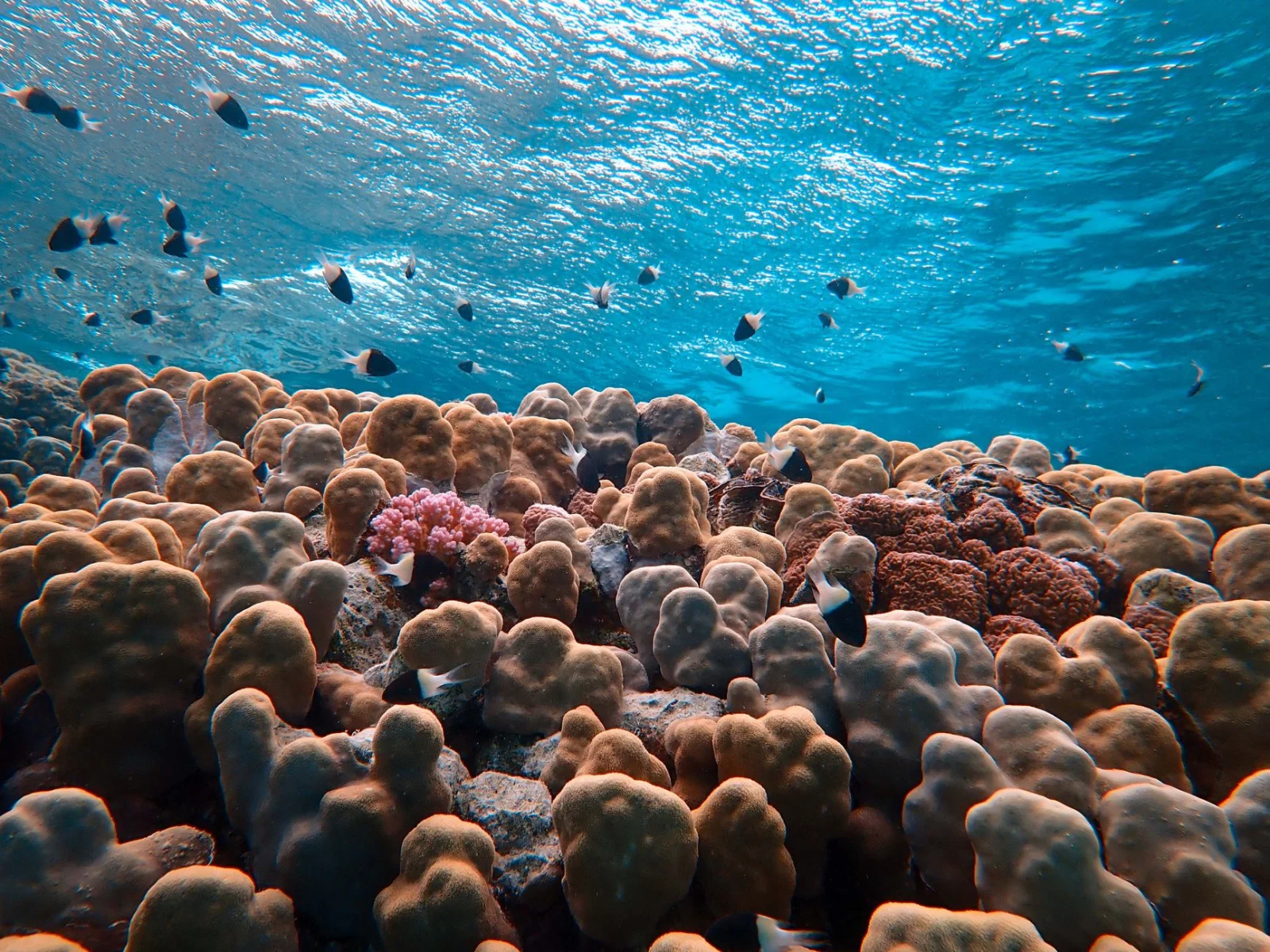
Snorkeler swimming above a colorful coral reef with tropical fish in clear blue water
Cozumel's reefs are the island's top draw for cruise passengers. Photo: Francesco Ungaro on Pexels

Top Things to Do in Cozumel Cruise Port

Here’s a quick comparison of the most popular options. Costs are approximate per adult and vary by operator and season.

Activity Time needed Approx. cost Best for
Reef snorkel boat tour 2.5 to 4 hours $50 to $100 Clear water, marine life
Chankanaab park 3 to 5 hours $29 entry (kids $20) Families, shore snorkeling
All-inclusive beach club 4 to 6 hours $60 to $120 Relaxing, food and drinks
San Gervasio Maya ruins 2 to 3 hours About 210 pesos entry plus taxi History and culture
Jeep or scooter island loop 4 to 6 hours $20 to $100 rental, plus fuel Independent explorers
Scuba dive (certified) 4 to 5 hours $100 to $150 two-tank World-class wall diving
El Cielo starfish sandbar tour 3 to 4 hours $60 to $100 Photos, shallow water
Downtown San Miguel on foot 2 to 4 hours Free, plus food and shopping Low-key, budget days

1. Snorkel or dive the reefs

Cozumel’s reefs, part of the Mesoamerican Reef system, are the main reason many people love this port. Palancar, Colombia and Paradise reefs are among the best-known sites, with good visibility and steady currents that make drift snorkeling and diving easy. Most of the reefs sit inside the Cozumel Reefs National Marine Park, and visitors on water tours need a park wristband. Reputable operators usually supply it, either included or as a small add-on, so ask when you book. Wear reef-safe sunscreen or a rash guard. Many tours ask you to.

2. Spend the day at Chankanaab

Chankanaab is a national park a few minutes south of the southern piers. Adult entry is $29 and children (4 to 12) are $20, per the park’s official site. It includes a beach, shore snorkeling, a lagoon, botanical gardens and Maya replicas. Dolphin and sea lion programs cost extra.

3. Relax at a beach club

Beach clubs are a hugely popular way to spend a Cozumel port day. All-inclusive spots like Mr. Sancho’s and Paradise Beach offer loungers, pools, food and drinks, and water toys, typically for somewhere between $60 and $120. Playa Mía is the island’s largest beach park, with more activities. For a quieter day, look at smaller clubs or resort day passes. Most beach clubs are on the southwest coast, about 10 to 20 minutes from the southern piers by taxi.

4. Visit the San Gervasio Maya ruins

San Gervasio was a major Maya pilgrimage site dedicated to Ixchel, goddess of fertility and the moon. It’s in the island’s interior, about 7 km from downtown. Mexico’s national heritage institute (INAH) lists it as open daily from 9am to 3:30pm (last entry 3pm), with a foreign-visitor entry fee of 210 pesos. A small extra local fee is sometimes charged on site, so bring a little cash. The ruins are modest compared with Tulum or Chichén Itzá, but you can visit them without leaving the island, which makes them a safe choice on a short port day.

5. Drive the wild east coast

Cozumel’s eastern shore is almost undeveloped, with crashing surf, empty beaches and a handful of rustic beach bars. Swimming is often unsafe there because of strong currents, so it’s better for the views and a cold drink than for a dip.

6. Take a boat or catamaran tour

Catamaran tours often combine a reef snorkel with a beach stop and an open bar. The El Cielo sandbar, known for starfish in shallow water, is a common stop.

7. Explore downtown San Miguel

Downtown has a seafront promenade (the Malecón), the main plaza, the municipal market and plenty of tacos, tequila tastings and souvenir shops. It’s especially easy from Punta Langosta.

8. Other options

Other popular excursions include submarine and semi-submarine tours, stingray encounters, ziplines, horseback riding to cenotes and caves, parasailing, golf, and chocolate- or tequila-making workshops.

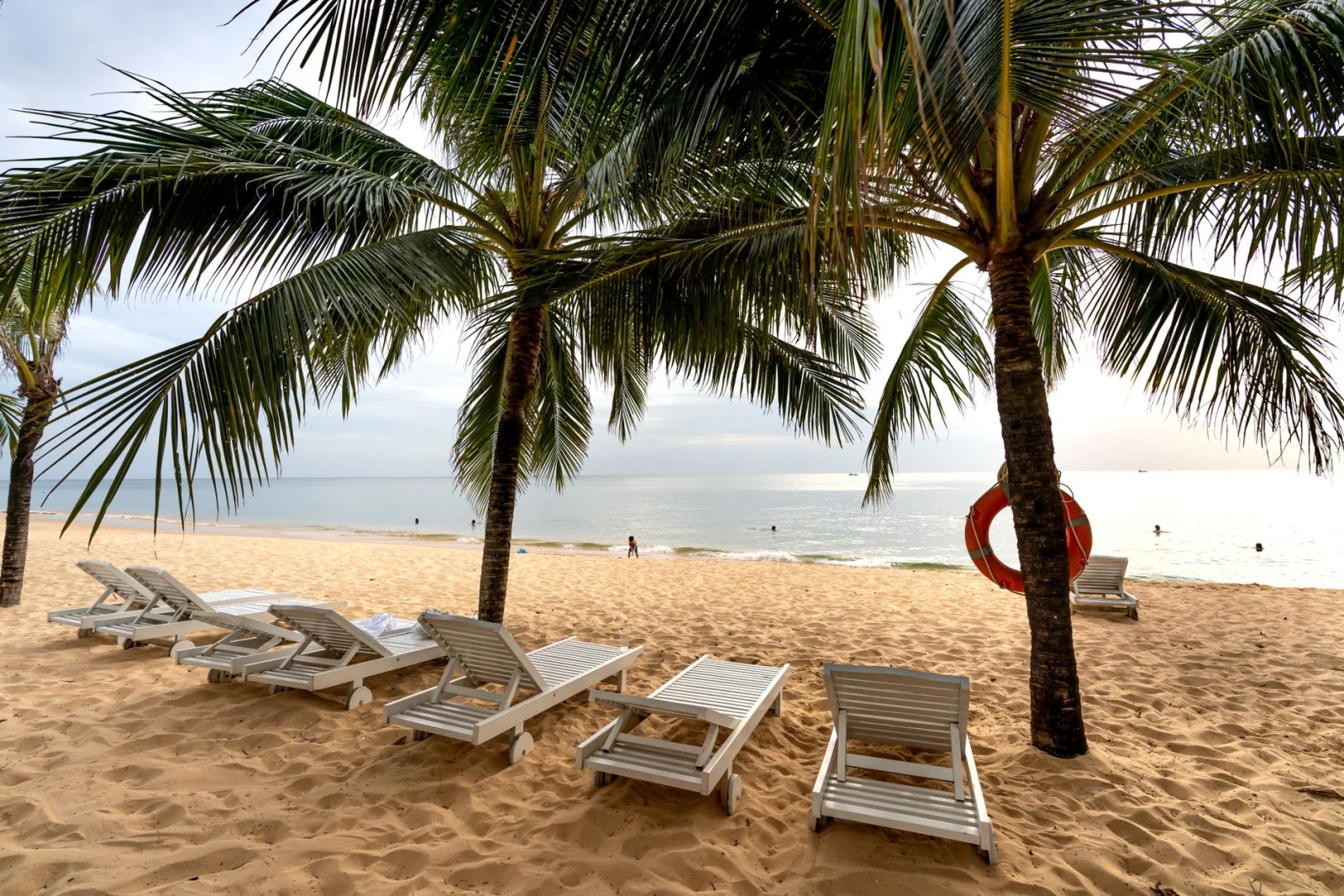
Sun loungers under palm trees on a quiet white sand beach beside turquoise sea
A beach club is an easy, relaxing way to spend a Cozumel port day. Photo: Quang Nguyen Vinh on Pexels

What to Do in Cozumel Cruise Port Without an Excursion

You don’t need a ship tour to have a great day. Some easy independent options:

  1. Free beach time: Small public beaches such as Playa Caletitas, north of downtown, cost nothing beyond a taxi and maybe a drink or two.
  2. Downtown walk: Stroll the Malecón, browse the market and eat at local taquerías.
  3. Chankanaab or a beach club: Take a taxi and pay at the gate. Many clubs also sell passes online, which can be cheaper.
  4. Shore snorkeling: Some beach clubs and Chankanaab have reef just offshore. Bring your own mask to save on rentals.
  5. Port shopping: Puerta Maya and Punta Langosta both have large shopping areas right at the pier.

Booking with a well-reviewed local operator usually costs less than a ship excursion, but the ship won’t wait for you if you’re late. With a ship tour, it will.

Things to Do in Cozumel on a Cruise: Practical Tips

  • Get your all-aboard time right. All-aboard is usually 30 to 60 minutes before departure, and it follows ship’s time. Cozumel (Quintana Roo) uses Eastern Standard Time year-round and doesn’t observe daylight saving time, so for part of the year it can be an hour off from Florida or Texas. Your phone may also switch to local time. Go by the time printed in your daily planner, and aim to be back at least an hour early.
  • Allow time for the pier walk. The walk from Puerta Maya and the International Pier to the taxi stands can take 10 to 15 minutes, and lines at security on the way back can be long when several ships are in.
  • Pick one big activity. With a typical 8 to 10 hour stop, a reef tour plus some downtown time is realistic. Trying to add a mainland trip is not.
  • Compare prices before you sail. Cozumel is on hundreds of Caribbean itineraries, so if you’re still deciding, our guide to cruise deals for 2027 covers when to book.

Cozumel is a favourite, but how does it compare? See our guide to the best Caribbean cruise ports and the ones that often underwhelm.

Heading to Jamaica on the same itinerary? Here are the best things to do in Ocho Rios on a cruise stop.

If your Western Caribbean itinerary also calls at George Town, see our guide to the best things to do in Grand Cayman.

FAQs

Can you walk to downtown Cozumel from the cruise port?

From Punta Langosta, yes: the pier leads straight into downtown San Miguel. From Puerta Maya and the International Pier, downtown is roughly 2.5 to 3 miles away, so most people take a taxi.

What is within walking distance of Cozumel cruise port?

At Punta Langosta you can walk to the Malecón, the main plaza, restaurants, shops and the island museum. At the southern piers, walking distance mostly means the port shopping areas and a few nearby restaurants and beach spots.

What can you do for free in Cozumel cruise port?

You can browse the port shopping plazas, walk the downtown waterfront, visit the municipal market, and swim at small public beaches like Playa Caletitas. Budget only for taxis and food.

How much is a taxi in Cozumel from the cruise port?

Fares are fixed by the taxi union and charged per cab, not per person. Expect roughly $8 to $15 for short trips around town and around $10 to $25 from the southern piers to downtown, Chankanaab or nearby beach clubs. Check the posted rate board.

Is it better to book a cruise excursion or go on your own in Cozumel?

Independent tours and beach clubs are often cheaper and less crowded. Ship excursions cost more but guarantee the ship waits if the tour runs late. That peace of mind can be worth it on short port days.