Ahoy there, landlubbers! Are you ready to set sail on a journey through the fascinating world of nautical greetings?
Whether you’re a seasoned sailor or just a curious land-dweller, learning these 20 nautical greetings will not only impress your seafaring friends but also add a touch of adventure to your daily conversations.
From the classic “Ahoy” to the playful “Yo ho ho and a bottle of rum,” these greetings have a rich history and culture that spans centuries.
Who knows, you may even find yourself using them on your next cruise! So, hoist the colours, grab a bottle of rum, and let’s dive into the world of nautical greetings!
1. Ahoy
Meaning “hello” or “hey there” in nautical language, “Ahoy” is a classic and versatile nautical greeting that can be used to say hello or get someone’s attention on a ship.
This is probably the most popular and well-known of all of the nautical greetings used on ships. If you want to sound more like a pirate, you could say “Ahoy, me hearties” or “Ahoy matey”.
“Hoy” began as a middle English greeting. It was derived from the Dutch word “hoi”, meaning “hi”.
2. Avast
This is a command that means “stop” or “hold on” in nautical language. You can use it to halt activity on board, get someone’s attention, or pause a conversation.
It’s popular with ship captains and officers, but anyone can use it to assert authority or give commands. It’s appropriate to say in most situations, but it’s important to use it in the right context to avoid confusion or misunderstanding.
3. Aye aye
This is a response that means “yes” or “I understand” in nautical language. You can use it to acknowledge a command or order from a superior officer, show respect for authority, or simply add a touch of nautical flair to your conversations.
It’s popular with sailors and seafarers (and, of course, pirates) who value discipline and tradition, and it’s a great way to show your commitment to the ship and its crew. It’s generally considered appropriate to say in most situations.
4. Fair winds and following seas
This is a farewell or well-wishing phrase that means “may you have good luck and a smooth journey”.
You can use it to bid farewell to your fellow sailors, wish them luck on their cruise, or simply express your love for the sea. It’s popular with sailors and seafarers who value camaraderie and adventure, and it’s a great way to show your appreciation for your fellow crew members. It’s appropriate to say in most situations, although you may sound a little strange.
5. Full steam ahead
This is a command meaning “go forward at full speed” in nautical language. The phrase comes from the era of steam-powered ships, which used steam engines to power their propellers and move through the water.
When a ship’s engine was running at full power, it was said to be “at full steam,” meaning that it was producing the maximum amount of steam and energy possible. The phrase “full steam ahead” was used as a command to the engine room to maintain or increase the ship’s speed, and was often used in times of urgency or emergency.
Over time, the phrase “full steam ahead” came to be used more generally to refer to any kind of effort or activity that was being pursued with maximum energy and enthusiasm. You can use this term to show enthusiasm for a project or task. It’s popular with ship captains and officers, but anyone can use it to motivate themselves or their team.
6. Godspeed
The word “Godspeed” means “may God give you success and protection”. It’s popular with sailors and seafarers who value spirituality and tradition and is often used when saying goodbye as a well-wishing phrase.
It comes from the Middle English phrase “God spede,” which was a common farewell greeting in the 15th and 16th centuries.
The word “speed” in this context means “success” or “prosperity,” and the addition of “God” to the phrase was a way of invoking divine assistance and protection. The phrase was often used by sailors and seafarers who were embarking on long and dangerous voyages, and was a way of expressing their hope for a safe and successful journey.
Over time, the phrase “Godspeed” came to be used more generally to express good wishes or blessings for someone who is embarking on a new venture or journey. It’s a symbol of hope, encouragement, and belief in a higher power that can guide and protect us during times of uncertainty and challenge.
7. Hail
This is a general greeting that means “hello” or “greetings”. You can use it to greet your fellow sailors, announce your presence on board, or simply add a touch of nautical flair to your conversations, but it’s not that commonly used outside of formal situations.
8. Happy sailing
“Happy sailing” or even “happy cruising” is a nice phrase to say to someone when they’re planning a voyage or about to embark on a ship.
9. Heave ho
Meaning “put your weight into it” or “pull harder”, this is often used as a command to exert more effort. It comes from the noise that you might naturally make when lifting something heavy such as hoisting a sail.
10. Hello, sailor
This is a playful greeting that’s often used to flirt or show interest in someone that you like. Of course, they don’t need to be a sailor for you to say this. It can be a good ice-breaker when meeting new people on a cruise.
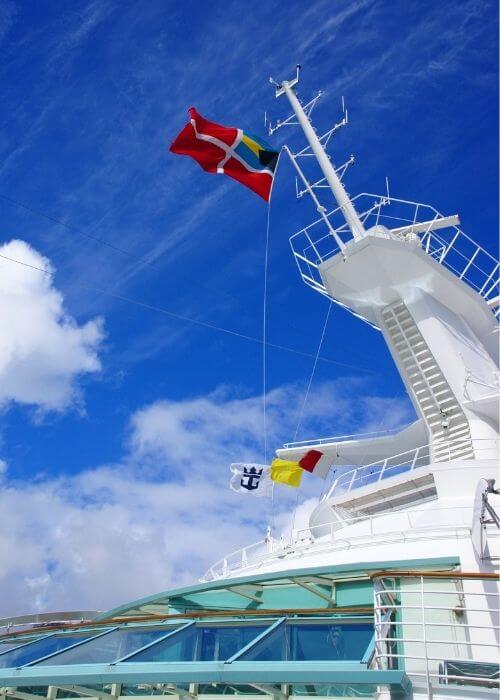
11. Hoist the colours
“Hoist the colours” is a nautical command that means to raise the ship’s flag or colours. It comes from the practice of sailing ships flying flags to identify themselves and communicate with other ships at sea.
Each ship had its own unique flag, or “colours,” that were raised on a flagpole or masthead. The colours were used to signal the ship’s nationality, allegiance, or purpose, and were an important part of naval tradition.
12. Land ho
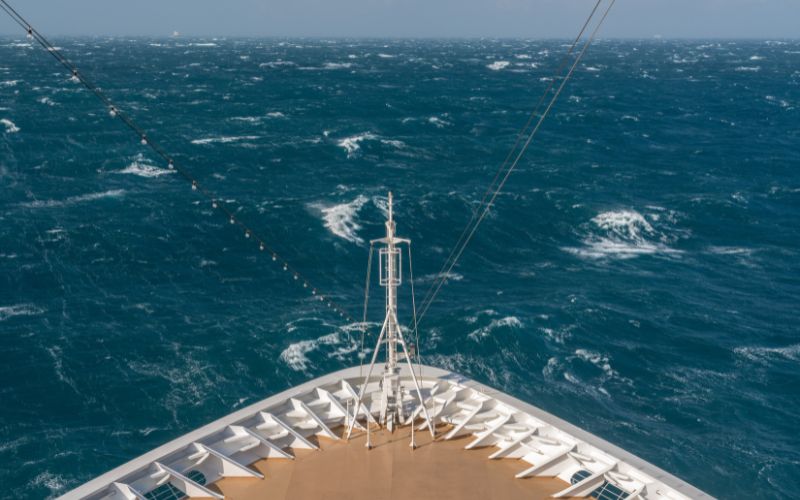
This is an announcement that means “land is in sight”. It may be used as an announcement when land is spotted. Sometimes, people may say “land ahoy” instead.
Some historians believe that the phrase may have been used by Viking explorers during their voyages to the New World. The Vikings were known to use lookout towers, or “hólar,” to spot land from a distance, and may have used the phrase “hó” or “hólar” to alert their fellow sailors to the presence of land.
Another theory is that the phrase may have originated from the Dutch word “hoog,” meaning “high,” which was used to describe the appearance of land on the horizon. This theory suggests that the phrase “land ho” may have been a shortened form of “land hoog,” meaning “land high,” or “land in sight.”
Regardless of its origin, the phrase “land ho” has become a popular and iconic nautical expression, and is still used today by sailors and seafarers to announce the sighting of land.
13. Ship ahoy
This is an announcement that means “a ship is in sight”. You can use it to alert your fellow cruisers to the presence of another ship. It’s always fun to try to be the first to identify any other ships that you see at sea alongside yours or in the distance.
14. Smooth sailing
This a farewell or well-wishing phrase that means, “May you have an easy and trouble-free journey”. It refers to the desire for the sea to be smooth, as nobody likes a rough sea with high waves!
You can use it to bid farewell to your fellow sailors, wish them luck on their journey, or simply express your hope for their safety and well-being.
15. Splice the mainbrace
“Splice the mainbrace” is a nautical command that means to issue an extra ration of alcoholic beverages to the crew!
In the past, sailors were often given a daily ration of rum or other spirits as part of their pay, which was known as a “tot.” However, on special occasions such as holidays, victories, or other notable events, the captain might order an extra ration of spirits for the crew as a reward or celebration.
The phrase “splice the mainbrace” specifically refers to the practice of splicing, or repairing, the mainbrace, which is the largest and most important rope on a ship. The mainbrace was used to control the ship’s sails and was essential for navigation and manoeuvring. Splicing the mainbrace was a difficult and time-consuming task that required skill and expertise, so it was often used as a way to reward the crew for their hard work and dedication.
Today, the phrase “splice the mainbrace” is still used in the British Royal Navy and other navies as a ceremonial command to issue an extra ration of spirits to the crew. It’s also used more generally to refer to any kind of celebration or reward for hard work and achievement.
16. Three sheets to the wind
“Three sheets to the wind” is a nautical expression that means a person is very drunk or intoxicated. This is what you’ll be if you’re not careful with your drinks package!
The phrase comes from the practice of sailing ships, which used sheets, or ropes, to control the sails. If a sheet was not secured properly, it could cause the sail to flap uncontrollably in the wind, which was known as being “in the wind.”
If three sheets were in the wind, it meant that all three of the ship’s sheets were loose and flapping in the wind, causing the ship to drift aimlessly and uncontrollably. This was a dangerous situation for the ship and its crew, and was often used as a metaphor for a person who was out of control or directionless.
Over time, the phrase “three sheets to the wind” came to be associated with drunkenness. Today, the phrase is still used to describe someone who is very drunk, and has become a popular and well-known expression both inside and outside of the nautical world.
17. Yo ho ho and a bottle of rum
“Yo ho ho and a bottle of rum” is a well-known phrase from the song “Fifteen Men on a Dead Man’s Chest,” which was originally a sea shanty sung by sailors and seafarers. The phrase is often associated with pirates and the swashbuckling adventures of the high seas.
The phrase itself is a playful and rhythmic expression that combines the pirate’s call of “yo ho ho” with the idea of drinking a bottle of rum. It suggests a sense of revelry, adventure, and danger, and has become a popular symbol of the pirate lifestyle.
Related posts:
If you found this interesting, please share!
Jenni Fielding is the founder of Cruise Mummy. She has worked in the cruise industry since 2015 and has taken over 30 cruises. Now, she helps over 1 million people per month to plan their perfect cruise holidays.
Cruise ships are epic, magnificent feats of engineering. But how are such incredible ships, which are often huge, launched in the first place?
You might’ve wondered this when standing atop a deck of the biggest ships on the ocean, or you might just have an interest in shipbuilding.
In this guide, I’ll explain the different ways that ships can be launched, and which method is primarily used for cruise ships.
The different ways ships can be launched…
There are four main ways that ships can be launched into the water. Two of those only really apply to smaller ships, though.
1. Mechanical launching
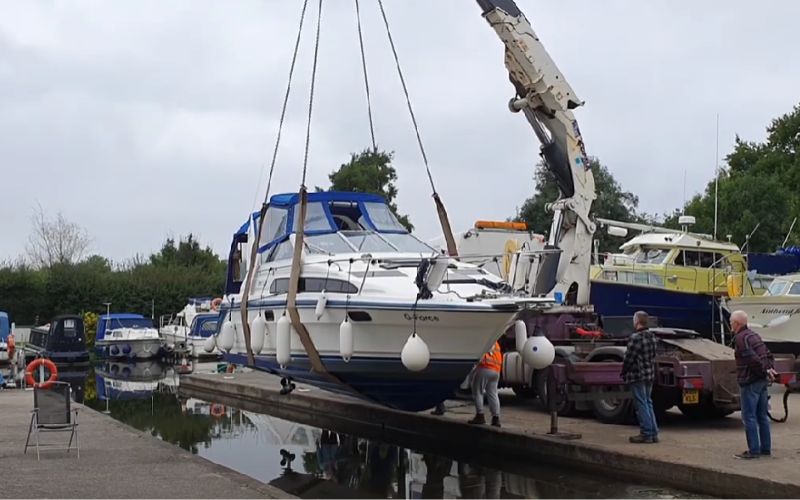
Mechanical launching involves using a crane to lift a boat or small ship, and then move it into the water. Imagine trying to do this with a cruise ship!
2. Air bag launches
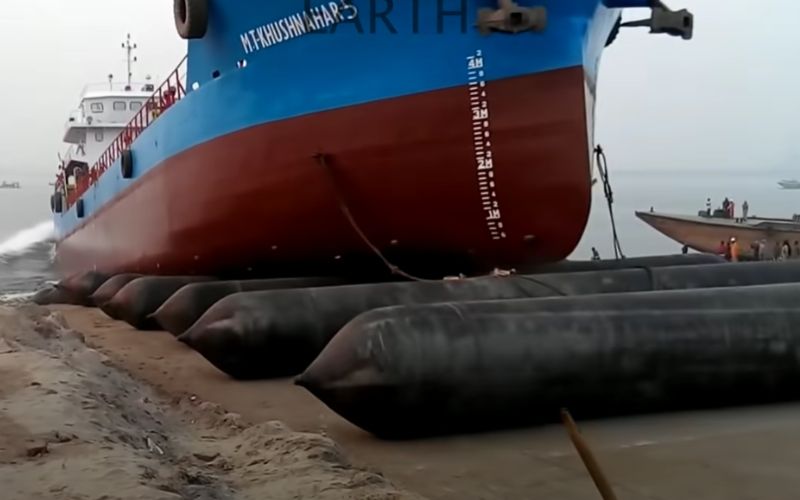
Some boats and small ships are launched by placing air bags underneath, inflating them, and then using that cushion of air to slide a ship into the water.
The two methods above aren’t possible with most cruise ships. There’s not a crane in the world that could lift a completed cruise ship, nor can airbags lift that much weight.
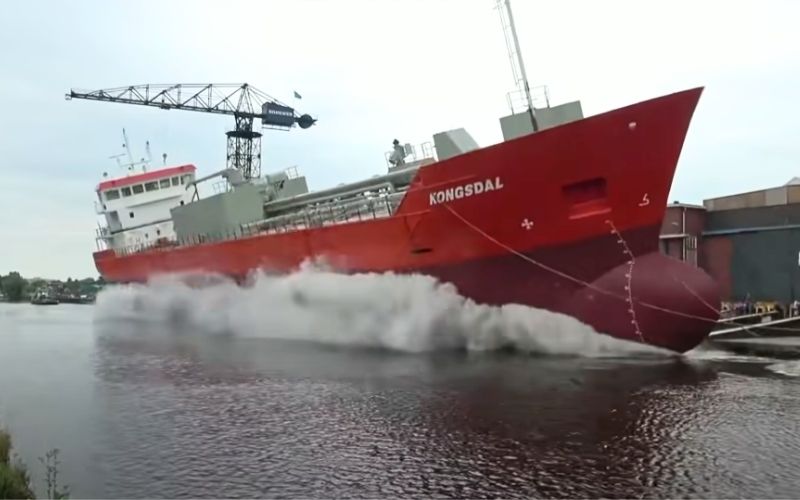
3. Gravitational launching
Gravitational launching is a method used for cruise ship-sized vessels, but not really with actual cruise ships these days.
This method involves transporting the ship to the side of the water, if that wasn’t where it was built, and then using sliders to slide the ship into the water at the side.
The momentum causes the entire ship to plunge into the water, before it rights itself just in time to avoid taking water on from the top deck.
It’s messy and dramatic, and it risks damage to the ship because of the pressure placed on it by the sudden force of water.
It looks cool on YouTube videos, though.
4. Floating out
The fourth method is possibly the most boring, but it is by far the most sensible for cruise ships. Cruise ships are ‘floated out’.
How floating out works
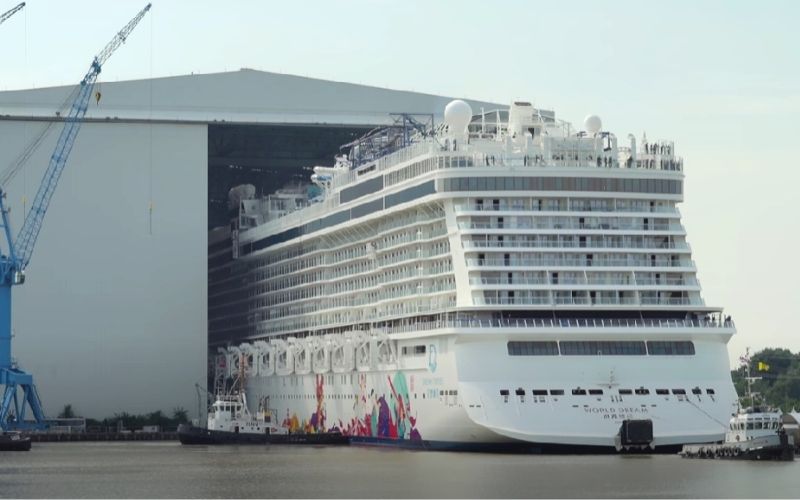
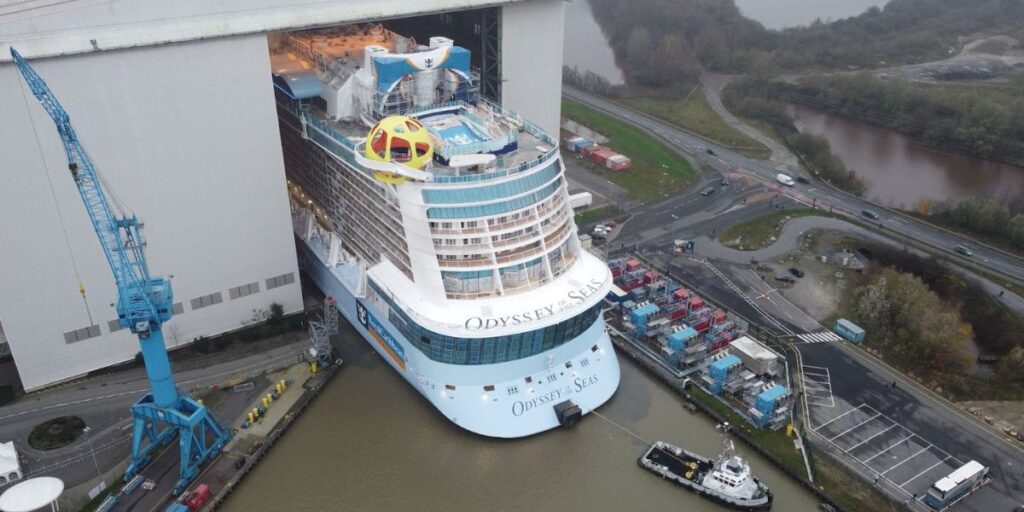
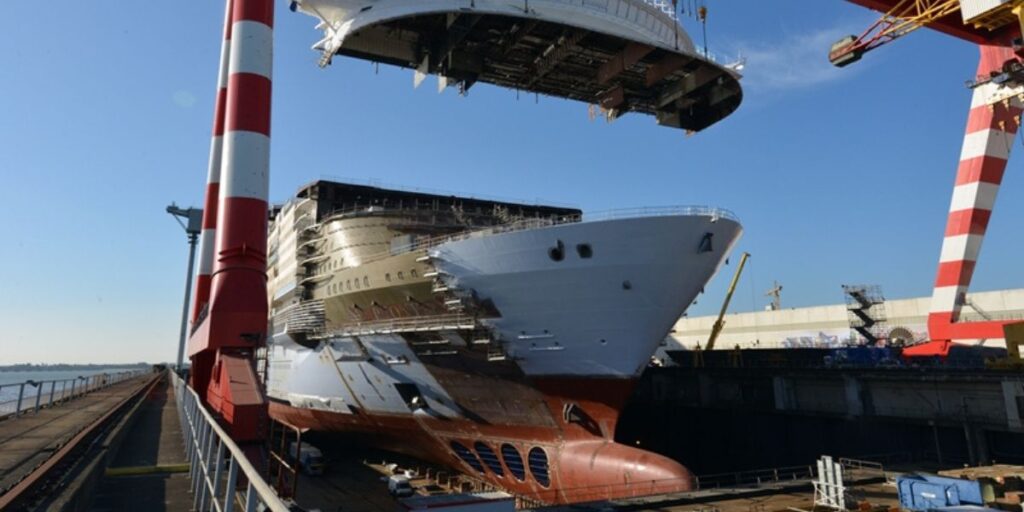
Cruise ships are launched into the water using the float out technique. This means the cruise ship is built in a special dry dock – an open dock area which has been drained. Once the ship is ready, the dock is flooded with sea water and the ship simply floats out.
While the actual launching of the ship is therefore low on drama, it’s often accompanied by a lot of pomp – cruise ships are expensive and so cruise lines like to celebrate each stage of their building journey.
Here’s an example from when Disney Wish was floated out – it’s Disney, so of course there are multiple sets of fireworks:
In terms of the safety of the ship, floating a ship out really is the best way. The ship is just positioned on a dry space and then, once that dock is flooded, it naturally begins to float. There’s no risk of waves crashing against it, or shock forces. The supports holding the cruise ship upright don’t move, and the ship just naturally raises from them.
Obviously, for this type of launch to work, you need a lot of space, and so dry docks are limited to just a handful of shipyard locations around the world.
Here’s a look at the biggest ship in the world, Icon of the Seas, floating out for the first time. It involved 219 million litres of water, which took 9 hours to fill the dock.
Cruise ship float outs, step-by-step
Here’s a quick run-down of how cruise ship float outs work.
Cruise ships are built in a large dry dock, using support structures to make sure they stay upright. It’s always interesting to see photos of a cruise ship out of water – it doesn’t look right.
Once the outer shell is completed and the ship is judged to be sea-ready, the float out begins.
The dock is flooded using seawater. This is a slow process that is often done overnight.
Once the dock is flooded, the ship will begin to float.
The ship is then dragged into position, often out of the hangar where it was built, using tugboats. The ship’s engines are not usually used at this stage.
Once the ship is in the new correct position for construction to continue, it is anchored and secured in place.
Construction will then carry on until the ship is almost ready for passengers. She’ll then be sent on sea trials while final fixtures are added.
That’s the practical side of a float out, but there may be other ceremonial steps involved too. Again, this is seen as quite the important stage in a cruise ship’s life.
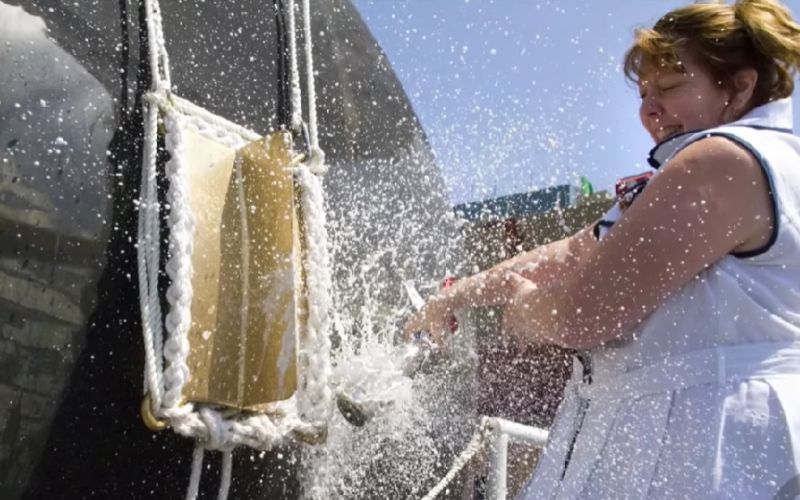
So often, speeches will be given by the CEO of the cruise line, or another senior staff member. The ship’s godmother may also be present, and a bottle of Champagne may be smashed against the hull. This will be repeated at the naming ceremony too.
Depending on the ship and the stage of the build, the senior dignitaries may take in the float out from the dock at the side of the ship, or they may board and witness it from the current top deck.
Cruise ships are often finished off in the water
The initial steps of a cruise ship build don’t happen in the water. They happen in a dry dock, which has been drained. Once the exterior of the ship is complete and the ship can be floated, the dock will be flooded, the ship floated out, and construction will continue.
So, ships are partially built while they’re in the water. It may be that the ship needs to be moved to a new location to fit specialist features, or it just has to be outdoors to allow for larger works to be carried out on the ship.
This means that ships are typically floated out as soon as they’re ready. The dry docks will have limited space for just the shell of the ship, and when that is intact and seaworthy, the ship is floated into a bigger area to make it easier to fit the ship with the next building blocks.
Once a ship has been floated out, it will stay in the water almost permanently. The only difference is when she may need to undergo extensive repairs or renovations, such as Royal Caribbean’s Amplification Program.
When this happens, she’ll return to the shipyard for another dry dock. She’ll be positioned above support structures, and the water will be slowly drained until the ship is sitting on dry land.
The repair work will be carried out, and then the dock will be flooded again, ready for the ship to float out and resume service.
Final word
The process of launching a cruise ship is not so dramatic compared to some other large ship launches. Float outs are quite complex, and they require a dedicated space large enough to house the whole ship – which is why other large ships still stick with the gravitational launches.
The floating out process keeps the cruise ship in perfect condition, with no risk of damage, meaning these incredible investments that cost hundreds of millions of dollars (or into the low billions) are properly looked after and kept pristine for their first guests.
Related posts:
If you found this interesting, please share!
Jenni Fielding is the founder of Cruise Mummy. She has worked in the cruise industry since 2015 and has taken over 30 cruises. Now, she helps over 1 million people per month to plan their perfect cruise holidays.
Are you ready to set sail on a cruise adventure, but feeling a bit confused or overwhelmed by all the deck names?
Don’t worry, I’m here to help! From the Sun Deck to the Riviera Deck, each deck on a cruise ship has its own unique name and purpose.
But why are they called what they’re called, and what can you expect to find on each one?
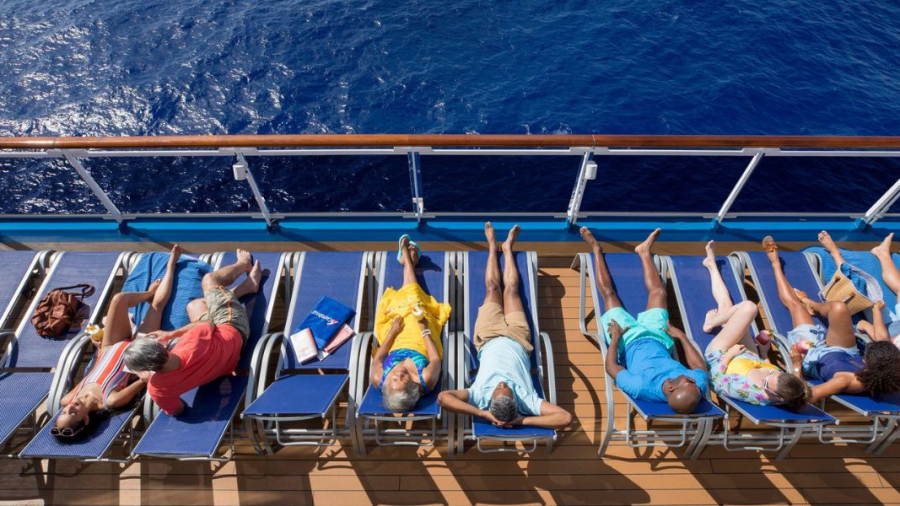
1. Sun Deck
The Sun Deck is typically the highest deck on a cruise ship. It’s used for sunbathing, lounging, and enjoying the panoramic views of the ocean. It’s called the Sun Deck because it’s the best place to soak up the sun!
Sun Deck on Anthem of the Seas
2. Lido Deck
The Lido Deck is usually the main outdoor deck on a cruise ship, and is home to the ship’s pools, hot tubs, and outdoor bars. Sometimes, people just call this the ‘pool deck’.
Lido is a fancy word for ‘outdoor pool’. But did you know that the word ‘lido’ comes from the name of the Lido di Venezia district in Venice, Italy? The town is an island and its name comes from the Latin word ‘litus’, ‘meaning shore’.
Lido Deck on Enchanted Princess
3. Sports Deck
This deck is usually located near the top of the ship towards the aft. It’s used for sports and fitness activities like basketball, golf nets and the jogging track. It’s called the Sports Deck because it’s where you’ll find all of the ship’s sports facilities.
Sports Deck on Mariner of the Seas
Most cruise ships have outdoor sports courts, but some do have indoor sports halls instead.
4. Promenade Deck
The Promenade Deck (or Prom Deck for short) is a wide, outdoor deck that wraps around the entire ship. It’s used for strolling and enjoying the ocean views. It’s called the Promenade Deck because promenade is a word meaning ‘walk’.
Promenade Deck on Borealis
Not all cruise ships have promenade decks, and even when they do, they don’t always wrap all the way around the ship.
One of the best promenade decks can be found on P&O Cruises ships, Iona and Arvia. These ones each have eight whirlpool jacuzzis on them, as well as an outdoor bar, dining areas, lots of sun loungers and some of the most controversial balcony cabin designs.
Walking around the Promenade Deck on Arvia
5. Bridge Deck
The Bridge Deck is the deck where the ship’s bridge is located. The bridge is usually off-limits to passengers unless you’re lucky enough to book a behind-the-scenes ship tour.
The term ‘Bridge Deck’ isn’t used all that much in reality. While it refers to the deck from which the ship’s captain and crew navigate the ship, that’s just the front section. The rest of the deck is just a normal deck and usually has cabins on it.
Bridge on Anthem of the Seas
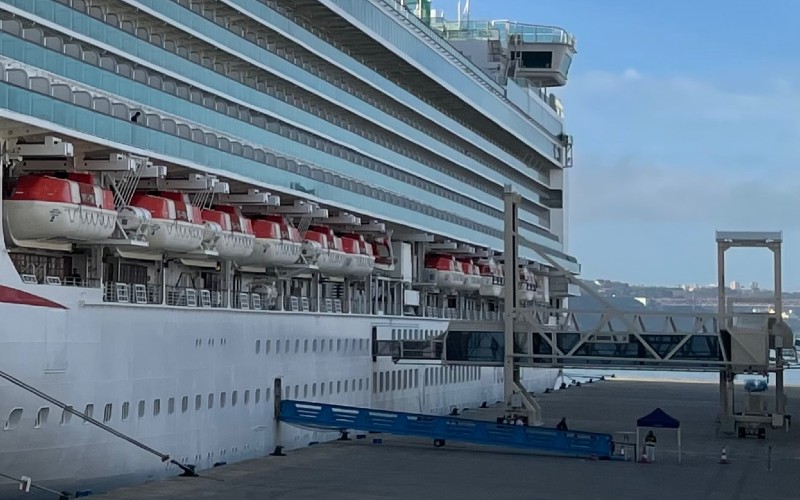
6. Landing Deck
This is the deck that you use to get on and off a cruise ship. However, it’s not always the same deck!
Depending on the tides, a ship may sit higher or lower in relation to the dock at different times. At some ports, the gangway will be open and quite short, whereas at others it will be a long closed tunnel that takes you into the terminal building.
So some days you may disembark from Deck 3 and on other days you may disembark from Deck 5. In the photo below, you can see that you can get on and off the ship on two different decks.
Landing Decks on Ventura
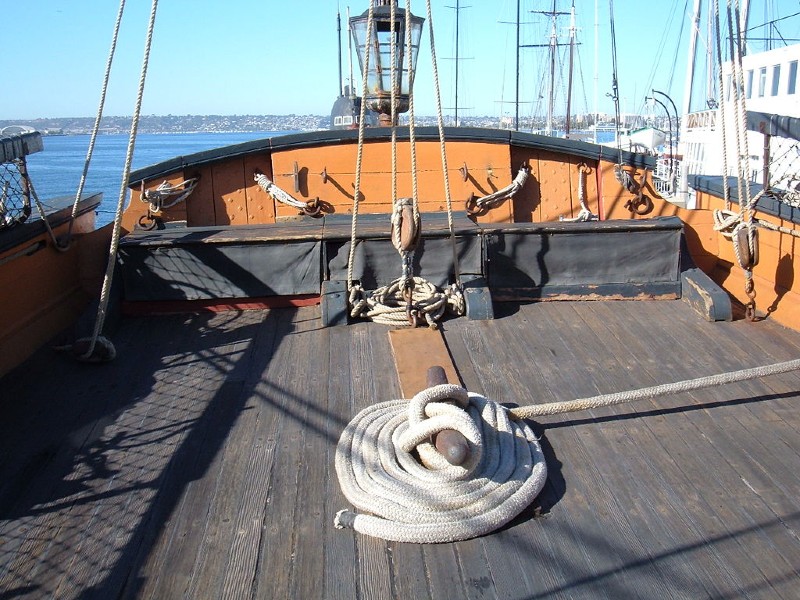
7. Poop Deck
Modern cruise ships don’t have poop decks, but I’m including it here because people often wonder what it is! And no, it’s nothing to do with actual poop!
A “poop deck” is a term that was commonly used in the past to refer to a deck that’s located at the aft (rear) of a ship, above the main deck. The poop deck was typically used by the ship’s officers as a high point for observation and navigation.
Poop Deck on HMS Surprise BrokenSphere, CC BY 3.0, via Wikimedia Commons
As for why it’s called a “poop” deck, there are a few theories. One theory is that the term comes from the French word “la poupe,” which means stern or rear.
Another theory is that it comes from the Latin word “puppis,” which also means stern.
However, there is also a more humorous theory that the name comes from the fact that the deck was located at the rear of the ship, where the smell of the ship’s waste (or “poop”) would be carried away by the wind. While this theory is not supported by historical evidence, it has become a popular explanation for the name.
Cruise ship decks typically have numbers, but some decks also have names. These names are specific to the ship and each has its own meaning.
For example, on MSC Grandiosa, the decks are named after famous artists such as Monet and Van Gogh, whereas on Costa Deliziosa the decks are named after ornamental flowers such as Petunia and Azalea.
There are some deck names that are common across several different ships. These include:
Riviera Deck
Sky Deck
Atlantic Deck
Empress Deck
Marina Deck
Vista Deck
Panorama Deck
However, these names don’t particularly mean anything more than the obvious. The Sky Deck is likely to be the top deck, the Vista Deck or Panorama Deck will have great views and so on.
When it comes to choosing your cabin, the deck that you pick definitely matters and some decks are much better than others.
To find out which decks you should avoid for cabins on a cruise ship, be sure to read my guide to The Best and Worst Decks on Cruise Ships. This will help you to avoid any noisy locations or those that might make you feel particularly seasick.
NEW DEALS JUST RELEASED!
Don’t miss these hot cruise offers…
Related posts:
If you found this interesting, please share!
Jenni Fielding is the founder of Cruise Mummy. She has worked in the cruise industry since 2015 and has taken over 30 cruises. Now, she helps over 1 million people per month to plan their perfect cruise holidays.
Cruising has undergone significant changes in recent years, leaving many passengers feeling disappointed and nostalgic for the golden days of luxury at sea.
From reduced services to extra charges, cruise lines have implemented various cutbacks that leave cruisers grumbling.
Let’s dive into the seven most disappointing trends that have everyone talking about cruise cutbacks.
1. The Return of In-Person Muster Drills
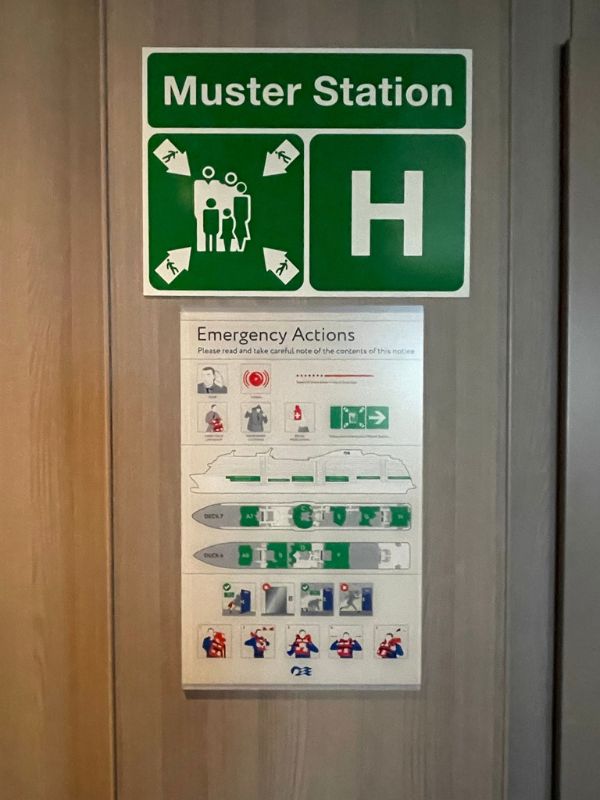
Remember when muster drills were a quick and painless part of embarking on your cruise adventure? You could just watch a short video on your stateroom TV, then quickly scan your card at your assigned muster station?
Well, many cruise lines have reintroduced in-person muster drills, ending the brief era of digital convenience brought on by the pandemic. This change has been met with mixed reactions from passengers, to say the least.
The complaints often centre around poor organisation and overcrowding, with passengers feeling that their precious holiday time is being squandered. ‘ChiefMateJRK’ on Cruise Critic didn’t mince words when describing the return to in-person drills as “a wasted 40 minutes of my life that I will never get back.”
I too experienced one of the most depressing muster drills ever on Ambassador Cruise Line. We had to stand outside on the deck for at least 30 minutes, with no chairs available for any of the older or larger people who appeared to find the experience uncomfortable.
When the muster drill started, with so many people crowded around it was impossible to see the life vest demonstration properly anyway.
2. Reduced Choice and Lower Quality Food In the Dining Rooms
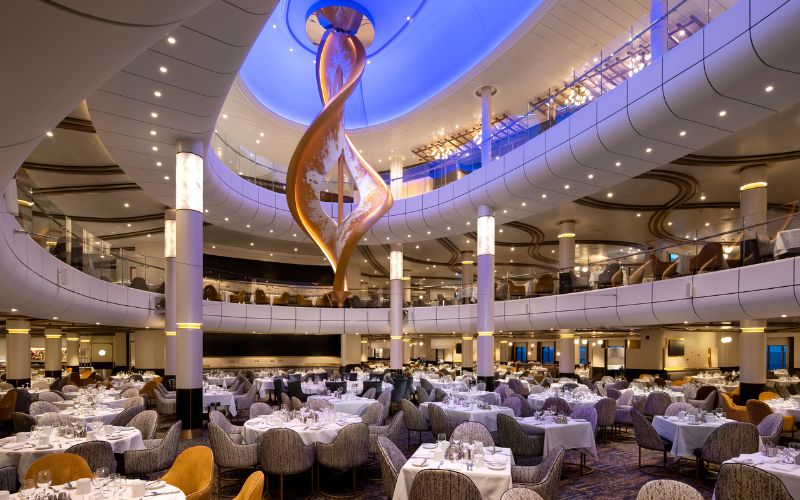
One of the most significant areas of discontent is the noticeable decline in dining options and food quality over the years. Many cruise passengers have reported a reduction in menu choices and a drop in the overall culinary experience, particularly in main dining rooms and buffets.
A Royal Caribbean passenger expressed their disappointment on Cruise Critic, noting a “significant drop in quality compared to pre-COVID experiences” on the Grandeur of the Seas.
Another cruiser claimed that their dining experience on Navigator was “the worst we’ve experienced” compared to six previous Royal Caribbean cruises.
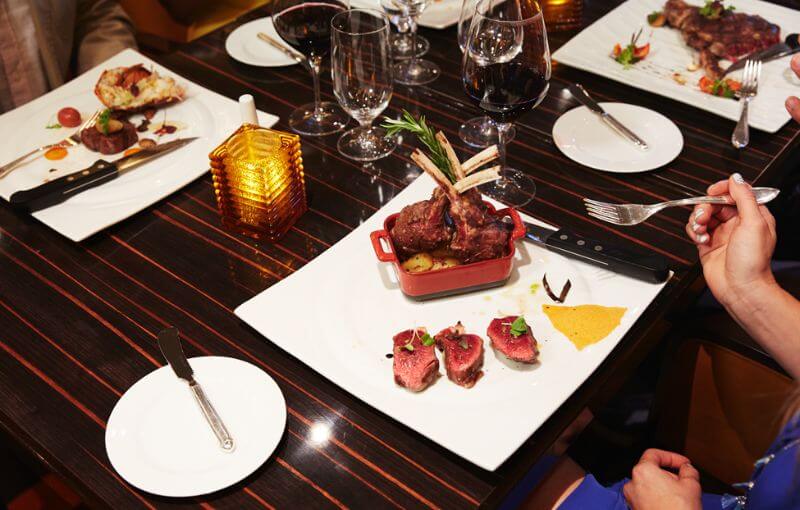
The cutbacks seem to go beyond just quality. Cruisers have pointed out the disappearance of higher-cost items from menus, such as lamb chops. It’s clear that cruise lines are tightening their belts, but at what cost to passenger satisfaction?
Cheese boards, once a symbol of indulgence, are now often served pre-plated, taking away the fun of selection and presentation. Even luxury touches, like the beloved port-infused Stilton cheese, have been removed from some cruise lines’ offerings.
These changes have left many cruisers feeling shortchanged, especially when cruise fares haven’t necessarily decreased to reflect these cutbacks.
3. Housekeeping Reductions
The days of returning to a freshly made bed and spotless bathroom twice a day seem to be behind us. Many cruise lines have reduced their housekeeping services from twice daily to once daily, a change that hasn’t gone unnoticed by passengers.
On Cruise Passenger, Lissete expressed her preference for evening cleaning: “I don’t mind once daily, but I’d like it to be done while we’re at dinner… I like coming back to a fresh bed and bath when turning in at night.”
This reduction in service is also placing more pressure on the room stewards. “kelkel2” on Cruise Critic highlighted the increased workload: “I think the room stewards have to be some of the hardest-working individuals on the ship.”
Many passengers have noticed that stewards are now responsible for more rooms, leading to a decline in the personal touches that once made cruising feel so special.
The loss of nightly turndown service, complete with towel animals and chocolates on pillows, has been particularly hard for long-time cruisers to swallow. These small gestures once contributed significantly to the feeling of being pampered on holiday.
4. Nickel-and-Diming
One of the most frustrating trends is the introduction of fees for services that were once complimentary. Room service, for example, now often comes with a charge.
Princess Cruises is just one of the lines that has implemented this change, much to the chagrin of passengers who enjoyed the luxury of breakfast in bed without an extra cost.
On Cruise Community, cruisers have been vocal about their dissatisfaction with these additional charges. One user summed up the sentiment: “The headline price of a cruise has come down… more and more reliance is placed on charging for anything we want.”
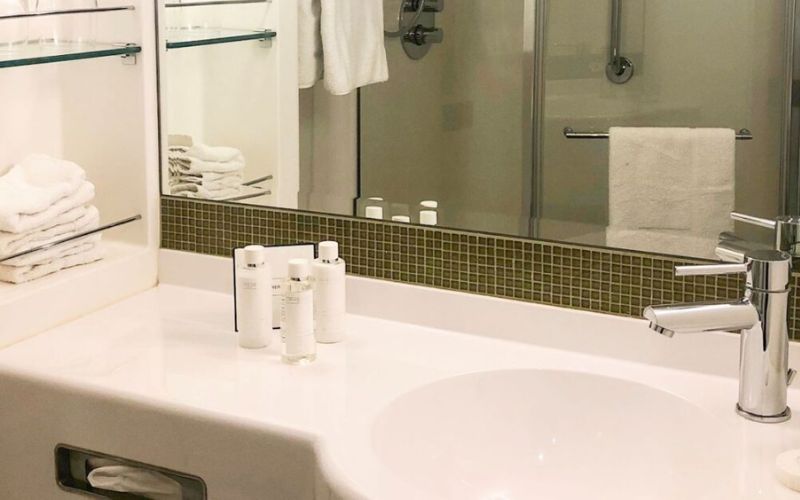
Even small amenities haven’t escaped the chopping block. Some cruise lines have removed complimentary toiletries from cabins, while others have cut back on elite benefits without prior notice.
These changes have left many cruisers feeling like they’re being nickel-and-dimed at every turn, diminishing the once-inclusive nature of cruise holidays.
5. No More Little Luxuries
It’s often said that the devil is in the details, and nowhere is this more apparent than in the cruise industry’s recent cutbacks. Many of the small luxuries that once made cruising feel special have disappeared, leaving passengers longing for the good old days.
Gone are the fresh flowers in cabins and main dining rooms, the complimentary cakes with coffee, and the nibbles and canapés in certain bars. On some ships, even practical items like facecloths in cabins are now only available on request.
These changes might seem minor, but collectively they contribute to a significant shift in the cruise experience. As one cruiser on Cruise Community put it: “It has been dumbed down to a point where it is simply a sea-based holiday rather than a special experience.”
The absence of little cards reminding passengers of time changes or the discontinuation of cruise logs at the end of the trip might not break the bank, but they do break with tradition. These small touches once added to the sense of adventure and the unique nature of cruise travel.
While the main shows and activities on cruise ships remain largely intact, there’s a growing concern about potential future charges for entertainment. Some cruisers worry that shows or lectures, which have always been included in the fare, might soon come with an extra fee.
The traditional cruise atmosphere has also taken a hit. Sailaway parties, once a highlight of embarkation day, have reportedly diminished in scale and excitement on some ships. This has left some passengers feeling that the cruise experience has become more mundane and less celebratory.
On Reddit, one cruiser shared their recent experience: “Completed a 7-day Southern Caribbean cruise from San Juan on the NCL Viva. Felt underwhelmed; lacked the usual ‘magic’ experienced on prior cruises.”
This sentiment is echoed across various cruise forums, with passengers noting a general decline in the overall cruise atmosphere. The reduction in activities, and the perceived lack of effort in creating special moments, have left many wondering if they’re getting less bang for their buck.
7. Diminishing Staff Interactions
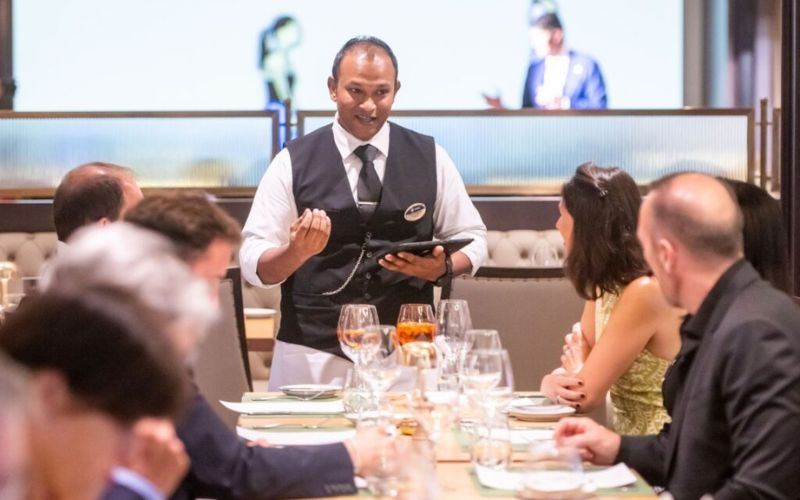
Perhaps one of the most significant changes noticed by cruisers is the reduction in personal interactions with staff. This shift is partly due to technology advancements, such as the increased use of tablets for ordering in restaurants and bars. Although these innovations can improve efficiency, they often come at the cost of the warm, personal service that many cruisers value.
On Reddit, one passenger noted that “servers primarily used tablets for service, affecting personal interaction.” This technological barrier, combined with reduced staff numbers and increased workloads, has led to fewer opportunities for meaningful exchanges between passengers and crew.
Kobie Edwards shared on Cruise Passenger: “I know they are busy, but long gone are the days where you had a quick chat in the hallway or a hello in passing.” This loss of personal connection has not only affected passenger satisfaction but also impacted tipping habits. Cruisers feel less inclined to reward service that feels impersonal or rushed.
The reduction in staff-to-passenger ratios has put immense pressure on crew members. Jason McIntosh empathised with a room attendant who was “just trying to hang out for his 15-year service bonus to feed his family.”
Navigating the New Cruise Reality
It’s clear that the cruise industry is navigating choppy waters. From dining dilemmas to vanishing luxury touches, these changes have significantly impacted the experience that many passengers have come to know and love.
While cruise lines grapple with post-pandemic recovery and economic pressures, some are left wondering if the value proposition of cruising has fundamentally changed. The loss of small luxuries, reduced personal interactions, and the introduction of additional charges have many questioning whether cruise holidays still offer the same magic they once did.
The loyal guests of P&O Cruises have been particularly vocal about the cutbacks made over the past few years, with over 20 things no longer on offer.
However, it’s worth noting that not all experiences are negative. Some passengers continue to find joy in cruising, adapting to the new reality or exploring different cruise lines and destinations to recapture that special feeling. As the industry continues to evolve, it remains to be seen whether these cutbacks are temporary measures or a permanent shift.
One thing is certain: passengers are vocal about their dissatisfaction, and cruise lines would do well to listen. A balance must be found between cost-saving measures and making cruising a unique and cherished holiday experience.
For now, cruisers may need to adjust their expectations and perhaps be more selective in their choices to ensure they get the experience they’re looking for. As one wise cruiser put it, it might be time to “personalise experiences rather than paying for all-inclusive options.”
Despite the challenges, the allure of the open sea and the promise of adventure continue to draw people to cruising. It’s up to both cruise lines and passengers to navigate these changes together, finding new ways to create memorable experiences.
Related Posts:
If you found this interesting, please share!
Jenni Fielding is the founder of Cruise Mummy. She has worked in the cruise industry since 2015 and has taken over 30 cruises. Now, she helps over 1 million people per month to plan their perfect cruise holidays.
If you’ve ever been on a cruise, you may have heard the captain communicating with the crew using codes, and you might wonder what they mean.
When I hear a code spoken over the public address system, the first thing I think is, “I wonder what that means?” After all, it must be something set, otherwise, they would just say what the problem is!
In this article, I’ll reveal the meanings of some of the most common secret cruise codes, so you’ll no longer be kept in the dark about what’s going on on board your cruise ship.
But a quick note first – don’t let this article worry you if you’re nervous about cruising! You’ll rarely, if ever, hear these codes and even if you do, the crew will handle things quickly and efficiently.
1. Charlie Alpha
“Charlie” means a security threat, and Alpha” communicates a medical emergency. If you hear both, it’s a security threat caused by a medical emergency.
The code “Charlie Charlie Charlie” is used when the captain needs to communicate to the crew that there’s a security threat. If you hear it, try to remain calm and await instructions. This particular code is known to be used on Royal Caribbean cruises.
3. Alpha Alpha Alpha
The code “Alpha Alpha Alpha” is used to alert cruise ship crew to an onboard medical emergency. This code is known to be used on Royal Caribbean cruises, but other companies may use a single code Alpha. Either way, the Alpha Alpha Alpha cruise ship code means that somebody is in need of urgent medical attention.
4. Bravo
It might be repeated three times, so you might hear it as “Bravo Bravo Bravo,” but either way, “Bravo” means there’s a fire on board. Be sure to follow all instructions from the crew to ensure your safety – though this applies to all cruise ship codes, really.
5. Delta
Codes aren’t standardised across cruise lines, so the meaning if the code “Delta” depends on who you’re sailing with. It often means damage to the ship, but a former Norwegian Cruise Line employee wrote on the Cruise Critic Message Board that NCL uses the “Delta” cruise code to inform of pollution.
6. Mike
The code “Mike” is used by the cruise line Oceania Cruises to communicate to the crew that there is a medical emergency on board that requires urgent attention. Therefore, the code “Mike” performs a similar function to Alpha, but on Oceania Cruises only.
7. Oscar
The cruise code “Oscar” is one of the most important and urgent there is. It’s used by both Royal Caribbean and Celebrity Cruises to alert the crew to a man overboard.
The cruise code “Kilo” is used when the captain needs to request that all crew members report to their emergency stations. The code “Kilo” is known to be used on Royal Caribbean ships, and it may be said three times.
9. Papa
The cruise code “Papa” may sound innocuous, and cute even, but don’t be lulled into a false sense of security, it means the ship has encountered an oil spill or some other form of pollution.
10. Victoria
A cruise passenger on the Cruise Critic message boards has reported that the cruise code Victoria is used by Marella for “extreme flooding”. It’s not a code I’ve heard, but if you’re on a Marella cruise and you hear “Victoria,” there’s likely flooding on board.
11. Code 7
“Code 7” likely relates to the seven short blasts and one long blast that signals that all guests and crew must report to their muster stations.
You should be briefed on this during your muster drill as it’s important that you take action. Put on warm clothing, gather any medication you need and head straight to your assigned muster station for further information.
12. Code Red
On a cruise ship, “Code Red” means that an illness has broken out on board. This is often norovirus, which sadly, isn’t exactly uncommon on board cruise ships, as regular cruisers will know.
I have been on a cruise ship during a norovirus outbreak and have heard this code. Unfortunately, my daughter was quarantined to the cabin for 24 hours after becoming sick. The rest of our family managed to avoid it.
On a cruise, “Code Purple” is used to signify a bomb threat or some other form of chemical or biological threat. If you hear it, you’ll probably be a bit scared, but try not to panic, the crew will have robust procedures in place to deal with it.
An announcement of “Code Black” on a cruise can be used to alert the crew to a few possible situations – none of them good. A code black can mean the possibility of a violent confrontation, or the possibility of a suicide threat.
15. Code Gray
Code Gray alerts the crew to the presence of an abusive person or a combative person on board. I’m sure it won’t be you but do remember to be respectful to your crew and fellow cruise travellers at all times.
16. Code Pink
Code Pink is used to alert the crew that an infant under the age of 12 months is suspected (or confirmed) as missing. This is a rarely used code that I hope you’ll never hear on any of your cruises.
17. Code Green
On a cruise, “Code Green” is generally nothing to worry about, and just the captain alerting the crew to a less serious issue on board. Think of it as a kind of “traffic light system, with green for go” meaning things are relatively fine.
18. Code Blue
Some cruise lines use “Code Blue” as an alternative to “Alpha” codes to communicate that there is a medical emergency on board. Alternatively, some cruise lines use “Code Blue” to warn of hull damage. So the meaning of this code really depends on the ship.
19. Code Yellow
Similar to “Code Green”, the ship’s captain might use the cruise code “Code Yellow” to alert the crew to a less serious issue. The traffic light analogy holds up, with yellow (similar to amber) being nothing serious to worry about.
20. Sierra
The secret cruise code “Sierra” is used to communicate that a stretcher is required on board to assist with a medical emergency. Due to this, you might hear the “Sierra” cruise code after you hear one of the “Alpha” cruise codes.
A code like this is unlikely to be announced to the whole ship. Instead, it will be radioed to the medical centre on board.
21. Echo
If you hear the “Echo” cruise code, this means that the ship has started to drift, but don’t panic! It’s possible that the Captain will get the ship back under control – they’ll certainly have a procedure for correcting the problem.
The bottom line
I hope my article hasn’t made you anxious about your cruise, as that certainly wasn’t my intention. Remember that it’s unlikely that you’ll hear most, if any, of these cruise codes during your cruise, but it’s always worth being in the know about what they mean.
Also, remember that your cruise crew and captain will be highly trained professionals who will be able to deal with any emergency efficiently, so even if you do hear one of these cruise codes, there’s no need to panic!
After reading about secret cruise codes you may be wondering whether your cruise crew will include doctors or police officers, well, for your peace of mind, I’ve written articles answering these questions.
Related posts:
If you found this interesting, please share!
Jenni Fielding is the founder of Cruise Mummy. She has worked in the cruise industry since 2015 and has taken over 30 cruises. Now, she helps over 1 million people per month to plan their perfect cruise holidays.
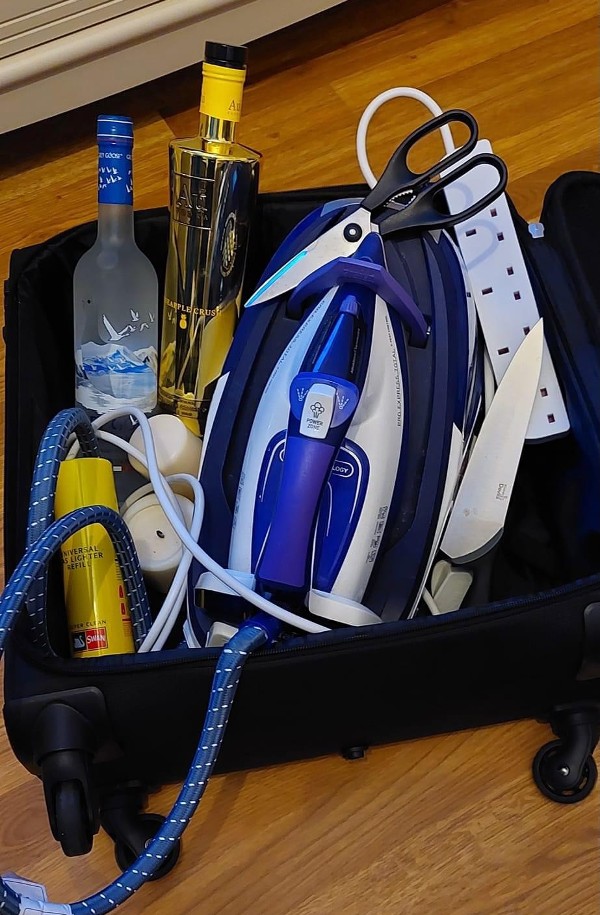
If you’ve never cruised before, it’s really important to know what NOT to pack to take on the ship. You’ll want to avoid any potentially embarrassing situations at check-in by making sure you don’t pack any cruise ship contraband.
Cruise port staff regularly scan and search passengers’ bags, and if any of your belongings are confiscated, it’s highly likely that you won’t get them back. So, what can’t you take on a cruise? Read on to find out!
Spoiler: You can’t take any of this stuff!
Photo: Janice Leeson
Food & drink
Alcohol rules vary by cruise line
Some cruise ships allow you to bring your own alcohol on board, although this is usually limited to one bottle of wine per person. It’s usually free to drink in your room, but if you want to take your own alcohol into public areas on the ship, they charge a corkage fee of around $15 per bottle.
Drinks on board a cruise ship can be expensive. Whilst P&O Cruises charge pub prices for drinks, some other cruise lines charge much more. If you’d rather not pay $15 for a glass of wine, then you’ll probably want to know whether you can save money by bringing your own booze on your cruise.
The great news is that most cruise lines DO allow you to bring some alcohol on-board with you. However, the limits are usually pretty small – just one bottle of wine, or maybe Champagne.
P&O Cruises used to let you bring beers and spirits but that changed in May 2024.
Some cruise ships allow passengers to bring some wine on board to drink in their cabin. There is usually no corkage fee, as long as you don’t drink it in any of the public areas of the ship. If you want to drink your own wine in a bar or restaurant, you’ll be charged around $15.
The following table shows how much wine you can bring with you on your cruise…
Cruise Line
How much wine can you bring?
Carnival
One bottle per person
Celebrity
One bottle per person
Costa
None
Cunard
One bottle per person
Disney
Two bottles per person
MSC Cruises
None
NCL
Unlimited but $15 fee per bottle
P&O Cruises
One litre per person
Princess Cruises
One bottle per person for free then $15 per additional bottle
Royal Caribbean
One bottle per person
NEW DEALS JUST RELEASED!
Don’t miss these hot cruise offers…
Most cruise lines permit bottled water
Most cruise lines allow guests to bring bottled water with them, but not all. If you’re cruising with Costa Cruises, MSC Cruises or NCL, you won’t be allowed to bring water unless it’s needed for medical purposes.
The reason behind this is that, in the past, people have used water bottles to hide spirits or other drinks. Banning water and soft drinks has undoubtedly made it easier for cruise lines to spot anyone sneaking alcohol on board.
The following table shows how much water or other non-alcoholic drinks you can bring on your cruise…
Cruise Line
Non-alcoholic drinks allowance per passenger
Carnival
12 x 330ml cans or cartons
Celebrity
No limit
Costa
Water only permitted for medical needs
Cunard
No limit
Disney
No limit
MSC Cruises
Water only permitted for medical needs
NCL
Water only permitted for medical needs
P&O Cruises
No limit
Princess Cruises
No limit
Royal Caribbean
12 x 500ml bottles, cans or cartons (per stateroom)
Snacks are usually fine
You can take most types of snacks with you on board a cruise ship, including crisps, sweets, and biscuits. (That’s chips, candy, and cookies if you’re from the US).
We usually take a few cereal bars, a tube of Pringles and maybe some sweets for the kids. There’s always lots of food available on board, but sometimes it’s nice to have your favourite snacks too.
Whilst packaged food is always fine to bring on a cruise, you may not be allowed to take perishable items such as fresh fruit or any homemade food like sandwiches. It really depends on your cruise line’s food policy and on the local laws of the ports which you’re cruising from and to.
Cruise ship food is generally some of the best in the world. Special diets are catered for really well. So, if you’re at all concerned about being able to eat the food on-board, have a chat with your cruise line representative before you cruise and they’ll make sure that you’re well catered for on the ship.
Protein powder is also allowed (but be careful)
You are allowed to take protein powder on a cruise ship. It’s best to bring it in a sealed new container and to pack it in your carry-on bag to avoid arousing suspicion.
If you’re planning to carry a big bag of white powder through security, I can see why you might be a little worried about ending up in the naughty room being asked questions. However, in reality, plenty of cruisers bring protein powder on board without an issue. You don’t need to worry about bringing protein powder on a cruise.
Electrical items
Hair straighteners are OK but may not work properly
Hair straighteners and curling irons are allowed on cruise ships. While most appliances that produce heat are forbidden, cruise lines make an exception for hair styling devices.
You may need to consider the voltage of your appliances as some UK hair straighteners may not work on board American ships without a voltage converter.
My old GHD hair straighteners didn’t get hot in the USA or on cruise ships. But my newer ones work just fine. If you’re not sure, it’s worth Googling the model of hair straightener that you have to check.
Power strips/extension cables – strict rules apply
You may be able to take a power strip or extension cable on a cruise, so long as it meets the cruise line’s requirements. Cruise ships require that power strips do not have a surge protector, as this could overload the circuit and cause a fire. Extension cords should be less than one metre long.
It’s a bit weird since, on a home electrical network, a surge-protected strip is the safer option. But cruise ships aren’t wired up like your house.
With many of us taking a multitude of electronic devices such as cameras, phones and tablet computers, which all need to be charged, people often worry whether there will be enough plug sockets in their cruise cabin to plug everything in.
The number of electrical sockets varies from ship to ship, with some cruise ships only having two power outlets per cabin. The type of power outlets also varies, with some ships having a mix of UK, USA and European sockets.
If you’re wondering how many plug sockets will be on your cruise ship, you can find that information here.
You do need to check with your cruise line though. Royal Caribbean doesn’t allow extension cords at all, and also recently updated the ban to include multi-plugs.
The best solution to the issue of not having enough plug sockets or them being the wrong type is to get a 4-port USB universal charger plug.
This universal charger will fit into any plug socket (UK/USA/EU/AUS) and enable you to charge four devices at the same time.
Hair dryers are provided but you can bring your own
All cruise ship cabins are equipped with hairdryers that guests may use free of charge. The hairdryers vary in quality, and some have low wattage, so they are not very powerful. If you have long, thick hair, you may prefer to bring your own hairdryer from home.
When I cruised on the Disney Magic, the hairdryer that was attached to the wall in the bathroom was over twenty years old and pretty useless. However, there was another hairdryer in a drawer in the living area.
Irons usually aren’t allowed
Cruise lines generally do not allow guests to take clothing irons or travel irons on cruise ships. One exception is Marella Cruises, which does permit travel irons on board its ships.
Alternatives to bringing an iron on your cruise include:
Crease remover spray – lots of cruisers swear by this
Using an iron in the ship’s laundry room
Sending your clothes to the ship’s laundry to be pressed
Clothes steamers are not allowed on cruise ships as they are considered a safety hazard. Just like irons, there’s a chance that a garment steamer could cause a fire, so they are not allowed to be brought onto any cruise ship.
Packing a drone? Don’t use it on the ship
Some cruise lines allow guests to bring drones on board cruise ships. However, you aren’t allowed to fly the drone while on the ship. It may only be used on land, away from port areas.
If you want to bring a drone on your cruise to use on land, you should check with the cruise line before you travel. Some cruise lines do not permit drones, even if they remain stored in your cabin, and they may confiscate them when you check in.
Most cruise lines allow walkie-talkies
Walkie-talkies are allowed on cruise ships, but they often don’t work too well on board. Most walls on cruise ships are made of metal, which kills the signal, so you may find that bringing a walkie-talkie on your cruise is a waste of time.
A pair of walkie-talkies that might work over several miles on land, probably won’t work across the length of a cruise ship. As well as all the metal walls, cruise ships have large obstacles like swimming pools and elevators, which can all block the signal from a walkie-talkie.
If you really want to use a walkie-talkie on a cruise ship, you can’t just buy any cheap model and hope that it will work. You’ll need a powerful two-way radio that can transmit a strong enough signal to get through all of those metal walls.
Liquids are fine – don’t expect airport rules for cruises
Whilst airports limit the amount of liquids you can take in your hand luggage, there are no such rules on cruise ships for liquid toiletry items. You can take as many liquids as you like on a cruise.
However, cruise lines do restrict the amount of alcohol you can take on board with you, and some even prohibit you from bringing soft drinks and bottled water aboard, so be sure to check the rules on that.
If you’re flying to join your cruise, you should be aware of airport restrictions on liquids and pack them in your checked baggage rather than your carry-on luggage.
So full-size toiletries are OK
There are no limits to the size of toiletries you can take on board a cruise ship. There’s probably no need to bring a 500ml bottle of shampoo with you, but if you really want to, there’s nothing to stop you.
In fact, cruise ships have no restrictions on luggage weight. Your luggage allowance will only be limited if you have to take a flight to join your cruise ship.
Medical equipment
Oxygen canisters are usually OK
Cruise lines are generally very accommodating for medical needs, and most cruise lines permit guests to bring oxygen with them on their cruise ships.
However, cruise lines’ policies about the use of medical oxygen vary, so it’s best to check with the company you plan to cruise with to find out exactly what can be brought on board and how to check it in.
If you need to use oxygen therapy to help with conditions such as COPD, cystic fibrosis and heart failure, you’ll find lots of information about cruising with oxygen here: travelwithoxygen.com
Wheelchairs are permitted
You are allowed to take a wheelchair on a cruise ship, although they may not be allowed on some river cruise ships. Collapsible wheelchairs can be used in most cabins. If your wheelchair doesn’t fold down, you’ll likely need to book an accessible cabin for your cruise.
If you don’t usually use a wheelchair but are worried about being able to walk long distances in ports, or concerned about keeping your balance with the movement of the ship, you might want to buy a lightweight travel wheelchair for your cruise.
Lightweight wheelchairs can fold down into a bag so you can store it under your bed and get it out if and when you might need it.
Check the rules for your cruise line too, before you book. P&O Cruises now only permit a certain number of guests onboard with wheelchairs or mobility scooters, even if you only use them temporarily.
That’s because they need to make sure they’ve enough crew to help anyone with a mobility issue during an emergency. Some people have been barred from cruising because they didn’t declare they needed a wheelchair or mobility scooter!
Mobility scooters are allowed (and common)
Mobility scooters are allowed on cruise ships. However, there may be restrictions on the types of batteries that can be used, and you may be required to book an accessible cabin.
Each cruise line has its own policy about the use of mobility scooters, so be sure to ask your cruise line or travel agent when you book.
CBD – even medicinal – is banned
You won’t be able to take any CBD products on a cruise with you, even if you have a prescription from your doctor. If you are concerned about not being able to use CBD products during your cruise, ask your doctor for temporary alternatives.
It’s essentially a blanket ban – there are a lot of different laws about CBD use in the countries that cruise ships visit, so they keep things simple by banning it outright.
Babies are allowed on family-friendly cruise ships, but they need to be at least 6 months or 12 months old, depending on the cruise line and the itinerary. Some cruise ships do not allow children at all.
Most cruise lines require that babies are at least six months old to cruise. However, MSC Cruises has no minimum age for babies, so if you want to cruise with a young baby, this is the cruise line to choose.
The age requirement for babies on cruise ships may be increased to 12 months on cruises that have a lot of consecutive days at sea (such as transatlantic cruises) or visit exotic and remote destinations.
You can’t take a baby monitor on a cruise with you. It wouldn’t work anyway – cruise ship staterooms have metal walls, and so the signal would be blocked. You also wouldn’t be able to connect a WiFi baby monitor to the network on a cruise ship – they won’t allow you to connect.
Instead, most cruise lines that allow babies will have some form of babysitting service, which normally comes with an additional cost. While babysitting staff on a cruise ship will be able to change nappies or feed your child, you’ll be expected to provide the supplies to do so.
Bottle warmers and sterilisers may be banned, so check
Some cruise lines outright ban bottle warmers and sterilisers, but check with your cruise line as they may permit travel sterilisers. Costa, Cunard, Disney and P&O all have a limited number of sterilisers on the ship that you can hire.
Otherwise, you may want to take sterilising tablets with you instead, and wash the bottles in the sink of your cabin. It might not be quite as sanitary but it should be sufficient to keep your baby safe.
Rules on dogs
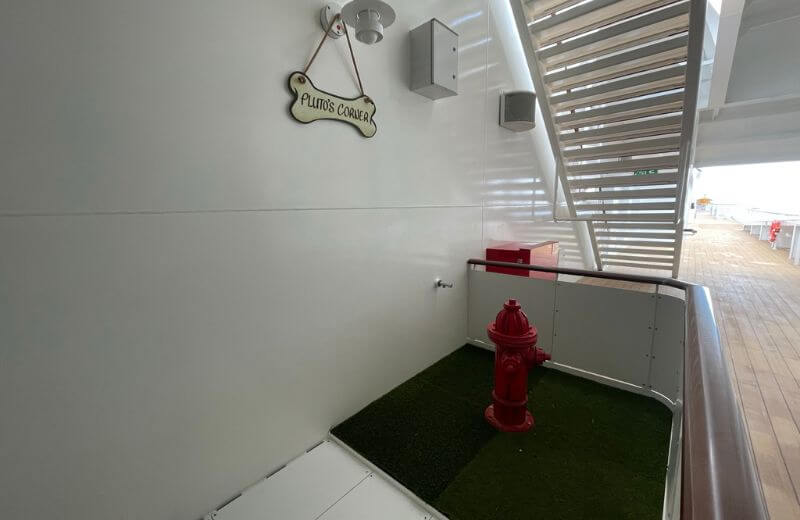
Service dogs are allowed on cruise ships, but pet dogs are usually not. The only cruise ship to allow pet dogs is Cunard’s Queen Queen Mary 2, which has special kennels to accommodate dogs on transatlantic cruises.
Queen Mary 2 has luxurious onboard kennels and indoor and outdoor exercise spaces for pets. Dogs are looked after by the ship’s Kennel Master, with owners allowed to visit at set times.
But, before you go ahead and book a cruise with your dog, there are a few things you’ll need to consider. Kennel spaces on Queen Mary 2 cost $800 for dogs under 26lbs and $1000 for dogs weighing over 26lbs!
Very large dogs such as Great Danes, Dobermans, Bull Mastiffs, and Greyhounds aren’t allowed as they would be too big for the kennels.
You’ll also need to get your dog a health certificate from your vet and a rabies vaccine before cruising. If that doesn’t put you off, you should get your dogs’ names down for a place as soon as possible, as kennel spaces often book up far in advance.
Service dogs such as guide dogs, hearing dogs and seizure-alert dogs are welcome on most cruise ships. On my last cruise, I saw a Labrador guide dog who was helping a visually impaired guest and a German Shepherd dog. I’m not sure what his job was, but he was very well-behaved.
To bring a service dog on a cruise, your dog must be officially registered, and you’ll need to get permission from the cruise line before you book.
In the past, a handful of people have been known to bring pet dogs on cruises by pretending that they’re service dogs. Obviously, this hasn’t been well-received when these dogs haven’t been as well-trained as professional assistance dog would be!
Cruise lines have cracked down on this and now require paperwork when booking a cruise with a service dog. Emotional support dogs, which may help with certain mental health conditions, are not allowed on board most cruise ships.
What about cats?
Cunard’s Queen Mary 2 cruise ships also permit cats, dogs and ferrets to travel in the kennels on transatlantic crossings.
Most cruise ships have a smoking area, which includes traditional cigarettes, so you are allowed to take matches or a lighter on board for these purposes. You aren’t allowed to take a torch lighter onto a ship, or a novelty lighter shaped like another banned item, like a gun.
Matches and lighters are the only source of a flame that you’ll be allowed to take on a cruise ship, but only for smoking cigarettes. And novelty lighters shouldn’t be shaped like a gun if you want to take them on board as they could frighten other passengers, so just take a normal one.
You aren’t allowed to take pool inflatables on your cruise. You might get away with a small one, but generally, they are banned – they take up too much room, and the pools on cruise ships are not enormous.
Some cruise lines may permit you to take inflatables with you if you only intend to use them when you head to the beach in a port, but this varies by cruise line, and you’ll need to check before you travel; otherwise, they could be confiscated.
Photo credit: Carnival Cruise Line
Balloons are usually banned too
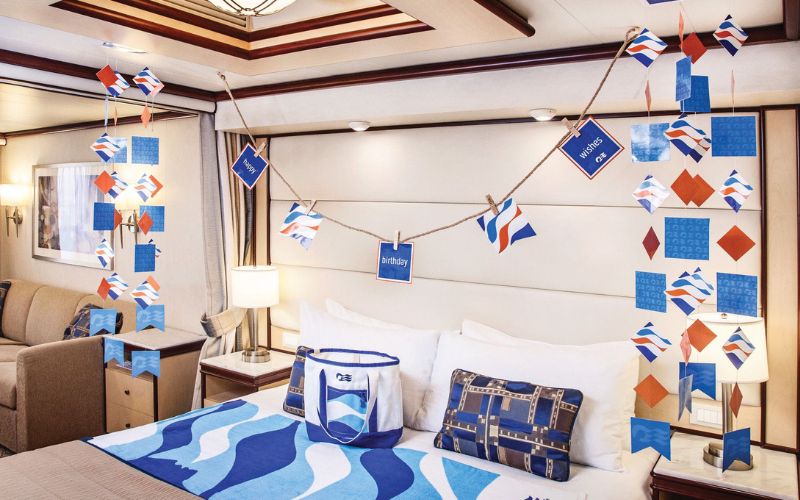
Most cruise lines ban inflatables of all kinds, including balloons, although some cruise lines only specify pool inflatables – you would need to check with your cruise line. You may instead be able to buy balloons from the cruise line, and have them delivered to your room already inflated if you’re celebrating a special occasion.
Helium balloons could cause havoc on a cruise ship if they were accidentally released as you brought them on-board, so it’s best to assume that they aren’t allowed. If you really want your stateroom to feel special, you may be able to order decorations – including pre-ordering them so they’re in your room waiting when you arrive.
Photo credit: Princess Cruises
Musical instruments
Most cruise lines won’t allow you to take a musical instrument on-board with you. Some cruise passengers have said they were allowed to take one on a Carnival cruise, but were told it could be confiscated if other passengers found it to be a nuisance. Instruments aren’t mentioned specifically in their policy.
Again, it’s best to leave the musical instruments at home unless you have a very special reason to bring them with you. Don’t assume that you can bring an acoustic guitar and set up a sing-a-long in a bar or by the poolside – most other cruisers won’t be impressed and you’ll very quickly have the crew asking you to stop, regardless of how good you are.
There are plenty of paid performers on a cruise ship, after all.
Golf clubs
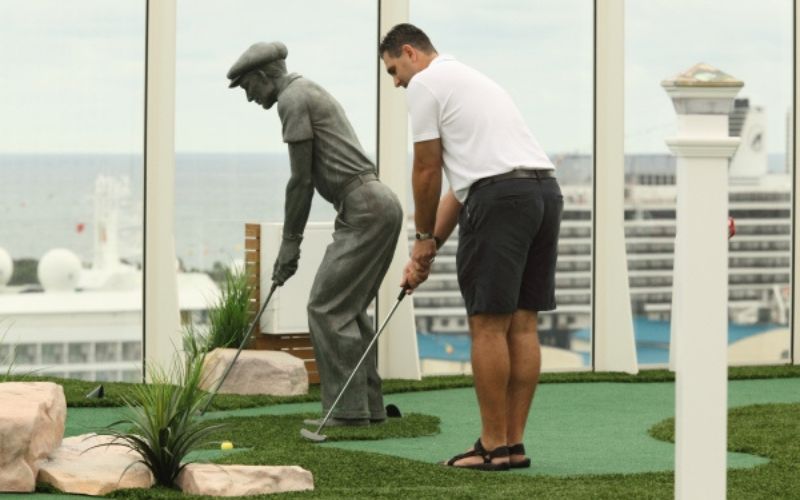
While most sporting equipment is banned from cruise ships, golf clubs are generally allowed by most cruise lines as long as they are only taken ashore for organized golf excursions. You can’t take your own putter to use on the mini golf course on your ship!
Some cruise lines will be able to arrange club rental for you instead, so if you don’t want to take your golf bag with you for golfing excursions (and remember that most staterooms aren’t that big), then you do have the option to leave them at home.
Photo credit: Royal Caribbean
Metal detectors
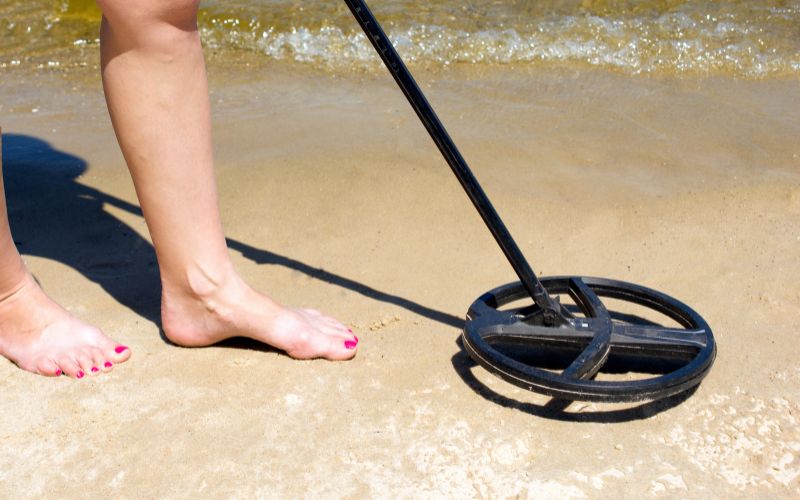
Most cruise lines will not allow you to bring a metal detector onboard your cruise, although some don’t mention it in their policy, and you may need to check. You certainly can’t turn one on while onboard, as the entire structure is made from metal, including stateroom walls.
If you only wanted to use a metal detector on a beach during a port day then a cruise line may allow you to bring it onto your cruise ship, but they may turn you down. Definitely check in advance, don’t leave it to chance for embarkation day.
Candles
You aren’t allowed to take candles onto a cruise ship with you. Any kind of naked flame or fire hazard is banned from staterooms. The only exception would be matches or lighters if they are to be used for smoking.
Electric tea light candles may be permitted if they are battery-powered, but they probably don’t provide the ambience you were looking for. If you do book a cruise where you have a bathtub, you may have to rely on just music to set the mood for your relaxing soak.
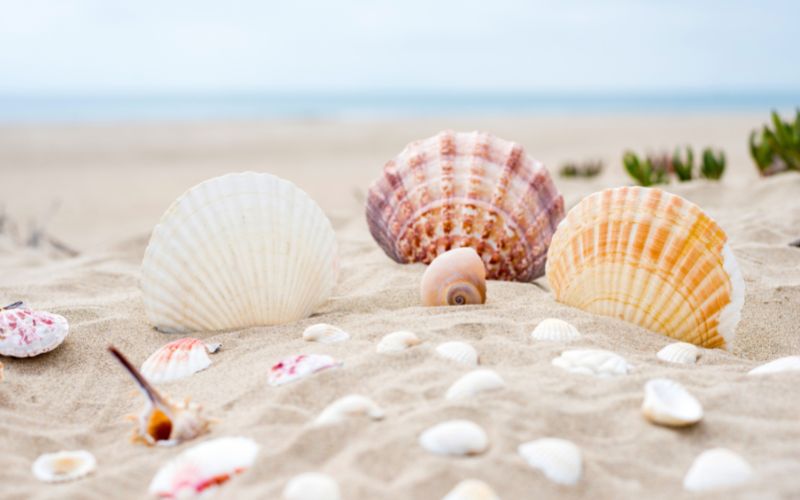
Seashells
Whether you can bring seashells back onto your cruise ship after a day in port is at the discretion of the ship’s crew. Carnival is the only cruise line to mention it in their policy, saying they are allowed if they are clean, dry and free from living organisms.
Remember that seashells are often used as homes by beach creatures, and even if they are just filled with sand they may have organisms inside them. If you want to bring a seashell onto the ship, clean it out properly first, and make sure it’s dry. You should be OK, but be prepared that some cruise lines may still confiscate it.
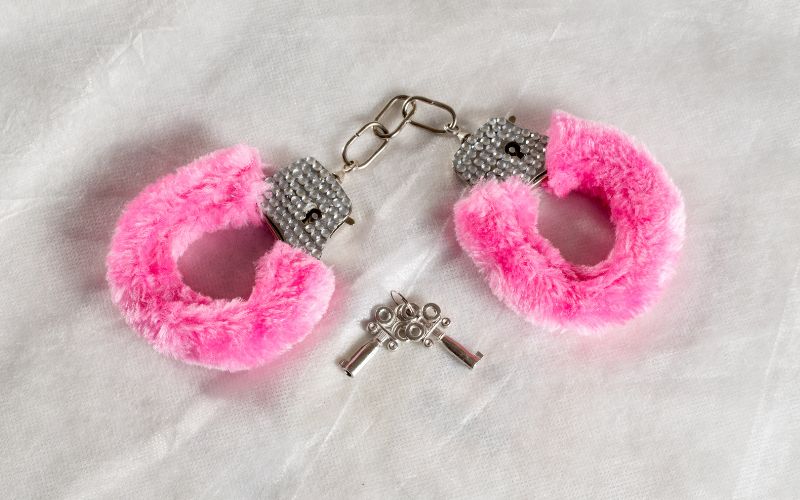
Handcuffs & restraints
You aren’t allowed to take any kind of restraints onto a cruise ship with you, including handcuffs and leg cuffs. They are mentioned in most cruise line’s policies as specifically banned items.
This will still include ‘fluffy’ handcuffs and those clearly designed to be used by consenting adults in the bedroom. Unfortunately, if you enjoy using handcuffs with your partner, you won’t be able to do so on a cruise ship. And you will have them confiscated by port security staff, which may or may not be embarrassing for you. Either way, leave them at home.
Pepper spray
Despite being designed for self-defence, you are not allowed to bring pepper spray or any similar chemical products with you on a cruise ship. Pepper spray or mace is normally one of the named items that makes it onto most prohibited items lists for cruise lines.
Unusually specific items banned by cruise lines
Most cruise lines have very similar lists when it comes to prohibited items, but there are a couple of unusual items I’ve spotted that I thought were worth highlighting, just because of how oddly specific they are.
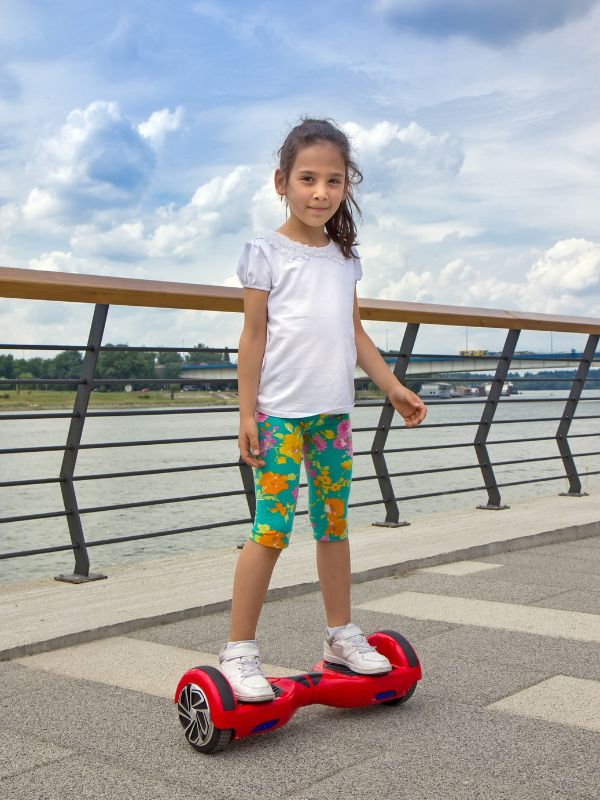
A number of cruise lines specify that you can’t take any form of wheeled transport on-board, including skateboards, bicycles and hoverboards. It’s understandable, since if the deck was slick you could easily charge too fast toward a railing. But Carnival is the only cruise line I’ve seen to make particular mention of heelies – children’s trainers with wheels inside the sole. They are also banned.
Similarly, there is a blanket ban on electricals that generate heat – things like hot plates. But Disney Cruise Line includes rice cookers in their list. That policy will be the same across all cruise lines, but has Disney seen a number of passengers trying to bring rice cookers on-board?
Finally, Norwegian Cruise Line has a very specific entry on its list of banned items – the Samsung Note 7. This was the oversized phone/small tablet released in 2016 which had serious battery issues, often causing it to explode, before the model was withdrawn from sale. If you have one, don’t try to take it on an NCL cruise. In fact, you probably shouldn’t use it anyway.
Final thoughts
Each cruise line will have a policy detailing the things that guests are not permitted to bring on cruise ships. As well as the items mentioned in this guide, this will include obviously dangerous things like weapons, illegal substances and chemicals.
So if you want to know what are prohibited items on P&O cruises, or what’s banned with MSC or Princess, it’s best to check their individual policies, otherwise you might end up having an awkward time at check-in.
Jenni Fielding is the founder of Cruise Mummy. She has worked in the cruise industry since 2015 and has taken over 30 cruises. Now, she helps over 1 million people per month to plan their perfect cruise holidays.
Have you already booked a cruise but are worried that you’ve chosen a poor cabin location? Or perhaps you’re just wondering if there’s an option to upgrade your accommodation to something a bit more indulgent? Whatever your reasons, a cabin upgrade is always a nice perk to add to your cruise.
If you want to upgrade your cruise cabin after you’ve booked, this guide will tell you exactly how to do it…
Can You Change Your Cabin on a Cruise?
You should have no problems changing your cruise cabin after booking, although you will have to pay extra. It’s very easy to upgrade by contacting the cruise line or your travel agent. Some cruise lines also offer programs to allow you to bid for upgrades closer to the departure date.
The rules are a little different for each cruise line though, so read on for all the details…
But first, you’ll want to make sure that your new cabin doesn’t have any issues like noise or being far from the main amenities. Grab a copy of my free checklist to know what to look out for to avoid picking a bad stateroom:
Is It Worth Paying Extra for a Balcony on a Cruise?
On some cruises, it’s definitely worth paying extra for a balcony, but on others, you may barely use it.If you’re sailing to a scenic destination such as the Norwegian Fjords, the extra cost of a balcony is a small price to pay for the enjoyment you would get in return. However, on a cold, windy, transatlantic cruise you’re unlikely to spend much time on your balcony.
I don’t usually get a balcony, but I did on this cruise
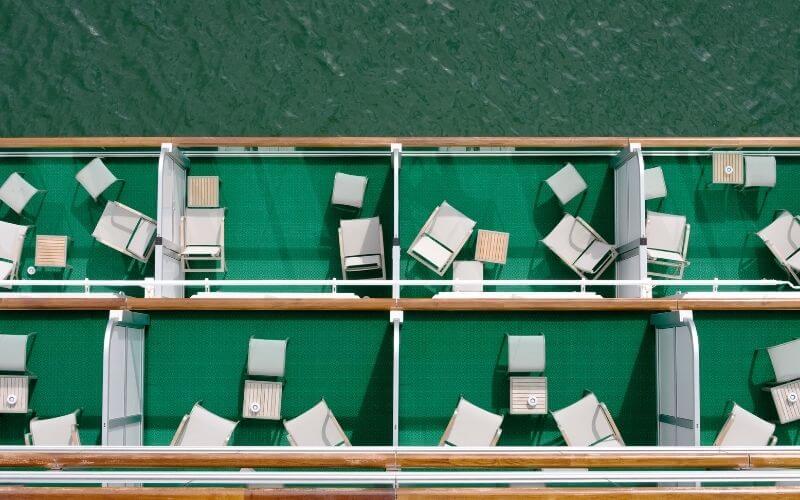
Balcony cabins are the next option to upgrade to after Inside and Ocean View cabins. They provide additional outdoor space, which is entirely your own, and often come with furniture such as a table and chairs to relax on while outside.
Sailing to hot destinations is a great time to opt for a balcony as you can enjoy the warm weather all to yourself without hunting for a sun lounger on the pool deck. For families, it also offers more space to spread out without leaving your room. This is great for when you’re getting ready in the morning or if you want somewhere to sit and relax once the little ones go to bed.
If you suffer from claustrophobia, you may not enjoy the feeling of staying in a small, windowless room, so a balcony can be an essential upgrade for some.
When deciding whether to upgrade to a balcony room on your cruise, be sure to consider how much extra it costs. Balcony staterooms can be pricey, sometimes even double the cost of an inside cabin!
A suite is the top level of accommodation on a cruise, and if you ever have the opportunity to upgrade, it’s more than worth it. Suites come with all the benefits of the cabins before them as well as additional extras, though the exact perks depend on the cruise line and the type of suite you book.
Suites have enough space to entertain friends
Typical perks you would find in a suite include butler service and delicious canapes and snacks delivered to your room daily. You’ll enjoy luxurious amenities from top brands such as Le Labo bathroom toiletries or Venchi goodnight chocolates. Suites also come with exclusive access to a range of dining venues, lounges and even VIP pools on some ships.
If you decide that you want to go for a suite, be sure to have a look at the different suite options that are available. Entry-level suites are called Mini Suites and these don’t always come with the perks of a suite – on some cruise ships, they’re not that different to balcony rooms.
The suite perks vary depending on the cruise line, but here are a few guides that may help you to decide whether to upgrade to a suite or stick with the balcony room…
How to Upgrade Your Cruise to the Cabin Number You Want
To upgrade your cruise accommodation to the cabin number you want, you should speak with the cruise line directly, or via your travel agent if you’ve booked with one. This allows them to advise you on the latest availability as well as any necessary charges such as admin fees or upgrade prices.
Some cruise lines offer a choice of different fares when booking such as P&O Cruises which offers an Early Saver Fare, a Saver Fare and Select Fare.
If you initially booked an Early Saver or Saver Fare you would have received a great price but wouldn’t have had the option to choose your cabin number as this is assigned by P&O Cruises. In this instance, to upgrade you would need to switch to Select Fare where you can enjoy alternative benefits including being able to choose your cabin location and being amongst the first to be offered upgrades where available.
The best time to upgrade your cruise to the cabin number you want is as soon as possible, especially if you have a specific location on the ship in mind. The longer you leave this option open, the more likely it is that the cabin you want will be booked by someone else and no longer be available.
How to Get a Cruise Upgrade for Cheap
If you’re not fussy about cabin location, you may be able to opt for a cruise line program that allows you to upgrade for cheaper. If you’re eligible for one of these, you should receive an email from the cruise line to invite you to bid a few weeks before your cruise departs.
Only selected cruise lines offer upgrade bidding and it’s only available on cruises that haven’t sold out.
Cruise lines that offer the bidding process for cheap upgrades:
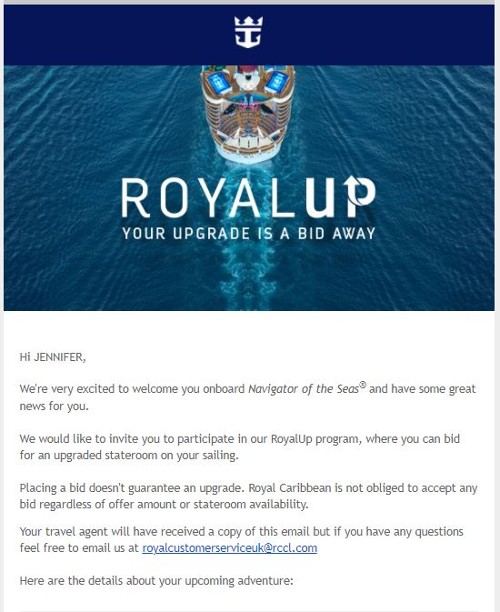
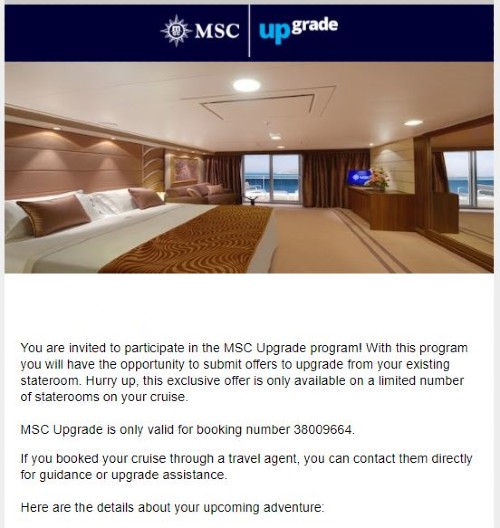
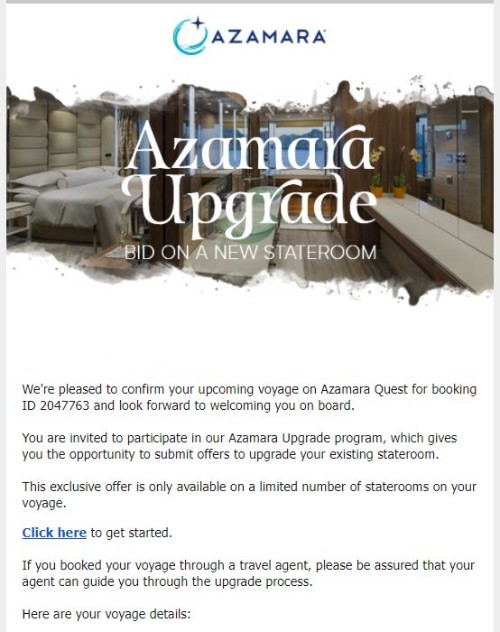
Here’s what the upgrade emails I’ve received look like…
The bidding process is similar to a blind auction. You enter your maximum bid for each cabin type and whichever guests bid the most will win and be upgraded. Sometimes, the gains are incredible with people snapping up fantastic deals on their cabin upgrades for much cheaper than they would have originally cost.
You have to be careful though. Oftentimes, the system will allow you to bid more than the room originally cost, so be careful not to get carried away and bid too much!
The bidding process isn’t always open to everyone. If limited rooms are available it may be offered to those who are loyal passengers to the cruise line and sometimes also based on how much you paid for your cruise in the first instance. Other factors in the process include how many cabins are remaining on the ship and the category of accommodation you have originally booked.
Invites to make a bid are shared via email, so make sure you have opted into the cruise line’s marketing emails. If you haven’t received one, you may be able to log into the cruise planner section on their website to check.
It’s key to know that the bid process doesn’t guarantee an upgrade, nor does it guarantee a specific room location or attributes. In most cases, if your bid wins and is accepted, you will be charged immediately, and the upgrade amount is non-refundable.
How to Get a Cruise Upgrade for Free
One of the best ways to get a cabin upgrade for free is with a cruise line promotion. Quite often, cruise lines will offer upgrades on staterooms, such as from an Ocean View to a Balcony, for free if you book during the promotional period.
Free upgrades are most commonly offered on winter cruises where most people will opt for an inside cabin. You may find that the balcony cabins are the same price as the insides, so there’s no reason for most people not to book one.
Another way to be upgraded for free is with a guaranteed cabin. This is an option when you book with certain cruise lines and simply means that can’t choose your cabin number. Instead, you are guaranteed a room at the grade you’ve chosen, or higher. The cabin number will be assigned to you before you board.
As the cruise lines always try to ensure that their ships are full to capacity, if they find that a specific grade is sold out, they might offer upgrades to those in that grade in order to continue offering a cheap rate.
This is something Cruise.co.uk mention as working time and time again. For example, you could book a guaranteed inside cabin and after a while, all the inside staterooms sell out. The cruise line could offer you an ocean view or balcony cabin to make room for more of the cheaper insides that they can then sell.
Free upgrades are more likely to happen if you book a cruise on a ship with fewer inside rooms. Once they sell out, you’re more likely to be upgraded.
Alternatively, if you book a cruise on a ship like P&O Cruises’ Britannia that has no sea view rooms, if you get upgraded from an inside room you’ll skip straight to the balcony tier!
Cruising off-peak is another great tip as the ships are usually quieter. This offers more options for the cruise lines to offer upgrades. If you’ve booked with a travel agent, get them to check if any free upgrades are available in the last few weeks before your embarkation. Some people on Cruise Critic’s message boards have said they have been able to upgrade this way on their last two cruises.
Another tip to bag a free upgrade is to join the cruise line’s loyalty programmes. Each cruise line has one and while it might not offer a completely free upgrade, there are perks including discounts on balcony rooms and suites.
Cabin Upgrade FAQs
On a Royal Caribbean cruise can I upgrade room after final payment?
If you’ve passed the final payment deadline for your cruise, you can still upgrade your cabin if another is available. Just be aware that you’ll need to pay the difference in full, immediately when calling to upgrade. You won’t get an extra deadline to pay off the difference.
How does the MSC Upgrade Program work?
The MSC Upgrade option works similar to other cruise lines – you can place a bid on an upgraded stateroom and, if your bid is highest, you automatically win and will be charged the difference. You can wait for the MSC Upgrade email to be sent to let you know when bidding is open, or keep checking your online account.
Can I change my cabin on a P&O cruise?
P&O cabin upgrades are possible, provided you’ve booked a Select Fare. If you booked a Saver Fare then you’ll need to switch to a Select Fare and pay the difference in order to choose a new room.
Final Thoughts
There are plenty of ways you can upgrade your cabin after purchase, even if it’s within the same stateroom category or just moving to another deck. These small changes can sometimes make or break your cruise.
It’s worth researching the grades and stateroom categories for the ship you’re booking beforehand, to check you would be happy upgrading to anything and everything, or if you have a specific stateroom in mind. After all, once you upgrade it can be difficult to move back to your original cabin selection.
If you’re booking through a travel agent, let them know you want to upgrade if any become available and they can be on the lookout for a good deal too.
NEW DEALS JUST RELEASED!
Don’t miss these hot cruise offers…
Related Posts:
If you found this interesting, please share!
Jenni Fielding is the founder of Cruise Mummy. She has worked in the cruise industry since 2015 and has taken over 30 cruises. Now, she helps over 1 million people per month to plan their perfect cruise holidays.
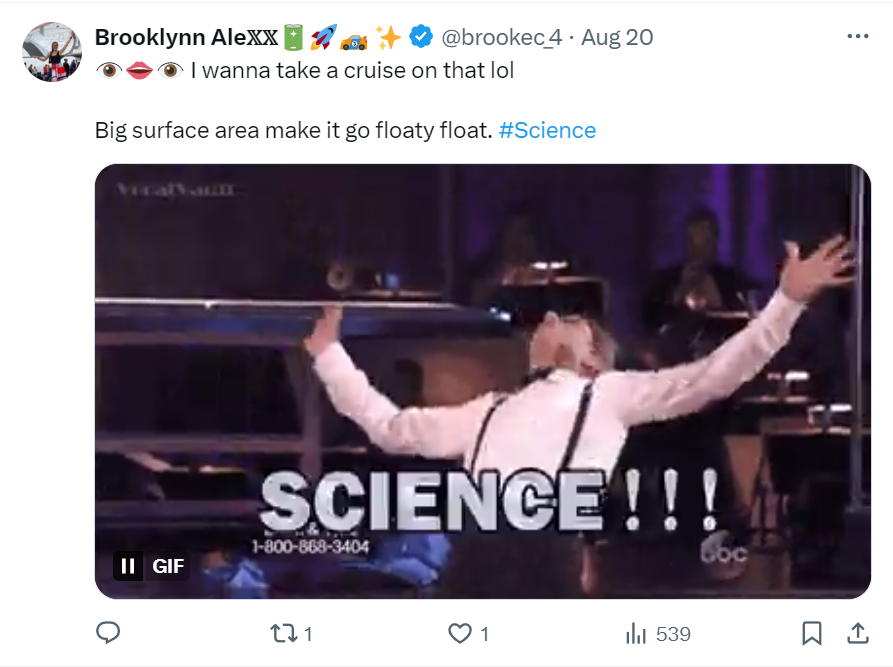
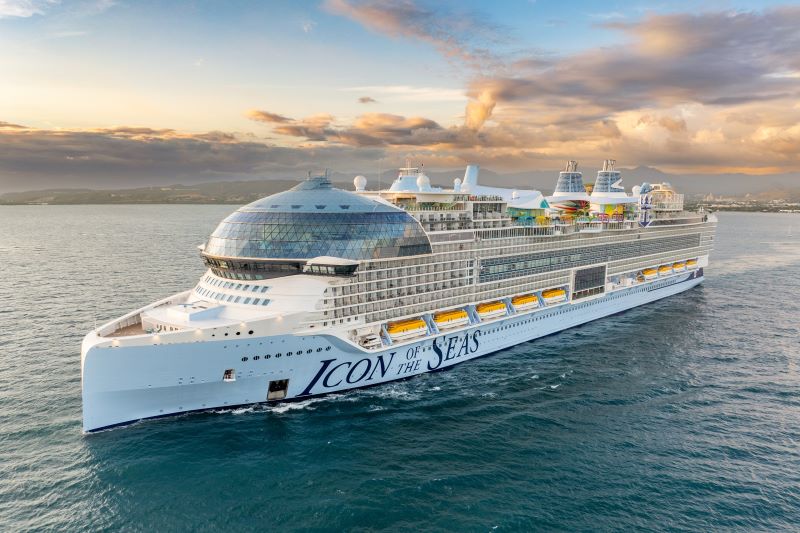
A humorous look at how Royal Caribbean’s colossal cruise ship Icon of the Seas manages to stay afloat!
There are still some great discussions on Twitter/X every once in a while. Some are super-useful and informative, but occasionally there’s a thread that is packed with great and funny replies.
In response to a video about Icon of the Seas, user @edmsillygoose made a request:
— 𝐟𝐨𝐫𝐦𝐞𝐫 𝐥𝐨𝐜𝐚𝐥 𝐜𝐥𝐮𝐛 𝐩𝐫𝐨𝐦𝐨𝐭𝐞𝐫 (@edmsillygoose) August 19, 2024
A couple of people took the assignment a little too literally:
Simple really!
Ah, the age-old question of how something as gargantuan as a cruise ship doesn’t just go “glub glub” and sink to the bottom of the ocean. Here’s the lowdown:
1. **Archimedes’ Principle**: This is the real MVP. It states that any object placed in a fluid (like…
But there were some fantastic funny replies too, which definitely made the thread worth reading!
Here’s a look at some of the best ‘definitely real’ reasons why Icon of the Seas stays afloat:
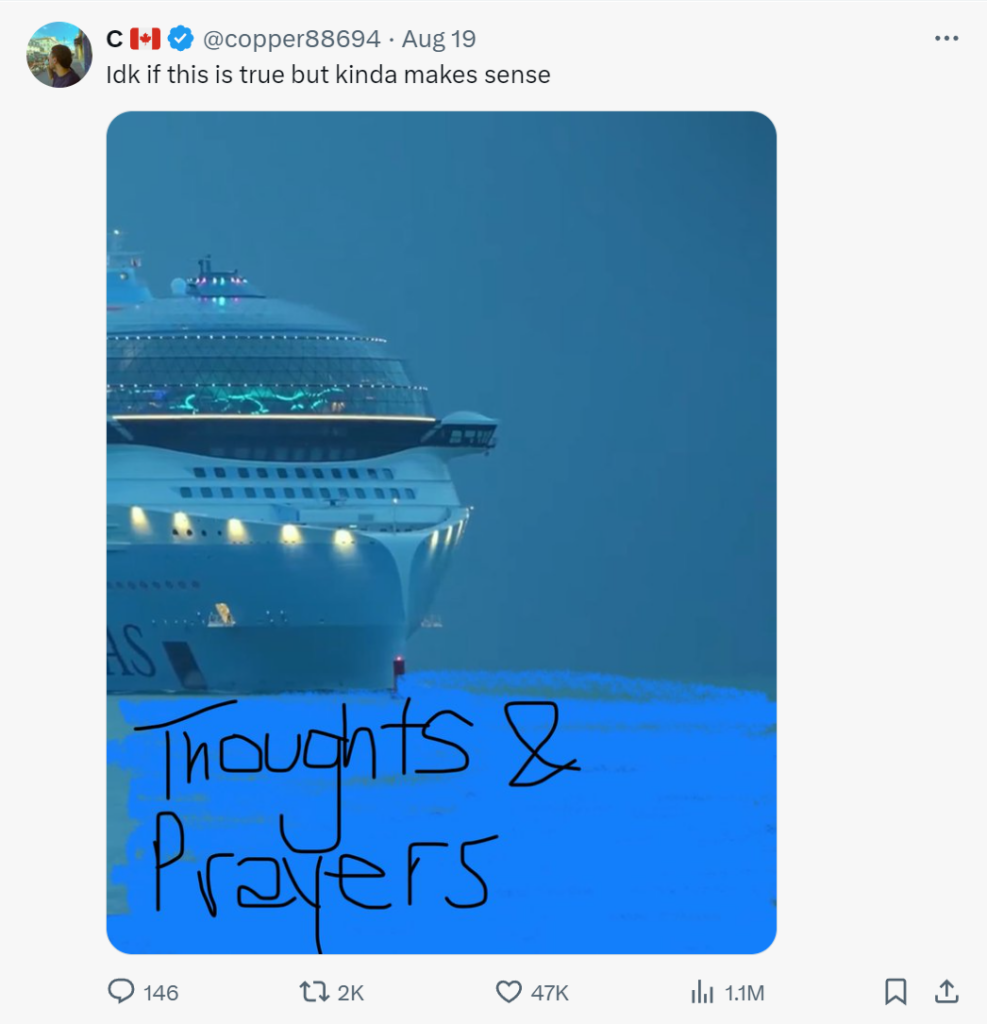
1. Thoughts and prayers
‘Thoughts and prayers’ are apparently all that you need to keep a cruise ship floating on the water.
But does everyone onboard need to think about the ship floating, or pray for it to stay up? What happens if someone gets distracted?
Or is it just the thoughts and prayers of the captain? Maybe that’s why they’re paid so well – to always stay focused on using their brains to keep the ship afloat!
2. Iconic legs
Turns out, the real secret behind the ship’s buoyancy is its impressive set of iconic legs. Forget complicated engineering or displacement – the ship just gracefully wades through the ocean on its oversized limbs, like some sort of stylish aquatic flamingo.
It raises the question: do the legs get tired after a long journey? Maybe there’s a secret team of masseuses onboard, dedicated solely to giving the ship’s legs a well-deserved break after hours of elegant striding across the waves.
3. Magic
It’s as simple as that – magic. While the engineers might try to convince you with their fancy jargon and science, we all know it’s really just a sprinkle of pixie dust and a flick of the wand.
No need for hulls, stabilisers, or propellers when you’ve got good old-fashioned sorcery keeping the ship afloat.
4. Floating devices
It’s a well-kept secret that the real buoyancy magic happens at the stern, where dozens of brightly coloured helium balloons keep the ship bobbing along.
It’s so obvious once you think about it. Why else would cruise ships need to stay so far from shore? They can’t risk anyone seeing the balloon setup!
And next time you’re on board, try and sneak a peek over the back. If the wind’s just right, you might catch a glimpse of a rogue balloon trying to float away.
5. Clouds
Clouds aren’t just for dramatic sunsets and holiday snaps – they’re the real reason cruise ships stay afloat. Like a giant waterbed in the sky, the ship just lounges comfortably on a soft, fluffy cloud as it glides across the ocean.
It explains why cruises are so relaxing. The passengers are basically on a floating pillow! The tricky part is making sure the clouds don’t drift away.
That’s why the crew always keeps an eye on the weather forecast – it’s all about cloud management.
6. Neanderthal poetry
In perhaps the most ancient and poetic explanation, our Neanderthal ancestors have cracked the code. With wisdom passed down from the dawn of time, they remind us that it’s all about the big air pockets. Water stays wet, air stays dry, and the boat just… floats.
Simple, right? Who needs modern science when you’ve got the primal power of Neanderthal logic? We can only assume they were also responsible for the earliest cruise designs – probably with fewer decks and a lot more mammoths.
7. Help from another Icon
When you’re the Icon of the Seas, who better to keep you afloat than another icon? That’s right – the ship doesn’t rely on engineering or physics, but on the sheer power of Beyoncé’s presence. Her energy alone is enough to keep the cruise ship gliding smoothly over the waves.
Forget lifeboats! All you need is a playlist of Queen Bey’s greatest hits, and you’ll stay above water indefinitely. Maybe that’s why the ship has such amazing sound systems – they’re secretly part of the flotation plan!
8. I’m not sure this is right…
Buoyancy? Who needs it when the ship is actually airborne? That’s right – Icon of the Seas isn’t floating on the water at all, it’s just hovering slightly above the surface, like a giant luxurious hovercraft.
The smooth ride? That’s because you’re technically flying the whole time. So next time someone asks how a cruise ship stays afloat, you can confidently tell them it doesn’t. It’s secretly just levitating in style.
9. The animal kingdom pulls its weight
Why rely on man-made propulsion when nature’s finest are happy to help? Beneath the waves, a dedicated team of dolphins is hard at work, pushing the ship along with graceful flips and synchronised swimming.
They don’t just make for great photo ops – they’re the true power behind the ship’s movement! So the next time you spot dolphins frolicking near the bow, just know they’re not playing. They’re clocking in for another shift keeping the Icon of the Seas afloat and moving.
10. Crouching giant
Forget engines and displacement – the real reason the ship floats is thanks to a helpful giant, wading through the ocean like it’s a paddling pool.
With the ship perched delicately on his head, he carefully strolls along the seabed, making sure to keep everything balanced. You can only hope he doesn’t sneeze!
Maybe he’s on the cruise payroll, or maybe he’s just a friendly sea giant who enjoys the steady pace of ocean travel.
Either way, it explains why the ship never seems to struggle, since it’s just along for a ride on a giant’s shoulders.
11. Mythical creatures
That’s right, hundreds of mermaids working tirelessly beneath the surface, holding up the ship like a mythical support crew. They don’t just save sailors from storms – they’ve upgraded to luxury cruise ships now.
Their siren songs might explain why everyone’s so relaxed on board. While passengers sip cocktails and sunbathe, a hidden mermaid workforce is keeping everything in balance. I wonder if they’re included in the daily gratuities you’ve got to pay.
12. Human-generated propulsion
Well, I know that some people do worry about the emissions of a cruise ship…
The next time you’re enjoying the smooth ride on the Icon of the Seas, just remember that somewhere below deck, there’s a hidden team of passengers contributing their share to keep the ship gliding effortlessly over the waves.
13. That’s why you always find them onboard…
The true secret to keeping the ship afloat lies in a vast, hidden army of rubber ducks!
They’re discreetly tucked away under the deck, or all around the ship, creating a buoyant force that ensures the ship stays high and dry. Who knew those little quacking companions were actually the unsung heroes of marine engineering?
Next time you spot a rubber ducky hidden on a ship, remember: it’s not just a toy. It’s a key component in the high-tech floating system of the Icon of the Seas.
14. Ah, the Finns made it so
When in doubt, trust the Finns! Apparently, the real magic behind the Icon of the Seas is that it’s Finnish-made, and the key to its buoyancy lies in the simple command: “Float.”
In true Finnish fashion, they’ve infused the ship with a special blend of craftsmanship and polite, no-nonsense efficiency. It’s a bit like asking a well-trained husky to pull you along – you just tell it what you need, and it delivers.
15. Of course, it’s so simple…
It turns out the secret to floating is as straightforward as it gets: just make the ship’s bottom really big, and voilà, it goes ‘floaty float’. Who knew?
Science is the answer, and you don’t need to understand it to believe. Just say “Science!” and you have solved the problem!
Final word
There you have it – lots of reasons why a cruise ship as big as Icon of the Seas can stay afloat. Don’t trust anyone who tells you it’s displacement. It’s clearly a combination of magic, mermaids, rubber ducks and some human-powered emissions.
Feel free to add your own suggestions too!
Or if you’re interested in the actual answer, I spoke to my friend John who is a cruise ship pilot and he explained everything here: How Cruise Ships Float And Not Tip Over.
In cruise ship cabins that sleep more than two people, the third and fourth beds may be sofa beds or Pullman beds. But what is a Pullman bed, exactly?
What Is an Upper Pullman on a Cruise Ship?
An upper Pullman bed is a top bunk bed that pulls down from the ceiling or comes out of the wall of a cruise ship cabin. Pullman beds are most often used for children but may also be used by adults, provided that they meet the weight requirements.
Pullman beds take their name from inventor George M Pullman who designed the concept for the sleeper cars of trains in the late 1850s. Pullman beds are also known as ‘upper beds’, ‘bunk beds’ or ‘pull down beds’.
Cruise ship cabins can have either one or two Pullman beds. Underneath the Pullman bed may be a single bed, a double or queen-sized bed or the floor.
A Pullman mattress for cruiseship staterooms won’t be super thick but it’ll be comfortable enough.
What Does a Pullman Bed Look Like?
When they are not in use, Pullman beds may be folded up against the wall or hidden away in the ceiling so that they are barely visible at all.
The photo below shows Pullman beds folded up against the wall…
Pullman beds against wall on P&O Cruises’ Britannia
The photo below shows one Pullman bed which has been lowered and one which remains hidden in the ceiling…
Pullman bed hidden in ceiling on Royal Caribean’s Mariner of the Seas
I made a video of our cabin on Britannia, which shows the Pullman bed upright and lowered along with footage of the ladder and the extra railing to prevent young kids from falling out of bed. See it here: P&O Britannia Inside Cabin Review
Can Adults Use Pullman Beds?
Adults are allowed to use the Pullman beds on cruise ships. This means that it’s possible for up to four adults to share a cabin. If your child is too young to use the top bunk, you can put them in the bottom bed and take the top bunk yourself.
Photo: Linda McHugh
What Is the Weight Limit on a Pullman Bed?
As upper Pullman beds are attached to the wall or ceiling, there are limits to the weight that they can hold safely. Pullman beds are suitable for most adults but are not recommended for particularly heavy people. The table below shows the maximum Pullman bed weight limit for each cruise line.
Cruise Line
Pullman max weight (kg)
Pullman max weight (lb)
Carnival
113 kg
250 lbs
Celebrity Cruises
90 kg
200 lbs
Cunard
130 kg*
287 lbs
MSC Cruises
150 kg
330 lbs
Norwegian Cruise Line
163 kg
360 lbs
P&O Cruises
130 kg*
287 lbs
Princess Cruises
113 kg
250 lbs
Royal Caribbean
136 KG
300 lbs
*On P&O Cruises and Cunard, the restriction of 130 kg applies to the bunk ladder. There is no restriction on the bed itself, and it has been ‘shock tested’ to 300 kg.
Is There a Height Limit for a Pullman Bed?
On Royal Caribbean cruises, the maximum height to use an upper Pullman bed is 6 feet 6 inches. The other cruise lines don’t specify a maximum height. Pullman beds are usually the same length as a standard single bed.
What Age Can Children Use Pullman Beds?
Most cruise lines do not have any age limits on who can use a Pullman bed on a ship. However, on Royal Caribbean cruises and Celebrity Cruises, children must be at least six years old to use a Pullman bed. This is not monitored, however. I let my five-year-old sleep in a Pullman bed with no issues.
When deciding who should sleep in the Pullman bed – you or your child – it’s important to think about the sleeping habits of your own child and the bed they sleep in at home. If your older child or teenager is prone to sleepwalking, then a Pullman bed probably isn’t the best option. It really depends on the child.
I allowed my daughter to use the top Pullman bed on MSC Preziosa when she was two years old. The bed was positioned over a double bed so if she were to jump out, the fall would only be a couple of feet onto the bed below, rather than further on to the hard floor.
If you would prefer your child not to use a Pullman bed, there are some beds available for third and fourth passengers in a cabin that are at floor level. These include sofa beds (where a sofa converts into a bed) or pull-out beds (also known as trundle beds, where a bed rolls out from under another.)
Usually, when there is a sofa bed, it’s a single sofa bed for the third passenger. If you have four people in your room, the fourth may have a Pullman bed above the sofa.
You’ll need to make sure that you’re happy with the bed type when you book your cruise, as you won’t be able to change it once you’re on-board.
Pullman beds have guard rails to prevent people from falling out. However, the size of the guard rail can vary considerably depending on the ship.
The photo below shows the Pullman bed on Royal Caribbean’s Mariner of the Seas with a very small rail. I asked the cabin attendant if there was any option to have a larger rail but he said no.
Small guard rail on Mariner of the Seas
The photo below shows the guard rail on Allure of the Seas which is a little larger.
Photo credit: Kay Blake Larger guard rails on Allure of the Seas
The photo below shows an ocean view cabin on Liberty of the Seas which has large guard rails and a double bed beneath.
Photo credit: Shara Busser Large guard rails on Liberty of the Seas
The photo below shows the standard guard rail on P&O Cruises Britannia (the silver one) with the additional guard rail which was provided on request by our stateroom attendant.
Extra guard rail on Britannia
If your Pullman bed has no guard rail at all, lift up the mattress and you’ll likely find it under there. If you’re in any way concerned, just call your cabin attendant and they’ll be happy to help in any way they can.
How To Stop Your Child From Falling Out of Bed on a Cruise
If you’re at all worried that your child may fall out of bed on your cruise, there are some things you can do to prevent this. These are:
Ask for an extra guard rail. This is available on some ships but not others.
Bring your own guard rail. Inflatable guard rails are available to buy from Amazon.
Ask for an extra blanket. You can roll this up to create extra padding between your child and the edge of the bed.
Put your child in the lower bed. This may mean that an adult has to sleep in the upper Pullman bed.
Place the mattress on the floor. Some cabins have enough space to do this, but not all do.
Allow your child to sleep on the sofa. Some cabins have a small sofa which can be turned around so that kids can’t fall off it.
Bring your own inflatable bed. Ready beds are available to buy on Amazon.
Whilst a Pullman bed might look like a safe place for a child to sleep, it’s important to pay attention to the weather. If the ship passed through a storm in the night, this could increase the chance of your child being rocked out of bed.
It’s also important to think about what they would fall onto if they did fall out. Would it be onto a double bed below, or onto the floor?
Can You Put the Pullman Beds Up and Down?
On a cruise, your cabin steward will raise the Pullman beds during the day and lower them again while you’re out for the evening. It’s usually not possible to do this yourself.
How Big Is a Pullman Bed?
Pullman beds vary in size but are generally the size of a single bed or slightly narrower. Space above the bed is limited so an adult may not be able to fully sit up in bed.
Pullman beds are generally best suited to children and smaller adults. If you have three of four adults in your cabin, it would probably make sense for the smaller adults who are most capable of climbing a ladder to use the top bunk.
What Is a Convertible Bed?
A convertible bed on a cruise ship is two single beds that can be joined together to create a queen size bed. An extra thin mattress is placed on top so that you don’t feel the join in the middle. Convertible beds enable cruise ship cabins to be used by people who prefer double or twin beds.
A lower convertible bed usually means a sofa that converts into a bed. These are suitable for children or adults.
Disney cruise ships don’t have convertible beds, they are always Queen beds. However, there is a sofa that converts into an extra single bed for friends who don’t wish to share a bed.
Related Posts:
If you found this interesting, please share!
Jenni Fielding is the founder of Cruise Mummy. She has worked in the cruise industry since 2015 and has taken over 30 cruises. Now, she helps over 1 million people per month to plan their perfect cruise holidays.
It seems like every week we’re hearing new stories of fights on cruise ships. Much more than cross words between guests, as we can see from the videos that are inevitably shared on social media, some of these look pretty scary with multiple people involved and furniture being launched.
If the thought of experiencing something like this on your cruise is putting you off booking, you’re not alone.
However, you can reduce the chances of your experiencing violence at sea to virtually zero if you follow these steps…
1. Avoid Short & Weekend Cruises
Shorter cruises, especially those lasting 2-5 days, tend to attract a more party-oriented crowd. The condensed time frame encourages passengers to “make the most” of their trip, often leading to excessive drinking and rowdiness.
Opt for cruises that are 7 days or longer to enjoy a more relaxed atmosphere.
Weekend cruises are notorious for being particularly boisterous, as they often attract locals looking for a quick escape. These short, high-energy trips can lead to more alcohol consumption and, consequently, more conflicts. For a calmer experience, book a cruise that sails during the week.
2. Choose Newer or Larger Ships
Older and smaller ships often come with cheaper fares, which can attract a crowd more prone to misbehaviour.
If you prefer a more refined experience, consider booking a cruise on a newer or larger vessel, which typically attracts a more diverse and laid-back group of travellers.
I’ve often booked cruises that cost under £200 and while I haven’t ever witnessed anyone being violent, the guests on board are quite different from those on a cruise I paid thousands for.
Just as you see a different crowd of people at Butlins as you do at Center Parcs, the same will happen on a cruise.
The departure port can influence the type of crowd on your cruise. For instance, cruises departing from cities like New Orleans, Galveston, or Baltimore have been reported to have rowdier crowds compared to those leaving from Miami or Fort Lauderdale.
This could be because these cruises attract more people who live locally to the port. On cruises departing from Florida ports, more guests will fly in, which again adds to the overall cost.
High-season or holiday cruises can attract a wide variety of passengers, including those looking for a party atmosphere. In the US, spring break is a time that you’ll almost certainly want to avoid if you’re looking for a relaxing cruise.
Sailing during off-peak times, such as when school is in session, can help ensure a more mature crowd.
5. Be Mindful of Cruise Lines’ Reputation
Some cruise lines, like Carnival, have a reputation for being more party-centric, which can contribute to a higher likelihood of unruly behaviour. Others that have had reports of fighting onboard recently include Royal Caribbean and MSC Cruises.
If you’re looking for a quieter experience, consider cruise lines like Holland America or Celebrity Cruises, which are known for attracting an older and more reserved clientele.
6. Avoid Cruises With All-Inclusive Drink Packages
All-inclusive drink packages are a magnet for those looking to maximise their fun, often at the expense of others’ enjoyment.
Most cruises offer drink packages, but some cruise lines only sell these on longer cruises.
There may be rules in place to prevent people from drinking more than 15 alcoholic drinks per day. But some cruisers get around this by sneaking extra alcohol on board.
8. Know When and Where to Avoid Crowds Onboard
Even on a lively ship, you can still find tranquillity by knowing where to go. Avoid the pool deck and nightclubs late at night if you want to steer clear of potential altercations.
Instead, enjoy quieter areas like the spa, library, or speciality restaurants during peak party hours.
9. Stay Calm and Detached from Drama
Sometimes, despite your best efforts, you may witness or be near a confrontation. The best course of action is to remain calm and detached.
Avoid getting involved, and notify ship security if necessary. Remember, your focus is on enjoying your cruise, not on other passengers’ disputes.
Are Cruise Lines Doing Enough?
The recent rise in cruise ship brawls has raised concerns among passengers and industry insiders alike. While cruise lines have taken steps to manage these incidents, there’s a growing consensus that more needs to be done.
Here are some measures cruise lines could implement to help reduce onboard conflicts…
Implement a Stricter Alcohol Policy
Alcohol is a significant factor in many onboard altercations. While some cruise lines already have a drink limit (like Carnival’s 15-drink cap), there’s room for improvement.
Cruise lines could empower bartenders and staff to cut off passengers before they reach their limit if they show signs of intoxication.
Additionally, lowering the daily drink limit could help curb excessive drinking and reduce the likelihood of disputes.
Increase Security Presence
A more visible and robust security presence on cruise ships, particularly during high-risk times like late nights or during popular events, could act as a deterrent for bad behaviour.
Security staff should be well-trained and equipped to handle confrontations swiftly and effectively. Some passengers have reported that security teams seem too young or inexperienced, which could undermine their authority in tense situations.
Introduce Heavier Fines and Lifetime Bans
Many passengers feel that the current fines for bad behaviour are not severe enough to deter potential troublemakers.
Raising fines to a substantial amount (e.g., $15,000) and clearly communicating these penalties could make passengers think twice before engaging in disruptive behaviour.
Additionally, cruise lines should consider implementing lifetime bans for individuals involved in serious incidents, and sharing this information across different cruise lines to prevent repeat offenders from boarding other ships.
Establish a ‘No Cruise’ List
Similar to the aviation industry’s ‘no-fly’ list, cruise lines could collaborate to create a ‘no cruise’ list for passengers who have been involved in severe onboard incidents.
This would prevent repeat offenders from simply moving to another cruise line after being banned from one. Such a list would protect the broader cruising community and maintain a safer environment onboard.
Revise the Design and Capacity of Ships
Overcrowding can lead to frustration and conflicts, especially in common areas like pools, bars, and sun decks.
Cruise lines should reconsider the trend of adding more cabins without increasing communal space. Ensuring that there are enough amenities and space for all passengers can help reduce stress and potential altercations.
Enhance Passenger Education and Onboarding Procedures
Cruise lines could do more to educate passengers on the importance of respectful behaviour and the consequences of misconduct.
This could be done through mandatory onboard safety and behavior briefings, or through digital content delivered before the cruise begins. Clear communication about penalties for bad behaviour, such as fines or bans, should be emphasised during these briefings.
Monitor and Support Affected Passengers
In instances where nearby passengers are impacted by others’ bad behaviour, cruise lines should provide follow-up care and support.
This could include checking in on affected passengers, offering cabin changes, or providing compensation for disrupted vacations. This approach not only aids those directly involved but also sends a message that the cruise line takes these incidents seriously.
By implementing these measures, cruise lines can better manage and reduce the incidence of onboard conflicts, ensuring that all passengers have a safe and enjoyable experience.
NEW DEALS JUST RELEASED!
Don’t miss these hot cruise offers…
Related Posts:
If you found this interesting, please share!
Jenni Fielding is the founder of Cruise Mummy. She has worked in the cruise industry since 2015 and has taken over 30 cruises. Now, she helps over 1 million people per month to plan their perfect cruise holidays.