cash-and-passport-1-1.jpg

How Much Cash To Bring On A Carnival Cruise

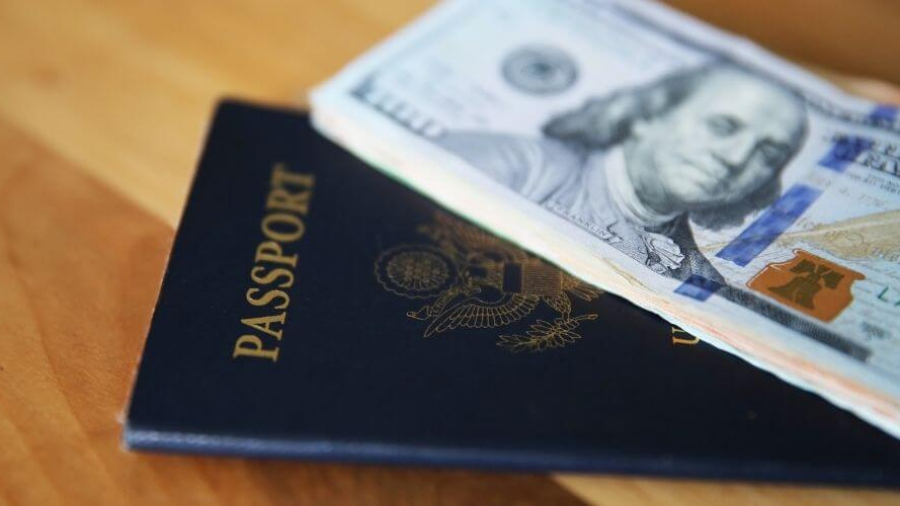
Before you go away on a Carnival cruise there are so many things that you need to prepare in advance. One of the most important could be how much cash to take with you.

Carnival cruises are not all-inclusive, so you’ll need to budget for any extras you’ll want to enjoy during the trip.
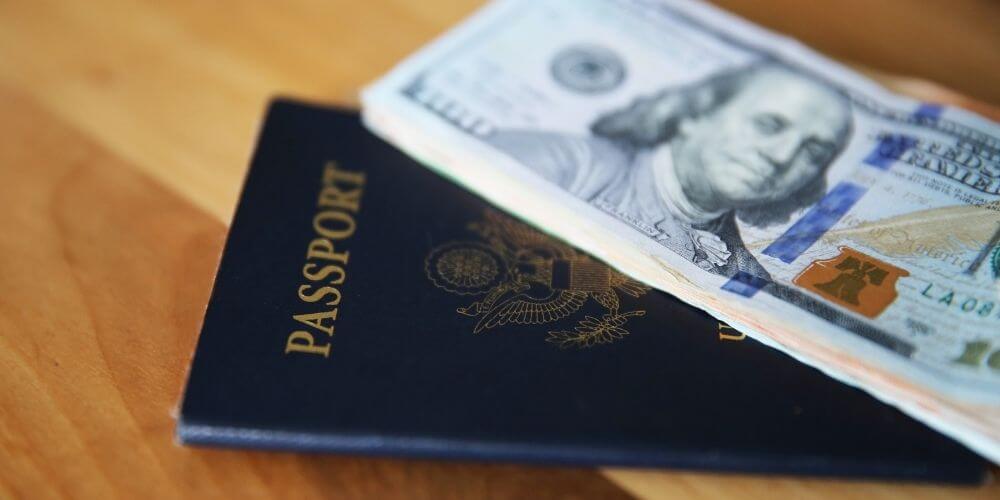
These days, cash is not as essential as it was a few years ago, so you may be wondering whether you even need to take any money away with you at all.

To help you figure out how much cash you need to take on your Carnival cruise I’ve put together this handy guide.

Here’s what most people bring

On a Carnival cruise, you should bring around $100 cash per person for each day in port and nothing for the sea days. Obviously, people’s spending habits vary a lot but this is a good guide for first-time cruisers and should mean that you have around the right amount of cash with you.

It’s wise to carry some small bills and coins, as much of the cash you’ll need will be for things like tips, vending machines and public toilets on land.

Suggested read: Where To Get $2 Bills

tip jar in a bar

You typically can’t use cash on the ship

On cruise ships, you can’t pay for things with cash. But, you will need to take some cash with you to pay for taxis, tip porters at the cruise terminal and to pay for things like meals and souvenirs when you’re exploring ashore.

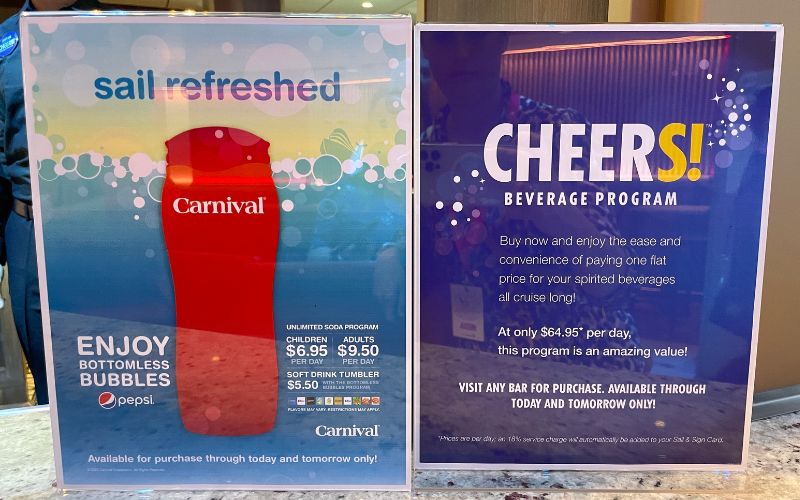
On a Carnival cruise, all of your onboard expenses will need to be paid for using your cruise card, which is known as a Sail & Sign card. I’ll explain more about how that works later in this guide.

Sail & Sign Card
Sail & Sign Card

Things like drinks at the bar, off-ship excursions and souvenirs from the onboard gift shop will all be paid for with your cruise card.

This is actually a super convenient way of paying which means all of your expenses are tied to your account and your room number. You don’t need to worry about carrying cash with you, having enough of it, or worrying about losing it.  

Gratuities are also paid with your onboard account, so you don’t need to worry about having cash to tip waiters or room stewards as tips are automatically added to your bill each day.

Some people prefer to give tips in cash a the end of the cruise so that they can be sure that it gets to the right person and so that they can easily alter the amount given based upon the quality of service.

While this is fine to do, you should make sure that any cash tips are given on top of automatic gratuities. You don’t want to remove automatic gratuities and tip in cash as this takes money away from staff who work hard behind the scenes.

Aside from handing out tips, the only other place you can use cash on a cruise ship is in the casino. You can buy chips with cash and if you win, you’ll be paid out in cash, even if you use your cruise card to play.
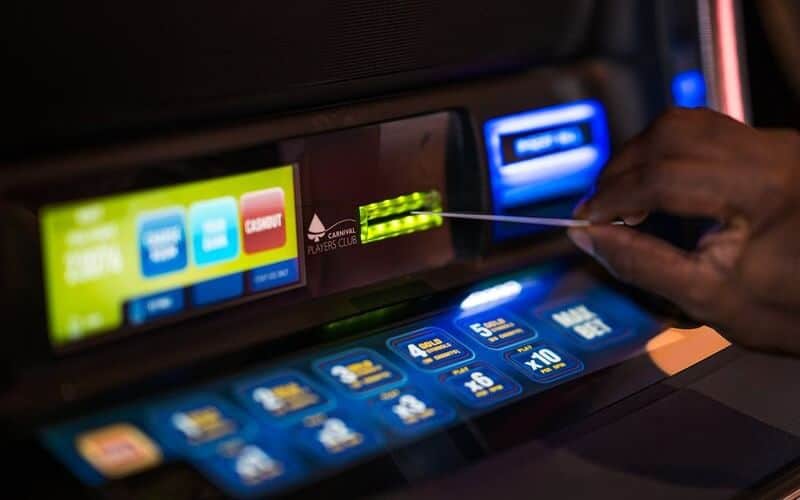
You can insert your cruise card into the casino machines

So, does this mean that you don’t need to take any cash with you? Well, you might be able to get away with it if you don’t plan to leave the ship. But, almost all cruises include some days ashore.

Taking cash for port visits

When you head to shore, you should take some cash with you. Sure, you might get away with just using your credit or debit card, depending on where you are, but it is much easier to have a bit of cash on you.

Here are some of the things you might need cash for:

  • Taxis, buses and trains
  • Entrance to attractions
  • Souvenirs
  • Food and drink
  • Tips
  • Public toilets
  • Street entertainers

Your biggest expenses will be for taxis, meals and entrance fees to attractions when you’re on land. I have taken the cost of these to be $20, $30 and $50 to give the $100 dollar budget, but of course, this can vary widely depending on where you are and what you’re doing on your days ashore.

If you like to plan ahead you should be able to get a clearer idea of costs by looking at your destinations and preferred activities. If you plan to book lots of cruise line excursions, you’ll need less cash with you since your transport, entrance fees etc will be covered.

Conversely, if you like to arrange things yourself once onshore then you might want to budget a bit more cash per port.

When you’re on land you may be paying for taxis to get you from the port to the city centre or to see the sights. This is definitely a time when having cash can make things run smoother, particularly if you’re in a place where Ubers aren’t so common.

How much you need will obviously depend upon the distance covered, but you are probably looking at about $20 at most ports.

paying for taxi with cash

You may well need to use the toilet whilst you explore the sights. In most countries, this will involve a small charge which will always need to be paid in cash. 

You may also want to buy some souvenirs to remind you of where you have been. There will probably be shops where you can pay for things by card, but if you like to pick up little trinkets from market stalls then it is likely that the vendor will only accept cash. 

Other things that you may want to pay for whilst on an excursion include meals, attractions and tipping, so I definitely recommend that you take some cash with you for times when you are off the ship. 

The Carnival Sail & Sign Card explained

Carnival’s Sail & Sign card is the cashless way to pay for everything whilst you are on your cruise. It’s also the key card to open the door to your room and your ID when you get on and off the ship.

Gold Sail & Sign card

On your first Carnival cruise, your Sail & Sign card will be blue, on your second cruise it will be red and then as you take more cruises and earn more VIFP Club points, the cards will be coloured gold, grey (platinum) and silver (diamond) to show loyalty status.

As cash is not accepted on board the Carnival cruise ships, all purchases and services onboard are paid for with the Sail & Sign Card, from drinks to souvenirs to excursions. 

Suggested read: Carnival Drink Package Tips

You set up your Sail & Sign card by linking it to a credit or debit card and then all purchases will be charged to your onboard account. A hold will be put on your bank account during the cruise and the final balance will be requested from your bank at the end of your trip.

Carnival Cruise Cash

Carnival Cruise Cash is the cash credit to your Sail & Sign account. You can add this credit to your onboard account up to two days before your cruise. This can then be used against any charge made on your account, including taxes and gratuities.

To buy Cruise Cash you can visit The Fun Shops website, once you have a cruise booked.  

It is worth noting that when you add money to your Cruise Cash credit it is non-refundable and is only valid for a single voyage.

Honestly, there’s no need for you to add Carnival Cruise Cash to your account. It’s better to just rack up a bill and settle it at the end.

The main use of Carnival Cruise Cash is for people who want to give a gift to someone who’s going on a cruise. For example, if you’re going on a Carnival cruise for your honeymoon, then friends could add Cruise Cash to your onboard account as a wedding gift.

The Cruise Cash on the Carnival website is available with different vouchers for the bar, photos, entertainment etc. But you can spend it however you please once you’re onboard.

Don’t panic if you forget to pack cash!

Carnival ships do have ATMs onboard so there is no need to panic if you find that you haven’t brought enough cash with you. It is worth noting that there is a $6.50 charge to use the machine. This is per transaction so it is worth getting out larger amounts at one time.
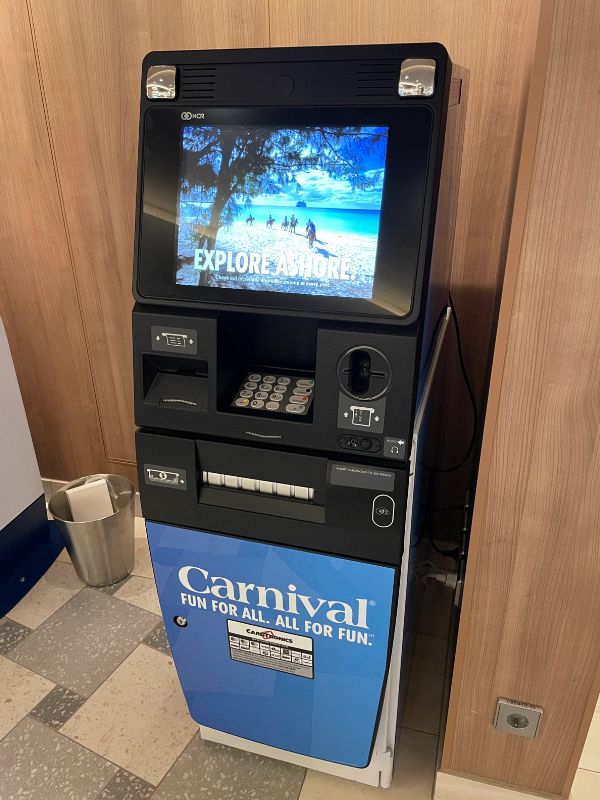
ATM on Carnival cruise ship

The most that you can withdraw in one transaction is $500. Sometimes Carnival ATMs may run out of cash during the cruise, but there are a couple of other ways to get cash while at sea…

You can get a cash advance at the Casino Cashier’s Window using a credit or debit card. Or you can cash a cheque at the same location. For both of these options, there is a 5.5% charge on this (with a minimum of $5.50 on advances under $100).

On Carnival cruises from Australia, it’s also possible to cash US Dollar Traveller’s cheques, and there is no fee for this. 

Currency may vary but USD is a safe bet

What currency to take on a cruise largely depends upon where you are going since most of the cash you spend will be off the ship.

In many countries that you visit in the Caribbean or South America, the local vendors are likely to accept US dollars in addition to their local currency so it would be worth having some dollars with you. 

Cruise ship staff are also always likely to be happy with dollars if you plan to tip in cash. If you are cruising around Europe, it is probably better to take Euros as these are accepted in most countries (not Norway or the UK though).

Adding cash to your Sail and Sign card

You can add cash to your Carnival Sail and Sign card on a cruise once you are onboard. Just visit the Guest Services desk on the first day of your cruise to add the cash that you want to spend on the ship.

A lot of people prefer to do it this way as it helps to control their spending – instead of linking a credit card, they only have the cash on the card to spend. Of course, if you then run out, you’ll need to link a credit card in order to keep spending.

Suggested read: Is The Carnival Mastercard Credit Card Worth It?

Final word

I hope that this guide has helped you to decide how much cash to take on your Carnival cruise. When you are actually on the ship you won’t need any cash but, in most cases, you will need some when you are in port.

Don’t worry too much about taking the exact right amount though, if you don’t have enough there are ATMs on board the ship and around most cruise terminals.

NEW DEALS JUST RELEASED!

See the latest Carnival cruise offers…

If you found this interesting, please share!
Cruise Mummy

Jenni Fielding is the founder of Cruise Mummy. She has worked in the cruise industry since 2015 and has taken over 30 cruises. Now, she helps over 1 million people per month to plan their perfect cruise holidays.

Read more about me


Source link

sea-day-itinerary.jpg

My Quiet Sea Day Itinerary

I love big cruise ships, but I also hate crowds. That’s a tricky one, right?

However, if going on 40 cruises has taught me anything, it’s that ships are only crowded because everyone tries to go to the same places at the same times!

My experience has taught me when the busy times are for each venue on the ship. And so if I want a quiet day, I’ll plan my own itinerary that goes against the norm. It’s so much more relaxing that way.

If you fancy giving that a go, here’s my itinerary for a quiet day.

7 am – Breakfast

An empty cruise ship buffet

On a sea day, most people will take the opportunity to have a lie in and will head to the buffet 30 mins before it closes. On big ships that enfore handwashing, you’ll have to queue to get inside and then do several laps before you spot a free table.

But if you’re willing to get up early and arrive at the buffet when it opens, you can have your pick of virtually any table, and the hottest freshest food too!

8 am – Swim in The Pool

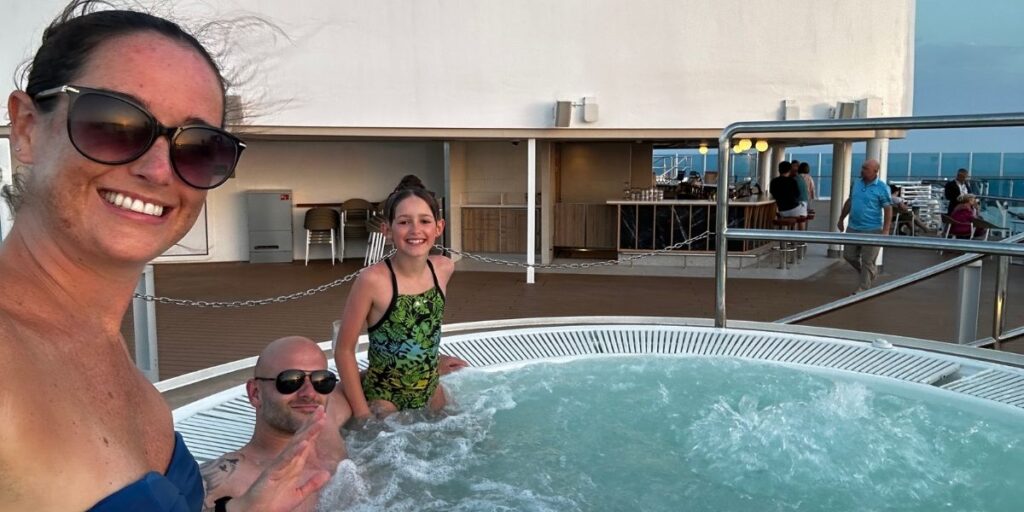
Cruise Mummy enjoying the pool with nobody around

While you may see a few people putting towels down, the pool area is virtually empty before 9am.

So if you want to swim some lengths, have a hot tub to yourself or even go down the water slides without queueing at the top, now is the perfect time.

Whatever you do, don’t go to the gym. It will be rammed at this time. We’ll save that for later.

10 am – Enjoy The Entertainment

Bridge class

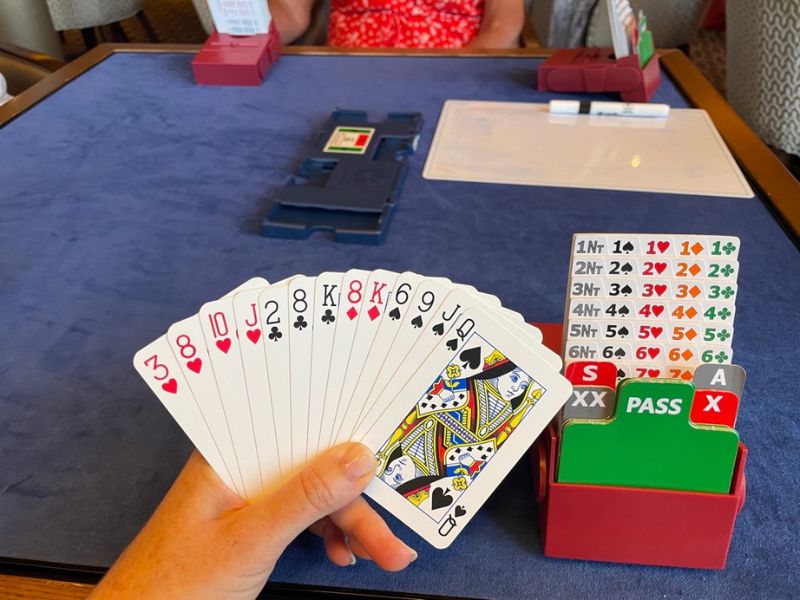
Cruise ships have all kinds of entertainment inside, such as dance classes, trivia, lectures, cookery classes and art workshops. When I cruised with Fred. Olsen I played bridge every day at 10 am and it was so relaxing!

So take a look at the daily planner that the cruise line gives you and decide which one you fancy.

11 am – Visit The Casino

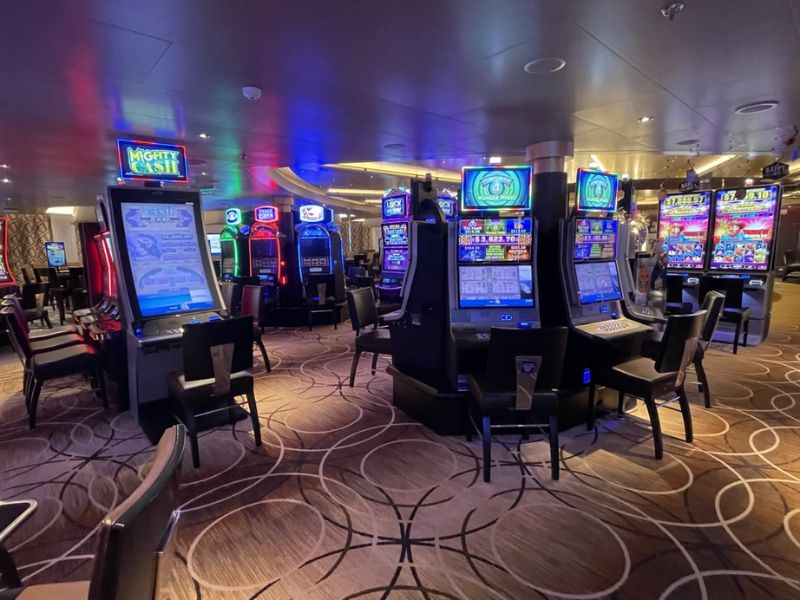
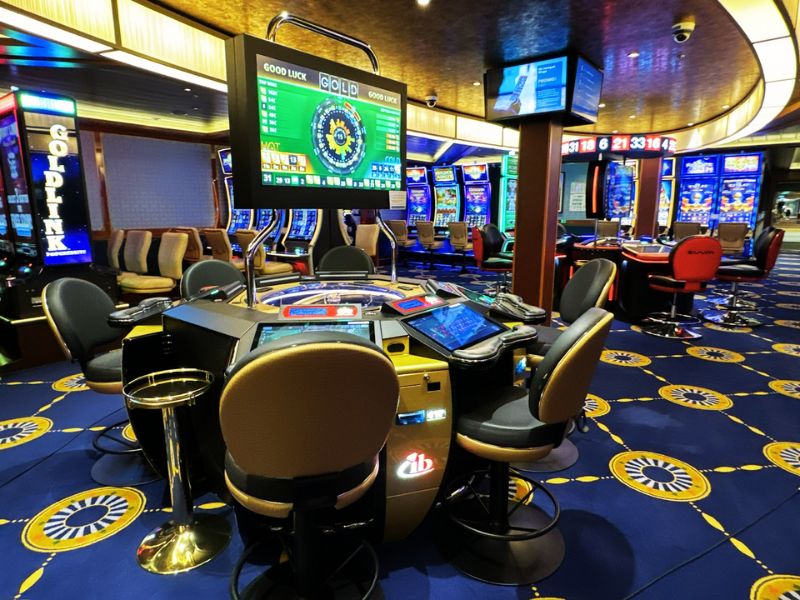
The vibrant casino on Costa Smeralda with electronic roulette tables and a variety of slot machines, all set against a decorative blue carpet with golden patterns, creating an exciting gaming atmosphere.

On cruise ships, Maritime law states that the casinos are only allowed to open when the ship is in international waters. That means that a sea day is a great time to go.

On some ships, the slots are open the whole time the ship is at sea. Table games might not open until later, so check your ship’s schedule for the exact times.

But if you want your pick of any machine, the morning is a great time to go.

12 pm – Lunch in the Main Dining Room

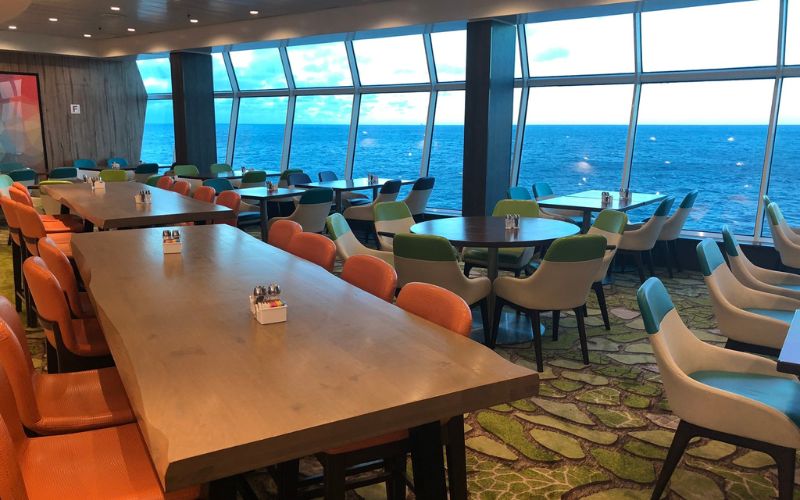
Main dining room lunch

You ate breakast early, so by 12 pm you’ll probably be ready for lunch. Meanwhile, everyone who had breakfast at 10 is nowhere near hungry.

For some reason, a lot of people forget that the main dining room exists at lunch time. Instead, they crowd into the buffet or grab a burger or a slice of pizza to eat by the pool.

If you’re one of the first people to arrive at the main dining room for lunch it will be very quiet, meaning you get quick service and a relaxed atmosphere.

1 pm – Go To The Pub

Enjoying games in the pub

Many people don’t visit the indoor bars on a cruise ship until the evening. So now’s the time to enjoy a quiet pint.

If you fancy a go on the pool table or the dart board, now’s the time that it’s most likely to be available.

2 pm – Watch A Movie

Neverland Cinema on a Disney cruise

Many cruise ships have onboard cinemas which can be hard to get into after dinner.

However, if you head to a matinee showing, you should have no problem getting a seat.

If your ship doesn’t have a cinema, you may be able to enjoy a movie on the TV in your stateroom. Failing that, grab a book from the library and enjoy some chill time.

4 pm – Enjoy A Poolside Snack

Donald's Cantina on Disney Treasure

I love the food by the pool on cruise ships. While the poolside snack bars can get very busy at lunchtime, if you arrive at 4pm you can treat yourself to a salad, tacos, pizza, hot dog or fries without having to queue.

Most people don’t want to eat at this time as it’s too close to dinner. But don’t worry, dinner is a still way off for us.

5 pm – The Most Fun Activities

What the mini golf looks like

Cruise ships generally have two dining times, early and late. Families usually choose the early one, so by 5pm they’re all getting ready for dinner.

This is the perfect time to have a go at all the activities that have been busy with kids. Depending on your ship and it’s schedule, you might be able to have a go on the mini golf, the rock climbing wall, the sports court or the bowling alley without it being crowded with children.

6 pm – Relax In The Spa

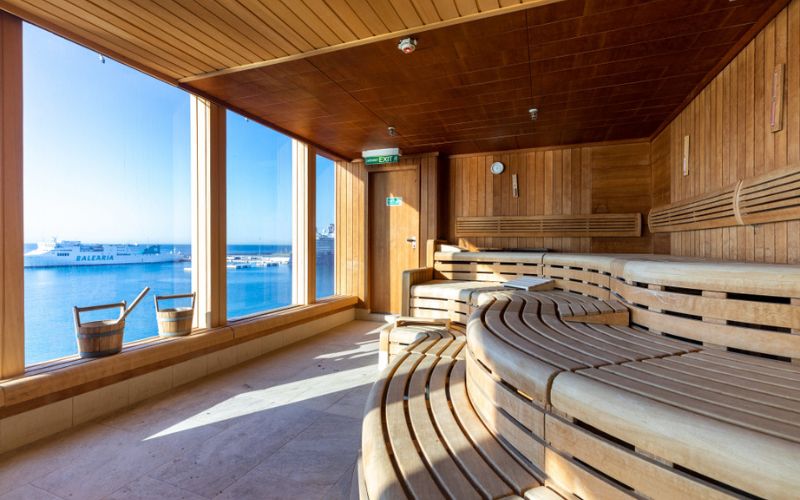
empty sauna on a cruise ship

There’s nothing more frustrating than paying for a pass to the thermal suite and then not being abler to use it because the steam room, sauna and hot tub are all full.

Instead, I like to head there at about 6pm when it’s much quieter and you have a much better chance of finding a vacant heated bed to relax on.

7 pm – Hit The Gym

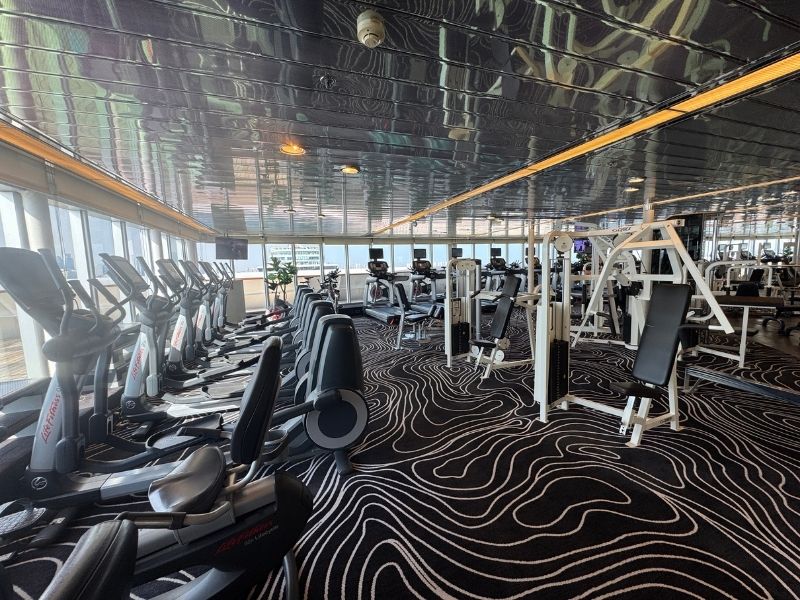
cruise ship gym

Most cruise ship gyms are open for guests from 6 am until 10 pm. In reality, very few people visit the gym in the evening.

You may find that 10 pm until 6 am, the gym is reserved for crew members. However, on the biggest and newest ships, crew members have their own gym, so the gym may be open 24 hours.

8pm – Get Ready For Dinner

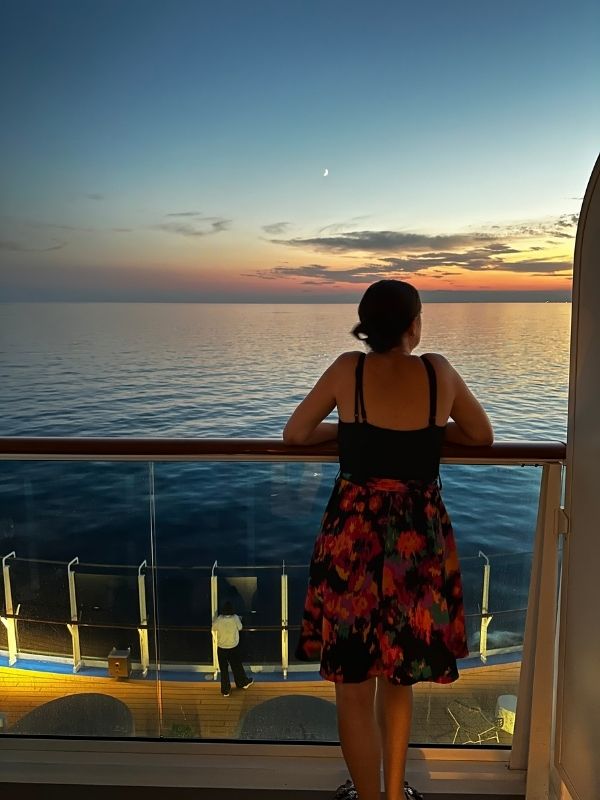
Cruise Mummy on the balcony in the evening

This is one of the busiest time on the ship. Everybody is out and about. The bars will all be full with people having either an after-dinner drink or a pre-dinner drink, depending on their dining time.

But don’t worry, we’ll be heading back to the room to get changed for dinner.

If you have a balcony, now’s the time to enjoy a quiet glass of wine on it. If you’re luck, you’ll watch the sunset without anyone spoiling your view.

9 pm – Dinner

Adam falling asleep in dinner

If you’re cruising with kids then dining at 9 pm won’t work for you. But if you’re child-free, then later is better if you want to avoid the rush.

If your ship has flexible dining times, you should have no problem with arriving at 9 pm for dinner. I find that this is the quietest time.

If there are fixed times, then choose the later one, which may be 8.30. You can arrive up to 15 minutes late without a problem, but I wouldn’t leave it any later than that.

Or, for an even more relaxed experience, I recommend that you opt for either the buffet or a speciality restaurant. These are always the quietest places to eat un the evening.

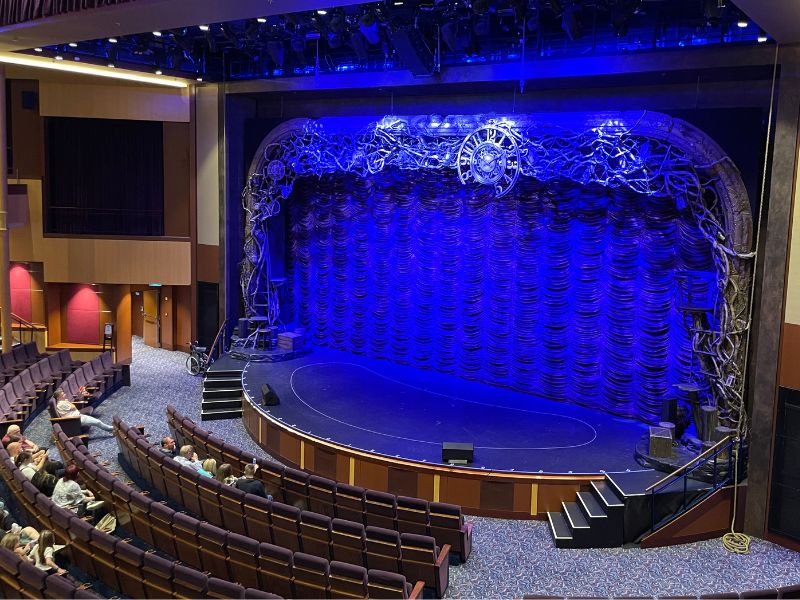
10 pm – Watch A Show

quiet theatre on a ship

You’ll need to check your daily planner for the showtimes for your ship. But I usually find the later shows to be quieter, particularly if the show starts at 10 pm or later and the ship has a lot of children.

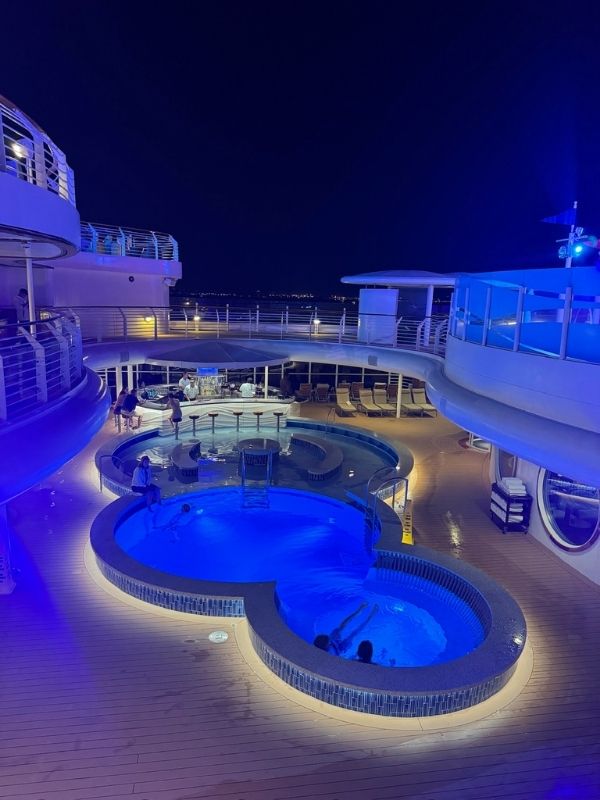
11 pm – Go For A Walk

Adult pool at night on Disney Dream

I love the outside areas of a cruise ship at night. The pools always look so pretty when they’re lit up. And if you’re lucky, they might still be open so you can enjoy a late-night dip.

If your ship has a promenade deck it will be empty at this time, so you can enjoy a peaceful evening stroll.

In warm weather, the outdoor bars will be open until late so why not head out and enjoy a nightcap under the stars before bed?

NEW DEALS JUST RELEASED!

Don’t miss these hot cruise offers…

What Do You Think Of This Itinerary?

The ship being too busy is a common complaint on large cruise ships. But it is one that you can avoid.

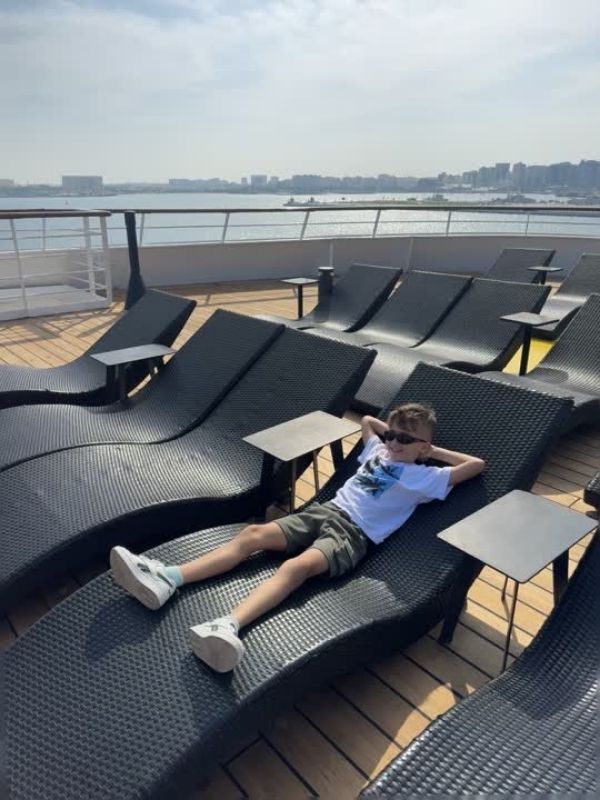
Choosing a smaller ship will certainly help. I’ve cruised on ships with just 100 guests, and they have bars and restaurants that can seat every single guest at the same time, so you never have to worry about getting a seat. Plus, with just three or four decks, there’s never a queue for the elevator as most people never us it!

A smaller cruise ship with plenty of sun loungers

I would also recommend avoiding cruises in the school holidays if you can. That’s because each ship squeezes on a lot more people when children are involved.

Let’s take Icon of the Seas, for example. Royal Caribbean’s ship accommodates 5,610 guests, based on two people in each cabin…

But, when every cabin is at maximum capacity and additional beds are used for kids, the ship accommodates 7,600.

That’s an extra 2,000 people!

Related Posts:

If you found this interesting, please share!

Cruise Mummy

Jenni Fielding is the founder of Cruise Mummy. She has worked in the cruise industry since 2015 and has taken over 30 cruises. Now, she helps over 1 million people per month to plan their perfect cruise holidays.
Read more about me


Source link

Cruise-Ship-Stateroom-Wall.jpg

Are Cruise Ship Stateroom Doors & Walls Magnetic?

There are some really clever things you can do in a cruise stateroom to either make it feel more personal to you, or to enhance your storage space. Some of these rely on magnets.

But you might be wondering if every cruise stateroom door and wall is magnetic, or if these handy tricks only work in certain rooms on certain ships.

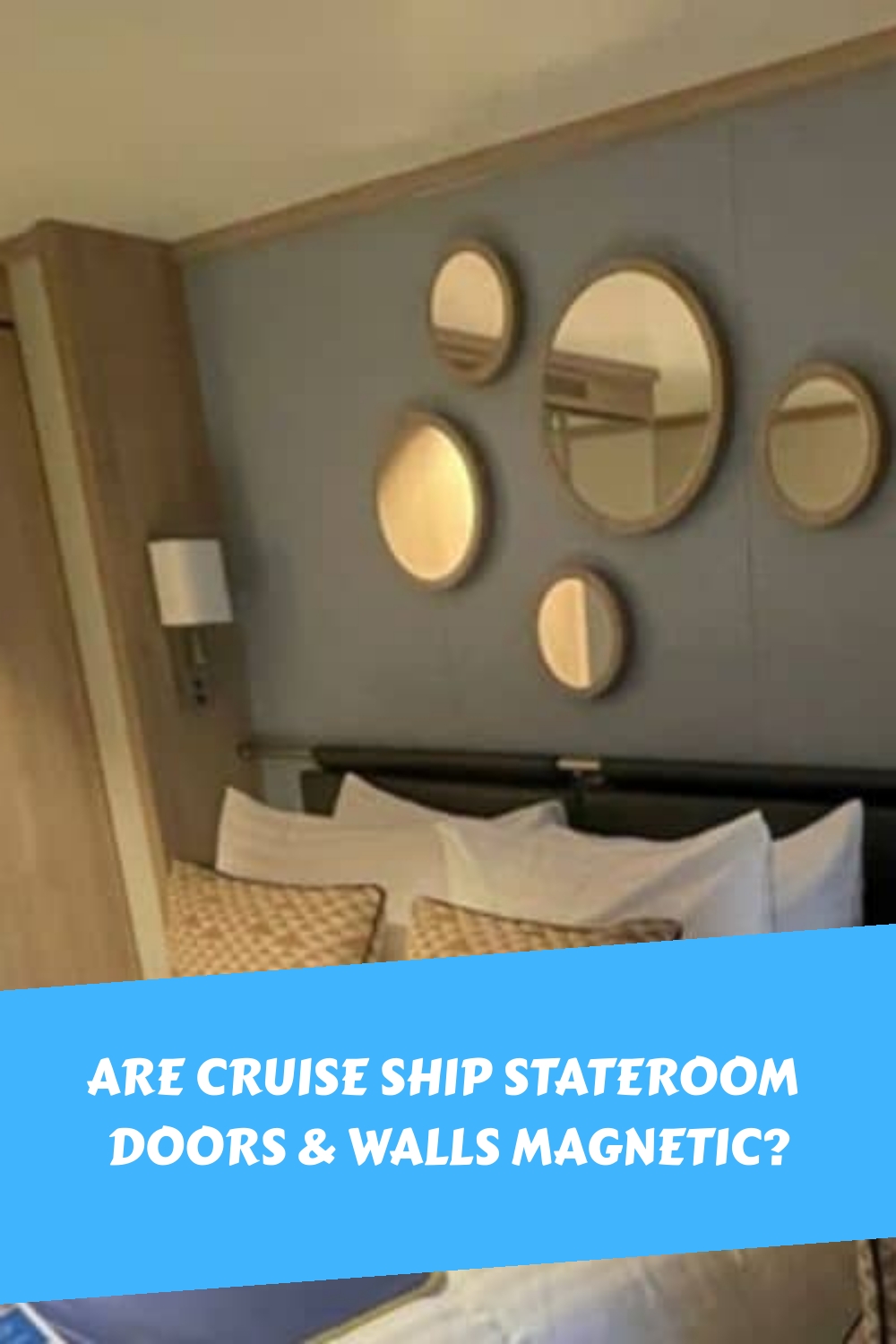
Cruise Ship stateroom wall

So let’s find out whether all cruise ships have magnetic doors and walls, and why that might be useful.

What does magnetic actually mean?

Before I get into the bulk of this article, I need to give a quick definition.

That’s because most people ask whether cruise ship walls and doors are magnetic, but they actually mean are they ferromagnetic?

The term “magnetic” means something which exhibits a permanent magnetic field. So a magnet is magnetic.

Anything which is “ferromagnetic” is something which doesn’t exhibit a permanent magnetic field, but that is attracted by other magnets when one is introduced.

Here’s a simple explanation. Say you have stainless steel cutlery. Steel contains iron, which is ferromagnetic.

If you held a magnet close to a spoon, the spoon would be attracted to it.

But see how all of your spoons don’t clump together in the cutlery drawer? That’s because they are ferromagnetic. They don’t work as actual magnets, but they will be attracted to one.

It’s an important thing to define.

Are cruise ship cabin doors magnetic?

Most cruise ship doors are made of metal, and so are ferromagnetic – this means that magnets will stick to them, but random metal objects won’t. They are not actually magnetic, but the steel inside the door is attracted to magnets, which will cause a magnet to be held in place on a door.

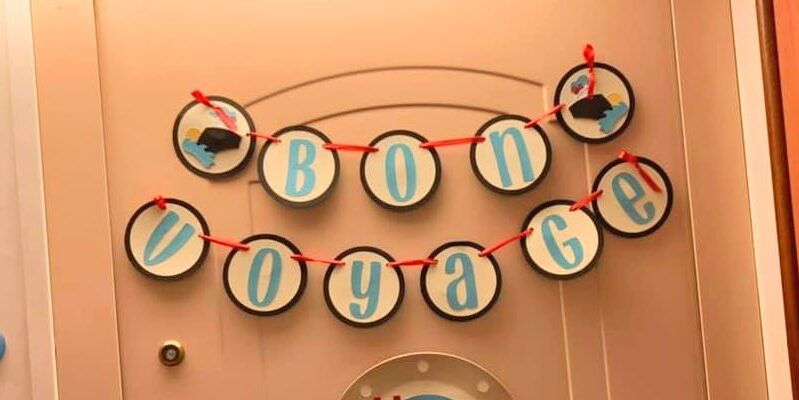
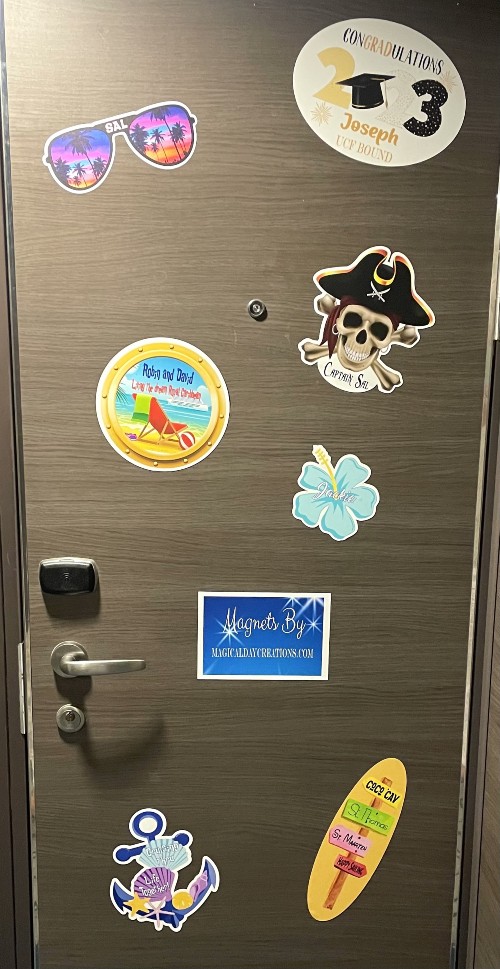
Many cruisers like to decorate their stateroom doors. To prevent any damage, they often use magnets to affix the decorations.

cruise door decor ideas

It’s a good thing that the doors themselves aren’t magnetic. Since the door frames are also made of metal, you wouldn’t be able to open the door if they were, or you’d need a lot of strength!

Funnily enough, cruise ships don’t tend to publicise whether or not their doors are made of metal or other materials. It’s hardly seen as a key selling point of the room.

But most definitely are, with only a handful of exceptions. The most prominent exception I’ve found is the Prima-class ships for Norwegian Cruise Line. But NCL has banned door decorations anyway, so that doesn’t really matter!

Typically though, your stateroom door (even if it has a wooden/plastic finish) will contain the same steel that your cabin is made from, and so magnets will usually stick to it. Not always – sometimes there is a thick wood veneer that requires a stronger magnet to still be held in place by the steel core.

Are cruise cabin walls magnetic?

Cruise ship cabin walls are all ferromagnetic – magnets will stick to them. They are not in themselves magnetic, so if you want to stick something to them, it will need to be a magnet. All cruise ships are made using steel cabin frames for the cabins.

While the stateroom doors may vary, there are no exceptions when it comes to the cabin walls. Every cruise ship is made in the same way, with the cabins made separately using metal walls and then slotted into place during the construction process.

Spectrum of the Seas
Spectrum of the Seas under contruction

The reason for this is that it makes it easy to build the ‘exoskeleton’ of the cabins separately from the main ship build. Having them all cut from metal to the same size and shape speeds up the process and means assembling the ship is significantly faster.

This has its good sides and bad sides. It means phone reception can be a little sketchy in your room, and it’ll cause interference with radio waves – not good for anyone who hoped to use walkie-talkies from within their cabin.

But it does mean that you can stick magnets to your cabin walls.

I always take magnetic hooks on a cruise. This gives us lots of extra space to hang coats, bags and other bits and pieces.

Cruise Ship stateroom wall

These are the magnetic hooks that I have. They’re okay, but not strong enough for a handbag or a heavy coat.

Hooks

I would suggest that instead, you buy some super strong magnetic hooks.

These magnetic hooks hold up to 100 lbs when hung from the ceiling or 33 lbs when hung from the wall.

Just make sure that you don’t accidentally stick them to each other or you’ll never get them apart! I suggest putting each in its own little bag when packing!

Are cruise ship ceilings magnetic? 

Because cruise ship cabins are built as a metal frame, the ceilings are made from metal too and so they are ferromagnetic, with magnets able to stick to them. This can be a useful way of maximising your storage space, provided you buy strong magnets able to support the weight.

If you find that your magnets aren’t strong enough to hold your coat or bag and that they slide down the wall, then you should instead try hanging them from the ceiling. That way, your magnet will hold 3 times the weight!

The only part of a cruise ship cabin that won’t work with magnets – once you’ve passed the stateroom door – is the bathroom.

While the frame of the bathroom is metal, it’s then usually tiled over, and the ceramic or other tile materials are thick enough to insulate the metal frame behind, so magnets won’t stick.

Why does it matter?

If you’ve stumbled onto this article with no idea of why anyone would care about the detail of whether doors and cabin walls are magnetic, I can understand your confusion.

The thing is, having surfaces where magnets can stick has two major benefits – decoration, and storage.

1. Magnetic cruise door decorations

While this isn’t for everyone, there is a massive cruising community who love to decorate their stateroom doors. It is generally popular on the cruise lines aimed primarily at families – Disney and Carnival especially – although not always. MSC Cruises passengers don’t tend to decorate their doors, while it’s infrequent on a Royal Caribbean cruise.

The rules on door decorations vary by cruise line too, with some allowing guests to go wild, and others being quite strict on what you’re allowed to use. NCL doesn’t allow door decorations at all, the spoilsports.

Magnets are therefore a really handy tool for decorating your door, but bear in mind that the actual magnet may need to be quite strong. The metal core of the door is often buried under a wooden-effect exterior. Thin magnets may struggle to stick.

But if you want to decorate your stateroom door, magnets could be a handy option that won’t leave any nasty residue to worry about.

The best door decorations are made from magnets. The magnet covers the whole surface of the decoration, so you can be sure that they’ll stick!

The magnets below are from Magical Day Creations – I recommend that you check out their website as there are lots of personalised designs to choose from.

2. Magnetic hooks

Even if you book yourself a spacious cabin, storage options in the room are usually limited. And if you’ve booked one of the smallest cabins on the ship, you might find space to be at a premium.

Even with a large and spacious cabin, if you cruise at Christmas, you’re going to want somewhere to hang your stockings, right?

Magnetic hooks on cruise ship stateroom wall holding Christmas stocking.

This is why having walls where you can stick a magnet is handy – if you buy some strong magnetic hooks, you can suddenly store items on the wall that would otherwise be taking up floor or desk space.

I like to use Gorilla Hooks as they’re small but super strong. Just don’t get your fingers trapped between them like I once did!

Read more: Best Cruise Packing Tips & Hacks

3. Magnets to stick paperwork to wall

As well as using the walls for storing your own items, it’s a really handy place to keep your paperwork pinned.

Whether you’ve got tickets for an excursion, or you just need to remind everyone of key times on your daily programme, having them stuck to the wall means you won’t lose them when you need them.

There’s nothing worse than rushing about trying to find a ticket you need, or wondering where your partner is if you’ve split for the day to try different activities, and forgetting where to meet. Magnets put your important paperwork in a prominent location and can keep you organised, and free to focus on the fun.

FAQs

Are Disney Cruise doors magnetic?

All Disney Cruise ship doors are ferromagnetic and can be decorated with magnets. Indeed the cruise ships themselves will sell magnets in their onboard stores that are perfect for adding to your door. Many people decorate their cruise door using magnets or using fish extenders.

Read more: Disney Cruise fish extenders

Are Carnival cruise stateroom doors magnetic?

Carnival cruise stateroom doors all contain a steel core which is ferromagnetic, but on some ships magnets may not be effective due to the thickness of the external finish to the door. Buy strong magnets or use command strips to stick things to your door – these are permitted by Carnival.

Why do you need magnetic hooks on a cruise?

Magnetic hooks are useful on a cruise because they allow guests to hang various items like hats, towels, or even decorations on the metal surfaces of stateroom doors and walls. Since most cruise ship stateroom doors and walls are made of metal, magnetic hooks provide a convenient and efficient way to utilise the limited space in cabins.

Final word

Broadly speaking, cruise ship doors and walls are ferromagnetic and you can take advantage of this if you want to add some fun decorations or a little extra storage space.

Very small or very thin magnets might not work very effectively, so try to buy strong ones if you can, and don’t overburden them with weight. That’ll give you the best chance of your magnets sticking in place.

Related Posts

If you found this interesting, please share!

Cruise Mummy

Jenni Fielding is the founder of Cruise Mummy. She has worked in the cruise industry since 2015 and has taken over 30 cruises. Now, she helps over 1 million people per month to plan their perfect cruise holidays.

Read more about me


Source link

cruise-ship-engine-room-1-1.jpg

Where Is A Cruise Ship Engine Located?

Perhaps you’re fascinated with the engines that power a cruise ship, or perhaps you want to know which cabins to stay well away from, due to the noise and vibrations of the engine.

Whatever your reason for wanting to know, read on to find out where the cruise ship engines are and how much noise they make…

With a little help from a master mariner and ship’s pilot John, who has 47 years of experience in the marine industry, I’ll bring you the answers to your questions about cruise ship engines.

Cruise ship engines are typically in the same place

Most often, especially in newer cruise ships, the engines are located on the lower decks and towards the aft of the ship. They’re not all the way in the back, but they are in the mid-aft area. 

Regardless of the size of the cruise ship, the engine in question is very, very loud. Fortunately, engineers can compensate for this by utilising sound reduction technology and designing the engine room of a cruise ship to be well-insulated.

The insulation serves two purposes: to keep out noise and to reduce the amount of heat- generated by a fully-operating engine – from escaping onto adjacent decks. This is of utmost importance on cruise ships, where the comfort of guests is the absolute priority.

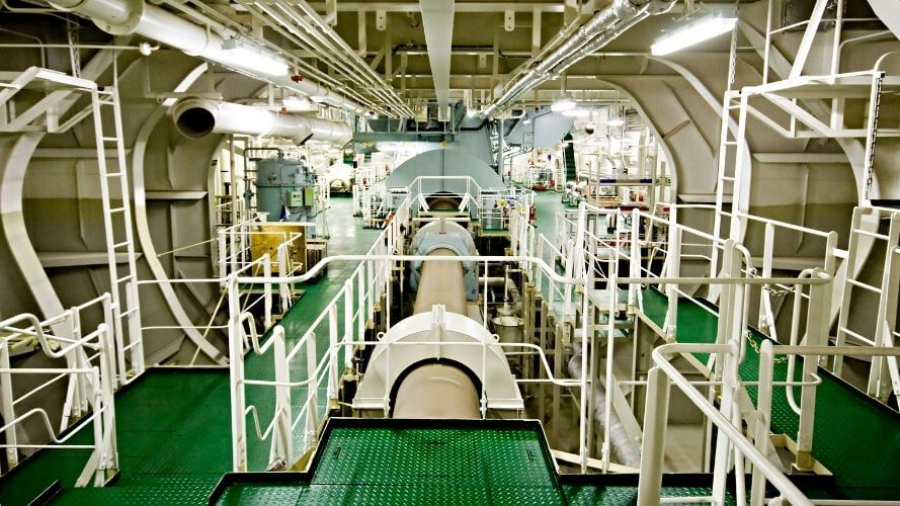
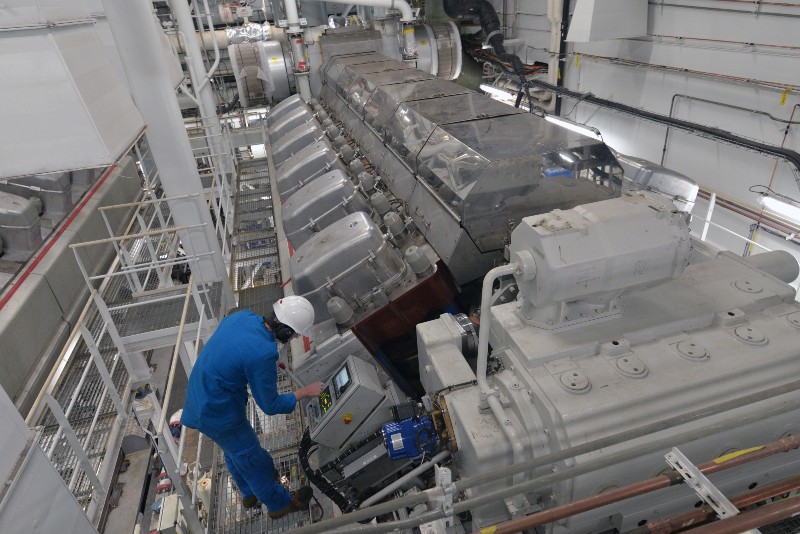
Harmony of the Seas engine
Harmony of the Seas engines

How loud? Very loud!

The standard cruise ship engine can have a decibel range that exceeds 173 decibels. This is frighteningly loud and well into the range in which hearing damage occurs quickly. However, thanks to insulation and other sound reduction technology, it’s not nearly that loud in practice.

If you were to place a cruise ship motor right out in the open and crank it up, you would get an ungodly level of noise. However, since we can’t really do that, we can only go off of how many decibels it puts out when under operation, in place, on a cruise ship.

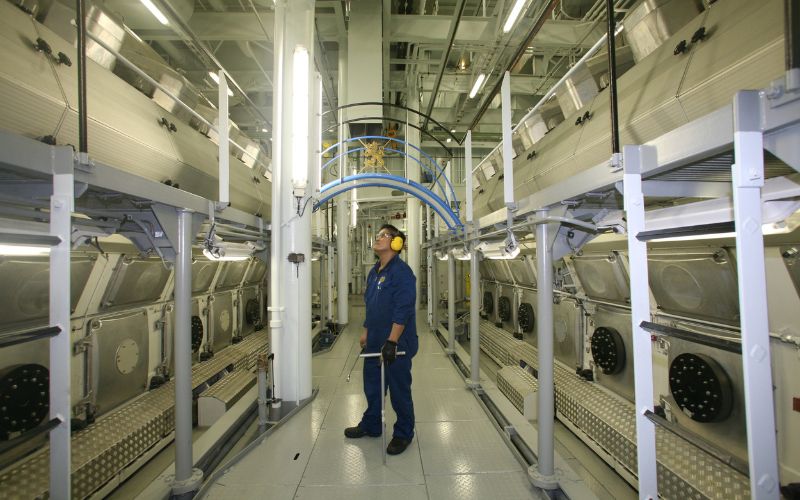
If you are in the ship’s engine room as it is running, a cruise ship engine is still pretty loud. In fact, it’s loud enough that anyone working in the engine room is required to use hearing protection equipment, or it will damage their hearing. 

cruise ship engineer with ear defenders

The point of all of this decibel talk is, despite the fact that adjacent cabins are well protected and the noise level is not damaging in any way, you’ll still be able to hear it through the floor and walls.

Cruise ship engines also create vibrations under operation and those vibrations are going to be felt within the immediate area, including adjacent cabins. You may find that the vibrations cause the coat hangers in your wardrobe to rattle, which could disturb your sleep.

They’re pretty big – and there’s more than one!

Modern cruise ships don’t have just one engine. The biggest ships like Royal Caribbean’s Oasis-class or Icon-class ships have six engines and most other cruise ships have four.

Cruise ship engine rooms are very large, spanning several decks. They need enough space not just for the engines, but also for the generators, the fuel tanks, the control room and the engine workshop.

Take a look at this video of the engine room on Carnival’s Mardi Gras ship to see just how big and noisy it is…

They do produce a lot of heat, but that’s managed

Waste heat from the cruise ship’s engines is extracted by a series of heat exchangers located on the exhaust path after the turbochargers en-route to the scrubber. Typically, exhaust gas is approx 350°C, but it’s cooled continuously by heat extraction to approx 30°C when it emerges from the funnel.

Ships engines are highly heat- and fuel-efficient. The recovered heat is typically used for a number of services, including fuel heating (if using heavy fuel oil) and the desalination of saltwater into freshwater by an evaporator plant. Fresh water is also produced by reverse osmosis to supplement the evaporator. 

Read more: How Cruise Ships Get Fresh Water

Fuel storage

On cruise ships, fuel is typically held in double-bottom tanks. These will be distributed over the length of the vessel along with ballast tanks. Generally, the only fuel tanks found in the engine room would be the settling and service tanks.

Allure of the Seas engine room

Staying in cabins near the engine

Your first thought would probably be to stay well away from any cabins near the engine room. There are several reasons for this, some of which go beyond just the noise an engine produces. 

Cabins near the engine room may be:

  • Smaller than average
  • Without windows
  • Exposed to vibrations, particularly when docking
  • Exposed to engine noise

Small and cramped are the defining characteristics of a cabin near the engine room. Since the engine is located in the centre/aft of the ship and on the lower decks, these rooms are not priority rooms within the context of ship design.

Staying in one of these cabins means that you will likely be exposed to plenty of noise and vibrations from the engine. You’re also likely to experience noise from the crew as they go to and from work throughout the day and night. 

Since you’ll be in the middle of the ship and on a lower deck, your cabin will be dark and windowless. For obvious reasons, rooms situated towards the centre of the ship arent’ afforded the luxury of windows, so if claustrophobia is an issue for you, stay away.

inside cabin
Inside cabin on Mariner of the Seas

There are some advantages…

Some people can sleep through absolutely anything. If a jet breaks the sound barrier right over their heads, they’ll go on snoozing with perhaps the briefest moment where they break out or REM sleep before plummeting right back down into the depths of unconsciousness. 

Cabins near the engine room are viable candidates for people who can sleep through a hurricane. Since they are windowless, you never have to worry about ambient light once you flip the light switch off at night. 

The argument can also be made that no one ever spends much time in their cabins on a cruise. It’s a good argument because who would want to sleep their way across the Gulf of Mexico? 

It’s not as if cruise ships lack entertainment when out to sea. There are loads of things to do and staying in your cabin will probably be the absolute last thing on your mind for anything other than brief periods of sleep. 

But really, the main reason to choose an inside cabin on the lower decks is that these are easily the cheapest room on a cruise ship. You’re going on a cruise for the experience, after all, not the nap time. So a cheap room that knocks 70% off the price of your holiday is well worth the sacrifice, in my opinion.

NEW DEALS JUST RELEASED!

Don’t miss these hot cruise offers…

Read more: Why I (Almost) Always Choose an Inside Cabin for a Family Cruise

There’s also a hidden advantage that those new to cruising probably never consider. You can purchase a cabin that’s near the engine room for an outstanding price, with the option to upgrade.  

Now, this option to upgrade doesn’t always mean that if you decide to upgrade, you’ll fork over more money to upgrade your cabin. What it means is if a cabin that’s superior in quality and cost becomes vacant – such as a last-minute trip cancellation – you may be upgraded for free. 

That’s right. You can target a cabin near the engine room and sign up to be upgraded in the case of last-minute cancellations and it won’t cost you a single dime. Although there are no guarantees, of course.

Suggested read: How To Upgrade Your Cruise Cabin After Purchase

The engine isn’t the only noisy part of a ship

Even if you choose to stay in one of the most expensive suites on the ship, this doesn’t guarantee that you’ll be able to rest undisturbed. There are plenty of other things that could keep you awake at night on a cruise ship.

For example, if you sail to Canada and New England, you may find that the fog is so dense that the ship must sound its foghorn all through the night!

If your cabin is towards the bow, you may be awoken by the sound of the anchor being raised and lowered. Or, if your room is by the elevator, you may hear lots of other guests chatting as they stagger to bed in the early hours of the morning.

cruise ship anchored at sea
Cruise ship anchors are located at the bow (front)

In this case, you may find that the gentle hum of the engine is actually helpful in drowning out some of the other sounds.

There are lots of other things you’ll want to think about as well, besides potential noise, when choosing a cabin. To help you to do just that, I’ve put together a handy checklist that you can refer to when it comes to booking your cruise…

The bottom line

If you’re looking for an outstanding cruise ship cabin that’s as quiet as possible, it’s important to know where the engine room is so that you can stay well away from it.

However – you also want to know where it’s at for the exact opposite reason, which is a cheap room with the potential for an incredible upgrade.

Related posts

If you found this interesting, please share!

Cruise Mummy

Jenni Fielding is the founder of Cruise Mummy. She has worked in the cruise industry since 2015 and has taken over 30 cruises. Now, she helps over 1 million people per month to plan their perfect cruise holidays.
Read more about me


Source link

Police-boat-1.jpg

Do Cruise Ships Have Police? How Cruise Ship Security Deal With Crime at Sea

If you’re already a regular cruiser or just thinking about booking your first cruise, you might be wondering about how crime and security are dealt with on board.

Do cruise ships have police? Let’s take a look.

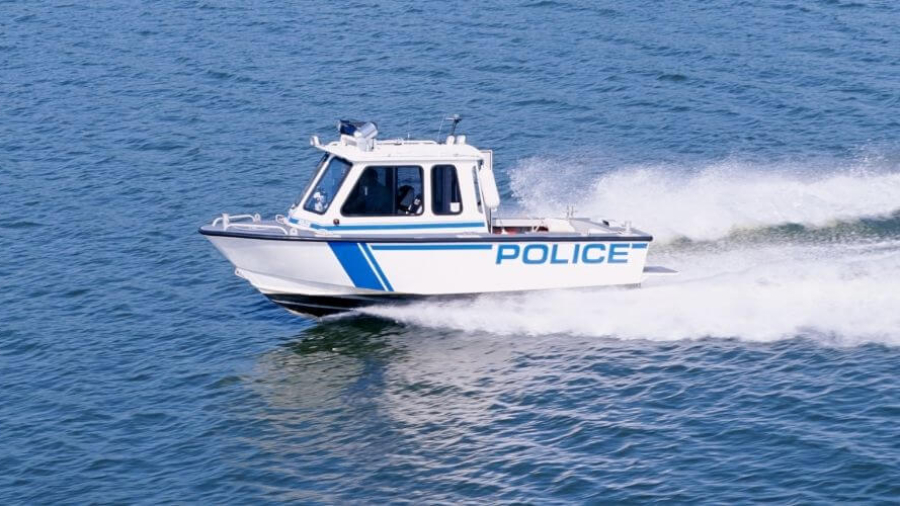
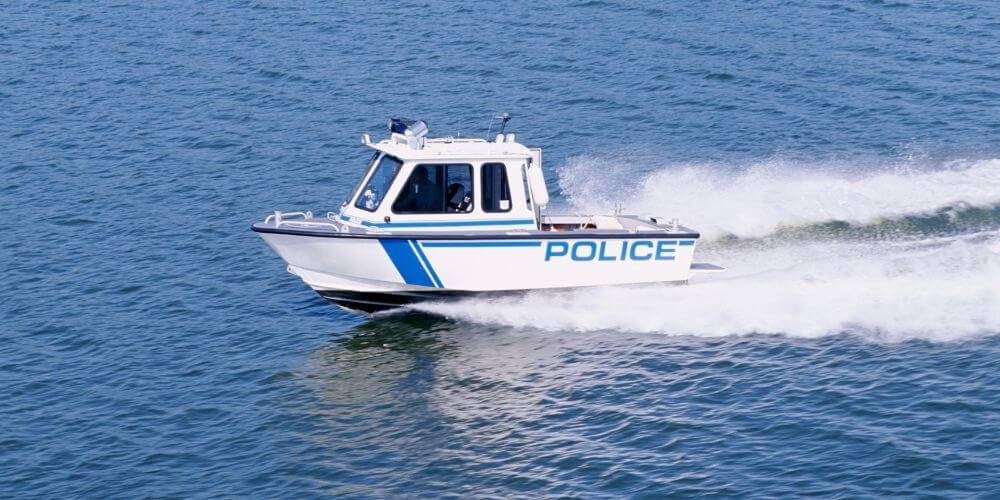
police boat

Cruise ships do not have police. Instead, an onboard Security Director will oversee the ship’s own dedicated security department, staffed by former federal, state and military law enforcement personnel from various countries.

By law, ships sailing to or from the USA must have at least one crew member trained in crime prevention, detection and reporting.

Security instead of police – why?

Police forces are governed and empowered by nation-states in order to protect their citizens and to prevent crime and civil disorder. National police forces may also sometimes work together to tackle international crime via the global policing coordination organization Interpol. 

Cruise ships, however, are not based inside national borders and do not fit neatly under the effective jurisdiction of any one country. This means that there isn’t an obvious police force with ongoing responsibility for law and order on each cruise vessel.

Even where there is a linked police force (e.g. the police force of the ship’s “flagged” or nominal country) they are unlikely to have the resources to investigate all cruise ship crime thoroughly, and could not practically deploy police officers on every cruise.

Suggested read: Are There Guns on Cruise Ships?

Crimes at sea

If a cruise ship is in port at the time a crime occurs, the local authorities for that country have clear jurisdiction to investigate and prosecute those responsible.

But, if a ship is at sea, you may wonder which country has jurisdiction (the power or right to interpret and apply the law) on board the ship.

Under the United Nations Convention on the Law of the Sea (UNCLOS), countries have jurisdiction over activities in waters within 12 nautical miles of their national coastline.

Beyond 12 miles, the ship’s officially registered (“flagged”) country normally has jurisdiction.

So, if a ship is registered in the Bahamas, then Bahamas law may apply, even if the ship is cruising on the other side of the world in the Pacific Ocean when a crime occurs.

It would obviously be impractical for Bahamas police to attend, so the highly-trained cruise ship security team will be first on the scene to deal with any crimes committed at sea.

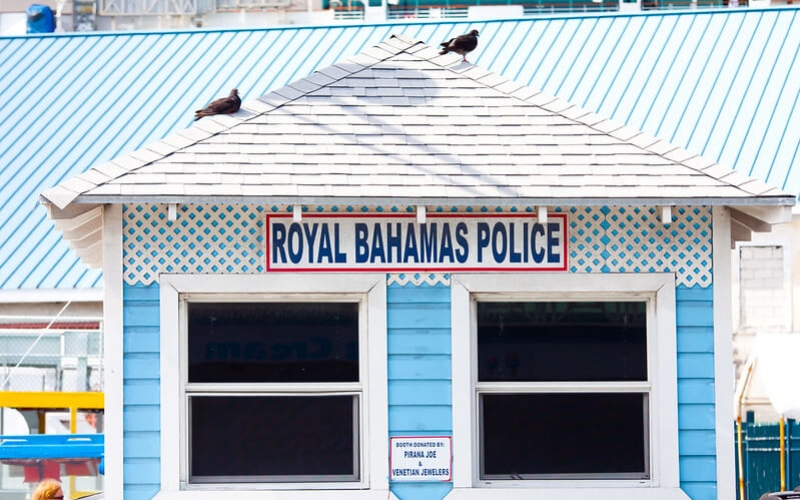
Royal Bahamas Police

Investigating crimes

Instead of police, cruise ships normally have their own security teams who act as first responders when crimes are reported on board. These internal security staff are employed by cruise ship companies and work under the authority of the ship’s captain.

When crime occurs in international waters, the captain must decide whether to continue cruising to the next scheduled port of call, or to make an unscheduled stop at a nearer port.

Local authorities at the port can then be brought on board for formal investigations. The ship’s security team are responsible for passenger safety, preservation of evidence and investigation until they hand the case over to law enforcement officers.

When US citizens are involved in serious cruise ship crimes, the FBI must investigate, although other law enforcement agencies might have the primary role. Where serious crime is indicated, the FBI can draw on its global network to protect passengers and to secure and preserve the crime scene.

This recourse for US citizens is limited. Under international law, the US cannot prosecute crimes on foreign-flagged ships once they move outside US jurisdiction. It would be illegal for the FBI to enter a foreign-flagged vessel outside US territory or to enforce US criminal laws, without flag state permission.

Royal Caribbean ship with Bahamas flag

Cruise ship security teams – what to expect

Ex-police or military personnel with relevant experience or qualifications may be sought for more senior cruise ship security positions. Even lower-level positions may have particular criteria (e.g. physical fitness requirements, diving certification, etc). 

Uniformed security staff are normally visible at checkpoints or patrolling around the ship. There may also be less obvious plainclothes security staff working on the vessel.

Larger cruise ships undertaking long international journeys, especially through waters where piracy or terrorism are potential risks, may have bigger teams of specially trained security officers who have previously served with police or military units.

cruise ship security guard

Committing a crime at sea

The consequences of a crime on a cruise ship vary depending on the seriousness of what you’ve done. You may be disembarked at the next port of call, and handed over to the local police. For serious crimes, you’ll be locked in your cabin or in a ship’s brig until you reach port.

If it’s a minor crime, you might still be allowed to wander the ship but you’ll be reported to the police either at the next port or when your cruise ends.

Complications of cruise ship crimes

There’s a range of potential complicating factors for crime investigation on cruise ships.

International legal and diplomatic issues

Jurisdiction is a complex issue for cruise ship crime, with multiple potentially interested authorities to consider and coordinate.

These might include a ship’s ‘flagged’ country, foreign port authorities, the home countries of victim and perpetrator, and the FBI where US citizens are involved. Investigation and prosecution can entail sensitive and prolonged international negotiations.

Maritime law versus law on land

The law at sea is not the same law you will find in any individual country. Maritime law is a unique, intricate and sometimes murky field, attempting to regulate the ungoverned spaces of the ocean. Some areas of maritime law are decades or centuries old, and may not be obviously relevant to modern cruise ship crime.

Flagging

A ship’s “flag of convenience (FOC)” is the country where it’s officially registered, regardless of ownership or operating routes. When a ship’s owner chooses to flag their ship in a particular country, activities on that ship become subject to the laws of that nation, and many crimes will be handled under its jurisdiction.

Popular FoC countries tend to be those with the least stringent laws and regulations around labour, safety and environmental protection. Cruise ships are most likely to be registered to the Bahamas, Panama and Liberia.

Cruise lines may state that they have “headquarters in Miami” without mentioning FoCs for their vessels. Passengers should understand that regardless of the location of the cruise company HQ, its ships may be registered elsewhere.

Potential conflicts of interest

The ship’s captain and security team are employed by the cruise company. While the primary purpose of a national police force is to tackle crime and protect citizens, the primary purpose of a cruise company is to run cruises and make money. Security officers may therefore feel under direct or indirect pressure to get a cruise moving again quickly, as much as ensuring that a crime is fully investigated.

Delays

It might take several days before a cruise ship is able to call at a port and allow law enforcement officers to investigate a crime report. During this time, evidence could deteriorate or be tampered with, making subsequent investigation difficult or impossible.

Cruise ship jails

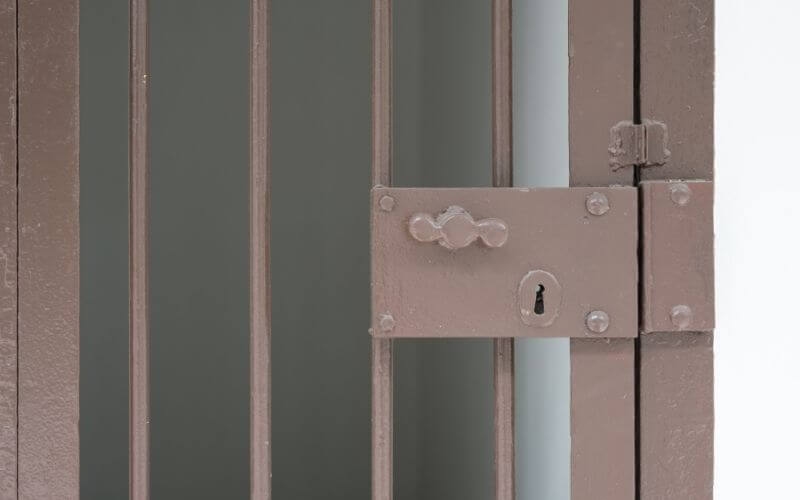
Larger cruise ships do have a type of jail, known as ‘the brig’. These safe, lockable spaces are rarely used except in cases of serious crime where prosecution is likely (e.g. trafficking drugs).

For less serious crimes, or where passengers are drunk and disorderly, they may instead be locked in their cabins.

cruise ship brig

The most commonly reported crimes on cruise ships are reported to be sexual assaults followed by physical assaults with serious injury, and major theft.

Final word

So, do cruise ships have security? Yes, and they’re very good at their job. The security on cruise ships will help keep guests safe, and make sure that anyone breaking the rules (or the law) is dealt with quickly and efficiently.

If you have questions about security arrangements on particular cruise lines or ships, I would suggest that you consult the cruise line’s website or contact them directly to request further information about their security personnel and systems.

Related posts:

If you found this interesting, please share!

Cruise Mummy

Jenni Fielding is the founder of Cruise Mummy. She has worked in the cruise industry since 2015 and has taken over 30 cruises. Now, she helps over 1 million people per month to plan their perfect cruise holidays.
Read more about me


Source link

AIDAnova-1.jpg

The First 19 LNG-Powered Cruise Ships

Cruise ships are a popular way for people to explore the world while enjoying the comfort and luxury of a floating hotel.

However, with the growing concern over the environmental impact of cruising, the cruise industry is undergoing a significant shift towards cleaner and greener alternatives.

LNG powered cruise ship

One such alternative is the use of Liquified Natural Gas (LNG) as fuel, which is much more environmentally friendly compared to traditional heavy fuel oil. In recent years, many cruise lines have begun to invest in LNG-powered ships to reduce their carbon footprint.

More and more cruise lines are adopting LNG and so to list every ship using the fuel would mean to list almost every ship being built over the next few years.

So instead, here’s a look at the pioneers – the first 19 cruise ships to use the technology.

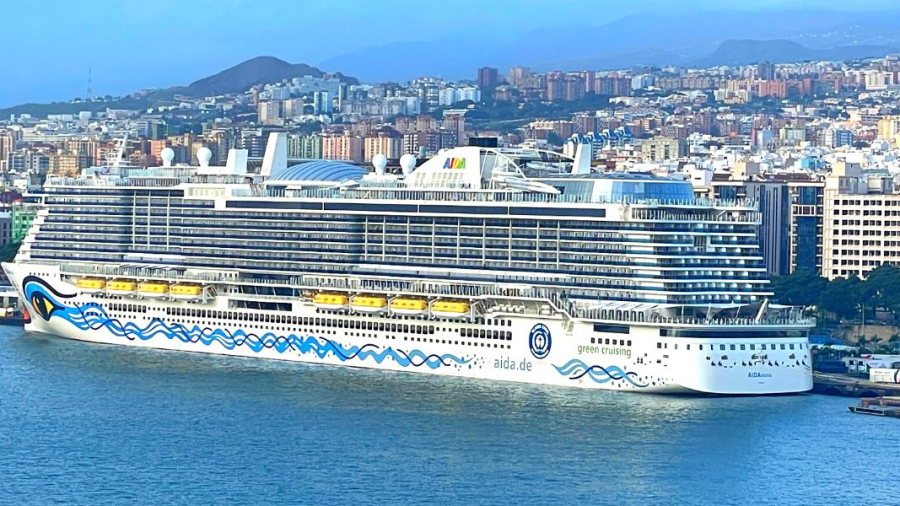
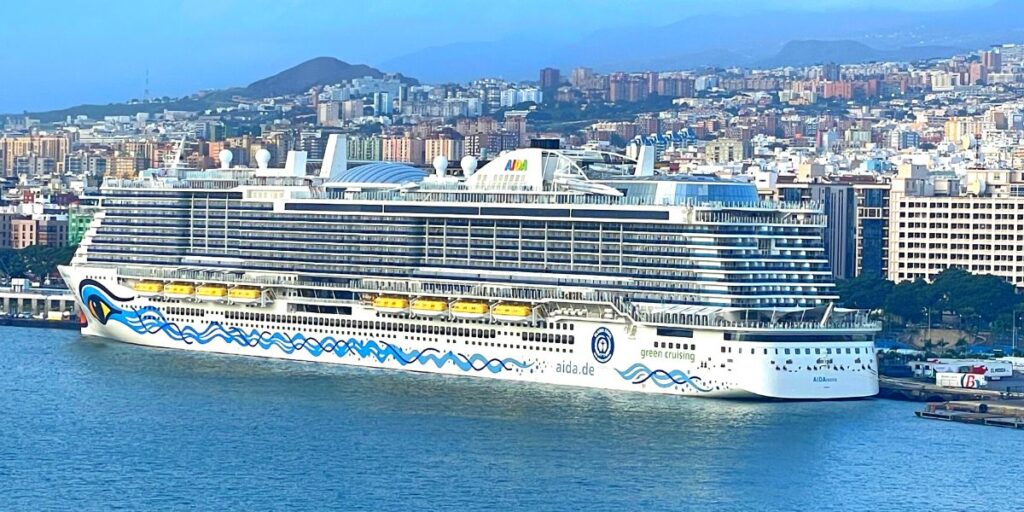
1. AIDAnova

AIDAnova
  • Maiden Voyage: 2 December 2018
  • Cost: $950 million
  • Tonnage: 183,900 GT
  • Capacity: 5,200 guests

AIDAnova launched a new class of ship for AIDA Cruises, being the first Excellence-class ship for the fleet. She was also the first ocean cruise ship in the world that can completely sail using LNG, which is quite the record.

She suffered a number of delays due to her new design, which also impacted two other ships on this list. However the hull design has been used for other Carnival Corporation cruise ships since, meaning it’s now much easier for AIDA, Costa, Carnival, Princess, P&O and others to build LNG-powered cruise ships.

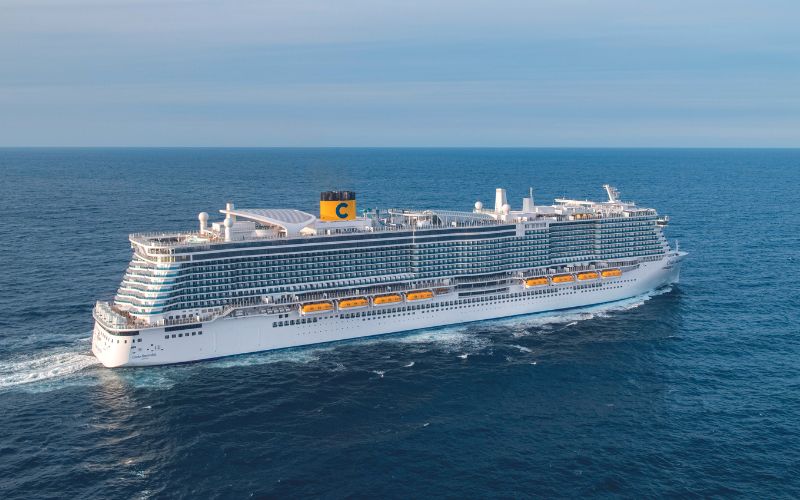
2. Costa Smeralda

Costa Smeralda
  • Maiden Voyage: 21 December 2019
  • Cost: $950 million
  • Tonnage: 183,900 GT
  • Capacity: 5,200 guests

Costa Smeralda is another Excellence-class ship, this time sailing under the Costa Cruises brand, and when she launched she was not only the first LNG-powered ship for Costa, but also the biggest ship ever built for the cruise line, and the sixth-largest in the world (although she has now fallen further down the rankings).

She remains one of the largest ships in the world to offer exclusively Mediterranean cruise itineraries, including through the winter.

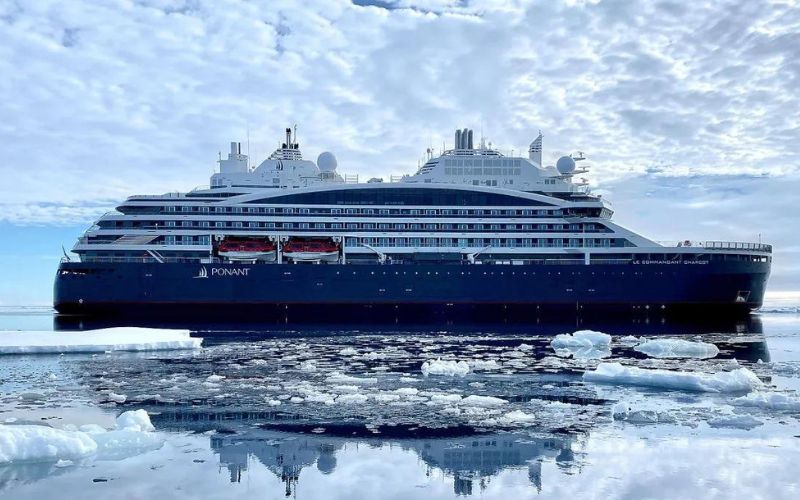
3. Ponant Le Commandant Charcot

Ponant Le Commandant Charcot
  • Maiden Voyage: 29 July 2021
  • Cost: $324 million
  • Tonnage: 30,000 GT
  • Capacity: 270 guests

Le Commandant Charcot featured a hybrid power plant that’s powered by LNG and has electric batteries that can drive the ship with the engines switched off. She was the first icebreaking vessel to be powered by LNG – meaning a ship that is capable of sailing through the polar regions and withstanding ice impacts in the water.

She was also key in proving that LNG was the future for all size of cruise ships – not just as an investment for larger mega ship designs.

4. Carnival Mardi Gras

Carnival Mardi Gras
  • Maiden Voyage: 31 July 2021
  • Cost: $950 million
  • Tonnage: 183,900 GT
  • Capacity: 5,200 guests

Billed as ‘the first LNG-powered ship in North America’, Mardi Gras is the third Excellence-class ship to be built for the Carnival Corporation and the first for the primary Carnival cruise brand.

Carnival took the opportunity to overhaul the layout of the ship too, introducing ‘Zones’ for the first time, with each one hosting different entertainment facilities and features to make navigating the ship much easier.

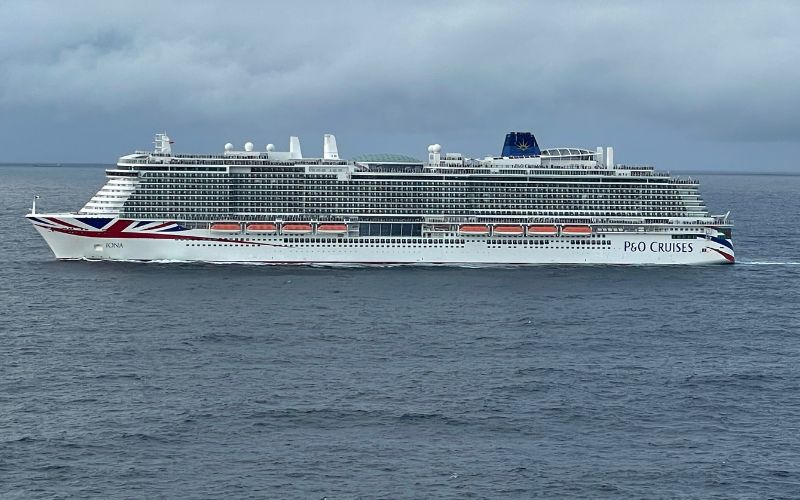
5. P&O Iona

Iona
  • Maiden Voyage: 7 August 2021
  • Cost: $950 million
  • Tonnage: 183,900 GT
  • Capacity: 5,200 guests

Iona follows the same Excellence-class design as other Carnival Corp. ships, and was at the time the largest ship ever to be built for P&O Cruises and therefore the largest ship designed with the British cruise market in mind.

Since her launch in 2020 she has been exceptionally popular, primarily offering cruises around Northern Europe and the Med but with the occasional Caribbean itinerary too.

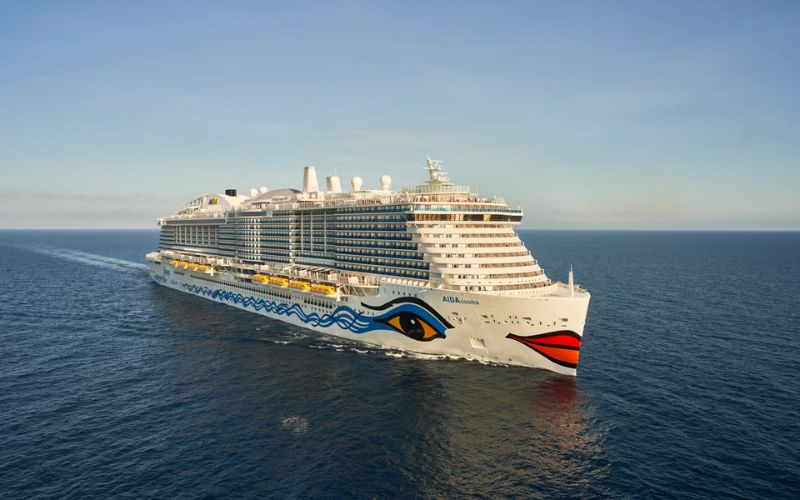
6. AIDAcosma

AIDAcosma
  • Maiden Voyage: 26 February 2022
  • Cost: $950 million
  • Tonnage: 183,900 GT
  • Capacity: 5,400 guests

AIDAcosma is a direct twin of AIDAnova, which also means she helped AIDA Cruises become the first cruise line to feature two LNG-powered ships.

A family-friendly ship, she is packed with fun features for all ages to enjoy including rock-climbing walls, splash pools, a water park and dining options aimed at children too.

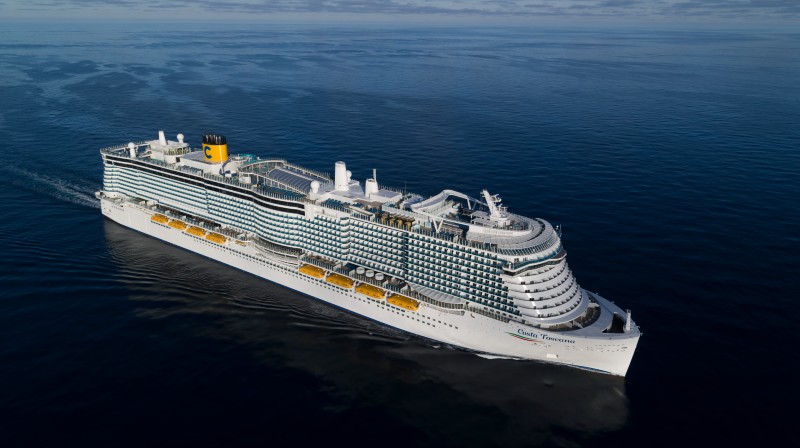
7. Costa Toscana

Costa Toscana
  • Maiden Voyage: 5 March 2022
  • Cost: $950 million
  • Tonnage: 183,900 GT
  • Capacity: 5,224 guests

Costa Toscana is the sister ship of the Costa Smeralda, and she is considered to be the new flagship of the Costa Cruises fleet.

Delivery of Costa Toscana was delayed from her original launch date due to the COVID-19 pandemic, but since she has launched she has wowed guests with her wide range of family-oriented facilities, helping establish a new and more environmentally-friendly future for Costa Cruises.

8. Disney Wish

Disney Wish
  • Maiden Voyage: 14 July 2022
  • Cost: $900 million
  • Tonnage: 140,000 GT
  • Capacity: 2,500 guests

Disney Wish was the fifth ship to launch for Disney Cruise Line, marking it as a notable event since launches are so rare.

Not only was she the first Disney ship to be powered by LNG, but she was the first to feature a full Disney attraction at sea, in the form of the AquaMouse water coaster. Other popular areas of the ship are themed around Star Wars, Marvel, and the Disney concept of ‘imagineering’.

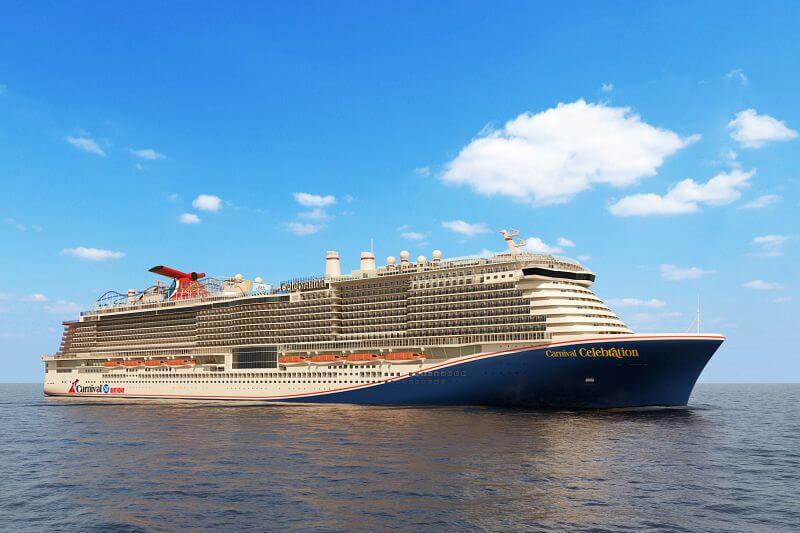
9. Carnival Celebration

Carnival Celebration
  • Maiden Voyage: 6 November 2022
  • Cost: $950 million
  • Tonnage: 183,900 GT
  • Capacity: 5,200 guests

Carnival Celebration is a sister ship of Mardi Gras, and became the seventh Excellence-class ship to launch for the Carnival Corporation.

She is very similar to Mardi Gras, being split into six distinct zones and including a wealth of dining options and family-friendly activities, including the returning Bolt roller coaster at sea and the debut of Space Cruisers, part of the kids’ club developed with the Kennedy Space Center.

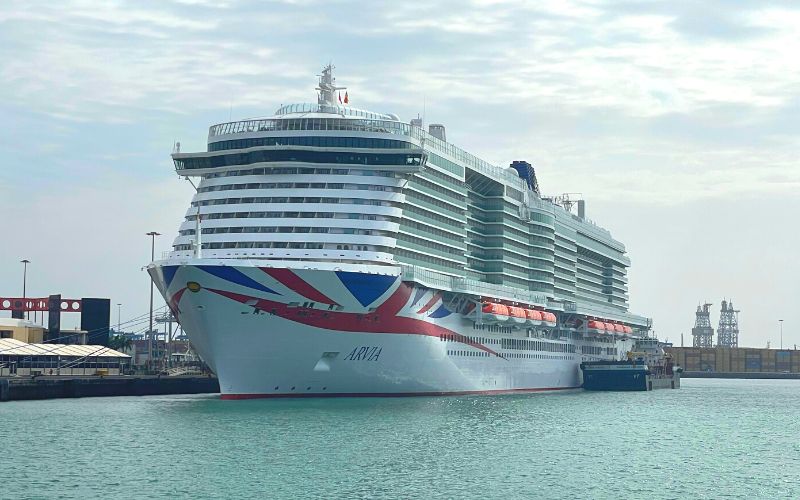
10. P&O Arvia

Arvia
  • Maiden Voyage: 6 November 2022
  • Cost: $950 million
  • Tonnage: 183,900
  • Capacity: 5,200

Arvia is the second ship to launch for P&O Cruises to be powered by LNG, and she is the current flagship of the fleet.

Similar to Iona, she has some great features onboard to please the whole family, including fantastic dining options and a varied kids’ club. Unlike her sister, she offers more variety in her itineraries including more frequent Caribbean cruises.

11. MSC World Europa

MSC World Europa
  • Maiden Voyage: 26 January 2023
  • Cost: $1.2 billion
  • Tonnage: 183,900 GT
  • Capacity: 5,200 guests

MSC World Europa is the first ship for MSC Cruises to be powered by LNG, and her futuristic design doesn’t stop there. Other environmentally-friendly features include enhanced water recycling, and improved propellers that cut down on noise affecting marine wildlife.

Her modern style also extends to her entertainment, including virtual-reality themed activities and lots of digital screens.

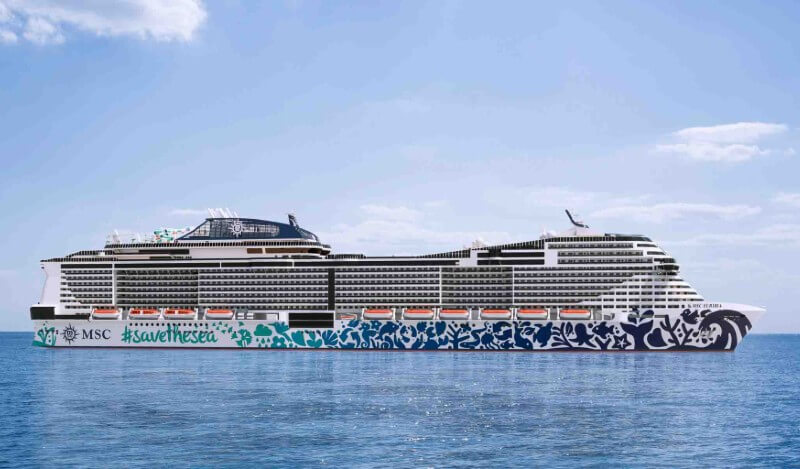
12. MSC Euribia

MSC Euribia
  • Maiden Voyage: 10 June 2023
  • Cost: $1 billion
  • Tonnage: 177,000 GT
  • Capacity: 4,888 guests

MSC Euribia is the second LNG-powered ship to launch for MSC, but notably she’s also the first ship in the world to launch as part of an existing class of ship, but with the new fuel type. She joins the Meraviglia-Plus class, alongside sisters MSC Grandiosa and MSC Virtuosa that are powered by traditional diesel.

She also incorporates MSC’s new wastewater treatment systems, and other energy-efficient technology solutions to help reduce fuel needed.

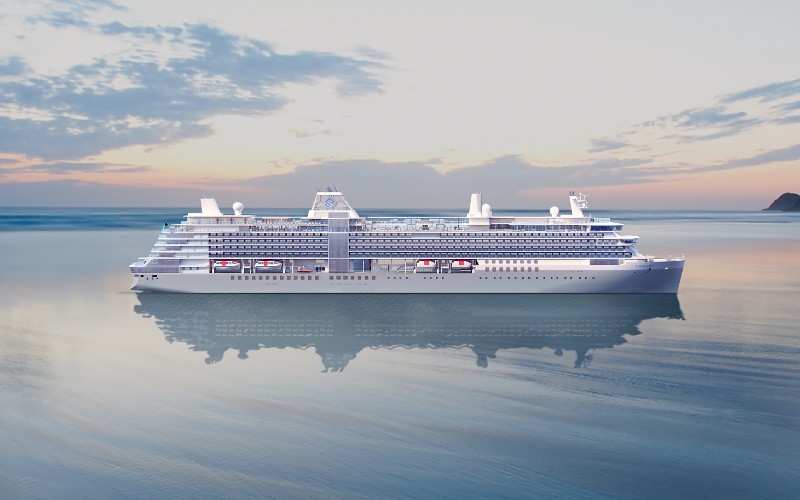
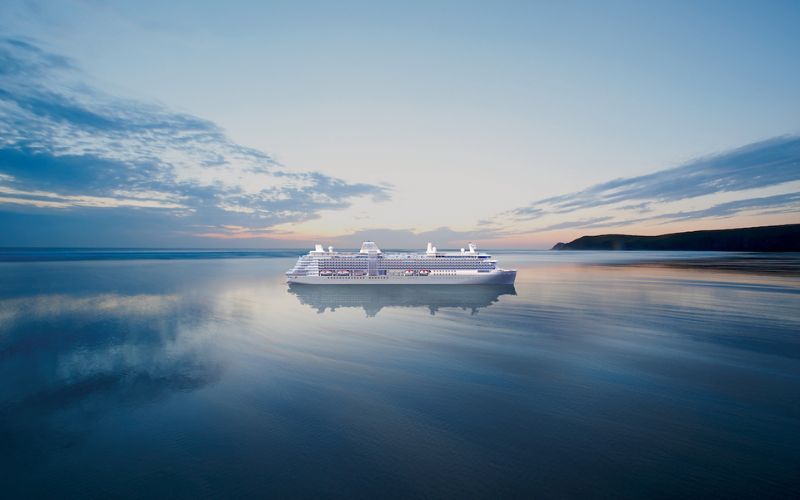
13. Silversea Silver Nova

Silver Nova
  • Maiden Voyage: 14 August 2023
  • Cost: $600 million
  • Tonnage: 54,700 GT
  • Capacity: 728 guests

Arguably, Silver Nova has the distinction of being the first ultra-luxury cruise ship to be powered by LNG (Le Ponant is sometimes considered an ultra-luxury cruise line too).

Along with a number of contemporary features aimed at reducing the carbon footprint of the ship, the ship also looks to the future by adding more choices for dining and suite accommodation, and ensuring public spaces are as sumptuous as possible with hand-picked furnishings.

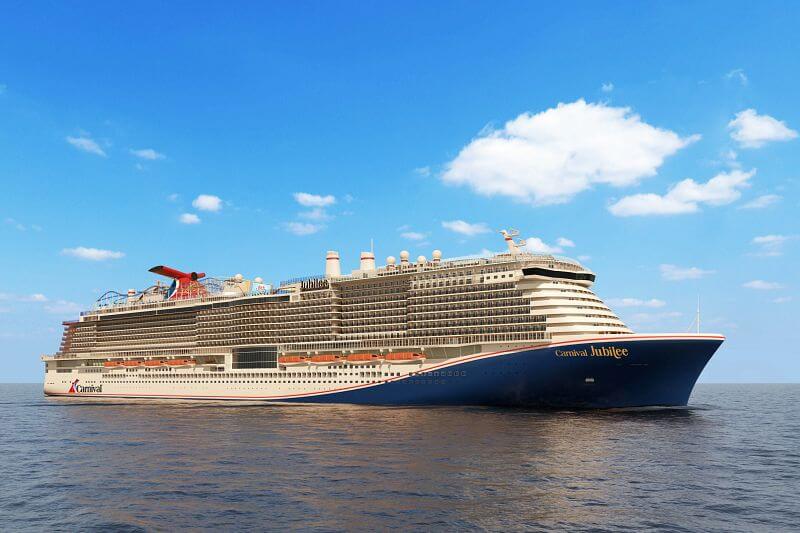
14. Carnival Jubilee

Carnival Jubilee
  • Maiden voyage: 23 December 2023
  • Cost: $950 million
  • Tonnage: 183,900 GT
  • Capacity: 5,400 guests

Carnival Jubilee is the third LNG-powered ship in the Carnival Cruises fleet, offering sailings out of Galveston in Texas.

Carnival will continue to use LNG for future ships in the fleet.

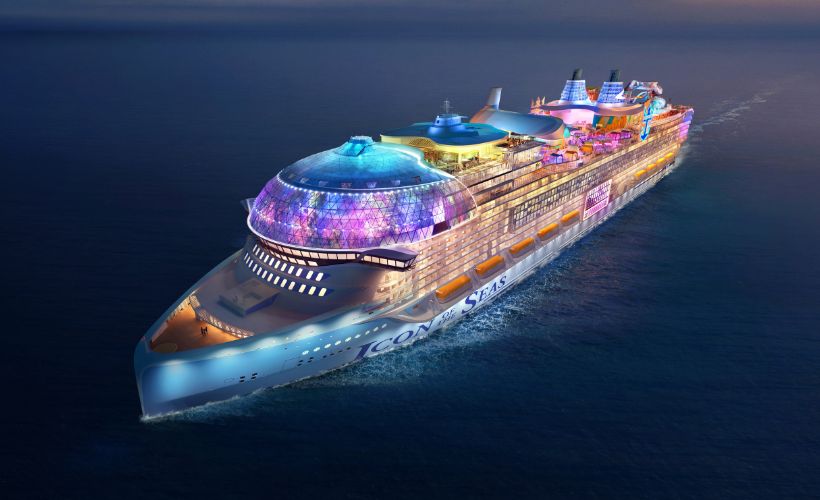
15. Icon of the Seas

Icon of the Seas
  • Maiden Voyage: 27 January 2024
  • Cost: $1.1 billion
  • Tonnage: 250,800 GT
  • Capacity: 5,610 guests

When Icon of the Seas launched for Royal Caribbean, she wasn’t just the first LNG-powered ship for arguably the biggest cruise line in the world; she also took on the mantle of the single biggest cruise ship ever built.

She features some incredible new features, such as a dedicated neighbourhood for young families in Surfside, the largest waterpark at sea, and a massive range of dining options, including old favourites and debuting venues.

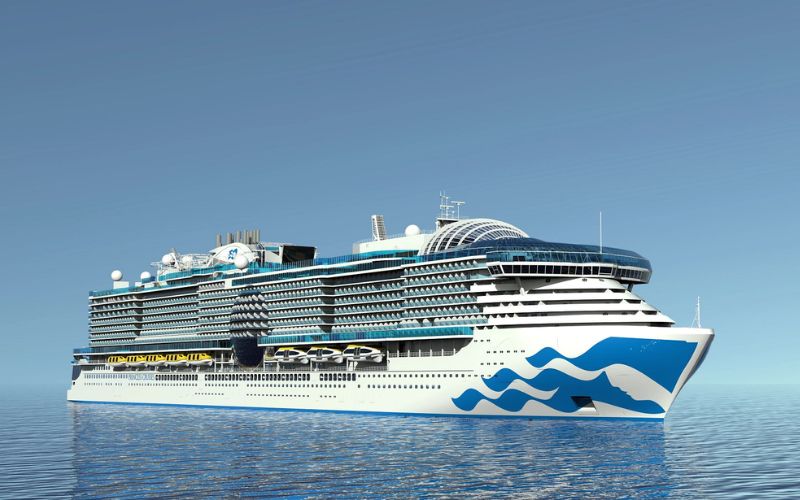
16. Sun Princess

Sun Princess
  • Maiden Voyage: 18 February 2024
  • Cost: $1 billion
  • Tonnage: 175,000 GT
  • Capacity: 4,300 guests

Sun Princess was the first LNG-powered ship for Princess Cruises, and also the first LNG-powered ship built for the Carnival Corporation that isn’t an Excellence-class ship. She’s actually be a little smaller than the Excellence-class ships, but she’s still the largest ship sailing for Princess Cruises.

The third ship to ever sail for the fleet with the name ‘Sun Princess’, she offers some stunning new features including the Wake View Terrance and Sun View Terrace, both perfect spots to relax and enjoy the incredible views from the ship.

17. Silver Ray

  • Maiden Voyage: 3 June 2024
  • Cost: $600 million
  • Tonnage: 54,700 GT
  • Capacity: 728 guests

Silver Ray is the second Nova-class ship sailing for Silversea, including some of the debuting features from Silver Nova such as the asymmetrical design and the increased use of glass throughout the public areas to open up the ship more and make the most of the view.

As well as being powered by LNG, she retains other contemporary tech from Silver Nova that helps to make her more environmentally-friendly than earlier ships in the Silversea fleet.

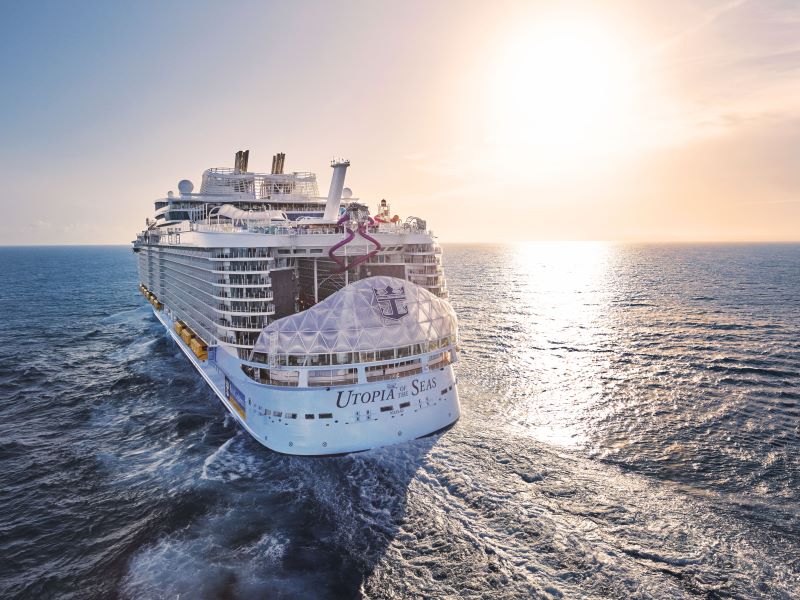
18. Utopia of the Seas

Utopia of the Seas
  • Maiden Voyage: 19 July 2024
  • Cost: $1.3 billion
  • Tonnage: 231,000 GT
  • Capacity: 5,714 guests

Utopia of the Seas is the sixth Oasis-class ship to launch for Royal Caribbean, and the first of which to be powered by LNG.

She retained many of the most popular features from sister ships like Wonder of the Seas, along with some new features alongside the new fuel tech – no Royal Caribbean ship ever launches without something innovative.

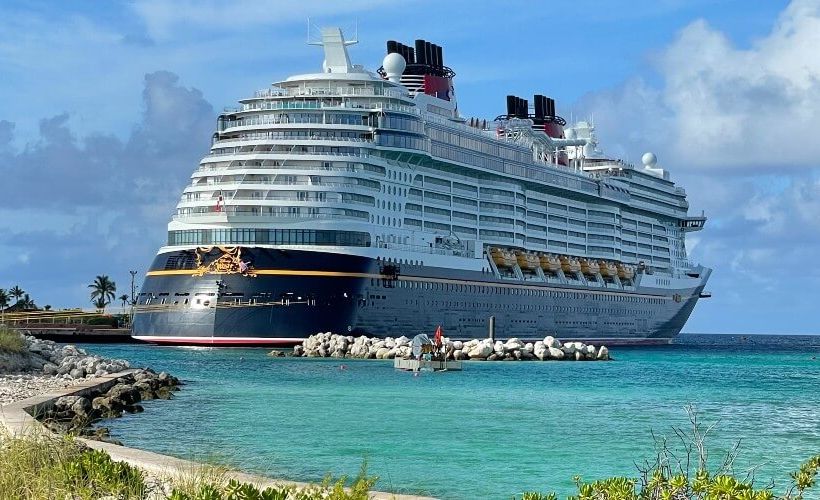
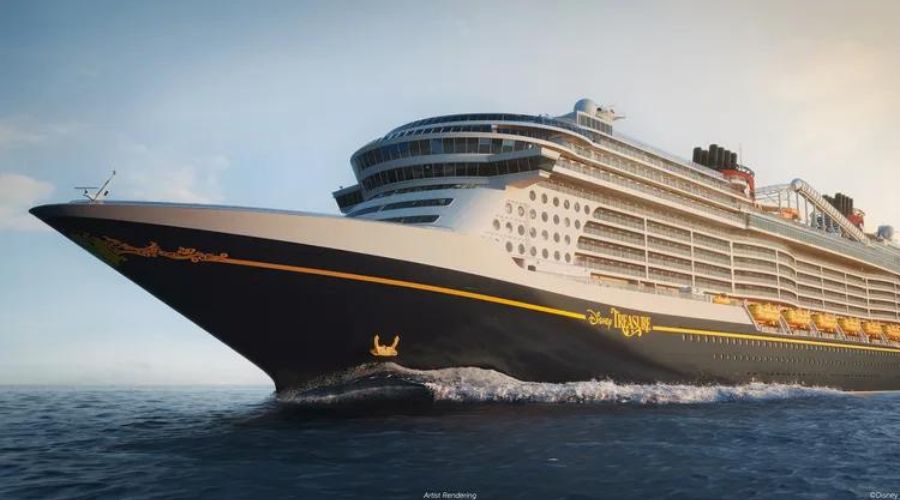
19. Disney Treasure

Disney Treasure
  • Maiden voyage: December 2024
  • Cost: $900 million
  • Tonnage: 140,000 GT
  • Capacity: 2,500 guests

Disney Treasure is the sister ship of Disney Wish. As well as maintaining the environmentally-friendly features of her sister, she’ll also build on her new entertainment options and themed areas too.

She has the theme of adventure, with public areas based on the Aladdin movies, along with some other cool new spaces such as one themed around the Haunted Mansion.

And that’s it – the first 19 cruise ships to use LNG as a fuel, up to the end of 2024. Many ships launching in 2025 & beyond are also using the fuel, but cruise lines are still looking at new alternatives that may be even more environmentally-friendly too.

Related posts:

If you found this interesting, please share!

Cruise Mummy

Jenni Fielding is the founder of Cruise Mummy. She has worked in the cruise industry since 2015 and has taken over 30 cruises. Now, she helps over 1 million people per month to plan their perfect cruise holidays.

Read more about me


Source link

Bahamas-cruise.jpg

The Worst Time To Cruise To The Bahamas

The Bahamas is one of the most popular cruise destinations due to the island’s beautiful beaches, clear water, and proximity to Florida, another top holiday destination.

Bahamas Cruise

If you’re considering booking a cruise to the Bahamas, it’s worth looking into the best times to go and when it might be best to avoid. 

A few years ago, I booked a cruise to the Bahamas to depart at the end of August. Well, a day before we were due to fly the cruise was cancelled. I didn’t think that perhaps the risk of hurricanes was the reason why the cruise was so cheap!

Since then, I’ve done a ton of research about the best and worst times to visit the Bahamas, so here’s everything you need to know. 

The worst months for the Bahamas

The worst months to take a cruise to the Bahamas are during the hurricane season. This starts at the beginning of June and finishes at the end of November, and it peaks from August to October. During this time, hurricanes mean the weather can be unpredictable.

The Caribbean is the destination which mainly suffers from hurricanes. However, the Bahamas is north of the Caribbean Sea, which means the weather is less humid and less likely to be hit by a hurricane.

Strong winds blowing  on the trees

However, if you do decide to take a cruise to the Bahamas during hurricane season, there is a chance that your travels may not go completely to plan.

If you don’t want to take the risk, the Bahamas is at its driest in December through to early spring. You’ll more likely be able to enjoy sunny skies and less chance of your cruise being interrupted.

If you’re starting your cruise from a destination such as Florida, but a hurricane is on its way, the cruise will either be cancelled, may be delayed by a few days, or a port or two may be missed out. The cruise line’s top priority is the passenger’s safety. 

You can learn more about how hurricanes can affect your cruise here.

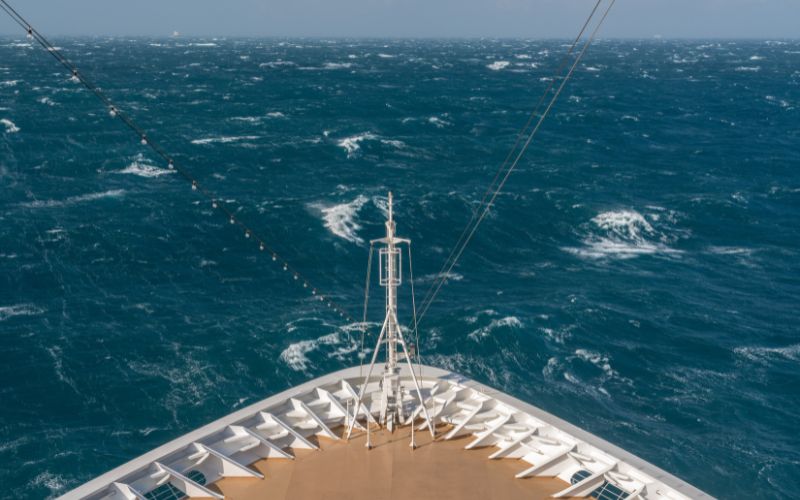
Whilst the captain and crew carefully navigate for calmer waters, the onboard entertainment will replace your expected beach day in the Bahamas. Unfortunately, sometimes the outdoor pools close due to the swell of the sea, which in turn floods the surrounding pool areas.

Choppy seas as viewed from a cruise ship

However, there’s so much to do on a cruise ship that you shouldn’t be too disheartened if the Captain has announced that stormy weather is predicted. 

There are plenty of activities to keep you occupied onboard the ship. Particularly on a large, modern ship, there’s usually lots to do. For example, if you’re on a Royal Caribbean cruise, your ship might have activities such as large theatre productions, ice skating, pub quizzes or, if you prefer something quiet, a library to relax in.

Family ice skating together

The advantages of cruising in the off-peak season

Sometimes because of life commitments, we can’t always choose the best time to travel. Our travel arrangements are governed by school holidays. If you have children, vacation time doesn’t always coincide with the best of your favoured location’s weather. 

Happy couple on cruise

However, you could be lucky, bad weather at that time of year is not a foregone conclusion. You could benefit from lower cruise prices, cheaper flights and not so many crowds. 

Many times when your cruise planner is live, and you are looking to book tours, you see the words ‘sold out’. This is less likely to happen in this quieter season – there may be more availability.

Tips for cruising in the Bahamas during hurricane season

If you decide to make the most of the reduced prices and quieter times, I have some suggestions.

First of all, when booking your cruise, check their cancellation policy. Check how they deal with refunds, as cruise lines have different terms and conditions. Some might offer an alternative, but others will issue credits to use another time.

Hurricane Season sign

Once you’ve booked your cruise, choose the appropriate travel insurance. Make sure the policy covers cruise ships and the destinations you’re visiting, such as the Bahamas. Check the small print and terms and conditions, and check whether it includes weather-related disruptions.

Next, when it comes to packing, it is essential to include suitable clothing for the varying weather conditions. Ensure to include appropriate wet weather gear to shield you from chilling winds.

Cruise lines and travel companies are very good at keeping in touch. You will hear from them if there are going to be any disruptions. So, make sure you check your emails and messages if you hear about potential hurricanes. 

You can also stay updated with hurricane forecasts on websites and apps such as the National Hurricane Center.

The bottom line

As the weather can be unpredictable during the hurricane season, it might not be an ideal time to take a cruise to the Bahamas. 

However, if you’re willing to give it a go, you might be able to get a cruise for a good price. Also, if you’re lucky, you may have fantastic weather, and you can enjoy your holiday without fighting your way through the crowds.

Related topics

If you found this interesting, please share!

Cruise Mummy

Jenni Fielding is the founder of Cruise Mummy. She has worked in the cruise industry since 2015 and has taken over 30 cruises. Now, she helps over 1 million people per month to plan their perfect cruise holidays.

Read more about me


Source link

deep-ocean.jpg

What Can You Get Away With in International Waters?

You might’ve heard the term international waters and wondered what that means when it comes to the law. After all, if you’re not in any country, does that mean you can get away with things you wouldn’t be able to on land?

Not necessarily. In this guide, I’ll explain what international waters are, and why you can’t just do whatever you want when you’re in them.

The ocean

International waters classified

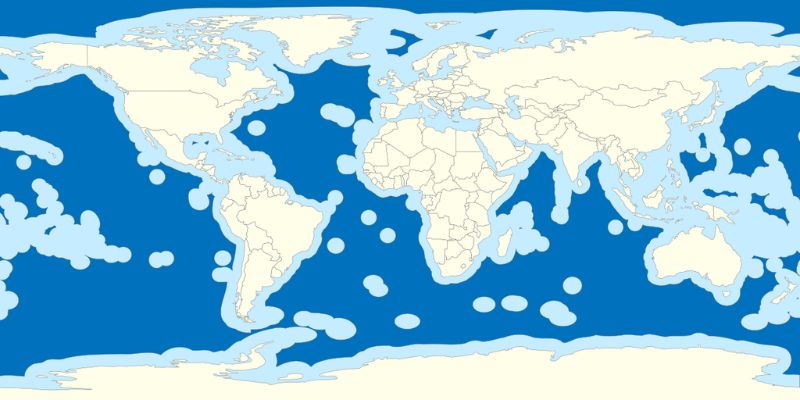
International waters are classified as those further out than 12 nautical miles from the nearest ‘baseline’ – the average coast of a country at low tide. Countries can also claim control over a further 12 nautical miles in the ‘contiguous zone’ to protect immigration, sanitary or customs laws.

There are quite a few different rules surrounding international laws but broadly, anything that is 12 nautical miles (around 14 miles as measured on land / 22 kilometres) would be considered to be in international waters.

International waters are shown in dark blue on this map…

The international water map

But the light blue extends more than 12 miles from the coast on that map, doesn’t it? Yes, well done if you spotted that.

You see there’s another important zone worth knowing about, which is the Exclusive Economic Zone. This extends 200 nautical miles from the coast, and gives countries control over the economic resources within that space, such as for fishing, oil drilling and mining.

Wide ocean

Why is international waters 12 miles?

There is no defined reason for why the international waters limit is 12 nautical miles. It is a barrier that has simply been agreed between countries when setting the standards under the 1983 Law of the Seas Convention.

Europe was the first continent to try to establish a limit on territorial waters in the early 1800s and that was set to three nautical miles, the average distance a cannon could fire – so in theory, the distance a country could defend.

Some countries around the world exceeded this but it was only those that claimed over 12 nautical miles that typically received a backlash. And so eventually 12 nautical miles was accepted. The reason it’s 12 instead of 10 or 15 is because a league is 3 nautical miles, so setting the border as a multiple of 3 made sense. The territorial border for waters is at four leagues.

Don’t assume that international waters are a free-for-all

Not everything is legal in international waters. While international waters aren’t covered by one country’s set of laws, you are governed by the laws of the country your ship is registered in.

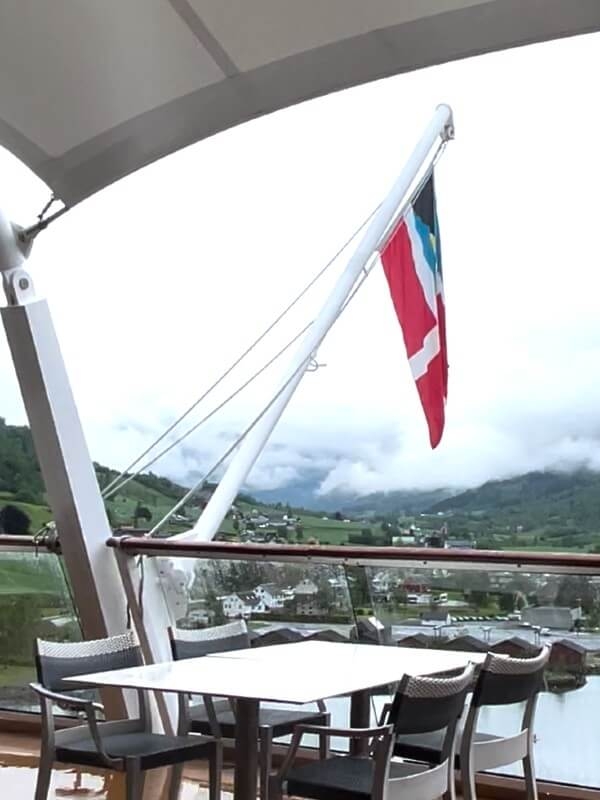
The bahamas flag onboard

If your ship doesn’t fly any flag, you’re governed by universal jurisdiction, where any other ship can intervene in your crimes to stop you.

Plus, any victims of crimes can claim the laws of their own country. So even if you don’t fly a flag and you claim to not be from a country yourself, if your crime involves a victim, you can be subject to the laws of the victim’s country.

Suggested read: How Are Crimes Dealt With At Sea?

Put simply – no, you can’t do whatever the heck you want when you’re in international waters.

1. Drinking alcohol

Drinking alcohol is legal in international waters, and the minimum drinking age is established based on the country where the ship is flagged. You’re allowed to drink if you’re 18 years old if you’re travelling on a ship registered in a country where that is the minimum drinking age.

When it comes to cruises, most cruise lines will still keep the limit at 21 years of age. Rather than follow the laws of the country where they are based, they will follow the law of the ports they visit and depart from. So if you’re cruising from the US, you’ll usually need to be 21 or older to drink, even when you’re in international waters.

Read more: Can you drink on a cruise at 18?

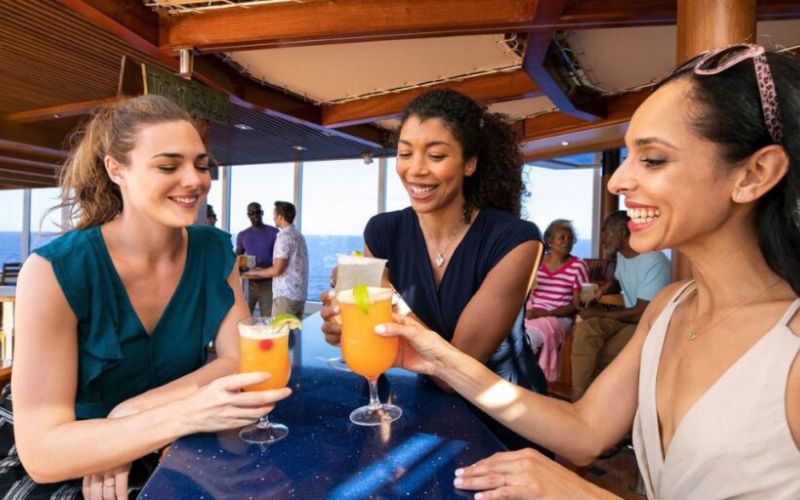
women having drinks at Carnival Cruises

2. Gambling

Gambling is legal in international waters for anyone who is an adult aged 18 or older. Many countries have strict laws on gambling, but these laws don’t apply in international waters. Some companies offer off-shore gambling ships purely for those who want to gamble away from their home country’s laws.

When it comes to cruising, gambling will usually be restricted when you’re in territorial waters of a country that has stricter gambling laws, such as the US. But as soon as you’re 12 nautical miles out to sea, the casinos will open and gambling is allowed.

Even if you’re cruising in a country where gambling is legal, like in the UK, then the casino usually won’t open until the ship is at sea for tax reasons.

Inside the casino

3. Doing drugs

It’s generally illegal to do most drugs in international waters – it depends on the law of the country where your ship is registered. If your country has different drug laws at state/regional level then the accepted federal law will apply.

So if you’re on a cruise, don’t expect to be able to take along some weed, or even medical marijuana. It’s banned completely, and cruise lines take a hard stance against people bringing drugs onto the ships.

Even if it’s legal in your home state, and you need it for pain management, you’ll need to find an alternative to use during your cruise. It’s a hard no.

Read more: Bringing weed on a cruise

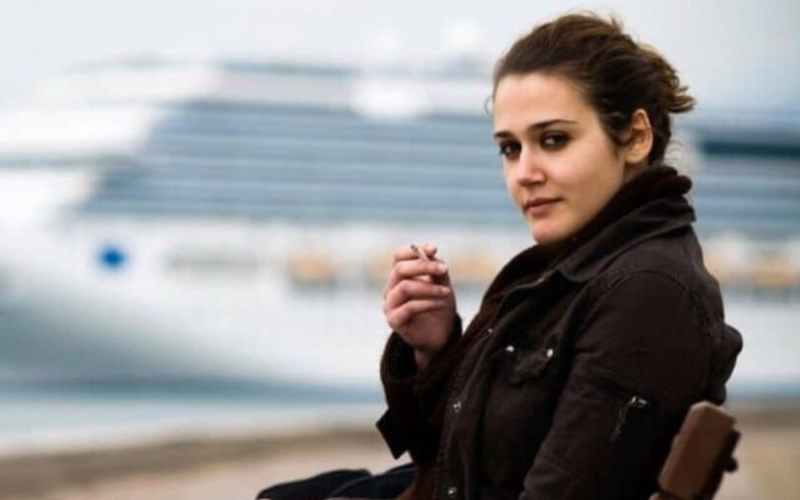
A girl smoking

4. Murder

Unsurprisingly, murder is not legal in international waters. Even if you were on a ship that was not registered to a country where murder is outlawed, the laws of the country where you or the victim are from would deem murder to be illegal.

A crime scene

Of course, this also applies to murder on cruise ships. Just because your cruise ship heads away from territorial waters doesn’t mean that the passengers can start killing. Cruise ships are generally very safe places, although there have been very rare cases of people killing others by throwing them off the ship. They are, of course, tried for murder.

Read more: How many people go missing on cruise ships?

5. Getting married

You can legally get married while you’re in international waters, and it will be a recognised marriage back on land. However, you’ll need to get a wedding license from the country where your ship is registered, and it’s important to note that some countries still don’t allow same-sex weddings.

For that reason, some cruise lines also only offer weddings for a man and a woman, but there are some cruise lines such as Celebrity Cruises which will perform same-sex weddings.

If you’re getting married on a cruise, the cruise line will help you with all the details of acquiring your license so that your marriage is considered binding.

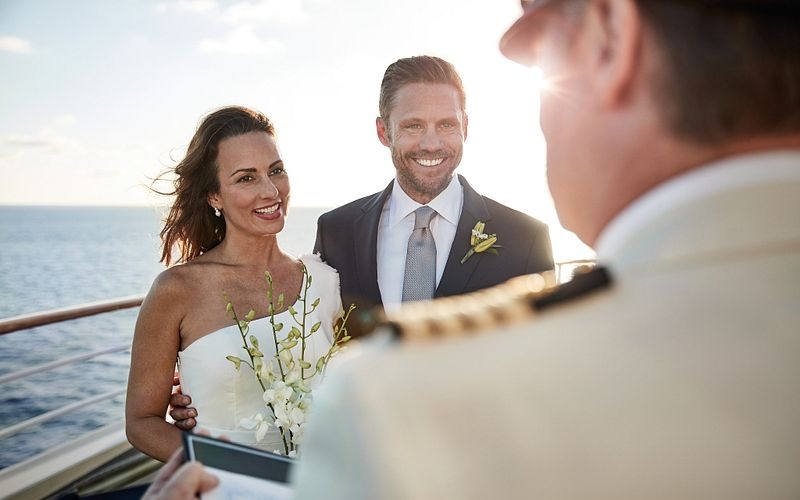
Sometimes, the captain will perform the wedding, an other times it may be a celebrant who works on board the ship.

Lovely couple getting married

6. Piracy

Piracy is defined as any illegal act of violence, detention or act of depredation directed against a ship, so of course that means it is illegal in international waters. Pirates may not fly a flag from a country on their ship, but under international maritime law, they are still acting illegally because they have victims, whose laws will apply.

Pirate

Piracy is not really an issue for cruise ships. The ships are too large for pirates to target. And even if they tried to, cruise ships can be boarded by special security teams to defend the ship. They also have sonic boom weapons that can knock pirates off a ship, and high-pressure hoses to prevent pirates from boarding.

7. Carrying a gun

In international waters, you are permitted to carry any firearm that would normally be permitted under the laws of the country that the ship is flagged under. However, the carrying policy also depends on the owners of the boat – they are allowed to set their own rules on whether firearms are allowed on ships.

On a cruise ship, you’re not allowed to take a gun with you, even if your home state allows you to carry one. You have to abide by the rules of the cruise line.

Read more: Guns on cruise ships

As a side note, while this doesn’t really apply to cruising, it is legal to shoot a pirate in most cases. It will almost always be classified as self-defence and that is legal in most international laws.

Gun on a holster onboard

8. Fishing

The laws on fishing in international waters are a little complicated, but fish within 200 nautical miles of a coastline belong to that country, as part of the Exclusive Economic Zone. Fish outside these boundaries are governed by the Regional Fisheries Management Organizations.

If you wanted to fish within an EEZ you would need to have a fishing license from the country that owned the fish in those waters. To fish in waters governed by the RFMOs, you would need to determine which organisation managed the waters and apply for a license with them.

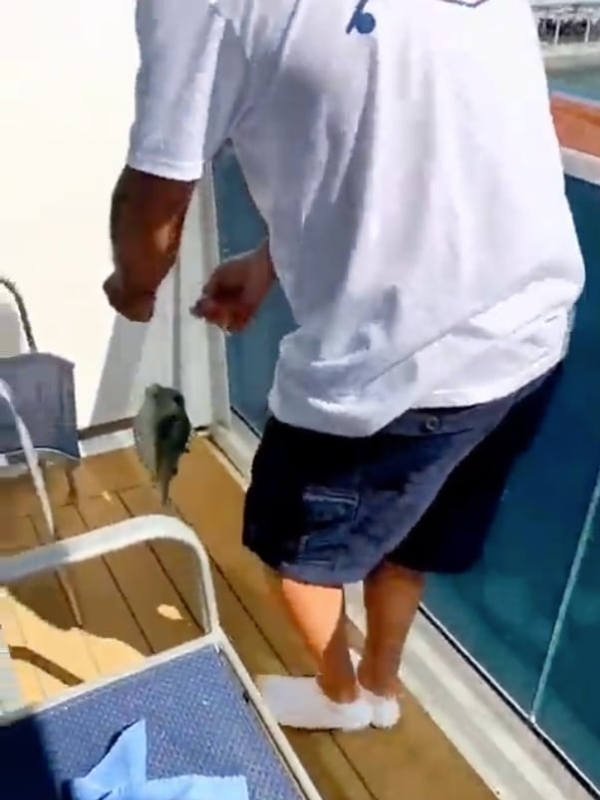
A man was once caught fishing off the balcony of a Carnival cruise ship. You can read all about that here.

A man that hooked a fish onboard

9. Mining

Every country is allowed to mine and drill for oil within 200 nautical miles of its coastline – this is the Exclusive Economic Zone and any resources in this area belong to the country. Outside of the EEZ companies don’t mine or drill for oil. If they did, they could be challenged on sovereignty by another nation.

Where countries lie closer than 200 nautical miles apart, a median line is drawn. Basically, whichever country the resources are closest too, that country takes ownership.

Oil mining rig in the middle of the ocean

10. Viking funerals

The laws on whether Viking funerals are allowed in international waters are unclear. Viking funerals are generally banned around the world by most countries, and in theory, the laws of the ship used to escort the cadaver would apply.

Viking funerals – where the dead body is sent off in a boat surrounded by their possessions, and often set alight, are usually illegal. Some places – including select parts of the UK – permit elements of a burial at sea, but they must involve a concrete casket.

In terms of cruises, don’t expect to be able to have a Viking funeral on a cruise ship. They’re already strict enough on the scattering of ashes.

A viking funeral

11. Paying taxes

The laws for paying taxes, if you are in international waters, vary depending on your home country and the time you spend at sea. If you’re from the UK but you spend more than half your year in international waters, you normally won’t have to pay taxes on any money you earn.

Calculating the amount of tax to be paid

There are some cruise ships that are designed for people to live on. You could, in theory, work remotely on these ships and not have to pay any taxes if you’re spending enough time on the high seas. But the laws do vary by country so you’d need to check with your tax office.

Read more: Living on a cruise ship

Doing something illegal in international waters – the consequences

If you do something illegal in international waters, you’ll be arrested and tried under the laws of the ship that you’re sailing on. If you are on your own boat, then any other ship can intervene under universal law and arrest you as per their own legal systems.

If you commit a crime while you’re at sea and you’re caught, you will still get in trouble. Any ship is allowed to act to prevent illegal activity.

And if you do something illegal on a cruise ship, you can expect to be sent to the ship’s jail (yes, they have one) where you will stay until either the next port of call or the end of your cruise. You’ll then be met by police officers at the shore, who will arrest you under their own law.

Of course, this depends on the severity of the crime. If you’ve somehow snuck weed onto a ship and you’re caught smoking it, you might not get arrested – you may instead just have it confiscated, or you might be kicked off the ship when next in port, but without the police getting involved. It varies.

Read more: Do Cruise Ships Have Police?

The bahamas police shack

Final word

If the idea of international waters sounded intriguing and potentially exciting, I’ve probably taken the spark out of it a little now. It’s not an exciting location where anything goes, you do still need to follow the law.

But some laws are more varied. Americans who want to gamble can do so more freely on a cruise ship, and some ships have a drinking age of 18 on the high seas compared to some drinking ages of 21 on land.

Don’t try to break the law when you’re next on a cruise though. It’s not worth it!

NEW DEALS JUST RELEASED!

Don’t miss these hot cruise offers…

If you found this interesting, please share!

Cruise Mummy

Jenni Fielding is the founder of Cruise Mummy. She has worked in the cruise industry since 2015 and has taken over 30 cruises. Now, she helps over 1 million people per month to plan their perfect cruise holidays.
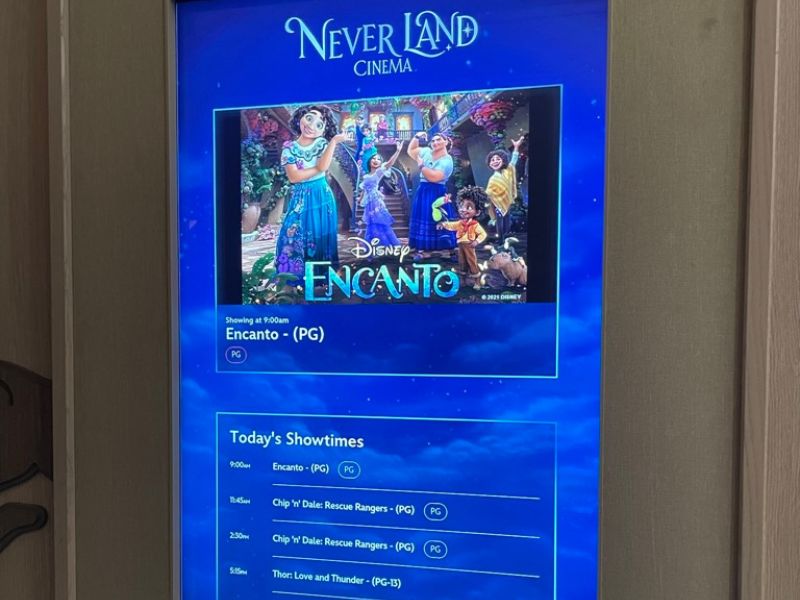
Read more about me


Source link

Cruise-Mumy-with-Ambition-cruise-ship.jpg

Why Are Cruises So Cheap?

Have you ever found yourself surprised at just how affordable a cruise can be, especially compared to a traditional land-based holiday? You’re not alone!

It seems almost too good to be true, doesn’t it?

I’ve taken many cruises that have cost me under £50 or $60 per night including meals, activities and entertainment.

Cruise Mummy with Ambition cruise ship

Since cruising restarted after a pause of 1-2 years, the prices have been lower than ever.

So why are cruises so cheap? And how do the cruise lines make a profit when prices are so low?

I’ve worked in the cruise industry since 2015 and every week I make a list of the cheapest cruise deals. (If you want that, sign up here).

So, let’s discuss why and how cruises are so cheap…

8 reasons why cruises are so cheap right now

1. Economies of scale

Cruise ships carry thousands of guests at a time, which allows them to achieve economies of scale. This means the average cost per passenger decreases as the number of passengers increases.

The biggest cruise ships carry over 6,000 people. With bulk purchasing available on from everything from food and drinks to furniture and fuel, the price per guest can be much lower than smaller establishments, such as hotels.

In fact, small cruise ships are usually much more expensive than larger ones.

Suggested read: Why Is American Cruise Lines So Expensive?

Princess cruise kitchen crew talking with each other

2. Inclusive pricing

Many cruises are sold as all-inclusive packages, meaning your accommodation, meals, and entertainment are included in one upfront cost. This can make them cheaper than paying for these items separately during a hotel stay.

First-time cruisers often aren’t aware of exactly what’s included in a cruise. So make sure that you know, and beware of any hidden extras like port fees and taxes, gratuities and speciality dining.

Read more: 28 Hidden Costs of Cruising You Should Budget For

Me and my family eating at windjammer

3. Off-peak deals

Cruise lines often offer significantly discounted rates during off-peak times to ensure their ships are fully booked. These deals can make cruising very affordable compared to other types of vacation.

Everyone wants to cruise when it’s sunny. So if you’re willing to travel when it’s cold, rainy, or even during hurricane season, you can cruise for a fraction of the price compared to the school holidays in summer.

Suggested read: What Is The Cheapest Month To Go On A Cruise?

cruise to Norway in winter

4. Lower labour costs

Cruise lines often employ workers from countries where wages are lower, which can reduce their labour costs.

Land-based hotels have to abide by minimum wage rules set by the government. But because cruise ships are at sea, those rules don’t apply. Cruise lines are therefore able to pay a wage which would be seen as reasonable to someone who usually lives in India, Eastern Europe or the Philippines, but which would be less acceptable to someone used to the high cost of living in the USA or UK.

Because crew members have their accommodation, food and medical expenses paid for and have no bills for gas, electricity, water, or running a vehicle, their daily expenses are very low. So even on a relatively low wage, cruise ship workers are often able to send money to their families.

Suggested read: How Much Do Cruise Ship Workers Make?

Lovely cruise crew

5. Onboard spending

While the upfront cost of a cruise might be relatively low, cruise lines often make a significant amount of their profits from onboard spending on things like drinks, speciality dining, spa treatments, WiFi and casino gaming. This model allows them to keep ticket prices lower.

It’s perfectly possible to have no bill at the end of your cruise. But the fact of the matter is that most people will spend several hundred pounds or dollars onboard during their cruise.

Receipt after eating from wonderland

6. Accommodation upgrades

The lowest prices that you see for cruises are usually for windowless inside cabins. But, most cruise ship cabins actually have balconies, and people are willing to pay a lot more for that privilege.

Because almost every hotel room in the world comes with a window or balcony, people have come to expect that ad standard, and so they may be turned off by the idea of a windowless inside cabin.

At scenic destinations such as Norway or Alaska, people will often pay two or three times as much for a balcony compared to an inside cabin.

And when it comes to suites, the price can raise as high as ten times as much.

7. Competition

Cruise lines hate to have empty rooms because then they lose out on all of the money that could be made from spending onboard. So, around 12 weeks before a cruise sets sail, they’re often forced to drop prices to avoid making a net loss on the sailing.

Before the shutdown, the world’s shipyards literally couldn’t build cruise ships fast enough to cope with the growing demand for cruises. Cruse lines had to put in their orders at least six years in advance to get new ships built.

But while demand then faded, it has now risen again and cruising’s as popular as it ever was, so this reason has become a little diluted since more and more people are now looking to cruise.

Suggested read: How Late Can You Book A Last Minute Cruise?

Cruise ships in Nassau

8. Cutbacks

Reducing the price of cruises to fill them has been necessary, but then that has in turn made it even harder for the business to be profitable.

To alleviate this problem, most cruise lines have had to make subtle cutbacks to be more efficient.

For example, you may no longer see chocolates on your pillows at night, you might not get towel animals and you may be charged if you request a second lobster tail at dinner.

These changes aren’t huge. Who really needed the corner of their duvet turning over in the evening anyway? But they have meant that cruise lines can reduce prices while staying afloat (if you pardon the pun).

Read more: 7 Cruise Cutbacks and Changes That Everyone Hates

My children eating their pizza and fries

How to find cheap cruise deals

Of course, not all cruises are cheap. And that’s part of how cruise lines make their money. Most people pay over the odds, but the cheap deals are there if you’re willing to look for them.

As you’ve read this far, I’ll gladly share that info with you. But I am conscious that cruise lines make a loss on those who book the cheapest cruises, and so if everyone did that they wouldn’t be able to offer them.

To find a cheap cruise, it starts with knowing which cruise lines to choose. So I’ve done some in-depth research on the prices of cruises, considering that some include things like port fees, taxes and gratuities in the price you see, and some make you pay extra for these.

Here are the cheapest cruise lines, in order. They’re not necessarily the best, but they do all offer good value for money. Cheap certainly doesn’t have to mean nasty when it comes to cruising.

Now, to find out exactly how to get the cheapest cruise deals, check out my guide to How To Find Cheap Cruises for a step-by-step guide to bag a bargain.

If you found this interesting, please share!

Cruise Mummy

Jenni Fielding is the founder of Cruise Mummy. She has worked in the cruise industry since 2015 and has taken over 30 cruises. Now, she helps over 1 million people per month to plan their perfect cruise holidays.
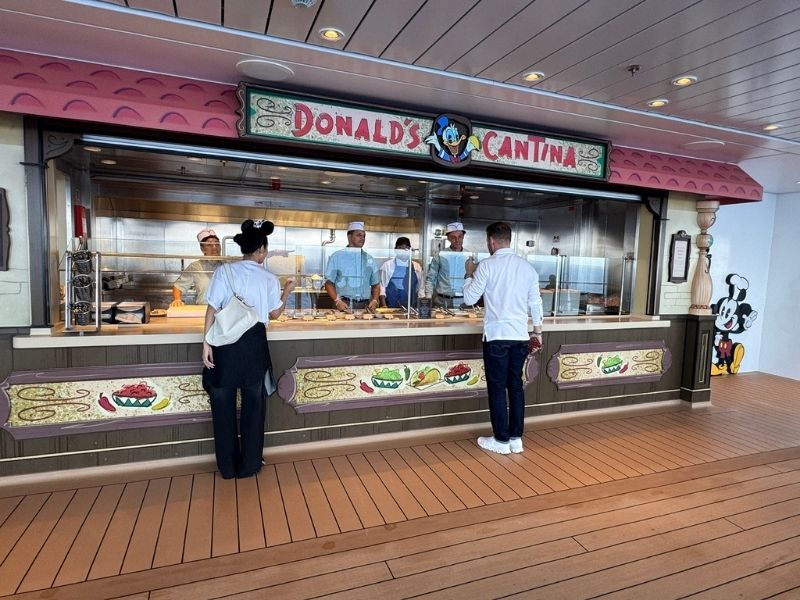
Read more about me


Source link

cruise-ship.jpg

The Ultimate Cruise Checklist (Free Printable)

Going on a cruise can be an exciting and memorable experience, but it requires a bit of preparation beforehand to ensure that everything goes smoothly.

One way to make sure that your cruise vacation starts off on the right foot is by creating a pre-cruise checklist. So I’ve done that for you!

You can grab a printable checklist here…

Or, keep reading and we’ll discuss everything on the list below…

Whether you’re a first-time cruiser or a seasoned sailor, this cruise checklist will help ensure that you have a stress-free and enjoyable experience.

You’ll stay organised and prepared, so you can enjoy your cruise without worrying about forgetting important items or details that could ruin everything.

I’ll cover all of the essential things you need to check off, starting from before you even book your cruise right up to the day you set sail.

Before you book your cruise

You found a cruise and are ready to make the call or click the button to get it booked. But wait! There are a few items you should tick off the checklist before you go ahead and book…

1. Check your passports are valid

Before booking a cruise, make sure that all passports for you and any travelling companions are valid and up-to-date.

Some countries and cruise lines require passports to be valid for a certain length of time beyond the end of your trip, so be sure to check those requirements as well.

If your passport has at least six months left on it by the date that you return and was issued less than 10 years before this date, you should be good to go. If not, you may need a new one.

passports

2. Check if a visa is needed

Depending on your destination and your nationality, you may need a visa to enter the country. Check the visa requirements well in advance and apply for one if necessary. Remember that the visa requirements for cruises may be different than those for arrival by air or land.

visa

3. Check if immigration forms are needed

Some countries require travellers to fill out immigration forms before arrival. Check the requirements for your destination and ensure that you have the necessary forms and information completed.

4. Get a travel insurance quote

If you have medical conditions, travel insurance can be very expensive and in some cases, it can cost more than the cruise!

Travel insurance is necessary though and most cruise lines won’t allow you to sail without it. If you need to be air-lifted to the hospital by helicopter, it will cost at least $20,000 – so you’ll want to be covered for that.

So get a few quotes and make sure that the premiums are reasonable before you go ahead and book your cruise.

cruise ship helipad

5. Check what vaccinations are needed

Certain destinations and cruise lines may require vaccinations or other medical precautions. Check with your cruise line as well as a doctor or a travel clinic well in advance of your trip to ensure that you are up to date on any necessary vaccinations or medications.

The vaccination requirements may be different for children and adults and they can change at any time. You may also need to be vaccinated a certain length of time before you set sail, so make sure you book your jabs in plenty of time.

6. Book time off work

Plan ahead and make sure that you have enough time off work to cover your trip. Arrange your leave well in advance to avoid any scheduling conflicts. The last thing you want is to book a cruise and then your boss says that they need you in the office that week!

7. Arrange pet or house sitters

If you have pets or plants that need care or a home that needs attention while you’re away, arrange for pet sitters or house sitters to take care of them.

Your dog-loving friends or family members may have their own holidays booked, so you’ll need to check their calendars before you book your cruise.

These are my two doggies…

my dogs

When you book the cruise

There will be some things you can check off during the booking process. Look out for the option to do these when you book. Different cruise lines have different procedures, so check with them or your travel agent to be sure.

8. Advise the cruise line of special needs or dietary requirements

If you have any special needs, mobility issues or dietary requirements, it’s important to inform the cruise line ahead of time so that they can make any necessary arrangements to accommodate you.

For example, if you use a scooter or wheelchair, you may need an accessible cabin. If you follow a vegan or gluten-free diet, the cruise line needs to know how much of each type of food to stock on board.

If you forget to do this when you book that’s okay, just contact the cruise line as soon as you remember. For dietary requests, three weeks is usually enough notice.

Just a note – if you need any form of scooter or wheelchair, you absolutely have to let your cruise line know. Some cruise lines, such as P&O, now only permit guests to book accessible cabins if they use these, because it guarantees there are enough crew members to help those people during an emergency.

Some people have been turned away at the port because they didn’t inform the cruise line they’d be using a scooter!

vegan section of the buffet

9. Request your preferred bed configuration

You should also request your preferred bed configuration when you book your cruise. This could include a double bed, twin beds, or a travel cot for a baby or toddler.

Make sure to specify your requirements to ensure that your cabin is set up correctly when you board the ship. If it’s not set up as you like when you arrive, don’t worry. Cruise ship cabins have convertible beds, so your cabin steward can make twins into a double and vice versa.

Be aware that some cabins have bunk beds and some have double sofa beds and these cannot be changed as easily as doubles into twins.

Ventura cabin
In some cabins, there is no option to have a double bed when extra beds are used

10. Request dining time and table size

When you book your cruise, you may be able to request your preferred dining time and table size. You can have a table just for your party, or share one with others and make new friends.

The cruise line will want to make arrangements for your meals ahead of time, ensuring that you have a reservation at your desired time and a table that is suitable for your group size.

Not every cruise line allows you to request this as the time of booking, but if they do, then now is the best time to do it so that you don’t have to eat much earlier or later than you’re used to.

main dining room

Soon after booking your cruise

You booked the cruise? Great! These are the things you need to do as soon as possible…

11. Get travel insurance

After booking a cruise, you should purchase travel insurance straight away. As well as medical emergencies and lost or stolen luggage, travel insurance provides cover for trip cancellations. It covered you from the day that you buy it, so get it as soon as possible so that if you have to cancel your cruise in the near future, you can get your deposit back.

It’s important to carefully review the coverage offered by the policy to ensure it meets your needs and that it includes the right level of cover for cruises.

You can usually only buy travel insurance 12 months in advance, whereas you can book a cruise over two years in advance. You may have a period without cover, so set yourself a reminder to get the insurance as soon as you’re able to.

12. Download the cruise line app

Many cruise lines offer mobile apps that provide information and services to passengers before and during their cruise. The app may include features such as pre-cruise check-in, itinerary planning, dining reservations, onboard activities and entertainment reservations, and more.

After booking your cruise, it is a good idea to download the cruise line app to familiarise yourself with its features and to stay informed of any updates or changes leading up to the cruise.

Royal Caribbean app

13. Book car parking

If you plan to drive to the cruise terminal, it is important to book car parking in advance. Many cruise ports offer onsite parking, but it can be limited and may fill up quickly during peak season. Booking car parking in advance can save time and ensure a spot is available upon arrival.

Port parking can be expensive so be sure to shop around for the best price. If you’re cruising from the UK, I have some guides to help you with that:

Southampton City Cruise terminal car park

14. Book port transfers

If you don’t plan to drive to the port, you may need to book port transfers to get from your hotel or airport to the cruise terminal.

Many cruise lines offer transfer services, but there may be additional fees and limited availability. Alternatively, you can arrange for a private transfer service or take a taxi or public transportation, but it is important to plan ahead to ensure you arrive at the port on time.

Bus

15. Book any hotel stays

If you plan to arrive at the port a day or more before your cruise, it is important to book a hotel in advance. This can help ensure availability and may also offer the opportunity to explore the port city or nearby attractions before embarking on the cruise.

Many cruise lines offer pre- and post-cruise hotel packages, but it is also possible to book independently through a travel agent or online booking site.

Royal Olympic hotel in Athens

A few months before you sail

16. Plan days ashore and book excursions

A few months before your cruise, it’s a good idea to start planning your days ashore and booking any excursions or activities you want to participate in.

Research the ports of call and decide which activities and attractions interest you the most, taking into account your interests, budget, and physical abilities.

Most cruise lines offer shore excursions that can be booked in advance. This is the most convenient way to explore ashore, but they can be pricey.

Alternatively, you can book independently through a travel agent or online booking site, or just explore the ports on your own.

Exploring in Lisbon
Exploring on our own in Lisbon

17. Pay the balance of your cruise

A few months before your cruise, you will likely need to pay the balance of your cruise. Make sure to review the payment schedule and deadlines outlined in your booking confirmation to ensure you don’t miss any payments and risk losing your reservation.

Paying the balance on time will also help you budget for any additional expenses such as onboard activities, excursions, and gratuities.

A few weeks before your cruise

18. Book hair and beauty appointments

A few weeks before your cruise, it’s a good idea to book any hair or beauty appointments you may want to have before your trip. This may include getting a haircut, manicure, or pedicure.

Most cruise ships have onboard salons and spas that offer a range of services, but they can fill up quickly and can cost considerably more than your usual salon at home.

19. Check in online

Cruise lines offer online check-in, which can save time and streamline the embarkation process at the terminal.

A few weeks before your cruise, make sure to complete your online check-in and provide any necessary information, such as passport details and emergency contacts.

online checkin for cruise

20. Book onboard activities and entertainment

Cruise ships offer a range of onboard activities and entertainment options, including shows, concerts, sports, and more. Oftentimes, these can be booked online before you board.

A few weeks before your cruise, take some time to review the options and book any activities or shows that interest you. This can ensure availability and save time once onboard, allowing you to relax and enjoy your trip.

21. Book speciality dining and drinks packages

If you plan to indulge in speciality dining or a drink package during your cruise, it’s a good idea to book these in advance.

Speciality dining options often require reservations, and booking in advance can ensure availability and help you plan your meals and budget.

Similarly, if you plan to enjoy drinks or cocktails onboard, a drinks package can save money and provide peace of mind. It’s often cheaper to book both of these before your cruise, rather than waiting until you get onboard.

If you’re not sure whether the drinks package is worth if for your cruise, then check out my free drink package calculator that will work it out for you.

22. Register for the kids’ club

If you’re cruising with children, it’s important to register them for the kids’ club in advance. You want to make sure that your kids get a place so that they can meet new friends and have fun while onboard.

If you can’t do this in advance don’t worry, just head to the kids club as soon as you board the ship to put their names down.

Kids club on the Disney Magic
Kids’ club on the Disney Magic

23. Get foreign currency

If you plan to visit ports of call outside your home country, it’s a good idea to get some foreign currency before you depart. This can make it easier to pay for meals, souvenirs, tips and other expenses while ashore.

You won’t be able to use cash on the ship, as you’ll pay for everything with your cruise card, but you will certainly need cash for ashore.

cash

24. Print luggage labels

A few weeks before your cruise, make sure to print any luggage labels you may need. While some cruise lines send these to you in the post, most require you to print your own at home.

You can affix them to your luggage with tape, but savvy cruisers prefer to use lugagge tag holders because if it rains and your paper tags get wet, they will almost certainly come off, resulting in lost luggage.

25. Print boarding passes

Boarding passes are typically generated during online check-in. While you may be able to show them on your phone, it’s wise to print a copy too just to be on the safe side. There’s not always phone reception inside the cruise terminal, so I recommend printing your boarding passes and keeping them safe.

print boarding passes

26. Print any other documents

In addition to printing your boarding passes and luggage tags, it’s important to print any other important documents related to your cruise. This may include your itinerary, travel insurance policy, and any excursion or activity tickets you may have purchased in advance.

Having printed copies of these documents can serve as a backup in case you are unable to access them electronically while travelling.

27. Buy clothes and toiletries

A few weeks before your cruise, take some time to review your wardrobe and make sure you have all the clothes and toiletries you’ll need for your trip.

Consider the weather and activities you’ll be participating in, and make sure to pack accordingly. If you need to buy any new items, make sure to do so in advance to avoid any last-minute stress.

The week before you cruise

28. Notify your bank of travel plans

A few days before your cruise, it’s a good idea to notify your bank of your travel plans. This can prevent any issues with your debit or credit card while travelling and ensure that your bank is aware of any unusual account activity.

Suggested read: Is The Carnival Credit Card Worth It?

29. Check the weather forecast

Checking the weather forecast a few days before your cruise can help you prepare for any weather-related events or activities (such as hurricanes!) during your trip.

It can also help you pack appropriately, making sure you have the right clothing for the conditions you may encounter. Be sure to check the weather in all of your port destinations, as weather conditions can vary widely from place to place.

This was the summer in Norway…

summer in Norway wearing cots

30. Pack your bags

Packing at least a few days before your cruise can help ensure that you have everything you need for your trip and avoid any last-minute stress if you need to go out and buy something.

Review your packing carefully to make sure you have all the essentials, including clothing, toiletries, and any necessary medications or travel accessories. Don’t forget to leave some extra space in your luggage for souvenirs or other items you may pick up during your cruise.

Suggested read: 40 Best Cruise Packing Tips & Hacks

31. Send your itinerary to a relative

Sending your itinerary to a trusted relative or friend can provide peace of mind and help ensure your safety while travelling. Make sure to include your contact information, as well as the name and phone numbers of the ship and any hotels you may be staying at.

32. Fill in the health questionnaire

Many cruise lines require passengers to fill out a health questionnaire before boarding the ship. This is typically done a day or two before your cruise and may include questions about your health status, recent travel history, and any symptoms or illnesses you may have experienced.

It’s important to be honest and thorough when filling out the questionnaire, as this can help prevent the spread of illness and ensure the safety of all passengers and crew members onboard.

But, use your common sense. If you had a hangover that made you vomit last weekend, then perhaps you don’t need to include that if you know that it wasn’t due to a stomach bug.

The day before your cruise

32. Put on your ‘Out of Office’!

Finally! It’s time to log off your work computer and head off on your long-awaited cruise!

Turn on your ‘Out of Office’ so that you won’t be bothered by the thought of work emails while you’re away. It’s almost cruise day!

That’s it!

Want a printable version of this checklist? You can grab one here…

Related posts:

If you found this interesting, please share!

Cruise Mummy

Jenni Fielding is the founder of Cruise Mummy. She has worked in the cruise industry since 2015 and has taken over 30 cruises. Now, she helps over 1 million people per month to plan their perfect cruise holidays.
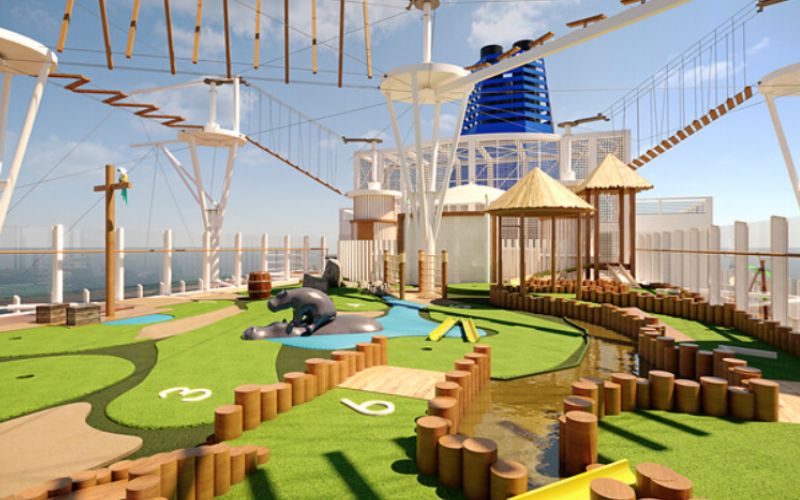
Read more about me


Source link