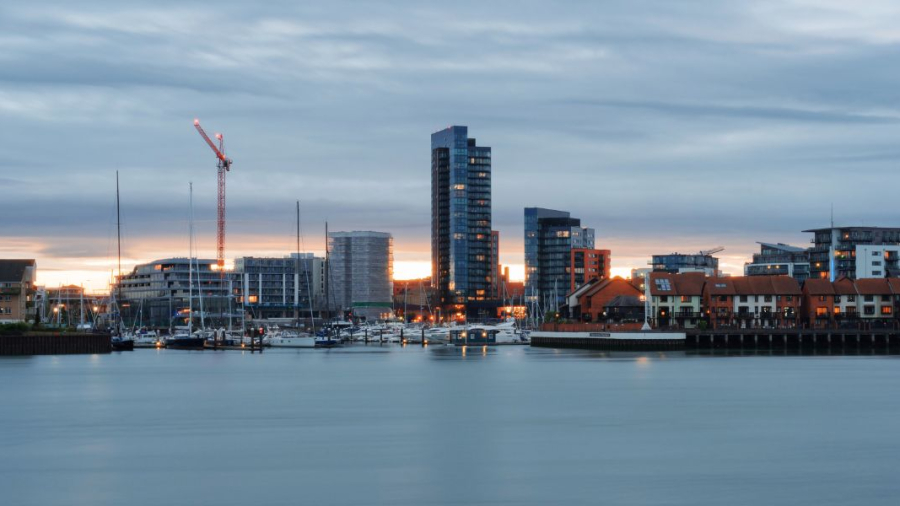
Southampton-waterfront.jpg

8 Must-Do Activities In Southampton Before Or After Your Cruise

If you’re planning a cruise from Southampton and live more than a couple of hours away, then I would advise that you consider travelling down the day before. After all, the last thing that you want is to get stuck in traffic and worry about missing the ship!

But that’s not the only reason to arrive in Southampton ahead of time. This maritime city is a wonderful place to spend a day or two, with so many fun things to see and do. The city is very walkable, and all of the places on this list are located within a 15-minute walk of each other.
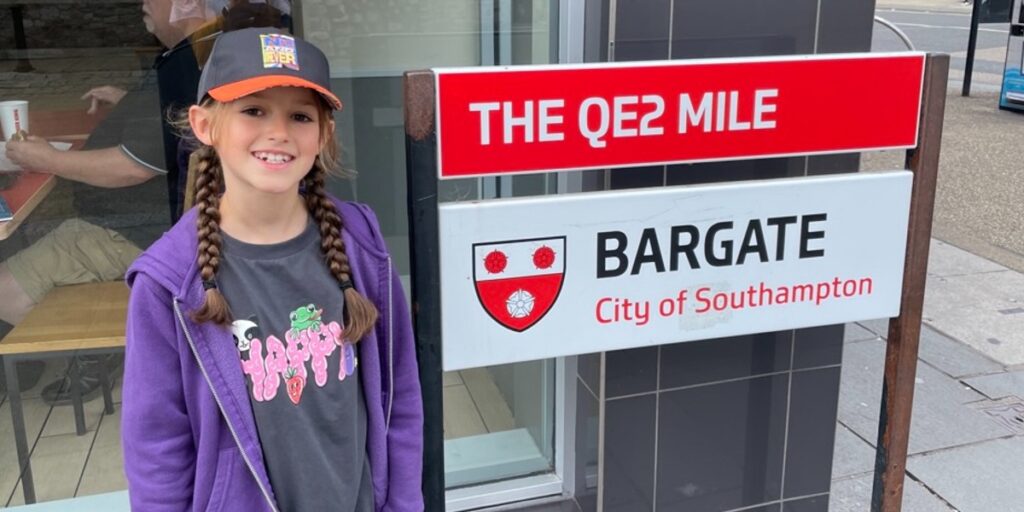
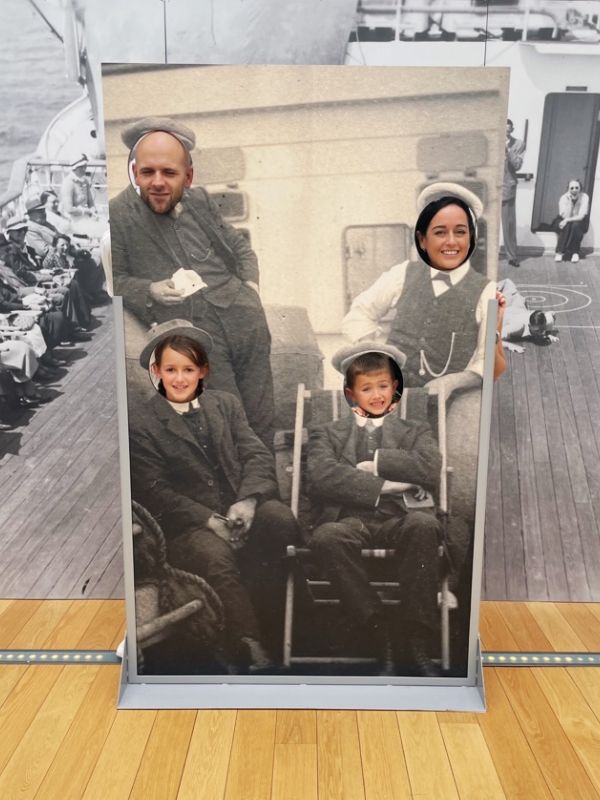
My daughter in Southampton before our cruise

So, whether you have a morning to kill in Southampton, or want to plan a whole weekend before your cruise, these are the places to add to your list.

I’d also recommend that you check out VisitSouthampton.co.uk to see what events are on during the dates you’ll be visiting.

1. Sea City Museum

If you only have time to do one activity while you’re in Southampton, then a visit to the Sea City Museum is a must.
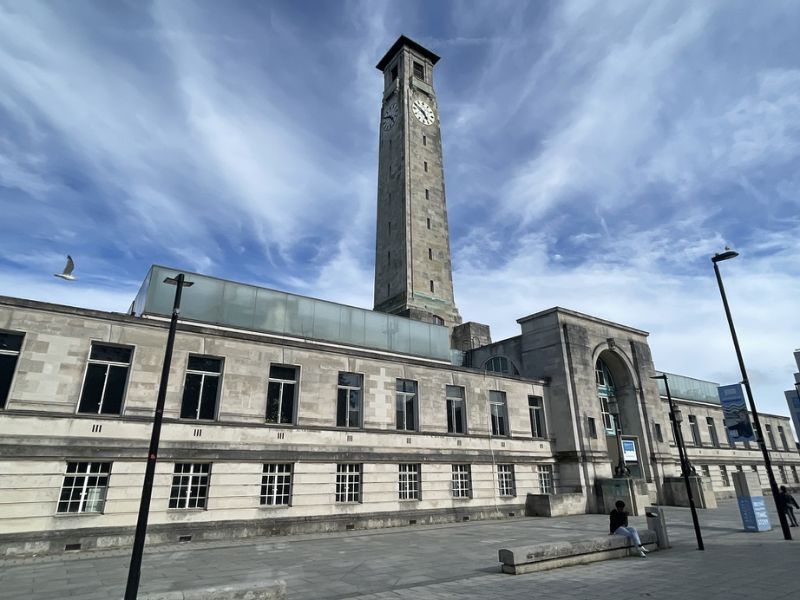
Sea City Museum

Not only is it one of the world’s best Titanic museums, but it also features a range of other exhibitions that delve into Southampton’s maritime past, including its role in the world wars and its long history as a port city. 

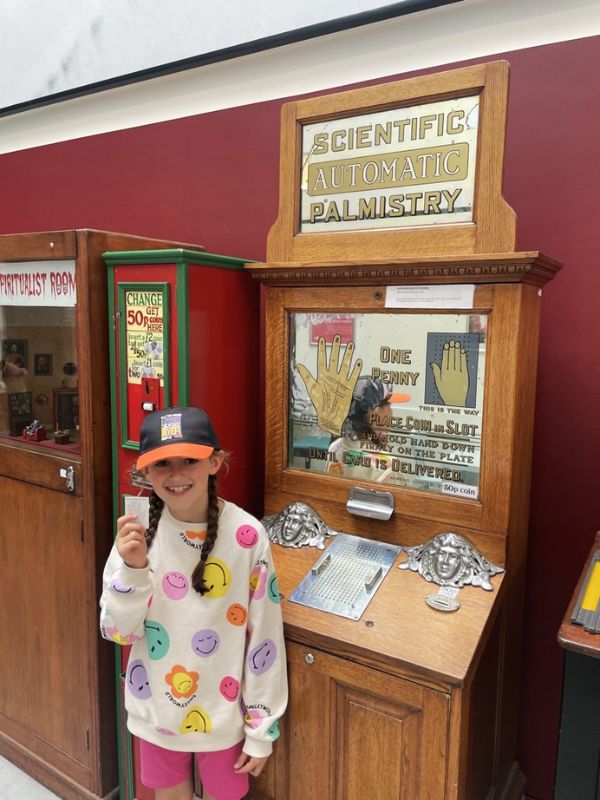
Children will love the old-fashioned arcade games that you can play for 20p or 50p a go. They can also dress up in the types of clothes that people on the Titanic would have worn.

The museum is very much focused on Southampton and showcases how important the maritime industry has always been for the people of the city. The recordings of people who survived the Titanic or had family members on board are very moving.
Visit website

2. Southampton City Art Gallery

Southampton’s art gallery is free to visit and is a wonderful place to spend an hour or two. It boasts an impressive collection of British and European art spanning over six centuries, including works by famous artists like Sir Peter Blake, Henry Moore, and J.M.W. Turner. 

My Family at Southampton City Art Gallery

Whether you’re interested in modern art, historical pieces, or works by local artists, you’ll find plenty of interesting works of art to admire.

Children will love the room where you can draw a portrait and add it to the gallery on the wall.
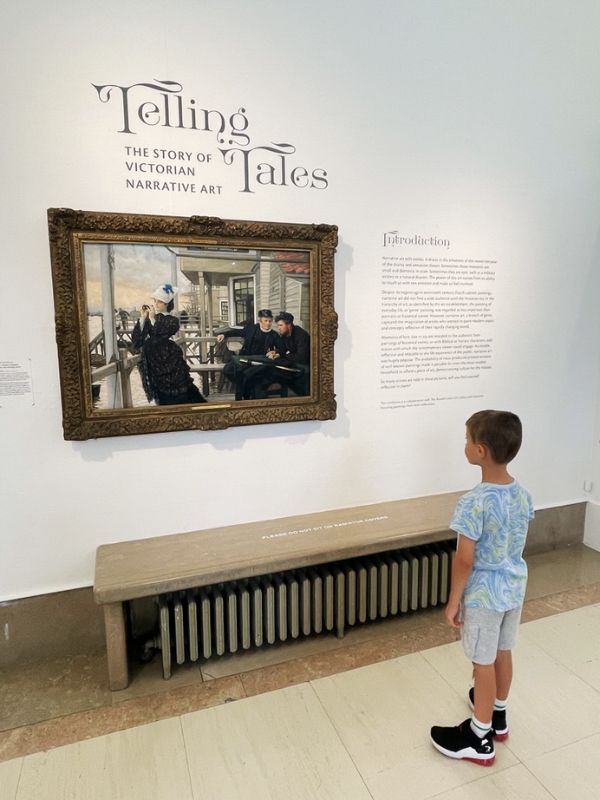
Visit website

3. God’s House Tower

God’s House Tower offers a fascinating blend of history and contemporary culture. Originally built in the late 13th century as a defensive fortification for the medieval town, the structure has served various functions over the years, including being a jail and a museum.
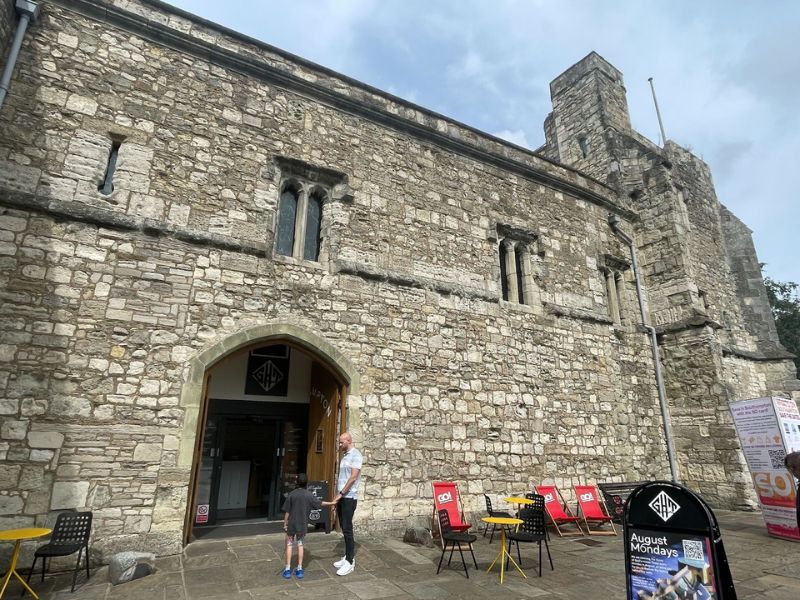
God’s House Tower

During your visit to God’s House Tower, you can learn about Southampton’s rich history, see the art exhibition on the top floor (these change regularly) and then head up to the rooftop to admire the incredible views over the city and harbour.
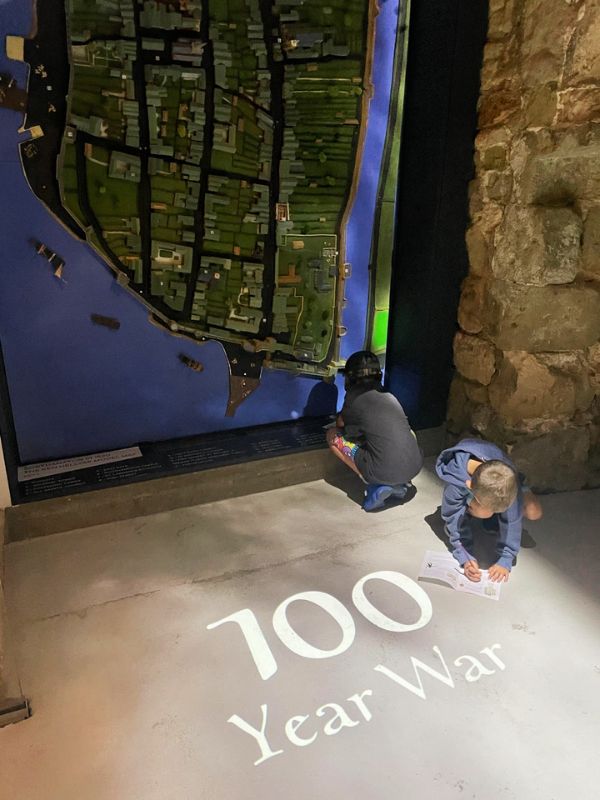

Kids are given a worksheet to fill in throughout their visit and receive a prize at the end if they complete it. They can also spot little faces that are hidden around the building.

When you leave, be sure to walk down Winkle Street and you’ll find lots more of these faces, all created by the urban artist J_Ace.

Visit website

4. High Score Arcade

If you have an hour to kill in Southampton City Centre, then I highly recommend that you pay a visit to High Score Arcade.
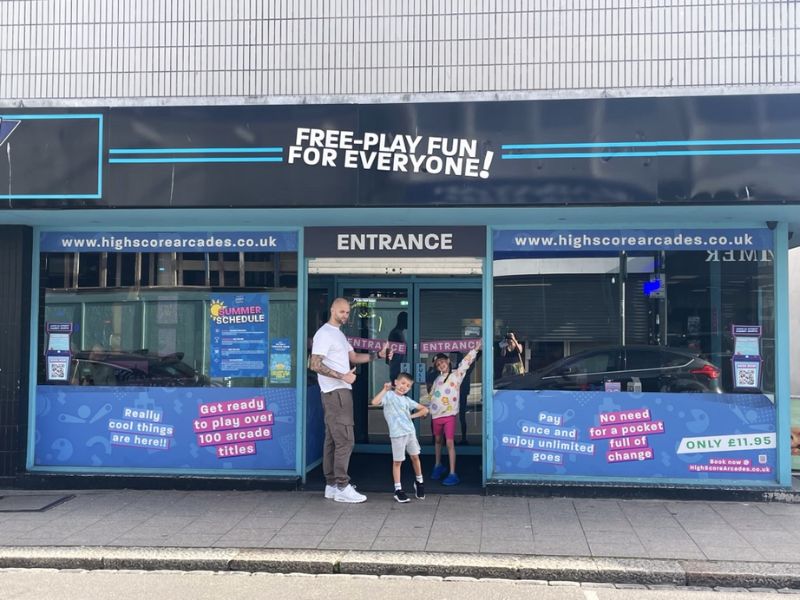
Family at High Score Arcade

This retro arcade has hundreds of games with all of the faves from your childhood. There are shooting games, mini-bowing, air hockey, driving games, Dancing Stage and pretty much everything else you can think of.

Our favourites were the four-player air hockey where hundreds of pucks come out at once, and the simple-yet-addictive Crossy Road game. 
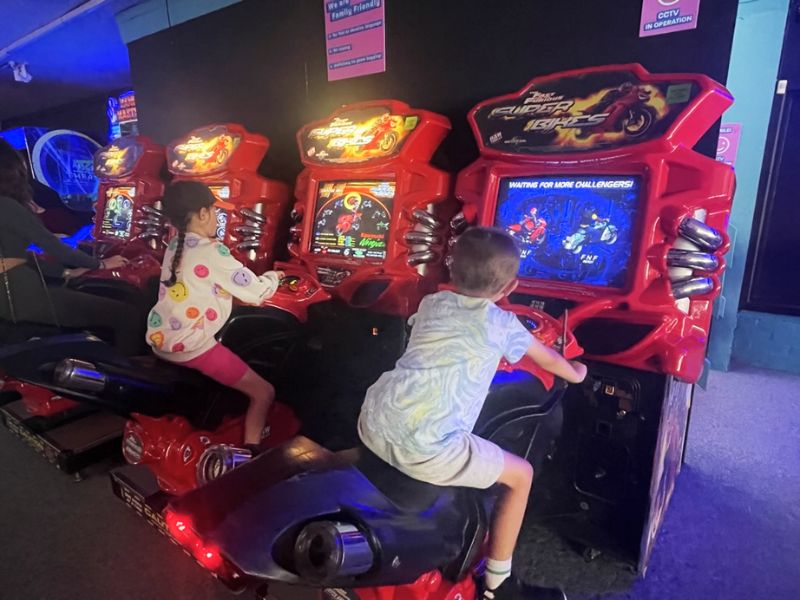
The best thing about this arcade is that you pay for an hour and then you can use as many games as you like. So instead of playing the first level of a racing or shooting game and then losing, you can just hit continue!

Visit website

5. WestQuay Shopping Centre

Much more than just a shopping centre, Southampton’s WestQuay is a hub of retail and entertainment.

WestQuay Shopping Centre

From high-end designer boutiques to familiar high-street brands, WestQuay caters to a diverse range of tastes and budgets. The centre boasts an array of dining options, from casual eateries to international cuisines, as well as a state-of-the-art cinema for film enthusiasts. 

On a hot summer’s day, the fountains outside offer a refreshing place for children to cool off. So it’s worth packing their swimsuits!
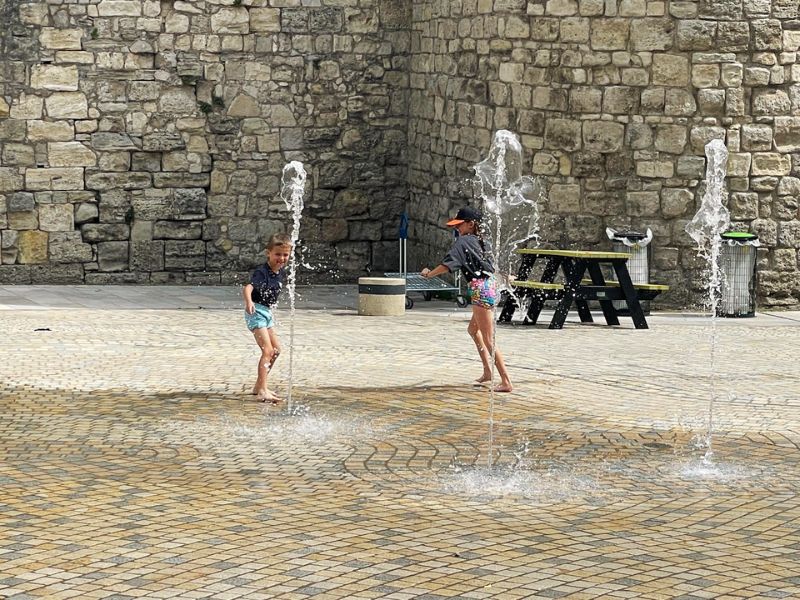
Kids at WestQuay Shopping Centre

Visit website

6. The Marlands Shopping Centre

Another shopping centre that I like to visit in Southampton is The Marlands. It offers a more intimate and boutique shopping experience than the WestQuay.

The Marlands Shopping Centre

The shopping centre also has several places to eat as well as the Sea Life Play Centre which will be a popular choice for little ones. You can also leave your luggage here, making it a good choice if you just have a few hours to kill after your cruise before your coach, train or flight.

Visit website

7. Walk The City Walls

One of my favourite things to do in Southampton is to walk the city walls. These walls extend just over a mile around the city centre, and you can walk along them and, in places, walk along the top to admire the views. 
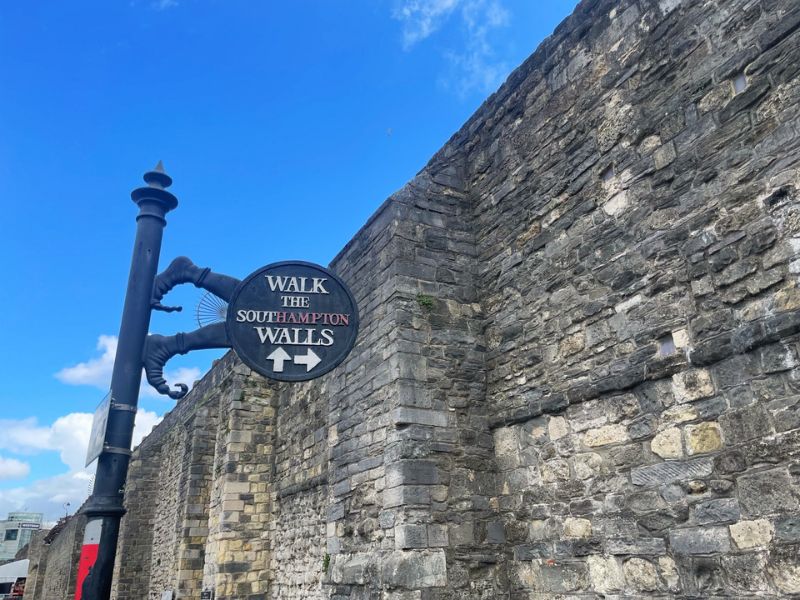
Walk The City Walls

The walls were initially constructed in the 14th century for defensive purposes and were added to and modified in subsequent centuries. 

Along the way, you can stop to admire the various towers and gates. Informative plaques and markers along the way enrich the walk with interesting tidbits and historical facts, revealing how the walls played a crucial role in the city’s past, particularly during wars and sieges.

The walls also take you past key landmarks, including the Bargate, a medieval gatehouse, and the waterfront. Walking the city walls usually takes about an hour or two, depending on how much time you spend exploring along the way!

You can see a map of the walking route here.

8. Visit the Central Parks

Southampton City Centre has five beautiful parks that all join together to create one fantastic green space with lots for the whole family to enjoy.

Families should head to Houndwell Park where you’ll find a large adventure playground. Of course, it has a Titanic-themed section.
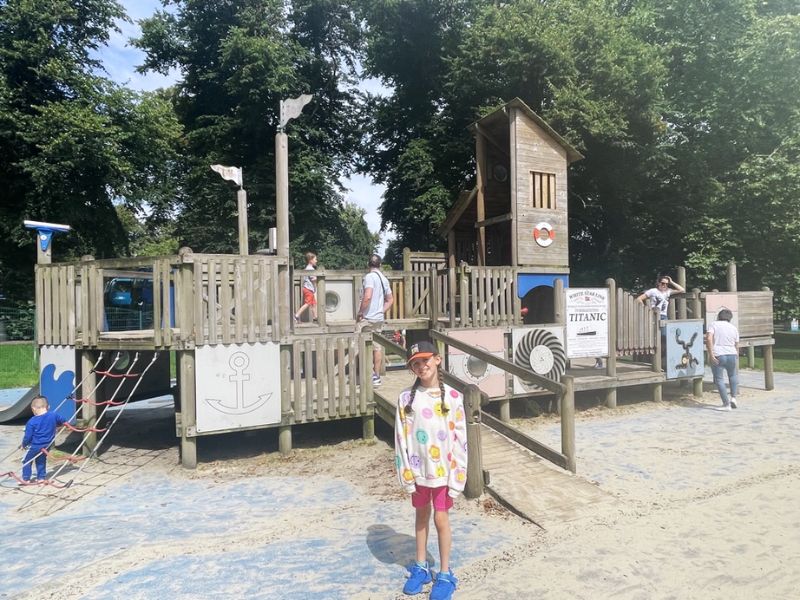
Child at Houndwell Park

Just a short stroll away is Hoglands Park, which is more geared toward teenagers with a skate park and basketball court. You’ll often find large events here too, like fairs and circuses, depending on when you visit.

Heading north, we have Palmerston Park. This peaceful and secluded space is known for its rose garden and seasonal flowers. It also has a bandstand where you may find live music events in the summer.

Watts Park

East Park has a mini golf course, tennis courts and a nice little cafe called the Nautical Mile. It also has several interesting memorials, including the Titanic Engineers’ Memorial.

And finally, there’s Watts Park, where you’ll find the Southampton Cenotaph and the Isaac Watts Monument.

Cruise ship spotters should also pay a visit to Mayflower Park. From here, you’ll get a great close-up view of whichever ship is in the Mayflower Cruise Terminal that day. There’s also a children’s playground and cafe.
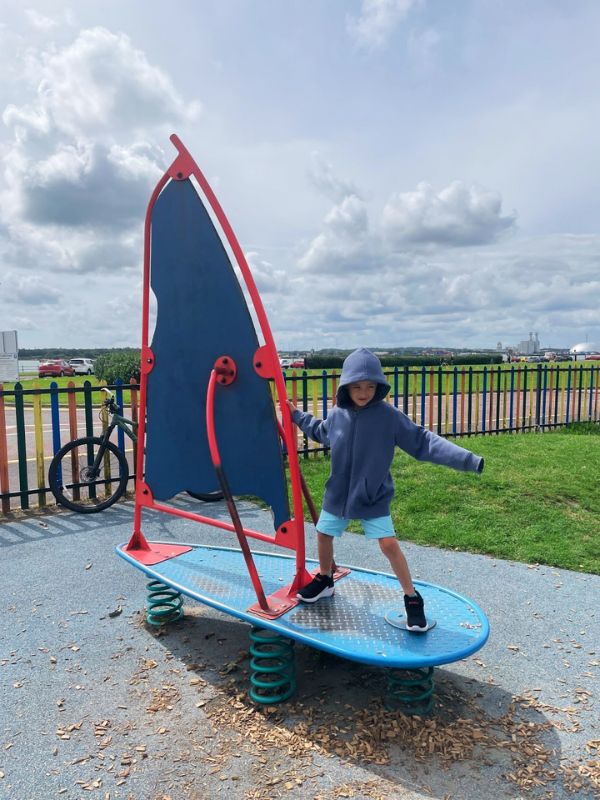
Child at Mayflower Park

Visit website

Where To Eat

Southampton offers hundreds of places to eat. Whatever your tastes, budget or dietary requirements, you’ll be well-catered for within the city centre. Choosing the best places to eat isn’t easy, but I’ve listed my favourites below…

Lunch At Cafe Thrive

Cafe Thrive is a vegan cafe in Southampton, but even if you believe that every meal should have meat in it, don’t let that put you off! The plant-based cuisine here is so delicious that I promise, everyone will love it.
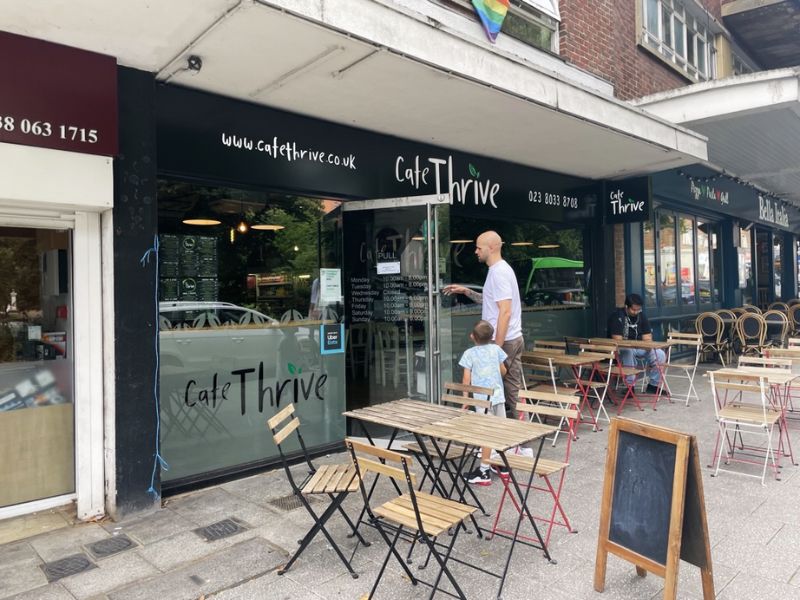
Father and son at Cafe Thrive

This cosy cafe offers a wide variety of delicious and nutritious options, from hearty burgers to sumptuous salads and scrumptious desserts. The atmosphere is warm and inviting, making it the perfect spot to unwind with a cup of ethically sourced coffee or a smoothie.


The staff are incredibly friendly and knowledgeable, happy to recommend dishes. Whether you fancy a healthy and colourful salad, or a calorific burger with loaded fries, there’ll be something for you here.

Visit website

Dinner At HarBAR on 6th

If you want to celebrate the start of your cruise holiday in style with a nice meal on the evening before you set sail, then I recommend booking a table at HarBAR on 6th. 

HarBAR on 6th

This chic waterfront bar and restaurant is located on the 6th floor of the Southampton Harbour Hotel.

Here you can enjoy panoramic views across the Solent and admire the boats in the bustling marina below.

The food at HarBAR is delicious, as are the cocktails. After your meal, I’d recommend enjoying a drink in the bar where the atmosphere is fantastic.
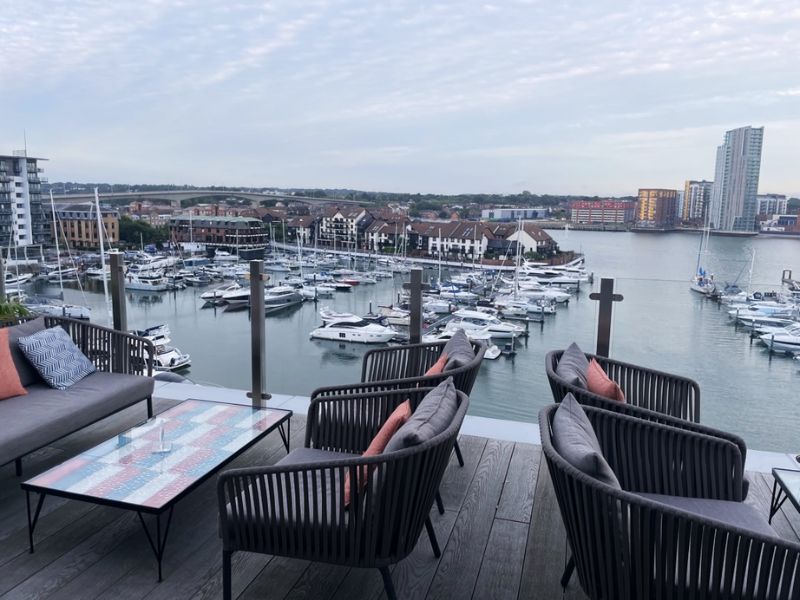
For such a nice venue, HarBAR is refreshingly kid-friendly, and the children’s menu is great value for money.

Visit website

Where To Stay

Room 2

When it comes to hotels in Southampton, my recommendation is Room 2. The modern, boutique apart-hotel is conveniently located in the city centre, within walking distance of the cruise terminals.
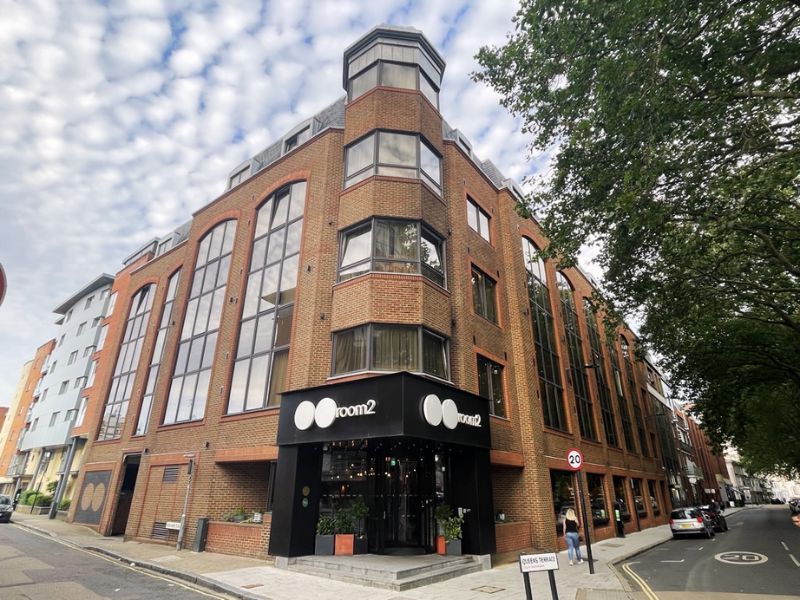
Room 2

The interiors are stylish and modern, furnished to create a cosy, inviting atmosphere that makes you feel instantly at home. 

We stayed in the Master Loft, which is a fantastic family room with an upstairs nest-like loft for the kids.
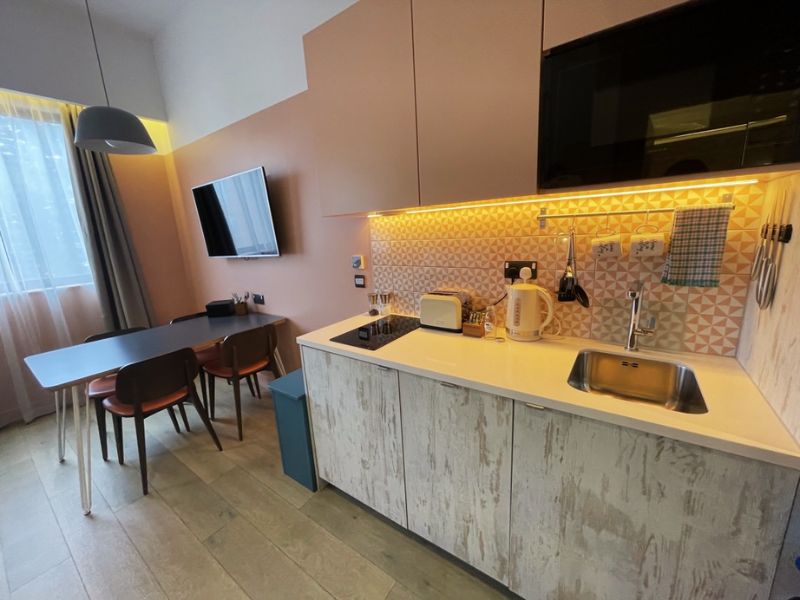
I love that the room had a small kitchen area and dining table, which is perfect if you don’t want to eat out for every meal.

With a large couch, spacious bathroom and a huge TV, there’s plenty of room for a family of four to spread out. There’s also a convenient car park just behind the hotel. We were allowed to park early in the morning before check-in and leave the car there until the evening after we checked out, which was really convenient.

Room2 is currently offering up to 20% discount exclusively for The Hometel Club members. This special spring package also includes free breakfast and a seasonal welcome drink. To book, visit room2.com/southampton.

Visit website

To Conclude

Southampton offers far more than just a gateway to the sea. This vibrant city is brimming with activities and attractions that cater to a wide range of interests, making it the perfect destination to explore either before embarking on your cruise or after you disembark.

From walking the historical city walls that tell tales of Southampton’s rich maritime past, to shopping sprees at WestQuay and Marlands Shopping Centre, there’s something for everyone.

Culture vultures will find solace in the Southampton City Art Gallery or the immersive SeaCity Museum, while foodies can delight in the diverse culinary scene, from the plant-based delights at Cafe Thrive to the waterfront elegance of HarBAR.

Whether it’s for a day or an extended stay, Southampton offers a plethora of experiences that promise to enrich your cruise holiday.

Get Help Booking Your Family Cruise

Cruise Family are the only UK specialists in cruises for families of 5+ (and smaller ones too!)

Let them find your perfect trip…

Related Posts:
If you found this interesting, please share!
Cruise Mummy

Jenni Fielding is the founder of Cruise Mummy. She has worked in the cruise industry since 2015 and has taken over 30 cruises. Now, she helps over 1 million people per month to plan their perfect cruise holidays.
Read more about me


Source link

cruise-ship-norovirus.jpg

Statistics & How to Avoid Sickness

Norovirus is a common and contagious illness that can affect people on cruise ships as well as on land. This article includes statistics about the prevalence of norovirus on cruise ships, as well as giving helpful information on how to prevent norovirus on your cruise.

Norovirus causes gastrointestinal symptoms such as nausea, vomiting and diarrhoea. Whilst symptoms can be extremely unpleasant, it is usually short-lived, lasting one or two days.

norovirus on cruise ship

Norovirus On Cruise Ships

Norovirus is caught by having contact with an infected person, either directly, or by touching contaminated surfaces. Norovirus outbreaks can occur on cruise ships when people bring the virus onto the ship and pass it on to others.

Cases of norovirus on cruise ships are reported more commonly than on land because cruise ship passengers are required to report cases to the ship’s medical team. On land, most people recover at home without seeking medical help.

This has resulted in norovirus being incorrectly called ‘the cruise ship disease’ or the ‘cruise ship illness’.

norovirus, passenger lying in bed in cruise ship cabin

Norovirus Can Happen Anywhere

Whilst cruise ships have a bad reputation for norovirus contamination, norovirus is, in fact, common anywhere where people are contained – such as offices, schools, hospitals and hotels. It is not any more common on cruise ships than in any of these places.

Read on for all the latest statistics about cruise ship norovirus.

Cruise Ship Norovirus Statistics

The Likelihood Of Getting Norovirus On A Cruise

Between 2018 and 2014, 74 million cruise passengers sailed out of US ports. 12,968 of those passengers reported norovirus infections. According to these statistics, the chance of catching norovirus on a cruise is 0.018%. (Source)

The Worst Cruise Ships For Norovirus

The CDC’s Vessel Sanitation Program records outbreaks of gastrointestinal illness on cruise ships.

In 2024, the cruise line most affected by norovirus was Holland America Line, with four of the ships in it’s fleet suffering an outbreak (Koningsdam, Zuiderdam, Rotterdam and Eurodam).

Other norovirus outbreaks on cruise ships in 2024 include:

  • Oceania Cruises – Oceania Nautica
  • Cunard Line – Queen Victoria and Queen Mary 2 (twice)
  • Princess Cruises – Ruby Princess, Coral Princess and Sapphire Princess
  • P&O Cruises – Arcadia
  • Celebrity Cruises – Celebrity Summit and Celebrity Constellation
  • Royal Caribbean International – Radiance of the Seas

(Source)

The most severe of these outbreaks happened onboard Cunard Line’s Queen Mary 2 from 21st December 2024-3rd January 2025 where 346 of 2,565 passengers contracted norovirus (13.5%).

Of course, any cruise ship can have an outbreak of norovirus on board, just as any school, hospital or hotel can. These statistics don’t mean that these ships are any less hygienic than ships that have not reported an outbreak.

It’s also important to note that norovirus cruise ship statistics from the CDC only relate to cruises that call at US ports. So cruises to Europe and elsewhere in the world won’t be included in these reports.

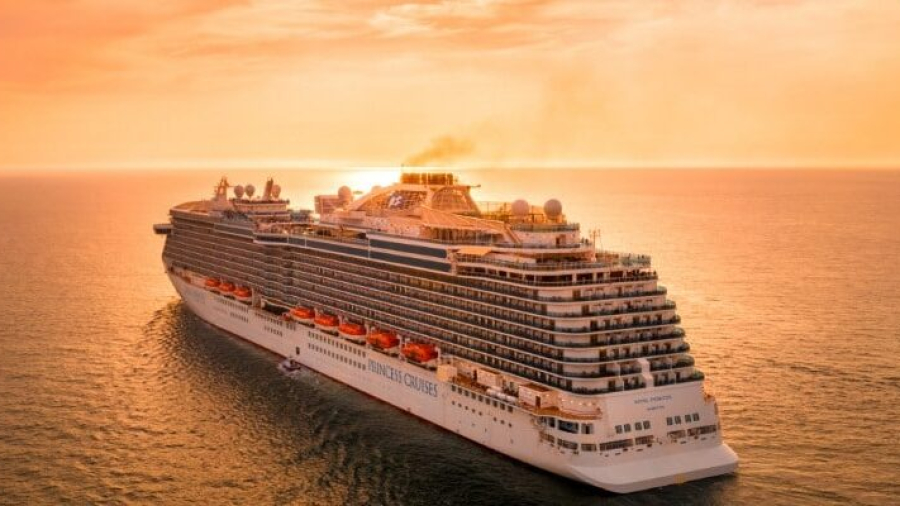
cruise ship sailing in the sea

The Worst Norovirus Outbreak On A Cruise Ship

The worst outbreak of norovirus on a cruise ship occurred onboard Royal Caribbean’s Explorer of the Seas in January 2014. On this 10-night cruise, 534 out of 3071 (20.6%) passengers or crew reported being ill.

How To Avoid Norovirus On Cruise Ships

Here are four tips for avoiding norovirus on cruise ships.

1. Wash Your Hands

The most effective way to prevent norovirus on a cruise is with regular and thorough handwashing. It is particularly important that you do this after using the bathroom and before and after eating, drinking or smoking.

The most effective way to clean your hands is to wet them with water, apply liquid soap, lather, rinse and dry.

When I was on board a cruise ship during a norovirus outbreak, this flyer about the correct handwashing procedure was distributed to all passengers on their cabins.

norovirus prevention handwashing procedure

2. Use Hand Sanitiser

Alcohol hand gels are not as effective as soap and water, but they are useful at times when soap and water isn’t available.

There will be hand sanitiser available at stations all over the ship, but it’s also a good idea to carry your own. To avoid having to rummage in your bag, hand sanitiser bracelets are an excellent option.

See hand sanitiser bracelets on Amazon.com (if you’re in the US)

See hand sanitiser bracelets on Amazon.co.uk (if you’re in the UK)

3. Avoid Touching Surfaces

Your freshly-washed hands are only clean until you touch something, so you should avoid touching surfaces that are regularly touched by other people.

It’s important that you turn off taps and open bathroom doors using a paper towel to keep your freshly-washed hands clean.

You should also avoid touching elevator buttons with your fingers, and instead use a knuckle or elbow.

Only touch staircase railings if you need to do so for stability. If you’re unsure, you can hover your hand above the railing, so that it’s there if you need to grab it.

hand washing station in cruise ship bathroom

4. Avoid Shaking Hands

Shaking hands with other cruisers is something you should avoid. This is particularly important at mealtimes, as this is when it’s easy to transfer any virus from your hands to your mouth.

Since 2020 (COVID), shaking hands is not as common as it used to be, and declining a handshake is not something that should cause embarrassment.

A cruise ship guest with dirty, mud-covered hands holds them up in front of a buffet, highlighting the unsanitary condition amidst a backdrop of other passengers enjoying their meals. The scene emphasizes the importance of cleanliness and hygiene in communal dining areas.

Stopping The Spread Of The Virus

When norovirus is reported on a cruise ship, the staff will put measures in place to stop the spread of the virus.

Measures to control norovirus outbreaks include:

  • Advising passengers that others are experiencing symptoms of gastrointestinal illness and giving information about what everyone can do to prevent it from spreading
  • Regularly sanitising every area of the ship with a powerful disinfectant called Virox
  • Assigning extra staff to monitor entrances of eating areas to ensure that every passenger washes their hands
  • Removing items such as salt and pepper shakers and butter dishes from tables and replacing them with individual sachets
  • Stopping the use of self-service drinks machines and instead having staff dispense drinks for guests
  • Serving guests at buffets rather than allowing self-service

If these measures are not successful in halting the spread of the disease, in rare cases, it is possible for all passengers to be confined to certain areas of the ship, or to their cabins, or even for the cruise to end early.

cruise ship cleaners cleaning a cabin wearing rubber gloves

Code Red: What It Really Means

Cruise ship staff use secret codes to avoid causing alarm. If you hear CODE RED, it means that there is a serious outbreak of illness on the ship. For a less severe outbreak, you may hear CODE YELLOW.

The exact number of cases needed for each alert level varies by cruise ship. It may be a certain number of cases or a certain percentage of passengers and crew on the ship.

Read more: Secret Codes On Cruise Ships Explained

What To Do If You Catch Norovirus On A Cruise

1. Report It

As soon as you become unwell, it’s vital that you return to your cabin and call reception to report it.

They will advise you about what to do next and arrange a phone call with one of the ship’s nurses, who can give you medical advice. The medical team will phone regularly to check how you are feeling.

2. Isolate Yourself

You must stay in your cabin until 24 hours after any vomiting or diarrhoea has stopped.

Your cabin will be regularly sanitised by specially-trained crew members. If you require any additional housekeeping, you can call reception, and someone will be with you quickly. You can also have any items of clothing cleaned free of charge if needed.

3. Rest And Recover

Whilst quarantined in your cabin, you can order from room service free of charge. There is a specially planned menu to assist with recovery, which includes bland items such as toast, porridge, soup, sandwiches, grilled chicken breast, salad and chips. Your meals will be served on disposable plates.

As you are not permitted to leave the ship during the isolation period, if you have booked shore excursions with the cruise line, the cost of these will be refunded to you.

If you have booked excursions independently, you may be able to cancel them if you give 24 hours’ notice. If you are unable to do this, you may be able to claim on your travel insurance, depending on the policy details.

Suggested read: Why You Need Cruise Insurance (Not Just Regular Travel Insurance)

NEW DEALS JUST RELEASED!

I’m ALWAYS looking for cruise bargains! These are the best deals I found this week…

Related posts:

If you found this interesting, please share!

Cruise Mummy

Jenni Fielding is the founder of Cruise Mummy. She has worked in the cruise industry since 2015 and has taken over 30 cruises. Now, she helps over 1 million people per month to plan their perfect cruise holidays.

Read more about me


Source link

cruise-pay-monthly-e1689698167257.jpg

How To Pay For A Cruise In Instalments (pay monthly cruises)

The traditional way to book and pay for a cruise involves paying a small deposit at the time of booking and then paying off the balance around 12 weeks before you sail.

However, many people struggle to budget for the final balance payment, which can lead to them having to cancel and lose their deposit if they’re unable to meet the payment deadline.

Thankfully, there are ways to pay off your cruise with manageable monthly payments. Read on to find out how to do it.

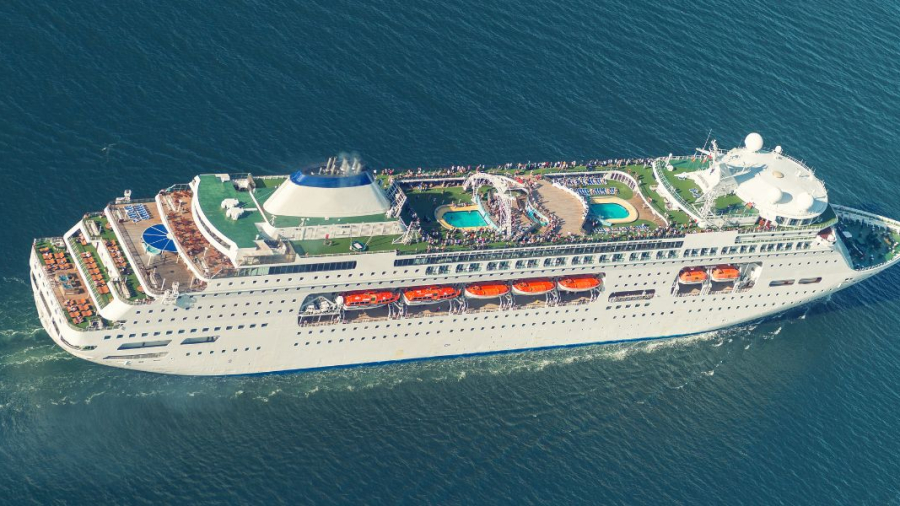
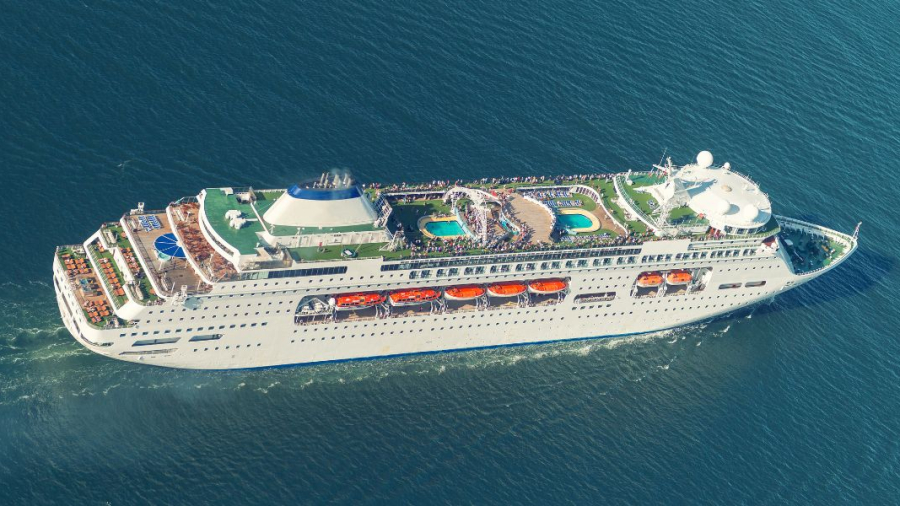
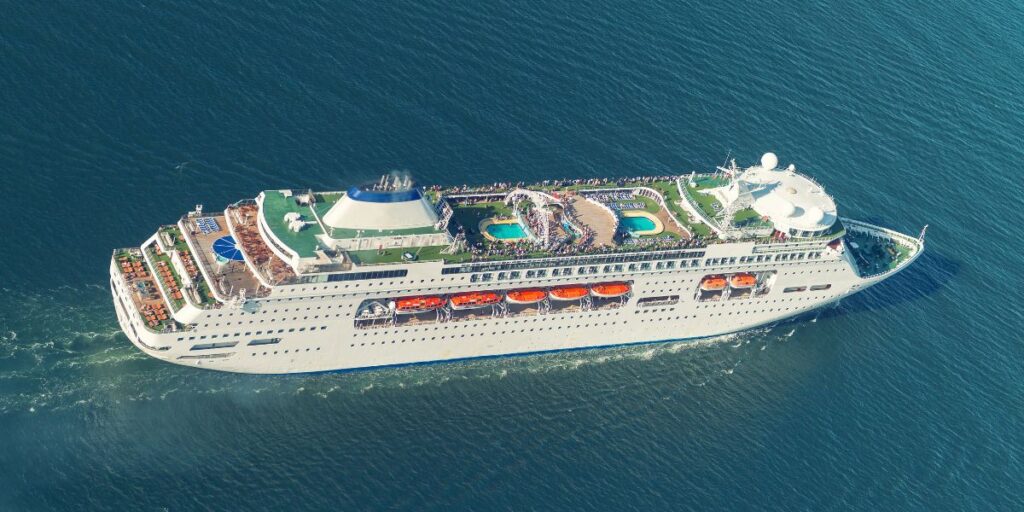
Aerial view of a large cruise ship sailing on vibrant green ocean waters. The top deck is bustling with amenities including two large swimming pools, rows of lounge chairs, and a variety of colorful recreational areas, showcasing the ship’s leisure and entertainment facilities.

There are several ways to pay for a cruise in monthly instalments.

Some cruise lines offer monthly payments as an option when you book. Alternatively, you could book your cruise with a travel agent with no deposit and interest-free monthly payments. Another option would be to put the cruise balance on a credit card and pay it off monthly.

Option One: Use A Travel Agent

The best way to book a cruise and pay monthly is to use a travel agent. Many specialist cruise travel agents will allow you to pay for a cruise monthly instead of all in one go.

When you take the monthly payment option, you’ll often have no deposit to pay, and there should also be no interest charged on your balance.

Here’s how it works:

  1. Book your cruise (with or without a deposit, depending on the offer)
  2. Set up a direct debit to the travel agent for regular monthly instalments
  3. Your cruise is all paid off before you set sail

As an added bonus, you may also have nothing to pay for a set period of time. For example, if you book your cruise in December, your first monthly payment may not be due until February, which will help with budgeting over Christmas.

Travel agents can also help you get special deals if you want a cheap cruise.

NEW DEALS JUST RELEASED!

I’m ALWAYS looking for cruise bargains! These are the best deals I found this week…

Option Two: Book With The Cruise Line

Pay monthly cruises are sometimes available when you book directly with your cruise line. Note that not every cruise line offers monthly payments as an option. If yours doesn’t, you could still pay monthly if you use a travel agent.

When booking a pay monthly cruise directly with a cruise line, you’ll still need to pay your deposit as normal, and then spread the remaining balance over regular monthly payments.

If you book extras such as flights, transfers and optional extras, these may not be included in the instalment scheme.

Here’s where you’ll find more information on the pay monthly options from each of the cruise lines that offer this service:

Most of the time, the instalments are interest-free. However, if you choose to pay via Uplift, you will be charged interest on your payments. Cruise payment plans vary so check with your cruise line.

Some cruise lines will also let you set your own payment schedule. You pay the initial deposit, and then you have a deadline where you pay off the rest of your balance.

This leaves it up to you as the best way to pay for a cruise – you can pay it all off in one go, pay regular monthly instalments, or pay just when you can – varying the payments.

Option Three: Use A Credit Card

Whether you book with a travel agent or directly with the cruise line, you have the option to pay with a credit card. If you put the balance of your cruise on an interest-free credit card, you can pay it off monthly at no extra cost.

With a credit card, you could even continue to pay for your cruise after the departure date. Of course, it’s generally a good idea to pay for your cruise before you sail, but if you’re not able to, then a credit card would be the way to spread your payments over a longer period of time.

Credit cards with 0% interest on purchases each have their own terms, and there will be different lengths to the interest-free period. If you want to avoid paying any extra, it’s vital that you set up your payments to end before your interest-free period ends.

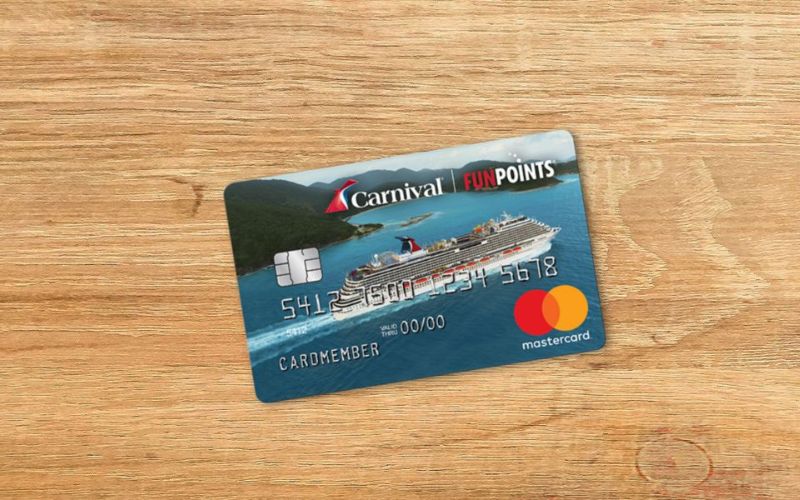
If you use a specialist credit card such as the Carnival Mastercard to pay for your cruise, you could accumulate points that you can exchange for all kinds of freebies on board, or even a free cruise!

Carnival points

I would always recommend using a good travel agent to book your cruise. As well as securing you the best price and taking care of everything for you, a travel agent can also offer you the option to pay for your cruise in interest-free monthly instalments, making it much easier to budget for and pay for your cruise.

Related posts:

If you found this interesting, please share!

Cruise Mummy

Jenni Fielding is the founder of Cruise Mummy. She has worked in the cruise industry since 2015 and has taken over 30 cruises. Now, she helps over 1 million people per month to plan their perfect cruise holidays.
Read more about me


Source link

Bow-Vs-Stern-Vs-Aft-featured.jpg

Nautical Terms You’ll Actually Want To Know

The words used to describe a ship can be confusing for anyone that has limited nautical experience. There are a whole load of words that don’t really get used in any other walk of life. And a few words that you do know from normal life but which take on a completely new meaning when you are talking about a cruise ship.

Bow Vs Stern Vs Aft

So, if you find yourself wondering what is the difference between bow, stern and aft, then you’re not alone. 

These terms get used a lot but are often not fully understood outside the boating world. So, I thought I would pull this guide together to fill you in. 

It’s not essential to know all these terms before you go on a cruise but it’s nice to know what they mean in case you hear them being used by crew. 

Understanding The Bow And Stern Of A Ship

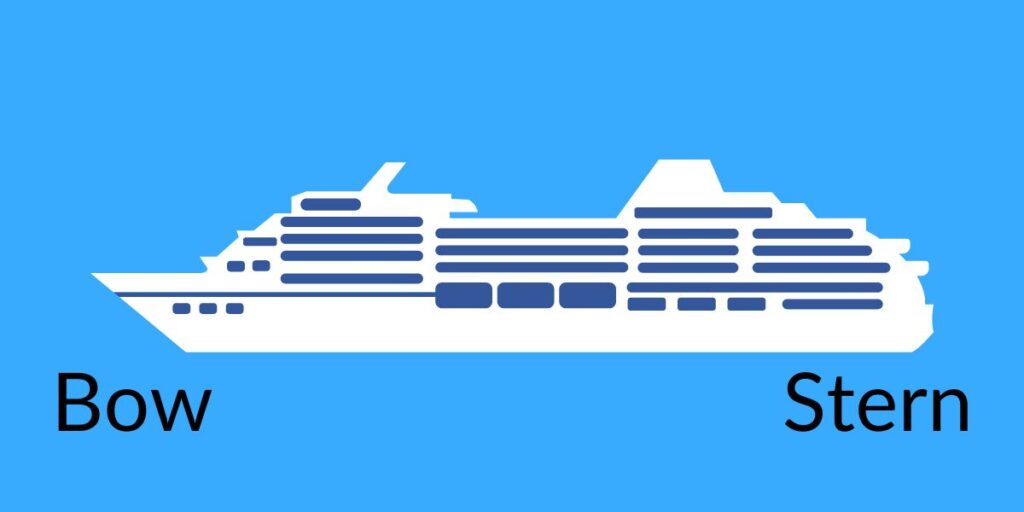
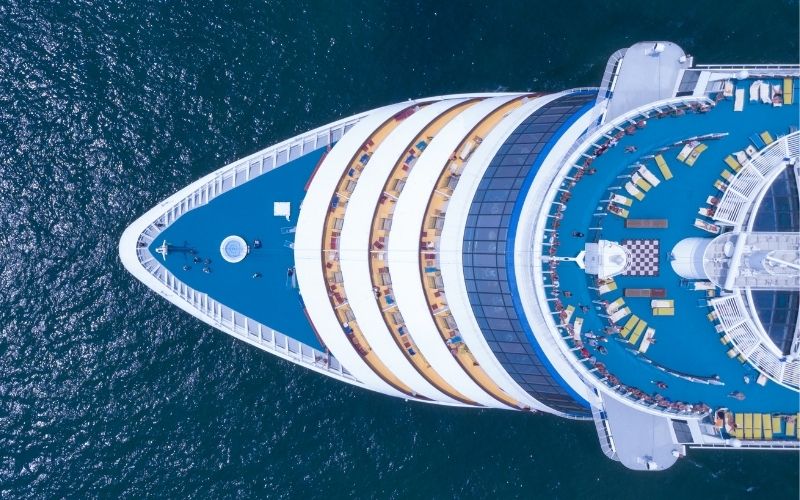
In simple terms, the bow of a ship is the front and the stern is the back. The bow is the very front part of the ship and it’s often formed by an angled hull that will carve its way through the waves. The stern is the name for the part of the ship that is right at the back.

bow and stern

Cruise ships often have an open deck at the bow and the stern. If you like to see where you are headed then the bow is a great place to take in the view. The stern is a good place to stand as you leave port so that you can catch a last glimpse of the place you have just visited. 

The Origins Of Bow And Stern

The terms bow and stern have been in use for hundreds of years. It is likely that the word stern came into English from the Norse language of the Vikings around the 8th century while the word bow has Germanic roots. 

Ship bow
Bow

Etymology Of ‘Bow’

The use of the word bow for the front of the ship is believed to have originated from the German word ‘Bogen’ which means bend, bow, or arch. This eventually became bow in Modern English having developed from the Old English word ‘boga’. 

The use of this word to describe the front of a ship started because wooden planks had to be bent or ‘bowed’ at the front of the ship to create a curved hull that was able to cut its way through the water. 

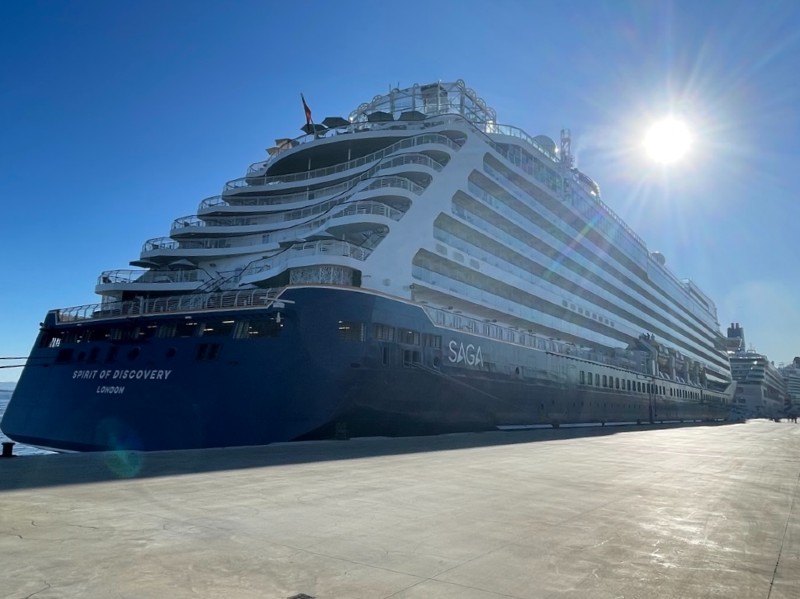
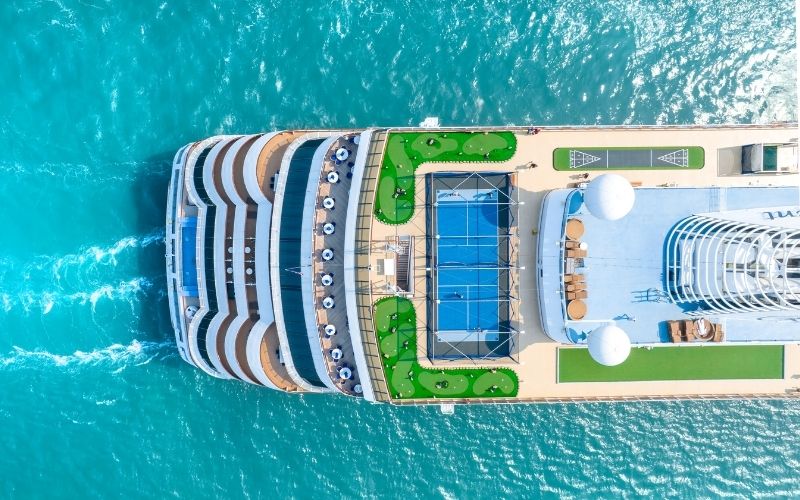
Saga Spirit of Discovery stern

Etymology Of ‘Stern’

The Old Norse word ‘styra’ means to steer and this became the word ‘styrne’ in Old English. Later this became the more familiar ‘stern’ in Middle English. This makes sense because at this time sailing ships were steered from the back (stern!).

Suggested Reads: Suite Vs Mini Suite Vs Balcony

Understanding The Terms Aft And Forward

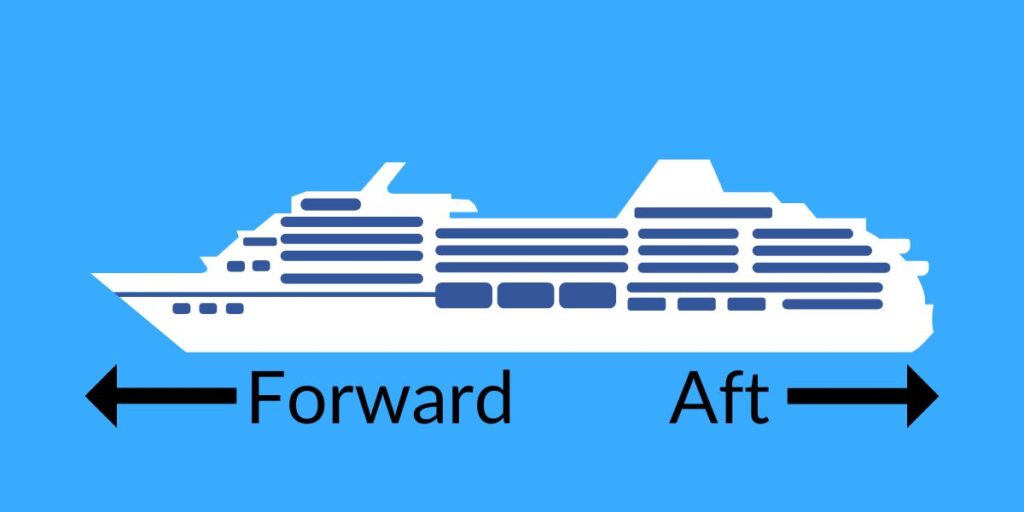
Aft and forward are directional terms rather than the names of parts of a ship.  The bow is located forward on a ship (at the front) while the stern is located aft (at the back). When on a cruise ship you might talk about walking to the aft (back or stern) or walking forward (to the front/bow).

Forward and aft of a cruise ship

Etymology Of ‘Aft’

The term aft derives from the Old English æftan which means behind. The aft of the ship would be behind the mast or the captain on a sailing ship so it makes sense to use it as a directional term. 

ship Aft

The word after comes from the same origin as aft and knowing this might help you to remember the meaning of aft, as it’s the area that arrives after the rest of the ship.

Aft vs. Stern: Why They’re Not Quite the Same

Aft is not the same as stern. Aft is a direction while the stern is a physical location. So you might walk aft from the bow of the ship and find yourself at the stern. The stern is a place and it’s the very back end of the ship. 

It can be a bit tricky to get your head around these terms at first. Forward is pretty straightforward(!) as a directional term but aft may take a bit longer to get used to. 

Ship Forward

How To Remember Bow And Stern

I think that the simplest way to remember bow and stern is to think of them as a pair. Bow and stern. You know that they go together and one is the opposite of the other. Hopefully, you even know that one is the front of a ship and one is the back. 

Once you have got that you just need to get one or other of the terms fixed inside your head and I suggest getting the bow locked in as it’s the easier one to remember. 

Here are a couple of easy ways to remember it:

  1. When you bow you lean forward. So the bow of a ship must be the forward end. Easy.
  1. The front of a ship is curved, like a bow. This is in fact how the bow of the ship got its name and is another good way to remember it (don’t ask me why it’s now bow as rhymes with cow and not bow as rhymes with mow!?)

Hopefully, this will help you to remember what the terms bow and stern mean so that you will feel right at home on a cruise ship!

While you’re here, you may also be interested in learning how to remember port and starboard, as those are also tricky ones!

Picture of the bow of a cruise ship

The Bottom Line

I hope that this post has helped you to better understand a few commonly used nautical terms. 

  • Bow = Front
  • Stern = Back
  • Forward = Forwards direction
  • Aft = Backwards direction

So, moving forward will take you to the bow at the front of the ship. While if you are heading aft you will be going backwards and eventually you’ll get to the stern, which is the back of the ship.

And if you’re wondering whether choosing a cabin towards the front or back is better, then read this post next: Front vs. Back Cabins – Which to Choose?

Related Posts

If you found this interesting, please share!

Cruise Mummy

Jenni Fielding is the founder of Cruise Mummy. She has worked in the cruise industry since 2015 and has taken over 30 cruises. Now, she helps over 1 million people per month to plan their perfect cruise holidays.

Read more about me


Source link

Bow-Vs-Stern-Vs-Aft-featured.jpg

Nautical Terms You’ll Actually Want To Know

The words used to describe a ship can be confusing for anyone that has limited nautical experience. There are a whole load of words that don’t really get used in any other walk of life. And a few words that you do know from normal life but which take on a completely new meaning when you are talking about a cruise ship.

Bow Vs Stern Vs Aft

So, if you find yourself wondering what is the difference between bow, stern and aft, then you’re not alone. 

These terms get used a lot but are often not fully understood outside the boating world. So, I thought I would pull this guide together to fill you in. 

It’s not essential to know all these terms before you go on a cruise but it’s nice to know what they mean in case you hear them being used by crew. 

Understanding The Bow And Stern Of A Ship

In simple terms, the bow of a ship is the front and the stern is the back. The bow is the very front part of the ship and it’s often formed by an angled hull that will carve its way through the waves. The stern is the name for the part of the ship that is right at the back.

bow and stern

Cruise ships often have an open deck at the bow and the stern. If you like to see where you are headed then the bow is a great place to take in the view. The stern is a good place to stand as you leave port so that you can catch a last glimpse of the place you have just visited. 

The Origins Of Bow And Stern

The terms bow and stern have been in use for hundreds of years. It is likely that the word stern came into English from the Norse language of the Vikings around the 8th century while the word bow has Germanic roots. 

Ship bow
Bow

Etymology Of ‘Bow’

The use of the word bow for the front of the ship is believed to have originated from the German word ‘Bogen’ which means bend, bow, or arch. This eventually became bow in Modern English having developed from the Old English word ‘boga’. 

The use of this word to describe the front of a ship started because wooden planks had to be bent or ‘bowed’ at the front of the ship to create a curved hull that was able to cut its way through the water. 

Saga Spirit of Discovery stern

Etymology Of ‘Stern’

The Old Norse word ‘styra’ means to steer and this became the word ‘styrne’ in Old English. Later this became the more familiar ‘stern’ in Middle English. This makes sense because at this time sailing ships were steered from the back (stern!).

Suggested Reads: Suite Vs Mini Suite Vs Balcony

Understanding The Terms Aft And Forward

Aft and forward are directional terms rather than the names of parts of a ship.  The bow is located forward on a ship (at the front) while the stern is located aft (at the back). When on a cruise ship you might talk about walking to the aft (back or stern) or walking forward (to the front/bow).

Forward and aft of a cruise ship

Etymology Of ‘Aft’

The term aft derives from the Old English æftan which means behind. The aft of the ship would be behind the mast or the captain on a sailing ship so it makes sense to use it as a directional term. 

ship Aft

The word after comes from the same origin as aft and knowing this might help you to remember the meaning of aft, as it’s the area that arrives after the rest of the ship.

Aft vs. Stern: Why They’re Not Quite the Same

Aft is not the same as stern. Aft is a direction while the stern is a physical location. So you might walk aft from the bow of the ship and find yourself at the stern. The stern is a place and it’s the very back end of the ship. 

It can be a bit tricky to get your head around these terms at first. Forward is pretty straightforward(!) as a directional term but aft may take a bit longer to get used to. 

Ship Forward

How To Remember Bow And Stern

I think that the simplest way to remember bow and stern is to think of them as a pair. Bow and stern. You know that they go together and one is the opposite of the other. Hopefully, you even know that one is the front of a ship and one is the back. 

Once you have got that you just need to get one or other of the terms fixed inside your head and I suggest getting the bow locked in as it’s the easier one to remember. 

Here are a couple of easy ways to remember it:

  1. When you bow you lean forward. So the bow of a ship must be the forward end. Easy.
  1. The front of a ship is curved, like a bow. This is in fact how the bow of the ship got its name and is another good way to remember it (don’t ask me why it’s now bow as rhymes with cow and not bow as rhymes with mow!?)

Hopefully, this will help you to remember what the terms bow and stern mean so that you will feel right at home on a cruise ship!

While you’re here, you may also be interested in learning how to remember port and starboard, as those are also tricky ones!

Picture of the bow of a cruise ship

The Bottom Line

I hope that this post has helped you to better understand a few commonly used nautical terms. 

  • Bow = Front
  • Stern = Back
  • Forward = Forwards direction
  • Aft = Backwards direction

So, moving forward will take you to the bow at the front of the ship. While if you are heading aft you will be going backwards and eventually you’ll get to the stern, which is the back of the ship.

And if you’re wondering whether choosing a cabin towards the front or back is better, then read this post next: Front vs. Back Cabins – Which to Choose?

Related Posts

If you found this interesting, please share!

Cruise Mummy

Jenni Fielding is the founder of Cruise Mummy. She has worked in the cruise industry since 2015 and has taken over 30 cruises. Now, she helps over 1 million people per month to plan their perfect cruise holidays.

Read more about me


Source link

Disney-Cruise-Family-Pool.jpg

8 Reasons Why Family Cruise Holidays Are Fantastic

Cruise holidays are a bit different than other types of travel, and if you’ve never been on a cruise before, it’s easy to feel overwhelmed by the information and choices that you’re faced with when you come to book one.

The first thing you should decide, before anything else, is whether or not a cruise holiday would be a good idea for your family.

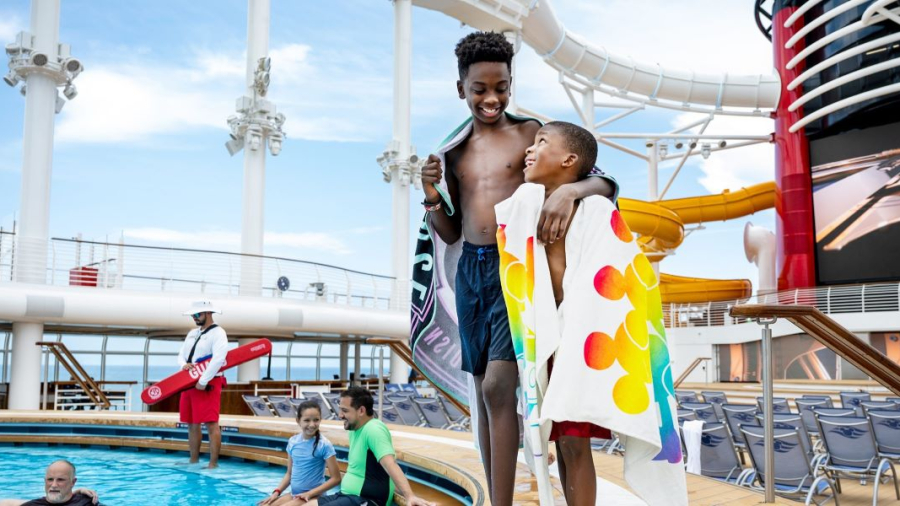
Family pool on a Disney cruise

First, let’s talk about all the reasons why cruise holidays are brilliant for families. Then, to keep things balanced, we’ll address any reasons why a cruise might not be right for you.

First, the fun stuff. Here are the top reasons why cruises can make the perfect family holidays…

1. Nobody Will Ever Be Bored – Guaranteed!

Swimming pools, water slides, splash parks, rock climbing walls, laser tag, surfing simulators, ice skating, bumper cars, trampolines, escape rooms, arcades – the list of activities available on board today’s modern cruise ships is seemingly endless!

And if you’re wondering how much all that is going to cost you, you’ll be pleased to know that the vast majority of on-board activities are included on typical cruise ship holidays. Yay!

Plus, with a different destination to explore each day that the ship docks, you can take your pick from the best theme parks, water parks, animal attractions, museums and beaches in each port of call.

If there’s one thing that you will never ever hear on a cruise holiday, it’s “Mummy, I’m bored.”

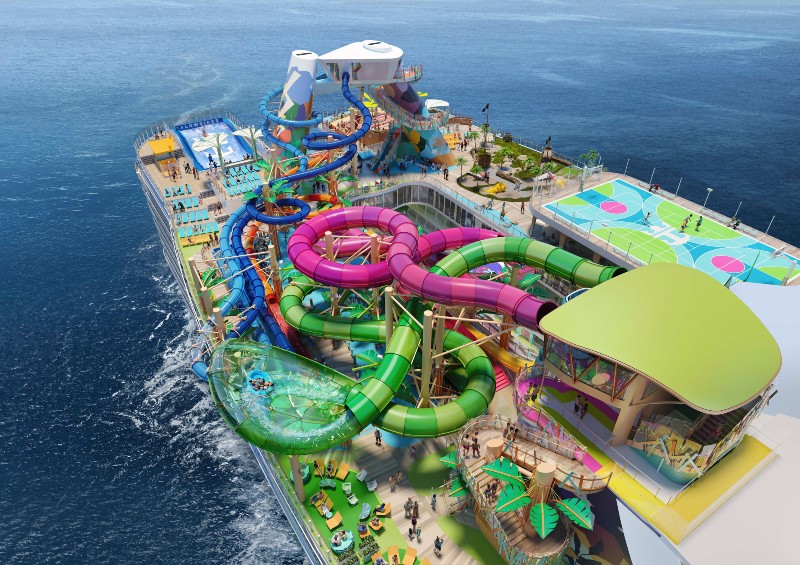
Royal Caribbean cruise ship with multiple brightly coloured water slides

2. You Don’t Have To Spend The Whole Holiday With Your Kids

Do you feel guilty at the thought of dumping your kids in childcare whilst you sunbathe by the pool with a book? Well, quite frankly, there’s no need to.

Cruise ship kids’ clubs offer the world’s best holiday childcare, so you can relax knowing that your children are well-cared for by qualified staff… and that they’re having loads of fun.

Open from early morning until late in the evening, some parents hardly see their kids for the whole cruise! And this isn’t because they don’t want to, but because they can’t prise their brood away from the activities of the kids’ club.

Split into several age groups, from pre-schoolers to teens, kids’ clubs offer safe, supervised activities which are both fun and educational.

Activities include arts and crafts, cookery classes, treasure hunts, sports and games, dancing, circus skills, games console tournaments, board games, competitions, movie nights and themed parties. And the best bit? It’s all free of charge.

Splash Academy with NCL
Norwegian Cruise Line’s Splash Academy

3. Fussy Eaters Are Well-Catered For

Cruise ship food is so delicious – you’re pretty much guaranteed to put on half a stone in a week. Included in the price of your cruise is dining at a number of venues, such as the main dining room, the buffet restaurant, snack bars and sometimes even room service.

In case that isn’t enough, additional restaurants are also available for a small supplement. Here you can enjoy Michelin-star cuisine with menus designed by celebrity chefs for a fraction of what the same dining experience would cost on land.

On many cruises, you’ll find that the menu is inspired by the ports of call that your ship visits, with authentic local produce brought into the kitchen during the cruise. This is a great way to get kids to try new foods from around the world, without worrying about paying for a dish that they don’t like!

In the main dining room, children can order the usual favourites off the kids’ menu, or, a smaller portion of anything they like from the main menu. In the buffet, the options are seemingly endless and ever-changing.

Cruise ship buffets are open from breakfast right through to late evening, so if you fancy a snack between meals, there’s always plenty to choose from.

Child at buffet
Royal Caribbean’s Windjammer Buffet

4. Cruising Is So Much Easier Than Flying

Hands up who likes flying with kids? Are your hands down? Thought so.

There’s parking the car, airport security, a cramped flight, sore ears, nappy changes in an aeroplane toilet, tired and cranky kids, more airport palaver and then getting to your hotel at some ungodly hour. Urgh!

With a cruise holiday, UK cruisers can sail from Southampton. Other local ports are available, but this is the main one where most of the family ships sail from.

You can park your car by the ship, and a member of staff will come and take your cases from your car boot and deliver them straight up to your cabin for you. Then you just check-in and walk onto the ship to start your holiday.

Now, tell me again why you were considering flying?

Southampton cruise port
Southampton Cruise Port

5. You Can Say Goodbye To Luggage Limits

Another great thing about not flying is that you have no limit on the amount of luggage you can take with you.

As someone who’s cruised with a baby and a toddler and is all too familiar with how much crap they need, this is a massive plus point. Some cruise lines will even let you shove a litre of wine in your suitcase if you want!

Prefer to pack light? You’ll find free-of-charge laundry rooms on many ships, should you need to wash anything.

6. There’s A Choice Of Accommodation To Suit Every Budget

There’s a huge choice of different accommodation types on board each ship, from inside cabins, cabins with windows and balconies, inter-connecting cabins and family staterooms, right up to the most luxurious of suites.

From a small double room with extra beds that pull down from the ceiling, to huge multi-storey suites with private hot tubs on the balcony, you’ll find accommodation to suit every taste and budget.

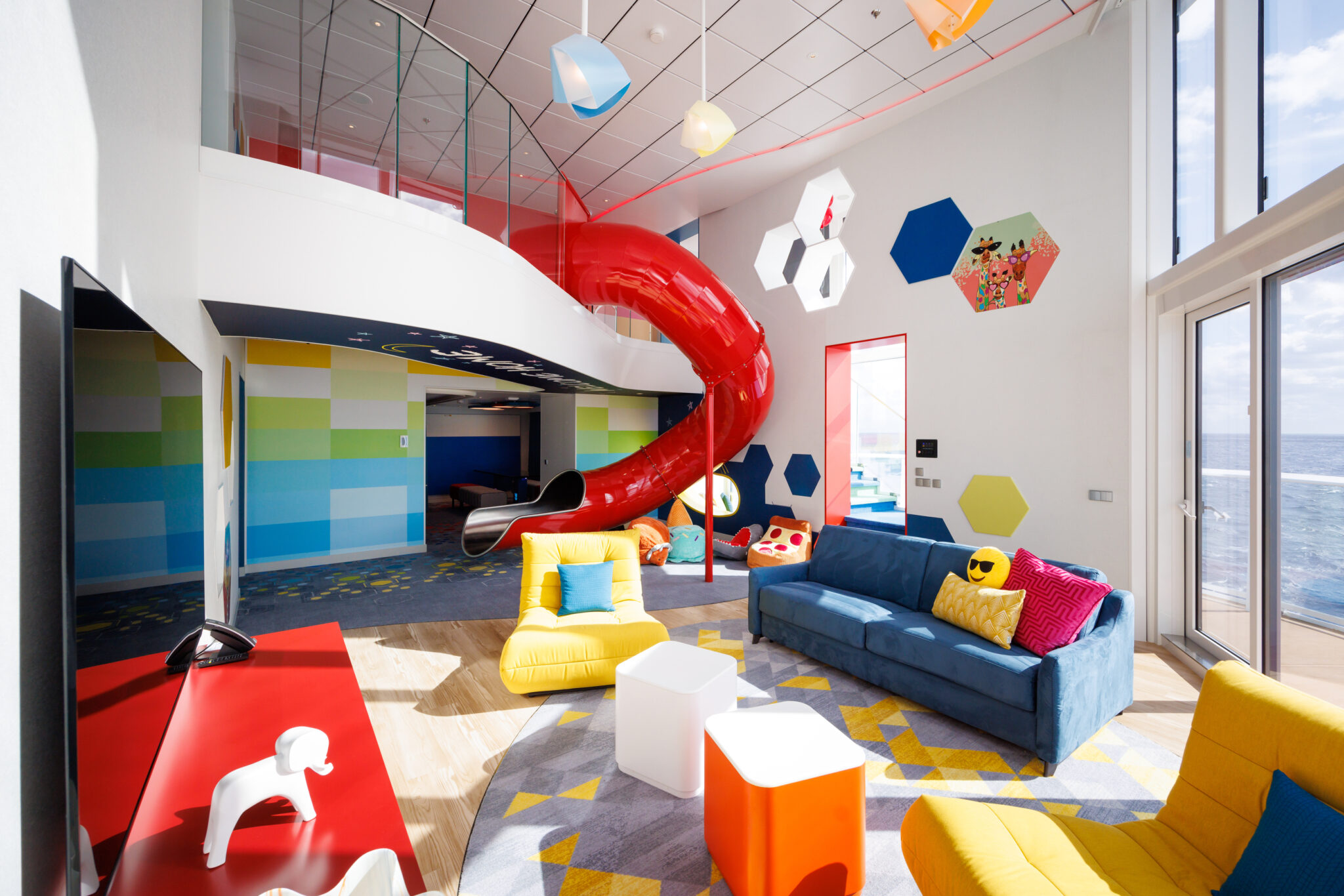
Royal Caribbean ultimate family townhouse with colourful furnishings and slide
Icon of the Seas’ Ultimate Family Townhouse

7. The Evening Entertainment Is Fantastic

I must admit, I never really enjoyed the evening entertainment that I’ve found in many of the European hotels I’ve stayed in. Kids’ discos, quiz nights, bingo, singers, yawn! I’ve often found myself in bed by 9pm.

On a cruise ship, it’s so different.

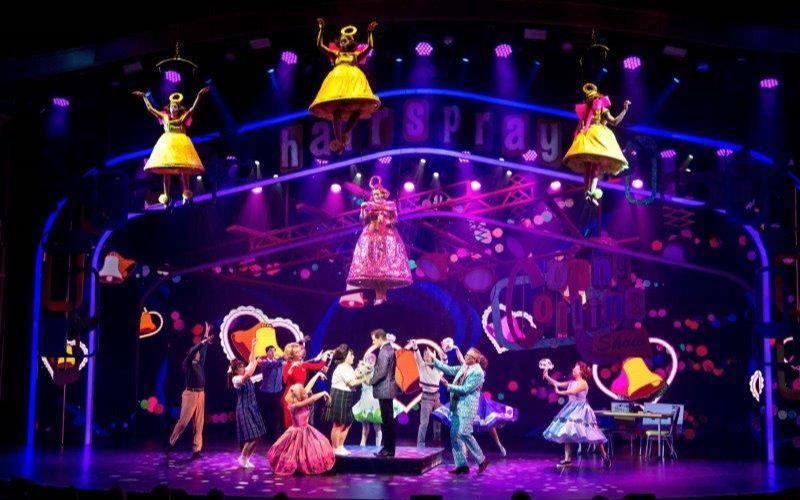
Each night there’ll be a show at the theatre. These shows are of a standard easily as high as the West End or Broadway. And they’re free! There’s also lots of live music as well as comedians and other acts, so you have a choice of entertainment each evening.

Actors acting for a performance on stage

If you want a bit of couple-time in there whilst the children are enjoying a pyjama party in the kids’ club, head to the casino, nightclub, or enjoy a late-night hot tub under the stars.

8. Cruises Offer Great Value For Money

The price of your cruise ticket includes accommodation, meals and snacks, selected non-alcoholic drinks, kids’ clubs, activities and entertainment.

You don’t have to pay for anything else if you don’t want to. A travel agent can also arrange flights, transfers and hotels to create you a package deal.

Extras that you can pay for include drinks, dining in speciality restaurants, spa treatments, guided excursions and WiFi. Policies on whether or not you’re expected to tip the ship’s staff vary by cruise line.

You might think that, as you’re a captive market, the cruise lines could take the mickey with the price of things like drinks. But they don’t tend to, and on many ships you’ll find the drinks prices to be similar to those in your local pub. Plus, if you’d prefer to go all-inclusive, drinks packages are available.

If you add up how much you spend on a land-based holiday compared to cruise holidays for families, then you’ll most likely find that the cruise holiday comes out cheaper.

Some destinations such as Norway, Belgium and Iceland can be eye-wateringly expensive once you get there. So, if you’re planning on visiting any of these, a cruise is likely to be the most cost-effective way to do it. Plus, on a land-based holiday, you probably won’t budget for watching Broadway-standard shows almost every night!

Is A Cruise Holiday Right For You?

With so many great reasons to book family cruise holidays, it’s no wonder that cruising is so addictive. And it really is addictive!

So are you raring to go ahead and book your first cruise? Or do you have some niggling doubts? Perhaps you’re worried about seasickness, hidden charges or the effect of the buffet on your waistline.

Have you cruised as a family before? How did it compare to other holidays you’ve taken?

Related Posts:

If you found this interesting, please share!

Cruise Mummy

Jenni Fielding is the founder of Cruise Mummy. She has worked in the cruise industry since 2015 and has taken over 30 cruises. Now, she helps over 1 million people per month to plan their perfect cruise holidays.

Read more about me


Source link

Odyssey-of-the-Seas-3.jpg

Uncovering the Tech Behind Smooth Sailing

When it comes to cruise ships, one may wonder how these luxurious behemoths are able to navigate through the water with precision.

Rudders are essential components for steering a ship. Understanding the role of rudders in cruise ship navigation can provide valuable insight into the complex operations of these maritime marvels.

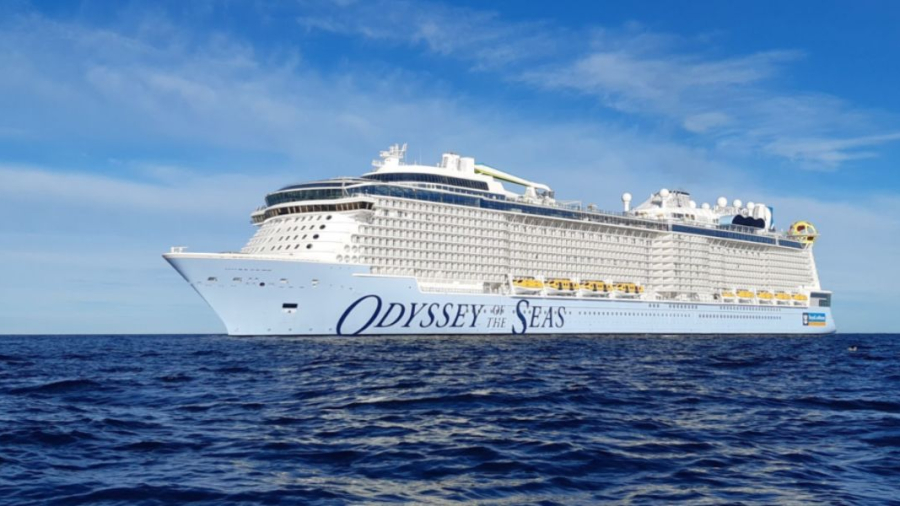
Odyssey of the Seas

This is all a little technical though, so I asked my friend John, who is a ship pilot, to help me to understand and explain how cruise ships steer. 

Rudders or Azipods: Knowing the Difference

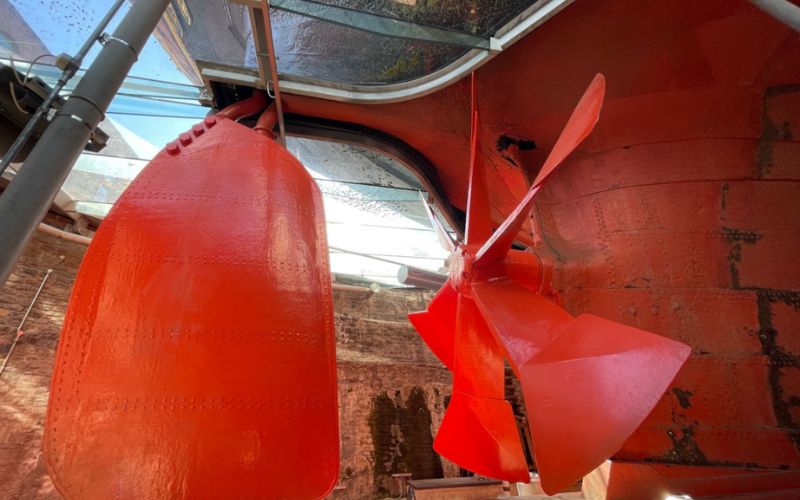
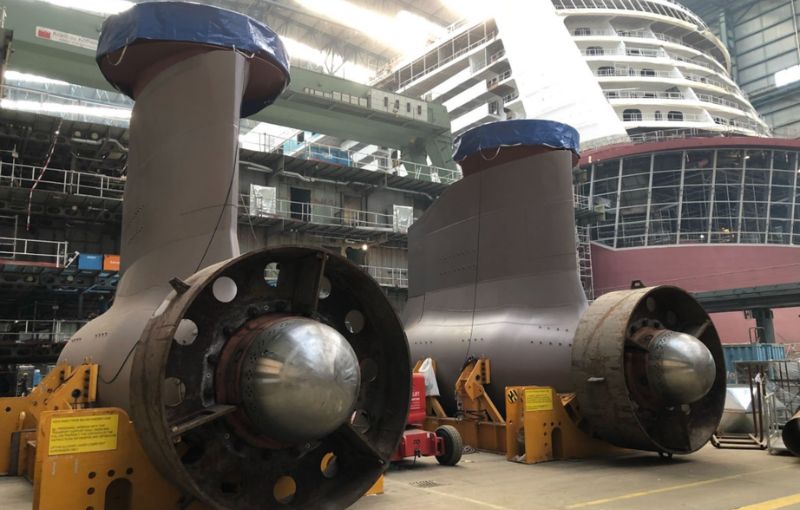
Some cruise ships have rudders, but others instead have podded propulsion known as Azipods.

Traditionally, cruise ships relied on rudders and varying propeller speeds for turning. However, many modern cruise ships now have pod propulsion, which combines the propeller and steering into a single unit. The trade name for these is Azipod.

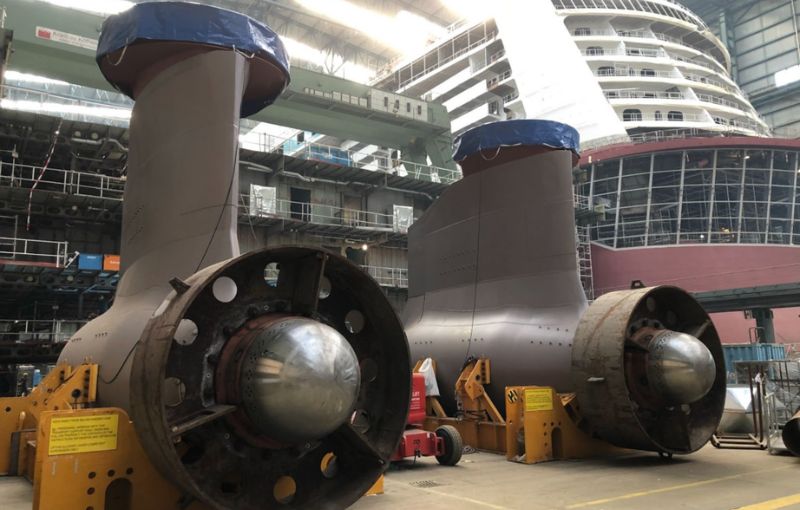
Azipods pictured in a cruise ship dock
Azipods

Rudders are still essential components of many modern vessels, including some cruise ships. They provide directional control and enable the ships to steer and navigate through water. Located at the stern of the ship, the rudder is used to turn the vessel or to maintain a course (by continual small adjustments)

There are several types of rudders in use today, each designed to cater to specific ship sizes and navigational needs. Some common types of rudders include:

  • Semi-balanced rudder: A compromise between the spade and full-balanced varieties with some portion of the rudder surface forward of the axle. These normally have 35 degrees of movement each side of mid ship.
  • High lift rudders: There are numerous designs, eg Becker, fishtail, and shilling to name a few. The advantage of fitting these is the increase in port slow-speed manoeuvrability. They can have 60 degrees of movement. The Becker-type rudders have a flap on the end which effectively gives 90 degrees

Different types of rudders are chosen based on factors such as ship size, manoeuvrability requirements, fuel economy and the speed at which the vessel is designed to operate

SS Great Britain
SS Great Britain

Cruise ships that don’t use pod propulsion generally have a twin-screw propeller design with a rudder mounted immediately behind the propeller (it can be slightly offset depending on propeller characteristics).

With two propellers and rudders, the result is an increase in port manoeuvrability. This is even better when coupled with bow thrusters. Sometimes, rudders can be operated independently at a slow speed to enhance manoeuvrability.

The Importance of Rudders on Cruise Ships

When it comes to cruise ships, adequate steering and directional control are crucial for providing a smooth, comfortable experience for passengers.

Rudders, or their modern alternatives (Azipods), enable cruise ships to make planned course changes, navigate tricky waterways, and avoid obstacles. The ability to execute fine control manoeuvres enhances safety and reduces the risk of collisions and other accidents.

Rudders or equivalent steering technologies are absolutely vital to ensure the smooth operation and safety of cruise ships.

As well as rudders, modern cruise ships employ advanced navigation systems to ensure the safety and efficiency of the vessels. 

Azipod Propulsion

A significant advancement in ship navigation is the introduction of Azipod pod-type propulsion systems. Cruise ships that utilise Azipod propellers do not have conventional rudders.

Azipods are pod-like structures with electric motors, mounted under the hull of a ship. The entire motor rotates 360 degrees, enabling the vessel to generate propulsion and steer in any direction simultaneously. They generally operate in pull mode, with the propeller at the front of the pod.

This innovative technology provides increased fuel efficiency, precision in manoeuvring, and reduced noise and vibration.

Spectrum of the Seas Azipod

Bow Thrusters

In addition to Azipod propulsion systems, bow thrusters also play an essential role in navigating large cruise ships.

Bow thrusters are mounted in tunnels near the bow. Some cruise ships that have a propeller and rudder arrangement have stern thrusters fitted in addition

Thrusters produce a side thrust that helps the ship maintain lateral control during docking or undocking manoeuvres. Using bow thrusters in combination with Azipod propulsion allows cruise ships to achieve outstanding manoeuvrability and precise positioning, overcoming the limitations of traditional rudders.

While rudders may still be found on some cruise ships, the adoption of Azipod systems and bow thrusters has significantly changed how these vessels navigate through water.

Conclusion

In summary, some cruise ships do have rudders for directional control, manoeuvring and steering. While many ships have rudders, in the cruise industry pod propulsion has been adopted, although not universally, thereby eliminating the need for a separate rudder in most cases.

Advancements in rudder technology have contributed to the design and operation of modern ships. As cruise ships continue to evolve, it is crucial to understand the role rudders play in maintaining safety and efficient navigation for passengers and crew alike.

Related Posts:

If you found this interesting, please share!

Cruise Mummy

Jenni Fielding is the founder of Cruise Mummy. She has worked in the cruise industry since 2015 and has taken over 30 cruises. Now, she helps over 1 million people per month to plan their perfect cruise holidays.

Read more about me


Source link

Cruise-Ship-Tender-Boats-1.jpg

What You Need to Know 

Cruising is a great way to get out there and see the world. You essentially journey on a fantastic floating hotel, which transports you to exciting new destinations every morning. Well, most mornings – some places are further apart.

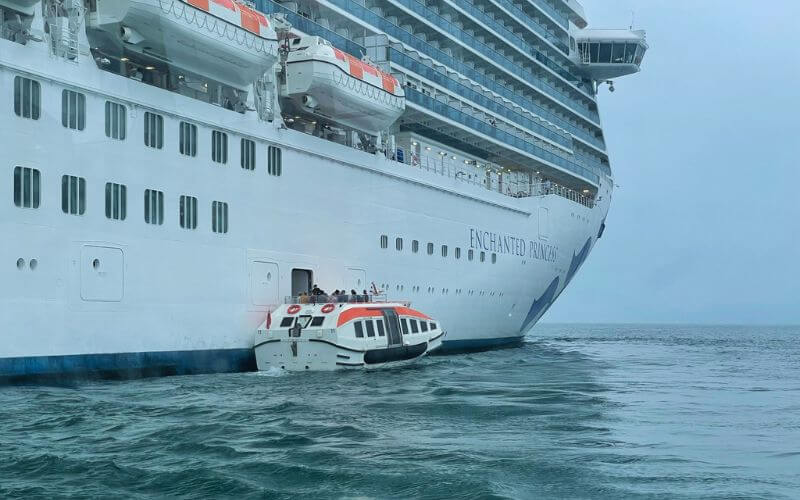
cruise ship tender boat

But the most exciting places in the world are often the smaller locations – historic towns, beautiful tropical islands, and even the breathtaking poles of the Earth. And many of these destinations don’t have the facilities to host a giant cruise ship.

So instead, your ship anchors out at sea, and you take a tender boat. But tender boats aren’t always easy to climb aboard, and they may not be suitable for everyone. So, let’s take a look at what tender boats do and some key things you need to know that might affect your cruise booking.

Tender boats explained

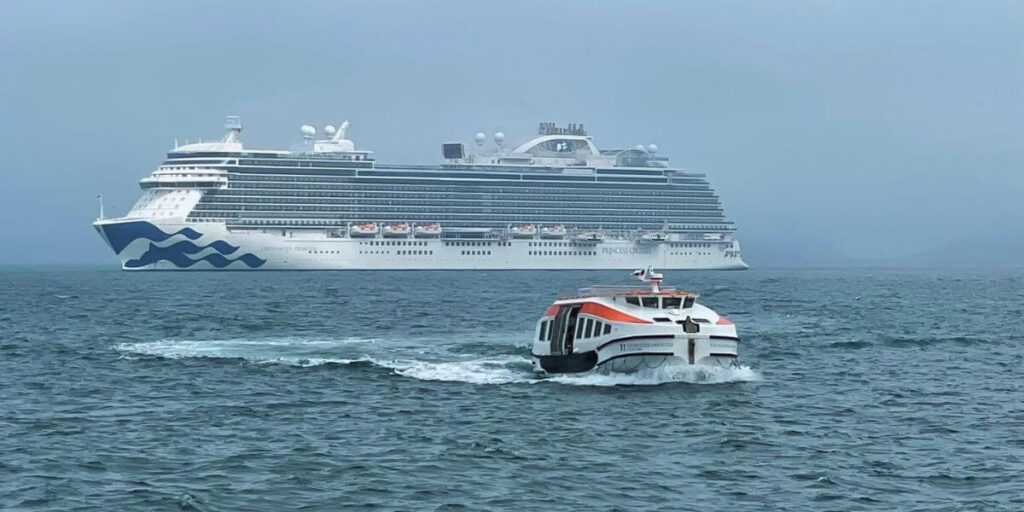
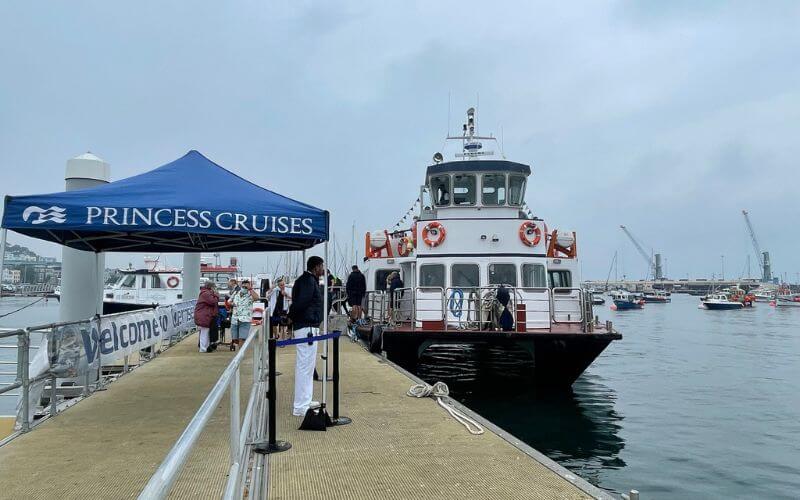
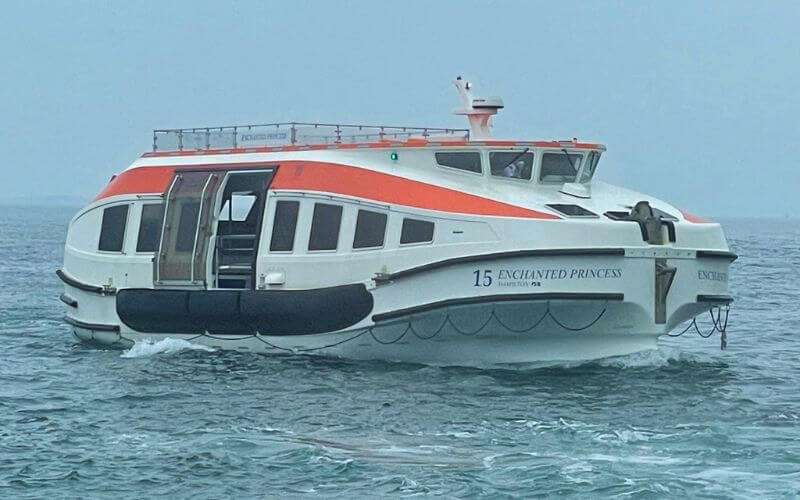
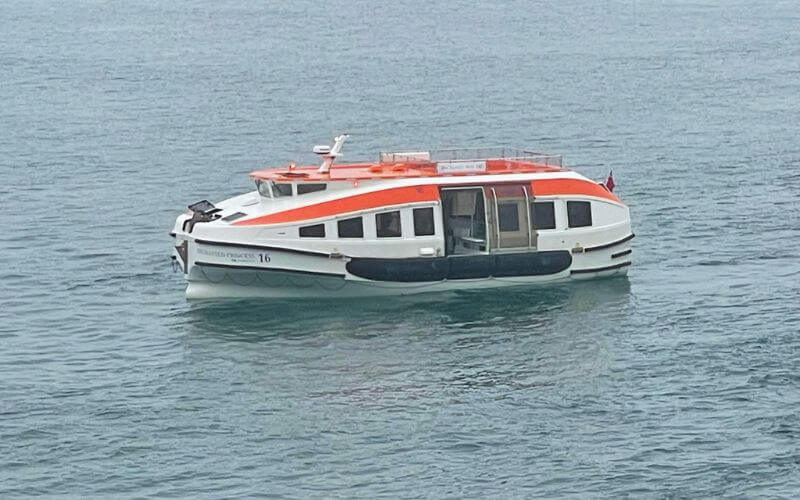
A tender boat is a small boat used to transport passengers from a cruise ship to the shore. It’s also known as a water shuttle. They’re used in destinations where there is no suitable place for the cruise ship to dock. The boats often double as lifeboats, although sometimes, tender boats from the port are used as well.

Here’s a photo of a boat belonging to the port of Guernsey that is used as a tender boat…

tender boat at pier
Tender boat in Guernsey

The tender boats kept on cruise ships can be used as lifeboats in an emergency, but they’re pretty big and can usually accommodate 150 to 200 people. These aren’t small little dinghies.

Having said that, they are still smaller boats and so they do have some drawbacks when compared to docking with the cruise ship directly. You can read more about that below.

You don’t really get a tender ship, to be clear – the tender boat meaning is a vessel small enough to be used for smaller piers. A tender ship would be a larger vessel so if it could dock at a pier, chances are your cruise ship could too.

Cruise tender ports

Tender ports are those where the cruise ship can’t dock directly at a pier, and so special boats called tender boats or water shuttles are used to transfer guests from the ship to the shore. They may have shallow waters that aren’t suitable for larger ships, or they may just lack the necessary shore space for a pier that can handle cruise ships.

Some ports have a pier that can accommodate only a single cruise ship. So if two ships are scheduled to arrive at the port on the same day, the second one to arrive will have to anchor out at sea and use tender boats to transfer guests to the shore.

There are some ports that have once been a tender port and have since built artificial piers to support cruise line docking, but that’s expensive, and so would only be beneficial for those destinations where tourism would massively benefit.

CocoCay, the private island used by Royal Caribbean Cruises, had a pier built in 2019 as part of a massive renovation.

The pier at CocoCay
CocoCay is no longer a tender port since the pier was constructed

‘Tender Required’ simply means it’s a tender port

When the information about a cruise port states “tender required”, it means the ship can’t dock at that destination, and so guests will be required to use a tender boat (water shuttle) if they want to go ashore.

These are common and are advertised in advance as part of the cruise itinerary, so you can check before you sail whether any of the ports you’re visiting will need a tender boat. 

If you aren’t sure whether you’ll be able to use a tender boat, or are worried about feeling seasick on a small boat, then you can check for cruises that only go to ports that don’t need them.

NEW DEALS JUST RELEASED!

Don’t miss these hot cruise offers…

So what does ‘Possible Tender’ mean?

Ports that are listed as “possible tender” on cruise documentation are those where the cruise ship may only be able to dock directly at the pier in certain conditions. If the weather isn’t ideal, or the pier is in use by another ship, then the ship may not be able to dock. When that happens, it will anchor offshore and use tender boats.

tender boat

Bear that in mind if you’re concerned about seasickness – if a cruise ship can’t dock due to the weather, then the tender is more likely to be a little bit of a rough ride.

6 things to know about cruise tenders

Here are six things you really need to know about cruise ship tenders to help you have the best cruise possible.

1. Tender boats often aren’t suitable for people with limited mobility

When a cruise ship docks directly at the pier, it can be properly anchored so that it barely moves. The gangway then gets you safely ashore just as if you were walking along a solid floor.

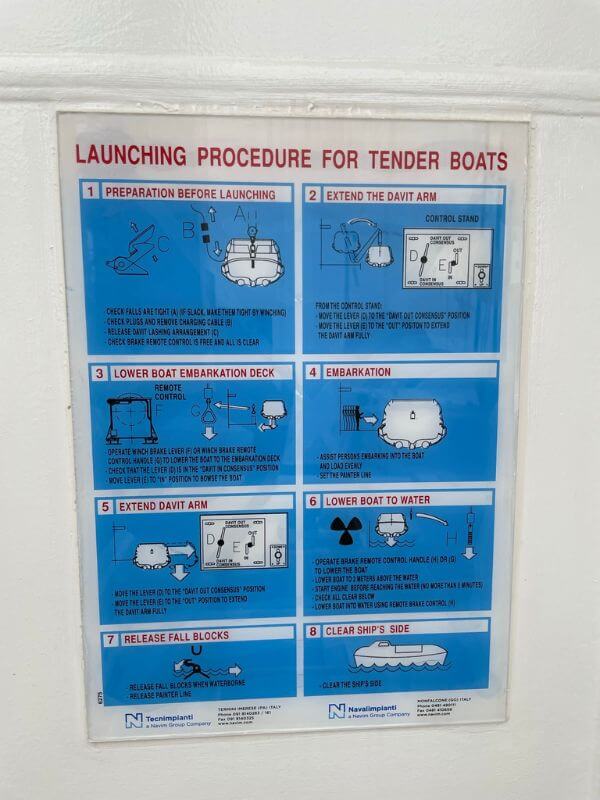
With a cruise ship tender though, it’s not quite as straightforward. You may need to step into our out of the boat from the hull. Sometimes there are small steps involved, or smaller entrances.

launching procedure for tender boats

So, if you’re travelling in a wheelchair or you are someone who just has limited mobility, then using a tender boat can be difficult. There’ll be people available to assist you but even then, you might not have a comfortable experience, or it might just be completely impossible for you to board the boat.

The cruise ship’s tender boats used, and the methods of getting ashore, can vary by cruise line or destination.

tender boat

Some cruise lines will require every guest to prove that they are able-bodied by stepping across a 1-metre gap that’s marked with tape on the floor. But others don’t have mobility requirements and can even accommodate wheelchair users who are happy to be assisted.

If you’re someone who does have mobility issues then you should speak directly to the cruise line to find out more about your planned itinerary, or look for cruises that don’t visit tender ports at all.

Many cruise lines offer a list of tender ports on their websites.

Here are some examples:

2. Tender boats might make you feel seasick

Any type of boat or ship moves in the water, but the bigger the ship, the less you’ll notice it. Which, of course, means that tender boats can make the waves a lot more noticeable.

Tender shuttle journeys don’t take too long – ships don’t exactly anchor miles out to sea. Usually, if you’re one of the first on board, you might have a 20-minute journey at most, and a good chunk of that will just be waiting for everyone else to get on board.

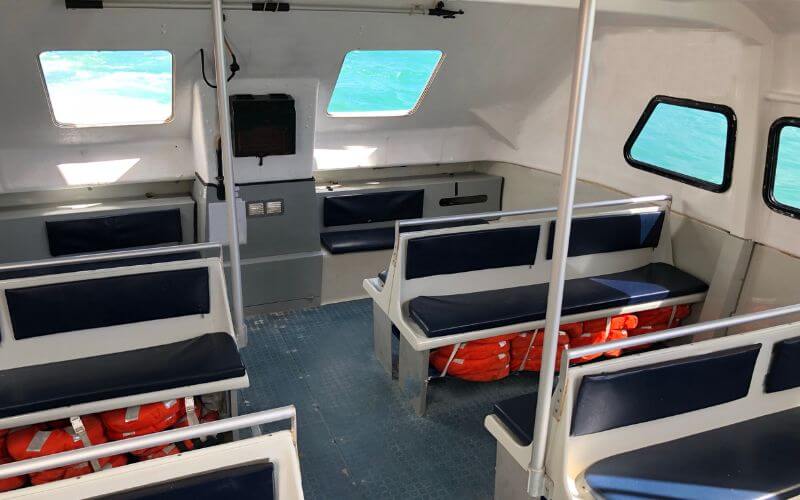
seats and lifejackets in a tender boat

But if you are prone to seasickness, then you need to be prepared for what might be a bit of a rough 20 minutes. It’ll generally calm down as you get closer to shore, and since you have the shoreline to look at, you can control it a little bit.

But there may be some lurching back and forth. If you do get seasick, maybe take some medication before you hop on a tender, just to pre-empt it.

Suggested read: The Best Ways to Prevent Seasickness

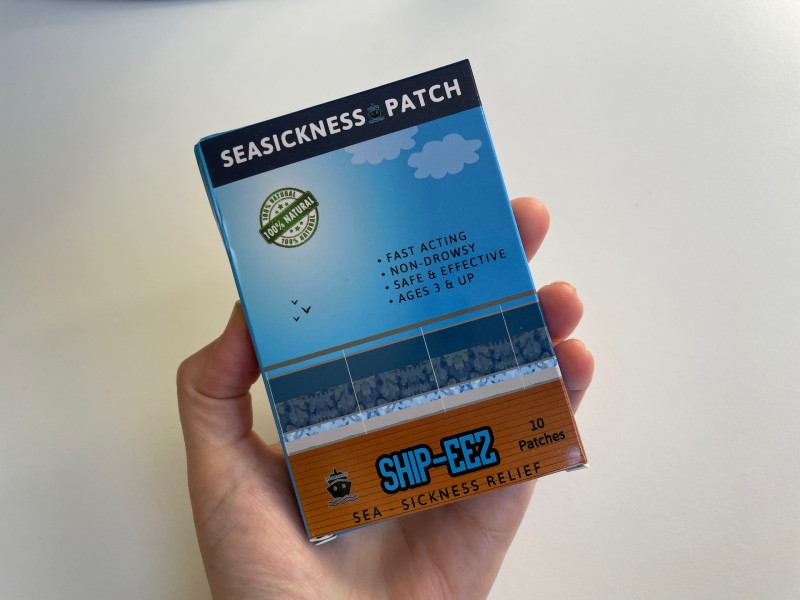
seasickness patch

3. Tender ports are likely to be cancelled in bad weather

If the weather is particularly bad, there may be no alternative but to cancel a tender port. A cruise ship can only let guests board a tender boat when it’s safe to do so, and if the waves are causing the boats to move around a lot, or there’s too much fog, it might not be possible.

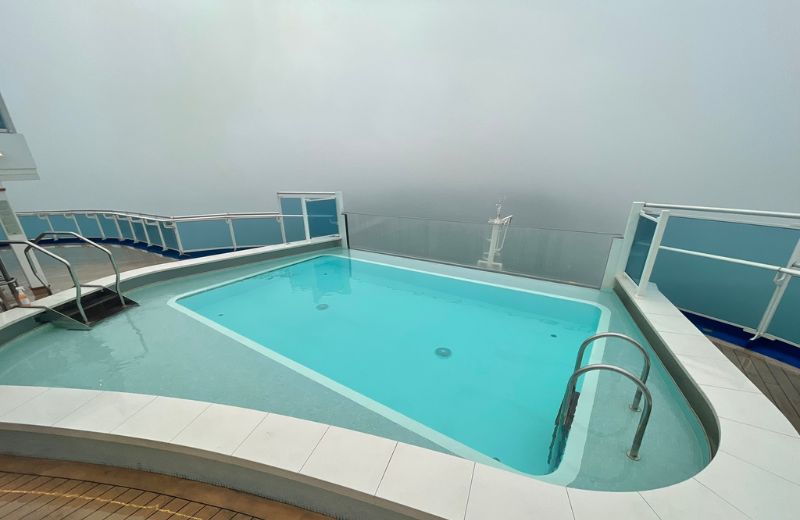
foggy weather on a cruise

Cruise ships will wait a little while, but they can’t wait all day – otherwise, even if the weather does clear up, you’ll tender to shore only to have to tender straight back as the ship prepares to leave.

When a port is cancelled, you don’t generally get any kind of recompense. It’s seen as an accepted risk.

You’ll get a refund for any shore excursions you’ve bought through the cruise ship, but if you paid for third-party excursions then you’ll need to take it up with the organisers.

If you do want to visit destinations that require a tender, do a little bit of research first and find out what season the weather is worst – and maybe try to avoid booking a cruise during those months.

4. Sit by the door for the best photo opportunities

There are a number of benefits to being the last person onto a tender boat, including potentially being the first one off. But you also get some amazing photo opportunities from a tender boat, especially when you’re sitting by the door.

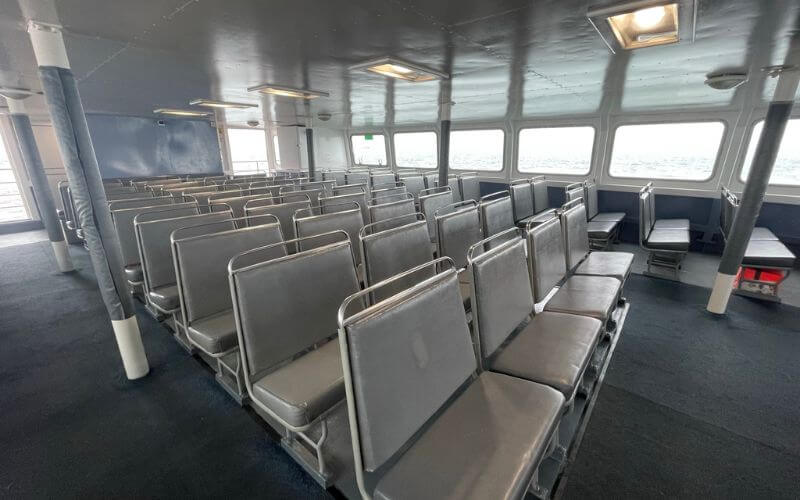
inside the tender boat

You’ll be able to take some absolutely stunning photos of your cruise ship as you sail away from it. It’ll loom above you, looking extremely impressive, and because you’ll be sat right by the door, you’ll get plenty of good opportunities to snap a great shot.

If the tender boat comes from the port, rather than being carried by the ship, then it may even have an open upper deck. If it does, be sure to head up there and stand up rather than taking a seat to enjoy the best views of the shoreline, and your ship.

5. There are often big queues for the first tender off your ship

Because time in port is sometimes limited, a lot of people tend to rush to the meeting point on a tender port day, because they want to be first off the ship to give themselves the most amount of time to explore.

And while there is some logic to that, it also means that you could be queuing for a long time to get off the ship – as so many others will have the same idea. Even if you think you’ve gone early, there will probably be people who have beaten you to it.

Plus, some cruise lines offer priority tender debarkation to guests who’ve booked a certain level of accommodation, or who have reached a certain level within the cruise line’s loyalty program. You might be first in line, but still have to wait for these other passengers to have their turn first.

It’s up to you – you might want to make sure you get on the first tender ashore possible, but they run the tenders throughout the day, so why not take a leisurely breakfast while the ship is a little quieter, and then after an hour or two head down to catch a tender?

You won’t have to waste precious time queuing, and you’ll still be able to enjoy enough time in port to wander around.

6. Don’t miss the last tender back!

If you’re ashore having fun, especially if you’re enjoying the many delights of local bars, time can sometimes get away from you. But you need to be careful, because if you miss the last tender back then you’re in trouble!

The ship will not wait for you – once the last tender has returned to the ship, it is going to depart. And if you’re still on land, that means you’re getting left behind.

tender boat returning to the ship

There’ll be a couple of options available to you, but they all cost a lot of money. A ship’s agent will assist you with organising things, but your options will be to fly to the next port and meet the ship there, or to fly home, and pay to have your belongings returned to you.

In extremely rare situations, you may be able to get a pilot boat from the dock to take you out to meet the ship, but that’s at the Captain’s discretion and will cause a huge delay for the thousands of other passengers on the ship.

So in short – don’t be late!

Some popular cruise tender ports

Bar Harbor, Maine

When visiting Bar Harbor in Maine, ships will tender off the coast in Frenchman Bay, and tender boats will ferry passengers to the Town Pier, which is right in the centre. 

Lahaina

Lahaina does have one berth for cruise ships to dock directly, but it is normally a tender port. Ships will anchor in the harbour, and tender passengers right into town.

Cozumel

Cozumel is an extremely popular port, and while it does have piers that can dock cruise ships, it will be treated as a tender port when too many ships are visiting at once. Up to 8 cruise ships can visit Cozumel on one day. Guests will be tendered to the pier.

Cabo San Lucas

Cruise ships visiting Cabo San Lucas will anchor offshore next to the famous rock arches. Guests will then be tendered to the marina, which is about a 10-minute walk from the centre of town.

Grand Cayman

Grand Cayman’s port is George Town, and it is a tender port. Ships will anchor in the main bay and transport guests to shore on a tender boat to one of the three piers, all of which lead to the main Harbor Drive where there are many shops and a couple of bars.

Belize

Cruise ships visiting Belize will anchor off shore at Belize City, due to the shallow waters. Tender boats will get guests ashore in 20 minutes, where guests may wish to take a taxi for the drive into the city itself.

Bonaire

There are two piers on Bonaire – a North Pier and a South Pier – where cruise ships can dock. They cannot anchor, but they will be supported by buoys. Therefore it is not a tender port.

Monterey

Cruises ships sailing to Monterey will anchor in front of the main harbour, allowing guests to then take a tender boat to Fisherman’s Wharf. From here it’s easy to explore the town.

Santa Barbara

Cruise ships to Santa Barbara will anchor offshore and tender guests to the Santa Barbara Waterfront, at Sea Landing. From here guests can walk to explore the rest of the Santa Barbara Harbor, or use a shuttle to get downtown.

Santorini

Santorini has two different ports – Athinios Port and the Old Port of Fira. Neither can support a cruise ship being docked, so ships will anchor offshore and transport guests to the port via tender. Guests can travel to either, with Fira being closer to Fira town.

Mykonos

Smaller ships can dock directly at Mykonos, but larger ships will anchor in the bay and be tendered to the old harbour, which is within walking distance of the town.

Related posts:

If you found this interesting, please share!

Cruise Mummy

Jenni Fielding is the founder of Cruise Mummy. She has worked in the cruise industry since 2015 and has taken over 30 cruises. Now, she helps over 1 million people per month to plan their perfect cruise holidays.

Read more about me


Source link

cruise-ship-1-2.jpg

Underwater Cruise Ship Rooms: Do They Exist?

If you’re new to cruising (or even if you’re not) you might be wondering whether there are any cabins under the water line. You might be thinking you would like a window out into the ocean to get up close and personal with the marine life. 

Underwater Cruise Ship Rooms

In general, this isn’t part of the cruising experience and the majority of cruise liners don’t have underwater cabins for guests, but let’s take a closer look at cruise ships below the waterline and find out whether you can book an underwater stateroom…

To help you avoid any cabin you wouldn’t want to book, I’ve created a cabin checklist that you can get for free.

Just enter your email address below and you’ll receive it in your inbox straight away.

There are rooms below the waterline, but typically not for passengers…

The lower decks of cruise ships are generally not used for passenger cabins or for areas accessible to passengers.  The crew of the ships will generally have their quarters below the waterline and you will also find store rooms, fan rooms, and other utility rooms on these levels.

In modern cruise ships, you will often find the engine room, water treatment (clean and dirty), air conditioning, fuel bunkers, water storage tanks, and lots of plumbing below the water line, along with a large percentage of crew cabins.

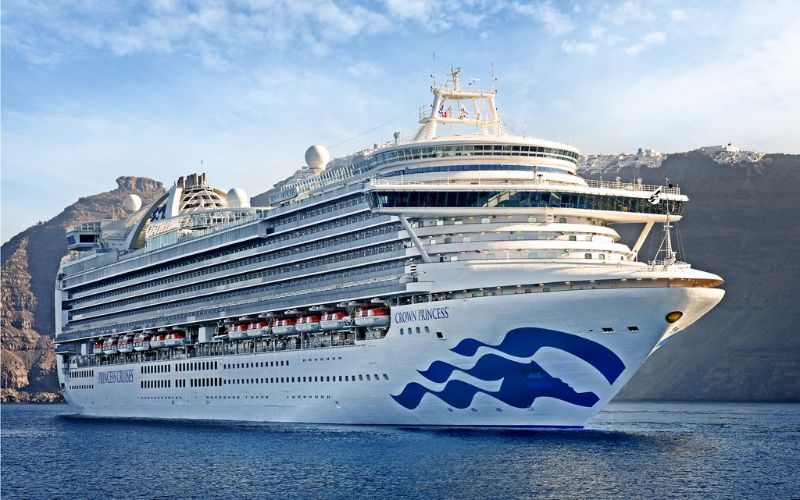
Crown Princess

On most ships, Deck 2 is the first deck fully above the water line, it may be numbered differently, but generally, that’s the deck you get on and off at when you reach port. So getting a cruise ship underwater view room isn’t really possible.

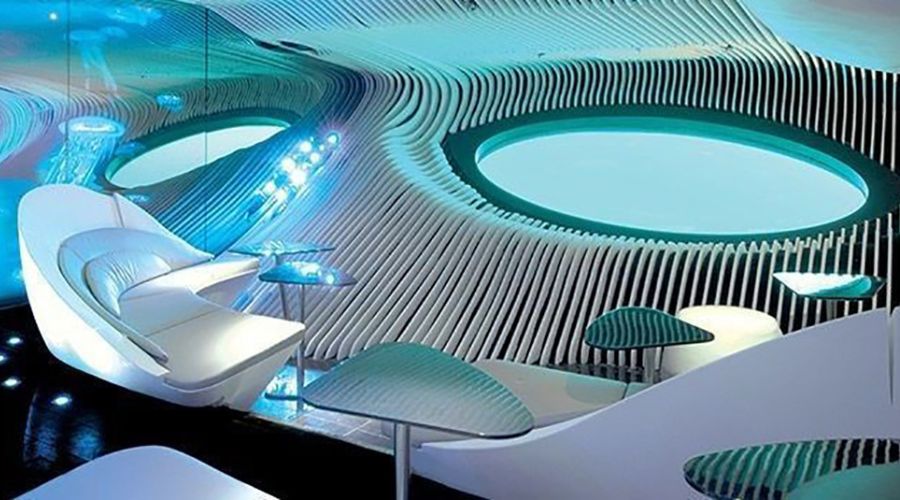
The Blue Eye Lounge

One interesting exception to this design rule is the Blue Eye Lounge which has been included on the 180-passenger Ponant Explore class ships. This is the world’s first underwater communal lounge and it has been designed by the French architect and oceanographer Jacques Rougerie. 

The Blue Eye Lounge

The Blue Eye lounge has been designed as a multi-sensory experience with huge windows, underwater cameras, and microphones outside to pipe in the sounds of the sea.

You can find this stunning feature on Le Lapérouse and Le Champlain, Le Bougainville, and Le Dumont-d’Urville. It looks amazing and must be the perfect place to pretend to be a Bond villain!

You can see more of Ponant’s underwater Blue Eye Lounge in this video: 

The majority of cruise shops are far more mundane below the water line! Much of the space is given over to staff accommodation, who are often provided with fairly basic and cramped quarters shared with their crewmates.

The location below the water line means that they lack natural light and there are obviously no balconies. More senior staff are generally placed on higher levels. 

For larger cruise ships it would be challenging to incorporate underwater viewing lounges. Not only would it be very expensive to build safely, but it would be very hard to maintain and keep a clear and scratch-free view. The high speeds travelled through deep water mean that there is also a limited chance of seeing much more than murky water. 

Cabins below the waterline? Only on river ships…

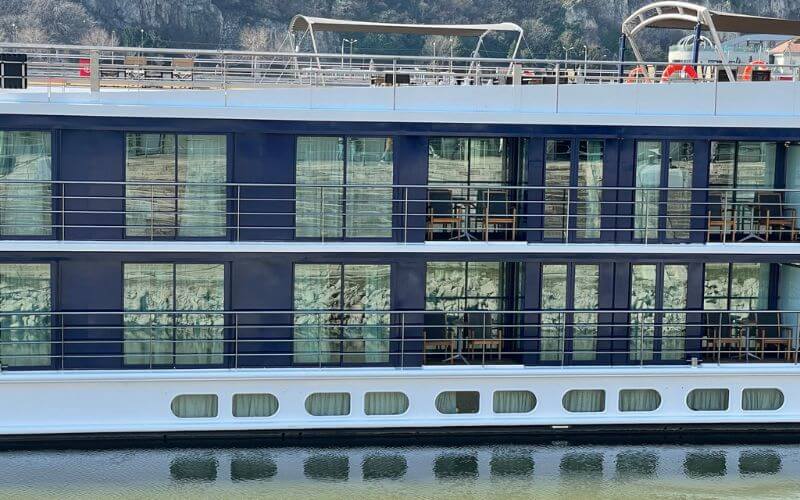
The majority of ocean cruise ships do not have cabins below the water line. The space is used for storage and utility rooms and for staff accommodation. You do, however, find cabins below the water line on most river cruise ships. 

As you can see from this photo, there are indeed some options for a cruise ship bedroom below the water, although the windows are just above the surface.

River cruise ship with cabins below the water

River cruises generally have fewer categories of cabins than their ocean-going counterparts and you do not get inside cabins on river cruises. What you do get is window only or ‘river view’ rooms’. These rooms are under the water line for the most part but will have a window higher up, above the water line, so that some natural light reaches your room. 

These rooms are on the lower deck and the window will be at shoulder height (or higher) so you won’t get too much of a view and if you’re particularly short, you may even find that you have to stand on a chair to watch the world go by from your cabin.

Here’s what it looks like from the inside.

river cruise ship cabin

Of course, these windows are only just above the water line and will not open because if they did, you would get pretty wet! These rooms are the least expensive on the ship and are sometimes (unofficially) and humorously referred to as aquarium class. 

Underwater decks on a cruise ship

A cruise ship will generally have one or two decks underwater, depending on its overall size. On these decks, you will find all the areas that are inaccessible to passengers such as staff accommodation, air conditioning units, the engine room, laundry, and even a jail. 

Cruise ships are enormous, but you might be surprised to learn that they actually don’t extend that far underwater. Usually no more than 30 feet (9.1 metres) of the ship sits under the water, this is only about 10% of the ship’s overall height. 

The distance that a ship continues underwater is known as its draft. Naval architects appreciate that an excessive draft would limit the commercial viability of a cruise ship by limiting the number of ports it can use. This is why the draft of a cruise liner is so much smaller than large container ships or oil tankers. 

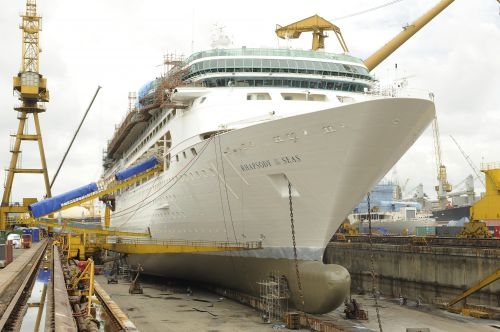
Cruise ships look top heavy with very little of the ship underwater compared to that above. But the superstructure of the ship is very light, and all the heavy equipment, like engines, generators, etc, is at the bottom of the hull. This means that the ship is well-balanced and perfectly designed for cruising from port to port.

If you’ve ever wondered how cruise ships stay upright with only 10% of the ship underwater, then I suggest you read this next: How Do Cruise Ships Float And Not Tip Over?

The reason you don’t get underwater windows

You might think that it would be pretty cool to have windows under the water so that you can look at the fish during your cruise. But in reality, you wouldn’t see anything other than water for the vast majority of the time, so it would be disappointing. 

Nothing swims that close to a cruise ship when it’s moving, and seawater isn’t always as clear as you’d hope.

In addition to this, glass can never be as strong as steel, so having a window underwater would be a weak spot that could be vulnerable in the case of an accident. There’s also the pressure of the water to consider, particularly in rough seas.

The window would also need cleaning regularly on the outside, which could be a tricky and expensive maintenance job. And eventually, it’s going to get scratched and not look so nice. 

To conclude

As you can see, there is a lot going on beneath the waves on a cruise ship. Whilst most of it is not really that exciting (and is not accessible to passengers), the underwater deck of a cruise ship contains a lot of the essential parts of the ship that work to make your cruise a success (including the crew!).

So, whilst you may have hoped to get a view of passing fish and dolphins, that is not really an option on most cruises.

If that is what you’re looking for, you could check out the Blue Eye Lounge on the Ponant Explore class ships, which look very impressive. Or you could try aquarium class on a river cruise and keep an eye out for flying fish!

But, to be honest, a cabin higher above the water with a nice balcony is the preferred option for most people. That said, I do love an inside cabin!

Related posts

If you found this interesting, please share!

Cruise Mummy

Jenni Fielding is the founder of Cruise Mummy. She has worked in the cruise industry since 2015 and has taken over 30 cruises. Now, she helps over 1 million people per month to plan their perfect cruise holidays.

Read more about me


Source link

cruise-ship-sailing-in-the-sea-1-4.jpg

How Do Cruise Ships Float And Not Tip Over?

Cruise ships are some of the largest vessels in the world. So if you’ve ever wondered how cruise ships float and don’t tip over, you’re certainly not alone.

With as many as 20 decks, heavy swimming pools on the top, and not much ship below the water… How does a cruise ship float and not topple over?

Cruise ship floating in the seas

To find out, I spoke to a helpful cruise ship pilot by the name of John, who explained the physics in a way that we can all understand…

The science of floating

Cruise ships stay afloat because they have a U-shaped hull that displaces water outwards and downwards. As the water tries to fill this space, the energy pushes the ship upwards. This law of physics is known as Archimedes’ principle.

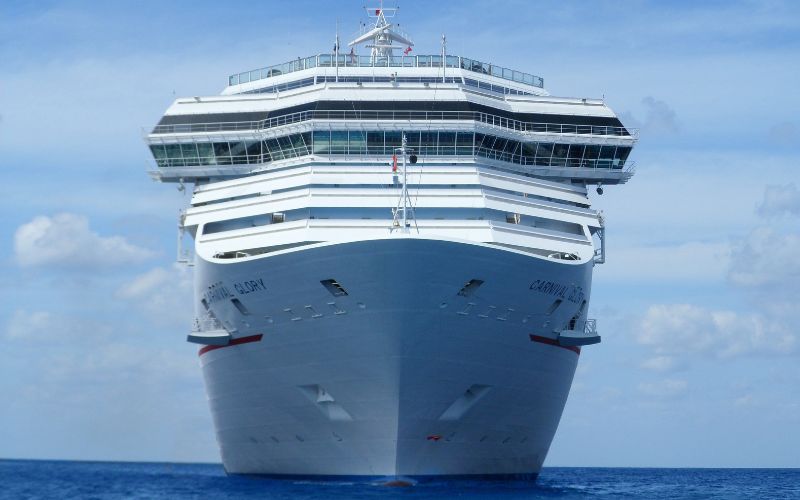
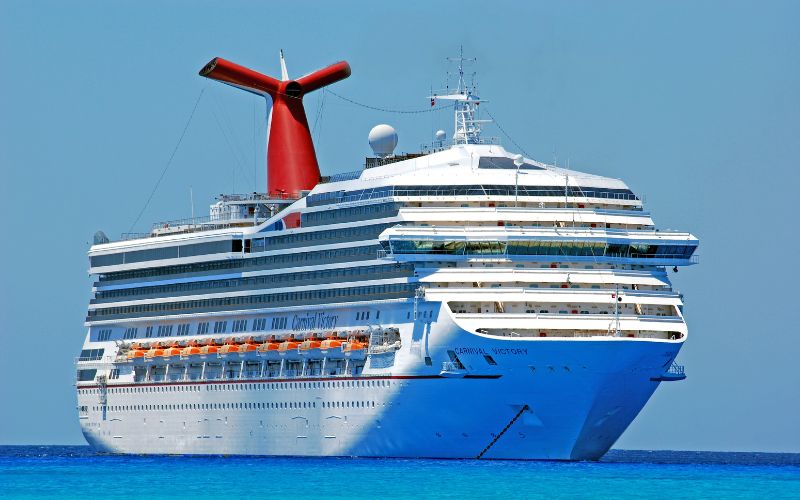
Carnival Glory

Archimedes’ principle states that a body immersed in a fluid is subjected to an upwards force equal to the weight of the displaced fluid. This is known as ‘the first condition of equilibrium’.

The upward buoyant force that is exerted on a cruise ship in the water is equal to the weight of the water that it displaces.

For example, Anthem of Seas displaces 78,130 metric tonnes. This is equivalent to 76,224,390.2 litres of sea water.

flat bottom cruise ship sailing at sea

Depth (draft) explained

The depth at which a ship sits in the water is known as the draft. Most cruise ships typically have a draft of between 5 metres (16ft 5in ) and 10 metres (32ft 10in). The actual draft depends on the size of the vessel and how much fuel and ballast water is on board. A typical cruise ship draft is 8.5m (25ft 6in).

Draft is measured forward, aft and midship. The draft will determine which ports a cruise ship can enter. Smaller cruise ships typically have a draft of less than 7m (22ft 9in) and so they can enter smaller ports. This is why, when you cruise on a smaller ship, with a cruise line like Azamara or Silversea, you’ll get to visit the smaller, less-touristy ports of call.

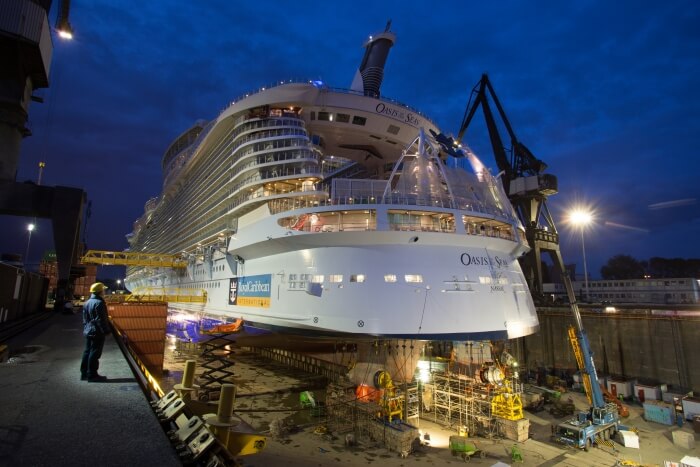
The draft of a typical large cruise ship like Anthem of the Seas is 8.5 to 8.8 metres (about 28 feet). The largest cruise ships in the world, Royal Caribbean’s Oasis-class ships have a draft of 9.3m 30ft 7inch.

I have a table with the drafts of many cruise ships in this article, so you can compare them.

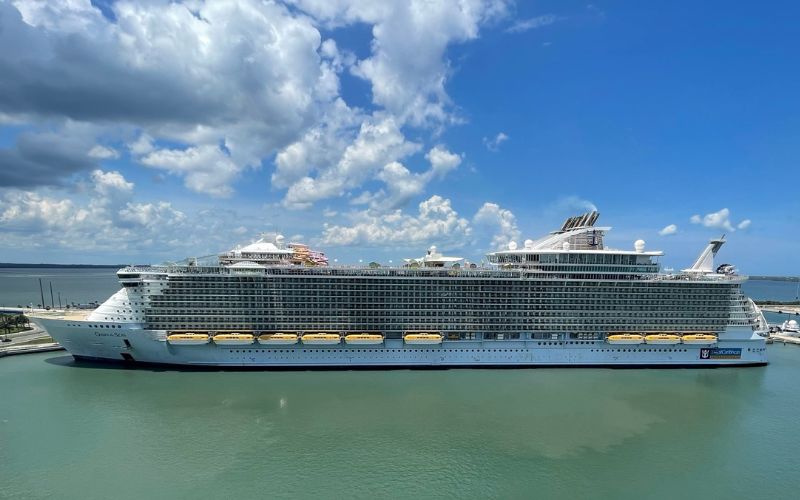
Royal Caribbean's Oasis of the Seas
Royal Caribbean’s Oasis of the Seas

Draft marks

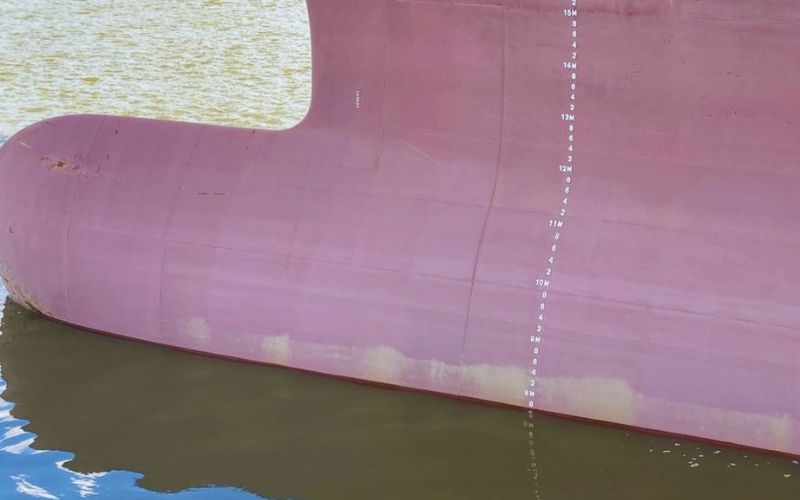
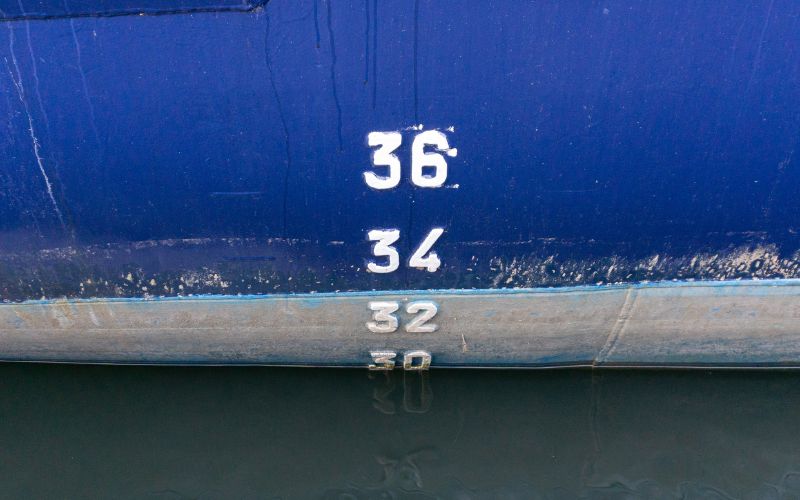
You can see how deep a cruise ship is sitting in the water by checking the draft marks. You’ll find these at the bow and the stern. This photo shows what they look like…

ship's draft marks

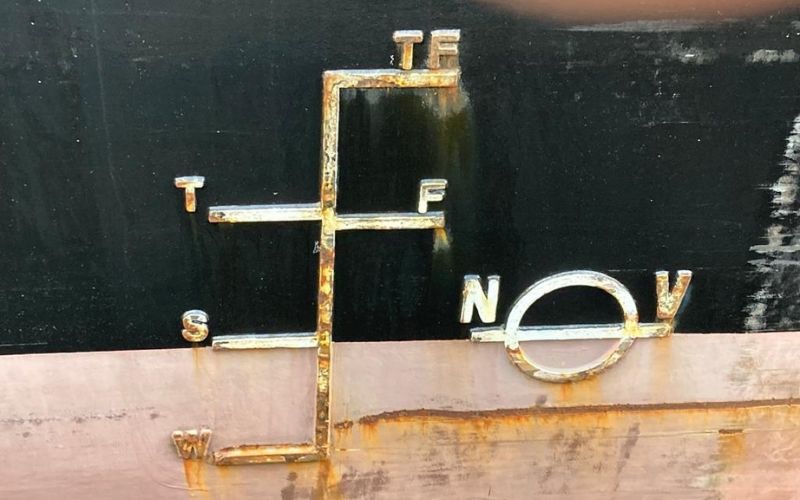
Load line

The marking on the centre of the vessel’s side is what is commonly known as the Plimsoll mark or load line. It is named after Samuel Plimsoll who campaigned for a safe maximum draft mark, which was enacted in 1875. 

The line through the circle is the maximum point the vessel can be loaded to, the ladder arrangement immediately forward shows different maximum drafts under certain conditions.

ship's load line

The T stands for Tropical, the S stands for Summer and the W stands for Winter. But for practical reasons (this can vary as to the regions of the world and time of year) and on most cruise ships, the S load line is used. It is illegal for vessels to sail with this mark submerged. If they do, they are overloaded.

The N and V relate to the ship’s classification society. These bodies ensure that the vessel is constructed and maintained to the relevant international standards (E.g. NV is Bureau Veritas, LR is Lloyds Registrar etc.)

But how much of a ship is actually underwater?

Around 10% of a cruise ship is below the water. Some of the largest cruise ships in the world, Royal Caribbean’s Oasis-class ships, have a height above the waterline of around 72 metres (236ft 11in), and a draft below the water of around 9.3 meters (30ft 6in).

ship's draft mark

Smaller cruise ships may have only half as many decks, but as they aren’t as heavy, they don’t sit as deep in the water. So the percentage of the ship that’s below the waterline would still be roughly 10%.

So, why don’t ships just tip over?

Cruise ships are designed not to be unstable or to tip over (capsize). The combination of a wide hull, (known as “the water plane area”)  low centre of gravity, fuel, and ballast tanks filled with water keeps a cruise ship from tipping over in rough seas.

A cruise ship’s centre of gravity can be moved up or down by adjusting weights within the vessel – the most obvious is ballast water and fuel. In extreme cases, cruise ship swimming pools could be drained to provide additional stability, as the weight of so much water on the upper decks will make the centre of gravity higher.

Most cruise ships have a mechanical stabilising system (referred to as stabilisers) that can be deployed when at sea. These take the form of extending fins that rotate and are able to impart a righting force when the vessel is moving ahead. They cannot remove rolling, but can reduce it considerably.

Most cruise ships also have bilge keels which also assist to limit the amount of roll. These are long, metal fins that are welded along each side of the ship.

Flat-bottomed girls

Most ocean cruise ships have flat bottoms. A square shape maximises space on board as well as making the ship more stable. A flat bottom also simplifies construction and dry docking.

Cruise ship flat bottom

The bottoms of cruise ships are not flat near the bow nor at the raised area at the stern where the propellors are.

Rhapsody of the Seas bow

So, cruise ships can’t tip over? Well…

It is technically possible for a cruise ship to roll over, but it is highly unlikely that this would ever happen. The stability of cruise ships is continuously monitored by the Master and the ship’s navigational officers, and the weight distribution is adjusted as required to maintain safety.

Any ship can capsize if the weight distribution and buoyancy are compromised to provide negative stability. But in the case of large vessels like cruise ships, tipping over would be almost impossible, even in the roughest seas.

Cruise ship traveling through rough seas

The last time a ship tipped over

The last time a cruise ship of note tipped over was in 2012. The Costa Concordia struck rocks and suffered an uncontrolled ingress of water. The vessel became progressively more unstable and as she drifted ashore on the island of Giglio, the ship touched the ocean floor which imparted an upwards force to the vessel bottom, resulting in the ship tipping over. 

Read more: How Many Cruise Ships Have Sunk?

The bottom line

The design of cruise ships is very clever indeed. The U-shaped hull, flat bottom and added features like stabilisers and bilge keels all help to prevent rolling and keep a ship upright.

Added to that, the Master and deck officers are constantly monitoring the stability and adjusting the ballast etc as needed to keep the ship upright and to maintain the amount of stability within acceptable parameters for the comfort of the guests

Carnival Victory cruise ship

So, if you’ve ever been worried that your cruise ship might tip over in bad weather, you really don’t need to. The chance of a cruise ship ever capsizing is incredibly small. 

And now you know how cruise ships float, you have the knowledge to impress your friends with the science.

After all, most people have no idea how ships float, as you can see in this hilarious collection of answers people gave: 15 ‘Definitely Real’ Reasons Why Cruise Ships Don’t Sink.

Related posts:

If you found this interesting, please share!

Cruise Mummy

Jenni Fielding is the founder of Cruise Mummy. She has worked in the cruise industry since 2015 and has taken over 30 cruises. Now, she helps over 1 million people per month to plan their perfect cruise holidays.

Read more about me


Source link