LIVESTREAM2-80.png

Things Not To Do On A Cruise

Embarking on a cruise is an exciting adventure filled with relaxation, entertainment, and unforgettable experiences. However, it’s important to be aware of the things not to do on a cruise to ensure a smooth and enjoyable voyage for yourself and your fellow passengers. In this section, I will guide you through some behaviors you should avoid on a cruise.

Key Takeaways:

  • Avoid overindulging in alcohol, as it can lead to erratic and disruptive behavior.
  • Do not leave your personal belongings unattended, as it can lead to theft or loss.
  • Respect others’ personal space and abide by the ship’s dress code guidelines.
  • Do not be late for scheduled activities or shows, as it can cause delays for others.
  • Be mindful of the ship’s smoking policies and designated smoking areas.

Things Not To Do On A Cruise

If you’re planning to embark on a cruise, it’s important to know the behaviors that can disrupt the festive atmosphere and potentially ruin your experience. By being aware of what not to do on a cruise, you can have a memorable trip without causing any inconvenience to others aboard.

Partying Too Hard

Cruises are known for their lively and fun-loving atmosphere, but it’s important to party responsibly. Excessive drinking and rowdy behavior can lead to disturbances and may even result in being kicked off the ship. Remember to keep your alcohol intake in check and respect your fellow passengers’ space and boundaries.

Skipping Mandatory Safety Drills

Cruise ships have mandatory safety drills to ensure that passengers are prepared in the event of an emergency. Skipping these drills can be dangerous and put yourself and others at risk. Don’t be tempted to use this time as an opportunity to grab a bite to eat or lounge by the pool. Attend the safety drills and take them seriously.

Disrespecting Crew Members

Crew members are there to make your trip enjoyable and comfortable. Disrespecting them by being rude, demanding, or inappropriate is not only unacceptable but can also result in being kicked off the ship. Treat crew members with the same respect and kindness you would want to be treated with.

Breaking Rules

Cruise lines have strict policies to ensure the safety and well-being of all passengers. Breaking rules such as smoking in non-smoking areas, throwing items overboard, or sneaking unauthorized guests onto the ship can result in being kicked off and banned from future cruises. Familiarize yourself with the ship’s rules and regulations and follow them accordingly.

Causing Damage to the Ship

Intentionally causing damage to the ship or its property is not only dangerous but can also result in being fined or even prosecuted. Don’t throw items off balconies or vandalize ship property. Remember, you’re not only endangering yourself but also the other passengers and crew members on board.

Things Not To Do In Your Cruise Room

As much as you pay for your cruise room, we all expect it to be our tranquil sanctuary, away from the hustle and bustle that is often inevitable on a cruise ship. However, certain actions can compromise the tranquility of your room and annoy your fellow passengers. Here are some things not to do in your cruise room:

Don’t Leave The Door Open

Your room has an air conditioning system that cools it down to the desired temperature for your comfort. Leaving the door open allows the cool air to escape and the warm, humid air to enter. This makes it harder for the air conditioning system to maintain the temperature, resulting in a less comfortable room for you and other passengers.

Don’t Be Loud

While it’s tempting to blast music or have a loud conversation in the privacy of your own room, remember that the walls of cruise rooms are often thin. Your neighbors might not appreciate hearing your music or conversation. Keep the volume down and respect the peace and quiet of your fellow passengers.

Don’t Bring Too Much Luggage

Cruise rooms are designed to offer comfortable accommodation for passengers, but they are not spacious. Bringing too much luggage can clutter the limited space of your room, making it feel cramped and uncomfortable. Pack only what you need and consider leaving some items at home to save space.

Don’t Let Cabin and Balcony Doors Slam

Try to prevent your balcony and cabin doors from slamming. Cruise ship cabins are very close to each other and the noise of slamming doors can carry. So be mindful of any excessive noise and try to prevent it. This courtesy is greatly appreciated by your fellow passengers.

What Not To Do On A Cruise Ship Balcony

A cruise ship balcony is a wonderful place to enjoy the beauty of the open sea, but it’s essential to remember that you’re sharing this space with other passengers. To ensure the safety and respect of everyone on board, here are some behaviors to avoid:

  1. Don’t throw anything overboard: Whether it’s a cigarette butt or a piece of garbage, throwing anything overboard is prohibited and can lead to severe environmental consequences. Dispose of all trash in the designated bins.
  2. Don’t leave items unsecured: It can be windy on the balcony, and an unsecured item can quickly become a flying hazard. Ensure all items are appropriately secured to avoid any accidents.
  3. Don’t play loud music or make excessive noise: Your balcony may be a serene spot, but keep in mind that other passengers are nearby. Avoid playing loud music or making other excessive noise that can disturb the peace.
  4. Don’t hang clothes or towels on the balcony railing: Hanging clothes or towels on the balcony railing creates an unsightly mess and blocks the view of other passengers. Use the designated clotheslines in your room to dry your belongings instead.
  5. Don’t lean over on the balcony railing: While it may be tempting to lean over the railing to take a better look at the sea, it’s hazardous and can lead to serious accidents. Always stay safely behind the railing.
  6. Don’t smoke on the balcony: Smoking is prohibited on most cruise ship balconies due to safety concerns. Be sure to check the ship’s policy regarding smoking before lighting up.

By following these guidelines on what not to do on a cruise ship balcony, you’ll ensure a safe and comfortable environment for all passengers.

What Will Get You Kicked Off A Ship

When you’re on a cruise, it’s important to remember that you’re not only responsible for your own safety, but also for the safety and well-being of those around you. Cruise lines have strict policies to ensure that all passengers are able to enjoy their trip without any disturbances or danger. In order to maintain a safe and harmonious environment onboard, there are specific behaviors that can result in being asked to leave the ship.

Some of the most common things that will get you kicked off a ship include:

Behavior Explanation
Violence or Threats Any physical altercation or verbal threats towards another passenger or crew member is strictly prohibited. This can include fighting, shouting, or any other behavior that is intended to intimidate or harm others.
Drug Use Cruise ships have a zero-tolerance policy when it comes to illegal drugs. If you’re caught using or possessing drugs, you will be immediately removed from the ship.
Theft or Vandalism Any theft or damage to property onboard, whether belonging to another passenger or the cruise line, is taken very seriously. This includes stealing from cabins or public areas, as well as intentionally damaging any part of the ship.
Disrespecting Crew Members It’s important to treat all crew members with respect and kindness, as they’re there to help make your trip as enjoyable as possible. Any harassment, abuse, or disrespect towards crew members will not be tolerated.
Ignoring Safety Protocols Cruise lines are very serious about passenger safety, and ignoring safety protocols can put everyone onboard at risk. This includes not attending emergency drills, attempting to board the ship after departure, or interfering with any safety equipment or procedures.

Remember, while you’re on a cruise, you’re a guest onboard someone else’s property. It’s important to follow the rules and guidelines set forth by the cruise line to ensure that everyone can have a safe and enjoyable trip. By avoiding the behaviors listed above, you can help create a positive environment for yourself and your fellow passengers.

Cruise Etiquette: Tips for a Smooth Sailing

A cruise is a fun and relaxing way to explore the world, but it’s important to remember that you’re sharing a ship with thousands of other passengers. Good etiquette is essential to ensure a harmonious experience for everyone on board. Here are some tips on cruise etiquette to help make your trip a smooth sailing adventure:

Respect Quiet Hours

Most cruise ships have designated quiet hours, typically between 10 pm and 7 am. During these times, avoid making loud noises that could disturb your fellow passengers. If you want to listen to music or watch a movie, use headphones instead of playing it out loud.

Be Mindful of Personal Space

While a cruise ship may have plenty of common areas and activities, it’s important to respect personal space. Avoid standing too close to others in lines or in crowded areas. Be careful not to step in front of anyone at the buffet. After many cruises, I’ve noticed many cruisers often get distracted and walk directly to something, not noticing others waiting in line. Also, be sure to not aggressively save seats at shows.

Dress Appropriately

Most cruise ships have dress codes for certain areas or dining venues. Make sure to follow these guidelines to ensure everyone feels comfortable and appropriate. Also, consider packing appropriate attire for different activities, such as workout clothes for the gym or beachwear for the pool.

Practice Proper Hygiene

Washing your hands regularly, covering your mouth when coughing or sneezing, and disposing of used tissues properly are just a few examples of good hygiene practices. These practices help to prevent the spread of illness and keep everyone healthy on board.

Be Polite and Respectful

Being polite and respectful is essential to creating a harmonious environment on board a cruise ship. Say “please” and “thank you,” hold doors for others, and be aware of cultural differences. Avoid using offensive language or making derogatory comments.

Treat Crew Members with Respect

Cruise ship crew members work hard to ensure that passengers have an enjoyable experience. Treat them with respect by saying “thank you” and “please,” and avoid making unreasonable demands. Remember that crew members are not there to be your personal servants but to assist you in enjoying your vacation.

Follow Safety Procedures

One of the most important aspects of cruise etiquette is following safety procedures. Make sure to attend all mandatory safety drills and listen carefully to instructions from crew members. In case of an emergency, follow the procedures outlined by the crew members and avoid panicking or causing chaos.

Tip Appropriately

Most cruise lines have guidelines for appropriate tipping amounts. Make sure to follow these guidelines and tip crew members who provide exceptional service. If you’re not sure of the tipping guidelines, ask the guest services desk for advice.

Following these etiquette tips will ensure a smooth sailing adventure for everyone on board and help you create lasting memories for years to come.

Final Thoughts

As I wrap up this guide on things not to do on a cruise, I hope you found it informative and helpful in ensuring a smooth and enjoyable voyage. By avoiding the actions listed in each section, you can enhance your experience and create lasting memories.

Remember to Be Mindful

It’s important to keep in mind that you are not the only one on board, and your actions can affect the enjoyment of others. By being considerate and respectful of your fellow passengers and crew, you can help create a harmonious environment.

Follow the Guidelines

Each cruise line has its own policies and guidelines for passenger behavior. Make sure to familiarize yourself with these guidelines and follow them throughout your trip. This can help you avoid getting kicked off the ship or banned by the cruise line.

Enjoy Your Adventure

Finally, remember to have fun and enjoy your adventure on the high seas. With proper planning and good etiquette, you can make the most of your cruise experience and create memories that will last a lifetime.
Source link

Turquoise Caribbean harbour with boats, the arrival view for cruise passengers exploring things to do in Grand Cayman

15 Best Things To Do in Grand Cayman on a Cruise (Port Guide)

The best things to do in Grand Cayman on a cruise are wading with the stingrays at Stingray City, spending a few hours on Seven Mile Beach, snorkelling the Kittiwake wreck or the reefs near George Town, and touring the island for the Crystal Caves, Pedro St. James and Rum Point. Ships anchor off George Town and tender passengers ashore, so plan on losing 30 to 60 minutes at each end of the day. That still leaves time for one big excursion or two smaller ones.

Below are 15 things to do in Grand Cayman, from free sights near the tender pier to half-day trips, with drive times, published prices and a port-day planner.

Grand Cayman cruise port: how tendering works

Grand Cayman has no cruise pier. Ships anchor in George Town Harbour and local tenders run passengers to two landings on the waterfront, the North Terminal and the South Terminal (Royal Watler). The ride takes about 10 minutes, but on busy days the queue for tender tickets can take longer. Voters rejected a cruise pier proposal in a 2025 referendum, so tendering is here to stay.

  • Who goes first: guests on ship excursions usually get tender priority, so independent travellers should leave a buffer before tour start times.
  • Weather: if strong winds from the west make George Town Harbour too rough, ships sometimes tender to an alternative landing on the south coast, or skip the call altogether.
  • Getting back: the last tender usually leaves 30 minutes before all-aboard. Aim to be back at the pier an hour early.
  • Money and roads: US dollars are accepted almost everywhere, but your change may come back in Cayman Islands dollars (CI$1 is worth about US$1.20). Traffic drives on the left.
  • Taxis: taxis and shared vans wait at both landings. Fares are set by the government. Recent cruise passengers report paying about US$4 to US$8 per person each way in a shared van to the public beach on Seven Mile Beach. Always confirm the price, and whether it is one way or return, before you get in.

Things to do near the Grand Cayman cruise port

These are walkable or a short taxi ride from the tender landings, and suit a short call.

1. Walk the George Town waterfront

Harbour Drive runs right past both landings and is lined with duty-free jewellery and watch shops, cafés and souvenir stalls.

2. Cayman Islands National Museum

The museum is on Harbour Drive, a short walk from the tender landings, in the oldest surviving public building in the islands, which dates from the 1830s. Galleries cover natural and cultural history, plus the old gaol. Visitor admission is US$15 for adults. It’s open Monday to Friday 9am to 5pm and Saturday 10am to 5pm, so check which day your ship calls.

3. Rum cake and rum tasting

Tortuga Rum Cakes are the classic Cayman souvenir. Shops around the terminal sell them vacuum-packed, so they travel well. If you’d rather taste rum than cake, Cayman Spirits Co., which makes Seven Fathoms rum, runs distillery tours and tastings in George Town, a short taxi ride from the port.

4. Snorkel straight from the shore

You don’t need a boat to see good coral here. Eden Rock and Devil’s Grotto are just south of the cruise landings and have coral grottoes and tunnels close to shore. Smith Barcadere (also called Smith Cove), a small sheltered cove about 10 minutes south by taxi, has calmer water for less confident swimmers. Rent gear locally and watch for boat traffic near the harbour.

White sand beach with palm trees and calm turquoise Caribbean water on a sunny day
Seven Mile Beach is the easiest beach day from the tender pier. Photo: Yaman Nejdet Han on Pexels

Grand Cayman beaches and water excursions

Most cruise passengers come for the sea. These are the best Grand Cayman excursions in or on the water.

5. Seven Mile Beach

Seven Mile Beach starts about 10 minutes north of the cruise port. (Despite the name, it’s about five and a half miles long.) The water is usually calm and clear, with a soft coral-sand beach. Public Beach has free access, shade, restrooms and beach bars nearby. Cemetery Beach is quieter, with reef snorkelling just offshore.

6. Stingray City and the Sandbar

This is Grand Cayman’s signature excursion. Boats head into the North Sound to a shallow sandbar, where the water is about 3 to 4 feet deep, and southern stingrays glide around your legs while crew members feed them. Most tours combine the sandbar with one or two snorkel stops and take three to four hours from the pier, including the drive to the marina. Fins are not allowed at the sandbar, and the rays should not be lifted out of the water.

7. Starfish Point and Rum Point

Starfish Point is a shallow beach on the north coast where red cushion starfish rest in knee-deep water. It’s about an hour’s drive from George Town, or a stop on many North Sound boat tours. The rules matter here: taking starfish out of the water is illegal, because it can suffocate them, and offenders can be fined. Look but don’t touch. Rum Point is about five minutes away and has hammocks, a beach bar and calm water. The frozen Mudslide is said to have been invented there.

8. Dive or snorkel the Kittiwake wreck

The USS Kittiwake, a 251-foot former US Navy submarine rescue ship, was sunk as an artificial reef off the north end of Seven Mile Beach in 2011. It sits in about 62 feet of water, and the top of the wreck is shallow enough to see clearly from the surface, so snorkellers enjoy it as much as divers. You must go with a licensed operator, because swimming out from shore is not allowed. A US$25 marine park fee is normally included in the tour price.

9. Wall dives and reef snorkelling

Cayman is known for wall diving, where the reef drops away into very deep water close to shore. George Town dive shops run two-tank trips timed for cruise passengers; bring your certification card.

More things to do in Grand Cayman: island sightseeing

These sights make a good half-day tour by ship excursion, private driver or hire car.

10. Cayman Turtle Centre

The Turtle Centre in West Bay is about 25 minutes from the port. It has green sea turtles, a snorkel lagoon and a freshwater pool with a slide. Full park admission is listed at about US$47 for adults, and a cheaper “Turtle Safari” ticket covers the turtle exhibits only. It’s open daily from 8am to 5pm. Animal welfare groups have long criticised the centre’s breeding of turtles for meat, so read about both sides before you decide whether to go.

11. Hell

Hell, also in West Bay, is a patch of jagged black limestone that you view from a platform. Next to it are a gift shop and a post office where you can send a postcard “from Hell”. Allow 15 minutes.

12. Camana Bay

Camana Bay is a pedestrian town about 10 minutes from the port, between Seven Mile Beach and the North Sound. It has restaurants, shops, a farmers’ market and an observation tower with free views over both coasts.

13. Pedro St. James

Pedro St. James, in Savannah, is about 20 minutes east of George Town. This 1780 stone great house is the oldest surviving stone building in the islands, and it’s where Cayman’s first elected assembly met in 1831 and where the abolition of slavery was proclaimed in 1835. Self-guided entry is about CI$15, guided tours run on the hour.

14. Cayman Crystal Caves

Guided walks lead through three limestone caves with stalactites and a crystal-clear cave lake, set in dry tropical forest in North Side, about 40 to 45 minutes from George Town. Tours last about 90 minutes and run several times a day. They must be booked ahead and cost about US$45 for adults. Wear closed shoes.

15. Queen Elizabeth II Botanic Park

The botanic park is also in North Side, about 40 minutes away, and is easy to combine with the Crystal Caves. It has woodland trails, a lake and a heritage garden. It also hosts the Blue Iguana conservation programme, where you can often see these endangered iguanas. Admission is CI$20 for adults, and the park is open daily from 9am.

Snorkeller swimming above a shallow coral reef with tropical fish in clear blue water
Shallow reefs and wrecks make Grand Cayman a top snorkelling stop. Photo: wewe yang on Pexels

What you can do in a 6 to 8 hour port day

After tender queues you’ll have about five to six hours ashore. Drive times are from the George Town cruise terminal.

Activity Drive time from port Time needed Rough cost Good for a short call?
George Town waterfront and National Museum Walk 1 to 2 hours Free / US$15 museum Yes
Shore snorkelling (Eden Rock, Smith Barcadere) Walk to 10 min 1 to 3 hours Gear rental Yes
Seven Mile Beach 10 to 15 min 2 to 5 hours Free, plus taxi Yes
Camana Bay 10 min 1 to 2 hours Free to browse Yes
Stingray City and snorkel stops 15 to 25 min to marina 3 to 4 hours Tour price Yes, if booked ahead
Kittiwake snorkel or dive Boat from West Bay or George Town 2 to 4 hours Tour price (marine park fee included) Yes
Turtle Centre and Hell 25 min 2 to 3 hours About US$47 Turtle Centre Yes
Pedro St. James 20 min 1.5 hours About CI$15 Yes
Crystal Caves and Botanic Park 40 to 45 min 4 to 5 hours About US$45 plus CI$20 Only on a long day
Rum Point and Starfish Point by road About 1 hour 4 to 5 hours Taxi or car hire Only on a long day

A sensible combination for a first visit is Stingray City in the morning and Seven Mile Beach after lunch. If you’ve been before, try the east-side loop instead: Pedro St. James, the Crystal Caves and the Botanic Park. Planning more Western Caribbean stops? Our guides to the best things to do in the Cozumel cruise port and things to do in Ocho Rios, Jamaica use the same format.

Tips for planning Grand Cayman excursions

  • Book ahead in peak season. From December to April popular Stingray City boats and cave tours can sell out.
  • Know the trade-off. A ship excursion guarantees the ship will wait if the tour runs late, and you get tender priority. Independent tours are often cheaper with smaller groups, but getting back is your responsibility.
  • Protect the reef. Don’t stand on coral, don’t take shells or starfish, and use reef-safe sunscreen. More than 40% of Cayman’s waters are marine parks, and fines apply.
  • Skip the Bioluminescent Bay unless you’re staying overnight. The glowing-water tours in the North Sound only run after dark, so they rarely fit cruise schedules.
  • Check fares before you sail. Our cruise deals for 2027 include Western Caribbean sailings that call at Grand Cayman.

For another Caribbean stop, our Amber Cove cruise port guide covers excursions, beaches and getting around.

For more ideas ashore, our pick of food and wine shore excursions covers tours from Alaska to the Caribbean.

If your Caribbean itinerary also stops in Basseterre, our guide to the best beaches in St Kitts near the cruise port compares seven easy beach options within a short taxi ride of the ship.

FAQs

Is Grand Cayman a tender port?

Yes. Cruise ships anchor off George Town and tender passengers to the North and South Terminal landings. Voters rejected a proposed cruise pier in a 2025 referendum, so tendering continues.

Can you walk to Seven Mile Beach from the cruise port?

Not really. The south end of the beach is roughly 2 to 3 miles from the tender landings along a busy road. A shared taxi van takes about 10 minutes and costs a few dollars per person.

What is there to do in Grand Cayman without an excursion?

Walk the George Town waterfront, visit the National Museum, snorkel from shore at Eden Rock or Smith Barcadere, and take a shared taxi to Seven Mile Beach or Camana Bay. All of these are easy to do on your own.

Is Stingray City worth it on a cruise day?

For most first-time visitors, yes. It takes three to four hours from the pier, fits easily into a normal port call, and is the experience Grand Cayman is best known for.

Can you touch the starfish at Starfish Point?

Leave them alone. Lifting starfish out of the water is illegal in the Cayman Islands because it can suffocate them, and offenders can be fined.

Cruise ship docked at a tropical Caribbean port with palm trees, like Amber Cove in the Dominican Republic

15 Best Things to Do in Amber Cove Cruise Port (2026 Guide)

The best things to do in Amber Cove are a lazy day at the port’s big free pool and lazy river, a ride on the port zip line, and short trips out to the 27 Waterfalls of Damajagua, the Puerto Plata cable car, the old town’s Fort San Felipe and Amber Museum, or a nearby beach such as Playa Dorada or Sosúa. Puerto Plata town is only about 15 minutes away by taxi, so you can pack plenty into a single port day.

Amber Cove is a purpose-built cruise port on Maimón Bay on the north coast of the Dominican Republic. Carnival Corporation opened it in 2015, and it covers around 25 acres. Below you will find a numbered list of the top things to do, what is free and what costs extra, how to get around, and the practical details worth knowing before you go ashore.

Amber Cove Cruise Port at a Glance

Amber Cove has two berths and is used mainly by Carnival Corporation brands. Carnival Cruise Line calls most often, and you will also see ships from Princess, Holland America, Costa and other group brands. Ships from Norwegian and a few other lines call now and then. The port is private, so it is not open to walk-in visitors. Everyone inside is either a cruise passenger or there on a booked tour.

Don’t mix Amber Cove up with Taíno Bay, a newer cruise port right in Puerto Plata city about 20 minutes’ drive to the west. Some tour operators collect from both. Always check which port your ship uses before you book an independent excursion.

Fact Details
Location Maimón Bay, Puerto Plata province, Dominican Republic
Distance to Puerto Plata town About 6 miles, roughly 10 to 15 minutes by taxi
Main cruise lines Carnival, Princess, Holland America, Costa and other Carnival Corporation brands; occasional calls by other lines
Currency Dominican peso (DOP); US dollars are widely accepted in the port and by taxis
Language Spanish; English is spoken in the port and on most tours
Free in port Main pool and loungers, lazy river, bicycle taxis from the ship, Wi-Fi in some cafes and shops
Paid in port Zip line, umbrellas, cabanas, water sports, food and drinks

Things to Do in Amber Cove Without Leaving the Port

Lots of passengers never go past the port gates, and that’s a perfectly good choice. The port works like a small resort, and you can do most of these things without booking anything.

1. Spend the Day at the Free Pool and Lazy River

The main draw is the large pool area, often called the Aqua Zone. It has a winding lazy river, a swim-up bar, a waterslide and a splash area for younger children. Using the pool and the loungers is free. Umbrellas, floats, lockers and the VIP areas cost extra. Loungers near the water fill up quickly when two ships are in, so get off early if a poolside spot matters to you. Note that the waterslide has height and weight limits.

2. Ride the Zip Line Over the Port

A zip line runs over the port and the pool area. You can ride it in your swimsuit or normal clothes, with no excursion to book. Reports from recent years put it at around $28 for unlimited rides during your call, but check the current price on the day. Holland America lists a minimum age of 8 and a minimum weight of 80 lbs for the zip line.

3. Rent a Cabana for a Private Base

If you’re in a group or want shade and service, the port has poolside, hillside, oceanfront and overwater cabanas. They cost hundreds of dollars a day. For example, Holland America lists its overwater Ocean Cabana from $499 for up to eight guests, including waiter service, bottled drinks, zip line passes and an hour of water sports. Split between a family or group of friends, the cost per person is more reasonable. Book through your cruise line, because cabanas sell out.

4. Try Kayaks, Paddleboards and Pedal Boats

You can rent kayaks, stand-up paddleboards and pedal boats for a calm paddle on the bay. Past prices have been around $35 an hour, and shorter half-hour slots are sometimes offered. The water inside the cove is usually sheltered, so it suits beginners.

5. Head Up to the Sky Bar for the View

The hillside Sky Bar has some of the best views in the port, looking over the ships, the bay and the green mountains behind Puerto Plata. Other places to eat and drink include Coco Cana’s oceanfront restaurant and lounge, Café Cibao and a cabana bar. Your ship’s drinks package and Wi-Fi plan don’t cover the port, so budget for bar prices.

6. Shop for Amber, Larimar, Cigars and Coffee

The shopping village has duty-free stores and local craft stalls. Look out for Dominican amber, blue larimar stone (found only in the Dominican Republic), hand-rolled cigars, Dominican coffee and cacao, rum and mamajuana, a local spiced drink. Buy amber and larimar from shops that give a certificate or receipt, because fakes are common across the Caribbean.

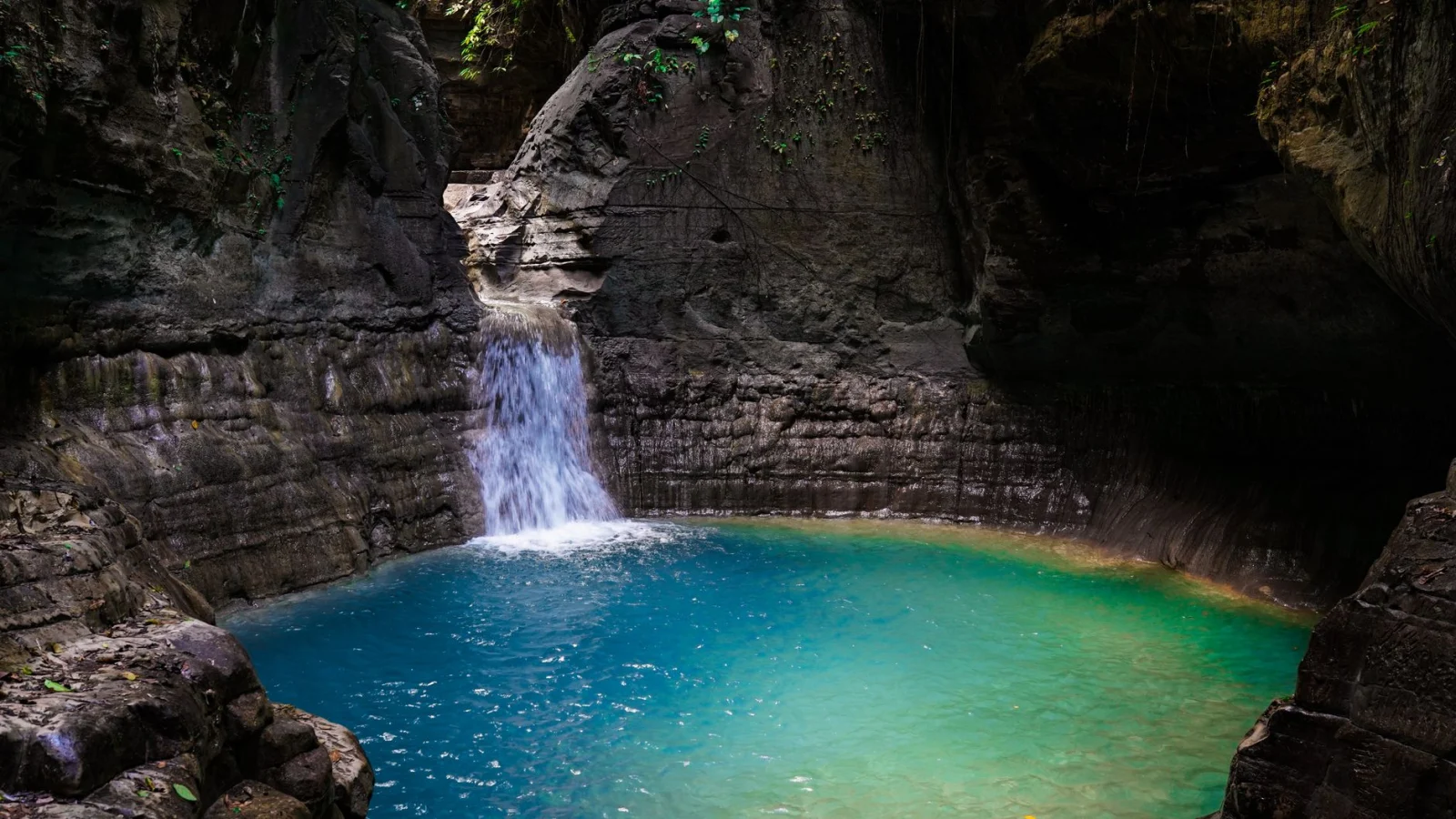
Turquoise natural pool beneath a jungle waterfall in the Dominican Republic
The 27 Waterfalls of Damajagua are the most popular adventure tour from Amber Cove. Photo: Labskiii on Pexels

Best Amber Cove Excursions

If you want more than a pool day, there’s plenty within an hour of the pier. These are the most popular Amber Cove excursions. You can book most of them through your cruise line or with reputable independent operators.

7. Climb and Slide the 27 Waterfalls of Damajagua

This is the port’s signature adventure. You hike up a forested river valley with a guide, then jump, slide and swim back down through a chain of limestone pools and cascades. Cruise line versions often pair it with a short zip line course. Princess describes one such tour as about 5.5 hours, rated strenuous, with a minimum age of 8. It includes a 45-minute uphill hike and about a 30-minute drive each way. Closed-toe water shoes are required, so bring your own or expect to rent a pair. This tour isn’t for anyone with back, knee or heart problems, or for anyone who is pregnant.

8. Take the Puerto Plata Cable Car Up Mount Isabel de Torres

The Teleférico carries visitors to the top of Pico Isabel de Torres, about 2,600 feet above the city. At the top you’ll find botanical gardens, walking paths and a replica of Rio’s Christ the Redeemer statue. On a clear day the view over the coast is superb. Tickets have usually been inexpensive, around $10 return in recent reports, but the cable car can close in strong wind or heavy rain. Go early, before the clouds build.

9. Explore Fort San Felipe and the Old Town

Fort San Felipe is a 16th-century Spanish fortress on the Puerto Plata waterfront. It’s compact, easy to see in under an hour, and has good views along the Malecón seafront promenade. Afterwards, walk to Parque Central (Plaza Independencia), with its white Victorian-style gazebo and cathedral, and the colourful, photogenic Umbrella Street nearby.

10. Learn About Amber at the Amber Museum

Puerto Plata’s amber museum occupies a handsome old mansion in the town centre. It shows pieces of Dominican amber with insects and plant matter trapped inside, alongside larimar and other local minerals. It’s a small, quick visit that fits well into a city tour or a taxi tour of the town.

11. Go to the Beach: Playa Dorada, Cofresí or Sosúa

Amber Cove sits right next to Maimón Beach, and the port sells beach-club excursions with loungers and service. For a classic resort beach, Playa Dorada is a short taxi ride away. Cofresí and Costambar are about six minutes from the port. Sosúa, about 40 minutes east, has a sheltered bay with calm water that’s good for snorkelling.

12. Visit Ocean World Adventure Park

Ocean World is at Cofresí, only a few minutes from the port. It offers marine animal shows and paid encounter programmes, plus a beach and pools. It suits families with children. Some travellers choose not to visit attractions with captive marine mammals, so read up and decide what feels right for you.

13. Taste Dominican Chocolate, Coffee and Cigars

Cultural tours often stop at small cacao and coffee producers or cigar workshops, where you see how the products are made and can taste or buy them. These are gentle, half-day options and a good alternative to the more physical tours.

14. Ride an ATV or Buggy Through the Countryside

Off-road buggy and ATV tours head along dirt tracks through farmland and small villages, sometimes with a stop at a river or beach. Expect to get very muddy after rain. Bring sunglasses or a bandana for the dust, and clothes you don’t mind ruining.

15. Day Trip to Cayo Arena (Paradise Island)

Cayo Arena is a tiny sandbar off the northwest coast with excellent snorkelling. It’s a long day: travellers report roughly an hour by road each way plus a boat ride of around 40 minutes. Only consider it on a long port call, and preferably through your cruise line, so the ship knows where you are if there are delays.

Colorful street with local taxis and Victorian buildings in a Caribbean town
Taxis wait at the Amber Cove stand to take cruise passengers into Puerto Plata town. Photo: Victor Crespo on Pexels

Getting Around Puerto Plata from the Cruise Port

It’s too far to walk from Amber Cove to town, but getting around is easy:

  • Bicycle taxis: Free pedal taxis carry passengers between the ship and the port village, which helps anyone who finds walking hard.
  • Taxis: There’s an official taxi stand inside the port. Fares aren’t metered, and reported round-trip fares to town vary a lot, from about $25 to $70 per car depending on the driver and how long you want them to wait. Agree the price, the currency and the return time before you set off.
  • Independent tours: Outside operators meet guests in a separate pickup area at the port entrance. Choose a company with a clear back-to-ship guarantee.
  • Cruise line tours: These cost more, but the ship will wait for you if the tour runs late, which counts for a lot on longer trips such as Cayo Arena.

Money, Safety and Practical Tips

The local currency is the Dominican peso, but US dollars are accepted almost everywhere cruise passengers go. Carry small bills for tips and taxis. Major cards work in the port shops.

The US State Department rates the Dominican Republic at Level 2, “exercise increased caution”, because of crime. In practice that means the usual sensible steps: stick to licensed taxis or organised tours, keep your phone and jewellery out of sight in town, use ATMs inside banks or the port, and don’t wander into quiet areas alone.

  • Bring reef-safe sunscreen, a hat, water shoes and a dry bag if you’re doing waterfalls or boat trips.
  • Midday is hot and humid all year, and short tropical showers are common.
  • Make sure you’re back on board in good time. Traffic into and out of Puerto Plata can slow at busy times.
  • Check your cruise line’s app for the all-aboard time, which is usually 30 to 60 minutes before departure.

Comparing Caribbean stops on your itinerary? See our guide to the best things to do in Cozumel cruise port, our Grand Cayman shore day guide, or what experts rate as the best cruise ports in the world.

FAQs

Can I get off the ship at Amber Cove without booking an excursion?

Yes. You can walk off and use the free pool, lazy river and loungers, or take a taxi from the official stand to Puerto Plata or a nearby beach.

What is free to do at Amber Cove?

The main pool, lazy river, loungers, bicycle taxis from the ship and Wi-Fi in some cafes are free. The zip line, umbrellas, cabanas, water sports, food and drinks all cost extra.

What is the best beach near Amber Cove?

Playa Dorada is the easiest classic resort beach, a short taxi ride away. Sosúa, about 40 minutes east, has calmer water for snorkelling. Maimón Beach is right next to the port.

How far is Amber Cove from Puerto Plata?

About 6 miles, or roughly 10 to 15 minutes by taxi. Amber Cove is a separate port from Taíno Bay, which is in Puerto Plata city itself.

Is Amber Cove safe for cruise passengers?

The port itself is private and secure. In town, take normal precautions: the US State Department advises increased caution for the Dominican Republic because of crime, so use licensed taxis or tours and keep valuables hidden.

Cruise ship docked beside a small Alaska town with forested mountains rising behind

Juneau Cruise Port Guide: Docks, Glacier Access and 2026 Changes

The Juneau cruise port sits right on the downtown waterfront, so most passengers step off the ship and are in the middle of Alaska’s capital within a few minutes’ walk. The exception is the AJ Dock, about a mile south, where a low-cost shuttle runs into town. From there you can explore on foot, take a bus or shuttle to Mendenhall Glacier, or join a whale-watching or icefield tour.

Juneau is the busiest cruise port in Alaska, and it now has rules to match. Below you’ll find what changed in 2026, how the docks work, how to reach the glacier on your own, and how to plan a port day that doesn’t feel rushed.

Juneau Cruise Port at a Glance

Juneau can’t be reached by road from the rest of North America, so almost every visitor comes by sea or air. Cruise ships tie up along Gastineau Channel, with Mount Juneau and Mount Roberts rising steeply behind the town. The season runs from late April to early October, and the city expected around 1.69 million cruise visitors in 2026.

Detail What to know
Season Late April to early October
Daily passenger cap (from 2026) 16,000 Sunday to Friday, 12,000 on Saturdays
Ships per day No more than five large ships (voluntary agreement since 2024)
Main docks AJ, Franklin, Cruise Ship Terminal, Alaska Steamship, plus a tender float
City passenger fees $5 Marine Passenger Fee and $3 Port Development Fee, usually built into your cruise fare
Summer daylight Around 18 hours near the June solstice

Juneau Cruise Ship Docks Explained

Your ship’s berth makes a real difference to your day, so check it in the daily planner the night before. Ships use these locations, listed roughly from south to north:

  • AJ Dock: The farthest berth, about a mile south of downtown. A shuttle bus runs throughout the day for a small fee (around $5) and drops passengers near the tram base or close to the Alaska State Museum. The walk along South Franklin Street takes about 20 minutes if you prefer to stretch your legs.
  • Franklin Dock: Privately owned and an easy walk to the shops and restaurants of South Franklin Street.
  • Cruise Ship Terminal and Alaska Steamship Dock: City-owned berths in the heart of the waterfront, beside the tram base station and a short stroll from Marine Park and the visitor information kiosks.
  • Tender float: When five ships are in, one may anchor in the channel and tender guests to a float between the terminal and Franklin Dock.

How far is downtown Juneau from the cruise port?

From the central docks, downtown is effectively on your doorstep: you’ll be on South Franklin Street within five minutes. From the AJ Dock, allow 15 to 20 minutes on foot or a few minutes on the shuttle. A seawalk linking the Franklin and AJ docks is in permitting, but it wasn’t ready for the 2026 season.

What Changed at the Juneau Cruise Port in 2026

Several changes affect how busy Juneau feels and what you can do there:

  1. Daily passenger limits. Under an agreement between the City and Borough of Juneau and the cruise industry, ships are scheduled so that no more than 16,000 passengers arrive on a weekday and 12,000 on a Saturday. Peak days used to reach about 21,000. The cap is managed through scheduling, so you won’t be turned away at the gangway, but some lines moved calls to Ketchikan or other ports as a result. Double-check your itinerary if you booked early.
  2. Marine Park rebuild. The small waterfront park is being redeveloped with permanent food vendor spaces, a stage and seating. During construction, seasonal food carts moved near the downtown library parking garage.
  3. Mount Roberts tram closure. The Goldbelt Tram, normally the headline attraction next to the docks, closed after an incident on April 30, 2026 and stayed shut through most of the summer while it was inspected and recertified. Check its status before planning a 2027 visit around it.
  4. A fifth dock is coming. Huna Totem Corporation’s Áak’w Landing, a new berth near the Coast Guard station at the north end of the waterfront, has its tidelands lease signed. The company has scaled back the land-side design because of rising costs, and opening is currently targeted for the 2028 season.
Blue glacier ice meeting a calm lake with mountains and low cloud behind
Mendenhall Glacier is around 12 miles from the cruise docks. Photo: David Yu on Pexels

Juneau Cruise Port to Mendenhall Glacier

Mendenhall Glacier is about 12 miles from downtown and is the most popular trip from the Juneau cruise port. The glacier is steadily retreating, so views from the visitor center are more distant than they were a decade or two ago. The walk to Nugget Falls, under 2 miles round trip on a mostly flat trail, gets you closer to the ice and the waterfall.

The Forest Service visitor center was set to open daily from 9 a.m. to 6 p.m. in summer 2026, a return to longer hours after staffing cuts in 2025. A small fee applies to enter the visitor center itself; the trails and viewpoints are free.

Ways to get to the glacier

Option Cost (approx.) Time each way Best for
Ship’s excursion Highest About 30 minutes Guaranteed return to the ship
Private glacier shuttle from the waterfront Mid-range, round trip About 30 minutes Independent travelers who want ease
Capital Transit bus (Routes 3, 4 or 8) $2 per adult, cash only, exact change Up to 90 minutes including a 1.5-mile walk Budget travelers with a long port day
Taxi or rideshare Varies with demand About 25 minutes Small groups splitting the fare

The city bus drops you at Dredge Lake Road, about 1.5 miles from the visitor center along a flat paved path. It’s a good value option, but only if you have plenty of time in port.

A note on glacial outburst floods

Since 2011, a basin beside the glacier known as Suicide Basin has filled with meltwater and drained suddenly most summers, flooding parts of the Mendenhall Valley. Releases in 2025 and August 2026 caused high water on the river. These events mainly affect homes downstream, not the visitor center area, but trails near the river can close at short notice. Check local alerts if your visit falls in late summer.

Things to Do Near the Juneau Cruise Port

You don’t need an excursion to fill a day in Juneau. These options are all within walking distance of the central docks:

  • Alaska State Museum: Excellent collections of Alaska Native art, Russian-era artifacts and Gold Rush history, around ten minutes on foot from the waterfront.
  • Sealaska Heritage Institute: The Walter Soboleff Building showcases Tlingit, Haida and Tsimshian art, and the nearby arts campus often has carvers at work.
  • Totem poles: Look for poles along the waterfront and outside public buildings. A self-guided walk takes in several.
  • Juneau-Douglas City Museum: A compact museum on mining and local history next to the State Capitol.
  • Hiking: The Mount Roberts Trail starts from the top of Basin Road and climbs to the tram’s upper station. Perseverance Trail follows an old mining route up Gold Creek valley. Both start within walking distance of downtown.
  • Food: Juneau is known for fresh king crab, halibut and salmon. Waterfront crab shacks and the long-running Red Dog Saloon on South Franklin Street are always busy on five-ship days, so eat early or late.

Shops close to the docks lean heavily toward jewelry and souvenirs. For Alaska Native-made art, look for the Silver Hand label or shop at the Sealaska Heritage store.

Popular excursions

Whale watching leaves from Auke Bay, about 30 minutes north, and humpbacks are commonly seen through summer. Helicopter flights land on the Juneau Icefield for glacier walks or dog sledding, though bad weather often cancels them, so a morning slot gives you a backup chance. Floatplane trips to Taku Glacier Lodge pair scenery with a salmon bake. Some lines now offer culturally focused tours too, such as Holland America’s Alaska Heritage tours.

Colorful waterfront buildings under a misty mountain on a rainy day
Rain gear is essential for a day ashore in Juneau. Photo: Ekam Juneja on Pexels

Tips for a Smooth Day at the Juneau Cruise Port

  • Pack for rain. Juneau sits in a temperate rainforest and gets rain on most summer days. A waterproof jacket with a hood beats an umbrella. Our guide to what to wear on a cruise covers layering for cooler destinations.
  • Check the ship count. Cruise schedules for Juneau are published by CLIA Alaska. On a five-ship day, head out early or save the busiest sights for late afternoon.
  • Bring some cash. City buses need exact change and some food carts prefer cash.
  • Book independent tours with a buffer. If you aren’t on a ship’s excursion, the ship won’t wait for you. Aim to be back at least an hour before all-aboard.
  • Expect long days. With around 18 hours of light in June, late departures mean you can enjoy the evening ashore once the day-trippers have left.

Juneau rewards a little planning. Check your berth, look at the ship count, and pick one big activity plus a wander around town. That combination works for most visitors.

FAQs

Is the Juneau cruise port walkable?

Yes. The Franklin Dock, Cruise Ship Terminal and Alaska Steamship Dock are all a few minutes’ walk from downtown. Only the AJ Dock is farther out, about a mile, and a shuttle runs from there.

How many cruise passengers are allowed in Juneau per day?

From 2026, ships are scheduled to bring no more than 16,000 passengers Sunday to Friday and 12,000 on Saturdays, with no more than five large ships a day.

Can I get to Mendenhall Glacier without an excursion?

Yes. Private shuttles leave from the waterfront, and the Capital Transit city bus costs $2 each way, though it adds a 1.5-mile walk and takes much longer.

Is the Mount Roberts Tramway open?

The Goldbelt Tram closed after an incident on April 30, 2026 and remained closed through most of that summer. Check with your cruise line or the operator before relying on it for a 2027 visit.

Where can I find the Juneau cruise port schedule?

CLIA Alaska publishes a port schedule showing which ships are in Juneau each day, along with arrival and departure times.

kyhf.jpg

Carnival Cruise Drink Prices (2025)

As of 2025, Carnival Cruise Line offers a variety of drink options for guests. This comprehensive guide provides information on the current drink prices, including alcoholic and non-alcoholic beverages, available on Carnival cruises.

Stay in the Loop with Our Free Cruise Newsletter: Uncover the Latest News and Exclusive Deals. Sign Up

From sodas and specialty coffees to beers, wines, and spirits, here is everything you need to know about the drink prices on Carnival cruise ships.

Carnival Cruise Drink Prices, Key Takeaways:

  • Carnival Cruise Line offers a wide range of drink options for guests to enjoy.
  • Non-alcoholic beverages, such as sodas, specialty coffees, and bottled water, are available for purchase.
  • Beer prices on Carnival Cruise Line range from $6.50 to $8 per serving, with domestic, international, and craft options.
  • Wines by the glass start at $9.50, and guests can also purchase full bottles of wine and champagne.
  • Guests can enjoy a variety of spirits and cocktails, with prices ranging from $9 to $12 per serving.
  • Carnival Cruise Line offers two drink packages: the Bottomless Bubbles package and the Cheers package.
  • Guests are allowed to bring one 750 ml or smaller bottle of wine or champagne onboard.
  • Each bar on Carnival cruise ships has its own specialty drinks and prices.

What Drinks are Included on a Carnival?

When you embark on a Carnival Cruise, you’ll be delighted to know that there are a variety of complimentary beverages included in your cruise fare. From refreshing lemonade and iced tea to milk, coffee, hot tea, and ice water, you’ll find a selection of complimentary drinks at the Lido Marketplace buffet. In the morning, you can also enjoy a range of juices such as orange, apple, cranberry, and POG (Passion Orange Guava) at breakfast.

Throughout the ship, you’ll find drink stations at casual quick-service restaurants and the main dining room, offering a variety of beverages including juice, lemonade, iced tea, and water. So, whether you’re starting your day with a hearty breakfast or enjoying a relaxing meal, there will always be refreshing drinks available at no extra cost.

And when you visit Carnival’s private island, Half Moon Cay, you can quench your thirst with complimentary ice water or lemonade. So, while onboard a Carnival Cruise, you can savor the flavors of a variety of complimentary beverages throughout your vacation.

What Drinks are Included on a Carnival Cruise?

Beverage Included in Carnival Cruise Fare
Lemonade Yes
Iced Tea Yes
Milk Yes
Coffee Yes
Hot Tea Yes
Ice Water Yes
Juice (orange, apple, cranberry, POG) Available at breakfast

As you can see, the variety of complimentary beverages on a Carnival Cruise ensures that you stay hydrated and refreshed throughout your journey. So, sit back, relax, and enjoy the included drinks as you embark on a memorable vacation at sea.

Non-Alcoholic Drinks and Prices on Carnival Cruise Line

When it comes to non-alcoholic beverages, Carnival Cruise Line has a great selection available for guests. Whether you’re looking for a refreshing soda, a specialty coffee, or a healthy juice, there’s something for everyone to enjoy. Here is a breakdown of the non-alcoholic drink options and prices on Carnival cruise ships:

Sodas and Sparkling Water

If you’re a fan of carbonated beverages, Carnival offers a variety of canned sodas and sparkling water. Pepsi, Mountain Dew, and Bubly sparkling water are among the options available. These drinks are priced at $2.75 per can, plus an 18% gratuity. So whether you prefer a classic cola or a bubbly water, you can quench your thirst without breaking the bank.

Bottled Water

If you prefer plain water, Carnival has you covered with bottled water options. You can purchase a single bottle of water for $1.50 or opt for a 12-pack for $9.95. This is a convenient option for staying hydrated throughout your cruise, especially if you’re planning on spending time in the sun or participating in active excursions.

Other Non-Alcoholic Beverages

In addition to sodas and bottled water, Carnival also offers a variety of other non-alcoholic beverages for purchase. Guests can enjoy Gatorade and Muscle Milk protein shakes for a little energy boost, or indulge in a iced coffee for a refreshing pick-me-up. Fresh juices, such as orange juice and Naked juices, are also available. These beverages are priced individually, and the prices may vary depending on the specific drink.

Table: Non-Alcoholic Drink Prices on Carnival Cruise Line

Drink Price
Canned Soda $2.75 (plus 18% gratuity)
Bottled Water (single bottle) $1.50
Bottled Water (12-pack) $9.95
Other Non-Alcoholic Beverages Prices may vary

Note: Prices are subject to change and may vary depending on the specific Carnival cruise ship and itinerary. It’s always a good idea to check the onboard menus or consult with the staff for the most up-to-date information on drink prices.

Beer Prices on Carnival Cruise Line

When it comes to enjoying a refreshing drink on a Carnival cruise, beer lovers have plenty of options to choose from. Carnival Cruise Line offers a variety of beers at different price points to cater to everyone’s tastes. Whether you prefer domestic or international brews, craft beers, or even cider, there is something for everyone.

Domestic beers on Carnival cruises are typically priced around $6.50 to $7.50 per serving. These include popular choices like Budweiser, Miller Lite, and Coors Light. If you’re in the mood for something different, you can try one of the international beers available, such as Heineken, Corona, or Stella Artois, which are priced similarly.

Carnival offers a selection of craft beers priced at around $8 per serving for those seeking a taste of the craft beer scene. Craft beer enthusiasts can enjoy options like Blue Moon, Sierra Nevada, and Goose Island. Additionally, if you’re a cider fan, you can indulge in Angry Orchard cider for around $7 or try one of Carnival’s ThirstyFrog canned seltzers for around $7.50.

Beer Type Price Range
Domestic Beer $6.50 – $7.50
International Beer $6.50 – $7.50
Craft Beer $8
Cider – Angry Orchard $7
Carnival ThirstyFrog Seltzers $7.50

Whether you’re lounging by the pool, enjoying a show, or exploring the ports of call, Carnival Cruise Line ensures that every beer lover can find their perfect brew at a reasonable price. So sit back, relax, and raise a glass to a memorable cruise experience.

Wine Prices on Carnival Cruise Line

When it comes to wine, Carnival Cruise Line offers a variety of options to suit different tastes and budgets. The prices for wines by the glass start at $9.50 and can range up to around $30. Most wines fall within the $10 to $13 per glass range, making them accessible for guests looking to enjoy a glass of their favorite vintage.

It’s worth noting that these prices are within the $20 limit for drinks included in the Cheers package, which offers unlimited alcoholic and non-alcoholic beverages for a daily fee.

If you’re a wine connoisseur or prefer a bottle to share, Carnival also offers a selection of full bottles of wine and champagne at various bars and restaurants on the ship. These range in price from $30 to $60 and higher, depending on the brand and vintage. With a range of reds, whites, and sparkling options available, there’s something to cater to every wine lover’s palate.

Guests should also keep in mind that Carnival Cruise Line allows each passenger who is 21 or older to bring one 750 ml or smaller bottle of wine or champagne onboard. This is a great option for those who have a favorite bottle they’d like to enjoy during their cruise. Just remember to pack it in your carry-on luggage, as bottles in checked bags may be subject to inspection and possible confiscation.

Sample Wine Prices on Carnival Cruise Line

Wine Price per Glass
Chardonnay $9.50
Pinot Noir $11.50
Merlot $10.50
Cabernet Sauvignon $12.50
Sauvignon Blanc $10.50
Prosecco $11.50

These prices are indicative and may vary depending on the specific cruise itinerary and ship. It’s always a good idea to check the onboard wine menu for the most up-to-date prices and selection. So whether you enjoy a crisp white, a bold red, or a celebratory glass of bubbly, Carnival Cruise Line has you covered with options to suit every taste and occasion.

Spirits and Cocktails Prices on Carnival Cruise Line

When it comes to spirits and cocktails, Carnival Cruise Line offers a wide selection of options for guests to enjoy. From vodka and tequila to whiskey and rum, there is something for everyone’s taste.

The prices for spirits and cocktails on Carnival cruise ships range from $9 to $12 per serving. For example, you can savor a Bacardi or Malibu Coconut rum for $8.50, or indulge in the smooth flavors of Buffalo Trace bourbon or Gentleman Jack whiskey for $11. If you’re in the mood for something special, the specialty cocktails start at $10.50.

With an array of top-shelf liquor and premium brands available, Carnival Cruise Line ensures that guests can savor their favorite drinks while onboard. Whether you’re a fan of classic cocktails like the Cosmopolitan or prefer tropical delights like the Piña Colada, Carnival’s bartenders are ready to mix up the perfect concoction for you.

“The variety of spirits and cocktails on Carnival Cruise Line is truly impressive. I love the fact that they offer a range of premium brands, allowing guests to enjoy their favorite drinks in a luxurious setting.” – APRIL SHALLO

Enjoying Top-Shelf Liquor for an Extra Cost

If you have a taste for even more premium spirits, Carnival Cruise Line also offers top-shelf liquor for an additional cost. Whether you prefer a smooth pour of Grey Goose vodka, a sip of fine Scotch whisky, or a sophisticated glass of cognac, Carnival Cruise Line has you covered. Just let the bartender know your preference, and they will be happy to serve you the top-shelf liquor of your choice.

Drink Price
Grey Goose Vodka $14
Johnnie Walker Black Label Scotch Whisky $15
Remy Martin XO Cognac $17

Whether you prefer to stick to the classic spirits and cocktails or explore the world of top-shelf liquor, Carnival Cruise Line has a wide variety of options to suit your preferences. So raise a glass and toast to a memorable cruise experience with a refreshing drink in hand.

Carnival Drink Packages and Prices

Carnival Cruise Line offers two drink packages for guests: the Bottomless Bubbles package and the Cheers package. The Bottomless Bubbles package is perfect for those who enjoy non-alcoholic beverages, as it includes unlimited sodas and juices. The package costs $6.95 per day for children and $9.50 per day for adults, plus an 18% gratuity.

With the Cheers package, guests can indulge in both alcoholic and non-alcoholic beverages. This package costs $59.95 per person per day if purchased before the cruise or $64.95 per person per day if purchased once onboard, plus an 18% gratuity.

The Cheers package includes a wide range of beverages, including beers, wines, cocktails, spirits, specialty coffees and teas, sodas, and bottled water. It’s important to note that the Cheers package has a limit of 15 alcoholic drinks per day. This package is a great option for guests who plan to enjoy multiple alcoholic beverages throughout their cruise. It provides the convenience of a flat daily rate, allowing guests to indulge without worrying about individual drink prices.

Whether you choose the Bottomless Bubbles package or the Cheers package, both options offer great value for guests who want a hassle-free experience when it comes to drinks. By opting for a drink package, you can enjoy a wide variety of beverages without worrying about the individual costs adding up. It’s also a great way to budget for your cruise and have a clear idea of your overall expenses.

Drink Package Price What’s Included
Bottomless Bubbles $6.95 per day (children)
$9.50 per day (adults)
Unlimited sodas and juices
Cheers $59.95 per person per day (pre-cruise)
$64.95 per person per day (onboard)
Unlimited beers, wines, cocktails, spirits, specialty coffees and teas, sodas, and bottled water (limit of 15 alcoholic drinks per day)

My Experience with the Drink Packages

“During my recent Carnival cruise, I opted for the Cheers package, and it was definitely worth it. I enjoyed trying different cocktails and wines throughout the cruise without having to worry about the cost. The package made it easy to indulge in my favorite drinks and discover new ones, all while knowing the total cost upfront. “- APRIL SHALLO

What Drinks Can You Bring on a Carnival Cruise?

When preparing for your Carnival cruise, it’s important to know what drinks you can bring on board. Carnival Cruise Line has specific guidelines regarding the beverages guests are allowed to bring. Each guest 21 years or older is permitted to bring one 750ml or smaller bottle of wine or champagne. Additionally, guests are allowed to bring a maximum of twelve 12-ounce cans or cartons of non-alcoholic beverages such as soda.

However, it’s important to note that water, sodas, and other non-alcoholic beverages packaged in bottles are not allowed to be brought on board. This policy ensures the safety and quality of the beverages provided by Carnival Cruise Line.

If you choose to bring any wine, soda or champagne onboard, be sure to only bring them aboard via a carry-on bag. If you pack them in your checked luggage, they will be confiscated.

Guests may find it convenient to bring their favorite wine or champagne on board to enjoy during their cruise. This allows you to savor your preferred beverage while taking in the beautiful ocean views or celebrating a special occasion. It’s essential to adhere to the guidelines and limits set by Carnival Cruise Line to ensure a smooth embarkation process and to comply with the cruise line’s policies.

Bringing your own wine or champagne can be a cost-effective way to enjoy your preferred drink while onboard.

By understanding the rules regarding the drinks you can bring on a Carnival cruise, you can plan and pack accordingly. Remember to pack your wine or champagne securely to prevent any breakage during transport. Whether you choose to bring your own beverages or indulge in the variety of drinks available on board, Carnival Cruise Line aims to provide a delightful experience for all guests.

Summary:

  • One 750ml or smaller bottle of wine or champagne per guest 21 years or older is allowed on board.
  • Guests can bring a maximum of twelve 12-ounce cans or cartons of non-alcoholic beverages, excluding bottled water and sodas.
  • Water, sodas, and other non-alcoholic beverages packaged in bottles are not allowed to be brought onboard.
  • Bring your own wine or champagne to enjoy during the cruise, following the guidelines and limits set by Carnival Cruise Line.
  • Items must be brought onboard via carry-on luggage only.

It’s important to review the specific policies and restrictions on the official Carnival Cruise Line website or contact the cruise line directly for the most up-to-date information regarding bringing drinks on board.

Carnival Cruise Bar Menus and Prices

One of the highlights of a Carnival cruise is the variety of bars available onboard. Each bar offers a unique atmosphere and a menu of delicious drinks to choose from. Whether you’re in the mood for a refreshing cocktail, a cold beer, or a glass of wine, Carnival has you covered. Let’s take a look at some of the popular bars and their menus:

Atrium Bar

The Atrium Bar is a vibrant and lively spot located in the heart of the ship. Here, you can enjoy a variety of drinks, from classic cocktails like margaritas and mojitos to specialty concoctions created by the talented bartenders. The menu features a wide selection of spirits, wines, and beers, ensuring there’s something to please every palate.

Red Frog Pub

If you’re looking for a laid-back and casual atmosphere, the Red Frog Pub is the place to be. This Caribbean-inspired pub offers a range of tropical drinks, including their famous ThirstyFrog Red Ale. Sit back, relax, and savor the flavors of the Caribbean while enjoying live music and good company.

Sports Bar

The Sports Bar is the perfect spot for sports enthusiasts who don’t want to miss a game while at sea. Grab a seat at the bar, order your favorite beer, and cheer on your favorite teams on the big screens. The menu includes a selection of draft beers, bottled beers, and cocktails to keep you refreshed throughout the game.

These are just a few examples of the bars and their menus on Carnival cruise ships. Each bar offers its own unique experience, so be sure to explore and try something new during your cruise. Cheers to a fantastic vacation filled with delicious drinks and unforgettable memories!

Bar Name Menu Highlights
Atrium Bar – Classic cocktails
– Specialty drinks
– Wide selection of spirits, wines, and beers
Red Frog Pub – Tropical drinks
– ThirstyFrog Red Ale
– Live music
Sports Bar – Draft beers
– Bottled beers
– Cocktails

Recapping the Drink Prices on Carnival Cruise Line

After exploring the extensive drink options on Carnival Cruise Line, it’s time to recap the prices of your favorite beverages. Whether you’re a fan of non-alcoholic drinks, beer, wine, or spirits and cocktails, Carnival has something to suit every taste. Let’s take a closer look at the average prices for each category:

Non-Alcoholic Drinks:

Drink Price (per serving)
Sodas (Pepsi, Mountain Dew, Bubly sparkling water) $2.75 (plus 18% gratuity)
Bottled Water $1.50 per bottle or $9.95 for a 12-pack
Gatorade, Muscle Milk protein shakes, Iced coffee, Naked juices Prices vary

Beer:

Beer Price (per serving)
Domestic and International Beers $6.50 to $7.50
Craft Beers $8
Angry Orchard Cider Around $7
ThirstyFrog Canned Seltzers Around $7.50

Wine:

Wine Price (per glass)
Range of Wines $9.50 to around $30
Full Bottles of Wine and Champagne $30 to $60+

Final Thoughts

When planning your Carnival cruise, it’s essential to consider the drink prices and options available onboard. By understanding the prices for various beverages, including alcoholic and non-alcoholic options, you can budget accordingly and decide whether purchasing a drink package is the right choice for you. Whether you prefer sodas, beers, wines, or cocktails, Carnival Cruise Line has a range of options to satisfy every guest’s preferences.

Plan Your Trip?

Need help planning a trip? Check out these helpful links:

Carnival Drink Prices FAQ

What drinks are included on a Carnival Cruise?

Carnival Cruise Drink Prices (2025) | 27Carnival Cruise Drink Prices (2025) | 27

Carnival Cruise Line offers complimentary beverages such as lemonade, iced tea, milk, coffee, hot tea, ice water, and select juices at various locations onboard. The drink stations at casual quick-service restaurants and the main dining room also offer beverages like juice, lemonade, iced tea, and water. Guests can also enjoy free ice water or lemonade at Carnival’s private island, Half Moon Cay.

What are the non-alcoholic drinks and prices on Carnival Cruise Line?

Carnival Cruise Drink Prices (2025) | 27Carnival Cruise Drink Prices (2025) | 27

Carnival Cruise Line offers a range of non-alcoholic drinks for purchase, including canned sodas such as Pepsi, Mountain Dew, and Bubly sparkling water for $2.75 (plus an 18% gratuity). Bottled water is available for $1.50 per bottle or $9.95 for a 12-pack. Other options include Gatorade, Muscle Milk protein shakes, Starbucks iced coffee, Naked juices, specialty coffees, teas, and fresh juices at additional costs.

What are the beer prices on Carnival Cruise Line?

Carnival Cruise Drink Prices (2025) | 27Carnival Cruise Drink Prices (2025) | 27

Beer prices on Carnival Cruise Line range from $6.50 to $8 per serving. Domestic and international beers are typically priced around $6.50 to $7.50, while craft beers are priced at around $8. Angry Orchard cider and Carnival’s own ThirstyFrog canned seltzers are available for approximately $7 and $7.50, respectively.

What are the wine prices on Carnival Cruise Line?

Kathie Lee GiffordKathie Lee Gifford

Wine prices by the glass on Carnival Cruise Line start at $9.50 and can range up to around $30. The majority of wines fall within the $10 to $13 per glass range. Full bottles of wine and champagne can also be purchased at various bars and restaurants on the ship, with prices ranging from $30 to $60 and higher.

What are the spirits and cocktails prices on Carnival Cruise Line?

Carnival Cruise Drink Prices (2025) | 27Carnival Cruise Drink Prices (2025) | 27

Spirit and cocktail prices on Carnival Cruise Line range from $9 to $12 per serving. Different brands of vodka, tequila, whiskey, gin, rum, liqueur, brandy, cognac, scotch, bourbon, and more are available. Specialty cocktails start at $10.50, and most cocktails range from $10.50 to $13. Guests can also request top-shelf liquor for an additional cost.

What are the Carnival drink packages and prices?

Carnival Cruise Line offers two drink packages. The Bottomless Bubbles package includes unlimited sodas and juices for $6.95 per day for children and $9.50 per day for adults (plus an 18% gratuity). The Cheers package includes both alcoholic and non-alcoholic beverages for $59.95 per person/day if purchased pre-cruise or $64.95 per person/day if purchased once onboard (plus an 18% gratuity). The Cheers package has a limit of 15 alcoholic drinks per day.

What drinks can you bring on a Carnival Cruise?

Each guest 21 or older is allowed to bring one 750 ml or smaller bottle of wine or champagne onboard. Guests can also bring a maximum of twelve 12-ounce cans or cartons of non-alcoholic beverages, such as soda. However, water, sodas, and other non-alcoholic beverages packaged in bottles are not allowed to be brought onboard.

What are the Carnival Cruise bar menus and prices?

Carnival Cruise Line offers a variety of bars with different menus and prices. Some of the bars include the Alchemy Bar, Amari Bar, Atrium Bar, Casino Bar, Red Frog Pub, Piano Bar, and Sports Bar. Each bar has its own specialty drinks and prices, which can vary. Guests can refer to the onboard menus for the specific offerings and prices at each bar.

Can you recap the drink prices on Carnival Cruise Line?

Carnival Cruise Drink Prices (2025) | 27Carnival Cruise Drink Prices (2025) | 27

The drink prices on Carnival Cruise Line vary depending on the type of beverage. Bottled water costs $1.50, sodas are priced at $2.75, and specialty coffees range from $2 to $5.50. Beers are priced between $6.50 and $8, wines by the glass range from $9.50 to around $30, and spirits and cocktails cost between $9 and $12 per serving. Carnival also offers drink packages such as the Bottomless Bubbles package and the Cheers package, which include unlimited beverages for a daily fee.

Source link

Cruise ship docked in an Alaska port town beneath forested mountains, typical of Alaska cruise ports

Alaska Cruise Ports: A Port-by-Port Guide (2027)

The main Alaska cruise ports are Juneau, Ketchikan, Skagway, Sitka and Icy Strait Point, with Haines on some sailings and Victoria, British Columbia, on most round trips from Seattle. Most 7-night Inside Passage cruises start in Seattle or Vancouver and visit three of these ports, plus a day of glacier viewing. One-way Gulf of Alaska cruises begin or end at Seward or Whittier, near Anchorage.

Below you’ll find what each port is like, how far you’ll walk from the ship, the excursions worth booking, and what has changed for the 2026 and 2027 seasons. There’s also a quick comparison table and a port day planner sorted by what you want to see.

Alaska cruise ports at a glance

The table gives you the basics for the ports of call that show up most on mainstream itineraries. “Walkable” means you can reach the main sights on foot from where the big ships usually dock.

Port Best for Walkable from the ship? Signature excursion
Juneau Glaciers, whales, flightseeing Yes, downtown docks (Mendenhall needs transport) Whale watching plus Mendenhall Glacier
Ketchikan Native culture, totem poles, salmon Yes downtown; shuttle from Ward Cove Misty Fjords floatplane
Skagway Gold Rush history, mountain scenery Yes, a short walk into town White Pass & Yukon Route railway
Sitka Russian and Tlingit history, wildlife No, shuttle from the main terminal Sea otter and wildlife boat tour
Icy Strait Point Whales, bears, a quieter day Yes around the port; Hoonah is a longer walk Point Adolphus whale watching
Haines Eagles, bears, small-town feel Yes Chilkoot or Chilkat wildlife trips
Victoria, BC Gardens, harbour, a city evening Partly, about 2 km to the Inner Harbour Butchart Gardens

Inside Passage cruise ports, one by one

Juneau

Alaska’s capital can’t be reached by road, so most visitors arrive by sea, and cruise ships berth right on the edge of downtown. The Mount Roberts Tramway leaves from beside the docks and climbs to trails and viewpoints. Bars, shops and the Alaska State Museum are within walking distance. Mendenhall Glacier is about 12 miles away. Shuttle buses run there, or you can combine it with a whale-watching trip, which is the best-selling excursion here. Helicopter landings on the Juneau Icefield and dog-sledding camps on the ice are the big splurges. Book them early, and have a backup plan if low cloud grounds the flights.

Juneau is also the port where the rules have changed most. Under a voluntary agreement between the city and the cruise industry, from 2026 Juneau aims to cap arrivals at 16,000 passengers a day, falling to 12,000 on Saturdays, on top of an existing limit of five large ships a day. City figures reported after the 2026 season show it still welcomed about 1.73 million cruise passengers, slightly more than in 2025, because the cap spreads visitors across the week rather than cutting them. Some lines, including Royal Caribbean, have moved calls from Juneau to Ketchikan and Icy Strait Point, so check that Juneau really is on your itinerary.

Ketchikan

Ketchikan is often the first or last Alaska port on a round trip from Seattle or Vancouver. Downtown berths sit right next to Creek Street, the old boardwalk district built on pilings over a salmon stream. From late July you may see salmon heading upstream there. Totem Bight State Historical Park, Saxman Native Village and the Totem Heritage Center showcase the region’s Tlingit, Haida and Tsimshian traditions. The headline excursion is a floatplane flight over Misty Fjords National Monument. Some ships, Norwegian in particular, dock at Ward Cove instead. It’s a privately built facility a few miles north of town, linked by shuttle and city buses, so plan for the extra travel time. With Juneau capped, Ketchikan was expected to receive more cruise passengers than Juneau in 2026.

Skagway

Skagway is a restored Klondike Gold Rush town at the head of the Lynn Canal, with a population that grows several times over in summer. The docks are a short walk from Broadway, where the boardwalks, saloons and Klondike Gold Rush National Historical Park buildings are. Most people come for the White Pass & Yukon Route railway, a narrow-gauge line that climbs nearly 3,000 feet to the summit of White Pass in about an hour. Longer versions continue into Canada, so take your passport. Hikers can tackle the Lower Dewey Lake trail straight from town.

Sitka

Sitka was the capital of Russian America, and you can still see that in St. Michael’s Cathedral and the Russian Bishop’s House. Sitka National Historical Park has a coastal trail lined with totem poles. Most large ships use the Sitka Sound Cruise Terminal, roughly 5-6 miles north of town, and shuttle buses run into the centre. Smaller ships sometimes tender passengers ashore downtown instead. Boat tours on Sitka Sound regularly see sea otters and humpback whales. The Alaska Raptor Center and the Fortress of the Bear are popular half-day stops.

Icy Strait Point

Icy Strait Point is owned by Huna Totem Corporation, an Alaska Native corporation, and was built around a restored 1912 salmon cannery near the Tlingit village of Hoonah. It now has its own cruise docks, so most ships tie up rather than tender. Whale watching in the waters off Point Adolphus is among the most reliable in Southeast Alaska, and the ZipRider zipline is one of the longest anywhere. Because only one or two big ships call on most days, it feels much quieter than Juneau or Ketchikan. Royal Caribbean and others have added calls here as Juneau capacity has tightened.

Haines

Haines sits just across the water from Skagway and turns up on fewer big-ship itineraries, which is part of its appeal. The town is walkable from the dock. Excursions focus on the Chilkat Bald Eagle Preserve, bear viewing along the Chilkoot River (best from late summer when the salmon are running), and river float trips.

Cruise ship sailing past a tidewater glacier and icy blue water in Alaska
Scenic cruising days are often the highlight of an Alaska itinerary. Photo: Henry C Wong on Pexels

Scenic cruising: Glacier Bay, Hubbard Glacier and Tracy Arm

Most itineraries include at least one day spent cruising slowly past glaciers rather than docking anywhere. On these days a balcony really is worth having. Our guide to whether a balcony is worth it over an inside cabin covers the trade-offs.

  • Glacier Bay National Park: Access is limited by National Park Service permits, so only certain ships (often Holland America, Princess and a few others) sail in. Park rangers come aboard to give commentary. Margerie Glacier is the usual centrepiece.
  • Hubbard Glacier: Roughly 6 miles wide at its face. It sits in Disenchantment Bay near Yakutat and is mostly seen on Gulf of Alaska itineraries and some longer round trips.
  • Tracy Arm and Endicott Arm: After a large landslide raised safety concerns in 2025, many lines dropped Tracy Arm for 2026. Holland America, Carnival and Royal Caribbean are among them. Ships go to neighbouring Endicott Arm and Dawes Glacier instead, and Virgin Voyages has made the same swap on 2027 sailings. If Tracy Arm matters to you, read the small print on your itinerary.

Inside Passage vs Gulf of Alaska itineraries

Inside Passage round trips from Seattle or Vancouver are the most popular choice. They usually last seven nights, with three Alaska ports and one scenic glacier day. Flights are simpler because you fly in and out of the same city, and the sheltered route means calmer water for most of the trip. Foreign-flagged ships leaving Seattle must stop at a foreign port under the US Passenger Vessel Services Act, which is why so many Seattle round trips call at Victoria, often for an evening visit.

Gulf of Alaska (one-way) cruises run between Vancouver and Seward or Whittier. They usually include Hubbard Glacier or College Fjord, and they pair easily with a land tour to Denali. Holland America’s new Alaska Heritage Tours are one example. The downsides are open-ocean days in the Gulf and open-jaw flights, which can cost more.

Alaska cruise homeports

  • Seattle: The busiest Alaska homeport. The 2026 season was forecast at around 2.1 million passengers across two terminals. From 2027, homeported ships are required to plug into shore power at the dock.
  • Vancouver: Canada Place handles Inside Passage round trips and the southern end of Gulf of Alaska cruises. It was forecasting a record of about 1.4 million passengers for 2026.
  • Seward: On the Kenai Peninsula, about 125 miles from Anchorage by road. The Alaska Railroad links the two, with dedicated cruise trains on many sailings.
  • Whittier: On Prince William Sound, reached from Anchorage through a single-lane tunnel shared by cars and trains. A fire in September 2026 destroyed the dock at Whittier’s new $80 million Glacier Getaway Terminal, which Huna Totem built with Norwegian Cruise Line Holdings and which opened in 2024. Huna Totem was still assessing the damage at the time of writing. If you’re booked on a 2027 Norwegian, Oceania or Regent sailing via Whittier, watch for updates.
Humpback whale raising its tail fluke above calm dark water near forested Alaska coastline
Whale watching is possible from almost every Inside Passage port. Photo: Stuart Robinson on Pexels

Best Alaska cruise ports by interest: a port day planner

Most port guides rank the ports from best to worst. It’s more useful to match each port to what you want from the day, then book that excursion there rather than repeating the same type of tour three times.

  1. Whales: Icy Strait Point (Point Adolphus) or Juneau (Auke Bay). Book a whale tour in one port, not both.
  2. Walking on or near a glacier: Juneau, for Mendenhall or a helicopter icefield landing. Skagway also offers glacier helicopter tours.
  3. Bears: Haines or Icy Strait Point, and from Ketchikan by floatplane to remote viewing sites, especially from late July when salmon run.
  4. History: Skagway for the Gold Rush, Sitka for Russian America and Tlingit heritage.
  5. Native art and totem poles: Ketchikan, which has the largest collection of standing totem poles of any of the ports.
  6. A do-it-yourself day: Skagway and Juneau are easiest to explore on foot. Sitka and Ward Cove calls need a shuttle first.
  7. A day with fewer crowds: Haines, Icy Strait Point or a Saturday in Juneau, when the lower 12,000 cap applies.

A practical tip: check whether your ship is in port in the morning or afternoon before booking flightseeing. Low cloud can cancel floatplane and helicopter trips, and a morning slot leaves time to rebook if that happens.

Best time to cruise Alaska

The season runs from late April to early or mid-October, and lines have stretched both ends in recent years. May is often the driest month and has the lowest fares, though some trails and attractions may still have snow. June and July have the longest days and the warmest weather, but also the most people. August brings salmon runs and good bear viewing, along with more rain. September is quieter and cheaper, with autumn colour and a chance of the northern lights late in the month, but it’s also wetter. Whales are around all season. If price matters most, look at May and September departures. Our roundup of when to book and the cruise deals worth watching for 2027 explains how early-booking and wave-season offers compare.

If you are planning an Alaska sailing on a Royal Caribbean ship, our guide to which Ovation of the Seas cabins to avoid explains which side and deck work best.

Before choosing a cabin, see whether port or starboard on an Alaska cruise gives you better views on your itinerary.

FAQs

Where do Alaska cruises stop?

Most Alaska cruises stop at three of Juneau, Ketchikan, Skagway, Sitka and Icy Strait Point, with Haines on some sailings. Seattle round trips also call at Victoria, BC. Gulf of Alaska cruises add Hubbard Glacier or College Fjord and start or end in Seward or Whittier.

What is the best port in Alaska for a cruise?

It depends on what you want to see. Juneau has the widest choice of glacier and whale excursions, Skagway is best for history and its scenic railway, Ketchikan for Native culture, and Icy Strait Point for whale watching away from the crowds.

What are the must-do stops on an Alaska cruise?

For a first-time visitor, a good mix is Juneau for glaciers and whales, Skagway for the White Pass railway, Ketchikan for totem poles and Misty Fjords, plus a scenic day at Glacier Bay or Hubbard Glacier.

Does Juneau limit cruise passengers?

Yes. From 2026, a voluntary agreement with the cruise industry aims to keep arrivals to 16,000 passengers a day, or 12,000 on Saturdays, with no more than five large ships a day. Some lines have moved calls to Ketchikan and Icy Strait Point as a result.

Which Alaska ports does Royal Caribbean visit?

Royal Caribbean’s Alaska sailings typically visit Juneau, Skagway, Ketchikan, Sitka and Icy Strait Point, with Victoria on Seattle round trips. It has reduced Juneau calls since 2026 and has been adding Icy Strait Point and Ketchikan. Check your specific sailing on the line’s website.

Cheapest-cruises-of-next-year-by-cruise-line.jpg

I Found the Cheapest 2026 Cruises For Each Cruise Line, 3-Day to 14-Day Sailings

Looking for the cheapest possible cruise in 2026?   I compiled a list of the lowest starting prices for inside cabins across seven major cruise lines, factoring in most fees, port taxes, and gratuities to give you a clearer picture of the cost.

Royal Caribbean's Allure of the Seas in Port next to Carnival Celebration in Cozumel
Planning a cruise for 2026? This list might inspire you to find a great deal.

This list shows the single lowest priced cruise for four different sailing durations for each cruise line.

Think of this as your starting point, your roadmap to finding an affordable cruise.

Whether you’re after a quick three-day escape or a longer voyage, I’ve got the details. From Carnival to Disney, and everything in between, we’re laying out the budget-friendly possibilities.

Now, a crucial heads-up: these prices are snapshots in time. Cruise pricing is notoriously fluid. It’s like trying to catch a wave – it’s constantly changing.
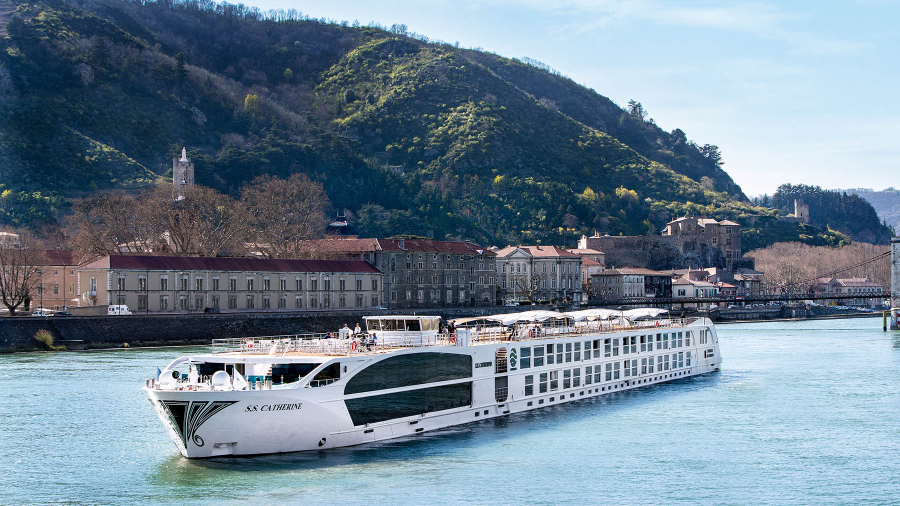
So, while I did my best to provide the most accurate information available, the prices you see here might not be exactly the same when you go to book.  Think of this as your first step towards planning an amazing cruise.  It might even give you some inspiration.  Just in compiling this information I found a few cruises that I’m considering booking already.

As a reminder, prices do include taxes and fees and are mostly for interior cabins.

Carnival Cruise Line: Cheapest cruises in 2026

Carnival Cruise Ship Celebration in port

Cheapest 3-4 day cruise:  

  • Ship: Carnival Glory
  • Date and duration: 12/4/26, 3-day cruise
  • Itinerary: Port Canaveral, Celebration Key, Port Canaveral
  • Cost: Starting at $594 per person

Cheapest 5-6 day cruise:

  • Ship: Carnival Elation
  • Date and duration: 1/5/26, 5-day cruise
  • Itinerary: Jacksonville, Nassau, Half Moon Cay, Jacksonville
  • Cost: Starting at $707 per person

Cheapest 7-day cruise:

  • Ship: Carnival Liberty
  • Date and duration: 1/18/26, 7-day cruise
  • Itinerary: New Orleans, Roatan, Belize, Cozumel, New Orleans
  • Cost: Starting at $1,233 per person

Cheapest 8-day plus cruise:

  • Ship: Carnival Magic
  • Date and duration: 1/24/26, 8-day cruise
  • Itinerary: Miami, Amber Cove, San Juan, St. Maarten, St. Thomas, Miami
  • Cost: Starting at $1,288 per person


Celebrity Cruises: Cheapest cruises in 2026

Cheapest 3-4 day cruise:

  • Ship: Celebrity Reflection
  • Date and duration: 2/20/26, 3-day cruise
  • Itinerary: Port Everglades, Key West, Bimini, Port Everglades
  • Cost: Starting at $598 per person

 Cheapest 5-6 day cruise:

  • Ship: Celebrity Summit
  • Date and duration: 1/10/26, 5-day cruise
  • Itinerary: Port Everglades, Nassau, Bimini, Port Everglades
  • Cost: Starting at $891 per person

Cheapest 7-day cruise:

  • Ship: Celebrity Summit
  • Date and duration: 5/8/26, 7-day cruise
  • Itinerary: Vancouver, Ketchikan, Sitka, Juneau, Icy Strait Point, Hubbard Glacier, Anchorage
  • Cost: Starting at $1,347 per person

Cheapest 8-day plus cruise:

  • Ship: Celebrity Infinity
  • Date and duration: 8/15/26, 8-day cruise
  • Itinerary: Athens, Rhodes, Ephesus, Santorini, Mykonos, Thessaloniki, Athens
  • Cost: Starting at $1,615 per person


Disney Cruise Line: Cheapest cruises in 2026

Disney Dream cruise ship

Cheapest 3-4 day cruise:

  • Ship: Disney Wonder
  • Date and duration: 5/4/25, 3-day cruise
  • Itinerary: San Diego, Esenada, San Diego
  • Cost: Starting at $1,495 per person

Cheapest 5-6 day cruise:

  • Ship: Disney Magic
  • Date and duration: 1/11/26, 5-day cruise
  • Itinerary: Galveston, Cozumel, Progreso, Galveston
  • Cost: Starting at $2,113 per person

Cheapest 7-day cruise:

  • Ship: Disney Magic
  • Date and duration: 9/10/26, 7-day cruise
  • Itinerary: Vancouver, Icy Strait Point, Ketchikan, Skagway, Vancouver
  • Cost: Starting at $2,605 per perrson

Cheapest 8-day plus cruise:

  • Ship: Disney Dream
  • Date and duration: 5/2/26, 14-day cruise
  • Itinerary: Port Everglades, Malaga (Spain), Barcelona, Seville, Cartagena, Azores, Barcelona
  • Cost: Starting at $4,622 per person


Holland America Line: Cheapest cruises in 2026

 Cheapest 3-4 day cruise:

  • Ship: Zaandam
  • Date and duration: 5/2/26, 4-day cruise
  • Itinerary: San Diego, Catalina Island, Vancouver
  • Cost: Starting at $472 per person

Cheapest 5-6 day cruise:

  • Ship: Koningsdam
  • Date and duration: 4/27/26, 5-day cruise
  • Itinerary: San Diego, San Francisco, Vancouver
  • Cost: Starting at $1,018 per person

Cheapest 7-day cruise:

  • Ship: Eurodam
  • Date and duration: 1/4/26, 7-day cruise
  • Itinerary: Port Everglades, Nassau, Grand Turk, Amber Cove, Half Moon Cay, Port Everglades
  • Cost: Starting at $1,350 per person

Cheapest 8-day plus cruise:

  • Ship: Oosterdam
  • Date and duration: 4/8/26, 14-day cruise
  • Itinerary: Port Everglades, Azores, Maderia, Gibraltar, Barcelona
  • Cost: Starting at $1,942 per person


MSC Cruises: Cheapest cruises in 2026

MSC Bellissima in Barcelona Spain

Cheapest 3-4 day cruise:

  • Ship: MSC Virtuosa
  • Date and duration: 4/17/26, 3-day cruise
  • Itinerary: Hamburg, Paris, London
  • Cost: Starting at $230 per person

Cheapest 5-6 day cruise:

  • Ship: MSC Grandiosa
  • Date and duration: 1/18/26, 6-day cruise
  • Itinerary: Port Canaveral, Ocean Cay, Puerto Plata, Nassau, Port Canaveral
  • Cost: Starting at $655 per person

Cheapest 7- day cruise:

  • Ship: MSC Meraviglia
  • Date and duration: 1/18/26, 7-day cruise
  • Itinerary: New York, Port Canaveral, Ocean Cay, Nassau, New York
  • Cost: Starting at $594 per person

Cheapest 8-day plus cruise:

  • Ship: MSC Poesia
  • Date and duration: 2/13/26
  • Itinerary: London, Lisbon, Seville, Barcelona, Marseille, Rome, Malta
  • Cost: Starting at $1,491 per person


Norwegian Cruise Line: Cheapest cruises in 2026

Norwegian Breakaway cruise ship in port

Cheapest 3-4 day cruise:

  • Ship: Norwegian Getaway
  • Date and duration: 1/2/26, 3-day cruise
  • Itinerary: Miami, Nassau, Great Stirrup Cay, Miami
  • Cost: Starting at $785 per person

Cheapest 5-6 day cruise:

  • Ship: Norwegian Bliss
  • Date and duration: 4/19/26, 5-day cruise
  • Itinerary: Los Angeles, Victoria, Vancouver
  • Cost: Starting at $1,033 per person

Cheapest 7-day cruise:

  • Ship: Norwegian Bliss
  • Date and duration: 2/8/26, 7-day cruise
  • Itinerary: Los Angeles, Puerto Vallarta, Mazatlan, Cabo San Lucas, Los Angeles
  • Cost: Starting at $1,001 per person

Cheapest 8-day plus cruise:

  • Ship: Norwegian Breakaway
  • Date and duration: 1/4/26, 8-day cruise
  • Itinerary: New York, Port Canaveral, Great Stirrup Cay, Nassau, New York
  • Cost: Starting at $1,543 per person


Princess Cruises: Cheapest cruises of 2026

Princess cruise ship off coast with loungers on beach

Cheapest 3-4 day cruise:

  • Ship: Ruby Princess
  • Date and duration: 10/4/26, 3-day cruise
  • Itinerary: Port Everglades, Princess Cays, Port Everglades
  • Cost: Starting at $756 per person

Cheapest 5-6 day cruise:

  • Ship: Emerald Princess
  • Date and duration: 5/3/26, 5-day cruise
  • Itinerary: Los Angeles, San Francisco, Victoria, Vancouver
  • Cost: Starting at $957 per person

Cheapest 7-day cruise:

  • Ship: Star Princess
  • Date and duration: 12/12/26, 7-day cruise
  • Itinerary: Port Everglades, Grand Turk, Amber Cove, Princess Cays, Port Everglades
  • Cost: Starting at $1,178 per person

Cheapest 8-day plus cruise:

  • Ship: Regal Princess
  • Date and duration: 12/12/26, 8-day cruise
  • Itinerary: Port Everglades, Curacao, Aruba, Bonaire, Port Everglades
  • Cost: Starting at $1,448 per person


Royal Caribbean: cheapest cruises of 2026

Royal Caribbean cruise ships in CocoCay

Cheapest 3-4 day cruise:

  • Ship: Quantum of the Seas
  • Date and duration: 3/24/26, 3-day cruise
  • Itinerary: Los Angeles, Ensenada, Los Angeles
  • Cost: Starting at $412 per person

Cheapest 5-6 day cruise:

  • Ship: Quantum of the Seas
  • Date and duration: 2/27/26, 5-day cruise
  • Itinerary: Los Angeles, Cabo San Lucas, Los Angeles
  • Cost: Starting at $642 per person

Cheapest 7-day cruise:

  • Ship: Jewel of the Seas
  • Date and duration: 3/14/26, 7-day cruise
  • Itinerary: San Juan, St. Thomas, St, Maarten, St. Croix, Dominica, Barbados, San Juan
  • Cost: Starting at $1,023 per person

Cheapest 8-day plus cruise:

  • Ship: Vision of the Seas
  • Date and duration: 2/5/26, 8-day cruise
  • Itinerary: Baltimore, Charleston, Port Canaveral, Freeport, Nassau, Baltimore
  • Cost: Starting at $1,104 per person


Virgin Voyages: Cheapest cruises of 2026

Virgin Voyages Scarlet Lady

Cheapest 3-4 day cruise:

  • Ship: Resilient Lady
  • Date and duration: 9/24/26, 4-day cruise
  • Itinerary: Miami, Key West, Bimini, Miami
  • Cost: Starting at $840 per person

Cheapest 5-6 day cruise:

  • Ship: Resilient Lady
  • Date and duration: 10/17/26, 5-day cruise
  • Itinerary: Miami, Cozumel, Bimini, Miami
  • Cost: Starting at $1,049 per person

Cheapest 7-day cruise:

  • Ship: Resilient Lady
  • Date and duration: 1/3/26, 7-day cruise
  • Itinerary: Miami, Grand Cayman, Cozumel, Bimini, Miami
  • Cost: Starting at $1,400 per person

Cheapest 8-day plus cruise:

  • Ship: Valiant Lady
  • Date and duration: 4/25/25, 14-day cruise
  • Itinerary: New York, Ponta Delgada, Maderia, Tangier, Malaga, Palma De Mallorca, Barcelona
  • Cost: Starting at $1,400 per person


Our free cruise newsletter offers the latest news and deals: Sign Up

Source link

Neatly made bed in a compact bedroom, the kind of small space cruise cabin hacks help you organise

23 Cruise Cabin Hacks to Make Your Stateroom More Livable

The best cruise cabin hacks are simple: use the steel walls for magnetic hooks, store empty suitcases under the bed, add an over-the-door organizer, and charge devices with a USB charger that follows your cruise line’s electrical rules. Give every item a home on day one and do a quick reset each evening, and even a 150-square-foot inside cabin can feel calm for a whole week.

This guide is about living well in your stateroom for the entire trip, not just the first hour. If you want a checklist for the moment you open the door, see our first-hour cruise cabin hacks, and for what to put in your suitcase before you leave home, our cruise packing tips and hacks cover the essentials.

Why Cruise Cabin Hacks Matter on Longer Sailings

A standard cruise stateroom is small, often somewhere around 150 to 200 square feet for inside and ocean-view cabins, with balconies adding outdoor space rather than much indoor floor. On a three-night getaway, clutter barely has time to build up. On a seven- or ten-night sailing, though, wet swimsuits, shopping from port, formal outfits and charging cables all start competing for the same few surfaces.

The fix is not buying lots of gadgets. It is setting up a system that works with the room’s quirks: metal walls, limited outlets, a compact bathroom without much ventilation, and a cabin attendant who visits once or twice a day. The tips below are grouped by the problem they solve.

Cruise Stateroom Hacks for Storage and Space

1. Use the walls: magnetic hooks and clips

Most cabin walls, ceilings and doors are steel underneath their panels, so magnets stick firmly. A few strong magnetic hooks (look for ones rated at 10 pounds or more) give you places for hats, lanyards, beach bags and tomorrow’s outfit. Magnetic clips are handy for holding the daily planner, excursion tickets and dining reservations in plain sight.

One caution: some lines restrict what goes on the outside of your door. Norwegian Cruise Line, for example, lists door decorations of any type, including magnetic ones, as prohibited. Keep magnets inside the cabin unless your line’s rules say door decorations are fine.

2. Add an over-the-door organizer

A clear hanging shoe organizer over the bathroom or closet door turns dead space into 12 to 24 small pockets. Use it for sunscreen, sunglasses, medicines, chargers, hair ties and anything else that usually ends up scattered across the desk. Clear pockets mean you can see everything at a glance, which matters when you are rushing to make a tender time.

3. Unpack fully and store luggage under the bed

Living out of a suitcase wastes floor space and makes the room feel chaotic. Unpack completely, then slide empty cases under the bed. Many cases nest inside each other, and soft bags can hold things you won’t need until the last night, such as your travel outfit. Leave a little room so your attendant can still reach around the bed to make it.

4. Double your hanging space

Cabin closets are short on hangers and rail space. Ask your attendant for extra hangers, and bring a few slim, non-slip ones of your own. Cascading hanger hooks or small S-hooks let you hang several items vertically from one spot, which works well for shorts, jeans and lightweight dresses.

5. Ask what can be moved or changed

Most furniture is fixed in place, but cabin attendants can often split or join twin beds, remove extra pillows and blankets you won’t use, or fold away an unused sofa bed or upper berth during the day. On many ships they can also empty the minibar so you can use the fridge for your own drinks, medicine or snacks. It costs nothing to ask.

6. Create zones, not piles

This is the hack most lists skip. Before you unpack, decide where each category lives and stick to it for the whole trip:

  • Daily essentials: cruise card, phone, sunglasses and room key in one tray or magnetic basket by the door.
  • Beach and pool: towels, swimwear and sunscreen in one tote hung on a hook.
  • Evening wear: the closet only.
  • Dirty laundry: one collapsible bag or hamper, kept in the closet or bathroom.
  • Port purchases: a single drawer or bag so souvenirs don’t spread across every surface.

When everything has a home, the room stays tidy without effort and your attendant can clean more easily.

Compact bathroom vanity with neatly arranged toiletries in a small shower room
Small bathrooms work better when every item has its own spot. Photo: Max Vakhtbovych on Pexels

Cruise Cabin Organization in the Bathroom

7. Bring suction-cup storage for the shower

Magnets won’t work on tile, fiberglass or marble-effect shower walls. A suction-cup caddy or a couple of suction hooks gives you somewhere to keep shampoo, a razor and a loofah off the floor. Many ships already provide a pull-out clothesline in the shower, which is handy for drip-drying swimwear.

8. Use a hanging toiletry bag

A toiletry bag with a hook can hang from the towel rail or a door hook, which keeps the tiny sink counter clear. Divide items between travelers so each person has their own pocket or bag.

9. Deal with odors and humidity

Stateroom bathrooms are small and some have weak ventilation. An odor-neutralizing spray or a solid air freshener helps. Skip candles and incense; they are banned on major lines, including Norwegian, and are likely to be confiscated at embarkation. Some lines also restrict diffusers, so check before you pack one.

10. Add a motion-sensor night light

Inside cabins are completely dark at night. A small battery-powered, motion-activated light near the bathroom door lets you find your way without flipping on the bright overhead lights and waking anyone else.

Power and Tech: What Your Cruise Line Allows

Older ships may have only one or two outlets near the desk, which is not enough for a family’s phones, watches, cameras and CPAP machines. This is where rules matter most, because power strips and extension cords are treated as fire hazards and cruise lines do check bags. Here is how the major US lines handled it as of late 2026; always confirm on your line’s current prohibited-items page before sailing.

Item Royal Caribbean Carnival Norwegian
Power strip with surge protection Not allowed Not allowed Not recommended; check current list
Power strip or multi-plug outlet without surge protection Not allowed (multi-plug outlets banned) Allowed with caution; can be removed if judged hazardous Check current list
Extension cords Not allowed Allowed without surge protection; damaged cords confiscated Check current list
USB charging hub or USB-only charger Allowed if it carries a recognized US or European safety marking Allowed Generally allowed
Clothing irons and steamers Not allowed Not allowed Not allowed (heating elements banned)

11. Go USB-first

The simplest way to stay within every line’s rules is a compact multi-port USB charger (USB-C and USB-A) that plugs into a single outlet and has no extra AC sockets. One charger can power several phones and watches at once. Many newer ships also have USB ports beside the beds.

12. Pack a long charging cable

Outlets are usually at the desk, not the bed. A 6- to 10-foot cable lets you use your phone as an alarm or reading light from the bed without an extension cord.

13. Bring the right adapter

Most ships sailing from US ports have US-style 110-volt outlets, often alongside European 220-volt sockets. If your devices use a different plug, pack a single-outlet travel adapter. Royal Caribbean’s guidance treats a single AC outlet plus USB ports as acceptable, while multi-socket adapters are not.

14. Medical devices are different

If you use a CPAP or other medical equipment, contact your cruise line’s accessibility or special needs team before you sail. Lines can often arrange an extension cord or bedside outlet solution and may ask for advance notice.

Neatly made bed with crisp white linens and pillows in a calm, dim room
A dark, quiet cabin makes sleeping at sea much easier. Photo: Ofir Eliav on Pexels

Cruise Cabin Tips for Sleep and Comfort

15. Control light and noise

Balcony cabins can be bright at sunrise if the blackout curtain doesn’t close fully. Magnetic clips or a couple of clothes pegs pinch the curtains together. Inside cabins have the opposite problem: no daylight at all. Many ships have a TV channel showing the bridge camera or a live view from the bow, which gives you a sense of time of day. A white-noise app or soft earplugs help in cabins near elevators or public areas.

16. Ask about bedding

Cabin attendants can often supply extra pillows, a different pillow type, a lighter blanket or, on some ships, a mattress topper. If the bed feels too firm on night one, ask early rather than putting up with it all week.

17. Manage temperature and airflow

Cabin thermostats usually only adjust within a narrow range. If you run warm, a small battery-operated fan is allowed by some lines; Norwegian’s list, for example, permits small electrical or battery-operated fans subject to inspection. Avoid opening the balcony door and the cabin door at the same time, which creates a strong wind tunnel and can slam doors.

18. Keep a water bottle and drinks system

Tap water on cruise ships is treated and safe to drink. A reusable bottle saves trips to the buffet. If you have a drinks package or bring permitted wine or soft drinks aboard, the emptied minibar fridge keeps everything cold.

Keeping the Cabin Livable All Week

19. Do a two-minute evening reset

Before dinner or before bed, put everything back in its zone: cards in the tray, chargers in the organizer, dirty clothes in the laundry bag, shopping in its drawer. Your attendant can then turn down the room properly, and you wake to a clear space.

20. Plan laundry midway

On a week-long cruise, a midweek laundry plan stops the closet from overflowing. Options include the ship’s laundry service (often with a fill-a-bag deal on certain days), self-service launderettes on some lines, or simple sink washing with travel detergent and the shower clothesline. Hanging laundry on the balcony is usually discouraged or not allowed, so keep it inside.

21. Dry wet swimwear and towels properly

Wet items left in a pile make a small room smell damp fast. Hang swimwear in the shower or on hooks, and return pool towels to the pool deck rather than drying them in the cabin.

22. Work with your cabin attendant

Let your attendant know your routine, such as late breakfast or an early excursion, so the room is serviced when you are out. Clear the desk and bed of clutter before you leave each morning so they can clean quickly and properly.

23. Choose a cabin that suits how you live

The cheapest hack is the one you make before booking. If you spend a lot of time in your room, extra space or a balcony may be worth the cost. Our guide to balcony vs inside cabins walks through the trade-offs.

If space is tight, our guide to the typical cruise ship bathroom covers what to expect and what to bring.

FAQs

Are cruise cabin walls magnetic?

Yes, on most ships the cabin walls, ceilings and doors are steel behind decorative panels, so magnetic hooks and clips hold well. Bathroom and shower walls are usually not magnetic, so use suction cups there.

Are cruise cabin doors magnetic?

Cabin doors are usually metal and magnetic. Whether you can decorate the outside depends on the line: some allow magnetic door decorations, while Norwegian Cruise Line prohibits door decorations of any type, including magnets.

Can I bring a power strip on a cruise?

It depends on the line. Royal Caribbean bans power strips, surge protectors, extension cords and multi-plug outlets but allows certified USB chargers. Carnival allows power strips and extension cords only without surge protection. A USB-only charger is the safest choice for any line.

How do I make a small cruise cabin feel bigger?

Unpack fully, store suitcases under the bed, use magnetic hooks and an over-the-door organizer for vertical storage, ask your attendant to put away unused beds or bedding, and do a quick tidy each evening so clutter never builds up.

adventureoftheseasship.jpg

Star Trek Cruise With William Shatner Will Take Place on Royal Caribbean Ship

Star Trek: The Cruise IX will set sail a Royal Caribbean cruise ship in 2026 and feature stars from the Original Series, William Shatner and Walter Koenig.

Royal Caribbean's Adventure of the Seas

This Star Trek cruise is promising to be a once-in-a-lifetime experience as they celebrate the 60th anniversary of Star Trek: The Original Series.

Prices for the cruise start at $2,230 per person and includes admission to all performances, interviews, parties and meals.  The cruise will take place on Royal Caribbean’s Adventure of the Seas and depart from Port Canaveral on February 20, 2026.

The cruise will visit Puerto Plata, San Juan and CocoCay. It will also have three sea days.

The seven-day cruise will feature the following special events:

  • Interactive panels and Q&A sessions
  • One-of-a-kind nightly shows presented by Star Trek actors
  • Themed parties, cosplay events, and exclusive screenings
  • Opportunities to meet and mingle with the cast and crew
  • More than a dozen bars, restaurants, clubs and lounges redesigned to immerse fans in the ultimate Star Trek setting

Star Trek cruise in 2026

Many former Star Trek actors will be on the cruise from the Original Series, The Next Generation, Deep Space Nine and Discovery.  They are:

  • William Shatner (Kirk)
  • Walter Koenig (Chekov)
  • Special appearances by legendary actors who portrayed unforgettable characters like the Gorn, the Salt Vampire, and Captain Pike
  • Jonathan Frakes (Riker)
  • John de Lancie (Q)
  • Terry Farrell (Jadzia Dax)
  • Nana Visitor (Kira Nerys)
  • Sonequa Martin-Green (Michael Burnham)
  • Anthony Rapp (Paul Stamets)
  • Doug Jones (Saru)

Chris Hearing, Partner and Executive Director of Theme Cruises at Entertainment Cruise Productions, gave the following statement:

“We’ve planned a week of incredible once-in-a-lifetime experiences to honor the 60th anniversary of Star Trek. Celebrating this milestone with both William Shatner and Walter Koenig is a dream come true for fans.

“And we’re not stopping there: we’re creating events and activities that revel in the shows and films spanning the six decades that followed The Original Series. We are grateful to Paramount Consumer Products for giving us the opportunity to mark the anniversary year with the biggest fans in the universe.”

General bookings for the Star Trek: The Cruise IX open on March 6, 2025. However, the early bird sale is now live.

For more information on this special Star Trek cruise, you can visit www.startrekthecruise.com.

Our free cruise newsletter offers the latest news and deals: Sign Up

Source link

uniworldsscatherine.jpg

Women-Only Cruise Will Depart Later This Year

A cruise line is offering their first ever Women-Only Cruise that will set sail on August 24, 2025 and travel through the heart of France.

Uniworld SS Catherine river ship for the Women-Only Cruise

Uniworld’s Women-Only Cruise will take place on the S.S. Catherine and sail through Burgundy & Provence for eight days. It will be a fully all-inclusive cruise offering farm-to-table dining and unlimited premium wine and spirits.

The cruise line has announced that award-winning actor, comedian and author Rachel Dratch will treat guests to a special comedy set and Q&A session.

Dratch, a standout SNL cast member from 1999 to 2006, is beloved for her comedic brilliance and iconic characters, including the memorable “Debbie Downer.” She has also appeared in the following TV shows and movies:

  • King of Queens
  • 30 Rock
  • Shameless
  • Bob’s Burgers
  • Last Week Tonight with John Oliver,
  • Click
  • Just Go with It,
  • Wine Country
  • And more

The cruise will offer shore excursions and programming that aren’t normally offered on the itinerary. This includes burlesque sessions, a luxurious pajama party, decadent chocolate, and a Candlelight Concert in Lyon.

Women-Only Cruise Itinerary

Women-only cruise itinerary

Ellen Bettridge, President and CEO of Uniworld, gave the following statement:

“We are beyond excited to welcome the incredibly talented and hilarious Rachel Dratch aboard our special Women-Only Cruise.

“This cruise is all about bringing women together to share new experiences, create friendships and enjoy plenty of laughter along the way. Rachel is the perfect fit for what promises to be an unforgettable trip, and I’m looking forward to being onboard to host her and all of our guests on this sailing.”

For more details on this Women-Only Cruise, you can visit Uniworld’s website.

Our free cruise newsletter offers the latest news and deals: Sign Up

Source link