LIVESTREAM2-46.png

How Fast Is A Knot And Why It Matters?

A knot is a unit of measurement used to determine the speed of a ship or aircraft. It equals one nautical mile per hour, making it a commonly used term in the maritime industry.

What is a Knot?

The term “knot” dates back to the 17th century when sailors would use a log line with regularly spaced knots to measure the speed of their ships.

The logline, with knots tied along its length, would be thrown overboard, and the number of knots that passed through their hands in a specific amount of time would determine the ship’s speed. Today, knots remain the preferred unit of measurement for speed on ships and are used by cruise ship captains to measure their vessels’ speed through the water accurately.

How Fast Is A Knot?

A knot is a unit of speed equal to one nautical mile per hour (1 knot = 1.15 mph). It is the speed at which one nautical mile is traveled in an hour. To put this into perspective, 6 knots would be approximately 7 mph, 20 knots would be 23 mph, and 30 knots would be 35 mph.

History of Knotted Measurement

The history of knotted measurement holds significant importance in maritime navigation. In the 17th century, sailors relied on a clever device called a “common log” to measure the speed of their ships using knots. This measurement technique became essential for accurate navigation.

The process involved lowering a piece of wood, known as the common log, into the sea from the ship’s stern while the ship was in motion. The log was attached to a line with evenly spaced knots. As the ship moved forward, sailors would count the number of knots that passed through their hands within a specific time interval.

By calculating the number of knots passed in a given period, sailors could determine the ship’s speed in nautical miles per hour, also known as knots. This measurement system allowed for more precise navigation, especially during long-distance travel or unfamiliar waters.

The term “knots” refers to the measurement unit derived from this process. Today, cruise ship captains and sailors continue to use this method to measure and monitor their vessel’s speed accurately. While modern technology has provided more advanced tools for speed calculation, the history of knotted measurement remains a crucial aspect of maritime navigation.

Measuring Speed in Knots

Measuring speed in knots has been a longstanding practice in the maritime industry. Originating in the 17th century, this unit of measurement has been essential for sailors to accurately determine their vessels’ velocity.

The term “knot” refers to the speed of one nautical mile per hour. To calculate the ship’s speed, sailors would use a method involving a piece of wood known as the common log. This log was attached to a line with evenly spaced knots.

By observing the number of knots that passed through their hands within a specified time interval, sailors could precisely determine the ship’s speed in knots. This system provided a reliable and practical means of navigation, especially during long-distance journeys or when encountering unfamiliar waterways.

As a unit of measurement, knots continue to be widely used in the maritime industry, allowing cruise ship captains and sailors to navigate with accuracy and confidence in their vessel’s speed and positioning.

Defining the Nautical Mile

The nautical mile is a fundamental unit of measurement in marine navigation, used to determine distances on the Earth’s surface. Unlike the regular land-based mile, equivalent to 5,280 feet, a nautical mile is based on the Earth’s longitude and latitude coordinates.

Specifically, a nautical mile is defined as one minute of latitude or about 1.852 kilometers (approximately 1.15078 miles). This creates a practical system for accurately measuring distances at sea, as the Earth’s longitude and latitude lines provide a consistent framework for navigation.

The international standard for the nautical mile was established in the 17th century and has since been adopted by countries worldwide, including the United States and the United Kingdom. This standardization allows for precise and uniform communication regarding distances, ensuring accuracy and safety in marine navigation.

Converting MPH to Knots

Converting miles per hour (MPH) to knots is common in marine navigation. You can use a simple conversion factor of 0.868976 to convert MPH to knots. Here’s how you can perform the conversion manually:

1. Start by identifying the speed in miles per hour that you want to convert to knots.

2. Multiply the speed in MPH by the conversion factor of 0.868976. The formula for the conversion is Knots = MPH x 0.868976.

3. Perform the calculation. For example, if the speed is 60 MPH, the conversion would be Knots = 60 x 0.868976 = 52.1376 knots.

4. Round the result to the nearest whole number if desired. In this case, the speed in knots would be approximately 52 knots.

Following these steps and using the conversion formula can easily convert MPH to knots. This can be particularly useful in marine navigation and communication, ensuring accurate speed measurements and adherence to standard units in the maritime industry.

What Is The Maximum Speed for Cruise Ships

Cruise ships are known for their luxurious amenities, world-class entertainment, and breathtaking views. But have you ever wondered how fast these massive vessels can actually go? The maximum speed of a cruise ship may surprise you.

Most modern cruise ships have a maximum speed of around 30 knots, which is equivalent to approximately 34.5 miles per hour. However, it’s important to note that cruise ships generally do not consistently travel at their maximum speed. The actual cruising speed of a ship can vary depending on a variety of factors, such as weather conditions, route, and fuel efficiency.

One notable cruise ship that stands out in terms of speed is the Cunard Line’s Queen Mary 2. With a maximum speed of 30 knots, the Queen Mary 2 is one of the fastest operational cruise ships in the world. This majestic vessel is renowned for its elegance and grandeur, offering passengers a truly unforgettable experience.

In conclusion, while the maximum speed of most cruise ships is around 30 knots or 34.5 miles per hour, this does not necessarily mean they always travel at that speed. The Queen Mary 2, with its impressive speed capabilities, showcases the technological advancements in the cruise ship industry. So, next time you’re on a cruise, take a moment to appreciate the sheer engineering marvel that allows these ships to traverse the high seas with ease.

Using Minute of Latitude in Measurement

In the maritime industry, the concept of the “Minute of Latitude” plays a crucial role in measuring speed and navigation. A minute of latitude is a unit of angular measurement used to divide the Earth’s surface into smaller, more manageable portions. It is derived from the fact that the Earth completes one full rotation in 24 hours, resulting in 360 degrees of longitude.

The minute of latitude is a standard unit of measurement in navigation because it remains consistent regardless of the distance traveled. It allows for accurate calculations of speed and distance, even on long journeys. This is especially important when determining a ship’s position and estimating arrival times.

To calculate speed, the minute of latitude is used in combination with the time it takes for a ship to travel between two points. By dividing the distance traveled in nautical miles by the time taken in minutes, the speed in nautical miles per minute can be determined. This measurement can then be converted to knots by multiplying it by a factor of approximately 1.15.

Additionally, the minute of latitude is applied in calculating distance. By multiplying the speed in knots by the time in minutes, the distance covered in nautical miles can be obtained.

In conclusion, the “Minute of Latitude” is an essential unit of measurement in the maritime industry as it enables accurate calculations of speed and distance. By utilizing this concept, navigators can confidently navigate their vessels and ensure the safe and efficient operation of maritime travel.

Uses for knots in Navigation and Travel
Knots, a unit of measurement used in navigation and travel, have various applications in ensuring accurate calculations and precise navigation. This unit, derived from the minute of latitude, allows ships and sailors to determine their speed, estimate arrival times, and calculate distances covered during their journeys.

One essential use of knots in navigation is determining a ship’s speed. By measuring the time it takes for a ship to travel between two points, the distance covered in nautical miles can be divided by the time in minutes to calculate the speed in nautical miles per minute. This measurement can then be converted to knots by multiplying it by approximately 1.15. Captains and navigators rely on these measurements to maintain a steady and safe pace during their voyages.

Furthermore, knots are crucial in calculating distances covered during travel. The distance in nautical miles can be accurately determined by multiplying the speed in knots by the time in minutes. This allows sailors to plot their courses, estimate arrival times, and maintain efficient navigation.

Overall, knots serve as a vital unit of measurement in navigation and travel, providing sailors and navigators with valuable information to ensure successful and safe journeys. Whether it’s determining a ship’s speed or calculating distances, using knots helps maintain accuracy and precision in marine navigation.

Using Knots for Cruise Ship Captains
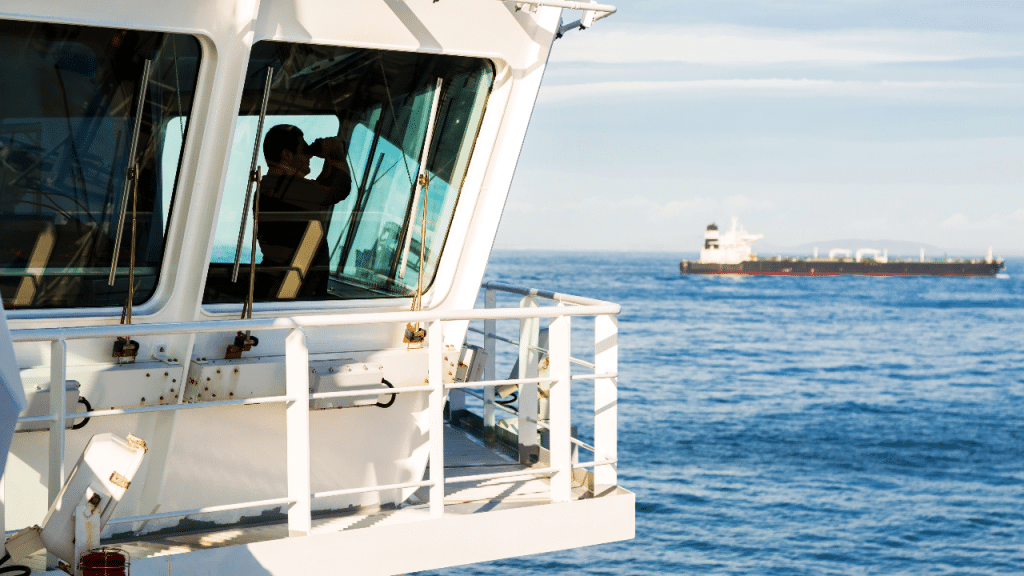
Cruise ship captains heavily rely on knots as a unit of measurement in their navigation and travel. Knots determine the speed at which a cruise ship travels and the distance it has covered during its journey.

Speed is critical for cruise ship captains to ensure a safe and efficient voyage. By measuring the time it takes for the ship to travel between two points, the distance covered in nautical miles can be divided by the time in minutes to calculate the speed in nautical miles per minute. This speed can then be converted to knots by multiplying it by approximately 1.15. Cruise ship captains use these measurements to maintain an optimal pace throughout their journey.

Additionally, knots are crucial in calculating the distance a cruise ship covers. The distance in nautical miles covered can be accurately determined by multiplying the speed in knots by the time in minutes. This information lets captains plot their routes, estimate arrival times, and make informed decisions during their voyage.

In conclusion, knots serve as a vital unit of measurement for cruise ship captains, enabling them to determine the speed and distance their ships cover. These accurate calculations inform navigation decisions and ensure passengers and crew a smooth and efficient voyage.

How Accurate are Measurements with Knots?
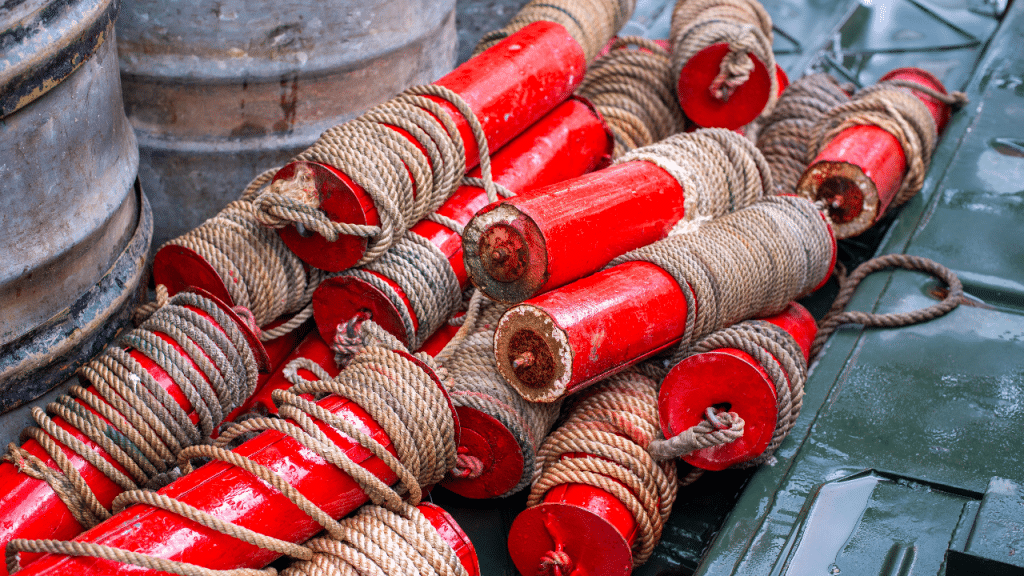
Measurements using knots as a unit of speed have some limitations that can introduce potential errors. One such limitation is the dependence on accurate and up-to-date equipment. Outdated or malfunctioning speed measuring devices can lead to inaccurate readings, jeopardizing the ship’s safety. Human error is also a factor that can affect the accuracy of knot measurements. Variations in the interpretation of data or recording errors can impact the measurements’ reliability.

Another challenge is the influence of changing wind speeds and sea currents. Cruise ships may experience varying environmental conditions during their journey, including gusts of wind or strong currents. These factors can impact the ship’s speed and make it difficult to maintain a consistent speed in knots.

Cruise ship captains rely on their experience and navigational skills to make adjustments and account for potential errors to mitigate these limitations. Regular maintenance and calibration of equipment also play a crucial role in ensuring accurate measurements. Finally, technological advancements continue to improve the accuracy and reliability of speed-measuring instruments.

Types of Knots Used for Measurement
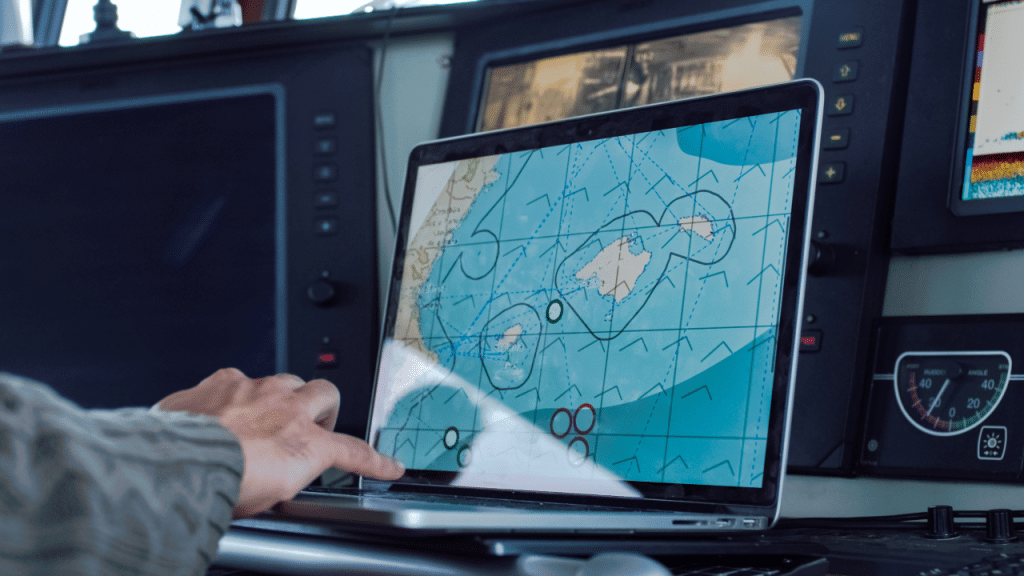
Knots are a unit of measurement commonly used in nautical and aviation contexts to measure a vessel’s or aircraft’s speed.

The term “knot” refers to a speed of one nautical mile per hour, equivalent to approximately 1.15 statute miles per hour or 1.85 kilometers per hour. To accurately measure this speed, special knots are used.

The most commonly used knot for measuring speed is the “nautical mile per hour knot,” also known as the “international knot.” This knot is defined as one nautical mile per hour and is used worldwide as the standard unit for measuring the speed of ships and aircraft.

Another knot that is sometimes used for measurement is the “land knot.” This knot is defined as one statute mile per hour and is used to measure the speed of vehicles on land. Both types of knots are essential for accurate measurements and play a crucial role in various industries that rely on speed calculations, such as navigation, meteorology, and transportation.

Nautical Terms and Their Meanings

Nautical terms are crucial in measuring speed and distance in maritime navigation. One such term is “knot,” which is commonly used to measure the speed of a vessel. A knot refers to one nautical mile per hour. It originated in the 17th century when sailors would use a rope with evenly spaced knots tied to it. They would throw this rope overboard and count the number of knots pulled out in a set amount of time. This method allowed them to determine the speed of the ship.

Another related term is “nautical mile,” which is the unit of measurement used in maritime navigation. Unlike the land mile, which equals 5,280 feet, a nautical mile equals one minute of latitude. This measurement is significant because it remains consistent regardless of the vessel’s location on the Earth’s surface. Therefore, speed and distance in maritime navigation are typically measured in knots and nautical miles.

To summarize, the nautical terms “knot” and “nautical mile” are essential in maritime navigation to measure speed and distance accurately. A knot represents one nautical mile per hour, while a nautical mile is equal to one minute of latitude. These terms are widely used by sailors, including cruise ship captains, to ensure accurate measurements of their vessel’s speed and distance traveled.

Different Types of Nail Knots Used to Measure Speed.

Nail knots are commonly used in maritime navigation to measure speed accurately. These knots are tied at regular intervals along a rope, allowing the captain to calculate the vessel’s speed. Here are the different types of nail knots used for this purpose:

1. Single Knot: The single nail knot is the most basic type. It involves making a loop with the rope and passing one end through it. It is simple to tie and provides a straightforward measurement of speed.

2. Double Knot: The double nail knot is a variation of the single knot. Two loops are made in this case, and both ends are passed through the loops. This knot provides enhanced stability and is less prone to coming loose.

3. Triple Knot: The triple nail knot is the most secure and reliable type. It involves creating three loops and passing both ends through them. This knot offers maximum resistance to unraveling.

When using nail knots to measure speed, it is important to tie them tightly and regularly to ensure accurate measurements. Diagrams demonstrating the different types of nail knots can be found in sailing navigation guides and manuals. By utilizing these knots effectively, cruise ship captains can precisely determine the vessel’s speed and navigate the seas accordingly.

Calculating Speed with Different Units of Measurement
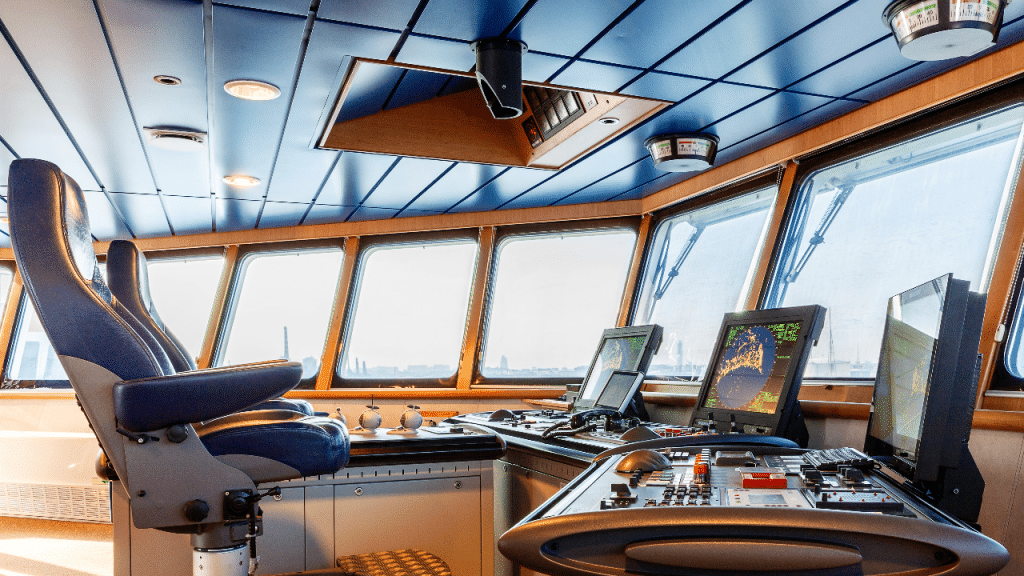
When it comes to measuring speed, there are various units of measurement used across different contexts. One commonly used unit to calculate speed in maritime navigation is the knot. A knot is a nautical term that refers to the speed of one nautical mile per hour. This measurement is derived from the 17th-century practice of using a rope with knots tied at regular intervals to determine the speed of a vessel. A knot equals approximately 1.15 statute miles per hour or 1.85 kilometers per hour. This conversion allows for accurate measurements when comparing speed across different modes of transportation. Whether on a cruise ship or any other vessel, “knots” remain a staple for calculating and discussing speed at sea.

MPH to Knots Conversion Formula
Knots are the unit of choice when measuring the speed of a cruise ship or any vessel at sea. However, converting to knots is a simple process if you are more familiar with miles per hour (mph).

You need to use the MPH to Knots conversion formula to convert mph to knots. The conversion factor is 1.150779. To obtain the speed in knots, you multiply the miles per hour by this conversion factor.

For example, if a cruise ship is traveling at 20 mph, to find out how fast it is moving in knots, you would multiply 20 by 1.150779. The result would be approximately 23.02 knots.

This conversion formula is essential for accurately measuring the speed of a cruise ship or any vessel in nautical terms. By using knots as the unit of measurement, cruise ship captains and sailors can communicate speed in a standardized and recognized manner.

In summary, when converting speeds from miles per hour to knots, multiply the speed in miles per hour by the conversion factor of 1.150779 to obtain the speed in knots. This ensures accurate measurements and clear communication regarding the vessel’s speed.

Knot speed and Knots to Mph FAQs

How Fast is a Knot?

Norwegian PrimaNorwegian Prima

A knot is equal to one nautical mile per hour (1.852km/h or 1.15078 mph).

What is 20 knots on a cruise ship?

Norwegian VivaNorwegian Viva

A cruise ship moving at 20 knots is traveling as fast as a land vehicle at about 23 mph (37 km/hr).

How many miles is a knot?

One nautical mile per hour is used to measure speed. A nautical mile is slightly more than a standard mile.

Is a knot equal to a mile?

One knot equals one nautical mile per hour, or roughly 1.15 statute mph

What is a knot and how is it used to measure speed?

A knot is a unit used to measure the speed of a vessel or aircraft. It is equal to one nautical mile per hour. Speed is measured in knots rather than miles per hour because it is the standard unit for measuring speed in the maritime and aviation industries.

How is speed measured in knots different from miles per hour?

Speed is measured in knots and miles per hour is a land measurement. One knot is equal to 1.15 miles per hour. The difference between a nautical mile and a land mile is due to the curvature of the Earth. Nautical miles are used for sea distance while land miles are used for land distance.

How can I convert knots to miles per hour?

To convert knots to miles per hour, you can use the conversion factor of 1.15. Simply multiply the speed in knots by 1.15 to get the equivalent speed in miles per hour.

Why are knots still used to measure speed instead of miles per hour?

Knots are still used to measure speed because they are a time-honored tradition in the maritime industry. It also makes it easier for sailors and maritime professionals to communicate about speed using a standard unit.

What is the history behind the adoption of the international nautical mile?

The international nautical mile was adopted in 1954 as the standard unit for sea distances. It was based on the length of one minute of latitude. This standardization helped to ensure consistency in navigation and communication among maritime professionals.

How was speed measured using knots in the past?

In the past, speed was measured using a device called a “common log.” This device consisted of a rope with uniformly spaced knots at regular intervals. Sailors would count the knots that passed through a specific point over a certain time period to determine the speed of the vessel.

What is the top speed typically measured in knots for a cruise ship?

The top speed of a cruise ship is typically around 21 knots, although some ships may be capable of reaching speeds exceeding 25 knots under optimal conditions.

Why are knots used to measure speed on ships and not other units?

Knots are used to measure ship speed because they provide a consistent and standardized unit for navigation and communication. By using knots, sailors can convey speed information accurately, regardless of the vessel’s size or type.

What is the significance of measuring speed in knots for ship navigation?

Measuring speed in knots is significant for ship navigation as it provides a common language for maritime professionals to communicate and navigate effectively. It ensures that speed measurements are accurate and universally understandable, contributing to safe and efficient navigation at sea.

How does one calculate the speed of a vessel using knots?

To calculate the speed of a vessel using knots, one would count the number of knots passing through the ship at regular intervals within a specific timeframe. By knowing the distance between the knots, one can determine the speed of the vessel in knots, providing crucial information for navigation and voyage planning.
Source link

passport1.jpg

Do You Need A Passport To Go To The Bahamas

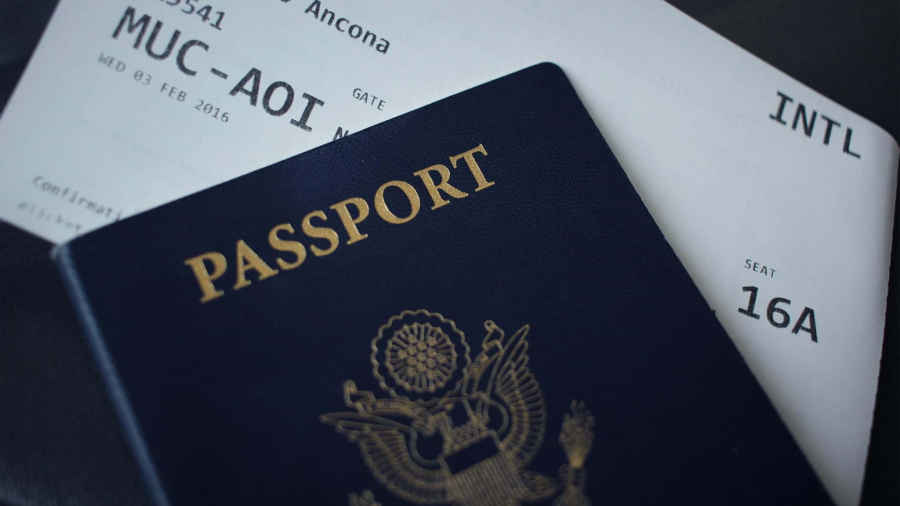
When planning a trip to the Bahamas, you must familiarize yourself with the requirements for entering the country. While a valid passport is generally required for air travel, alternative forms of travel identification are available if you plan to enter the Bahamas by sea.

If you travel to the Bahamas by air, you must have a valid passport as a proof of citizenship. The passport should be in good condition and have at least six months of validity before its expiration date. This is a standard requirement for many countries, and it is recommended to check the expiry date of your passport well in advance to avoid any last-minute issues.

do you need a passport to go to the bahamasdo you need a passport to go to the bahamas
Photo by Kendrick Major on Pexels.com

Do You Need A Passport To Go To The Bahamas?

However, if you plan to enter the Bahamas by sea, alternative forms of travel identification are accepted. These include a passport card, a birth certificate, a government-issued photo ID, or an enhanced driver’s license. Be sure you have the proper documents as you don’t want to have a problem reaching the white sand beach. 

It’s important to note that while these alternative forms of identification are accepted for sea entry, carrying a valid passport book with you is always a good idea. This will serve as a backup and will allow for more accessible travel if you need to fly back to your home country or transit through other countries during your trip.

In summary, while a valid passport is generally required for air travel to the Bahamas, there are alternative forms of travel identification that are accepted for entry by sea. It is always advisable to check the specific requirements and recommendations of the Bahamian government or your travel agency before your trip to ensure a smooth and hassle-free travel experience.

Requirements for Entering the Bahamas

The specific requirements may vary depending on your travel mode and country of citizenship. Below, we will outline the essential documents you need to enter the Bahamas and explore the beautiful beaches and breathtaking landscapes this Caribbean destination offers. Whether traveling by air or sea, it is crucial to have the appropriate identification to fulfill the Bahamas’ entry requirements.

Visas and Entry Requirements

Visas and Entry Requirements for Traveling to the Bahamas

When planning a trip to the beautiful beaches of the Bahamas, it’s important to understand the visa and entry requirements for different categories of travelers.

For U.S. citizens and U.S. permanent residents, a valid passport is required to enter the Bahamas. No visas are necessary for stays of up to 90 days for tourism, business activities, or visiting family or friends. However, travelers should have a return ticket and proof of funds to cover their stay.

Canadian citizens and Canadian permanent residents also need a valid passport, but no visas are required for stays of up to 90 days. Again, having a return ticket and proof of funds is recommended.

Latin American citizens and citizens from other countries are usually required to obtain a visa before traveling to the Bahamas. They should contact their nearest Bahamian embassy or consulate for specific requirements.

Regardless of nationality, all travelers are advised to have a valid passport, with at least six months validity remaining, and carry it with them at all times while in the Bahamas. This ensures a smooth entry process when going through immigration.

In summary, a valid passport is necessary to enter the Bahamas for U.S. citizens, U.S. permanent residents, Canadian citizens, and Canadian permanent residents. Visas are generally optional for stays of up to 90 days, but having a return ticket and proof of funds is recommended. Travelers from Latin American countries and other nations may need a visa before their trip.

Valid U.S. Passport Requirements

When traveling to the Bahamas from the United States, a valid U.S. passport is a requirement for all citizens. This applies to both adults and children.

For air travel, a U.S. passport book is mandatory. However, when traveling by sea, there are alternative options. U.S. citizens can use a passport card, a wallet-sized card valid for land and sea crossings between the U.S. and the Bahamas. Another option is a birth certificate accompanied by a government-issued photo ID.

Always carrying a valid passport when traveling abroad is essential, as it serves as proof of identity and citizenship. In case of unforeseen circumstances or emergencies, having a valid passport can facilitate assistance from U.S. consular services.

Additionally, for any international travel, it is recommended that the passport has at least six months of validity remaining. This ensures a smooth entry process when going through immigration. So, check your passport’s expiration date before planning your trip to the beautiful Bahamas beaches.

Other Forms of Acceptable Travel Identification

When planning a trip to the Bahamas, it is crucial to ensure you have the proper travel documents. While a valid passport is typically required, other forms of acceptable travel identification can be used instead.

One alternative is a passport card, a wallet-sized travel document that can be used for land or sea travel between the United States and certain selected countries, including the Bahamas. The passport card is a cost-effective option for those who do not anticipate air travel during their trip.

Additionally, the Western Hemisphere Travel Initiative (WHTI) allows other forms of identification to be accepted when traveling to the Bahamas. This includes enhanced driver’s licenses, trusted traveler cards such as NEXUS or SENTRI, and specific federally recognized tribal photo IDs.

It is important to note that while these alternative forms of identification are accepted for travel to the Bahamas, they may have specific limitations.

For example, a passport card cannot be used for international air travel and is only valid for travel to selected countries in the Western Hemisphere. It is always advised to check the specific travel requirements and restrictions before embarking on your trip.

Renewing and Replacing Your Passport

If you already have a passport, but it is expired or will expire soon, it is vital to know the process for renewing your passport. The process for renewing a passport is usually straightforward and can typically be done by mail.

However, if your passport has been lost, stolen, or damaged, you must follow the process for replacing your passport. This will require submitting additional documentation and an in-person appointment at a passport acceptance facility.

Whether you are renewing or replacing your passport, it is important to plan ahead and allow enough time for processing, especially if you have upcoming travel plans. Keep in mind that some countries have specific passport validity requirements, so it is advisable to check the passport requirements for your destination before renewing or replacing your passport.

Renewing Your U.S. Passport

Renewing your U.S. passport is a fairly straightforward process that requires a few crucial documents and adherence to the proper application procedure. You will need your current, undamaged passport, a completed DS-82 application form, a passport photo, and the requisite fee to renew your passport.

The application procedure involves completing the DS-82 form online or by mail, ensuring that all information is accurate and up-to-date. You will then need to submit your application along with your current passport, passport photo, and payment.

The timeframe for passport renewal can vary but typically takes around 4-6 weeks. However, if you need your passport sooner, you can opt for expedited service, which reduces the processing time to 2-3 weeks for an additional fee.

When renewing your passport, following the steps to avoid delays or errors is essential. Double-check all your information, including your name, date of birth, and photo. Ensure your passport photo meets the size, background, and appearance requirements.

To ensure a smooth renewal process, it’s recommended to submit your passport renewal application well in advance of any upcoming travel plans. This will allow sufficient time for processing and avoid any stress or last-minute complications.

Renewing your U.S. passport is necessary to continue enjoying the freedom of international travel. By following the requirements and procedures, you can ensure a seamless renewal process and be well-prepared for future adventures.

Replacing a Lost or Stolen U.S. Passport

If your U.S. passport is lost or stolen while in the Bahamas, it is crucial to take immediate action to ensure your safety and obtain a replacement.

The first step is to report the incident to the local authorities. Visit the nearest police station and file a police report detailing the loss or theft of your passport. This report will be essential for your replacement passport application.

Next, contact the nearest U.S. embassy or consulate. They will provide guidance and assistance throughout the process. Schedule an appointment and bring all relevant documents, such as your police report, proof of U.S. citizenship, and proof of identity.

Complete the necessary passport application forms. If you have access to the internet, you can fill out the DS-11 form online or complete it manually at the embassy or consulate. Make sure to answer all questions accurately and honestly.

After completing the application forms, you must pay the required fee for the replacement passport. The fee may vary, so checking the current rates on the U.S. Department of State’s official website is advisable.

Once you have submitted your application, it will take some time for your replacement passport to be processed. Stay in contact with the embassy or consulate for updates on the status of your application.

Remember, taking immediate action is crucial in case of a lost or stolen passport. By following these steps and cooperating with the authorities, you can ensure a smooth process for replacing your U.S. passport in the Bahamas.

Closed-Loop Cruises

Closed-loop cruises offer a unique exception to passport requirements when traveling to specific destinations, including the Bahamas. A closed-loop cruise is a cruise that both starts and ends at the same U.S. port with stops at foreign ports.

A valid passport book is optional for individuals traveling on closed-loop cruises. Instead, they can use a government-issued photo ID, such as an enhanced driver’s license, and proof of U.S. citizenship, such as a birth certificate. This makes it easier for passengers to enjoy their cruise without needing a passport.

Closed-loop cruises are available to various destinations, including Alaska, Bermuda, Canada, Hawaii, Mexico, and Caribbean countries. These cruises allow travelers to explore these stunning locations without needing a passport as long as they start and end at a U.S. port.

Whether you’re dreaming of whale watching in Alaska or relaxing on the pink sand beaches of Bermuda, a closed-loop cruise offers a convenient and passport-free way to experience these popular cruise destinations. So pack your bags, grab your photo ID and proof of U.S. citizenship, and prepare to embark on an unforgettable journey.

This said, having a valid passport is highly recommended in case you experience a family emergency, business emergency or even a medical problem that would require you to return home for and travel by air. Not having a passport will cause headaches while trying to return to your port of entry. 

Air Travel to the Bahamas

When traveling by air to the Bahamas, it is essential to have the necessary documentation to enter the country. One of the essential requirements is a valid passport. All air travelers need to have a valid passport for at least six months beyond their intended stay in the Bahamas. Additionally, the passport must have at least two blank pages for entry and exit stamps.

It is important to note that enhanced driver’s licenses are not accepted for air travel to the Bahamas. Travelers must have a valid passport, and it is recommended to have a passport book rather than a passport card. A passport card does not meet the requirements for entry into the Bahamas by air.

Ensuring that you have a valid passport and meet the necessary requirements will ensure a smooth travel experience when visiting the beautiful islands of the Bahamas.

Closing Thoughts on Needing a Passport to Visit the Bahamas

In closing, the importance of having a valid passport when planning a trip to the Bahamas cannot be emphasized enough. While some travelers may consider alternative travel documents such as an enhanced driver’s license or birth certificate, it is crucial to understand that these options are not accepted for air travel to the Bahamas.

Having a valid passport can ensure travelers are protected from various unforeseen circumstances. Firstly, in a medical emergency during the trip, a valid passport is often required for medical evacuation or repatriation. With it, travelers may be able to access necessary medical care or return home.

Not having a passport can also result in missed connections for those embarking on a cruise from the Bahamas. Cruise ships have strict guidelines and may only allow passengers to board with a valid passport. This can leave travelers stranded in a foreign country without accommodations or a means to return home.

In light of these potential scenarios, it is clear that having a valid passport is a must for anyone planning to visit the Bahamas. It ensures smooth entry into the country and provides peace of mind and flexibility in the face of unexpected events. So, before setting off on your adventure to the beautiful beaches and azure waters of the Bahamas, obtain a valid passport to avoid any potential complications.

Source link

20221203_055927-scaled.jpg

Upside Down Pineapple Meaning On A Cruise Ship?

If you’ve ever heard about the upside-down pineapple symbol, you may think it’s just a tropical fruit. However, in the swinging community, it has a different interpretation.

Upside-down pineapples have become a secret code that indicates if someone is open to the swinging lifestyle. But did you know that the secret meaning of an upside-down pineapple changes entirely when found on a cruise ship?

Upside Down Pineapple Meaning?

The symbol is believed to have originated from an old sailor’s tradition. According to legend, sailors who returned to port after a long voyage would place a pineapple at their door front porch or gate to tell their family and friends they were back home. Over time, this symbol became associated with hospitality and welcome.

What Does a Pineapple Symbolize?

The pineapple is a tropical fruit synonymous with hospitality, warmth, and friendship. This prickly fruit has a fascinating history, dating back to centuries ago when it was considered a symbol of wealth, prestige, and power.

Today, the pineapple symbolizes so much more, from swinging parties to popular pineapple decor and décor trends, making it a versatile and recognizable symbol across cultures and lifestyles. Let’s explore the various meanings behind this delicious fruit.

Friendship

Pineapples have long been a symbol of hospitality and friendship. In fact, in the past, pineapples were often given as gifts to guests as a symbol of welcome and hospitality. Over time, the pineapple’s symbolism has evolved, often used by people to convey a message of friendship and camaraderie.

Hospitality

The pineapple has a long-standing history as a symbol of hospitality. In many decades of the 17th and 18th centuries, pineapples were considered a luxury item because they were not easy to come by and required many resources to grow. As such, they became a symbol of wealth and prestige, often served as a centerpiece at formal gatherings and presented to guests as a sign of hospitality.

Good Fortune

Throughout history, pineapples have been connected to good fortune due to their symbolic representation of wealth and prosperity.

During this time, pineapples were a luxury commodity transported from their native Caribbean islands to Europe.

Their rarity and exotic nature made them highly prized, and they quickly became a symbol of power among European aristocrats. Often, pineapples were displayed prominently at feasts and events as a show of wealth and prestige.

In fact, during colonial times, a ripe pineapple was often used as a symbol of alliance or friendship in politics. Leaders would exchange the fruit as a sign of goodwill and commitment to working together.

What is the significance of an upside-down pineapple?

The secret symbol associated with upside-down pineapples in the swinging lifestyle refers to swingers who are “open to play.” It is often displayed in various forms, standard accessories including pineapple-themed clothing, door-knockers, and tattoos. Its popularity surged with the rise of the Internet, which allowed for more accessible communication and the spread of information.

What is the historical background of the upside-down pineapple and its connection to swinging?

It’s uncertain how the upside-down pineapple became a secret, unofficial symbol for swingers. However, it is believed to have emerged during the 1970s swinger culture when like-minded adults would signal to each other that they were open to sexual encounters, a relationship, or wife swapping.

It’s thought that the upside-down pineapple became a discreet identifier because, on the surface, it appeared to be a simple yet elegant decoration. Still, those in the know would recognize its true secret meaning.
Today, swingers use the upside-down pineapple in various forms to signal their openness to play. Swingers have used real pineapples outside their cruise ship cabins and hotel room doors at land-based resorts, campgrounds.

They have used illustrated motifs on their cabin door doors and handles. Some swingers even wear pineapple shirts or pineapple-themed clothing or have tattoos.

Is the upside down pineapple symbol commonly seen on cruise ships?

While pineapples may be a popular décor item on cruises, it’s not common to see the upside-down pineapple symbol used as a secret sign for swingers.

This is especially true on regular cruises that cater to families and couples. Most passengers likely need help understanding the symbol’s meaning, and using it in such a public setting wouldn’t make sense.

Instead, swingers often use dating sites to connect with other swingers and like-minded couples rather than relying on the pineapple’s symbolism. While some may still use the pineapple as a symbol to identify themselves, it once was more common.

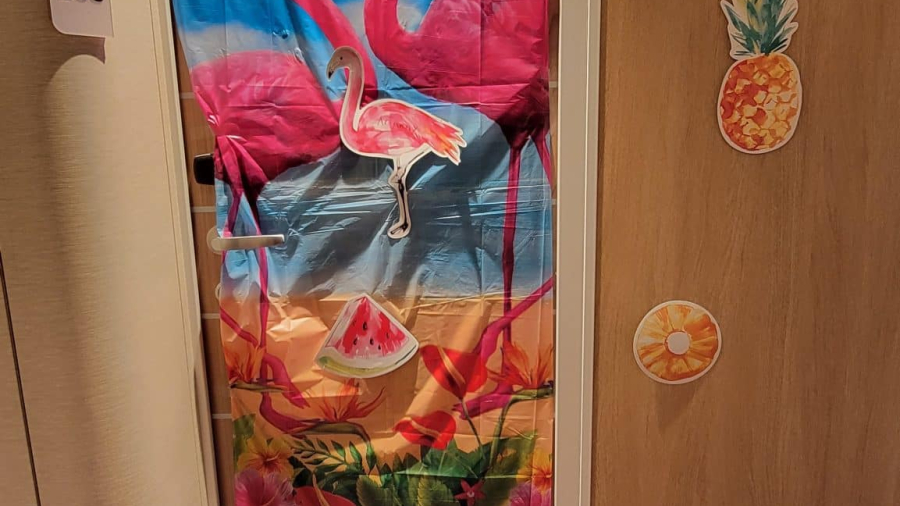
It’s worth exploring other symbols or signals swingers may use to identify each other, such as pink flamingos. Yes, Pink Flamingos is another secret sign.

You may also find other symbols or codes more prevalent in the swinging community today. It’s important to note that not all swingers use symbols or codes, and some prefer to keep their lifestyle completely private.

Does Clothing with Pineapples on it Automatically Identify Someone as a Swinger?

The answer is no. While pineapple clothing may be a strong sign that someone could be involved in the swinging community, it’s not a definite indicator. Every day, many individuals wear clothing with pineapples on them without having any associations with pineapple meaning the swinger lifestyle.

Is it recommended not to wear clothing with pineapple prints?

Although wearing pineapple clothing at swinging party doesn’t necessarily mean you’re part of the swinging community, it’s understandable that some may feel uncomfortable and want to steer clear of it.

There’s always the possibility of an awkward encounter or mistaken assumptions if someone unfamiliar with the swinger code approaches you based solely on your clothing.
However, if you still want to wear your favorite pineapple clothes, there are ways to do so while being prepared for any potentially uncomfortable situations.

You can politely explain the meaning behind the symbol if questioned or brush off any assumptions made by others without needing to disclose your personal lifestyle choices.

What other symbols are used to identify swingers?

While the upside-down pineapple has gained widespread recognition as a symbol of the swinging lifestyle, it is not the only symbol used for this purpose on cruise ship.

Various jewelry pieces can also signal to others that someone is a part of the swinger community, with anklets, toe rings, and thumb rings being the most obvious way common examples.

You may even see the occasional upside-down pineapple tattoo as you stroll on an open cruise ship deck. A Flamingo and Pink Flamingoes have also been reportedly used as secret symbols to find like-minded people for parties and sexual partners, partner swapping on cruise ships and elsewhere.

A Black Ring

Some in the swinger community also use a black ring to signify their lifestyle. Usually made of either metal or rubber, this black ring is worn on the right middle finger and can signal to others that the wearer is part of the swingers’ scene. 

Unicorns

Unicorns, also known as single ladies, are growing in the swinger community. While not part of a couple, these women still seek out sexual encounters with couples and other single swingers.

Unicorns often use symbols to identify themselves, such as a black ring on the left middle finger or a necklace with an upside-down pineapple hanging from it. 

Garden Gnomes

Garden Gnomes have recently become a subtle symbol associated with the swinger lifestyle. While garden gnomes are often seen as a decorative items in many gardens, they are also used to indicate that the homeowner is part of the swinging community. 

Strong Emoji Usage

Stay on the lookout for the strong usage of pineapples and unicorns, and you may find swinging couples or unicorn-seeking couples for play. This is often most used on dating apps but may spill over into other social interactions.

The History of Pampas Grass and Swinging

Pampas grass has long been associated with the swinger lifestyle. Many believe it was first used as a signal to other swingers in the 60s and 70s during the sexual revolution when it was used to decorate the backyards or gardens of people who were part of the scene. 

Pineapple Upside-Down Swingers FAQ

What makes the pineapple famous?

The pineapple has become a widely recognizable symbol of the swinging lifestyle, but its history goes beyond the secret signals. The pineapple is often used to symbolize hospitality and welcome others into one’s life. Many cultures also see it as a sign of good luck and fortune. In some countries, it is even customary to gift someone with a pineapple when visiting their home for the first time.

What do Pineapple Tattoos stand for?

Pineapple tattoos have long been associated with the swinging lifestyle, although they can represent different meanings to different people. For some, it may symbolize hospitality and welcoming others into their lives.

For swingers, it is a sign of openness to alternative lifestyles. Alternatively, it could be simply a fashion statement or a way for like-minded people to recognize each other without having to disclose too much information.

What Are Swingers?

Swingers are couples or individuals engaging in partner-swapping, often outside a committed relationship. This lifestyle choice is typically born from a desire to explore different sexual experiences and can involve multiple partners.

Swingers may meet up at physical locations such as resorts, campgrounds, cruise ships, or virtually through dating sites. It’s not uncommon for swingers to use symbols to identify themselves, such as the upside-down pineapple.

Is the Swinging Lifestyle Common?

The swinging lifestyle is not as typical as some may assume. Although it has been around since the 1970s, there are still misconceptions and stigmas attached to it. Many people choose to keep their involvement in the swinging community private for fear of being judged or ridiculed.

In fact, some couples who participate in the lifestyle don’t even identify themselves as swingers but instead describe themselves as “open-minded.”

Is there any connection between swinging and the pineapple upside-down cake?

cake, pineapple, upsidecake, pineapple, upside
Upside Down Pineapple Meaning On A Cruise Ship? 16

The pineapple upside-down cake is an iconic dessert that has been around for decades. Although it likely originated from a recipe book, its popularity has recently increased.

Some suggest that the upside-down pineapple cake is connected to the swinging lifestyle because it resembles an inverted pineapple, often used by swingers as a secret code or symbol. However, it’s more likely that the cake was created to take advantage of the sweetness and tartness of the pineapple fruit.

What does the upside-down pineapple mean on a cruise?

The upside-down pineapple symbol is associated with swinging or the world of non-monogamy.

Why do people use the upside-down pineapple symbol on a cruise?

People use the upside-down pineapple as a secret code for swinging or to indicate their involvement in the swinger community.

Should I avoid wearing clothes with the upside-down pineapple motif on a cruise?

It’s recommended to avoid wearing clothes or accessories with the upside-down pineapple symbol if you are not involved in the swinging lifestyle to prevent any misunderstandings.

What are the final words regarding the use of the upside-down pineapple symbol on a cruise?

If you are not part of the swinger community, it’s best to refrain from using the upside-down pineapple symbol to avoid any misconceptions or uncomfortable situations.

What is the original meaning of the upside-down pineapple symbol on a cruise?

The exact origin of the upside-down pineapple as a secret code for swinging is not clear, but it is commonly used as a discreet way to signal participation in the swinger lifestyle.

How is the upside-down pineapple symbol used to signal involvement in swinging on a cruise?

The upside-down pineapple symbol can be worn as a badge, attached to clothing, displayed on a door, or used in other subtle ways to indicate an interest in the swinger community.

Is the presence of swingers indicated by wearing pineapples on a cruise?

Yes, many people wear or display the upside-down pineapple symbol to signal their involvement in swinging or to seek out swinger parties while on a cruise.

What should I know about the use of the upside-down pineapple symbol on a cruise if I am not part of the swinging community?

If you are not part of the swinger community, it’s important to be aware of the significance of the upside-down pineapple and to be cautious about its use to avoid misunderstandings or awkward encounters.

Are children present on cruises where the upside-down pineapple symbol is used?

Yes, there are often children present on cruises, so it’s important to be mindful of the implications of wearing or displaying the upside-down pineapple symbol in such environments.

Can the use of the upside-down pineapple symbol on a cruise lead to overly awkward encounters?

Wearing or using the upside-down pineapple symbol inappropriately can lead to overly awkward encounters or overly friendly interactions, particularly if you are not involved in the swinging lifestyle.

Final thoughts

To summarize, various symbols common accessories, and signs indicate an individual’s involvement or interest in the swinger lifestyle.

The upside-down pineapple is mainly associated with swinging, but it is crucial to consider the context before drawing any conclusions. While it may be a secret code for swingers among some groups, a pineapple upside down could represent friendship, hospitality, and good fortune in other instances.

Remembering that a single symbol or sign cannot always convey one specific meaning is essential. The same sign may have different connotations depending on the situation, region, or culture. So, it’s best to carefully consider the context before jumping to conclusions.

Source link

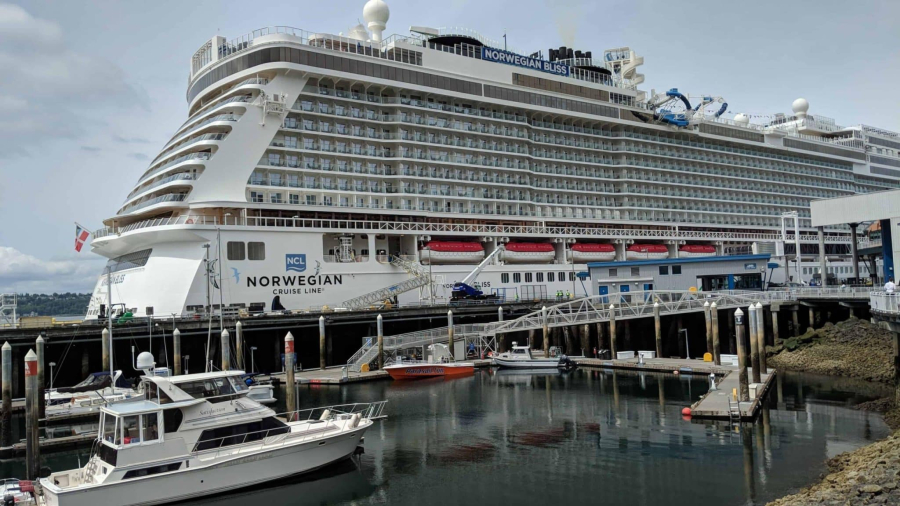
NorwegianBliss-scaled-scaled.jpg

7 Mistakes To Never Make When Booking Your Cruise 

First-time cruisers aren’t the only travelers who are likely to mistakes when booking your cruise. Most of us have discovered some new things – perhaps learning the hard way – that we wished we had known before buying our cruises. 

Booking Your Cruise

No matter how many sailings you’ve been on, you can always gain useful knowledge or pick a few new tips and tricks to make your voyage is as smooth as possible. Check out our seven mistakes you should never make when booking your cruise.

Not Asking About Drydock Schedules

Ships routinely get refurbished. If you sail right before or right after the ship is scheduled to be overhauled during a drydock session, contractors could realistically be cruising with you and working on the ship while you are trying to enjoy your vacation. Also, certain public areas and attractions might even be shut down.  

Cutting it Too Close

Don’t fly into your port city to join the cruise on embarkation day. If you are embarking or disembarking at a cool destination, like New York City, Rome or Miami, for example, you’ll want to make sure you plan for enough time to explore these top travel spots. Coming in a day before your cruise starts also ensures that flight delays don’t cause you to miss the ship.  

Picking the Wrong Cabin

Check the ship’s layout and aim to book a cabin that isn’t directly above, below or next to a busy area. The map of cabin locations and details is typically available on a cruise line’s website.  

You don’t want to hear clanking pots and pans from the kitchen, blaring tunes from the disco or chairs scraping the floors while you’re trying to enjoy some peace and quiet in your stateroom. If you are prone to seasickness, book a cabin in the middle of the ship on a lower deck. Have mobility issues? Maybe you want to be near the elevators.

Ignoring the Calendar

It’s not necessarily a mistake to sail in hurricane season, but don’t be surprised if seas get stormy (hello, seasickness) during your voyage. You’re more likely to have your itinerary altered and should consider travel insurance (with coverage for hurricanes or severe weather disruption) when you book for hurricane season (from June through November). Also, if you sail during spring break, expect the ship will be packed with partiers and families with kids. Cruises during summer and other holidays also mean it’s more likely that you will find larger groups of families traveling with children onboard.

Cruise CompeteCruise Compete

Not Monitoring Prices

To get your best deal, book during special cruise sales, which often run during wave season (a cruise line deals period that runs roughly from January to March) or around holidays. Consider a travel agent who specializes in cruises to help monitor when fares drop. They can ensure you don’t miss special promotions, such as onboard credit and drinks packages. Cruise travel professionals also often thank you for your business by offering goodies like onboard credit or other cruise perks.

Inaccurate Budgeting

Your costs don’t end when you send the final payment for your listed cruise fare. Onboard, be ready to pay for drinks, gratuities, excursions, specialty dining, and souvenirs.  

Choosing the Wrong Ship 

Ship vibe and layout is important. Some are more luxurious, others offer more activities and amenities (like waterslides, rock climbing walls, go-kart tracks, Escape Rooms and laser tag). Maybe you want a ship with fun and interactive youth programs for your kids and teens. Or maybe you seek great food and service with a low-key, relaxing environment on a cruise that focuses on fantastic itineraries. 

Make sure you’re getting onto a ship that has a good array of activities and amenities that you and your family will enjoy.

Plan Your Trip?

Need help planning a trip? Check out these helpful links:


This article is brought to by Cruise Compete. CruiseCompete.com allows you to easily compare multiple offers from Cruise Experts


Source link

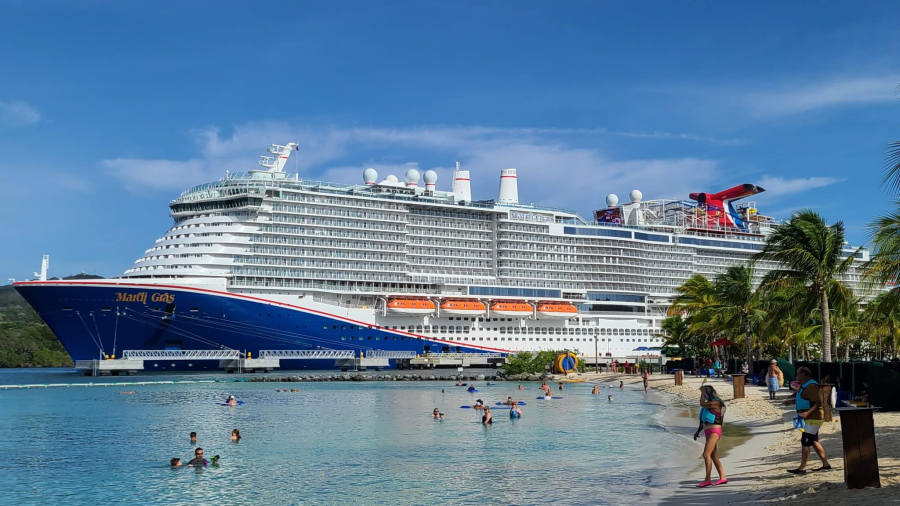
carnivalcruiseshiproatan-scaled.jpg

Carnival Will Soon Open New Cruises in 2026-2027 for Bookings

Carnival Cruise Line, the world’s second largest cruise line, currently has cruises through June 2026 open for bookings.

Our free cruise newsletter offers the latest news and deals: Sign Up

Carnival Cruise Line sent out an email to travel agents regarding new cruises that would soon open for bookings. The email was signed by Adolfo Perez, Carnival’s SVP of Global Sales & Trade Marketing.

The new Carnival cruises that will open for bookings will set sail in the second half of 2026 and in 2027.

The email said:

“We know planning a Carnival cruise as early as possible is always the right choice for your clients. That’s why we wanted to let you know that coming soon more new sailings for 2026 and 2027 are joining the list.”

Carnival did not give a date when these new sailings will open for bookings but Cruise Fever will have a complete rundown of these new Carnival cruises when they do.

Source link

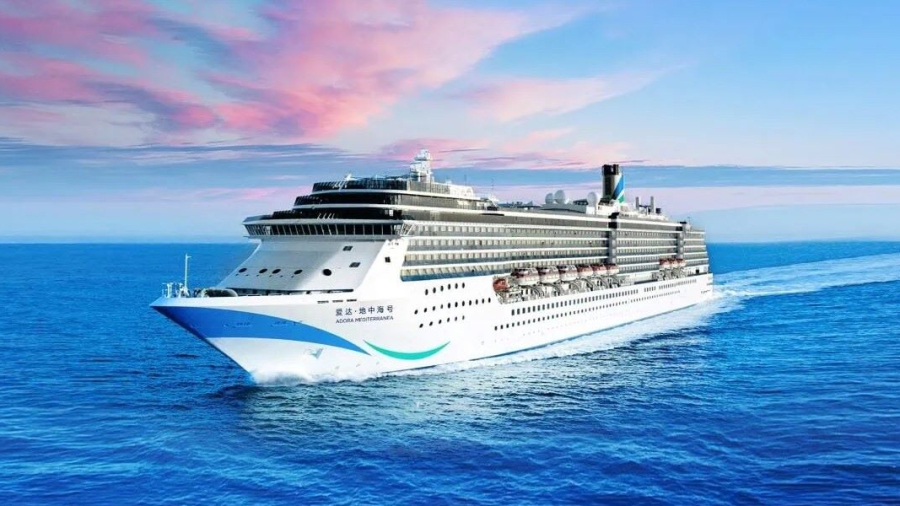
Adora-Mediterranea-1.jpg

Air Conditioning Failure Causes Fire On Cruise Ship With Three Crew Injured

A cruise ship caught fire while docked in Jeju, South Korea this week, with three crew members injured as a result.

Adora Mediterranea

The Adora Mediterranea, sailing for Chinese-American cruise line Adora Cruises, was visiting Jeju as planned when a fire broke out in the engine room.

It’s not fully clear what caused the fire to start, but a letter from the cruise line to guests onboard said that it was due to a failure of air conditioning systems.

The fire did reach some guest areas but was brought under control by the onboard safety systems, including the sprinkler system.

Three crew members suffered from smoke inhalation and were treated, but as most guests were ashore, that was the extent of the human injury.

The ship remained docked in Jeju for an additional day for repairs, with guests given a free tour of the destination as a thank-you and free hotel stays while the ship was briefly repaired and certified. This did mean that a visit to Fukuoka in Japan was unfortunately cancelled.

Following the repairs into the next day, the ship was then deemed safe to sail and set off for her home port of Tianjin in China.

As compensation for the issues, guests have been refunded all hotel service fees along with a 50% refund of the total cost of the cruise. They will also receive 400 RMB (around £43/$56) for the cancelled port visit to Fukuoka, as part of cruise travel protection that’s automatically in place for all guests.

NEW DEALS JUST RELEASED!

Don’t miss these hot cruise offers…

Related posts

If you found this interesting, please share!

Cruise Mummy

Jenni Fielding is the founder of Cruise Mummy. She has worked in the cruise industry since 2015 and has taken over 30 cruises. Now, she helps over 1 million people per month to plan their perfect cruise holidays.

Read more about me

Princess Cruises has announced that its Premier cruise fare will now offer guests even more benefits, although for US guests the price of the package will also increase. The updated…

Carnival Magic

Carnival Cruise Line was forced to issue a rare passenger alert on Tuesday 14th August, as it had to cut short its visit to Grand Turk. Due to deteriorating weather…

MSC Armonia

MSC Cruises and its sister brand, Explora Journeys, have adopted innovative “smart containers” to enhance the quality and freshness of food delivered to their cruise ships. These smart containers utilise…

Virgin Voyages Solar Eclipse

Virgin Voyages has announced an exciting new selection of Eclipse Voyages for 2026, perfect for any guests who want to experience a total solar eclipse. These cruises, designed to take…

Source link

Symphony-of-the-Seas-exterior1-1-1.jpg

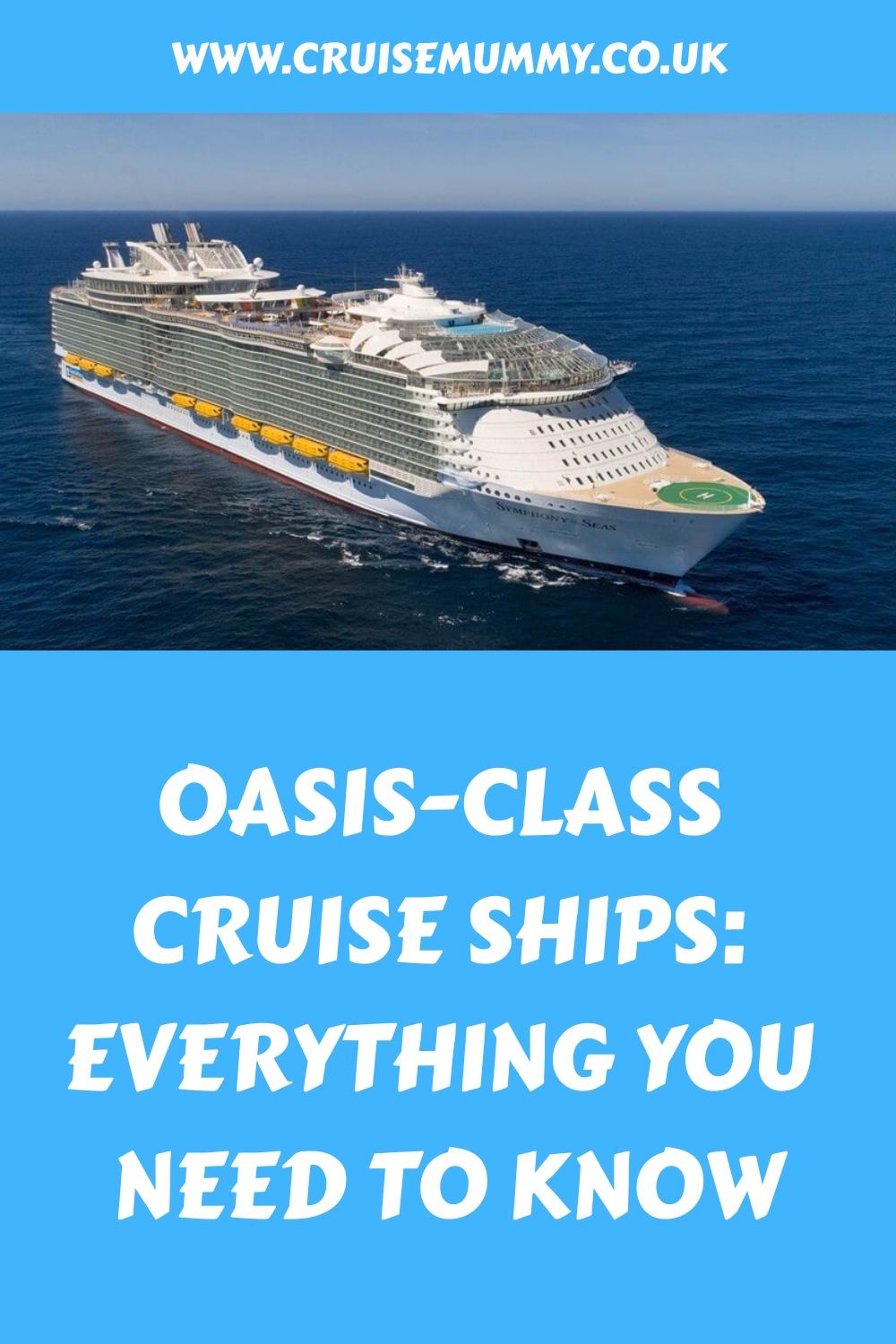
Everything You Need to Know

Royal Caribbean set out to make the largest cruise ships in the world to ever sail the seas, and with the Oasis class, they succeeded.

Oasis-class cruise ships are five times the size of the Titanic, with a whole range of activities on board that you may have never dreamed to find on a ship. They’ve been surpassed by Icon of the Seas now for size, but they’re still some of the most impressive ships in the world.

You don’t need to be intimidated by their size because the Oasis-class ships have revolutionized cruising.  So, read on to learn everything you need to know about the Oasis-class cruise ships before going on your next cruise.   

The Oasis-class ships

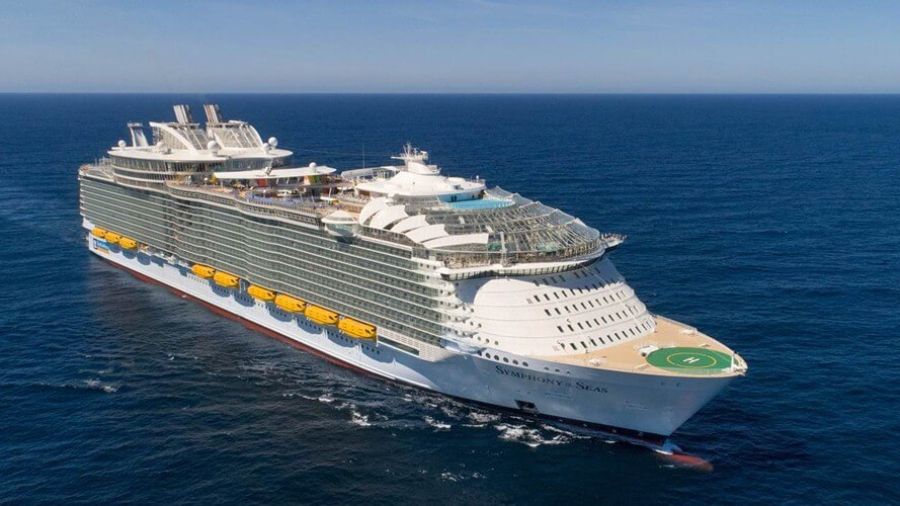
There are currently six Oasis-class ships – Oasis of the Seas, Allure of the Seas, Harmony of the Seas, Symphony of the Seas, Wonder of the Seas, and Utopia of the Seas. Another is set to be launched in 2028 as well.

Here is a table of the launch dates for each of the Oasis Class ships in order:

Ship Launch Date
Oasis of the Seas December 5, 2009
Allure of the Seas December 1, 2010
Harmony of the Seas May 29, 2016
Symphony of the Seas April 7, 2018
Wonder of the Seas March 4, 2022
Utopia of the Seas July 19, 2024
TBC 2028

The ships are massive!

Oasis-class cruise ships are some of the biggest in the world, just behind the Icon class, with an internal volume of between 225,282 and 236,857 GT. Each ship is between 1,184 and 1,188 feet long and can accommodate between 6,680 and 6,988 guests.

To see how Oasis-class ships compare to others in the Royal Caribbean fleet in terms of size, be sure to check out my guide: Royal Caribbean Ships by Size.

And to learn more about the difference between the Oasis class and the Icon class, check out this guide: Icon Class Vs Oasis Class.

Destination options for Oasis-class cruising

Oasis-class ships sail mostly around the Caribbean and the Bahamas, including Royal Caribbean’s private island ‘Perfect Day at CocoCay’, but there are also some cruises available in the Western Mediterranean.

Oasis-class ships at Perfect Day at CocoCay
  • Oasis of the Sea sails from Fort Lauderdale and Miami during winter months, and either Rome or Barcelona in the summer.
  • Allure of the Seas is similar to sister ship Oasis – she has summer cruises sailing from Barcelona and Rome, and in the winter she sails from either Miami or Port Canaveral.
  • Harmony of the Seas sails from Galveston in Texas year-round.
  • Symphony of the Seas is always based on the US east coast, either from Fort Lauderale or Miami in Florida, or Cape Liberty in New Jersey.
  • Wonder of the Seas sails out of Port Canaveral all year round.
  • Utopia of the Seas sails out of Port Canaveral throughout the year.

NEW DEALS JUST RELEASED!

Don’t miss the latest Royal Caribbean offers…

The Oasis-Class neighbourhoods

With the Oasis-class, Royal Caribbean introduced the idea of neighbourhoods by making distinct themed areas on the ship. Regardless of which Oasis-class ships you decide to cruise on, there are seven neighbourhoods that are named the same and have almost identical shops, bars, restaurants, and activities.  

So, let’s take a look at what you can expect…

1. Boardwalk

The Boardwalk on the Oasis-class ships is a high-energy neighbourhood reminiscent of Coney Island and other fun piers and boardwalks worldwide. 

This neighbourhood is the perfect area for families looking for an escape or anyone young at heart. With classical carnival games, a wooden carousel and Johnny Rockets hamburger bar, you might forget that you’re on a cruise ship at all. 

At the end of the Boardwalk, you’ll find the amphitheatre-style AquaTheater where performers showcase their incredible skills, diving from the very top of the ship into the deepest pool at sea.

2. Central Park

Central Park is a great place to get away from the hustle and bustle of your Oasis-class ship and decompress. It’s a quiet area full of greenery where you can read a book, meander through the flower gardens or go shopping at high-end shops.  

Within Central Park, you’ll find speciality restaurants like Chops Grille and 150 Central Park, offering world-class dining. If wine tasting is on your to-do list, don’t forget to check out Vintages for wines from around the world. 

With full-size trees and more than 10,000 plants and flowers, Central Park is the place to go if you are wanting to unwind and connect with nature.

3. Entertainment Place

Imagine this being the theatre district of the cruise ship. This neighbourhood is the place to find all the nightlife. Jazz On 4 offers live jazz and blues in a speakeasy-style cocktail lounge that feels like it was pulled directly from the Prohibition-era Chicago.  

There are also karaoke sessions and a comedy club at On Air Club. But the crown jewel of Entertainment place is the performances offered in the Main Theater.

Would you rather catch a performance on ice? Look no further than Studio B. Feeling lucky? Head over to the Casino Royale. 

4. The Royal Promenade

I remember being shocked when I first saw a car on a cruise ship on my first cruise on Allure of the Seas. But with a ship as big as this, there’s room for plenty more.

The Royal Promenade is the heart and soul of the Oasis Class cruise. With restaurants, shops and bars, this high-energy neighbourhood offers entertainment for the whole family. 

Keep an eye open for costumed performers, parades and live musicians throughout the neighbourhood.  Several Guest service kiosks are located here too, should you need any help.

5. The Pool and Sports Zone 

The Pool and Sports Zone is the perfect place for adventurers and families. Here, you’ll find four types of pools, two FlowRider surf simulators, mini-golf, an adults-only Solarium and courts for soccer, volleyball and basketball.

Wanting something even more heart-poundingly fun? Try the zipline that sends you flying over 95 feet above the Boardwalk! This neighbourhood is also where you’ll find the Splashaway Bay or H20 Zone waterparks.

The first Oasis-class ships didn’t have waterslides or the Ultimate Abyss dry slide. These were added to Oasis of the seas during a refurbishment in 2019. The plan was to refurbish Allure of the Seas in 2020, but this was postponed, though we do know it’s happening in 2025 and yes, Allure of the Seas will finally get the Ultimate Abyss!

6. Vitality at Sea Spa and Fitness Center

The spa is a must-stop for everyone looking for some rest and rejuvenation at sea. Get everything from massages, acupuncture and facials. There are also fantastic steam rooms and saunas. 

Travelling with teens? The Vitality Spa even has a separate spa, the Y spa, for those aged 13 and over to get some pampering.   

If you want to keep your exercise routine or try out some exercise classes, definitely stop in at the fitness centre. In this state-of-the-art gym, you can join a group exercise class or do your normal workout on the sea. 

7. The Youth Zone

Our last neighbourhood is the Youth Zone. This neighbourhood is a great place for kids to make friends on the cruise. There are educational activities, games and events, all designed with individual age groups in mind. 

Royal Caribbean has an award-winning Adventure Ocean program for kids aged 3 to 17. There are also programs for babies and toddlers from 6 months old to 36 months old. 

Be sure to take advantage of this neighbourhood to get some alone time to do all the fun adult activities on the ship. Royal Caribbean even has a late-night ‘party zone’ for kids, so you can leave then until 2 am while you spend your time in the casino or nightclub.

The ships are not identical sisters

The Oasis-class ships are all very similar to each other, but not exactly the same. There are some differences like how the water park looks, which restaurants are available and which shows you can see in the theatre.

Oasis-class ships
Oasis-class ships

The newer Oasis-class ships tend to have more features. Royal Caribbean’s plan was to upgrade the older ships like Oasis of the Seas and Allure of the Seas to bring all of the Oasis-class ships in line.

However, while Oasis of the Seas was indeed upgraded in 2019 with the Royal Amplification program, the plans to upgrade Allure of the Seas in 2020 were put on hold due to the global pause.

She is finally getting those upgrades in 2025, though.

Suggested read: Allure of the Seas Vs Oasis of the Seas

If you want to try out the Bionic Bar and have your drink poured by a robot bartender, then choose Harmony, Symphony or Wonder, as this also isn’t available on the older Oasis-class ships. However it also isn’t available on the newest ship, Utopia of the Seas.

Bionic Bar
Bionic Bar

The newest three Oasis-class ships also have virtual balconies. This is basically an inside cabin with a large TV screen to give the illusion of a balcony.

Wonder of the Seas and Utopia of the Seas have some extra facilities that you won’t find on the other Oasis-class ships. These include the Suite Class Neighbourhood, which is a VIP area only for guests staying in Suites, an underwater-themed adventure playground and a new cantilevered bar called The Vue.

Suggested read: Royal Caribbean Suite Perks

The Suite Sun Deck on Wonder of the Seas

And Utopia of the Seas did add some new features of her own too, with Royal Railway – Utopia Station perhaps the most notable. This is an immersive dining experience set in a rail carriage onboard, with the ‘windows’ showing off the surrounding Wild West scenery as you eat.

Here’s how the Oasis-class ships compare to some of the other Royal Caribbean classes

You may be wondering how the Oasis-class ships differ from other Royal Caribbean ships you may have sailed on before. Let’s take a quick look at the major differences in Royal Caribbean’s ship classes. 

Oasis Class Vs Icon Class

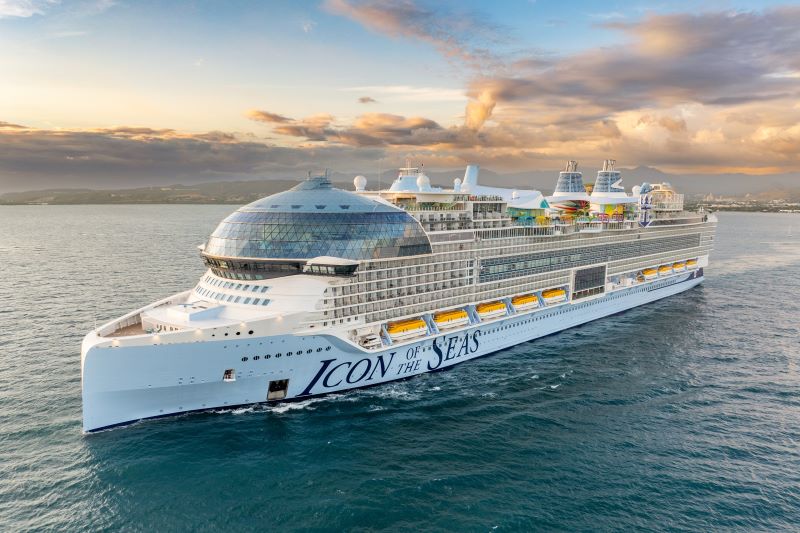
For many years, the Oasis-class ships were the biggest in the fleet, but that record can’t last forever. Icon of the Seas, the first Icon-class ship, took that title away in early 2024.

Royal Caribbean's Icon of the Seas luxury cruise ship sailing at dusk, with its name visible on the hull and a calm sea in the background.

The Icon-class ships aren’t just bigger – they offer a whole host of new features aimed at families, along with new innovations for existing features borrowed from the Oasis-class ships.

Read more: Icon Class Vs Oasis Class

Oasis Class Vs Quantum Class

Quantum ships are notably smaller than Oasis-class ships, carrying 1,500 to 1,800 fewer guests. They have different facilities with Quantum featuring the skydiving simulator, North Star observation capsule and bumper cars but no zip line, waterslides or carousel.

Quantum of the Seas
Quantum of the Seas

The cabins on the Quantum ships are slightly larger than the Oasis class cabins, but we are talking less than a 10% difference, so you’re unlikely to notice. 

You can catch off-Broadway shows on both ships for entertainment, but the Oasis-class ships also offer the AquaTheater, where you get the most incredible aerial and underwater performances.

Unique to Quantum-class ships is the SeaPlex. Activities here include bumper cars, roller skating and circus school.

Read more: Quantum Class Cruise Ships Guide

Oasis Class Vs Freedom Class

Freedom-class ships are 31% smaller than Oasis-class ships, with space for around 4,500 guests compared to around 6,600 on Oasis-class. They’re older too, being built between 2006 and 2008, whereas new Oasis-class ships are still being constructed presently.

Independence of the Seas

Despite the smaller size and advancing age, the Freedom-class ships, Freedom of the Seas, Liberty of the Sea and Independence of the Seas do still have a lot to offer, especially since undergoing the ‘Royal Amplification’.

Highlights that have been added to Freedom-class ships include the SkyPad virtual reality trampolines, The Perfect Storm waterslides, an escape room and a laser tag arena.

With the Freedom-class ships, there are fewer dining options and less in the way of nightlife than on the Oasis-class ships. You could almost eat at a different place every meal on the Oasis-class ships, while on the Freedom-class you will most definitely be repeating dining spots. But that’s okay, especially if you prefer not to shell out extra for speciality dining.

Another difference between these classes of ships is the price.  Freedom-class ships offer a much cheaper cruise fare than the Royal Caribbean Oasis Class. This is important if you are trying to stick to a tight budget. 

NEW DEALS JUST RELEASED!

Don’t miss the latest Royal Caribbean offers…

Final thoughts 

Many people see the Oasis Class ships as the best Royal Caribbean cruise ships, due to their size and amenities, although that might change as the newer Icon-class ships cement their place as the biggest in the fleet. The neighbourhood setup has changed the game in cruise ships and has made cruising so much more fun. 

The only downside is cruising on Oasis-class ships is that the ticket prices tend to be higher than the smaller ships, particularly with newer ships like Wonder of the Seas or Utopia of the Seas. But, I think it is well worth the price considering the ships have more amenities than you could possibly explore in one cruise. 

Wonder of the Seas
Wonder of the Seas

If you found this interesting, please share!

Cruise Mummy

Jenni Fielding is the founder of Cruise Mummy. She has worked in the cruise industry since 2015 and has taken over 30 cruises. Now, she helps over 1 million people per month to plan their perfect cruise holidays.

Read more about me

Source link

The-Jahan_Lower-Mekong-River-1-scaled.jpg

Heritage Line Unveils 16th Anniversary Travel Deals

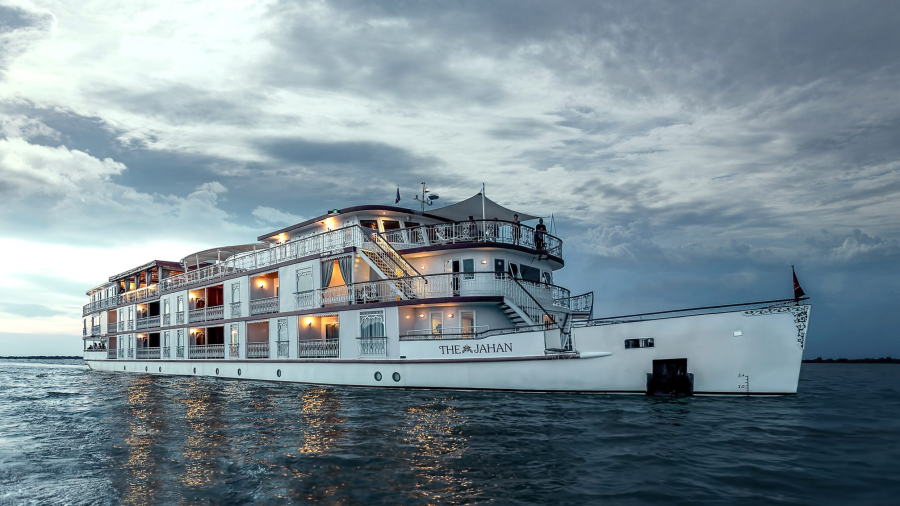
Sixteen years ago, Heritage Line began its journey with a single ship, the Javayarman, driven by the mission to share the rich culture of its founder’s homeland with visitors from abroad. Today, that humble beginning has evolved into a fleet of six magnificent vessels, each offering a unique voyage through Southeast Asia’s waterways.

16th Anniversary Travel Deals

To celebrate its 16th anniversary, Heritage Line is offering a unique travel package that allows families and solo travelers to experience the Mekong River at an exceptional discount. Bookings made between July 16 and September 16 will enjoy a 16% discount, with additional offers including:

  • 16% discount on spa treatments and the final beverage bill.
  • One complimentary 16-minute massage for parents per day.
  • Travelers celebrating their sixteenth anniversary within the booking window will receive a complimentary bottle of champagne and a room upgrade for their special occasion. Additionally, guests celebrating their sixteenth birthday will sail completely free!

Bookings for August 16 will also include an exclusive surprise gift upon boarding. This anniversary voyage will take guests between Siem Reap, home to the ancient Angkor temples, and Phnom Penh, Cambodia’s vibrant capital.

The 4-night cruise will feature stops such as Koh Chen, renowned for its intricate silver, copper, and brass jewelry, and Prek Bangkong, famous for its silk weaving community. Guests will gain a deep appreciation for Cambodia’s cultural heritage through engaging with local communities and savoring regional cuisine along the Mekong River.

This cruise offers the perfect blend of cultural exploration and relaxation. It includes guided tours through the history and culture of the Tonle and Mekong rivers, complemented by exquisite cuisine and spa treatments aboard one of Heritage Line’s artisan crafts.

You can learn more about this special promotion by clicking here and by also visiting www.heritage-line.com

Source link

unnamed-48.jpg

AmaWaterways Introduces New Stateroom Upgrade Program

AmaWaterways has announced the launch of its new Stateroom Upgrade Program*, allowing travelers to elevate their river cruise experience by upgrading to a higher-category stateroom. This innovative program will enable guests to enjoy enhanced space or breathtaking views, all through a simple and seamless process. Guests who have already reserved a river cruise can now participate in an online auction system to request and bid for stateroom upgrades.

Whether guests desire to relax on a private balcony or indulge in the luxury of a suite, this program provides the chance to name an ideal price for an upgrade on select sailings. Following a successful soft launch on AmaMagna, the program is available to U.S. guests on all ships in Europe, Egypt, and the Mekong. For more eligibility information and to check if a cruise is available for an upgrade, guests are encouraged to visit www.AmaWaterways.com/upgrade.

New Stateroom Upgrade Program

 “At AmaWaterways, we are constantly striving to enhance our guests’ experiences by offering innovative and personalized options,” said Kristin Karst, co-founder and executive vice president of AmaWaterways. “By introducing this bidding process, we empower our guests to choose enhancements that best suit their desires and budget, ensuring a more personalized and memorable journey. This initiative reflects our commitment to continually evolving our offerings to meet and exceed the expectations of our valued travelers.”

Eligible guests will receive an email around 85 days prior to sailing detailing the available upgrade options. They can then browse these options and place bids for the amount they are willing to offer, up until 7 days prior to departure. Placing multiple bids for different categories increases the chances of an upgrade, though only one accepted bid will be charged. A key feature of the Stateroom Upgrade Program is its no-risk bidding process. If a bid is accepted, both guests and their travel advisors are notified via email, and guests are charged for the upgrade.

If the bid is not accepted, guests retain their original stateroom without any additional costs. This program not only enhances the guest experience but also provides travel advisors with a unique opportunity to earn additional commission, as they receive 10% on accepted upgrades, benefiting both guests and advisors.

Cruising with AmaWaterways includes fine dining in multiple venues, including The Chef’s Table specialty restaurant, unlimited wine, beer, and soft drinks with lunch and dinner, a daily Sip & Sail cocktail hour with wine, beer, spirits and soft drinks, a daily variety of small group excursions, including hiking, biking and special interest tours, high-quality Wi-Fi, a complimentary Wellness Program in Europe and on the Mekong with a variety of host-led fitness classes, and much more.

*Terms and Conditions apply.

To reserve an AmaWaterways river cruise and land package for a client, call 1-800-626-0126 or access the Online Booking Engine on your Travel Advisor Portal on AmaWaterways.com.

Source link

Caribbean-1-scaled.jpg

Explora Journeys Announces New Caribbean Destination Experiences

Explora Journeys has unveiled a series of exclusive Caribbean destination experiences. Guests can discover these meticulously crafted experiences during their Caribbean journeys, blending celebrated destinations with off-the-beaten-path ports.

With EXPLORA II arriving in the Caribbean in November 2024 and EXPLORA I in December 2024, guests will have unparalleled opportunities to immerse themselves in the Caribbean’s breathtaking landscapes and vibrant cultures, all while indulging in exceptional luxury.

EXPLORA I and EXPLORA II will visit a varied array of destinations in the Caribbean until March 2025. These include Gustavia in St. Barts, Oranjestad in Aruba, and St. John’s in Antigua. Itineraries also feature ports such as Belize City, Bequia in the Grenadines, and Cozumel and Progreso in Mexico. Each destination is selected to provide a unique and enriching exploration experience.

New Caribbean Destination Experiences

“With our latest Caribbean Destination Experiences, we invite travelers to dive into a vibrant mix of tropical landscapes and diverse cultures. From snorkeling with a marine biologist in Curaçao to exploring the ancient Mayan city of Uxmal, every experience has been carefully crafted to showcase the true spirit of the Caribbean. Our team has designed these journeys to provide guests with enriching and unforgettable memories, tailored for small groups of 2–25 guests. This allows for more intimate exploration and the chance to discover hidden spots at a relaxed pace. Our goal is to offer guests a deep and meaningful connection with these captivating Caribbean islands.” stated Koray Savas, VP of Hotel Operations at Explora Journeys.

Highlight Destination Experiences include:

Explora Journeys Announces New Caribbean Destination Experiences | 15Explora Journeys Announces New Caribbean Destination Experiences | 15
New Caribbean Destination Experiences (Credit: Explora Journeys)

Willemstad, Curaçao:

Within Curaçao Natural Wonders, a Voyage of Learning

Guests can snorkel on the vivid reefs of Director’s Bay, encountering abundant marine life. They will learn from a marine biologist, about his foundation’s work to restore endangered coral reefs. The journey continues aboard the Pura Vida yacht to discover Curaçao’s rich natural environment and includes a visit to a tranquil mangrove reservoir, accessible only by boat, for hiking, swimming, and immersion in nature.

Saint-Pierre, Martinique, Lesser Antilles, French West Indies:

Privileged Access and Rum Tastings on the Rhum Clément Estate

In a small group, guests will discover Martinican rum culture at Rhum Clément, the birthplace of ‘rhum agricole.’ This includes a guided exploration of the large estate and its lush gardens, a tour of three rum cellars, and tastings of barrel-aged rum paired with delicious chef-crafted foods.

Gustavia, Saint Barthélemy:

Luxurious Beachside Relaxation and Lunch at Rosewood Le Guanahani

Guests can spend the day at the five-star Rosewood Le Guanahani resort, savoring a three-course meal on a golden sandy beach. This experience includes lounging in luxury and snorkeling in the crystal-clear Caribbean Sea, providing the ultimate in beachside relaxation and culinary delight.

Progreso (Merida), Mexico:

An Unforgettable Journey to Uxmal and Hacienda Xocnaceh

Guests will explore the ancient Mayan city of Uxmal, known for its stunning Puuc-style architecture and celestial alignments. They will see the Pyramid of the Soothsayer and the Palace of the Governor, enjoy an exclusive lunch of regional specialties in the open air of the former hacienda church, and partake in an authentic Mayan purification ceremony within the natural beauty of Xocnaceh.

Cozumel, Mexico:

Exclusive Flight Chichén Itzá

Highlights of this experience include a scenic 45-minute flight over the Caribbean Sea and Yucatán Jungle, landing minutes from the ruins. Arriving before the daily influx of visitors allows for a more intimate and immersive experience. A knowledgeable guide will lead guests through the history and architecture of this ancient city.

Guests can book these exclusive destination experiences via the Explora Experience Centre, their preferred travel advisor, or directly on the Explora Journeys website.

To learn more about Explora Journeys, visit explorajourneys.com

Source link