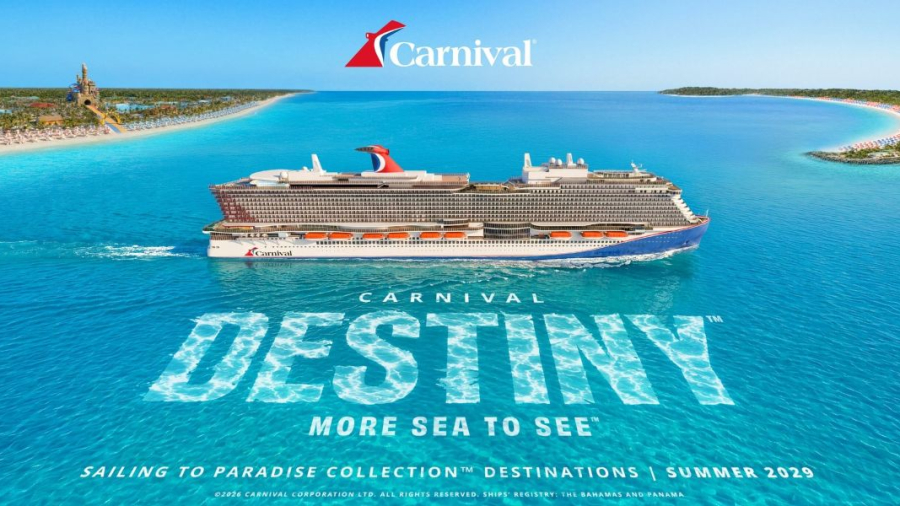
Carnival-Destiny-New-Ship-2029.jpg

Carnival Cuts Steel On New Ace-Class Ship Carnival Destiny


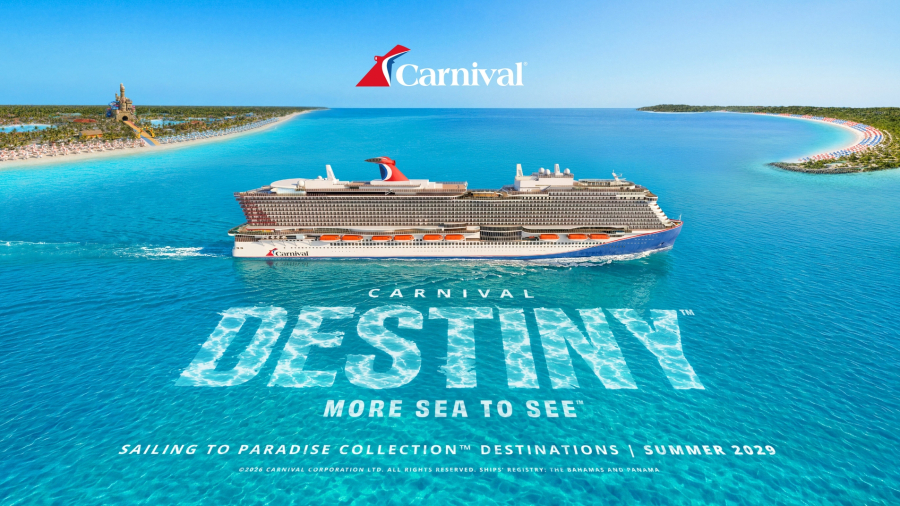
Carnival Cruise Line has officially begun construction on Carnival Destiny, the first of three revolutionary Ace-Class ships that will become the largest vessels ever built in Italy. The steel cutting ceremony took place in Monfalcone, Italy, marking the start of a new era for the popular cruise brand with deliveries scheduled through 2033.

The Ace-Class ships represent a dramatic departure from traditional Carnival vessel design, with 70 per cent of public venues being entirely new concepts developed specifically for this class. This substantial redesign reflects the cruise line’s commitment to evolving passenger preferences and contemporary leisure trends.

Carnival Destiny New Ship 2029

Industry observers note that such a high percentage of new venues is unusual in cruise ship development, where lines typically carry forward successful concepts from previous classes whilst introducing select innovations. The decision to reimagine nearly three-quarters of public spaces demonstrates Carnival’s confidence in its vision for the future of mass-market cruising.

Carnival President Christine Duffy emphasised during the steel cutting ceremony that these vessels are specifically engineered to enhance the guest experience at sea through innovative design approaches. The focus on passenger-centric amenities comes at a time when competition in the contemporary cruise segment has intensified significantly.

Enhanced Ocean Views Drive Architectural Philosophy

A defining characteristic of the Ace-Class ships will be their unprecedented emphasis on ocean-facing spaces, offering more connection to the sea than any previous Carnival vessel. This architectural philosophy responds to passenger feedback consistently indicating that ocean views rank among the most valued aspects of cruise holidays.

The design team has worked to maximise sightlines throughout the vessels, ensuring that guests encounter sweeping vistas from multiple vantage points as they move through public areas. This approach marks a shift from the inward-facing atriums and enclosed entertainment venues that have characterised some contemporary cruise ship designs in recent years.

Naval architects have noted the engineering challenges inherent in creating extensive ocean-facing spaces whilst maintaining the structural integrity required for modern mega-ships. The Ace-Class design apparently overcomes these obstacles through innovative engineering solutions that will likely influence future cruise vessel development across the industry.

The emphasis on natural light and sea views also aligns with broader hospitality trends towards biophilic design, which incorporates natural elements to enhance guest wellbeing and satisfaction. Carnival’s adoption of these principles suggests the cruise line is positioning itself to appeal to evolving consumer expectations.

Three-Ship Order Extends Through 2033

Carnival has committed to three Ace-Class vessels with an ambitious delivery schedule spanning five years. The first ship, Carnival Destiny, is scheduled for delivery in 2029, followed by sister ships in 2031 and 2033.

This measured rollout allows Carnival to incorporate feedback from each vessel’s inaugural seasons into subsequent builds, a strategy that has served cruise lines well historically. The construction timeline also provides financial flexibility, spreading capital expenditure across multiple years whilst maintaining a steady pipeline of new tonnage.

The three-ship order represents a significant investment in Carnival’s future and demonstrates confidence in long-term cruise demand. Industry analysts have noted that such extended construction programmes require careful market forecasting and substantial financial commitments from cruise operators.

By spacing deliveries two years apart, Carnival ensures it can adequately resource the marketing, crew training, and operational preparations required for each new vessel. This approach contrasts with some competitors who have taken delivery of multiple ships within single calendar years, occasionally straining organisational capacity.

Monfalcone Shipyard Takes On Largest Italian Cruise Project

The construction is taking place at the renowned Fincantieri shipyard in Monfalcone, Italy, a facility with a distinguished history of cruise ship construction dating back decades. The Ace-Class vessels will be the largest cruise ships ever built in Italy, surpassing previous records held by other notable vessels constructed at Italian yards.
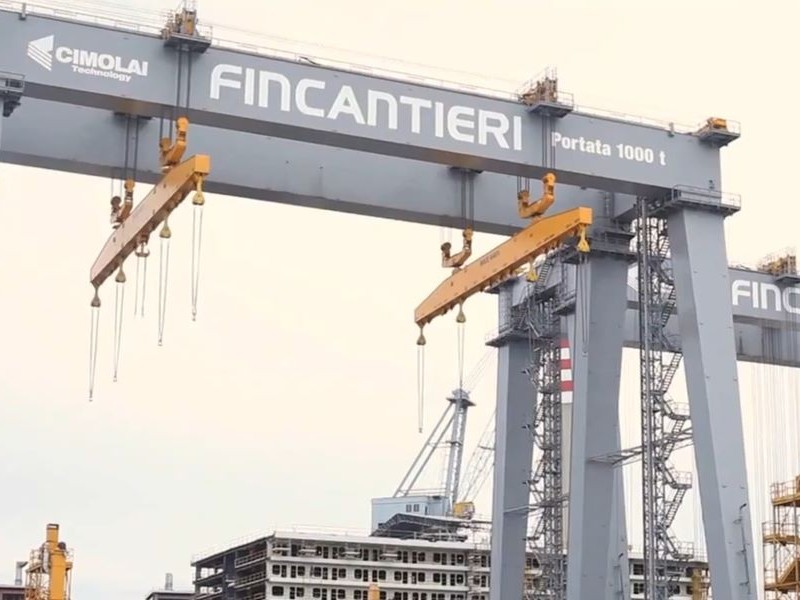
Fincantieri Shipyard

Fincantieri has built numerous ships for Carnival Corporation brands over the years, establishing deep expertise in the company’s requirements and standards. The relationship between Carnival and the Italian shipbuilder represents one of the cruise industry’s most enduring partnerships.

The Monfalcone yard has undergone significant expansion and modernisation to accommodate increasingly large cruise vessels. The facility’s location on the Adriatic provides protected waters for construction and sea trials, whilst its proximity to specialised maritime suppliers throughout northern Italy facilitates efficient procurement of components and materials.

Italian shipbuilding has maintained a competitive advantage in cruise vessel construction through a combination of skilled craftsmanship, engineering excellence, and established supply chains. The Ace-Class order reinforces Italy’s position as a global centre for cruise ship construction alongside yards in France, Germany, and Finland.

Carnival Destiny Name Connects To Brand Heritage

The selection of Carnival Destiny as the name for the first Ace-Class ship carries particular resonance for the cruise line and its loyal passengers. The name Destiny has appeared in Carnival’s fleet previously, creating a connection to the brand’s history whilst launching its newest chapter.

Cruise line naming conventions often balance innovation with tradition, selecting names that honour heritage whilst signalling new directions. By choosing Destiny, Carnival creates continuity with past vessels that have carried the name, potentially appealing to nostalgic cruisers who sailed aboard earlier ships.

The name also carries symbolic weight, suggesting determination and forward momentum – themes appropriate for a vessel class that will define Carnival’s future for decades. Marketing teams will undoubtedly leverage these associations as they develop campaigns around the ship’s debut.

Names for the second and third Ace-Class vessels have not yet been announced, though speculation among cruise enthusiasts has already begun. Carnival typically reveals ship names well in advance of delivery, building anticipation and allowing time for comprehensive marketing programmes.

Live Event Marks Construction Milestone

Carnival chose to mark the steel cutting ceremony with a live event, recognising the significance of this construction milestone. Such ceremonies are traditional in shipbuilding, serving both symbolic and practical purposes as physical construction begins.

Carnival Destiny Live Event Steel Cutting

The steel cutting specifically refers to the moment when the first section of hull plating is cut to begin vessel assembly. Modern cruise ship construction employs modular techniques, with large sections built separately before being joined together in the dry dock.

By hosting a live event, Carnival generated immediate media coverage and social media engagement around the Ace-Class project. The cruise line’s leadership, including President Christine Duffy, participated in the ceremony, underscoring corporate commitment to the new class.

These milestone events also serve internal purposes, boosting morale among shipyard workers and Carnival employees whilst creating memorable moments that become part of corporate history. The ceremony in Monfalcone would have included shipyard leadership, local dignitaries, and possibly travel partners or media representatives.

Ace-Class Positions Carnival For Future Competition

The introduction of the Ace-Class ships represents strategic positioning as Carnival faces evolving competitive dynamics in the contemporary cruise segment. Rival lines have announced significant newbuild programmes of their own, making fleet renewal essential for maintaining market position.

The decision to create an entirely new class rather than building additional ships of existing designs signals Carnival’s determination to differentiate its product offerings. With 70 per cent new venues and unprecedented ocean views, the Ace-Class aims to set new standards rather than following competitor innovations.

Carnival has historically dominated the contemporary cruise market through its combination of value pricing and lively onboard atmosphere. The Ace-Class must preserve these brand attributes whilst incorporating design elements that appeal to evolving passenger demographics and preferences.

Industry observers will watch closely to see how Ace-Class vessels balance Carnival’s traditional strengths with the upscale touches increasingly expected even in the contemporary segment. The success of this balance will likely influence not only Carnival’s future designs but potentially those of rival contemporary lines as well.

Timeline Extends To Mid-2030s Fleet Transformation

With deliveries stretching to 2033, the Ace-Class order ensures Carnival will be introducing new tonnage well into the next decade. This extended timeline provides predictability for strategic planning whilst maintaining momentum in fleet development.

The 2029 delivery of Carnival Destiny positions the ship to enter service during what is traditionally a strong period in the cruise calendar, likely debuting in spring or early summer to maximise its first season. By 2033, when the third Ace-Class ship arrives, the cruise industry landscape may have evolved considerably, making the class’s flexible design philosophy particularly valuable.

Between now and the first delivery, Carnival will continue developing detailed specifications, finalising venue concepts, and preparing operational plans. This extended design and construction period allows for thorough development and testing of new ideas, potentially reducing the operational challenges that sometimes accompany radically new ship classes.

The phased delivery also means Carnival can spread the marketing impact across multiple years, generating sustained media attention and consumer interest. Each new Ace-Class arrival will likely be treated as a major event, providing opportunities to refresh messaging and attract both new and returning passengers.

NEW DEALS JUST RELEASED!

See the latest Carnival cruise offers…

Related Posts

If you found this interesting, please share!


Jenni with Disney Cruise ship at Castaway Cay
Norwegian Sky

Norwegian Cruise Line has dramatically altered the final sailing of Norwegian Sky, eliminating a three-day segment through the Persian Gulf and Strait of Hormuz due to escalating security concerns in…

Iona Keel & Cow

P&O Cruises has launched enhanced menus at Keel & Cow, its signature gastropub aboard Arvia and Iona, marking a significant upgrade to the dining experience. The refreshed offerings debuted on…

Costa Maya

An MSC Seascape passenger has issued a warning to fellow cruise travellers after losing $150 to a taxi scam in Costa Maya, Mexico. The driver falsely claimed the popular Krazy…

Virgin Cruise ship - Scarlet Lady

Virgin Voyages’ Scarlet Lady has been denied entry to Egyptian waters, forcing an LGBTQ+ charter cruise operated by Atlantis Events to cancel its scheduled call in Alexandria on 9th July…


Source link
Untitled-design-1-103.jpg

Cruise Guest Loses $150 In Costa Maya Taxi Scam


An MSC Seascape passenger has issued a warning to fellow cruise travellers after losing $150 to a taxi scam in Costa Maya, Mexico. The driver falsely claimed the popular Krazy Lobster restaurant was dirty and covered in seaweed, convincing the guest to visit an inferior private beach instead.

The incident occurred during one of MSC Seascape’s regular weekly calls to the Royal Caribbean-owned cruise port as part of the ship’s seven-night Western Caribbean itinerary from Galveston, Texas. The passenger had specifically planned to dine at Krazy Lobster, a well-known beachfront restaurant located just over two miles from the cruise terminal.

Costa Maya

Under normal circumstances, the 10 to 15-minute journey should have cost approximately $5 per person each way. Instead, the taxi driver convinced the guest to pay $150 for what was promised to be a superior private beach experience.

False Claims Lead To Disappointing Alternative Beach

The driver’s deception centred on fabricated warnings about conditions at Krazy Lobster. According to the passenger’s account shared on social media, the taxi driver claimed the restaurant’s beach was dirty and covered in seaweed, making it an undesirable destination for tourists.

Persuaded by these assurances, the guest agreed to visit an alternative private beach instead. However, upon arrival, the passenger discovered the driver had only taken them approximately 150 yards further down the coastline to a location that proved to be “horrible” in comparison to what was promised.

The guest subsequently walked to Krazy Lobster to discover the truth. The restaurant’s beach was neither full of seaweed nor any dirtier than other beaches in the area, confirming the scam.

Social Media Reveals Pattern Of Similar Incidents

Following the passenger’s warning posted on Facebook, numerous other cruise guests came forward with their own experiences. Multiple travellers reported that taxi drivers in Costa Maya had similarly attempted to redirect them from their intended destinations.

These drivers commonly employ tactics involving promises of exclusive private beaches and all-inclusive resort access that sound appealing but rarely deliver on expectations. The financial incentive for drivers often comes from kickbacks they receive from establishments to which they redirect unsuspecting tourists.

The pattern suggests this is not an isolated incident but rather a systematic issue affecting the port. With Costa Maya welcoming more than 2.8 million cruise passengers annually, the potential scope of such scams becomes clear.

Understanding MSC Seascape’s Costa Maya Operations

MSC Seascape, which entered service in December 2022, represents one of MSC Cruises’ newest and largest vessels. The ship accommodates up to 5,877 passengers at maximum capacity and serves as the line’s flagship deployment in the North American market.

MSC Seascape

The vessel operates year-round seven-night Western Caribbean itineraries from Galveston, with Costa Maya featuring as a regular port of call. This consistent schedule means thousands of MSC passengers visit the Mexican destination each month, creating ample opportunity for scammers to target different groups of tourists every week.

MSC Seascape’s itinerary typically includes other popular destinations such as Cozumel and Roatán, making it an attractive option for Texas-based cruisers seeking Caribbean experiences. The ship’s modern amenities and facilities have made it a popular choice since its deployment, contributing significantly to passenger traffic at each port.

Broader Context Of Taxi Scams At Cruise Ports

Costa Maya’s taxi scam issues extend beyond simple overcharging and false destination claims. Reports from various passengers indicate additional problematic practices that have become commonplace at the port.

Some taxi drivers reportedly refuse to accept smaller groups of passengers, instead holding out for larger parties that promise greater profits. This practice leaves individual travellers or couples stranded at the port, forced to wait extended periods or pay inflated rates to secure transportation.

Taxi cash

The competitive nature of the taxi market at cruise ports creates perverse incentives. Drivers often compete aggressively for passengers whilst simultaneously collaborating with certain establishments to redirect tourists for commission payments. This dynamic has created an environment where honest pricing and transparent service have become increasingly rare.

Costa Maya Port Attracts Multiple Major Cruise Lines

Beyond MSC Cruises, Costa Maya serves as a port of call for numerous major cruise brands, amplifying the scale of potential scam victims. Royal Caribbean International, which actually owns and operates the port facility itself, regularly calls with ships from its fleet.

Carnival Cruise Line maintains a strong presence in Costa Maya as part of its Western Caribbean programme. Norwegian Cruise Line and Celebrity Cruises also include the destination on various itineraries, particularly those departing from Galveston, Houston, New Orleans, and other Gulf Coast homeports.

Cozumel dock

This diverse mix of cruise lines means passengers of varying experience levels and backgrounds visit Costa Maya throughout the year. Scammers can exploit less experienced cruisers who may not know standard pricing or local conditions, whilst even seasoned travellers can fall victim to convincing deception.

The port’s infrastructure was specifically developed to accommodate large cruise ships, with Royal Caribbean investing significantly in the facility’s development. Despite these corporate investments, individual transport providers operating in the area remain largely unregulated, creating opportunities for exploitation.

Similar Scams Reported At Ports Worldwide

Unfortunately, Costa Maya represents just one example in a global pattern of taxi-related scams targeting cruise passengers. Recent incidents reported at various ports demonstrate that travellers must remain vigilant regardless of their destination.

In 2024, passengers disembarking at Port Canaveral, Florida, encountered scammers posing as legitimate taxi drivers. These individuals charged exorbitant rates after collecting unsuspecting guests from the cruise terminal, taking advantage of passengers’ trust and unfamiliarity with local transport options.

A separate incident in Athens, Greece, saw a cruise passenger significantly overcharged by a driver who added numerous unexpected fees. The driver charged separately for luggage handling – a practice that is not standard in the region – and refused to communicate clearly about the total fare until the journey was complete.

These incidents span continents and affect ports in both developing and developed nations. The common thread involves cruise passengers in vulnerable positions, often tired from disembarkation, unfamiliar with local pricing, and eager to maximise their limited time in port.

Protecting Yourself From Port Transportation Scams

Cruise passengers can take several practical steps to avoid falling victim to similar scams in Costa Maya and elsewhere. Research represents the most crucial defence, with travellers advised to investigate standard taxi fares and reputable transport providers before arriving at any port.

Many cruise lines offer shore excursions that include transportation, eliminating the need to negotiate with independent taxi drivers. Whilst these official excursions typically cost more than independent exploration, they provide guarantees of quality and protection from scams.

For those preferring independent arrangements, booking transportation in advance through verified providers offers significant protection. Many ports feature official taxi stands with posted rates, and passengers should always insist on confirming the fare before entering any vehicle.

Travelling in groups can also provide safety in numbers, making it more difficult for drivers to target individual passengers. If a driver makes claims about a planned destination being unsuitable or closed, passengers should verify this information independently rather than accepting the driver’s word.

In Costa Maya specifically, guests planning to visit Krazy Lobster should confirm the approximate $5 per person rate and refuse any driver suggesting the destination is problematic or offering alternatives at significantly higher prices. The restaurant remains a popular and well-maintained establishment, and claims of poor conditions should be treated with immediate suspicion.

NEW DEALS JUST RELEASED!

Don’t miss the latest MSC Cruises offers…

Related Posts

If you found this interesting, please share!


Jenni with Disney Cruise ship at Castaway Cay
Virgin Cruise ship - Scarlet Lady

Virgin Voyages’ Scarlet Lady has been denied entry to Egyptian waters, forcing an LGBTQ+ charter cruise operated by Atlantis Events to cancel its scheduled call in Alexandria on 9th July…

Riviera Travel ms George Eliot

Riviera Travel has revealed plans to launch what it describes as the world’s first river cruise ship created exclusively for solo travellers, with the MS George Eliot scheduled to enter…

MSC Poesia

MSC Cruises has introduced a new Digital Remote Check-In solution at Seattle-Tacoma International Airport, enabling passengers to complete cruise formalities before reaching the terminal. The technology, launched during MSC Poesia’s…

Fabled Voyages pet friendly residential cruising

A new residential cruise line has launched reservations for continuous world voyages that welcome cats and dogs on board, marking a first in the growing sector of permanent ocean living….


Source link
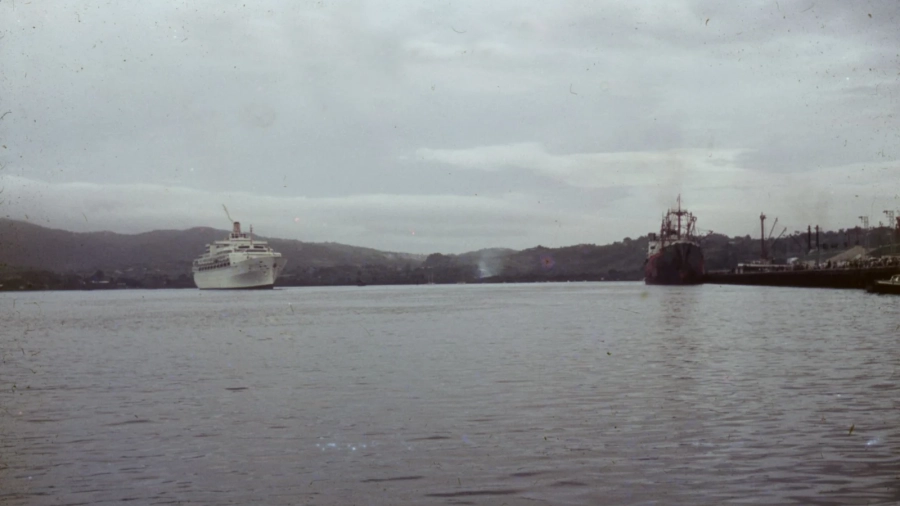
Carnival-Destiny-coming-summer-2029.jpg

Carnival Just Revealed Its Next New Ship—and It’s Launching A Whole New Class

Sparks flew today in Monfalcone, Italy, as Carnival Cruise Line marked a major milestone with the traditional steel-cutting ceremony for its newest ship, Carnival Destiny—arriving in summer 2029 as the first of three vessels in its next-generation of ships, officially named Ace Class. Held at the Fincantieri shipyard, the event revealed the ship’s name and showcased a 3D hologram offering a first look at the future of Carnival cruising.

Carnival’s partnership with Fincantieri—a global leader in shipbuilding—dates back more than 30 years to the original Carnival Destiny, which ushered in a new era as the world’s largest cruise ship at the time. Today, that legacy continues with a class designed to redefine the guest experience.

Carnival Destiny will introduce a new way to experience the ocean from the ship, making it the most outward-facing megaship at sea. It will feature an unprecedented number of ocean-view balcony cabins, a reimagined lanai deck and more than 4.5 acres of glass—including expansive, multi-story glass walls—all of which will open up sightlines across the vessel. Together, these elements will create ocean views from more places on board, bringing the ocean into constant view and redefining how guests connect with the sea.

Carnival Destiny will also deliver a bold evolution in how guests engage on board. More than 70 percent of its venues and attractions will be entirely new concepts for Carnival, spanning reimagined dining, next-generation bars and lounges, immersive entertainment and vibrant outdoor spaces.

VIDEO: Christine Duffy unveils Carnival Destiny

“Carnival Destiny builds on a legacy that changed cruising once before, reimagining what guests can experience at sea,” said Christine Duffy, president of Carnival Cruise Line. “With this ship, we’re elevating the guest experience again creating a ship that feels more expansive, while helping guests feel more connected and ultimately have more fun.”

Carnival Destiny will sail to destinations in the Paradise Collection by Carnival, the cruise industry’s largest portfolio of exclusive destinations in the Caribbean, Bahamas, and Mexico. Additional details on Carnival Destiny’s features and experiences will be released later this year, with the ship’s delivery scheduled for Summer 2029. Two additional Ace Class ships are planned for 2031 and 2033.

For more information on Carnival Cruise Line and to book a cruise vacation, call 1-800-CARNIVAL, visit www.carnival.com, or contact a travel advisor.

Click HERE for Full Steel Cutting Ceremony

Source link

HERO-ship-Geirangerfjord-edit.jpg

Holland America Just Made It Easier To Experience Norway’s Most Breathtaking Fjords

Holland America Line is expanding opportunities for guests to experience Norway’s dramatic fjord landscapes in 2027, updating five cruises aboard Rotterdam to include calls to Flåm and Hellesylt. The additions give travelers more access to some of Norway’s most sought-after fjord destinations, including the UNESCO World Heritage-listed Nærøyfjord and Storfjorden — the gateway to Geirangerfjord. UNESCO considers the Geirangerfjord and Nærøyfjord regions to be among “the most scenically outstanding fjord areas on the planet,” placing guests at the heart of two of Norway’s most celebrated natural wonders.

The itineraries are now open for booking and available on five seven-day cruises aboard Rotterdam. Three departures — May 30, June 27 and Aug. 1, 2027 — combine some of Norway’s most beloved cities and fjord landscapes, with calls at Oslo, Kristiansand, Sandnes (Stavanger) and Flåm, plus scenic cruising through the Sognefjord and Oslofjord. On July 25 and Aug. 8, 2027, guests can explore the heart of Norway’s fjord country with visits to Eidfjord, Hellesylt, Ålesund and Bergen, alongside scenic cruising in the Hardangerfjord and Storfjorden.

“Northern Europe continues to be one of the most sought-after regions we sail, with fjord cruising ranking among the most desired experiences for our guests,” said Paul Grigsby, vice president of deployment and revenue planning for Holland America Line. “By adding Flåm and Hellesylt to these itineraries, we’re giving guests even more opportunities to experience the incredible scenery, rich history and unforgettable landscapes that make this part of the world so special. From cruising the UNESCO World Heritage-listed Nærøyfjord and riding the iconic Flåmsbana Railway through Norway’s mountains to exploring the dramatic waterfalls and viewpoints of the Storfjorden region, these additions bring guests closer to some of the country’s most extraordinary experiences.”

Holland America Line’s Northern Europe Season Offers More Ways to Explore

Northern Europe remains one of Holland America Line’s signature regions and a destination deeply connected to the cruise line’s heritage. Founded in Rotterdam in 1873, Holland America Line brings more than 150 years of European history and expertise to the region. In 2027, the cruise line will deploy three ships — Rotterdam, Nieuw Statendam and Zuiderdam — throughout Northern Europe, offering guests a wide variety of opportunities to explore Norway, Iceland, Greenland, the British Isles, Scandinavia and the Baltic.

Guests can choose from seven-day voyages to longer journeys of up to 21 days, with opportunities to sail through Norway’s famed fjords, visit historic capitals and discover destinations across Northern Europe. Whether exploring Viking heritage, taking in dramatic natural landscapes or experiencing the cruise line’s Dutch roots, travelers will find a range of immersive experiences throughout the season.

For more information about Holland America Line shore excursions or to book a cruise, consult a travel advisor, call 1-877-SAIL HAL (877-724-5425) or visit hollandamerica.com.

Source link
Celebrity-Cruises-Unveils-13-New-Experiences-on-Celebrity-Reflection-Redefining-Caribbean-Cruising_C.jpeg

Celebrity Reflection Just Got 13 New Experiences — Here’s What’s Changing

Celebrity Cruises is reimagining one of its most beloved ships – and delivering new ways to experience the Caribbean – with the reveal of the newly modernized Celebrity Reflection. As the second Solstice Series ship to be made new again, the transformation introduces 13 new spaces including Edge Series standouts like the stunning Grand Plaza, guest-favorite venues from the revitalized Celebrity Solstice and two brand-new concepts – Orange Peel Bar & Grille and Tacos del Sol. From bow to stern, every detail reshapes how guests relax, dine, and connect across new outdoor spaces, dining experiences, and endless entertainment.

Sailing year-round in the Caribbean, Celebrity Reflection’s itineraries from Fort Lauderdale span three- and four-night Caribbean escapes to Key West and The Bahamas, to six- and eight-night journeys visiting Aruba, Curaçao, Bonaire, Turks & Caicos, and Grand Cayman. Guests can look forward to the 2027 President’s Cruise on the renewed Celebrity Reflection from May 10–14, 2027.

“Celebrity Cruises is constantly dreaming up ways to innovate and elevate what we deliver for our guests, which is what makes this fleet modernization program so much more than a refresh,” said Laura Hodges Bethge, president of Celebrity Cruises. “With Celebrity Reflection, we’re evolving the guest experience in meaningful ways – introducing 13 new spaces designed to help guests relax, explore, and connect in ways that feel effortless and unforgettable.”

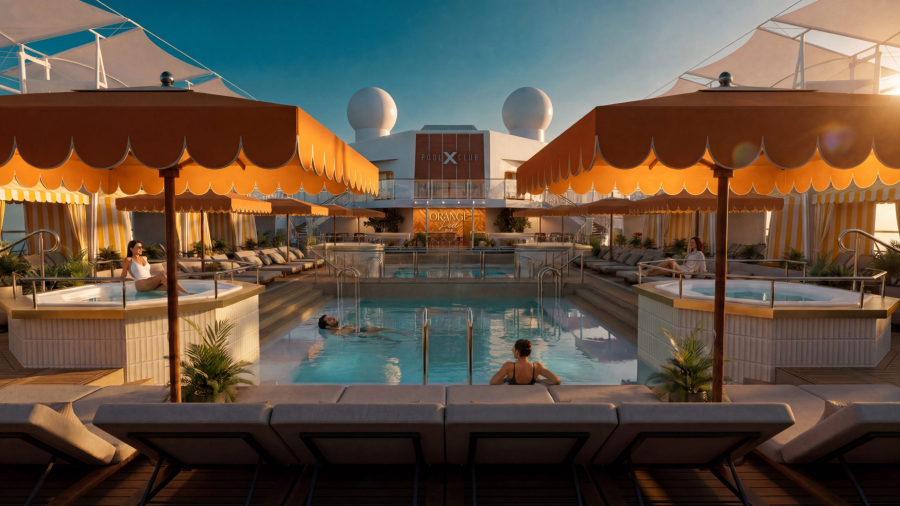
The happiest pool day yet at the reimagined Celebrity Pool Club 

The Celebrity Pool Club anchors the ship’s redesigned outdoor deck, blending modern design with a relaxed tropical atmosphere. Here, every detail is designed with relaxation in mind. Two dedicated bars, expanded seating, plush daybeds, and added shade, plus daily activities and poolside events make it easy for guests to spend the entire day at the water’s edge. Guests will also find two new-to-fleet poolside dining experiences:

  • Orange Peel Bar & Grille: Orange Peel Bar & Grille anchors the poolside experience with a menu built for sun-soaked days. The venue features smashburgers and other grilled favorites alongside frozen cocktails. Guests can enjoy service whether seated nearby or relaxing poolside.
  • Tacos del Sol: Tacos del Sol introduces a casual, open-air concept centered around bold, Mexican-inspired flavors. The venue features a build-your-own taco stand with a range of options and fresh toppings for poolside dining.

Four new spaces offer entertainment for every mood

The Grand Plaza is Celebrity Reflection’s most dramatic new space. The three-story, Edge Series-style venue anchors the ship’s entertainment. A new, centrally located Martini Bar will feature a giant suspended chandelier that commands the room, complete with a chandelier show, as well as live performances and music from day to night.

Originally debuting on Celebrity Solstice, the 125-seat Boulevard Lounge brings all-day entertainment to Celebrity Reflection, anchored by dueling pianos and interactive programming. Guests can enjoy games, karaoke, and live performances throughout the day. Steps away from Boulevard Lounge, Boulevard Bar offers a selection of handcrafted cocktails, perfect for enjoying before or after a show.

Another favorite from Celebrity Solstice, The Parlor is an elevated sports and gaming lounge. Featuring hundreds of classic board games, billiards, and darts, The Parlor is perfect for some friendly competition or watching sports on the big screens. Guests can enjoy craft cocktails, Celebrity Cruises’ award-winning whiskies, a menu of shareable bites, elevated takes on comfort-food classics, and a selection of over-the-top milkshakes. 

Guests can soak up the Caribbean sun with a day in the park

The reimagined Sunset Park transforms the ship’s top deck into a park-like outdoor space designed for relaxation and connection. The open-air venue features a range of activities – from meditation to lawn games, outdoor movies, and live music – all set against sweeping ocean views. New private cabanas offer shaded areas to unwind, with dedicated attendants catering to guests’ every need. Sunset Park Café serves casual bistro-style dining for breakfast and lunch, while the adjacent Sunset Bar offers handcrafted cocktails throughout the day.

Bold flavors meet refined favorites at three new dining experiences

The intimate Italian restaurant Trattoria Rossa, which debuted this year on Celebrity Solstice, serves Roman cuisine. Guests can savor classic meat dishes and pastas made in-house daily, as well as dishes prepared tableside, paired with Italian-inspired cocktails and Celebrity Cruises’ award-winning wine selections.

The Forbes Travel Guide-rated Fine Cut Steakhouse redefined dining on the Edge Series and now joins Celebrity Reflection. Guests will experience 30-day dry-aged steaks, fresh seafood, and the elevated service synonymous with Celebrity Cruises.

Set against panoramic ocean views, Bora brings a Mediterranean-inspired rooftop concept to Celebrity Reflection. First introduced in November 2025 on Celebrity Xcel, the venue shifts from day to night. A lively brunch features customizable cocktails, while evenings are centered on chef-led tableside dishes and shareable plates.

Ship-wide enhancements for a new Reflection that’s all smiles

Guests of The Retreat, Celebrity Reflection’s exclusive suite class, will enjoy an enhanced The Retreat Sundeck with an oversized hot tub, and a redesigned The Retreat Lounge. Ship-wide enhancements extend to returning venues including Café Al Bacio, Cellar Masters, Casino, Art Gallery, World Class Bar, Martini Bar, Pool Bar, Passport Bar, the Fitness Center, and Camp at Sea – alongside Luminae, exclusive to guests of The Retreat, and Blu – exclusive to AquaClass guests.

For more information and to book a sailing with Celebrity Cruises, please visit www.celebritycruises.com, call Celebrity Cruises at 1-888-751-7804, or contact a trusted travel advisor.

Source link

Riviera-Travel-ms-George-Eliot.jpg

Riviera Travel Unveils World’s First Solo-Exclusive River Cruise Ship For 2027


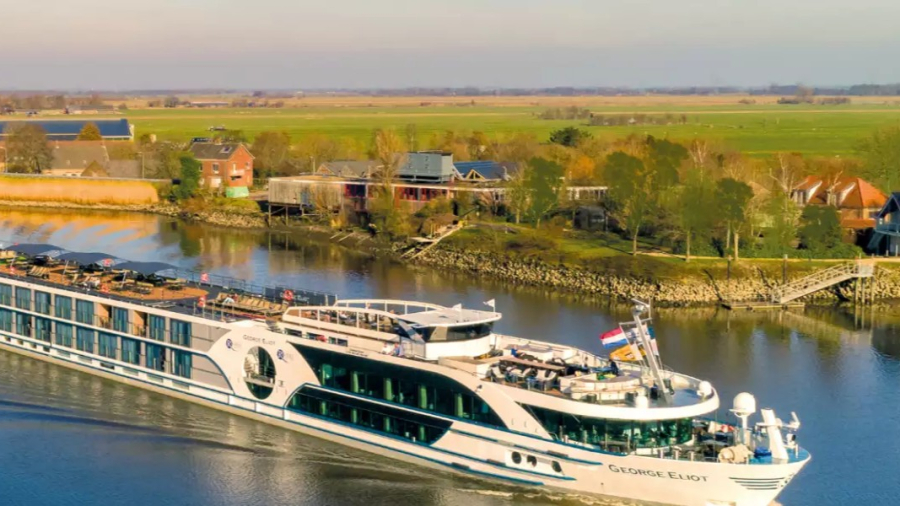
Riviera Travel has revealed plans to launch what it describes as the world’s first river cruise ship created exclusively for solo travellers, with the MS George Eliot scheduled to enter service in April 2027.

The new vessel will operate an entire season of solo-only river cruises across Europe, with every cabin designed for single occupancy and no solo supplement charged.

Riviera Travel ms George Eliot

The move marks a significant expansion of Riviera’s dedicated solo travel programme, which has grown in popularity as demand for independent travel continues to increase.

The cruise line said the MS George Eliot has been designed specifically with solo guests in mind, combining private accommodation with shared social spaces intended to encourage travellers to meet like-minded passengers throughout each sailing.

The ship will offer guests their own double cabin, a higher staff-to-guest ratio than on Riviera’s standard river ships and a programme of curated shore excursions led by expert Tour Managers.

The line also says the reduced passenger numbers will provide more space on board, including shorter queues during dining.

The maiden voyage, a Spring in the Netherlands: Amsterdam & the Tulips cruise, is already sold out.

Solo Sailings Across Europe

Following its inaugural cruise, the MS George Eliot will spend the 2027 season operating a range of itineraries across some of Europe’s best-known rivers.

Riviera Travel Drinks

Scheduled departures include multiple sailings of The Blue Danube River Cruise for Solo Travellers between June and October, along with Cruise the Heart of Europe: Journey Along the Rhine, Main and Danube, Rhine Cruise to Switzerland, Rhine and Moselle River Cruise, and a selection of festive itineraries during December.

Christmas and New Year departures are also planned, including Danube Christmas market cruises, a Christmas on the Danube sailing and a New Year cruise departing on 30th December 2027.

“We are so excited that from April 2027 the George Eliot will become the world’s first solo-exclusive river cruise ship. This really shows our dedication to solo travellers and will allow us to offer a much larger choice of dates with solo river cruises operating all season.”

Linda Harris, Solos Product Manager at Riviera Travel

Growing Demand For Solo Cruising

The launch reflects the continued growth of the solo travel market, with more cruise lines expanding their offering for passengers travelling alone.

Ocean cruise operators including Norwegian Cruise Line, Virgin Voyages and several luxury brands have introduced more single cabins or reduced supplements in recent years as solo cruising has become increasingly popular. However, dedicated ships exclusively for solo guests remain extremely rare.

By assigning every cabin to a single traveller and operating an entire season solely for solo passengers, Riviera Travel is positioning the MS George Eliot as a unique product within the river cruise market.

The 2027 programme includes sailings through Austria, Germany, Hungary, Slovakia, France, Switzerland and the Netherlands, with cruise durations ranging from five nights to 15 days.

Prices currently start from £1,949 per person for six-day festive itineraries, rising to £5,899 per person for the 15-day Heart of Europe voyage.

NEW DEALS JUST RELEASED!

Don’t miss the latest Riviera Travel offers…

Related Posts

If you found this interesting, please share!


Jenni with Disney Cruise ship at Castaway Cay


Source link
MSC13014732.jpg

MSC Cruises Launches Digital Remote Check-In At Seattle Airport


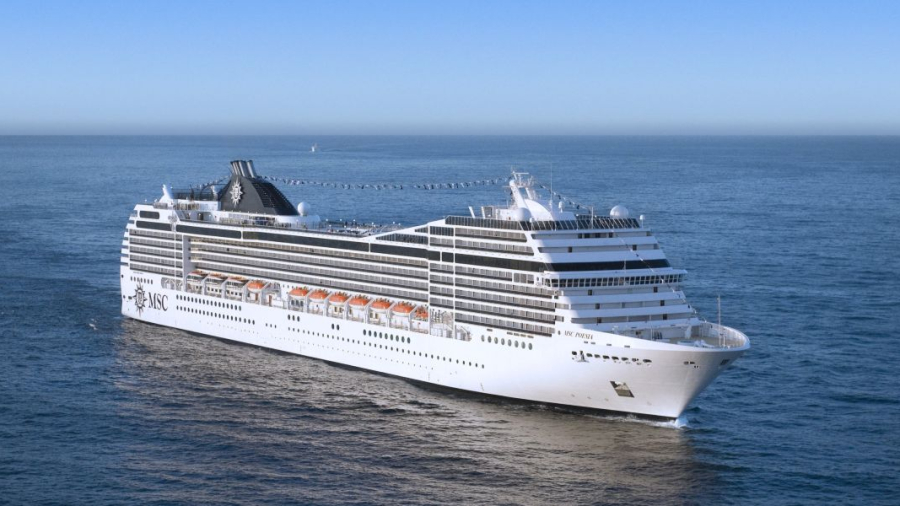
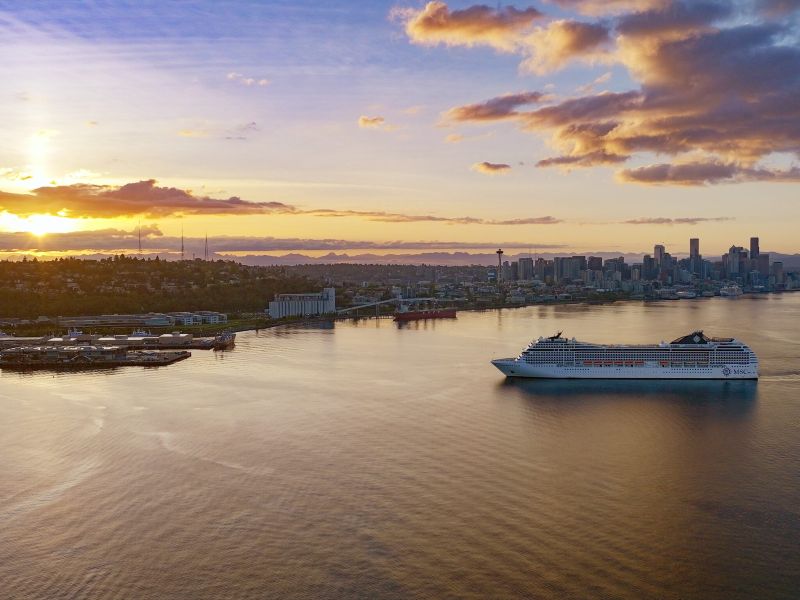
MSC Cruises has introduced a new Digital Remote Check-In solution at Seattle-Tacoma International Airport, enabling passengers to complete cruise formalities before reaching the terminal. The technology, launched during MSC Poesia’s inaugural Alaska season, allows guests using the line’s official airport transfers to bypass traditional check-in queues and proceed directly to boarding.

MSC Poesia

Revolutionary Technology Transforms Traditional Port Procedures

The innovative system represents a significant departure from conventional cruise embarkation processes that have remained largely unchanged for decades. By relocating check-in procedures from the cruise terminal to the airport, MSC Cruises is addressing one of the most common pain points in the cruise experience – the often lengthy wait times at the port before passengers can board their vessel.

Guests travelling on MSC Cruises’ official airport transfer services now complete all necessary documentation and verification steps at Seattle-Tacoma International Airport itself. This advance processing eliminates the need for passengers to queue at check-in desks upon arrival at the cruise terminal, fundamentally changing the flow of the embarkation day.

Direct-To-Boarding Experience Enhances Guest Satisfaction

According to the company’s official announcement, passengers who utilise the Digital Remote Check-In service can proceed straight to security screening and boarding upon arrival at the cruise terminal. This streamlined approach significantly reduces the time between arriving at the port and stepping aboard the ship, allowing guests to begin their holiday experience considerably earlier than under traditional embarkation protocols.

The technology effectively separates the administrative aspects of cruise check-in from the physical boarding process. By handling document verification, identification checks, and other formalities at the airport, the terminal experience becomes focused purely on security screening and the actual boarding procedure itself.

This represents a notable improvement in operational efficiency for both the cruise line and its passengers. For guests, it means less time standing in queues and more time enjoying onboard amenities from the moment they arrive at the terminal.

MSC Poesia Alaska Season Serves As Testing Ground

The Digital Remote Check-In solution made its debut during MSC Poesia’s inaugural Alaska season operating from Seattle. The timing of this launch demonstrates MSC Cruises’ strategy of introducing new guest-facing technology in key markets where the cruise line is expanding its presence and building brand recognition.

MSC Poesia

MSC Poesia represents the company’s first vessel to offer a full season of Alaska cruises from Seattle, marking an important milestone in MSC’s North American growth strategy. The ship operates seven-night roundtrip voyages from the Pacific Northwest port, visiting popular Alaska destinations including Ketchikan, Juneau, Skagway, and Victoria, British Columbia.

By pairing the launch of new technology with the inaugural season of a vessel in a key market, MSC Cruises creates a differentiated experience that sets the ship apart from competitors operating in the crowded Alaska cruise market. The Digital Remote Check-In becomes a unique selling point that may influence booking decisions among passengers comparing various cruise options.

Expansion Plans Target Multiple Guest Touch Points

MSC Cruises has confirmed that the Digital Remote Check-In solution will extend beyond airport arrivals to encompass hotels and other selected locations where guests begin their cruise journeys. This broader implementation strategy suggests the technology platform has been designed with flexibility and scalability in mind from the outset.

MSC Poesia Seattle for Alaska Season

The expansion to hotels is particularly significant, as many cruise passengers spend one or more nights in the departure city before their cruise. By enabling check-in at hotel locations, MSC can capture guests even earlier in their journey and further reduce congestion at the cruise terminal itself.

Other selected locations could potentially include downtown visitor centres, railway stations, or dedicated pre-cruise facilities. The company’s announcement left the specific locations unidentified, suggesting plans remain under development for various markets based on local infrastructure and passenger flow patterns.

Global Rollout Strategy Follows Seattle Success

Following the Seattle launch, MSC Cruises announced plans to progressively implement Digital Remote Check-In across additional ports throughout its global network. This phased approach allows the company to refine the technology and operational procedures based on real-world experience before expanding to other markets.

The cruise line operates from dozens of homeports worldwide, spanning Europe, the Caribbean, South America, Asia, and the Middle East. A global rollout of remote check-in technology represents a substantial operational undertaking requiring coordination with airport authorities, port facilities, ground transportation providers, and local regulatory bodies in numerous jurisdictions.

Different markets may present unique challenges based on local infrastructure, security requirements, and regulatory frameworks. The progressive rollout strategy enables MSC to adapt the solution to regional variations whilst maintaining a consistent core experience for guests regardless of departure port.

Technology Investment Aligns With Industry Trends

The Digital Remote Check-In initiative underscores MSC Cruises’ commitment to leveraging smart technology to enhance the guest experience, according to the company’s official statement. This investment aligns with broader industry trends seeing cruise lines increasingly adopt digital solutions to streamline operations and improve passenger satisfaction.

Cruise lines across the industry have invested heavily in mobile applications, digital key cards, wearable payment devices, and other technologies designed to reduce friction points throughout the guest journey. MSC’s remote check-in solution represents the next evolution of this trend, extending digital convenience to the pre-embarkation phase of the cruise experience.

The integration of operations mentioned by MSC suggests the Digital Remote Check-In system connects with the company’s broader suite of digital tools and backend systems. This integration enables real-time data sharing between airport check-in points, ground transportation, and the cruise terminal, ensuring all parties have current information about guest status and location.

Operational Efficiency Gains Benefit Multiple Stakeholders

MSC Cruises stated that the remote check-in solution will strengthen efficiency, accuracy, and the overall quality of the guest experience. These benefits extend beyond passengers to encompass the cruise line’s operations and the broader port ecosystem.

For terminal operations, pre-processing guests at remote locations reduces crowding in embarkation halls and allows more predictable passenger flow throughout the boarding period. This can lead to reduced staffing requirements at check-in desks, with personnel redeployed to other guest service functions or eliminated from the cost structure entirely.

Enhanced accuracy results from conducting document verification and check-in procedures in controlled airport environments rather than crowded terminal settings where mistakes are more likely to occur. Digital systems also reduce manual data entry errors and ensure information collected at check-in accurately populates shipboard systems.

Port authorities benefit from reduced congestion around cruise terminals, particularly important in urban ports where cruise facilities share infrastructure with other maritime operations. Smoother embarkation processes also reduce the risk of sailing delays caused by late-boarding passengers.

Competitive Positioning In North American Market

The launch of Digital Remote Check-In in Seattle carries particular significance given MSC Cruises’ relatively recent expansion into the North American market. The Swiss-based cruise line has invested substantially in building brand awareness among North American passengers, who represent the world’s largest source market for cruise travel.

Innovative guest-facing technology provides MSC with a competitive differentiator in a market dominated by established North American cruise brands with decades of local presence and strong customer loyalty. By offering conveniences unavailable on competitor vessels, MSC can attract passengers willing to try a less familiar cruise line in exchange for enhanced experiences.

The Alaska market specifically attracts a high proportion of first-time and occasional cruisers drawn by the destination rather than particular cruise brands. These passengers may prove more receptive to trying MSC Cruises if the embarkation experience demonstrates clear advantages over alternative options, potentially leading to repeat bookings on the company’s vessels in other markets.

NEW DEALS JUST RELEASED!

Don’t miss the latest MSC Cruises offers…

Related Posts

If you found this interesting, please share!


Jenni with Disney Cruise ship at Castaway Cay
Fabled Voyages pet friendly residential cruising

A new residential cruise line has launched reservations for continuous world voyages that welcome cats and dogs on board, marking a first in the growing sector of permanent ocean living….

Four Seasons I Yacht

Italian shipbuilder Fincantieri has secured a contract with Marc-Henry Cruise Holdings to construct a third ultra-luxury vessel for Four Seasons Yachts, with delivery scheduled for 2031. The order marks continued…

AIDA AIDAmar ship

AIDA Cruises has completed an innovative “shipyard experience” cruise that allowed passengers to remain aboard the AIDAmar whilst the vessel underwent routine maintenance and inspections in Rotterdam. The German cruise…

Holland America Line has announced exciting upgrades to the Oosterdam. Its newly renovated Oosterdam will debut with 30 purpose-built solo cabins when it emerges from dry dock in December 2027….


Source link
Very large cruise ship docked in port, illustrating the scale of the biggest cruise ship in the world

Biggest Cruise Ship in the World (2026): Which Ship Holds the Title, and Is It Worth It?

The biggest cruise ship in the world in late 2026 is Royal Caribbean’s Legend of the Seas, but only just. It shares a gross tonnage of 248,663 with its Icon-class sisters, Icon of the Seas and Star of the Seas, and takes the title because it is around a foot longer. All three carry 5,610 guests at double occupancy and up to about 7,600 when every berth is full.

So the record holder is really a three-way tie. The more useful question is whether a ship this big is worth paying for. For some travelers it is the best family vacation afloat. For others it is crowded, expensive once the extras are added, and limited in where it can go. This guide covers the size facts first, then looks at the value question.

What is the biggest cruise ship in the world in 2026?

Ships are ranked by gross tonnage (GT), which measures enclosed internal volume rather than weight. On that measure Royal Caribbean holds the top nine places. The three Icon-class ships are identical in tonnage. Legend of the Seas, which entered service in July 2026, is officially the largest because it is fractionally the longest, at about 1,197 feet.

Icon of the Seas held the title on its own when it debuted in January 2024. Star of the Seas joined in 2025 and Legend in 2026. The title will be shared again when Hero of the Seas, the fourth Icon-class ship, arrives (scheduled for 2027). Royal Caribbean has further Icon-class ships on order for later in the decade.

Largest cruise ships in the world: size comparison

Ship Line In service Gross tonnage Length Guests (double / max)
Legend of the Seas Royal Caribbean 2026 248,663 approx. 1,197 ft 5,610 / approx. 7,600
Star of the Seas Royal Caribbean 2025 248,663 approx. 1,197 ft 5,610 / approx. 7,600
Icon of the Seas Royal Caribbean 2024 248,663 approx. 1,197 ft 5,610 / approx. 7,600
Utopia of the Seas Royal Caribbean 2024 236,473 approx. 1,185 ft 5,668 / n/a
Wonder of the Seas Royal Caribbean 2022 235,600 approx. 1,188 ft 5,734 / 6,988
Symphony of the Seas Royal Caribbean 2018 228,081 approx. 1,184 ft 5,518 / 6,680
MSC World America MSC Cruises 2025 216,638 approx. 1,094 ft 5,231 / 6,762
Disney Adventure Disney Cruise Line 2026 208,108 approx. 1,118 ft approx. 6,700 (max)
Carnival Jubilee Carnival 2023 183,521 approx. 1,130 ft n/a / 6,631

Figures are from published specifications and ship registers at the time of writing and can differ slightly between sources. For the full Royal Caribbean lineup, from Oasis class down to the smaller Vision-class ships, see our Royal Caribbean ships by size chart.

Where the three biggest ships sail

  • Legend of the Seas spent its first summer in the Western Mediterranean from Civitavecchia (Rome) and Barcelona. It crossed the Atlantic in late October 2026 and from November sails 6- and 8-night Caribbean itineraries from Fort Lauderdale (Port Everglades).
  • Icon of the Seas sails 7-night Caribbean cruises from Miami. Royal Caribbean has announced that it moves to Galveston, Texas, in August 2027.
  • Star of the Seas is based at Port Canaveral near Orlando, with short and 7-night Bahamas and Caribbean sailings.

Nearly every Icon-class itinerary includes Perfect Day at CocoCay, Royal Caribbean’s private island in the Bahamas.

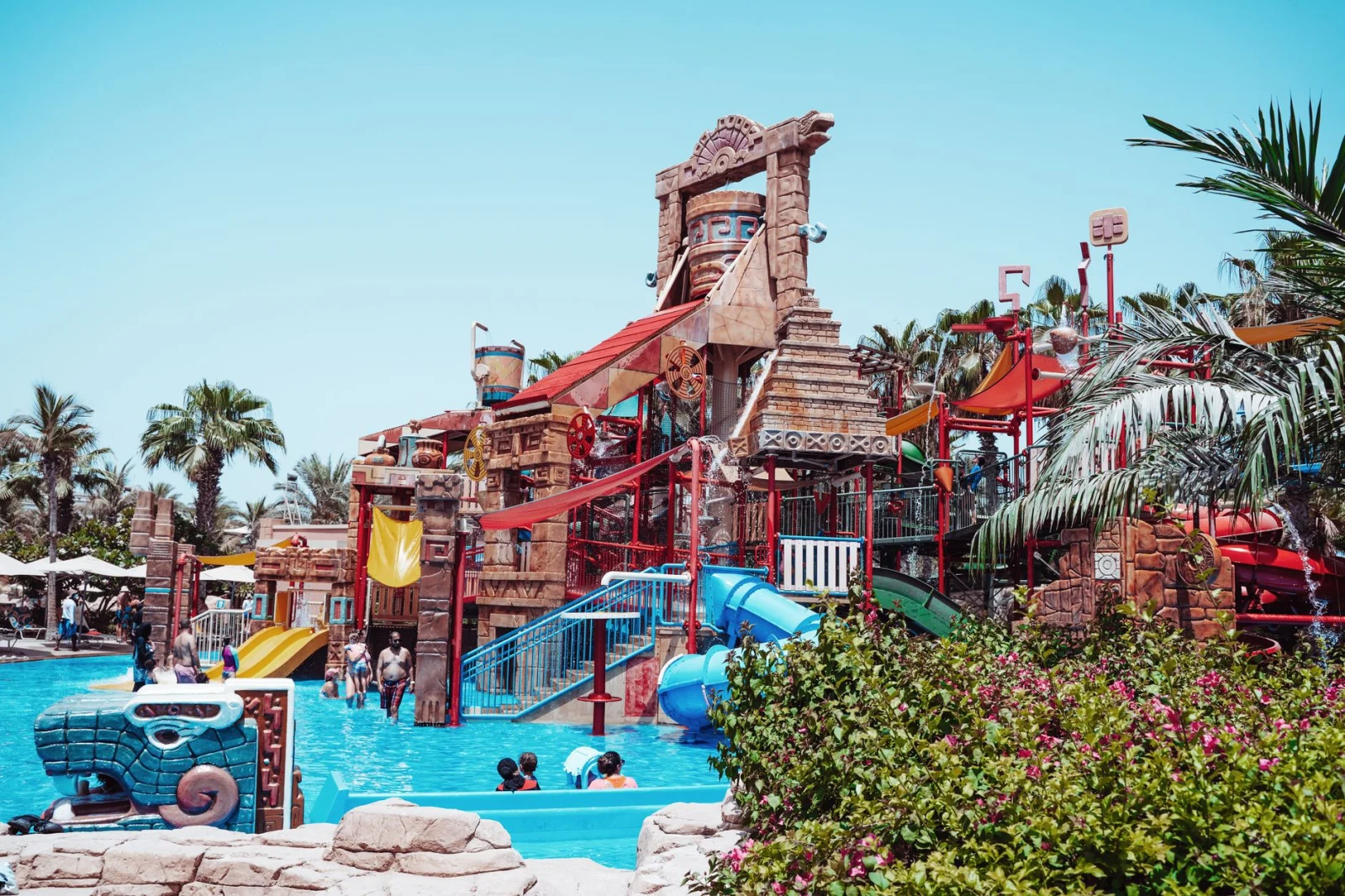
Colorful water slides at an outdoor waterpark, the kind of attraction that sets the biggest cruise ships apart
Big-ship appeal comes down to attractions like waterslides and pools. Photo: Denys Gromov on Pexels

Is the world’s biggest cruise ship worth it?

Whether Icon of the Seas or Legend of the Seas is worth it depends far more on who is traveling than on the ship. These ships are built around variety: seven or eight “neighborhoods”, a large waterpark, several pools, Broadway-style and ice shows, and a long list of included and paid restaurants. If your group will use most of that, the higher fare is easier to justify. If you mainly want quiet sea views and interesting ports, you are paying for things you will not use.

Who gets the most from a mega-ship

  • Families with children of mixed ages. Toddlers have a dedicated splash area, older children have the waterpark and kids’ clubs, and teenagers have their own spaces. Few vacations keep a nine-year-old and a fifteen-year-old busy in the same place.
  • Multigenerational groups. Grandparents, parents and children can split up during the day and meet for dinner, and the range of cabins makes it easier to book adjoining rooms or a family suite.
  • First-time cruisers who want a resort feel. With so much to do on board, sea days rarely drag, and a short 3- or 4-night sampler is a low-risk way to try it.
  • Travellers who value choice over intimacy. If you like a different bar, show and restaurant every night, size works in your favor.

Who may be disappointed

  • Couples seeking calm. Even with clever crowd flow, a ship carrying 6,000-plus guests on a full sailing feels busy around pools, buffets and theaters, especially during school breaks.
  • Port-focused travelers. Caribbean itineraries repeat the same handful of large-ship ports, and several days are spent at sea or at CocoCay.
  • Budget-conscious cruisers. The newest, biggest ships usually cost more per night than older Royal Caribbean ships on similar routes.
  • Anyone who dislikes waiting in line or booking ahead. Popular shows, specialty restaurants and some attractions fill up quickly, so a good trip takes some planning in the app before sailing.

The downsides of sailing on the largest cruise ship

Crowds and planning

Royal Caribbean spreads guests across neighborhoods, and day-to-day crowding is usually less noticeable than the numbers suggest. Pinch points still occur: embarkation morning, the pool deck at midday on sea days, the main buffet at breakfast and the CocoCay tenders and trams. Booking show times and dining slots in advance, eating at off-peak times and using the quieter adults-only areas all help.

The cost of add-ons

The fare covers your cabin, the main dining room, buffet and several casual venues, most entertainment and the waterpark. Many of the things that make these ships stand out cost extra. Approximate figures reported in 2026 (always check the cruise planner for current prices):

  • Gratuities: around $16-$18 per person per day, added automatically.
  • Deluxe Beverage Package: roughly $60-$90 per person per day, depending on when and where you buy it.
  • Wi-Fi: around $20-$30 per device per day, less for multi-device or full-voyage plans.
  • Specialty dining: from about $15 for casual venues to $60 or more per person at steakhouses and chef’s-table experiences.
  • Upcharge experiences such as Crown’s Edge or the Hideaway Beach club at CocoCay.

Cost guides commonly suggest budgeting an extra $150-$250 per person per day for drinks, Wi-Fi, a couple of specialty meals and excursions. A family that wants everything can easily add more than the fare itself.

Port and itinerary limits

A ship nearly 1,200 feet long needs a long berth, deep water and terminals that can handle thousands of people at once. That limits the Icon class to a fairly short list of ports, mostly in the Bahamas, Mexico and the Caribbean, and makes some smaller islands impossible to visit. If seeing new destinations matters more than the ship itself, a mid-size ship will usually reach more interesting ports.

How much does the biggest cruise ship in the world cost?

Fares change daily, but recent listings give a rough guide for a 7-night Icon-class cruise, per person based on two sharing, before taxes and add-ons:

Cabin type Typical range per person (7 nights)
Interior approx. $1,000-$2,500
Ocean view approx. $1,300-$3,000
Balcony approx. $1,700-$4,500
Junior suite approx. $3,500-$6,000
Larger suites $5,000 and well above

The lowest prices tend to be on late-fall and early-December sailings and on interior cabins booked early. School vacations, spring break and the festive period sit at the top of the range. Shorter 3- and 4-night sailings, offered on Legend and Star, cost less in total but often more per night.

Colorful water slides above a pool, the type of attraction found on the biggest cruise ship in the world
Big-ship attractions like water slides are included in the fare, which helps the value add up. Photo: Ollie Craig on Pexels

How to make an Icon-class cruise worth it

  1. Sail outside school breaks if you can. Fewer children on board means shorter lines and lower fares.
  2. Pick the neighborhood, not just the cabin grade. Families may want to be near Surfside, and couples may prefer quieter areas such as Central Park. An interior cabin is fine if you will rarely be in it.
  3. Price packages before you sail. Drink, dining and Wi-Fi packages are often cheaper in the online cruise planner before departure, and prices move with sales.
  4. Use what is included. The waterpark, most shows and many casual eateries are part of the fare, so you can have a full vacation without paying extra for much.
  5. Book shows and dining early. Reservations open before sailing and the best times go first.
  6. Watch for promotions. Royal Caribbean runs regular sales with percentage-off fares, kids-sail-free offers and onboard credit. Our guide to cruise deals for 2027 and when to book explains the timing.

For a detailed look at what life on board the newest of the three is like, including neighborhoods, dining and entertainment, read our Legend of the Seas review.

Alternatives to the world’s largest cruise ship

  • Oasis-class ships (Utopia, Wonder, Symphony and others) offer many of the same headline features, such as the zip line, Central Park, ice shows and big slides, often for less. Our Utopia of the Seas vs Icon of the Seas comparison covers the trade-offs.
  • MSC World America sails from Miami and is the largest non-Royal Caribbean ship in US waters. It often costs less, but its dining and entertainment style is different.
  • Carnival’s Excel class (Mardi Gras, Celebration, Jubilee) offers big-ship fun, including a roller coaster on some ships, usually at lower fares.
  • Mid-size and premium ships suit travelers who value ports, quieter decks and more personal service over waterparks.

The verdict

The biggest cruise ship in the world is worth it if you are traveling with a family or group that will use the waterpark, shows, pools and range of restaurants, and you are happy to plan ahead. It is less good value if you want a quiet, port-rich vacation or are trying to keep total spending low. In those cases an older Oasis-class ship, or a smaller ship altogether, will likely give you more for your money.

For a sense of how far ship design has come, see how Titanic compares with modern cruise ships.

Size is not only about length and tonnage; the draft of a ship also decides which ports a ship can enter.

To put that size into perspective, read how Icon of the Seas compares with the Titanic.

Ships this large steer with rotating pods rather than rudders, and our guide to cruise ship propellers explains how they push, steer and dock the ship.

FAQs

What is the largest cruise ship in 2026?

Royal Caribbean’s Legend of the Seas, which debuted in July 2026. It shares 248,663 gross tons with Icon of the Seas and Star of the Seas but is about a foot longer, so it holds the title.

What are the top 5 largest cruise ships in the world?

By gross tonnage: Legend of the Seas, Star of the Seas and Icon of the Seas (tied at 248,663 GT), followed by Utopia of the Seas (236,473 GT) and Wonder of the Seas (235,600 GT). All five belong to Royal Caribbean.

How many people does the biggest cruise ship hold?

Each Icon-class ship carries 5,610 guests at double occupancy and up to about 7,600 when every berth is filled, plus around 2,350 crew.

Is Icon of the Seas worth the money?

For families and groups who will use the waterpark, kids’ areas, shows and varied dining, usually yes. For couples who want quiet ships or varied ports, an older or smaller ship is often better value.

Will a bigger cruise ship be built?

Royal Caribbean’s next Icon-class ship, Hero of the Seas, is due in 2027 at the same tonnage, with further sisters on order. No larger cruise ship design has been confirmed at the time of writing.

Bright cruise ship cabin with a made-up bed, the setting for practical cruise cabin hacks

Cruise Cabin Hacks: What Most Cruisers Don’t Know About Their Cabin

The best cruise cabin hacks are not gadgets: they come from knowing how a ship’s cabin actually works. Most cabins have steel walls that hold magnets, two kinds of plug socket, a vacuum toilet, and air conditioning that may cut out when the balcony door opens. Once you know these quirks, a small room feels far more comfortable.

This guide is about the things most cruisers never find out about their cabin, from where the extra storage hides to what the tap water really is. If you want a step-by-step checklist for the moment you walk in, see our guide to things to do as soon as you get to your cruise cabin. Here we focus on how the room works, so you can make the most of it for the whole voyage.

Cruise Cabin Hacks at a Glance

Cabin feature What many cruisers assume What is usually true
Walls Painted plaster, nothing will stick Steel panels that hold magnetic hooks
Plug sockets One socket by the desk US and European sockets, often more than you spot at first
Power strips Fine to pack Surge-protected strips are banned; some lines ban all multi-plug strips
Air conditioning Works with the balcony door open Often switches off while the door is open
Tap water Not for drinking Treated, tested and generally safe to drink
Beds Fixed as booked Usually convertible between twin and double

Power and Plug Sockets: The Charging Secrets

Look for two types of socket

Many ships fit both a North American 110-volt socket and a European two-pin 220-volt socket, usually at the desk or vanity. British travellers may need an adapter for either one. Newer ships often add USB ports near the bed or desk, and some hide sockets behind the TV, under the vanity or beside the bedside lamps. Check every surface before you assume you only have one.

Know the rules on power strips

Surge-protected power strips are banned on virtually every major line because they can interfere with the ship’s electrical system. Rules on non-surge strips vary: Royal Caribbean lists power strips and multi-plug outlets as prohibited, while lines such as Carnival and Princess have allowed non-surge versions. Rules change, so read your line’s prohibited items list shortly before sailing. A compact multi-port USB charger is the item least likely to be taken away at security.

The key card slot may control the lights

On many ships you slot your key card into a holder by the door to switch the lights and sockets on. Take the card out and the power cuts after a short delay, so a phone left charging may stop. Not every ship works this way, and some cabins keep the sockets live, so test it on day one.

Temperature and Air: Why Your Cabin Feels Stuffy

Cabin thermostats usually let you make the room warmer or cooler only within a set range, because the air is supplied centrally. If the room never feels cold enough, ask your cabin attendant to have maintenance check the vent; it is a common and quick fix.

In balcony cabins, the air conditioning often switches off while the balcony door is open. Leave it ajar for the sea breeze and the room can turn warm and humid, especially in the Caribbean. Close the door fully when you leave the room.

The bathroom extractor fan usually runs all the time and cannot be switched off. It helps with steam and smells, but it is not powerful, so keep the bathroom door closed after a shower to stop moisture drifting into the cabin.

Neatly organised compact hotel style room with hanging hooks and storage, like a cruise cabin
Small rooms work harder when you use every wall and drawer. Photo: Anna Shvets on Pexels

Hidden Storage Most Cruisers Miss

Use the walls: they are magnetic

Cabin walls, ceilings and doors on most ocean ships are steel, so strong magnetic hooks give you extra places to hang hats, lanyards, bags and the daily programme. Choose hooks rated for several kilograms, and pack a few magnetic clips for paperwork. Bathroom walls are often laminate, so magnets may not hold in there.

Under the bed and behind the mirror

Most cabin beds sit high enough for suitcases to slide underneath, freeing the floor. Vanity mirrors sometimes open to reveal shelves, and there are often extra drawers inside the desk or under the sofa. A hanging shoe organiser over the bathroom door adds pockets for toiletries and sunscreen.

The retractable washing line

Many cabin showers hide a pull-out clothesline on the wall. It is handy for swimwear, but do not hang wet clothes on the balcony, as most lines do not allow it.

The Bathroom: Vacuum Toilets and Tap Water

Why the toilet is so loud

Ship toilets use a vacuum system rather than a water cistern, which saves a lot of water. That is why the flush makes a loud whoosh. The pipes are narrow, so only toilet paper should ever go down; wipes, cotton pads and sanitary products can block the system, and a blockage can affect several cabins at once. Close the lid before flushing.

The tap water is safe

Most ocean ships make fresh water from seawater by evaporation or reverse osmosis, then add minerals, treat it with chlorine and test it regularly. Ships calling at US ports are also inspected under the CDC’s Vessel Sanitation Program. The bathroom tap carries the same treated supply, so filling a reusable bottle there is fine unless your line tells you otherwise. Some people notice a slight chlorine taste; chilling the water helps.

Cruise ship hallway with rows of cabin doors, showing how cabin location varies along the ship
Where your cabin sits on the ship shapes how it feels. Photo: Murat Ak on Pexels

Beds, Location and Inside Cabins

Beds can usually be rearranged

In most standard cabins the two lower beds can be pushed together into a larger bed or split into twins. Your cabin attendant can change the setup, usually the same day. Extra pillows, a mattress topper or a feather-free duvet are often available too, so it is worth asking.

Location matters more than size

A cabin low down and in the middle of the ship feels the least movement. Cabins directly below the pool deck, buffet or theatre may hear scraping chairs or shows late at night, and those near lifts or launderettes see more foot traffic. Before you book, check the deck plan for what sits above and below your cabin. If you are deciding between categories, our comparison of balcony versus inside cabins explains the trade-offs.

Some inside cabins have a view after all

Royal Caribbean fits virtual balconies, floor-to-ceiling screens showing a live feed from outside, in some inside cabins on Symphony, Harmony, Spectrum, Anthem, Ovation, Quantum, Navigator, Explorer and Voyager of the Seas. Not every inside cabin on those ships has one, so check the cabin category before booking. Other ships offer inside cabins with windows facing an indoor promenade, which bring in some daylight.

Small Cabin Perks Most People Never Use

  • Your cabin attendant can do more than tidy. Ask for extra hangers, more towels, an ice bucket or the minibar to be emptied so you can chill your own drinks.
  • The TV is a tool. On most ships it shows your onboard account, the ship’s position, the daily programme and sometimes the bow camera, which is useful before you head out on deck.
  • Room service breakfast. Many lines offer a continental breakfast in the cabin, often free, ordered by hanging a card on your door the night before. Charges vary by line.
  • Your muster station is on the back of the door. The safety notice shows where to go in an emergency, along with the cabin’s fire exit route.
  • The fridge may be a cooler. Many cabin fridges keep things cool rather than cold, so they are not reliable for medicines that must stay refrigerated. Ask guest services about medical storage.

Once you know these cruise cabin hacks, even a compact inside cabin can feel organised and calm. For more ideas on making a smaller room work, see our tips for inside cabins.

Once you know your cabin, read up on sea day mistakes to avoid.

Many cabin problems can be avoided before you book, and our guide on how to choose a cruise cabin shows what to check on the deck plan.

Where your room sits matters as much as what is in it, so see our guide to the best cabin location on a cruise ship.

FAQs

Are cruise cabin walls magnetic?

Yes, on most ocean ships the cabin walls, ceilings and doors are steel, so magnetic hooks and clips will hold. Bathroom walls are usually laminate panels, so use suction or over-door hooks in there instead.

Can I bring a power strip on a cruise?

It depends on the line. Surge-protected strips are banned almost everywhere, and Royal Caribbean also bans non-surge power strips and multi-plug outlets. A USB charging block is the safest choice; check your line’s prohibited items list before you pack.

Is the tap water in a cruise cabin safe to drink?

Generally yes. Ships make most of their drinking water by desalinating seawater, then treat and test it, and the bathroom tap carries the same supply as the rest of the ship unless your cruise line says otherwise.

Why does my cruise cabin get warm when the balcony door is open?

On many ships a sensor cuts the air conditioning while the balcony door is open, so the cabin heats up quickly. Close the door fully and give the system a few minutes to recover.

Can twin beds in a cruise cabin be pushed together?

In most standard cabins the two lower beds can be joined into one larger bed or split into twins. Ask your cabin attendant on embarkation day, or request your setup through your booking in advance.

Cruise ship moored in port, illustrating whether older cruise ships are still worth booking

Older Cruise Ships vs New: Does a Ship’s Age Really Matter?

Older cruise ships are not automatically worse than new ones. Upkeep matters far more than age: a 20-year-old ship that has had a major refit can feel fresher than a 10-year-old ship that has only had paint touch-ups. A new ship buys you the latest attractions, cabin tech and energy-efficient design. An older ship usually means fewer passengers, more ports it can reach and lower fares.

So the real question in the old vs new cruise ships debate is which kind of ship suits your trip. This guide covers how cruise ship age affects safety, comfort and price, which older ships have had big makeovers, and how to check any ship’s history before you book.

What Counts as an “Old” Cruise Ship?

A cruise ship typically stays in service for about 30 to 40 years, often with more than one owner. That gives a rough guide to the industry’s own sense of age:

  • New (0 to 5 years): the current generation, with the latest layouts, tech and attractions.
  • Mid-life (6 to 15 years): still modern, and often in line for its first big refurbishment.
  • Older (15 to 25 years): the most varied group. Some have been rebuilt inside, while others are clearly dated.
  • Veteran (25+ years): usually sold on to smaller or budget lines, or running niche, port-intensive and long itineraries.

Age also has to be measured against how quickly ships grew. Royal Caribbean’s Voyager of the Seas was the world’s biggest cruise ship when it launched in 1999, at about 137,000 gross tons. The line’s Icon-class ships are now well over 240,000 gross tons. A ship from the early 2000s can be big by any normal standard and still look mid-sized beside the newest builds.

Does Cruise Ship Age Affect Safety?

This is the question cruisers ask most, and the short answer is no, not in the way people fear. Every ocean cruise ship carrying international passengers must meet the International Convention for the Safety of Life at Sea (SOLAS). Classification societies and flag states survey ships regularly, and port-state inspectors, including the US Coast Guard at American ports, check them as well.

The rules do change over time, and older ships have to keep up. When tougher SOLAS fire-safety requirements took effect on 1 October 2010, owners of passenger ships built before May 1980 had to prove compliance to keep sailing internationally. Many wood-heavy classic ships retired rather than be rebuilt. Some newer rules only apply to newer ships. “Safe Return to Port” design, for example, is required for larger passenger ships whose keels were laid on or after 1 July 2010. It means essential systems keep working after a fire or flooding in one compartment, so the ship can get itself to port. Ships built before that date are still legal and safe to sail. They were simply designed under the earlier standard.

For hygiene, ships with 13 or more passengers that call at US ports on foreign itineraries are covered by the CDC’s Vessel Sanitation Program. That means two unannounced inspections a year, scored out of 100, and a score of 85 or lower is a fail. Scores are public, and older ships regularly score in the high 90s. That’s a good sign that maintenance and crew standards matter more than build year.

Refurbishment Matters More Than Age

Big lines spend hundreds of millions of dollars bringing older ships up to the standard of their newer sisters. These are not just new carpets. Major refits can add water slides, new restaurants, extra cabins and redesigned public spaces. The table below shows some well-known examples.

Older ships that have had major makeovers

Ship Entered service Major refit What changed (headline)
Voyager of the Seas (Royal Caribbean) 1999 2019 (Royal Amplified) New slides, outdoor additions, refreshed dining and bars
Navigator of the Seas (Royal Caribbean) 2002 2019 (Royal Amplified) Waterslides, new pool areas, new venues
Freedom of the Seas (Royal Caribbean) 2006 2020 (Royal Amplified) Pool deck and kids’ area upgrades, new restaurants
Oasis of the Seas (Royal Caribbean) 2009 2019 (Royal Amplified) Ultimate Abyss slide, new dining and bars
Carnival Sunrise (ex-Carnival Triumph) 1999 2019 Roughly $200m transformation, renamed with new features
Carnival Radiance (ex-Carnival Victory) 2000 2021 Similar large-scale overhaul and rename
Celebrity Millennium 2000 2019 (Celebrity Revolution) Redesigned suites, cabins, restaurants and shops
Celebrity Summit 2001 2019 (Celebrity Revolution) Edge-style interiors throughout

Royal Caribbean has kept going with amplifications, adding Allure of the Seas in 2025, and more refits are scheduled. Lines do move dates around, though, so check the current plans for any ship you’re considering.

Even on a well-refurbished ship, some things can’t be changed. Hull shape, ceiling heights, cabin footprints and the number of balcony cabins are mostly fixed. Older cabins can also have fewer power outlets and smaller bathrooms. A refit changes how a ship looks and what it offers, but not its basic structure.

Sunny pool area lined with sun loungers, the kind of space older ships often rebuild in a refit
Pool decks are one of the areas older ships often rebuild during a major refit. Photo: Lelani Badenhorst on Pexels

Old vs New Cruise Ships: 8 Differences That Affect Your Trip

  1. Crowds and space. The newest mega-ships carry far more people. Royal Caribbean’s Icon-class Legend of the Seas, which debuted in July 2026, can carry around 7,600 guests at full occupancy. Many older ships carry 1,500 to 3,000. Bigger ships offset this with more venues, but you’ll still notice queues at peak times.
  2. Atmosphere. Older designs often face outward, with wraparound promenades, more open deck at the rail and lounges looking out to sea. Newer ships tend to look inward towards “neighbourhoods”, parks and activity zones.
  3. Attractions. Water parks, surf simulators, roller coasters and huge theatres are mostly found on new ships or heavily amplified ones. If those are the reason you’re booking, an unrefitted older ship will disappoint.
  4. Dining. New ships launch with the line’s latest restaurant concepts. Older ships often get some of them at refit, but usually fewer.
  5. Cabins and tech. Newer ships have more balconies, USB and multiple sockets, smart TVs, app-based keys and better soundproofing. Older ships can have a higher share of inside and ocean-view cabins.
  6. Itineraries. This is the big win for older and smaller ships. They fit into ports and harbours that mega-ships can’t use, and lines often put them on longer, more varied or more port-heavy routes. The newest ships usually run short, high-demand Caribbean or Mediterranean loops.
  7. Passenger mix. New flagships with big family attractions draw more children and first-timers. Older ships on longer itineraries often attract more experienced, older and quieter cruisers.
  8. Value. Fares on older ships are often lower than on a new ship from the same line, sometimes by a wide margin on similar dates. The gap varies a lot by season and demand, so compare the same week and cabin type before deciding.

How to Check a Cruise Ship’s Age and Last Refit

Most comparison guides skip this, but it only takes ten minutes and tells you more than a launch year does:

  1. Find the build and refurbishment dates. Cruise line “ship facts” pages usually list the year the ship entered service and often its last major refurbishment. Ship-tracking and encyclopedia sites also list former names, which reveal ships transferred from another brand.
  2. Look for the name of a refit programme. Branded overhauls such as Royal Amplified or Celebrity Revolution mean big investment. A plain “dry dock” can mean anything from hull painting to a full interior refresh.
  3. Check the CDC inspection history. The CDC’s Vessel Sanitation Program inspection tool shows recent scores and reports. A run of consistently high scores is a good sign of how the ship is maintained.
  4. Read recent reviews, not old ones. Filter reviews to the last 6 to 12 months, or to sailings after the latest refit. Pre-refit complaints may no longer apply.
  5. Watch for upcoming dry docks. If a ship is due a big refit soon after your sailing, the months before it may show the most wear. Booking just after a refit gets you a freshly updated ship, often at older-ship prices.
  6. Check the deck plan. Compare the number of balcony cabins and where your cabin sits relative to venues that were added during a refit, such as new bars or a new pool area, which can bring extra noise.
Bright bedroom with a double bed and large window facing the sea, similar to a modern ship cabin
Cabin layout is one thing a refit rarely changes, so check the deck plan. Photo: Ahmet ÇÖTÜR on Pexels

Who Should Book Older Cruise Ships?

Older cruise ships tend to suit:

  • Itinerary-first travellers who care more about ports than onboard thrills, including longer sailings, repositioning cruises and smaller harbours.
  • Budget-minded cruisers who’d rather spend the savings on a balcony, an extra excursion or a longer trip.
  • People who dislike crowds and want a ship that’s easy to find your way around after a day or two.
  • Fans of a classic style of cruising, with promenade walks, sea views from lounges and a quieter evening scene.

Choose a well-refitted older ship if you want some of the new features without the new-ship price. Royal Caribbean’s amplified ships are a good example. For more on how the Oasis-class sisters differ by age and refit, see our guide to every Oasis-class ship compared.

When the Newest Cruise Ships Are Worth Paying Extra For

The newest cruise ships earn their premium when:

  • You’re travelling with children or teens who will use the water parks, clubs and activity zones every day.
  • The ship itself is the destination, for example on a short Caribbean sailing where you may barely leave the ship.
  • You value modern cabins, from balcony availability to sockets, lighting, storage and quieter rooms.
  • You want the line’s newest restaurants, shows and venues, which may never be added to older ships.

If you’re weighing up Royal Caribbean’s two biggest classes, our Icon class vs Oasis class comparison sets out what the extra money buys. Our Legend of the Seas review covers what life on the line’s newest ship is really like.

There’s also a middle option. Ships that are 5 to 10 years old, or recently refitted, often give you most of the modern experience at a noticeably lower fare. That’s especially true once a line’s newest ship arrives and demand moves to it.

The Bottom Line

Cruise ship age is a useful clue, but the date alone doesn’t tell you much. Look at the last major refit, recent inspection scores, the itinerary and the onboard features you’ll actually use. A carefully maintained older ship on a great route can be the better holiday, and the better deal, than the newest ship on a crowded short loop.

For a real-world example of how age shapes a fleet, see our guide to Princess cruise ships ranked by class and age, which compares the 1998 Grand Princess with the 2025 Star Princess.

For a ship-by-ship example, see which of the oldest Royal Caribbean ships still offer good value after their refurbishments.

If you are booking Royal Caribbean’s oldest ship, our guide to Grandeur of the Seas cabins to avoid explains which rooms age has treated least kindly.

FAQs

Are older cruise ships safe?

Yes. All ocean cruise ships on international voyages must meet SOLAS safety rules and pass regular flag-state, classification and port-state inspections, whatever their age. Ships that can’t meet updated rules are retired or sold.

How long do cruise ships last?

Typically about 30 to 40 years. Many ships move from a major line to a smaller or budget operator partway through, and they’re usually refurbished several times along the way.

Are older cruise ships cheaper?

Often, yes. Fares on older ships are usually lower than on the same line’s newest ships for similar dates and cabins, although the difference varies with season and demand.

How can I find out when a cruise ship was last refurbished?

Check the cruise line’s ship facts page, look for named refit programmes such as Royal Amplified or Celebrity Revolution, and read recent reviews posted after the latest dry dock.

Do older cruise ships have balconies?

Most do, but usually fewer than new ships. Some older ships had extra balcony cabins added during refits, so check the current deck plan rather than assuming.