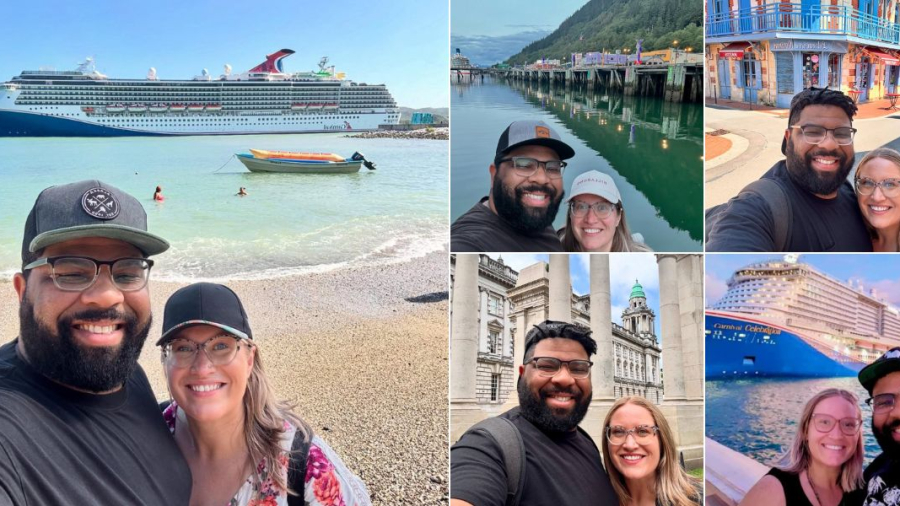
Cruise ships usually stay in port for about 7 to 10 hours, with a typical stop running from around 8am to 5pm. How long do cruise ships stay in port beyond that? It depends on the itinerary: some calls are as short as four or five hours, while bigger cities and festival ports can get late-night departures or even an overnight stay.
The figure that really matters, though, is not when the ship docks and leaves. It is how many hours you actually have ashore once you subtract getting off the ship, travel time into town and the all-aboard deadline. This guide walks through all of it, with a quick reference table by region and practical tips so you never end up watching your ship sail away from the pier.
How Long Do Cruise Ships Stay in Port on a Typical Day?
On most mainstream cruises, a standard port day looks something like this:
- Arrival: 7am to 9am
- Gangway opens: usually 15 to 60 minutes after the ship is cleared by local authorities
- All-aboard time: 30 to 60 minutes before departure (often 4:30pm for a 5pm sailing)
- Departure: 4pm to 6pm
That gives a scheduled stay of roughly 8 to 9 hours, but realistic time ashore is closer to 6 or 7 hours. Ships keep port calls fairly short for practical reasons: port fees are often charged per call or per passenger, berths are shared with other ships, and the next port may be 150 miles or more away. Leaving in the late afternoon lets the ship sail overnight at an efficient, fuel-saving speed and arrive fresh the next morning.
Ship time vs. local time
One detail that catches people out: your all-aboard time is given in ship time, which is not always the same as the local time in port. Ships sometimes stay on one time zone for the whole voyage, especially in the Caribbean. Check the daily planner or cruise line app before you go ashore, and consider setting your phone to manual time so it does not jump to the local time zone when it connects to a network.
Typical Port Times by Cruise Region
Port stays vary a lot by region and by port type. The table below shows typical patterns rather than guarantees, so always check your own itinerary, which lists exact arrival and departure times for each stop.
| Region / port type | Typical stay | Example schedule | What to know |
|---|---|---|---|
| Caribbean and Bahamas | 7 to 10 hours | 8am to 5pm | Many piers are a short walk or taxi from beaches and town. Some private island days run longer, and a few include late stays. |
| Cruise line private islands | 7 to 10 hours | 7am to 5pm | Usually docked or tendered close to everything, so almost all of the time is usable. |
| Mexico (Riviera and Western Caribbean) | 7 to 9 hours | 8am to 5pm | Popular ruins excursions, such as those from Costa Maya or Cozumel, can take most of the day. |
| Alaska | 6 to 12 hours | 7am to 2pm, or 10am to 10pm | Schedules vary widely. Juneau often gets a long day, while Skagway or Ketchikan can be half days. |
| Mediterranean | 8 to 12 hours | 7am to 7pm | Longer days help, but many headline cities are well inland from the pier. |
| Northern Europe and Baltic | 8 to 12 hours | 8am to 6pm | Long summer daylight. Capitals such as Copenhagen or Stockholm sometimes get late departures. |
| Bermuda | 2 to 3 days | Overnight stays | Many sailings from the US Northeast spend multiple days docked at King’s Wharf. |
| Asia and long voyages | 8 hours to 2 days | Varies | Big hubs such as Singapore, Hong Kong or Tokyo often get an overnight. |
Why the Mediterranean feels shorter than it looks
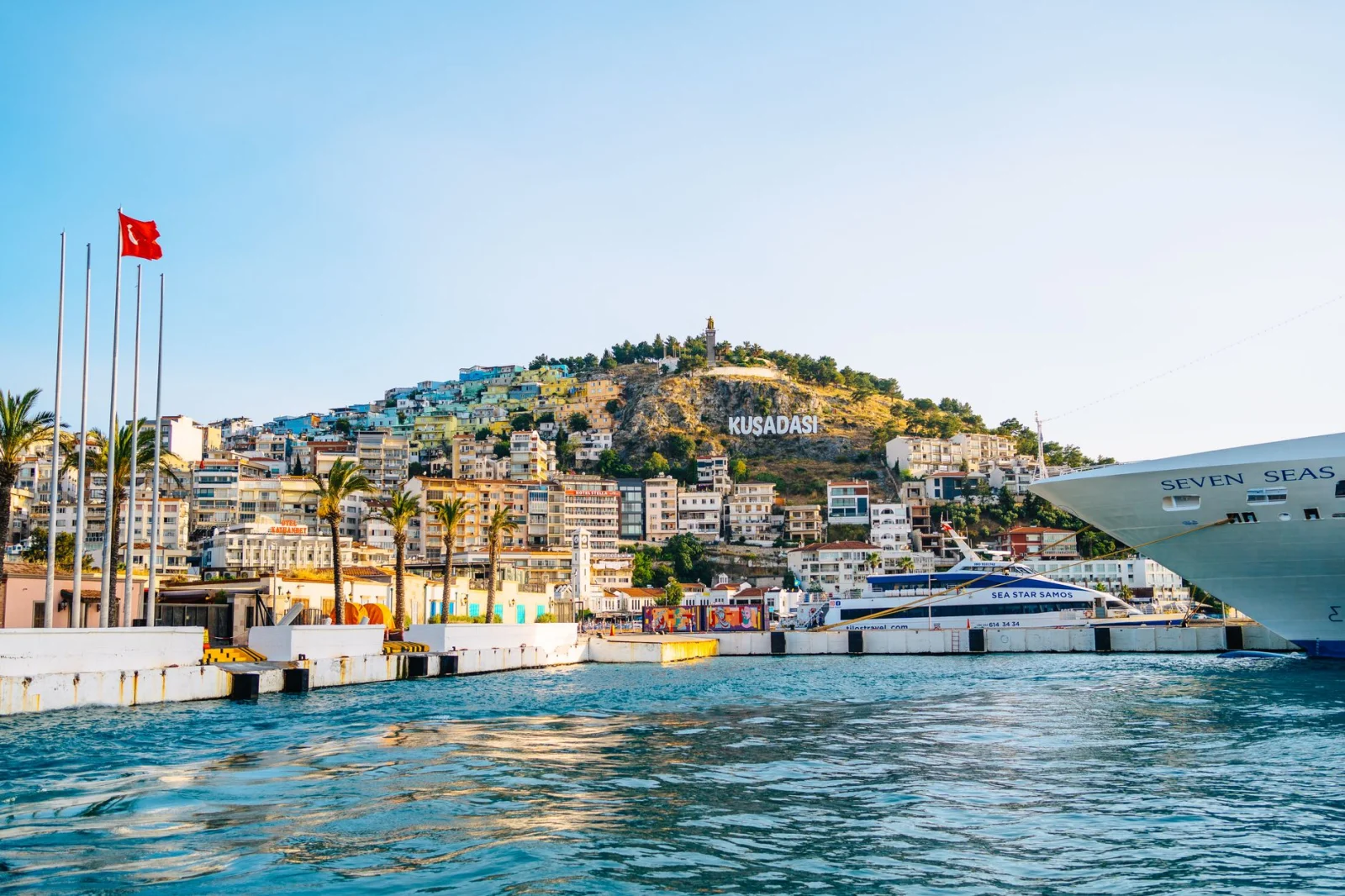
A 7am to 7pm call sounds generous, but Europe has several “gateway” ports that sit a long way from the city they are named after. Civitavecchia, the port for Rome, is roughly 50 miles (80 km) from the city center. Fast trains to Rome Termini take about 40 minutes, regional trains up to around 75 minutes, and a coach transfer can take 90 minutes or more each way in traffic. Once you add the shuttle from the ship to the station, a 12-hour call can leave you with only 6 or 7 hours in Rome itself. Similar trade-offs apply at Le Havre for Paris, Southampton for London and Warnemünde for Berlin. Our list of cruise ports that are really far from the city covers the main ones to watch for.
Overnight Stays and Late Departures
An overnight call means the ship stays docked through the night, giving you an evening ashore and often a full second day. Cruise lines tend to schedule overnights where there is a lot to see or a nightlife scene worth experiencing. Ports that commonly see overnights or late-evening departures include:
- Bermuda (King’s Wharf) on many US East Coast itineraries
- Barcelona, Lisbon and Istanbul, particularly at the start or end of a Mediterranean voyage
- Reykjavik on Iceland and transatlantic sailings
- Bordeaux and Seville on smaller ships that can sail up the river
- Singapore, Hong Kong, Shanghai and Ho Chi Minh City in Asia
- Buenos Aires and Rio de Janeiro on South America cruises
Luxury and small-ship lines generally schedule more overnights and late departures than mainstream lines, which is one of the quieter advantages of a premium itinerary. Note that even on an overnight, there is usually an all-aboard time on the second day, and some lines also set a curfew-style return time on the first night for security reasons.
Two Ports in One Day
Occasionally an itinerary will list two calls on the same day. This mostly happens where ports are close together, such as some Norwegian fjord villages, Greek islands, or Alaska days that combine a scenic cruising stretch with a short stop. Each call might be only four or five hours. These days are great for sampling, but they are not the time for an ambitious independent tour. A simple walk around town or a short ship excursion is usually the better fit.
Tender Ports: Why You Get Less Time Ashore
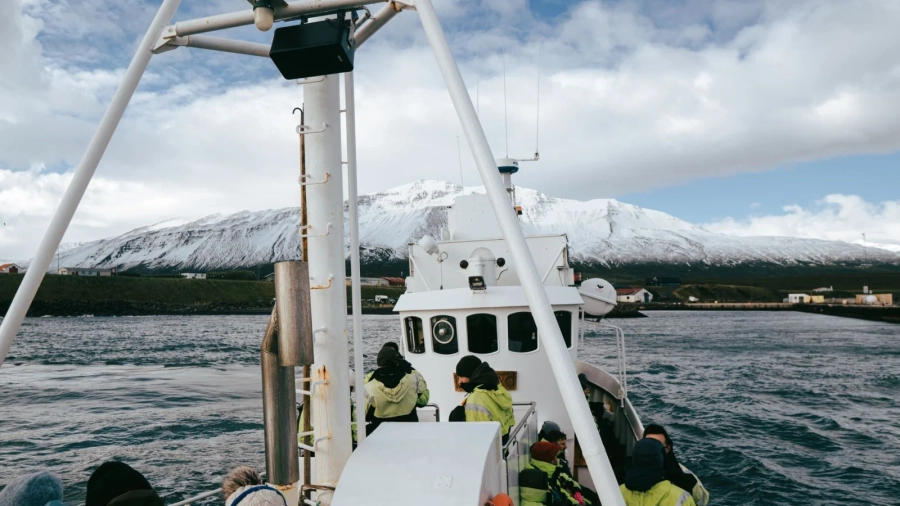
When a port has no pier large enough for the ship, it anchors offshore and passengers ride small boats called tenders to the dock. Tendering can easily cut an hour or two from your day:
- Guests on ship excursions and in suites or higher loyalty tiers usually go first.
- Everyone else often collects a numbered tender ticket and waits to be called, which can take 30 to 90 minutes early in the morning.
- The last tender back typically leaves 30 minutes before the all-aboard time, and the queue for it can be long.
- Tender operations can be cancelled in rough seas, which is why tender ports are skipped more often than docked ones.
Common tender stops include Grand Cayman, Santorini, Monaco, Bar Harbor and Sitka. If your stop is a tender port, plan to get off later in the morning when lines ease, or come back earlier than you would at a pier.
What Is the Earliest Time You Can Get Off the Ship?
You can step ashore once the ship is tied up, local authorities have cleared it and the crew opens the gangway. At most Caribbean piers that is 15 to 30 minutes after docking. At first ports in a new country, or ports with face-to-face immigration checks (common in parts of Asia and occasionally Europe), it can take an hour or longer.
Passengers on the cruise line’s own tours are normally sent off first, so if you want to be among the first independent guests ashore, be ready at the exit deck a few minutes before the published “ashore” time and skip the crowded main dining room breakfast for a quick one at the buffet.
All-Aboard Time on a Cruise: The Deadline That Matters
The all-aboard time is the latest you can be back on the ship. On most lines it is 30 minutes before departure, though some set it at 45 or 60 minutes, and ports with security screening or a long walk from the gangway may be earlier still. You will find it on the daily planner, in the app and usually on a sign at the gangway as you leave.
A few habits make a big difference:
- Treat all-aboard as the deadline, not departure. The ship’s published departure time is when the lines are cast off, not when you should be wandering back.
- Aim to return an hour early. Lines at the security check, slow taxis and cruise traffic all eat into your buffer.
- Set two alarms on ship time. One for when to start heading back, one 30 minutes before all-aboard.
- Carry the port agent’s number. It is usually printed on the daily planner. Take a photo of it before you leave.
- Bring your cruise card and a photo ID ashore. You cannot reboard without them.
For more practical advice from frequent cruisers, our roundup of must-know tips from past guests is worth a read before your first port day.
What Happens If You Miss the Ship?
Ships do not hold their departure for independent travelers who are running late. A few minutes of grace may be possible if the gangway is still down, but once all-aboard has passed, the crew can close the doors and the ship will sail. Sprinting latecomers chasing the ship along the dock, known as “pier runners,” make popular videos for a reason: the deadline is real.
If you do get left behind, here is what usually happens:
- The port agent becomes your contact. Cruise lines use a local agent in each port. They can liaise with the ship and help you plan how to rejoin it.
- Your passport may be left ashore. If the crew knows you are missing, they often hand essential items such as your passport and medication to the port agent before departure.
- You pay to catch up. Flights, ferries, hotels and meals to reach the next port are normally at your own expense, and last-minute island-to-island travel can be expensive. Travel insurance with a missed port departure benefit may cover some of these costs, so check your policy.
- US cabotage rules can complicate things. On some US itineraries you may not be allowed to rejoin at another US port and might have to fly to the next foreign port instead.
- No passport means an embassy visit. If your documents sailed away with the ship, you may need to visit the nearest US embassy or consulate for emergency travel documents.
The cruise line excursion guarantee
This is the main reason many people book ship-sponsored tours at long or complex stops. If an official cruise line excursion runs late, the ship will generally wait for the group. If it cannot wait, the line typically arranges and pays for you to rejoin the ship at the next port. Royal Caribbean and Disney Cruise Line, among others, describe this kind of commitment, though exact terms vary, so read your line’s excursion policy. Independent and third-party tours do not come with the same protection unless the operator offers its own return-to-ship guarantee. For ideas on which tours are worth booking through the ship in Europe, see our pick of the best shore excursions for Mediterranean cruises.
How to Make the Most of a Short Port Stop
A few simple choices can stretch a short call into a full day out:
- Research distances before you book a tour. Look up how far the pier is from the sights you want to see, and whether transport runs reliably on your day of the week.
- Pick one priority. In a 6-hour window, one major sight done well beats three rushed ones.
- Use ship tours at distant gateway ports. At stops like Civitavecchia, Le Havre or Southampton, the return guarantee is worth more than any savings.
- Go independent where the pier is in town. Ports such as Barcelona, Lisbon, Juneau or Nassau are easy to explore on foot.
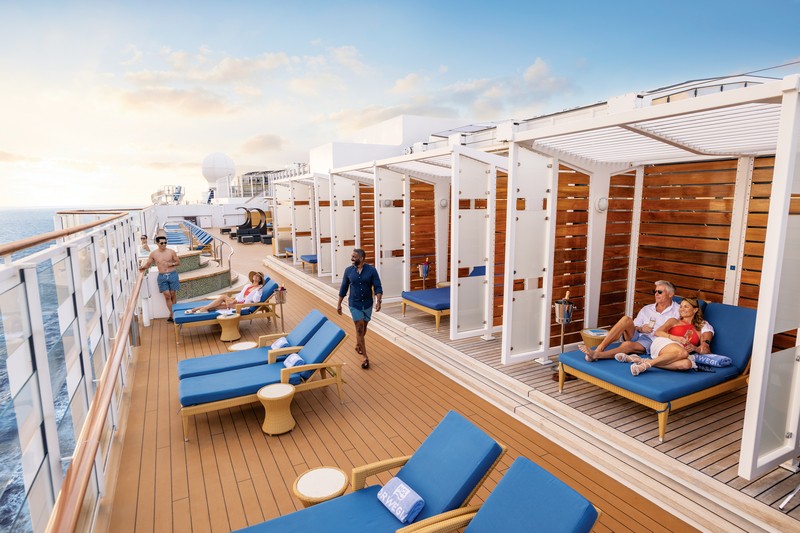
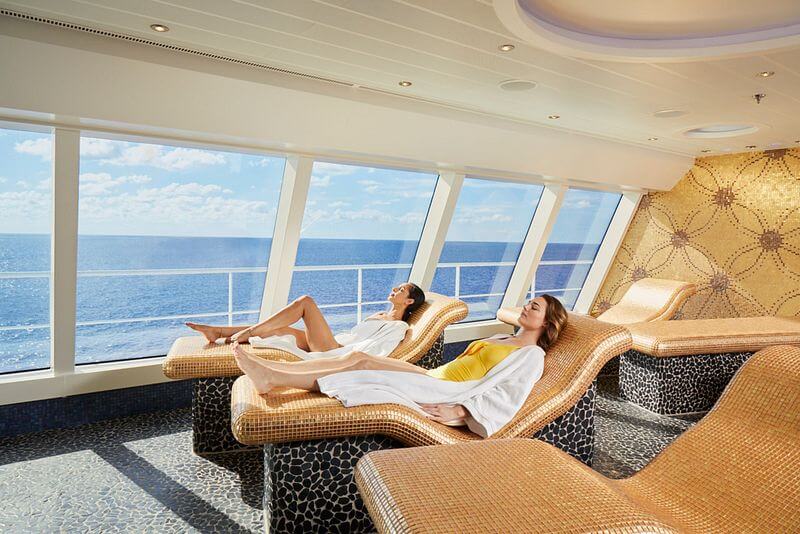
- Remember the ship is quieter in port. If you have seen a stop before, staying on board can mean an empty pool deck and a spa with plenty of availability.
Private island days are the exception to most of these rules, since the beach is usually steps from the ship.
FAQs
How long do cruise ships stay in port?
Most cruise ships stay in port for about 7 to 10 hours, typically arriving around 8am and leaving around 5pm. Some stops are shorter half days, while major cities may get late departures or overnight stays.
How long does it take to get off a cruise ship at each port?
At a docked port it usually takes 15 to 30 minutes after arrival for the gangway to open, longer if local officials need to clear passengers in person. At tender ports, expect to wait 30 to 90 minutes in the morning rush.
What time is all-aboard on a cruise?
All-aboard is usually 30 to 60 minutes before the ship’s scheduled departure, based on ship time. It is printed in your daily planner and the cruise line app.
Will the cruise ship wait for me if I am late?
Not if you are touring independently. Ships generally wait only for late cruise line excursions, and if they cannot, the line usually helps you rejoin at the next port at no charge.
Do cruise ships ever stay overnight in port?
Yes. Overnights are common in Bermuda and in big cities such as Barcelona, Lisbon, Reykjavik, Singapore and Hong Kong, and luxury lines tend to schedule them more often.