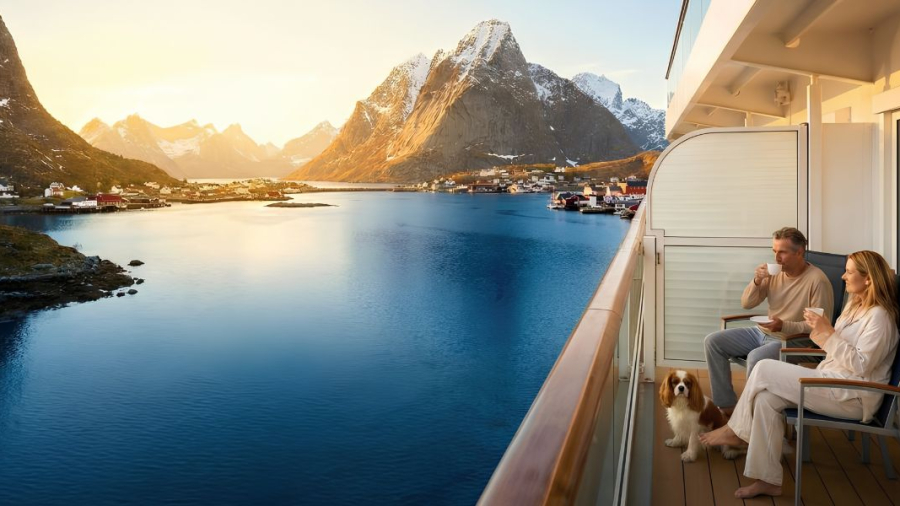
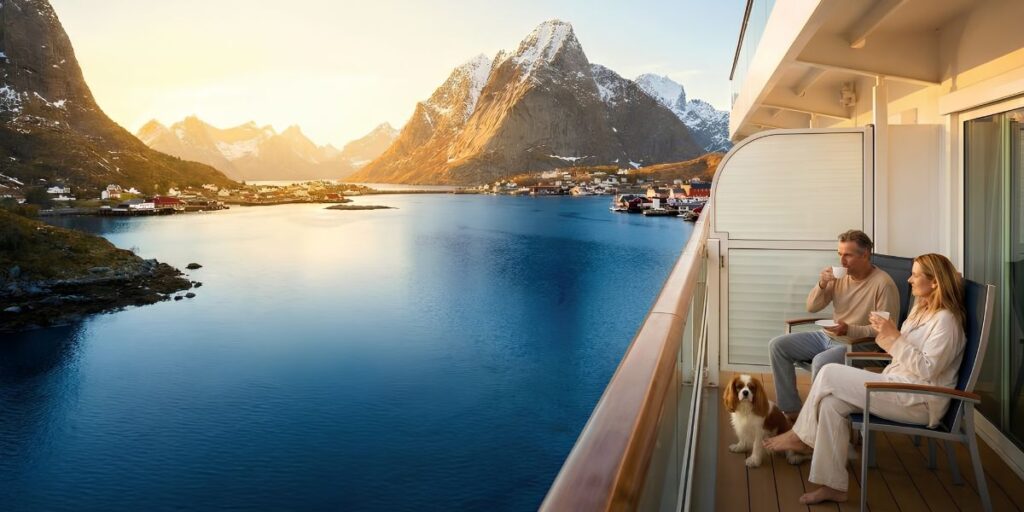
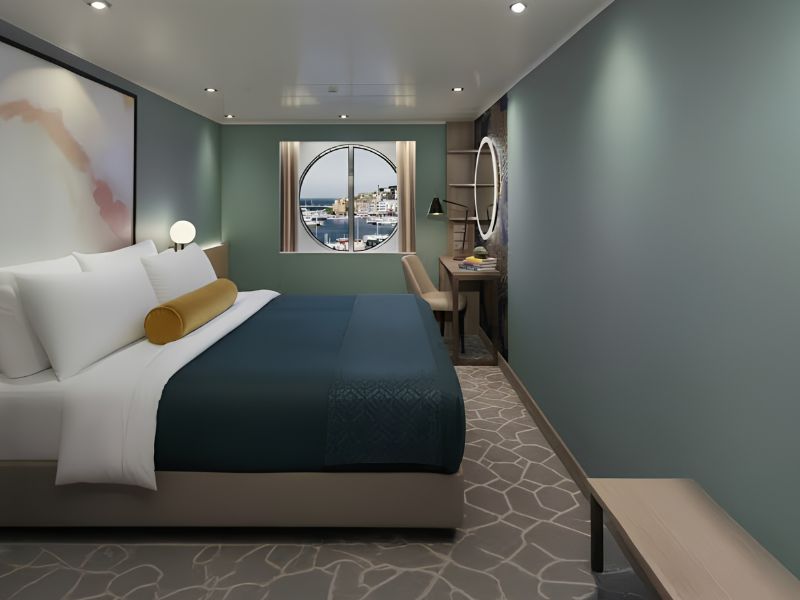
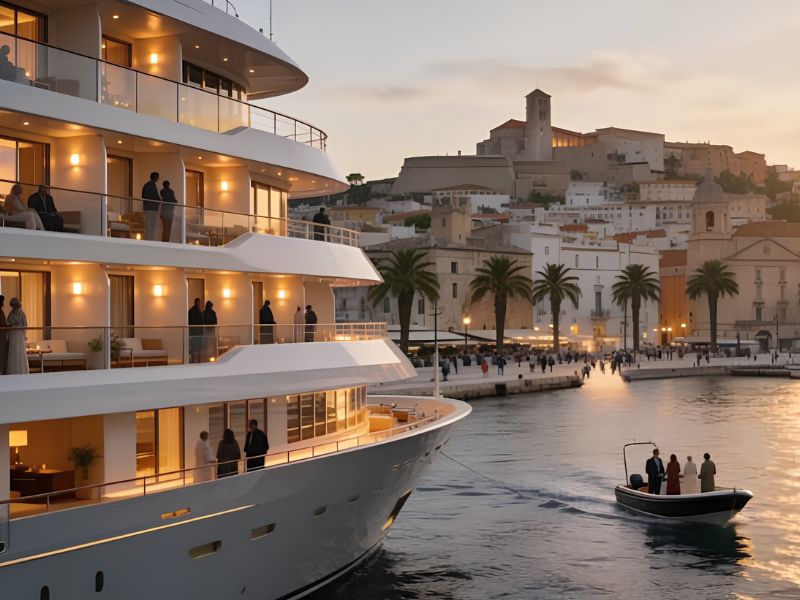
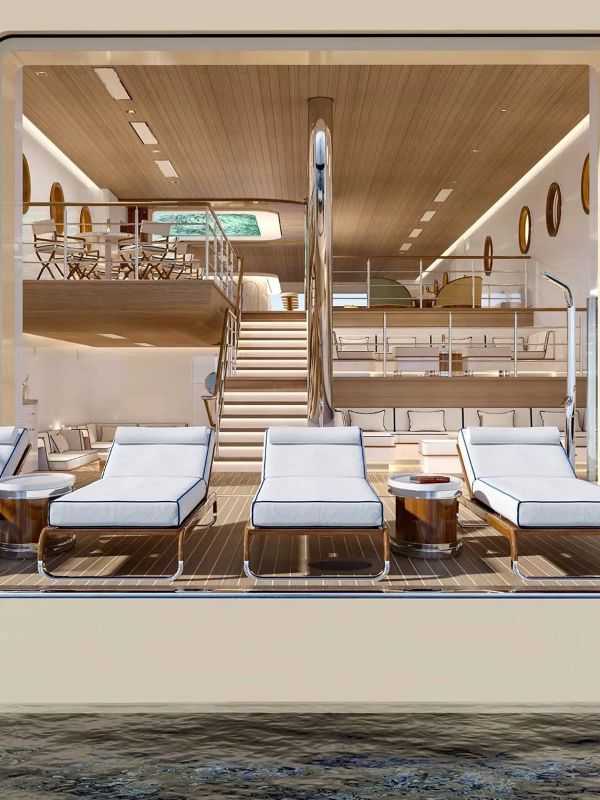
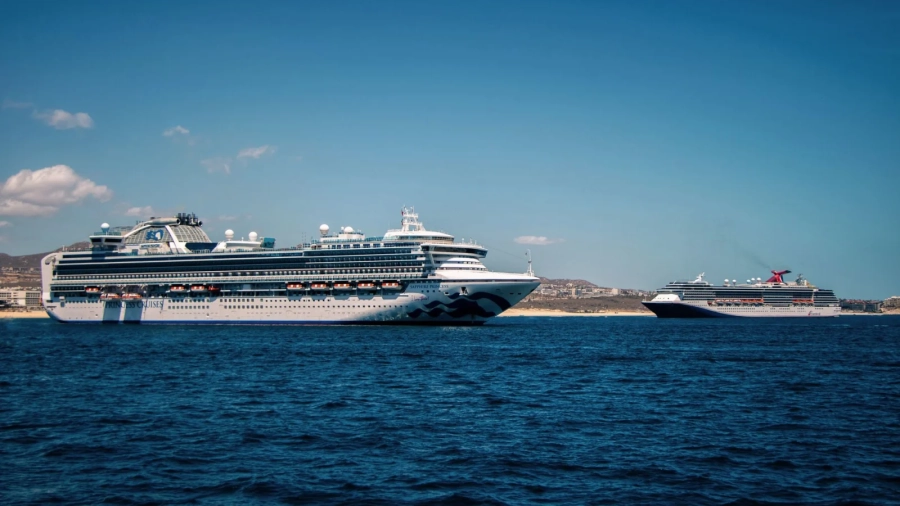
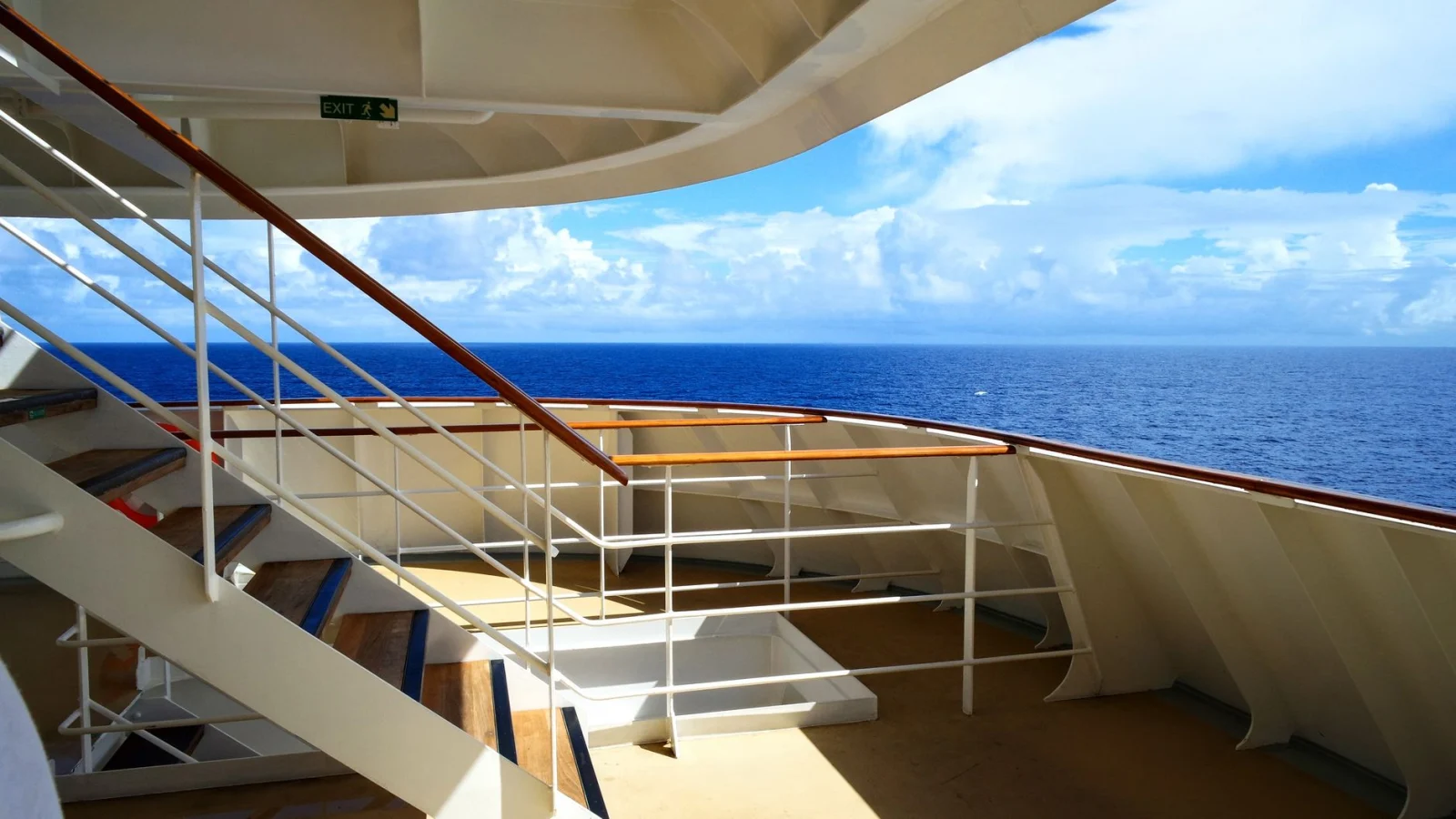
Riviera-Travel-ms-George-Eliot.jpg

Riviera Travel Unveils World’s First Solo-Exclusive River Cruise Ship For 2027


Riviera Travel has revealed plans to launch what it describes as the world’s first river cruise ship created exclusively for solo travellers, with the MS George Eliot scheduled to enter service in April 2027.

The new vessel will operate an entire season of solo-only river cruises across Europe, with every cabin designed for single occupancy and no solo supplement charged.

Riviera Travel ms George Eliot

The move marks a significant expansion of Riviera’s dedicated solo travel programme, which has grown in popularity as demand for independent travel continues to increase.

The cruise line said the MS George Eliot has been designed specifically with solo guests in mind, combining private accommodation with shared social spaces intended to encourage travellers to meet like-minded passengers throughout each sailing.

The ship will offer guests their own double cabin, a higher staff-to-guest ratio than on Riviera’s standard river ships and a programme of curated shore excursions led by expert Tour Managers.

The line also says the reduced passenger numbers will provide more space on board, including shorter queues during dining.

The maiden voyage, a Spring in the Netherlands: Amsterdam & the Tulips cruise, is already sold out.

Solo Sailings Across Europe

Following its inaugural cruise, the MS George Eliot will spend the 2027 season operating a range of itineraries across some of Europe’s best-known rivers.

Riviera Travel Drinks

Scheduled departures include multiple sailings of The Blue Danube River Cruise for Solo Travellers between June and October, along with Cruise the Heart of Europe: Journey Along the Rhine, Main and Danube, Rhine Cruise to Switzerland, Rhine and Moselle River Cruise, and a selection of festive itineraries during December.

Christmas and New Year departures are also planned, including Danube Christmas market cruises, a Christmas on the Danube sailing and a New Year cruise departing on 30th December 2027.

“We are so excited that from April 2027 the George Eliot will become the world’s first solo-exclusive river cruise ship. This really shows our dedication to solo travellers and will allow us to offer a much larger choice of dates with solo river cruises operating all season.”

Linda Harris, Solos Product Manager at Riviera Travel

Growing Demand For Solo Cruising

The launch reflects the continued growth of the solo travel market, with more cruise lines expanding their offering for passengers travelling alone.

Ocean cruise operators including Norwegian Cruise Line, Virgin Voyages and several luxury brands have introduced more single cabins or reduced supplements in recent years as solo cruising has become increasingly popular. However, dedicated ships exclusively for solo guests remain extremely rare.

By assigning every cabin to a single traveller and operating an entire season solely for solo passengers, Riviera Travel is positioning the MS George Eliot as a unique product within the river cruise market.

The 2027 programme includes sailings through Austria, Germany, Hungary, Slovakia, France, Switzerland and the Netherlands, with cruise durations ranging from five nights to 15 days.

Prices currently start from £1,949 per person for six-day festive itineraries, rising to £5,899 per person for the 15-day Heart of Europe voyage.

NEW DEALS JUST RELEASED!

Don’t miss the latest Riviera Travel offers…

Related Posts

If you found this interesting, please share!


Jenni with Disney Cruise ship at Castaway Cay


Source link
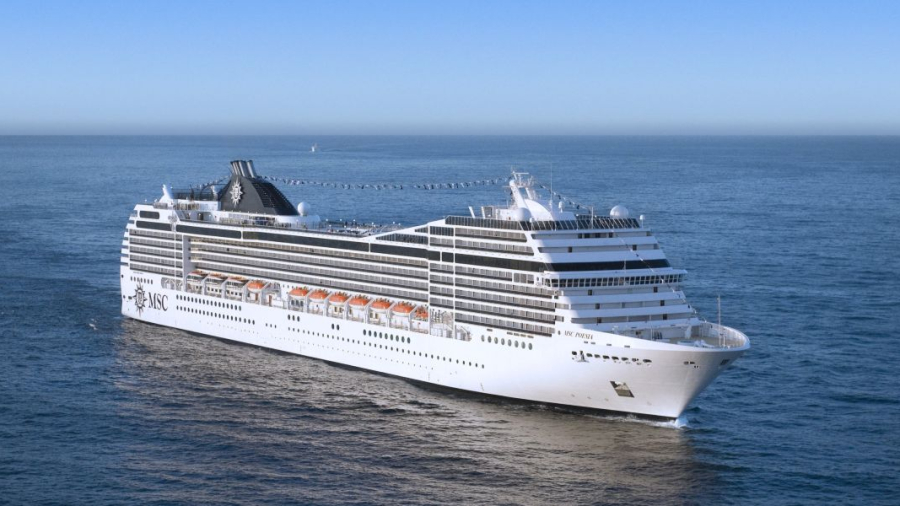
MSC13014732.jpg

MSC Cruises Launches Digital Remote Check-In At Seattle Airport


MSC Cruises has introduced a new Digital Remote Check-In solution at Seattle-Tacoma International Airport, enabling passengers to complete cruise formalities before reaching the terminal. The technology, launched during MSC Poesia’s inaugural Alaska season, allows guests using the line’s official airport transfers to bypass traditional check-in queues and proceed directly to boarding.

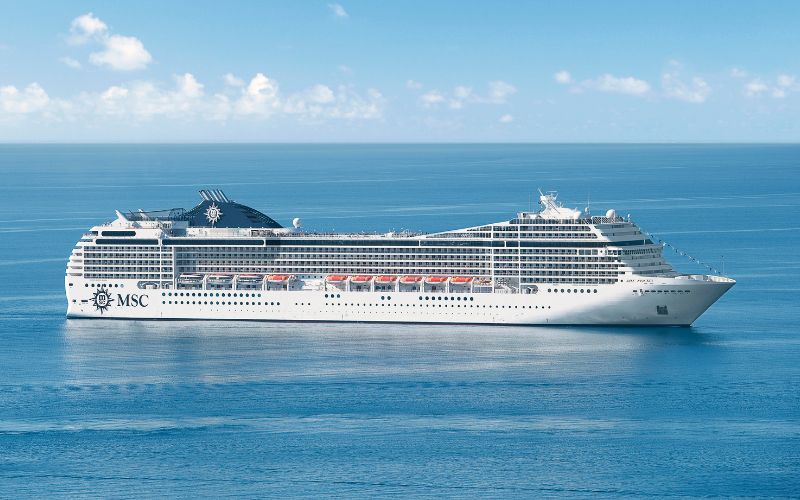
MSC Poesia

Revolutionary Technology Transforms Traditional Port Procedures

The innovative system represents a significant departure from conventional cruise embarkation processes that have remained largely unchanged for decades. By relocating check-in procedures from the cruise terminal to the airport, MSC Cruises is addressing one of the most common pain points in the cruise experience – the often lengthy wait times at the port before passengers can board their vessel.

Guests travelling on MSC Cruises’ official airport transfer services now complete all necessary documentation and verification steps at Seattle-Tacoma International Airport itself. This advance processing eliminates the need for passengers to queue at check-in desks upon arrival at the cruise terminal, fundamentally changing the flow of the embarkation day.

Direct-To-Boarding Experience Enhances Guest Satisfaction

According to the company’s official announcement, passengers who utilise the Digital Remote Check-In service can proceed straight to security screening and boarding upon arrival at the cruise terminal. This streamlined approach significantly reduces the time between arriving at the port and stepping aboard the ship, allowing guests to begin their holiday experience considerably earlier than under traditional embarkation protocols.

The technology effectively separates the administrative aspects of cruise check-in from the physical boarding process. By handling document verification, identification checks, and other formalities at the airport, the terminal experience becomes focused purely on security screening and the actual boarding procedure itself.

This represents a notable improvement in operational efficiency for both the cruise line and its passengers. For guests, it means less time standing in queues and more time enjoying onboard amenities from the moment they arrive at the terminal.

MSC Poesia Alaska Season Serves As Testing Ground

The Digital Remote Check-In solution made its debut during MSC Poesia’s inaugural Alaska season operating from Seattle. The timing of this launch demonstrates MSC Cruises’ strategy of introducing new guest-facing technology in key markets where the cruise line is expanding its presence and building brand recognition.

MSC Poesia

MSC Poesia represents the company’s first vessel to offer a full season of Alaska cruises from Seattle, marking an important milestone in MSC’s North American growth strategy. The ship operates seven-night roundtrip voyages from the Pacific Northwest port, visiting popular Alaska destinations including Ketchikan, Juneau, Skagway, and Victoria, British Columbia.

By pairing the launch of new technology with the inaugural season of a vessel in a key market, MSC Cruises creates a differentiated experience that sets the ship apart from competitors operating in the crowded Alaska cruise market. The Digital Remote Check-In becomes a unique selling point that may influence booking decisions among passengers comparing various cruise options.

Expansion Plans Target Multiple Guest Touch Points

MSC Cruises has confirmed that the Digital Remote Check-In solution will extend beyond airport arrivals to encompass hotels and other selected locations where guests begin their cruise journeys. This broader implementation strategy suggests the technology platform has been designed with flexibility and scalability in mind from the outset.

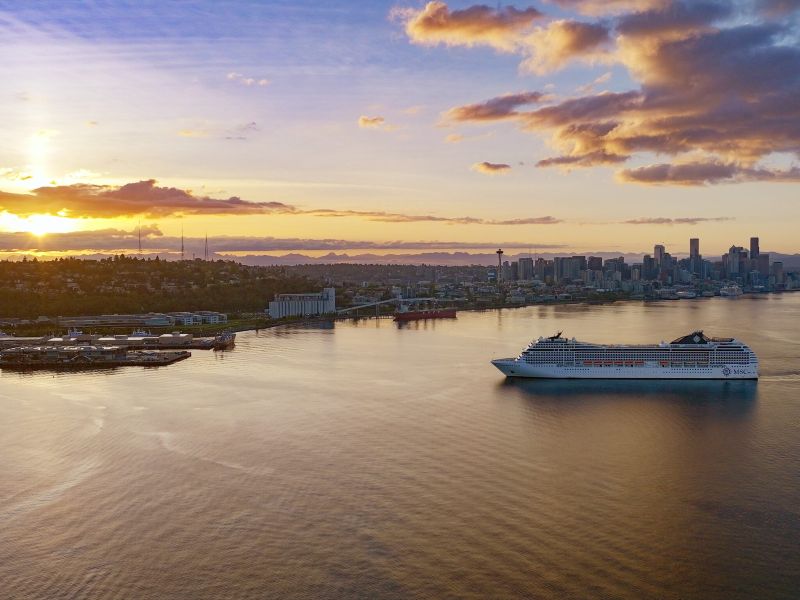
MSC Poesia Seattle for Alaska Season

The expansion to hotels is particularly significant, as many cruise passengers spend one or more nights in the departure city before their cruise. By enabling check-in at hotel locations, MSC can capture guests even earlier in their journey and further reduce congestion at the cruise terminal itself.

Other selected locations could potentially include downtown visitor centres, railway stations, or dedicated pre-cruise facilities. The company’s announcement left the specific locations unidentified, suggesting plans remain under development for various markets based on local infrastructure and passenger flow patterns.

Global Rollout Strategy Follows Seattle Success

Following the Seattle launch, MSC Cruises announced plans to progressively implement Digital Remote Check-In across additional ports throughout its global network. This phased approach allows the company to refine the technology and operational procedures based on real-world experience before expanding to other markets.

The cruise line operates from dozens of homeports worldwide, spanning Europe, the Caribbean, South America, Asia, and the Middle East. A global rollout of remote check-in technology represents a substantial operational undertaking requiring coordination with airport authorities, port facilities, ground transportation providers, and local regulatory bodies in numerous jurisdictions.

Different markets may present unique challenges based on local infrastructure, security requirements, and regulatory frameworks. The progressive rollout strategy enables MSC to adapt the solution to regional variations whilst maintaining a consistent core experience for guests regardless of departure port.

Technology Investment Aligns With Industry Trends

The Digital Remote Check-In initiative underscores MSC Cruises’ commitment to leveraging smart technology to enhance the guest experience, according to the company’s official statement. This investment aligns with broader industry trends seeing cruise lines increasingly adopt digital solutions to streamline operations and improve passenger satisfaction.

Cruise lines across the industry have invested heavily in mobile applications, digital key cards, wearable payment devices, and other technologies designed to reduce friction points throughout the guest journey. MSC’s remote check-in solution represents the next evolution of this trend, extending digital convenience to the pre-embarkation phase of the cruise experience.

The integration of operations mentioned by MSC suggests the Digital Remote Check-In system connects with the company’s broader suite of digital tools and backend systems. This integration enables real-time data sharing between airport check-in points, ground transportation, and the cruise terminal, ensuring all parties have current information about guest status and location.

Operational Efficiency Gains Benefit Multiple Stakeholders

MSC Cruises stated that the remote check-in solution will strengthen efficiency, accuracy, and the overall quality of the guest experience. These benefits extend beyond passengers to encompass the cruise line’s operations and the broader port ecosystem.

For terminal operations, pre-processing guests at remote locations reduces crowding in embarkation halls and allows more predictable passenger flow throughout the boarding period. This can lead to reduced staffing requirements at check-in desks, with personnel redeployed to other guest service functions or eliminated from the cost structure entirely.

Enhanced accuracy results from conducting document verification and check-in procedures in controlled airport environments rather than crowded terminal settings where mistakes are more likely to occur. Digital systems also reduce manual data entry errors and ensure information collected at check-in accurately populates shipboard systems.

Port authorities benefit from reduced congestion around cruise terminals, particularly important in urban ports where cruise facilities share infrastructure with other maritime operations. Smoother embarkation processes also reduce the risk of sailing delays caused by late-boarding passengers.

Competitive Positioning In North American Market

The launch of Digital Remote Check-In in Seattle carries particular significance given MSC Cruises’ relatively recent expansion into the North American market. The Swiss-based cruise line has invested substantially in building brand awareness among North American passengers, who represent the world’s largest source market for cruise travel.

Innovative guest-facing technology provides MSC with a competitive differentiator in a market dominated by established North American cruise brands with decades of local presence and strong customer loyalty. By offering conveniences unavailable on competitor vessels, MSC can attract passengers willing to try a less familiar cruise line in exchange for enhanced experiences.

The Alaska market specifically attracts a high proportion of first-time and occasional cruisers drawn by the destination rather than particular cruise brands. These passengers may prove more receptive to trying MSC Cruises if the embarkation experience demonstrates clear advantages over alternative options, potentially leading to repeat bookings on the company’s vessels in other markets.

NEW DEALS JUST RELEASED!

Don’t miss the latest MSC Cruises offers…

Related Posts

If you found this interesting, please share!


Jenni with Disney Cruise ship at Castaway Cay
Fabled Voyages pet friendly residential cruising

A new residential cruise line has launched reservations for continuous world voyages that welcome cats and dogs on board, marking a first in the growing sector of permanent ocean living….

Four Seasons I Yacht

Italian shipbuilder Fincantieri has secured a contract with Marc-Henry Cruise Holdings to construct a third ultra-luxury vessel for Four Seasons Yachts, with delivery scheduled for 2031. The order marks continued…

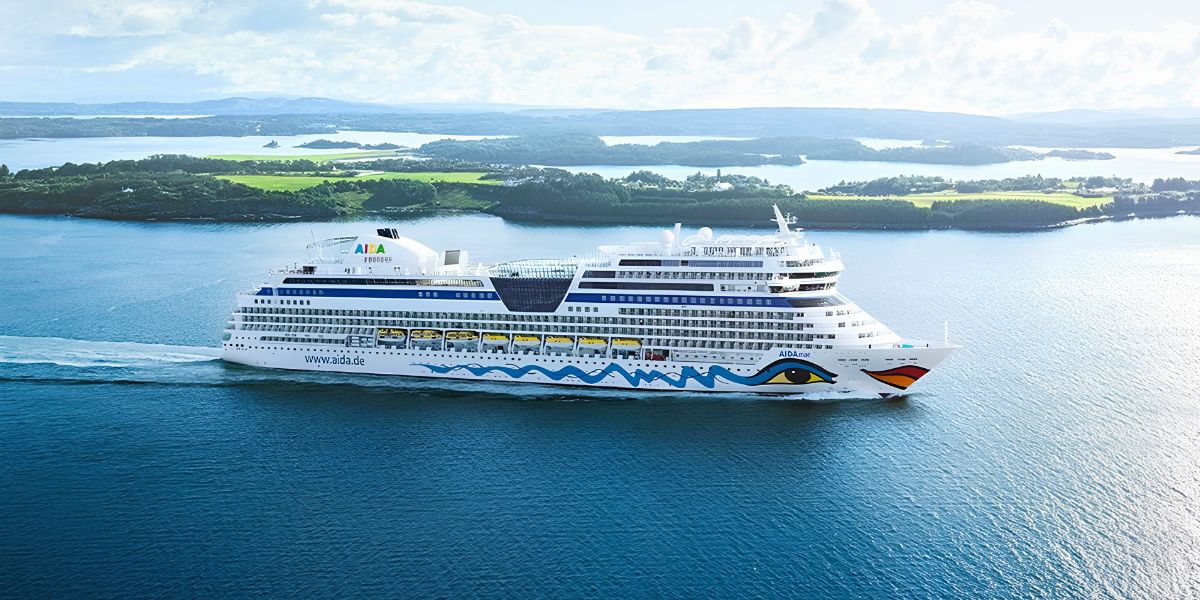
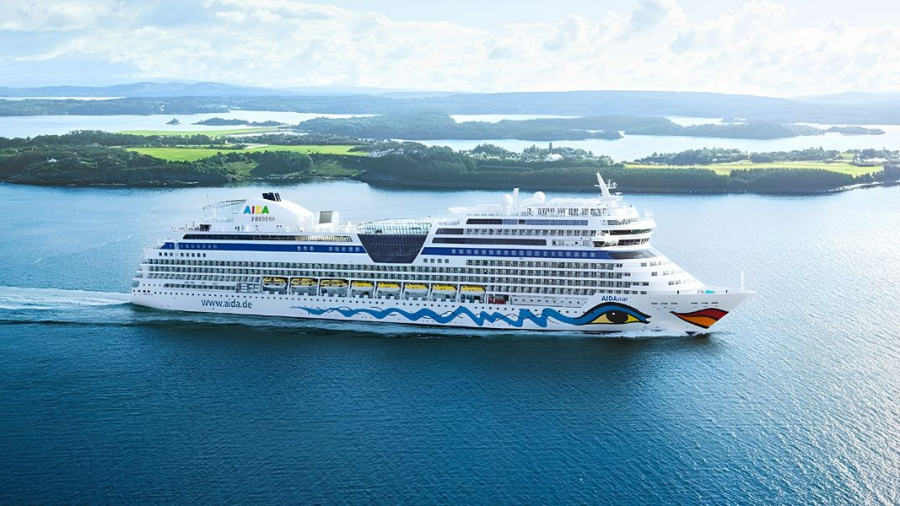
AIDA AIDAmar ship

AIDA Cruises has completed an innovative “shipyard experience” cruise that allowed passengers to remain aboard the AIDAmar whilst the vessel underwent routine maintenance and inspections in Rotterdam. The German cruise…

Holland America Line has announced exciting upgrades to the Oosterdam. Its newly renovated Oosterdam will debut with 30 purpose-built solo cabins when it emerges from dry dock in December 2027….


Source link
Very large cruise ship docked in port, illustrating the scale of the biggest cruise ship in the world

Biggest Cruise Ship in the World (2026): Which Ship Holds the Title, and Is It Worth It?

The biggest cruise ship in the world in late 2026 is Royal Caribbean’s Legend of the Seas, but only just. It shares a gross tonnage of 248,663 with its Icon-class sisters, Icon of the Seas and Star of the Seas, and takes the title because it is around a foot longer. All three carry 5,610 guests at double occupancy and up to about 7,600 when every berth is full.

So the record holder is really a three-way tie. The more useful question is whether a ship this big is worth paying for. For some travelers it is the best family vacation afloat. For others it is crowded, expensive once the extras are added, and limited in where it can go. This guide covers the size facts first, then looks at the value question.

What is the biggest cruise ship in the world in 2026?

Ships are ranked by gross tonnage (GT), which measures enclosed internal volume rather than weight. On that measure Royal Caribbean holds the top nine places. The three Icon-class ships are identical in tonnage. Legend of the Seas, which entered service in July 2026, is officially the largest because it is fractionally the longest, at about 1,197 feet.

Icon of the Seas held the title on its own when it debuted in January 2024. Star of the Seas joined in 2025 and Legend in 2026. The title will be shared again when Hero of the Seas, the fourth Icon-class ship, arrives (scheduled for 2027). Royal Caribbean has further Icon-class ships on order for later in the decade.

Largest cruise ships in the world: size comparison

Ship Line In service Gross tonnage Length Guests (double / max)
Legend of the Seas Royal Caribbean 2026 248,663 approx. 1,197 ft 5,610 / approx. 7,600
Star of the Seas Royal Caribbean 2025 248,663 approx. 1,197 ft 5,610 / approx. 7,600
Icon of the Seas Royal Caribbean 2024 248,663 approx. 1,197 ft 5,610 / approx. 7,600
Utopia of the Seas Royal Caribbean 2024 236,473 approx. 1,185 ft 5,668 / n/a
Wonder of the Seas Royal Caribbean 2022 235,600 approx. 1,188 ft 5,734 / 6,988
Symphony of the Seas Royal Caribbean 2018 228,081 approx. 1,184 ft 5,518 / 6,680
MSC World America MSC Cruises 2025 216,638 approx. 1,094 ft 5,231 / 6,762
Disney Adventure Disney Cruise Line 2026 208,108 approx. 1,118 ft approx. 6,700 (max)
Carnival Jubilee Carnival 2023 183,521 approx. 1,130 ft n/a / 6,631

Figures are from published specifications and ship registers at the time of writing and can differ slightly between sources. For the full Royal Caribbean lineup, from Oasis class down to the smaller Vision-class ships, see our Royal Caribbean ships by size chart.

Where the three biggest ships sail

  • Legend of the Seas spent its first summer in the Western Mediterranean from Civitavecchia (Rome) and Barcelona. It crossed the Atlantic in late October 2026 and from November sails 6- and 8-night Caribbean itineraries from Fort Lauderdale (Port Everglades).
  • Icon of the Seas sails 7-night Caribbean cruises from Miami. Royal Caribbean has announced that it moves to Galveston, Texas, in August 2027.
  • Star of the Seas is based at Port Canaveral near Orlando, with short and 7-night Bahamas and Caribbean sailings.

Nearly every Icon-class itinerary includes Perfect Day at CocoCay, Royal Caribbean’s private island in the Bahamas.

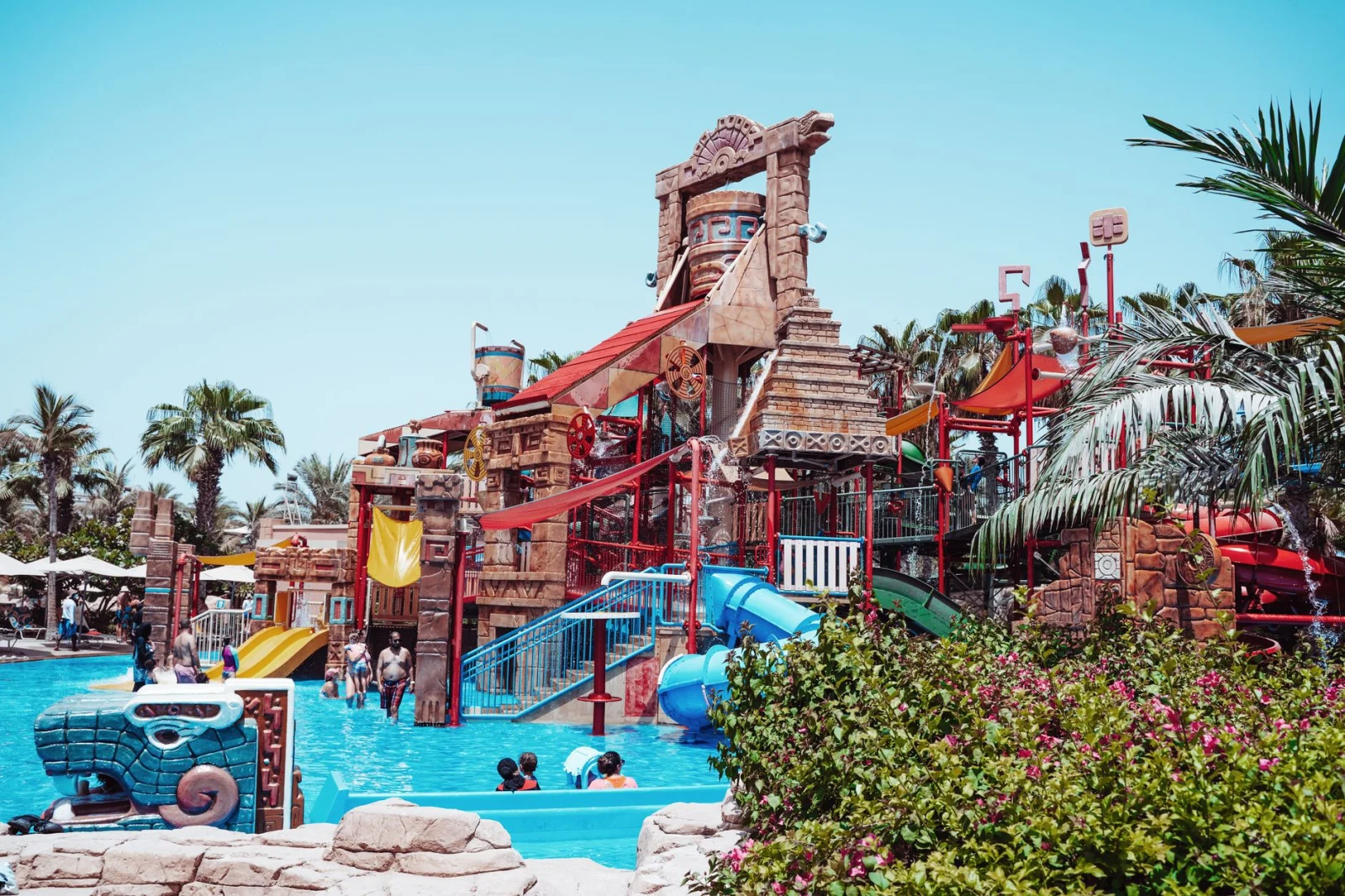
Colorful water slides at an outdoor waterpark, the kind of attraction that sets the biggest cruise ships apart
Big-ship appeal comes down to attractions like waterslides and pools. Photo: Denys Gromov on Pexels

Is the world’s biggest cruise ship worth it?

Whether Icon of the Seas or Legend of the Seas is worth it depends far more on who is traveling than on the ship. These ships are built around variety: seven or eight “neighborhoods”, a large waterpark, several pools, Broadway-style and ice shows, and a long list of included and paid restaurants. If your group will use most of that, the higher fare is easier to justify. If you mainly want quiet sea views and interesting ports, you are paying for things you will not use.

Who gets the most from a mega-ship

  • Families with children of mixed ages. Toddlers have a dedicated splash area, older children have the waterpark and kids’ clubs, and teenagers have their own spaces. Few vacations keep a nine-year-old and a fifteen-year-old busy in the same place.
  • Multigenerational groups. Grandparents, parents and children can split up during the day and meet for dinner, and the range of cabins makes it easier to book adjoining rooms or a family suite.
  • First-time cruisers who want a resort feel. With so much to do on board, sea days rarely drag, and a short 3- or 4-night sampler is a low-risk way to try it.
  • Travellers who value choice over intimacy. If you like a different bar, show and restaurant every night, size works in your favor.

Who may be disappointed

  • Couples seeking calm. Even with clever crowd flow, a ship carrying 6,000-plus guests on a full sailing feels busy around pools, buffets and theaters, especially during school breaks.
  • Port-focused travelers. Caribbean itineraries repeat the same handful of large-ship ports, and several days are spent at sea or at CocoCay.
  • Budget-conscious cruisers. The newest, biggest ships usually cost more per night than older Royal Caribbean ships on similar routes.
  • Anyone who dislikes waiting in line or booking ahead. Popular shows, specialty restaurants and some attractions fill up quickly, so a good trip takes some planning in the app before sailing.

The downsides of sailing on the largest cruise ship

Crowds and planning

Royal Caribbean spreads guests across neighborhoods, and day-to-day crowding is usually less noticeable than the numbers suggest. Pinch points still occur: embarkation morning, the pool deck at midday on sea days, the main buffet at breakfast and the CocoCay tenders and trams. Booking show times and dining slots in advance, eating at off-peak times and using the quieter adults-only areas all help.

The cost of add-ons

The fare covers your cabin, the main dining room, buffet and several casual venues, most entertainment and the waterpark. Many of the things that make these ships stand out cost extra. Approximate figures reported in 2026 (always check the cruise planner for current prices):

  • Gratuities: around $16-$18 per person per day, added automatically.
  • Deluxe Beverage Package: roughly $60-$90 per person per day, depending on when and where you buy it.
  • Wi-Fi: around $20-$30 per device per day, less for multi-device or full-voyage plans.
  • Specialty dining: from about $15 for casual venues to $60 or more per person at steakhouses and chef’s-table experiences.
  • Upcharge experiences such as Crown’s Edge or the Hideaway Beach club at CocoCay.

Cost guides commonly suggest budgeting an extra $150-$250 per person per day for drinks, Wi-Fi, a couple of specialty meals and excursions. A family that wants everything can easily add more than the fare itself.

Port and itinerary limits

A ship nearly 1,200 feet long needs a long berth, deep water and terminals that can handle thousands of people at once. That limits the Icon class to a fairly short list of ports, mostly in the Bahamas, Mexico and the Caribbean, and makes some smaller islands impossible to visit. If seeing new destinations matters more than the ship itself, a mid-size ship will usually reach more interesting ports.

How much does the biggest cruise ship in the world cost?

Fares change daily, but recent listings give a rough guide for a 7-night Icon-class cruise, per person based on two sharing, before taxes and add-ons:

Cabin type Typical range per person (7 nights)
Interior approx. $1,000-$2,500
Ocean view approx. $1,300-$3,000
Balcony approx. $1,700-$4,500
Junior suite approx. $3,500-$6,000
Larger suites $5,000 and well above

The lowest prices tend to be on late-fall and early-December sailings and on interior cabins booked early. School vacations, spring break and the festive period sit at the top of the range. Shorter 3- and 4-night sailings, offered on Legend and Star, cost less in total but often more per night.

Colorful water slides above a pool, the type of attraction found on the biggest cruise ship in the world
Big-ship attractions like water slides are included in the fare, which helps the value add up. Photo: Ollie Craig on Pexels

How to make an Icon-class cruise worth it

  1. Sail outside school breaks if you can. Fewer children on board means shorter lines and lower fares.
  2. Pick the neighborhood, not just the cabin grade. Families may want to be near Surfside, and couples may prefer quieter areas such as Central Park. An interior cabin is fine if you will rarely be in it.
  3. Price packages before you sail. Drink, dining and Wi-Fi packages are often cheaper in the online cruise planner before departure, and prices move with sales.
  4. Use what is included. The waterpark, most shows and many casual eateries are part of the fare, so you can have a full vacation without paying extra for much.
  5. Book shows and dining early. Reservations open before sailing and the best times go first.
  6. Watch for promotions. Royal Caribbean runs regular sales with percentage-off fares, kids-sail-free offers and onboard credit. Our guide to cruise deals for 2027 and when to book explains the timing.

For a detailed look at what life on board the newest of the three is like, including neighborhoods, dining and entertainment, read our Legend of the Seas review.

Alternatives to the world’s largest cruise ship

  • Oasis-class ships (Utopia, Wonder, Symphony and others) offer many of the same headline features, such as the zip line, Central Park, ice shows and big slides, often for less. Our Utopia of the Seas vs Icon of the Seas comparison covers the trade-offs.
  • MSC World America sails from Miami and is the largest non-Royal Caribbean ship in US waters. It often costs less, but its dining and entertainment style is different.
  • Carnival’s Excel class (Mardi Gras, Celebration, Jubilee) offers big-ship fun, including a roller coaster on some ships, usually at lower fares.
  • Mid-size and premium ships suit travelers who value ports, quieter decks and more personal service over waterparks.

The verdict

The biggest cruise ship in the world is worth it if you are traveling with a family or group that will use the waterpark, shows, pools and range of restaurants, and you are happy to plan ahead. It is less good value if you want a quiet, port-rich vacation or are trying to keep total spending low. In those cases an older Oasis-class ship, or a smaller ship altogether, will likely give you more for your money.

For a sense of how far ship design has come, see how Titanic compares with modern cruise ships.

Size is not only about length and tonnage; the draft of a ship also decides which ports a ship can enter.

To put that size into perspective, read how Icon of the Seas compares with the Titanic.

Ships this large steer with rotating pods rather than rudders, and our guide to cruise ship propellers explains how they push, steer and dock the ship.

FAQs

What is the largest cruise ship in 2026?

Royal Caribbean’s Legend of the Seas, which debuted in July 2026. It shares 248,663 gross tons with Icon of the Seas and Star of the Seas but is about a foot longer, so it holds the title.

What are the top 5 largest cruise ships in the world?

By gross tonnage: Legend of the Seas, Star of the Seas and Icon of the Seas (tied at 248,663 GT), followed by Utopia of the Seas (236,473 GT) and Wonder of the Seas (235,600 GT). All five belong to Royal Caribbean.

How many people does the biggest cruise ship hold?

Each Icon-class ship carries 5,610 guests at double occupancy and up to about 7,600 when every berth is filled, plus around 2,350 crew.

Is Icon of the Seas worth the money?

For families and groups who will use the waterpark, kids’ areas, shows and varied dining, usually yes. For couples who want quiet ships or varied ports, an older or smaller ship is often better value.

Will a bigger cruise ship be built?

Royal Caribbean’s next Icon-class ship, Hero of the Seas, is due in 2027 at the same tonnage, with further sisters on order. No larger cruise ship design has been confirmed at the time of writing.

Bright cruise ship cabin with a made-up bed, the setting for practical cruise cabin hacks

Cruise Cabin Hacks: What Most Cruisers Don’t Know About Their Cabin

The best cruise cabin hacks are not gadgets: they come from knowing how a ship’s cabin actually works. Most cabins have steel walls that hold magnets, two kinds of plug socket, a vacuum toilet, and air conditioning that may cut out when the balcony door opens. Once you know these quirks, a small room feels far more comfortable.

This guide is about the things most cruisers never find out about their cabin, from where the extra storage hides to what the tap water really is. If you want a step-by-step checklist for the moment you walk in, see our guide to things to do as soon as you get to your cruise cabin. Here we focus on how the room works, so you can make the most of it for the whole voyage.

Cruise Cabin Hacks at a Glance

Cabin feature What many cruisers assume What is usually true
Walls Painted plaster, nothing will stick Steel panels that hold magnetic hooks
Plug sockets One socket by the desk US and European sockets, often more than you spot at first
Power strips Fine to pack Surge-protected strips are banned; some lines ban all multi-plug strips
Air conditioning Works with the balcony door open Often switches off while the door is open
Tap water Not for drinking Treated, tested and generally safe to drink
Beds Fixed as booked Usually convertible between twin and double

Power and Plug Sockets: The Charging Secrets

Look for two types of socket

Many ships fit both a North American 110-volt socket and a European two-pin 220-volt socket, usually at the desk or vanity. British travellers may need an adapter for either one. Newer ships often add USB ports near the bed or desk, and some hide sockets behind the TV, under the vanity or beside the bedside lamps. Check every surface before you assume you only have one.

Know the rules on power strips

Surge-protected power strips are banned on virtually every major line because they can interfere with the ship’s electrical system. Rules on non-surge strips vary: Royal Caribbean lists power strips and multi-plug outlets as prohibited, while lines such as Carnival and Princess have allowed non-surge versions. Rules change, so read your line’s prohibited items list shortly before sailing. A compact multi-port USB charger is the item least likely to be taken away at security.

The key card slot may control the lights

On many ships you slot your key card into a holder by the door to switch the lights and sockets on. Take the card out and the power cuts after a short delay, so a phone left charging may stop. Not every ship works this way, and some cabins keep the sockets live, so test it on day one.

Temperature and Air: Why Your Cabin Feels Stuffy

Cabin thermostats usually let you make the room warmer or cooler only within a set range, because the air is supplied centrally. If the room never feels cold enough, ask your cabin attendant to have maintenance check the vent; it is a common and quick fix.

In balcony cabins, the air conditioning often switches off while the balcony door is open. Leave it ajar for the sea breeze and the room can turn warm and humid, especially in the Caribbean. Close the door fully when you leave the room.

The bathroom extractor fan usually runs all the time and cannot be switched off. It helps with steam and smells, but it is not powerful, so keep the bathroom door closed after a shower to stop moisture drifting into the cabin.

Neatly organised compact hotel style room with hanging hooks and storage, like a cruise cabin
Small rooms work harder when you use every wall and drawer. Photo: Anna Shvets on Pexels

Hidden Storage Most Cruisers Miss

Use the walls: they are magnetic

Cabin walls, ceilings and doors on most ocean ships are steel, so strong magnetic hooks give you extra places to hang hats, lanyards, bags and the daily programme. Choose hooks rated for several kilograms, and pack a few magnetic clips for paperwork. Bathroom walls are often laminate, so magnets may not hold in there.

Under the bed and behind the mirror

Most cabin beds sit high enough for suitcases to slide underneath, freeing the floor. Vanity mirrors sometimes open to reveal shelves, and there are often extra drawers inside the desk or under the sofa. A hanging shoe organiser over the bathroom door adds pockets for toiletries and sunscreen.

The retractable washing line

Many cabin showers hide a pull-out clothesline on the wall. It is handy for swimwear, but do not hang wet clothes on the balcony, as most lines do not allow it.

The Bathroom: Vacuum Toilets and Tap Water

Why the toilet is so loud

Ship toilets use a vacuum system rather than a water cistern, which saves a lot of water. That is why the flush makes a loud whoosh. The pipes are narrow, so only toilet paper should ever go down; wipes, cotton pads and sanitary products can block the system, and a blockage can affect several cabins at once. Close the lid before flushing.

The tap water is safe

Most ocean ships make fresh water from seawater by evaporation or reverse osmosis, then add minerals, treat it with chlorine and test it regularly. Ships calling at US ports are also inspected under the CDC’s Vessel Sanitation Program. The bathroom tap carries the same treated supply, so filling a reusable bottle there is fine unless your line tells you otherwise. Some people notice a slight chlorine taste; chilling the water helps.

Cruise ship hallway with rows of cabin doors, showing how cabin location varies along the ship
Where your cabin sits on the ship shapes how it feels. Photo: Murat Ak on Pexels

Beds, Location and Inside Cabins

Beds can usually be rearranged

In most standard cabins the two lower beds can be pushed together into a larger bed or split into twins. Your cabin attendant can change the setup, usually the same day. Extra pillows, a mattress topper or a feather-free duvet are often available too, so it is worth asking.

Location matters more than size

A cabin low down and in the middle of the ship feels the least movement. Cabins directly below the pool deck, buffet or theatre may hear scraping chairs or shows late at night, and those near lifts or launderettes see more foot traffic. Before you book, check the deck plan for what sits above and below your cabin. If you are deciding between categories, our comparison of balcony versus inside cabins explains the trade-offs.

Some inside cabins have a view after all

Royal Caribbean fits virtual balconies, floor-to-ceiling screens showing a live feed from outside, in some inside cabins on Symphony, Harmony, Spectrum, Anthem, Ovation, Quantum, Navigator, Explorer and Voyager of the Seas. Not every inside cabin on those ships has one, so check the cabin category before booking. Other ships offer inside cabins with windows facing an indoor promenade, which bring in some daylight.

Small Cabin Perks Most People Never Use

  • Your cabin attendant can do more than tidy. Ask for extra hangers, more towels, an ice bucket or the minibar to be emptied so you can chill your own drinks.
  • The TV is a tool. On most ships it shows your onboard account, the ship’s position, the daily programme and sometimes the bow camera, which is useful before you head out on deck.
  • Room service breakfast. Many lines offer a continental breakfast in the cabin, often free, ordered by hanging a card on your door the night before. Charges vary by line.
  • Your muster station is on the back of the door. The safety notice shows where to go in an emergency, along with the cabin’s fire exit route.
  • The fridge may be a cooler. Many cabin fridges keep things cool rather than cold, so they are not reliable for medicines that must stay refrigerated. Ask guest services about medical storage.

Once you know these cruise cabin hacks, even a compact inside cabin can feel organised and calm. For more ideas on making a smaller room work, see our tips for inside cabins.

Once you know your cabin, read up on sea day mistakes to avoid.

Many cabin problems can be avoided before you book, and our guide on how to choose a cruise cabin shows what to check on the deck plan.

Where your room sits matters as much as what is in it, so see our guide to the best cabin location on a cruise ship.

FAQs

Are cruise cabin walls magnetic?

Yes, on most ocean ships the cabin walls, ceilings and doors are steel, so magnetic hooks and clips will hold. Bathroom walls are usually laminate panels, so use suction or over-door hooks in there instead.

Can I bring a power strip on a cruise?

It depends on the line. Surge-protected strips are banned almost everywhere, and Royal Caribbean also bans non-surge power strips and multi-plug outlets. A USB charging block is the safest choice; check your line’s prohibited items list before you pack.

Is the tap water in a cruise cabin safe to drink?

Generally yes. Ships make most of their drinking water by desalinating seawater, then treat and test it, and the bathroom tap carries the same supply as the rest of the ship unless your cruise line says otherwise.

Why does my cruise cabin get warm when the balcony door is open?

On many ships a sensor cuts the air conditioning while the balcony door is open, so the cabin heats up quickly. Close the door fully and give the system a few minutes to recover.

Can twin beds in a cruise cabin be pushed together?

In most standard cabins the two lower beds can be joined into one larger bed or split into twins. Ask your cabin attendant on embarkation day, or request your setup through your booking in advance.

Barcelona-1.jpg

5 Cruise Destinations To AVOID In August


August is one of the busiest months in the cruise calendar. Schools are out, families are travelling, and some of the world’s most popular cruise destinations are packed with holidaymakers.

Add in soaring temperatures and the start of more active storm seasons, and some itineraries become a lot less appealing than they look in the brochure.

Barcelona with La Sagrada Familia during christmas season

That doesn’t mean you can’t have a great August cruise. Plenty of people do. But if you’re flexible about when and where you travel, there are a few destinations that are worth thinking twice about this time of year.

Here are the cruise destinations I’d suggest you avoid in August – and why.

1. The Mediterranean

I thought I’d just dive straight in with something controversial, and pick the most popular summer cruise destination for the top of this list!

If you’ve ever dreamed of strolling around Rome, Athens or Dubrovnik under glorious blue skies, August certainly delivers on the sunshine.

But, there are two huge problems with Med cruises in August. August combines peak European school holidays with some of the hottest weather of the year.

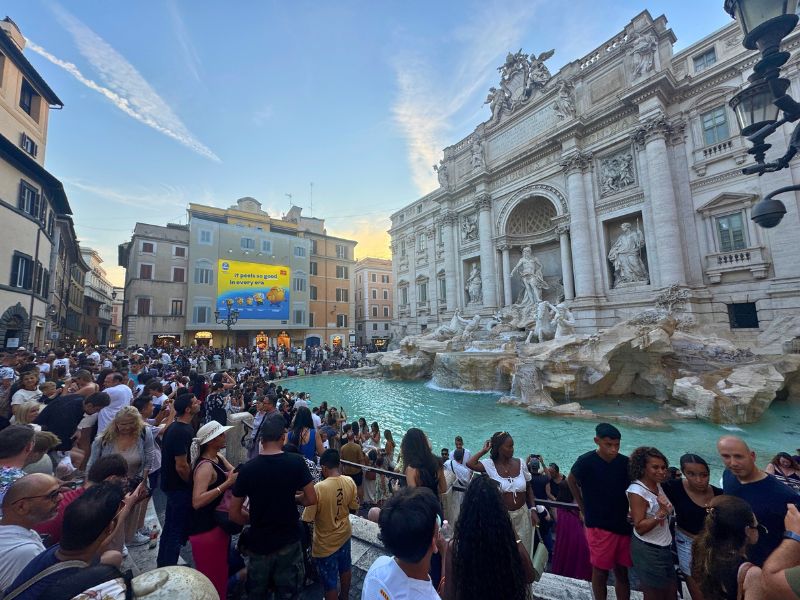
Classical Rome
Expectation
Busy Trevi fountain
Reality

Temperatures regularly climb above 35°C, and in recent years heatwaves have pushed them far beyond that. Spending hours on a walking tour can quickly become exhausting, especially when shade is limited.

Last Rome, we took an open top bus tour in Rome. Even though it had a shade on the roof, after an hour we were literally sitting in puddles of our own sweat! Grim!

Popular ports are also at their busiest. Long queues, crowded attractions and packed city centres can take some of the shine off destinations that are otherwise fantastic to visit.

For many cruisers, May, June, September or October offer a far more comfortable Mediterranean experience.

Yes, I am going to the Mediterranean again this August – but this time I’m going on the world’s biggest ship, Legend of the Seas, and I have no plans to get off!

2. The Caribbean

This is another hugely popular cruise destination, but one that’s best visited at other times of the year. And that’s because August falls right in the middle of Atlantic hurricane season.

This image offers a stunning view of a harbor in St. Barts, a luxurious Caribbean destination known for its vivid blue waters and upscale atmosphere. The harbor is bustling with a variety of vessels, from small boats to larger yachts, all docked along a waterfront lined with charming red-roofed buildings. The landscape is lush with tropical vegetation, and the rolling hills in the background are dotted with colorful residential buildings, showcasing the island's vibrant architecture and scenic beauty. This setting perfectly encapsulates the luxurious and relaxed lifestyle that St. Barts is famous for.
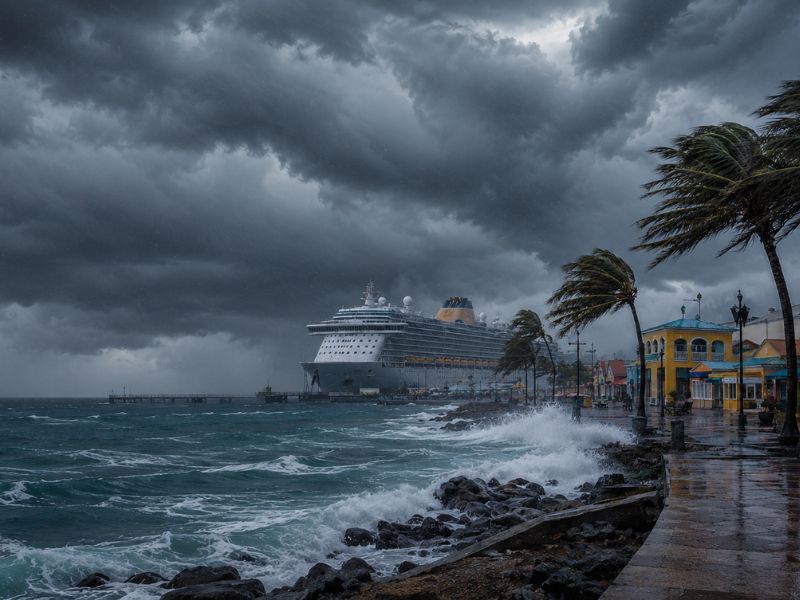
Expectation
Cruise ship in storm
Reality

Modern cruise ships are exceptionally good at avoiding bad weather, and cruise lines won’t knowingly sail into dangerous conditions. The bigger issue is uncertainty.

If a tropical storm develops, itineraries can change quickly. Ships may skip ports, alter routes or substitute destinations at short notice. You could still enjoy excellent weather throughout your sailing, but there’s a greater chance that the cruise you booked won’t be exactly the cruise you get.

For travellers who are focused on specific ports rather than the ship itself, that unpredictability can be frustrating.

Suggested read: What Happens If There’s A Hurricane During Your Cruise

3. Bermuda

Bermuda is often seen as a safer alternative to the Caribbean, but August brings a few of the same challenges.

Temperatures and humidity are near their annual peak, making sightseeing less comfortable than during spring or autumn. The island also sits within the wider Atlantic hurricane region, meaning tropical systems can occasionally affect sailings.

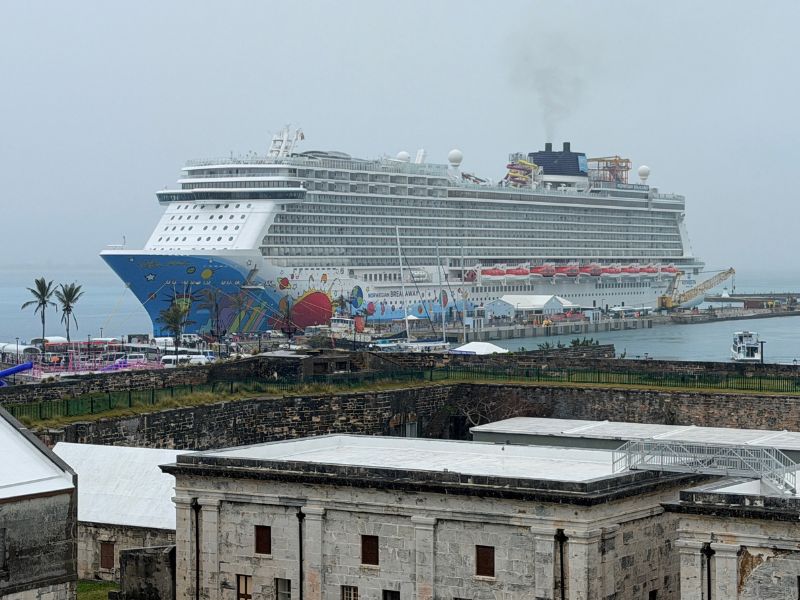
Bermuda Horseshoe Bay
Expectation
NCL Breakaway in Bermuda
Reality

One of Bermuda’s biggest attractions is simply enjoying its beautiful beaches and outdoor spaces. When the weather becomes hot and sticky, some of that appeal starts to fade.

It’s still a lovely destination, but there are better months to visit.

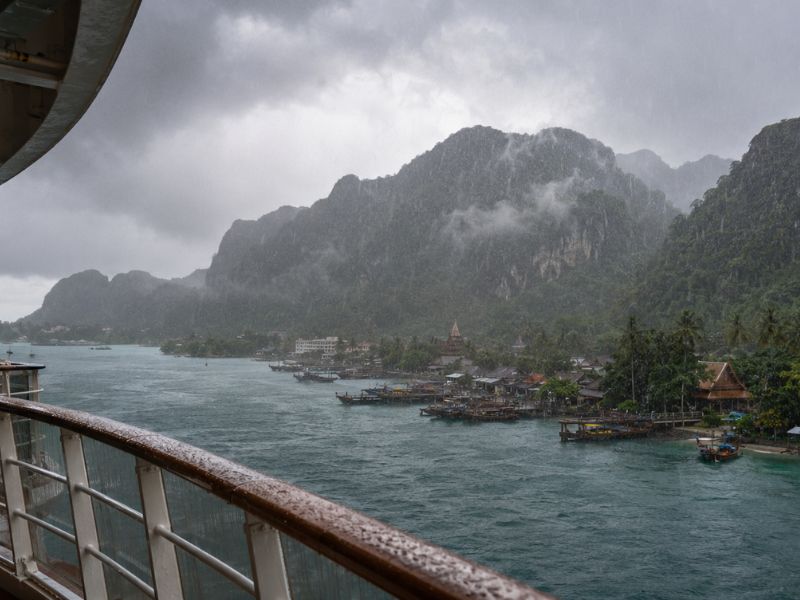
4. South-East Asia

Many cruise destinations across South-East Asia experience monsoon conditions during August.

That doesn’t mean it rains all day, every day. Tropical weather often arrives in short, intense bursts. However, frequent downpours can affect excursions, visibility and overall sightseeing plans.

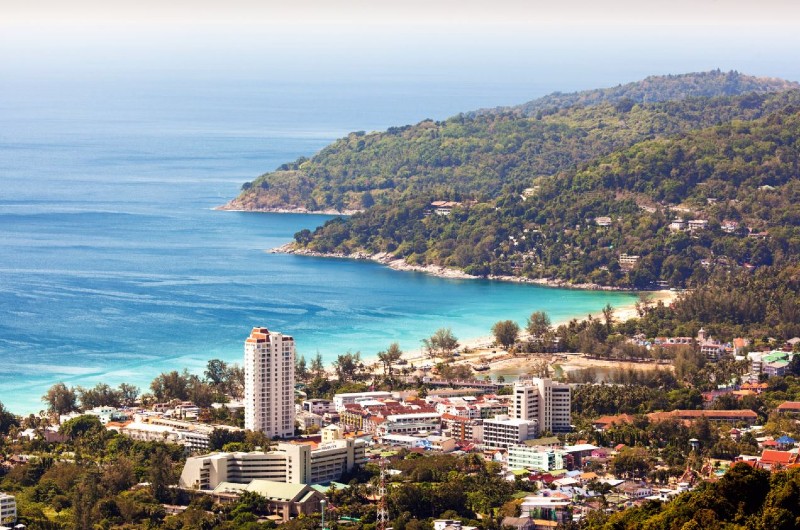
Thailand
Expectation
Thailand monsoon
Reality

The humidity can also come as a shock to visitors who aren’t used to it. Even relatively short walks can feel uncomfortable when temperatures and moisture levels combine.

Countries such as Thailand, Vietnam and Malaysia are all wonderful cruise destinations, but they’re generally better enjoyed outside the heart of the rainy season.

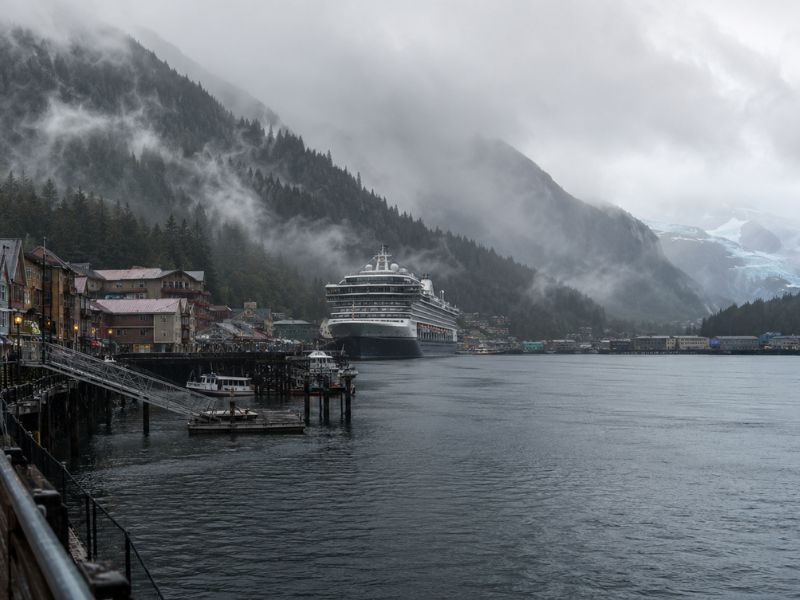
5. Alaska

August remains one of Alaska’s most popular cruise months, but it’s also when the weather starts becoming less predictable.

Ketchikan Alaska
Expectation
Alaska in August
Reality

Rainfall increases compared with early summer, and some regions can experience long periods of wet weather. Low cloud can also obscure the mountain views and glaciers that many passengers are hoping to see.

Wildlife sightings remain excellent, which is why Alaska still attracts huge numbers of visitors at this time of year. But if your priority is clear skies and postcard-perfect scenery, June and early July often offer better conditions.

TODAY’S BEST CRUISE DEALS!

Don’t miss these offers…

Final Word

August isn’t a terrible month to cruise. In fact, it’s one of the most popular months of the year.

The challenge is that popularity often brings crowds, heat and higher prices, while some destinations also face increased weather risks.

If August is the only time you can travel, don’t panic. Cruise lines sail these itineraries for a reason. But if you have flexibility, choosing a different destination – or even travelling a few weeks earlier or later – can make a huge difference to your holiday.

Jenni with Disney Cruise ship at Castaway Cay

Related Posts

If you found this interesting, please share!


Jenni with Disney Cruise ship at Castaway Cay


Source link
Cruise ship moored in port, illustrating whether older cruise ships are still worth booking

Older Cruise Ships vs New: Does a Ship’s Age Really Matter?

Older cruise ships are not automatically worse than new ones. Upkeep matters far more than age: a 20-year-old ship that has had a major refit can feel fresher than a 10-year-old ship that has only had paint touch-ups. A new ship buys you the latest attractions, cabin tech and energy-efficient design. An older ship usually means fewer passengers, more ports it can reach and lower fares.

So the real question in the old vs new cruise ships debate is which kind of ship suits your trip. This guide covers how cruise ship age affects safety, comfort and price, which older ships have had big makeovers, and how to check any ship’s history before you book.

What Counts as an “Old” Cruise Ship?

A cruise ship typically stays in service for about 30 to 40 years, often with more than one owner. That gives a rough guide to the industry’s own sense of age:

  • New (0 to 5 years): the current generation, with the latest layouts, tech and attractions.
  • Mid-life (6 to 15 years): still modern, and often in line for its first big refurbishment.
  • Older (15 to 25 years): the most varied group. Some have been rebuilt inside, while others are clearly dated.
  • Veteran (25+ years): usually sold on to smaller or budget lines, or running niche, port-intensive and long itineraries.

Age also has to be measured against how quickly ships grew. Royal Caribbean’s Voyager of the Seas was the world’s biggest cruise ship when it launched in 1999, at about 137,000 gross tons. The line’s Icon-class ships are now well over 240,000 gross tons. A ship from the early 2000s can be big by any normal standard and still look mid-sized beside the newest builds.

Does Cruise Ship Age Affect Safety?

This is the question cruisers ask most, and the short answer is no, not in the way people fear. Every ocean cruise ship carrying international passengers must meet the International Convention for the Safety of Life at Sea (SOLAS). Classification societies and flag states survey ships regularly, and port-state inspectors, including the US Coast Guard at American ports, check them as well.

The rules do change over time, and older ships have to keep up. When tougher SOLAS fire-safety requirements took effect on 1 October 2010, owners of passenger ships built before May 1980 had to prove compliance to keep sailing internationally. Many wood-heavy classic ships retired rather than be rebuilt. Some newer rules only apply to newer ships. “Safe Return to Port” design, for example, is required for larger passenger ships whose keels were laid on or after 1 July 2010. It means essential systems keep working after a fire or flooding in one compartment, so the ship can get itself to port. Ships built before that date are still legal and safe to sail. They were simply designed under the earlier standard.

For hygiene, ships with 13 or more passengers that call at US ports on foreign itineraries are covered by the CDC’s Vessel Sanitation Program. That means two unannounced inspections a year, scored out of 100, and a score of 85 or lower is a fail. Scores are public, and older ships regularly score in the high 90s. That’s a good sign that maintenance and crew standards matter more than build year.

Refurbishment Matters More Than Age

Big lines spend hundreds of millions of dollars bringing older ships up to the standard of their newer sisters. These are not just new carpets. Major refits can add water slides, new restaurants, extra cabins and redesigned public spaces. The table below shows some well-known examples.

Older ships that have had major makeovers

Ship Entered service Major refit What changed (headline)
Voyager of the Seas (Royal Caribbean) 1999 2019 (Royal Amplified) New slides, outdoor additions, refreshed dining and bars
Navigator of the Seas (Royal Caribbean) 2002 2019 (Royal Amplified) Waterslides, new pool areas, new venues
Freedom of the Seas (Royal Caribbean) 2006 2020 (Royal Amplified) Pool deck and kids’ area upgrades, new restaurants
Oasis of the Seas (Royal Caribbean) 2009 2019 (Royal Amplified) Ultimate Abyss slide, new dining and bars
Carnival Sunrise (ex-Carnival Triumph) 1999 2019 Roughly $200m transformation, renamed with new features
Carnival Radiance (ex-Carnival Victory) 2000 2021 Similar large-scale overhaul and rename
Celebrity Millennium 2000 2019 (Celebrity Revolution) Redesigned suites, cabins, restaurants and shops
Celebrity Summit 2001 2019 (Celebrity Revolution) Edge-style interiors throughout

Royal Caribbean has kept going with amplifications, adding Allure of the Seas in 2025, and more refits are scheduled. Lines do move dates around, though, so check the current plans for any ship you’re considering.

Even on a well-refurbished ship, some things can’t be changed. Hull shape, ceiling heights, cabin footprints and the number of balcony cabins are mostly fixed. Older cabins can also have fewer power outlets and smaller bathrooms. A refit changes how a ship looks and what it offers, but not its basic structure.

Sunny pool area lined with sun loungers, the kind of space older ships often rebuild in a refit
Pool decks are one of the areas older ships often rebuild during a major refit. Photo: Lelani Badenhorst on Pexels

Old vs New Cruise Ships: 8 Differences That Affect Your Trip

  1. Crowds and space. The newest mega-ships carry far more people. Royal Caribbean’s Icon-class Legend of the Seas, which debuted in July 2026, can carry around 7,600 guests at full occupancy. Many older ships carry 1,500 to 3,000. Bigger ships offset this with more venues, but you’ll still notice queues at peak times.
  2. Atmosphere. Older designs often face outward, with wraparound promenades, more open deck at the rail and lounges looking out to sea. Newer ships tend to look inward towards “neighbourhoods”, parks and activity zones.
  3. Attractions. Water parks, surf simulators, roller coasters and huge theatres are mostly found on new ships or heavily amplified ones. If those are the reason you’re booking, an unrefitted older ship will disappoint.
  4. Dining. New ships launch with the line’s latest restaurant concepts. Older ships often get some of them at refit, but usually fewer.
  5. Cabins and tech. Newer ships have more balconies, USB and multiple sockets, smart TVs, app-based keys and better soundproofing. Older ships can have a higher share of inside and ocean-view cabins.
  6. Itineraries. This is the big win for older and smaller ships. They fit into ports and harbours that mega-ships can’t use, and lines often put them on longer, more varied or more port-heavy routes. The newest ships usually run short, high-demand Caribbean or Mediterranean loops.
  7. Passenger mix. New flagships with big family attractions draw more children and first-timers. Older ships on longer itineraries often attract more experienced, older and quieter cruisers.
  8. Value. Fares on older ships are often lower than on a new ship from the same line, sometimes by a wide margin on similar dates. The gap varies a lot by season and demand, so compare the same week and cabin type before deciding.

How to Check a Cruise Ship’s Age and Last Refit

Most comparison guides skip this, but it only takes ten minutes and tells you more than a launch year does:

  1. Find the build and refurbishment dates. Cruise line “ship facts” pages usually list the year the ship entered service and often its last major refurbishment. Ship-tracking and encyclopedia sites also list former names, which reveal ships transferred from another brand.
  2. Look for the name of a refit programme. Branded overhauls such as Royal Amplified or Celebrity Revolution mean big investment. A plain “dry dock” can mean anything from hull painting to a full interior refresh.
  3. Check the CDC inspection history. The CDC’s Vessel Sanitation Program inspection tool shows recent scores and reports. A run of consistently high scores is a good sign of how the ship is maintained.
  4. Read recent reviews, not old ones. Filter reviews to the last 6 to 12 months, or to sailings after the latest refit. Pre-refit complaints may no longer apply.
  5. Watch for upcoming dry docks. If a ship is due a big refit soon after your sailing, the months before it may show the most wear. Booking just after a refit gets you a freshly updated ship, often at older-ship prices.
  6. Check the deck plan. Compare the number of balcony cabins and where your cabin sits relative to venues that were added during a refit, such as new bars or a new pool area, which can bring extra noise.
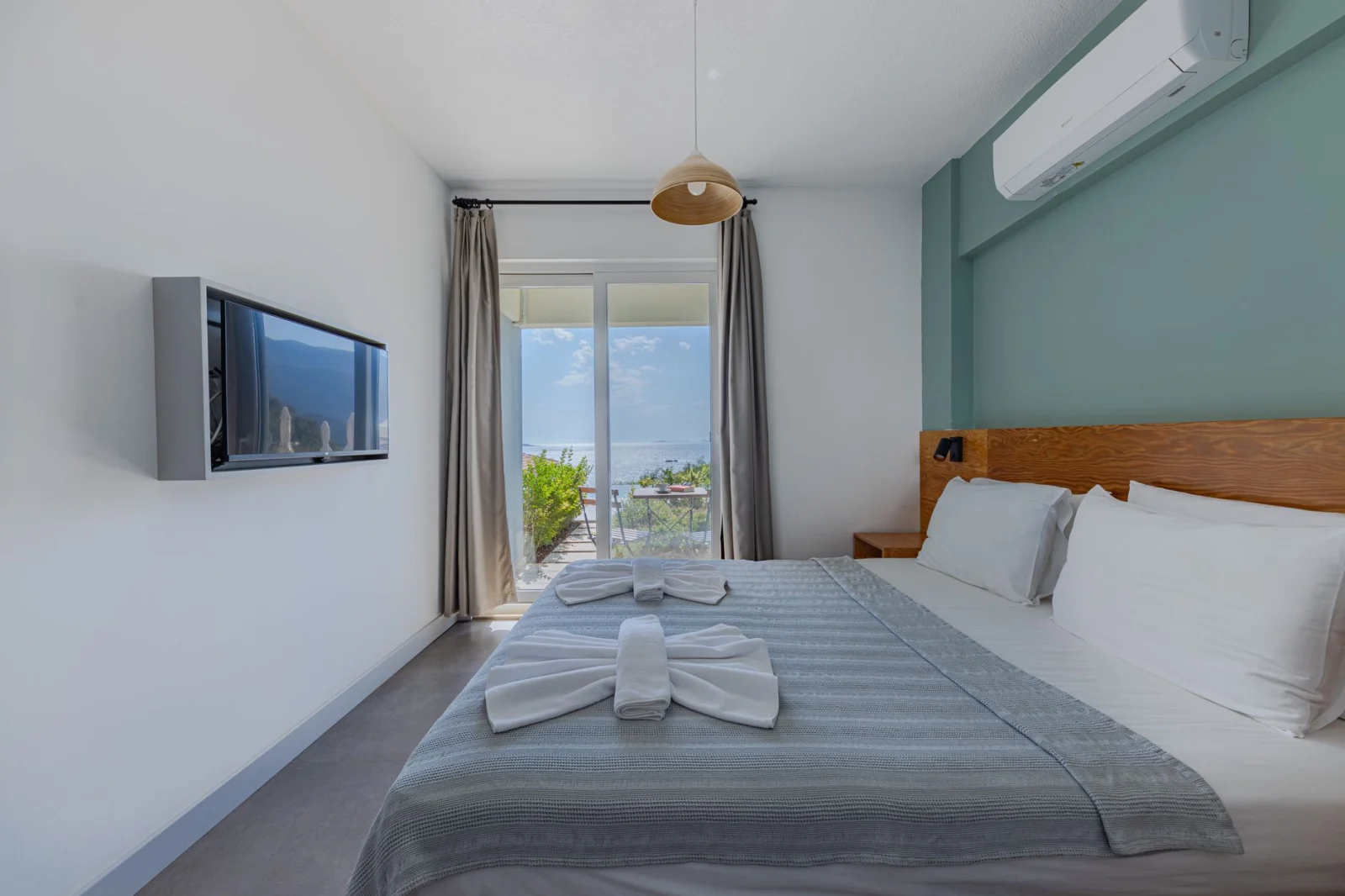
Bright bedroom with a double bed and large window facing the sea, similar to a modern ship cabin
Cabin layout is one thing a refit rarely changes, so check the deck plan. Photo: Ahmet ÇÖTÜR on Pexels

Who Should Book Older Cruise Ships?

Older cruise ships tend to suit:

  • Itinerary-first travellers who care more about ports than onboard thrills, including longer sailings, repositioning cruises and smaller harbours.
  • Budget-minded cruisers who’d rather spend the savings on a balcony, an extra excursion or a longer trip.
  • People who dislike crowds and want a ship that’s easy to find your way around after a day or two.
  • Fans of a classic style of cruising, with promenade walks, sea views from lounges and a quieter evening scene.

Choose a well-refitted older ship if you want some of the new features without the new-ship price. Royal Caribbean’s amplified ships are a good example. For more on how the Oasis-class sisters differ by age and refit, see our guide to every Oasis-class ship compared.

When the Newest Cruise Ships Are Worth Paying Extra For

The newest cruise ships earn their premium when:

  • You’re travelling with children or teens who will use the water parks, clubs and activity zones every day.
  • The ship itself is the destination, for example on a short Caribbean sailing where you may barely leave the ship.
  • You value modern cabins, from balcony availability to sockets, lighting, storage and quieter rooms.
  • You want the line’s newest restaurants, shows and venues, which may never be added to older ships.

If you’re weighing up Royal Caribbean’s two biggest classes, our Icon class vs Oasis class comparison sets out what the extra money buys. Our Legend of the Seas review covers what life on the line’s newest ship is really like.

There’s also a middle option. Ships that are 5 to 10 years old, or recently refitted, often give you most of the modern experience at a noticeably lower fare. That’s especially true once a line’s newest ship arrives and demand moves to it.

The Bottom Line

Cruise ship age is a useful clue, but the date alone doesn’t tell you much. Look at the last major refit, recent inspection scores, the itinerary and the onboard features you’ll actually use. A carefully maintained older ship on a great route can be the better holiday, and the better deal, than the newest ship on a crowded short loop.

For a real-world example of how age shapes a fleet, see our guide to Princess cruise ships ranked by class and age, which compares the 1998 Grand Princess with the 2025 Star Princess.

For a ship-by-ship example, see which of the oldest Royal Caribbean ships still offer good value after their refurbishments.

If you are booking Royal Caribbean’s oldest ship, our guide to Grandeur of the Seas cabins to avoid explains which rooms age has treated least kindly.

FAQs

Are older cruise ships safe?

Yes. All ocean cruise ships on international voyages must meet SOLAS safety rules and pass regular flag-state, classification and port-state inspections, whatever their age. Ships that can’t meet updated rules are retired or sold.

How long do cruise ships last?

Typically about 30 to 40 years. Many ships move from a major line to a smaller or budget operator partway through, and they’re usually refurbished several times along the way.

Are older cruise ships cheaper?

Often, yes. Fares on older ships are usually lower than on the same line’s newest ships for similar dates and cabins, although the difference varies with season and demand.

How can I find out when a cruise ship was last refurbished?

Check the cruise line’s ship facts page, look for named refit programmes such as Royal Amplified or Celebrity Revolution, and read recent reviews posted after the latest dry dock.

Do older cruise ships have balconies?

Most do, but usually fewer than new ships. Some older ships had extra balcony cabins added during refits, so check the current deck plan rather than assuming.

Untitled-design-224.jpg

AIDAmar Completes Drydock with Passengers Aboard During Unique Rotterdam Experience


AIDA Cruises has completed an innovative “shipyard experience” cruise that allowed passengers to remain aboard the AIDAmar whilst the vessel underwent routine maintenance and inspections in Rotterdam.

AIDA AIDAmar ship

The German cruise line’s unique offering provided guests with an authentic look at the operational side of cruise ship management, transforming what is typically an off-limits industrial process into a novel tourism experience.

The 2012-built vessel spent nearly 24 hours at the Netherlands shipyard facility on 5th July 2026, marking a rare opportunity for cruise enthusiasts to witness firsthand the technical procedures that keep modern cruise ships operational.

Innovative Concept Brings Passengers Behind The Scenes

The five-night roundtrip sailing from Warnemunde, Germany, represented a departure from traditional cruise itineraries by centring the voyage around the shipyard visit itself.

Rather than docking at conventional passenger terminals designed for tourist convenience, the AIDAmar berthed at working industrial facilities in what AIDA described as “the vibrant, industrial heart of Europe’s largest seaport.”

This unconventional approach gave passengers unprecedented access to the maritime operations that typically occur away from public view.

cranes at shipyard

The cruise line deliberately marketed the experience as ideal for seafarer enthusiasts and dedicated AIDA fans seeking an authentic maritime encounter beyond standard vacation offerings.

The shipyard visit allowed technical teams to conduct essential inspections and maintenance work whilst guests observed the process, creating an educational component alongside the leisure aspects of the cruise.

AIDA emphasised that passengers would experience a “unique atmosphere onboard” as skilled technicians performed their scheduled work.

Rotterdam Port Setting Enhances Industrial Tourism Appeal

Rotterdam’s position as Europe’s largest seaport provided an appropriate backdrop for this experimental cruise concept.

The Dutch port city has long served as a crucial hub for maritime commerce and ship maintenance, with extensive facilities capable of handling vessels of all sizes.

By positioning the shipyard experience within Rotterdam’s working port environment, AIDA offered passengers a genuine glimpse into the infrastructure supporting the global cruise industry.

Nhow Rotterdam

The industrial setting contrasted sharply with the polished, passenger-focused terminals that cruise guests typically encounter.

The company’s decision to highlight rather than conceal the industrial nature of the visit represented a calculated bet that cruise enthusiasts would appreciate the authenticity of the experience.

This approach aligns with growing consumer interest in behind-the-scenes access and experiential tourism that goes beyond conventional sightseeing.

Extended Itinerary Options And North Sea Sailing

Beyond the Rotterdam shipyard visit, the five-night itinerary incorporated two full days of North Sea cruising, providing traditional at-sea experiences alongside the industrial component.

This structure ensured passengers enjoyed a balanced voyage rather than a purely technical exercise.

AIDA also offered guests the flexibility to combine the short drydock cruise with other sailings in the region, creating extended voyages of up to ten nights.

This packaging strategy allowed the cruise line to appeal to travellers seeking longer holidays whilst still accommodating those interested primarily in the shipyard experience.

The combination options demonstrated AIDA’s efforts to maximise commercial viability for an unconventional product that might otherwise appeal only to a narrow demographic.

By integrating the shipyard visit into broader itinerary frameworks, the company broadened potential market appeal.

Football Theme Programming Targets Sports Enthusiasts

The AIDAmar’s drydock cruise also featured themed activities inspired by the 2026 FIFA World Cup, which was taking place in the United States, Mexico, and Canada during the same period.

This programming layer added entertainment value for passengers who might not be primarily motivated by the shipyard experience itself.

The football-themed elements reflected AIDA’s strategy of creating multiple appeal points within a single voyage, ensuring diverse passenger interests were addressed.

This approach helps cruise lines maximise cabin occupancy by attracting varied demographic segments rather than relying on a single niche interest.

By timing the shipyard cruise to coincide with the World Cup, AIDA created cross-promotional opportunities that leveraged global sporting enthusiasm.

The combination of maritime authenticity and sports entertainment positioned the sailing as a distinctive product in the competitive European cruise market.

Baltic And Scandinavia Programme Follows Drydock Visit

Following the completion of its Rotterdam shipyard experience, the AIDAmar resumed a regular deployment programme focused on Baltic and Scandinavian destinations.

The vessel now operates five- to 12-night roundtrip sailings from Warnemunde, serving the lucrative Northern European cruise market during the peak summer season.

These itineraries feature popular ports across Finland, Sweden, Latvia, and Norway, capitalising on strong demand for Nordic destinations among German-speaking cruise passengers.

The Baltic region represents one of AIDA’s core deployment areas, with multiple ships serving the market throughout the warmer months.

The AIDAmar’s return to conventional itineraries after the experimental shipyard cruise underscores the limited frequency with which such unique offerings can be scheduled.

Whilst generating publicity and appealing to enthusiasts, drydock cruises remain supplementary products rather than core business for major cruise lines.

Major Refurbishment Scheduled Under AIDA Evolution Programme

The AIDAmar is scheduled to return to drydock later in 2026 for a comprehensive refurbishment under AIDA’s Evolution fleet modernisation initiative.

This major project will transform the vessel’s public spaces, dining venues, entertainment facilities, and staterooms, bringing the ship in line with contemporary guest expectations.

The Evolution programme targets vessels in AIDA’s Sphinx class, of which the AIDAmar is a member.

These ships, built in the early 2010s, are reaching the midpoint of their expected operational lifespans and require significant investment to remain competitive in an industry where newer vessels continually raise standards.

The upcoming refurbishment will include the addition of new dining concepts and entertainment venues designed to enhance the onboard experience.

AIDA has invested heavily in updating its fleet to meet evolving passenger preferences for diverse culinary options and varied entertainment programming.

Stateroom renovations will modernise accommodations, potentially incorporating design elements and amenities that have become standard on newer ships.

Public area updates will refresh the vessel’s aesthetic whilst potentially reconfiguring spaces for improved flow and functionality.

AIDAmar Specifications And Sphinx Class Context

The AIDAmar accommodates 2,174 passengers and forms part of AIDA’s four-ship Sphinx class, which includes the AIDAmar, AIDAsol, AIDAstella, and AIDAblu.

These vessels represent a crucial component of AIDA’s fleet capacity, serving key European markets with well-appointed, family-friendly ships.

AIDAnova

Built in 2012, the AIDAmar entered service during a period of significant expansion for AIDA Cruises, which is owned by Carnival Corporation & plc.

The vessel measures approximately 71,300 gross tonnes and features the distinctive styling elements characteristic of AIDA ships, including the recognisable smile and eyes painted on the bow.

The Sphinx class ships were designed specifically for the German-speaking cruise market, incorporating features and amenities tailored to Central European tastes and preferences.

This market focus includes extensive self-service dining options, wellness facilities, and family-oriented programming that distinguishes AIDA from many other cruise brands.

With the entire Sphinx class now scheduled for Evolution programme upgrades, AIDA is demonstrating commitment to maintaining these vessels as competitive products for at least another decade.

The investment represents a strategic alternative to new ship construction whilst economic conditions and order books make immediate fleet expansion challenging.

Growing Trend Of Experiential And Educational Cruise Offerings

AIDA’s shipyard experience cruise reflects broader industry trends towards experiential and educational tourism that goes beyond passive sightseeing.

Cruise lines increasingly recognise that segments of their customer base seek authentic encounters and behind-the-scenes access rather than solely traditional leisure activities.

This approach aligns with evolving consumer preferences across the tourism sector, where travellers increasingly value unique experiences over conventional holiday formulas.

The success of industrial tourism in other contexts – including factory tours, backstage access, and working farm visits – suggests potential demand for maritime equivalents.

By experimenting with unconventional offerings like the AIDAmar drydock cruise, AIDA positions itself as an innovative operator willing to test new concepts.

Such initiatives generate media attention whilst potentially identifying niche markets that could support regular programming.

The shipyard experience concept also demonstrates how cruise lines can monetise operational necessities by transforming routine maintenance into marketable products.

Rather than losing revenue during drydock periods, AIDA created a unique selling proposition that attracted paying passengers specifically interested in the industrial aspect.

Jenni with Disney Cruise ship at Castaway Cay

Related Posts

If you found this interesting, please share!


Jenni with Disney Cruise ship at Castaway Cay

Holland America Line has announced exciting upgrades to the Oosterdam. Its newly renovated Oosterdam will debut with 30 purpose-built solo cabins when it emerges from dry dock in December 2027….

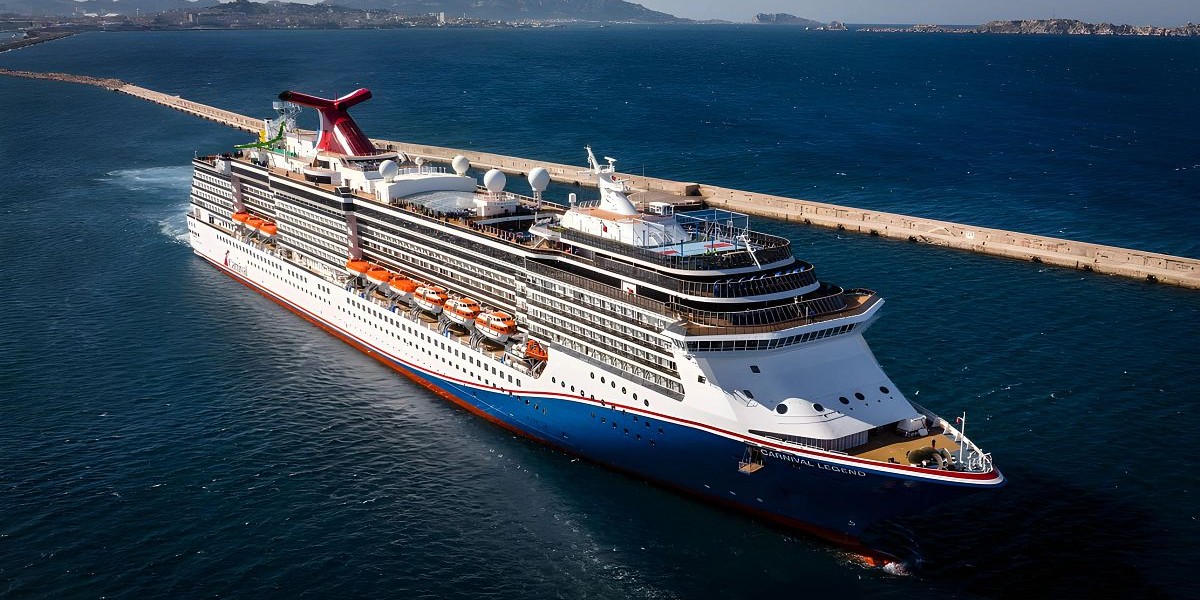
Carnival Legend aerial

Carnival Cruise Line’s Carnival Legend has embarked on an extensive 12-night voyage from Dover, England, exploring Iceland and the British Isles as part of its summer deployment in Northern Europe….

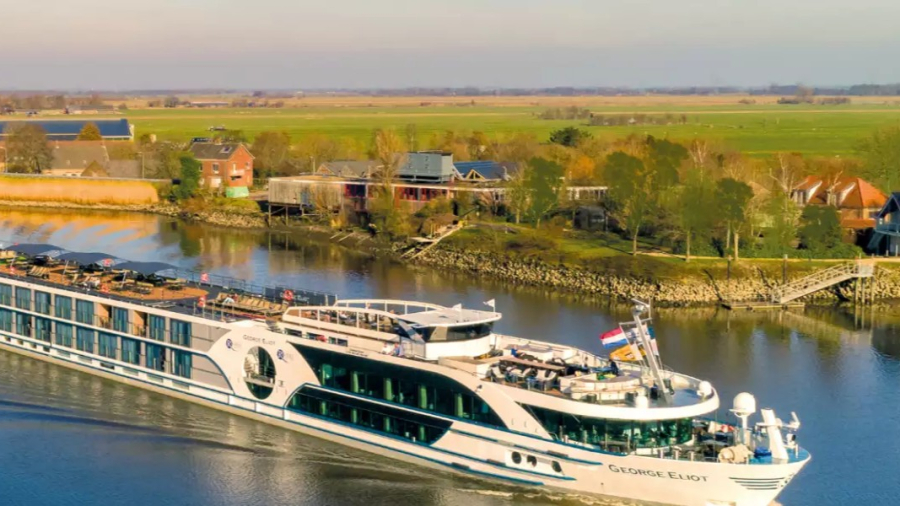
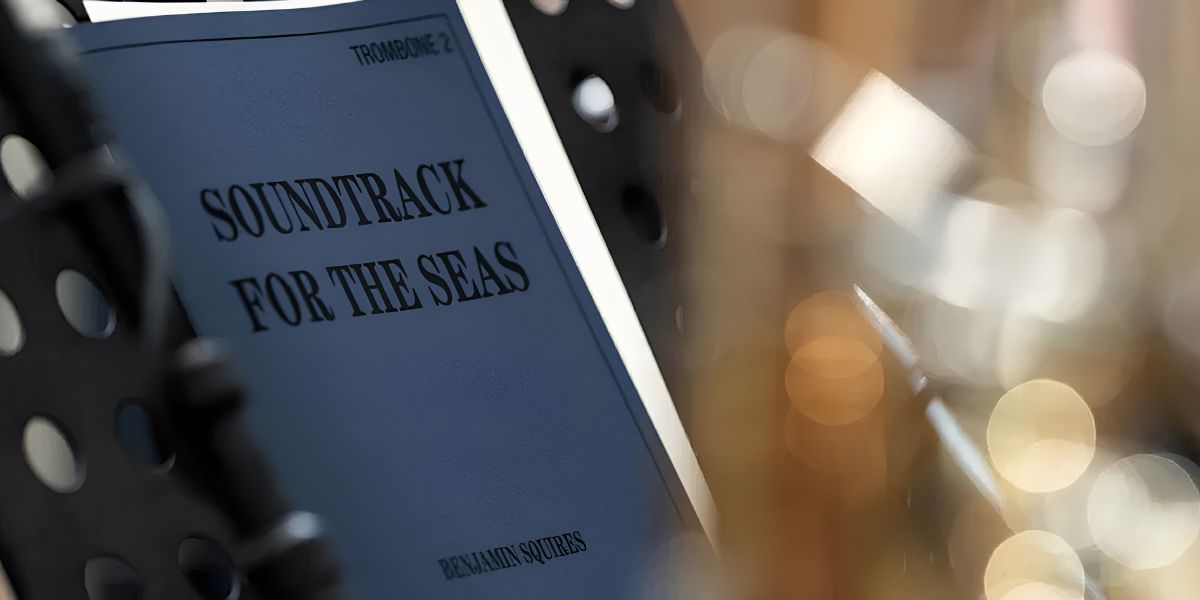
Fred. Olsen Soundtrack for the Seas

Fred. Olsen Cruise Lines has partnered with acclaimed Hollywood composer Benjamin Squires to create “Soundtrack for the Seas”, billed as the world’s first original musical score composed specifically for the…

Joy Ballard Cruise Headteacher

A former headteacher has been banned from teaching after a professional conduct panel concluded she dishonestly changed her school’s term dates to accommodate a cruise holiday, while also misusing a…


Source link
Untitled-design-1-111.jpg

Fabled Voyages Opens Bookings For Pet-Friendly Residential Cruise Living


A new residential cruise line has launched reservations for continuous world voyages that welcome cats and dogs on board, marking a first in the growing sector of permanent ocean living.

Fabled Voyages pet friendly residential cruising

Fabled Voyages is now accepting bookings with introductory pricing for residents who wish to sail the globe without leaving their four-legged companions behind.

The Pet-Friendly Promise Setting Fabled Voyages Apart

Fabled Voyages has positioned itself as one of the only residential cruise lines to actively accommodate pets as part of its core offering.

The company is marketing directly to travellers who have long dreamed of living at sea but have been reluctant to part with their beloved cats and dogs.

Qualified residents will be permitted to bring their pets on board the ship, which will be named FV Horizon once acquired.

The cruise line has committed to providing dedicated pet areas, walking spaces, grooming services, and access to veterinary care to ensure animals receive proper attention throughout the voyages.

This pet-inclusive approach addresses a significant barrier that has prevented many potential residents from committing to residential cruise living in the past.

Traditional cruise lines rarely permit pets beyond service animals, making Fabled Voyages’ offering particularly appealing to animal lovers seeking a nomadic lifestyle without sacrificing the companionship of their pets.

Introductory Pricing And Ownership Structures Now Available

The cruise line has opened bookings with what it describes as introductory pricing, encouraging early commitment from prospective residents.

Purchase options include five-year, ten-year, fifteen-year, and lifetime packages, providing flexibility for different budget levels and commitment timeframes.

Entry-level pricing begins at $100,000 for the initial purchase, with monthly fees ranging from $5,250 for solo occupancy to $9,100 for dual occupancy.

Fabled Voyages cabin

These fees are expected to cover operating costs, maintenance, amenities, and access to the ship’s facilities throughout the continuous voyage.

Fabled Voyages is also offering fractional ownership options, allowing friends and family members to partner together on a single residence.

This model makes the concept more accessible to groups who wish to share the experience and costs whilst maintaining access to a permanent cabin on board.

Madison Miller’s Vision For Community-Centred Ocean Living

Madison Miller, the founder of Fabled Voyages, has articulated a clear vision for the venture that emphasises convenience and freedom from traditional homeownership burdens.

In a statement, Miller explained the motivation behind the early booking initiative.

“Many of our future residents have spent years dreaming about travelling the world without constantly packing, unpacking or worrying about maintaining a traditional home,” Miller said.

“We want to give those individuals the opportunity to secure their place whilst our current pricing is still available.”

Miller’s comments underscore the target demographic for Fabled Voyages – individuals and couples seeking liberation from the responsibilities of property maintenance, utilities management, and the logistical challenges of frequent travel.

The residential cruise model promises a simplified lifestyle where residents can wake up in a new destination whilst enjoying the consistency of their own private accommodation.

Ship Acquisition Plans And Specifications For FV Horizon

Despite opening reservations, Fabled Voyages has not yet purchased a vessel for its operations.

The company is actively searching for a cruise ship ranging from 70,000 to 120,000 gross tonnes in size, a substantial vessel that would accommodate the planned residential community.

Fabled Voyages ship

Ships within this tonnage range typically measure between 250 and 330 metres in length and can accommodate significant passenger populations with extensive amenities.

For context, a 70,000-tonne ship is comparable in size to vessels like Cunard’s Queen Victoria, whilst a 120,000-tonne ship approaches the dimensions of Royal Caribbean’s Voyager-class vessels.

The cruise line anticipates that FV Horizon will house between 1,000 and 2,400 residents once operational.

This wide range suggests that the final capacity will depend heavily on which ship is ultimately acquired and how it is configured for residential living rather than traditional cruise operations.

Community Input On Amenities And Ship Layout Design

Fabled Voyages has adopted a collaborative approach to ship design, stating that full amenities and layouts will be determined in partnership with the community once the vessel is selected.

This strategy aims to ensure that residents have input into the spaces and facilities that will define their daily lives at sea.

This community-driven design process is relatively uncommon in the cruise industry, where ships are typically designed and built according to the cruise line’s vision with minimal passenger input.

By involving future residents in the planning stages, Fabled Voyages hopes to create a more personalised and satisfactory living environment.

Potential amenities on residential cruise ships typically include restaurants, fitness centres, pools, spas, libraries, theatres, medical facilities, and various social spaces.

Given the pet-friendly nature of Fabled Voyages, dedicated animal facilities will likely feature prominently in the final design, potentially including indoor and outdoor pet relief areas, grooming salons, and veterinary clinics.

Itinerary Plans Spanning Multiple Continents And Regions

Residents of FV Horizon will sail continuously around the world, with planned itineraries encompassing Europe, the Mediterranean, North America, South America, Asia, and additional regions.

This global routing ensures that residents experience diverse cultures, climates, and destinations throughout the year.

The continuous voyage model differs significantly from traditional cruising, where passengers embark for specific itineraries lasting from a few days to a few weeks.

Residential cruise passengers remain on board indefinitely, with the ship serving as both their home and their mode of transportation.

This style of travel eliminates many of the frustrations associated with conventional tourism – airport queues, hotel check-ins, and the constant upheaval of moving between accommodations.

Instead, residents unpack once and enjoy a seamless journey from port to port with all their belongings and home comforts readily available.

The Growing Residential Cruise Sector And Market Competition

Fabled Voyages enters an increasingly competitive market for residential cruise living, joining several other companies that have launched or announced similar concepts in recent years.

The sector has attracted significant attention from affluent retirees and remote workers seeking alternative lifestyles that combine travel with permanent accommodation.

The most established player in this space is The World, a residential cruise ship that has been operating since 2002 with approximately 165 residences.

More recently, Storylines announced plans for its ship MV Narrative, which promises 547 residences when it launches, whilst Victoria Cruises Line’s Villa Vie Odyssey has also entered the market with continuous world voyages.

Each residential cruise line attempts to differentiate itself through unique offerings and community values.

Fabled Voyages’ pet-friendly policy represents a distinctive market positioning that could attract a specific demographic of animal-loving travellers who have previously felt excluded from residential cruise options.

Considerations For Prospective Residents And Industry Outlook

Potential residents considering Fabled Voyages should carefully evaluate several factors before committing to such a significant lifestyle change.

The company’s lack of an acquired vessel means that many details remain uncertain, including the exact ship specifications, final amenities, actual itineraries, and launch timeline.

Prospective buyers should also consider the financial stability of the venture and the protections in place for their investments.

Residential cruise concepts have occasionally faced delays or cancellations when funding or ship acquisition challenges arise, making due diligence essential for anyone considering a substantial financial commitment.

Nevertheless, the residential cruise sector continues to attract interest as more individuals seek unconventional living arrangements that prioritise experiences over traditional property ownership.

As remote work becomes increasingly normalised and retirees look for engaging ways to spend their later years, residential cruising offers an appealing alternative to stationary retirement communities or frequent independent travel.

The success of Fabled Voyages will ultimately depend on its ability to acquire a suitable vessel, deliver on its promised amenities and pet-friendly policies, and build a cohesive community of residents who share compatible values and expectations.

For animal lovers who have dreamed of world travel without leaving their pets behind, this venture represents an unprecedented opportunity in the cruise industry.

Anyone interested can find out more on the Fabled Voyages website.

Jenni with Disney Cruise ship at Castaway Cay

Related Posts

If you found this interesting, please share!


Jenni with Disney Cruise ship at Castaway Cay
Four Seasons I Yacht

Italian shipbuilder Fincantieri has secured a contract with Marc-Henry Cruise Holdings to construct a third ultra-luxury vessel for Four Seasons Yachts, with delivery scheduled for 2031. The order marks continued…

AIDA AIDAmar ship

AIDA Cruises has completed an innovative “shipyard experience” cruise that allowed passengers to remain aboard the AIDAmar whilst the vessel underwent routine maintenance and inspections in Rotterdam. The German cruise…

Holland America Line has announced exciting upgrades to the Oosterdam. Its newly renovated Oosterdam will debut with 30 purpose-built solo cabins when it emerges from dry dock in December 2027….

Carnival Legend aerial

Carnival Cruise Line’s Carnival Legend has embarked on an extensive 12-night voyage from Dover, England, exploring Iceland and the British Isles as part of its summer deployment in Northern Europe….


Source link
Four-Seasons-I-Yacht.jpg

Four Seasons Orders Third Ultra-Luxury Ship From Fincantieri


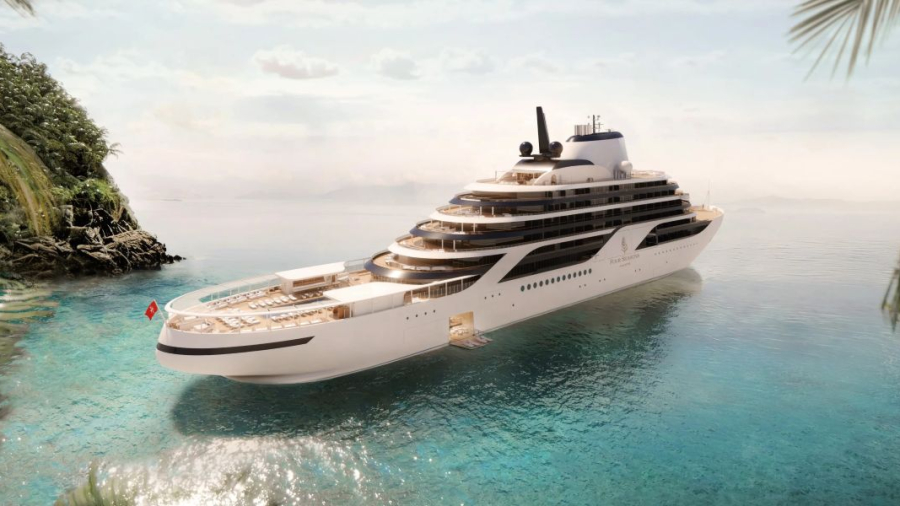
Italian shipbuilder Fincantieri has secured a contract with Marc-Henry Cruise Holdings to construct a third ultra-luxury vessel for Four Seasons Yachts, with delivery scheduled for 2031.

The order marks continued expansion for the nascent cruise brand, which only launched its first ship earlier this year.

New Vessel Continues Ultra-Luxury Fleet Expansion

The agreement, announced by Fincantieri today, represents the third ship in a purpose-designed class of ultra-luxury cruise vessels being constructed at the shipbuilder’s Ancona facility in Italy.

Four Seasons I Yacht

Marc-Henry Cruise Holdings, which operates Four Seasons Yachts in partnership with the renowned Four Seasons Hotels and Resorts brand, is expanding its fleet before the second vessel has even entered service.

The decision to order a third ship ahead of the second vessel’s delivery demonstrates significant confidence in the concept from both the cruise operator and the shipbuilder.

Industry observers note this aggressive expansion timeline is unusual for a brand-new cruise line still establishing its market position.

Four Seasons I Launched In Early 2025

Four Seasons Yachts made its debut with the delivery of Four Seasons I earlier in 2025, introducing a new approach to luxury cruising that blends hotel-style service with intimate yacht-like experiences.

Four Seasons I Launched In Early 2025

The vessel represents Four Seasons’ first venture into the cruise industry, bringing decades of luxury hospitality expertise from the hotel sector to the high seas.

The inaugural ship has been designed to appeal to affluent travellers seeking an alternative to traditional large cruise ships and expedition vessels.

With its residential-style accommodations and elevated service standards, Four Seasons I has carved out a distinct niche in the ultra-luxury cruise segment.

The vessel’s debut followed years of planning and development as Four Seasons carefully evaluated how to translate its renowned hospitality brand into a seagoing experience.

The company partnered with Marc-Henry Cruise Holdings specifically for this venture, leveraging maritime expertise whilst maintaining the Four Seasons standard of excellence.

Sister Ship Scheduled For 2028 Debut

According to Fincantieri, the second vessel in the series is currently under construction at the Ancona shipyard with delivery planned for early 2028.

This three-year gap between the first and second ships represents a relatively standard timeline for ultra-luxury newbuilds, allowing the brand to refine operations and incorporate lessons learned from Four Seasons I’s inaugural seasons.

The 2028 delivery date will give Four Seasons Yachts the opportunity to establish itself with a single vessel before doubling its capacity.

This measured approach contrasts with the subsequent decision to order a third ship even further in advance, suggesting the cruise line has ambitious long-term growth plans.

With the second ship still three years away from completion, the 2031 delivery date for the third vessel creates a strategic timeline that spaces out fleet expansion whilst maintaining momentum.

The staggered delivery schedule also allows Fincantieri to manage production capacity whilst ensuring quality standards remain consistently high across all three builds.

All-Suite Configuration Retained Across Fleet

The newly ordered vessel will maintain the same residential-style, all-suite concept that defines the Four Seasons Yachts experience, according to the companies.

This consistency across the fleet ensures brand recognition and allows the cruise line to standardise operational procedures and service delivery protocols.

Four Seasons Yacht Pool

The all-suite configuration represents a significant differentiator in the cruise market, eliminating standard inside and oceanview cabins entirely.

This approach mirrors the strategy employed by some of the world’s most exclusive cruise brands, where every accommodation qualifies as a suite with enhanced square footage, premium amenities, and personalised service.

By committing to this configuration for the third vessel, Four Seasons Yachts is reinforcing its positioning in the ultra-luxury segment rather than attempting to broaden appeal with more varied accommodation types.

Industry analysts suggest this decision indicates strong demand for the product and confidence that the target market can sustain a three-ship fleet.

Fincantieri Strengthens Position In Ultra-Luxury Segment

The contract award further solidifies Fincantieri’s reputation as a leading builder of ultra-luxury cruise vessels.

The Italian shipbuilding conglomerate has constructed ships for numerous premium and luxury cruise lines over recent decades, establishing particular expertise in the most exclusive segment of the market.

Fincantieri Shipyard

Fincantieri’s Ancona shipyard has emerged as the company’s centre of excellence for ultra-luxury construction, where specialised craftspeople and advanced technology combine to deliver vessels meeting the exacting standards demanded by high-end cruise operators.

The facility’s experience with boutique ship construction makes it ideally suited for the Four Seasons Yachts project.

Pierroberto Folgiero, CEO and General Manager of Fincantieri, emphasised the significance of the new order in a statement accompanying the announcement.

“This new order represents another significant step in the development of our partnership with Marc-Henry Cruise Holdings LTD, which has become a benchmark for innovation in luxury hospitality at sea,” Folgiero stated.

He continued: “The decision to expand the fleet with a third vessel reflects the strength of a long-term industrial vision and confirms market appreciation for a concept that has successfully created a new segment combining luxury hospitality with advanced shipbuilding.”

Ancona Facility Designated As Luxury Shipbuilding Centre

Folgiero specifically highlighted the role of the Ancona shipyard in delivering these highly specialised vessels.

“Designed and built at our Ancona shipyard, the vessel further reinforces the site’s role as a Fincantieri centre of excellence for the construction of ultra-luxury ships, where innovation, craftsmanship, and industrial expertise come together to deliver the highest standards of quality and refinement,” the CEO noted.

The designation of Ancona as a specialist facility for ultra-luxury construction allows Fincantieri to concentrate expertise and resources at a single location.

This focused approach enables the shipbuilder to maintain consistency across multiple vessels whilst developing proprietary techniques and processes specific to the demands of ultra-luxury cruise ship construction.

For the Ancona region, the Four Seasons Yachts contract represents continued employment and economic activity extending through the end of the decade.

Shipbuilding remains a significant employer in Italy’s coastal regions, and securing multi-vessel contracts provides stability for the skilled workforce required for such complex projects.

Ultra-Luxury Cruise Sector Attracts Investment

The Four Seasons Yachts expansion reflects broader trends in the cruise industry, where ultra-luxury and expedition segments have attracted significant investment in recent years.

As mainstream cruise lines have grown larger ships to achieve economies of scale, a counter-trend has emerged favouring intimate vessels with personalised service and unique itineraries.

Four Seasons Yacht Luxury Loungers By The Pool

Several established luxury cruise lines have ordered new tonnage in recent years, whilst entirely new brands have entered the market seeking to capture affluent travellers.

The ultra-luxury segment typically commands significantly higher per-passenger revenue than mainstream cruising, making it attractive to investors despite smaller passenger numbers.

Four Seasons’ entry into the cruise market represents a notable vote of confidence in the sector from one of the world’s most prestigious hospitality brands.

The company’s decision to expand to three ships before fully establishing operations suggests management believes substantial demand exists for hotel-brand cruise experiences among affluent consumers.

The 2031 delivery date positions the third Four Seasons yacht to debut in a competitive landscape that will likely include additional ultra-luxury newbuilds from rival operators.

However, the Four Seasons brand recognition and hotel industry pedigree may provide advantages in attracting guests who might not consider traditional cruise lines.

Jenni with Disney Cruise ship at Castaway Cay

Related Posts

If you found this interesting, please share!


Jenni with Disney Cruise ship at Castaway Cay
AIDA AIDAmar ship

AIDA Cruises has completed an innovative “shipyard experience” cruise that allowed passengers to remain aboard the AIDAmar whilst the vessel underwent routine maintenance and inspections in Rotterdam. The German cruise…

Holland America Line has announced exciting upgrades to the Oosterdam. Its newly renovated Oosterdam will debut with 30 purpose-built solo cabins when it emerges from dry dock in December 2027….

Carnival Legend aerial

Carnival Cruise Line’s Carnival Legend has embarked on an extensive 12-night voyage from Dover, England, exploring Iceland and the British Isles as part of its summer deployment in Northern Europe….
Fred. Olsen Soundtrack for the Seas

Fred. Olsen Cruise Lines has partnered with acclaimed Hollywood composer Benjamin Squires to create “Soundtrack for the Seas”, billed as the world’s first original musical score composed specifically for the…


Source link
Large cruise ship sailing on the open ocean, illustrating Holland America solo cabins

Holland America Solo Cabins: Every Ship With Single Staterooms, Plus Oosterdam’s New Solo Verandahs

Holland America solo cabins come in two types. Koningsdam, Nieuw Statendam and Rotterdam each have 12 Single Ocean View staterooms, priced for one person without the usual single supplement. The second type is new: Solo Verandahs, Holland America’s first balcony cabins built for one. Oosterdam gets 30 of them when it returns from its Evolution refit on 31 October 2027, and Zuiderdam gets 32 when it comes back in April 2028.

This guide covers every Holland America ship with dedicated single cabins, what the Oosterdam refurbishment adds, how solo pricing works, and how to book one of these small, quick-selling categories.

Which Holland America ships have solo cabins?

Holland America has 11 ships, but only the three newest have dedicated solo staterooms today. On the other ships, a solo guest books a standard double cabin and pays a single supplement. The Evolution refits will change that ship by ship.

Ship Solo cabin type Number Status (Nov 2026)
Koningsdam Single Ocean View 12 Sailing now
Nieuw Statendam Single Ocean View 12 Sailing now
Rotterdam Single Ocean View 12 Sailing now
Oosterdam Solo Verandah 30 From 31 Oct 2027, after the Evolution refit
Zuiderdam Solo Verandah 32 From 2 Apr 2028, after the Evolution refit
Eurodam, Nieuw Amsterdam, Westerdam, Noordam To be confirmed TBC Part of Evolution; details not yet announced
Volendam, Zaandam None 0 Standard cabins with a single supplement

If you’re still choosing a line, our Holland America reviews for 2026 explain how the ships differ in age, size and atmosphere.

Holland America single cabins on the Pinnacle Class ships

The Pinnacle Class ships, Koningsdam (2016), Nieuw Statendam (2018) and Rotterdam (2021), were the first in the fleet built with single cabins. Each ship has 12 Single Ocean View staterooms, sold under category code OO.

What you get

  • Size: about 127 to 172 sq ft, depending on the cabin. Most are close to the smaller figure, so expect a compact room.
  • View: a window, not a balcony.
  • Bed and basics: one bed sized for a single traveler, a small desk, storage, a mini-fridge and a private bathroom with a shower.
  • Location: mostly on the lower passenger decks. Check the deck plan for the exact spot, because some are near crew areas or the bow and stern, where you’ll notice more motion.

How they are priced

The fare is for one person and has no single supplement on top. It still costs more than half of a double cabin. Fares go up and down with demand, so a single ocean view can sometimes cost about the same as booking a regular inside cabin alone. Compare both before you commit.

Private cruise ship balcony with two chairs looking out over open blue sea
A private verandah is the main thing the new solo cabins add. Photo: Renata B. on Pexels

Oosterdam refurbishment: what Holland America Evolution changes

Holland America Evolution is a multi-year refit programme for six ships, which the line says will cost more than $500 million. It covers the four Vista Class ships (Oosterdam, Zuiderdam, Westerdam and Noordam) and the two Signature Class ships (Eurodam and Nieuw Amsterdam). Oosterdam, built in 2003, is the first to be refitted.

New cabins and suites on Oosterdam

  • 76 additional staterooms in total. Holland America says the ship keeps its “room at the rail” feel on deck.
  • 30 Solo Verandahs of 200+ sq ft, each with a private balcony, a glass-walled shower, a dedicated workspace and storage designed for one person.
  • 24 Vista Suites, a suite type that until now was found only on Pinnacle Class ships.
  • 2 Bridgeview Suites of about 900 sq ft, above the bridge, with wraparound balconies and 180-degree views forward.
  • A redesigned Pinnacle Suite of about 1,550 sq ft. Holland America calls it the largest suite ever on a Vista Class ship.

Public spaces

The Grand Dutch Café, an all-day European-style coffee and pastry bar, opens on Deck 3 near the atrium. Like the Vista Suites, it was previously found only on Pinnacle Class ships. The Ocean Bar is being redesigned, and other public rooms are being updated.

Refit timing: moved five weeks earlier

In September 2026, Holland America moved Oosterdam’s drydock in Marseille, France, five weeks earlier than planned. As a result:

  • Sailings originally scheduled between 11 September and 9 December 2027 were cancelled. The line is contacting booked guests about rebooking.
  • The first post-refit cruise is now on 31 October 2027. The original plan had the ship coming back in December 2027.
  • Guests booked on the original inaugural sailing or the first December transatlantic can transfer to the new equivalent voyages.

Oosterdam itineraries after the refit

The reworked schedule begins in the Mediterranean and then moves the ship to Florida for winter.

  1. 31 Oct 2027: 10 days, Civitavecchia (Rome) to Trieste, with calls in Italy, Greece, Montenegro and Croatia. This is the first sailing after the refit.
  2. 10 Nov 2027: 11 days, Trieste to Piraeus (Athens).
  3. 21 Nov 2027: 7 days, Piraeus to Barcelona.
  4. 28 Nov 2027: 13-day transatlantic crossing, Barcelona to Fort Lauderdale.
  5. 11 Dec 2027: 11-day round trip from Fort Lauderdale to the Caribbean.

Over the 2027-28 winter, Oosterdam is scheduled to sail Southern Caribbean and ABC Islands (Aruba, Bonaire, Curaçao) cruises of 11 and 12 nights from Fort Lauderdale. In spring 2028 it is due to go through the Panama Canal and sail north along the Pacific coast to the Pacific Northwest.

Woman relaxing alone with a book on a sunny cruise ship deck
Solo travelers can choose from a growing number of single cabins. Photo: Kerem Kaplan on Pexels

Holland America solo cruises: how pricing really works

Dedicated solo cabins usually cost less than booking a double cabin alone, but they are not half price. Here’s what to expect:

  • Standard cabins: a solo guest in a regular double stateroom pays a single supplement. It is often close to the full fare for two, although the amount varies by sailing and promotion.
  • Single Ocean View: the fare is for one person with no supplement, and it changes with demand.
  • Solo Verandahs: Holland America has said these will use dynamic pricing, set for each sailing according to demand. Executives have said they expect them to be better value than the current options, but they have also said the fares will not be half of a double-occupancy balcony.
  • Standby: the Standby fare programme accepts solo guests, but a 200% single supplement applies.

Demand is clearly strong. Solo Verandahs opened for sale in May 2026, and shortly afterwards some readers on Holland America’s own blog reported that the solo category looked sold out on several early sailings. Treat those reports as anecdotal. Even so, with only 30 or 32 cabins per ship, it makes sense to book early.

How to book a solo cabin with Holland America

  1. Search with 1 guest. On hollandamerica.com, set the guest count to one adult before you search. If you search with two, solo categories may not appear.
  2. Look for the right category. Single Ocean View cabins are listed as category OO on the Pinnacle Class ships. On Oosterdam sailings from late 2027, look for Solo Verandah.
  3. Compare against a regular cabin. Price an inside or ocean-view double for one person too. During sales, the gap can be smaller than you’d expect.
  4. Use a travel advisor if the website shows no availability. Advisors can sometimes see waitlists or held inventory.
  5. Book as soon as sailings open. With so few cabins on each ship, early booking makes the biggest difference.

Holland America is a good fit for solo travelers who prefer a calm ship. Its ships are mid-sized and focused on destinations, and they offer live music, cooking demonstrations and longer itineraries. Solo meet-ups are often listed in the daily programme. Our complete solo cruise guide compares the cruise lines and explains how to avoid paying for an empty second berth.

Is the Oosterdam refit worth waiting for?

If a balcony is a must, yes. Before Evolution, a solo guest who wanted a verandah on a Holland America ship had to pay a supplement on a double room. The Solo Verandahs are larger than the Pinnacle Class singles and come with outdoor space. If you’d rather sail sooner and a window is enough, the 12 single ocean-view cabins on Koningsdam, Nieuw Statendam and Rotterdam are available now on Alaska, Caribbean, Mediterranean and Northern Europe itineraries.

Holland America is also adding P&O’s Arcadia to its fleet in 2029, as covered in our news piece on Holland America growing to 12 ships. The line hasn’t said yet whether that ship will get dedicated solo cabins.

For tonnage, guest numbers and build years, see our list of every Holland America ship ranked by size and age.

If you’d rather skip the single supplement altogether, our list of cruise ships with solo cabins shows which ships have rooms built for one.

FAQs

Which Holland America ships have solo cabins?

Koningsdam, Nieuw Statendam and Rotterdam each have 12 Single Ocean View staterooms. Oosterdam adds 30 Solo Verandahs from 31 October 2027, and Zuiderdam adds 32 from April 2028.

Does Holland America charge a single supplement?

Yes, on standard cabins. The dedicated solo cabins are priced for one person with no supplement, but their fares change with demand.

How big are the Solo Verandahs on Oosterdam?

Holland America says they are 200+ sq ft. Each has a private balcony, a glass-walled shower and a workspace.

When does Oosterdam return from its refurbishment?

Its first post-Evolution cruise sails from Civitavecchia (Rome) on 31 October 2027. That is five weeks earlier than first planned.

Which Holland America ships are best for solo travelers?

Today, the Pinnacle Class ships (Koningsdam, Nieuw Statendam and Rotterdam) have dedicated single cabins. From late 2027, the refitted Oosterdam will be the best choice if you want a solo cabin with a balcony.