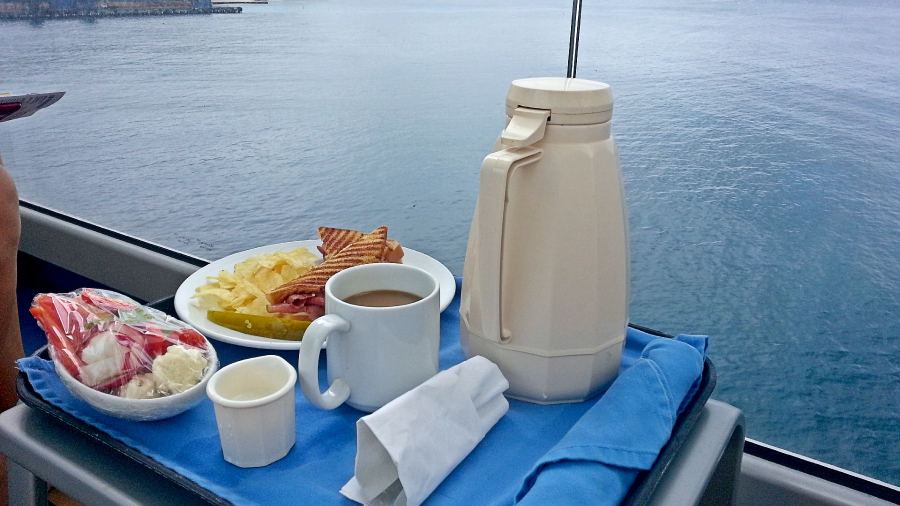
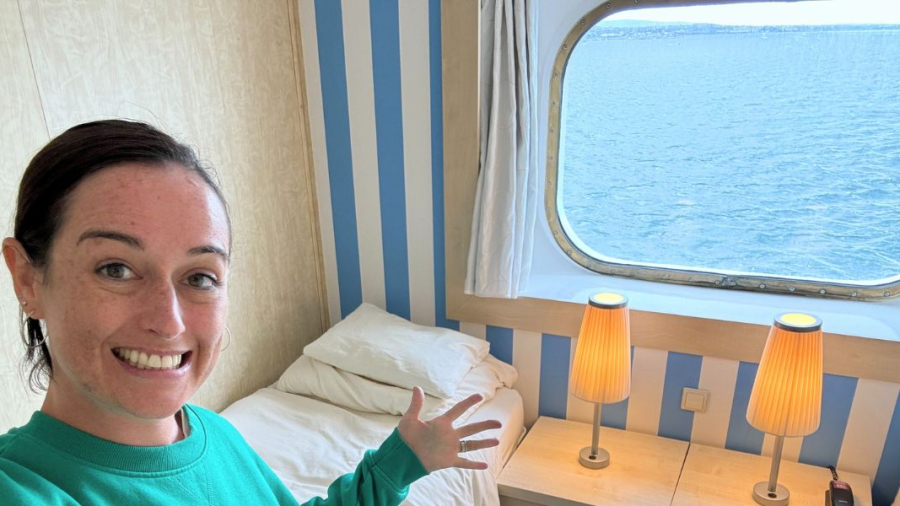
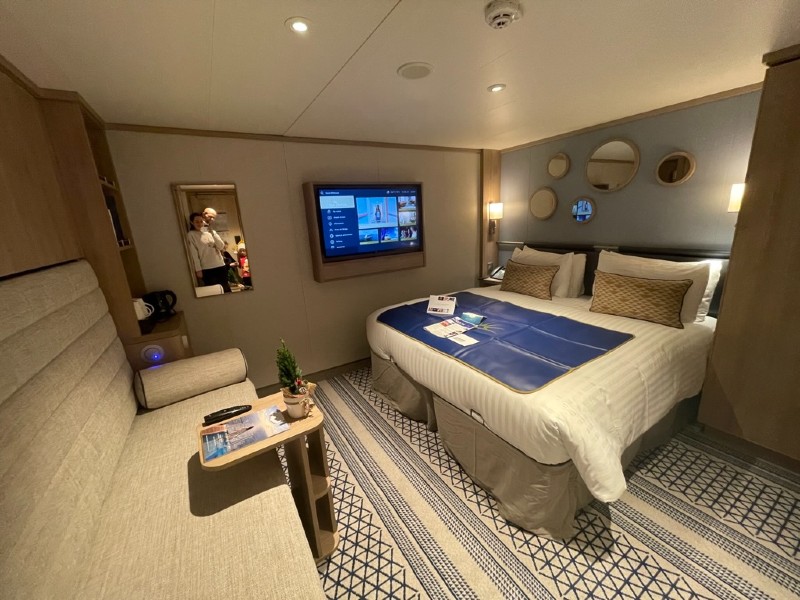
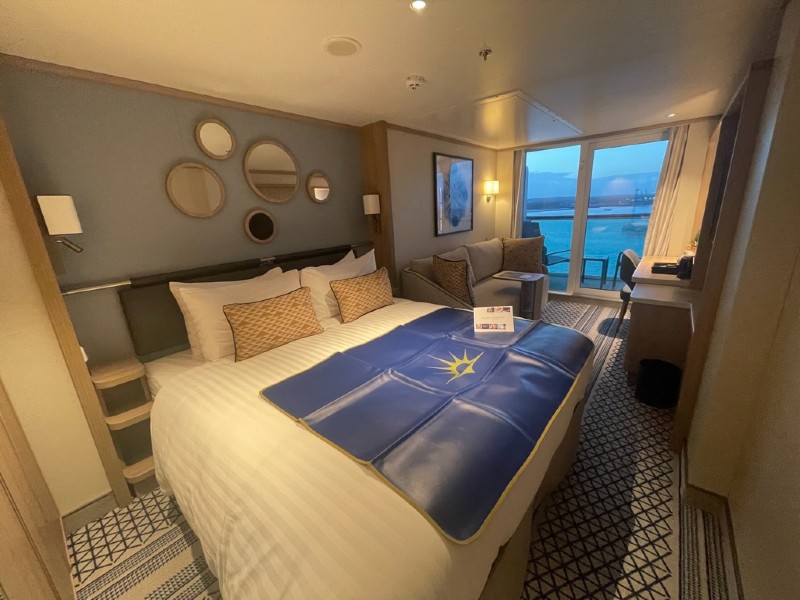
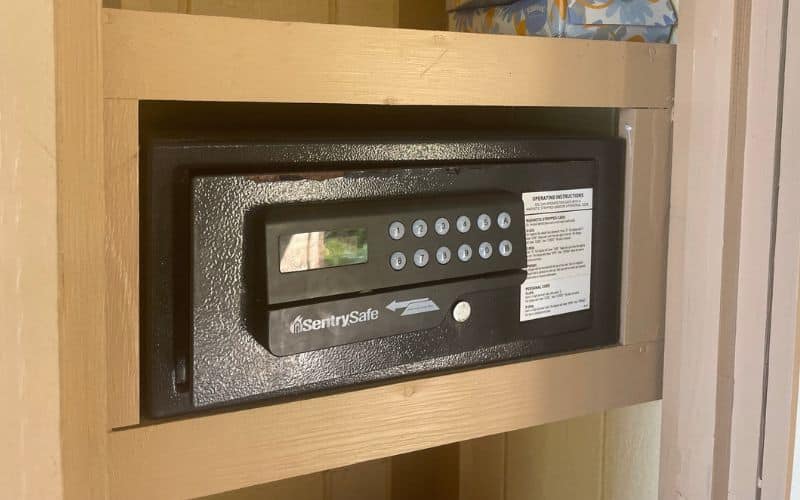
It might be free to eat at a cruise ship’s buffet, but if you try sneaking that food back to your cabin with one cruise line, it will cost you the price of a steak dinner (or about $70).
It’s fairly common to see cruisers loading up their plates with lido deck treats to take back to their staterooms or eat in other parts of the ship.
It’s kind of a “free” room service hack that involves careful balance, and a lot of walking. It also ends with a hallway that looks a lot like kitchen counters back on land.
And now, at least one cruise line is trying to clean up those hallways and limit where passengers can take all of that delicious food.
Costa Cruises’ New Buffet Rule
Costa Cruises is cracking down on passengers taking food away from designated eating areas on their ships.
In a notice sent to guests, the Carnival Corporation owned cruise line said the following:
“All food must be consumed exclusively in designated dining areas.”
But staterooms are not the only place where food is not to be taken. The letter went on to say that it is now prohibited to take food into pool areas, public lounges, or other indoor spaces.
The reason? Health and hygiene. The cruise line stated that they are trying to prevent food contamination and promote a better standard of cleanliness on board. It also reduces the risk of pests and parasites.
What about room service? The notice said that the cruise line’s crew are trained in hygiene and sanitation and are the only ones authorized to bring food to staterooms.
The result of breaking this new rule will be a €60 cleaning fee (about $70 USD) charged to that stateroom’s account.
Cruiser Reactions
It remains to be seen how this rule will be enforced and what that will look like, but it’s a topic that is fairly polarizing.
Personally, I’m guilty of bringing plates of food back to my cabin for some later afternoon snacks on the balcony. But I’ve also been grossed out by dirty dishes piling up in the hallway.
The new Costa rule has sparked a lot of frustration, with many people calling it inconvenient and over-the-top. But others are tired of unsightly plates in those long hallways too.
Here’s what some cruisers are saying in reaction to this news:
“Yes it would bother me, as a diabetic insulin dependent a sandwich, a bit of fruit is a must for me and for others who need that…”
“It’s a catch 22, but there are times when there is no place to sit and eat at the buffet so you need to leave.”
“What is the difference between room service delivering food to your cabin and you taking a donut to your cabin. Why would the …”
“Yeah no… no one has EVER said we cannot remove food from ANY of the dining areas in a ship.”
“Sometimes on cruises, while I am showering, my husband will go to the buffet and bring me back coffee and a croissant or muffin.”
Is the Buffet Rule Due for a Change?
So far, Costa Cruises is the only cruise line I know of that has this specific rule, and time will tell if other cruise lines follow suit. I do think the policy of putting plates in the hallway is due for change though.
To me, it makes more sense to leave them in the cabin and maybe let the stateroom attendant know about them or put the indicator light on for that room. This is still a hassle for the crew to manage all the extra dishes, but dirty plates in the hallways is just a bad look.
Still, taking food back to the cabin is one of those timeless traditions on sea days that I can’t see stopping any time soon.
If room service were completely free, this might not be as big an issue. Most cruise lines offered free room service (excluding the tip) until recently.
While 24-hour room service is available on Costa Cruises ships, it is not complimentary unless you’re in a suite or premium/deluxe cabin. Standard cabins get charged a €5 per person delivery fee for breakfast brought to the cabin. This is charged per person, regardless of how much food you order.
Get the latest cruise news, tips, and deals sent straight to your inbox with our free newsletter: Sign Up Now
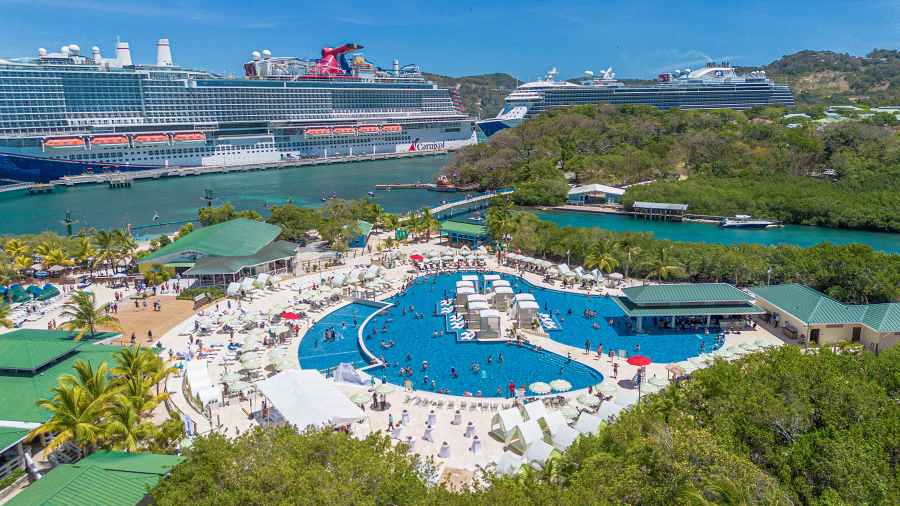
Carnival Cruise Line opened a new pool area and recreational space at one of their private destinations in the Caribbean this week.
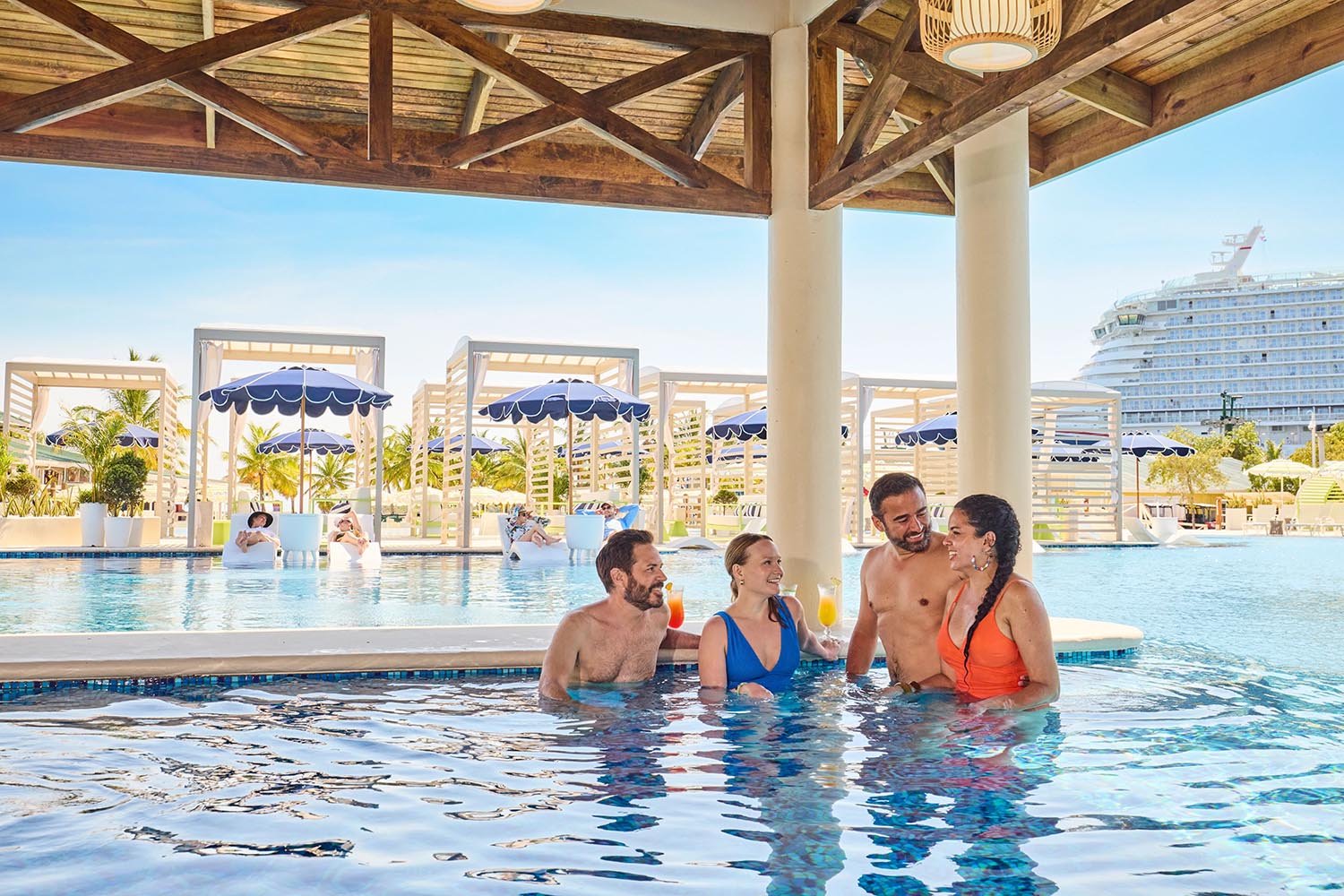
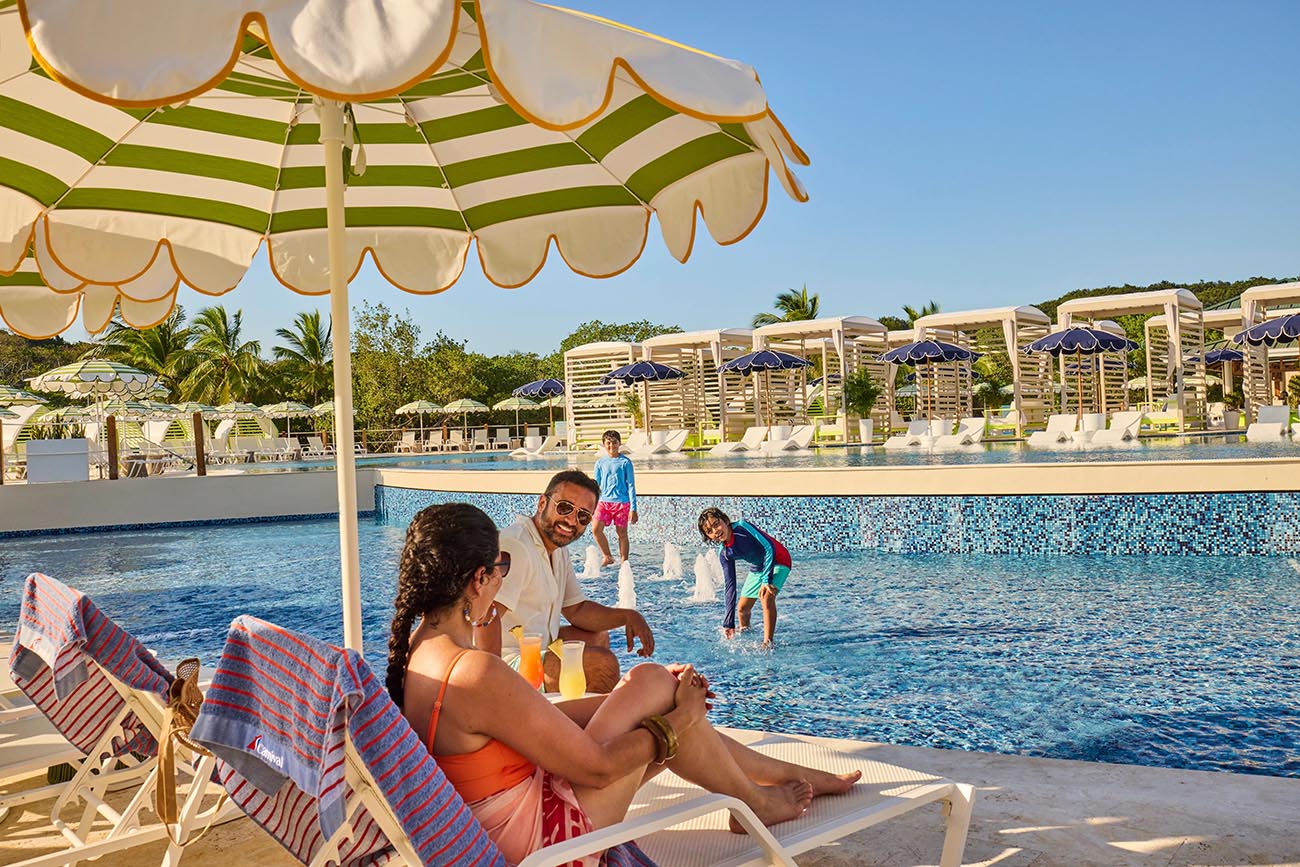
Mangrove Bay opened yesterday at Isla Tropicale in Roatan, Honduras, and the area includes a swim-up bar and splash pad for younger cruisers.
The pool includes a peninsula lined with cabanas and loungers that creates a premium space for guests, and poolside daybeds offering another way to relax.
Isla Tropicale, previously known as Mahogany Bay, has berths for two Carnival Corporation cruise ships to dock on the same day. The port area that opened in 2009 features 52 shops, local artisan kiosks, three restaurants, four bars, a scenic chairlift and oceanview cabanas.
Carnival recently announced a $93 million investment into improving the private port area. The port has welcome over 9 million guests since opening 17 years ago.
The beach earned the Honduras Blue Flag Award and a five-star rating in 2024 and 2025 for excellence in environmental management, water quality, safety, accessibility and sustainable tourism.
Christine Duffy, president of Carnival Cruise Line, gave the following statement:
“Isla Tropicale marks another exciting investment in the largest group of exclusive cruise destinations, Paradise Collection by Carnival. New features, including the destination’s first pool area, will elevate the guest experience at Isla Tropicale. We look forward to continuing our partnership with Roatán and Honduras and expanding our positive economic impact in the region.”
Andrés Ehrler, minister of tourism of Honduras, added:
“Isla Tropicale reflects the continued importance of cruise tourism to Roatán and to Honduras. We value partnerships that support local jobs, create opportunities for businesses and help strengthen Roatán’s position as one of the Caribbean’s most welcoming destinations, and Carnival has done exactly that.”
Get the latest cruise news, tips, and deals sent straight to your inbox with our free newsletter: Sign Up Now
Azamara Cruises has announced new cruises for the spring, summer, and fall of 2028 where their ships will spend 87% of the cruise in port.
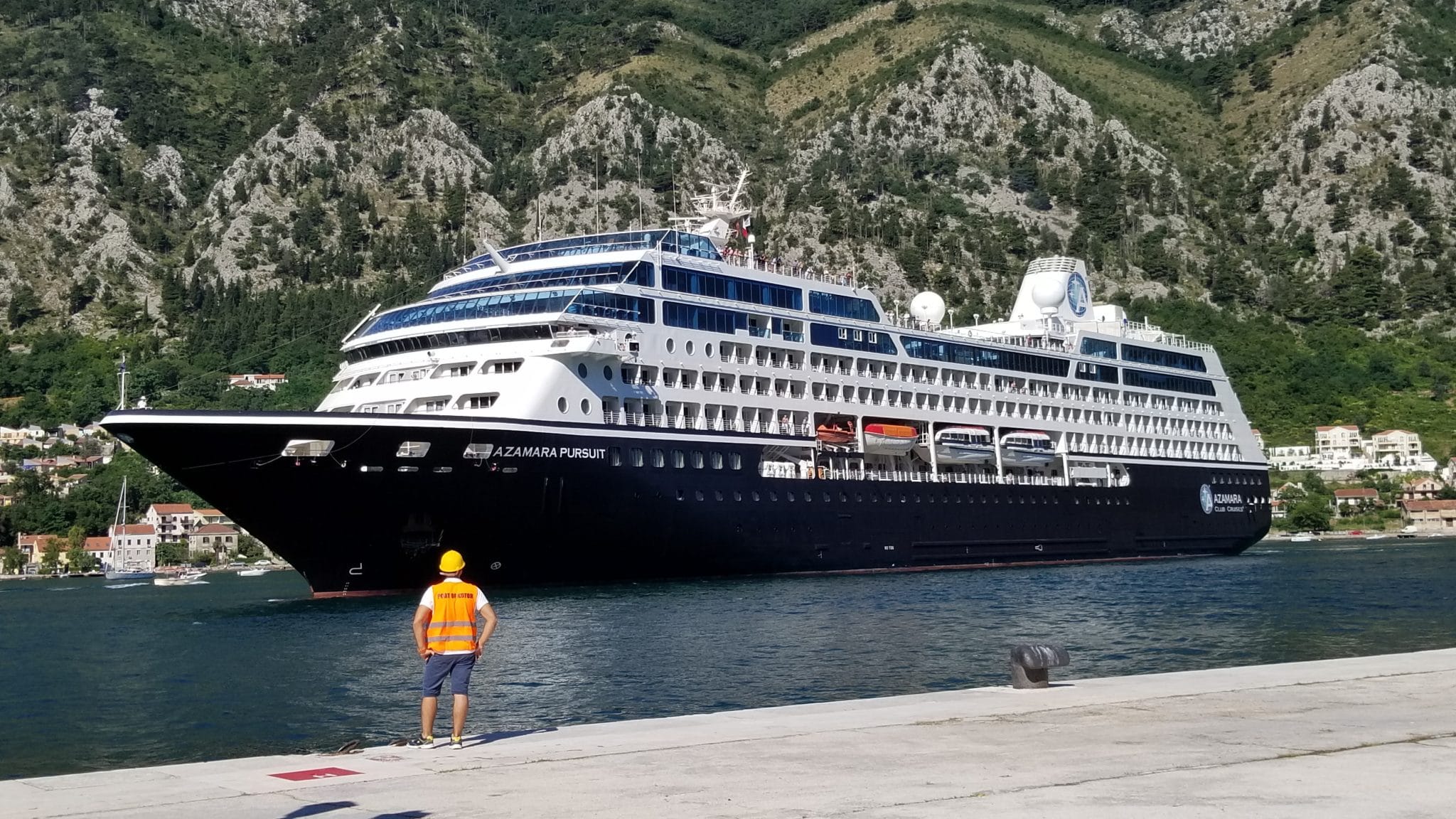
Azamara Pursuit in Kotor, Montenegro. Photo: Cruise Fever
Since the cruise line is an industry leader in destination experiences, the cruises will feature over 360 late night and overnight port visits. This represents 53% of all port days for the 2028 season.
Azamara will visit 12 new ports in Europe and Asia, and two of their ships, Azamara Quest and Azamara Onward, will receive renovations and refurbishments.
Cruises to Europe
Azamara will sail 85 cruises to Europe in 2028 that visit 85 cities. There will be 10 Grand Voyages and 48 country-intensive itineraries that visit Greece, Italy, and Croatia.
Cruises to Asia
Azamara will offer a full season in Asia for the first time. With 33 sailings aboard Azamara Pursuit, this program introduces nine Combination Cruises, allowing guests to seamlessly explore multiple countries including Japan, South Korea, and China within a single extended journey. Select itineraries are timed to align with more than 10 regional festivals.
The 2028 season features a curated collection of Specialty Cruises designed around iconic global events and cultural moments. Highlights include Grand Prix itineraries, as well as the British Open sailing centered around The 156th Open at Royal Lytham & St Annes, with Azamara Journey calling in Liverpool.
Michael Pawlus, Head of Itinerary Planning at Azamara Cruises, gave the following statement:
“We are constantly refining our itineraries to deliver thoughtfully curated experiences for our guests. Our country-intensive sailings in regions like Greece and Italy remain a core part of what we offer, and with the addition of Asia-focused itineraries in 2028, we’re expanding the range and depth of destinations guests can experience across our deployment.”
Get the latest cruise news, tips, and deals sent straight to your inbox with our free newsletter: Sign Up Now
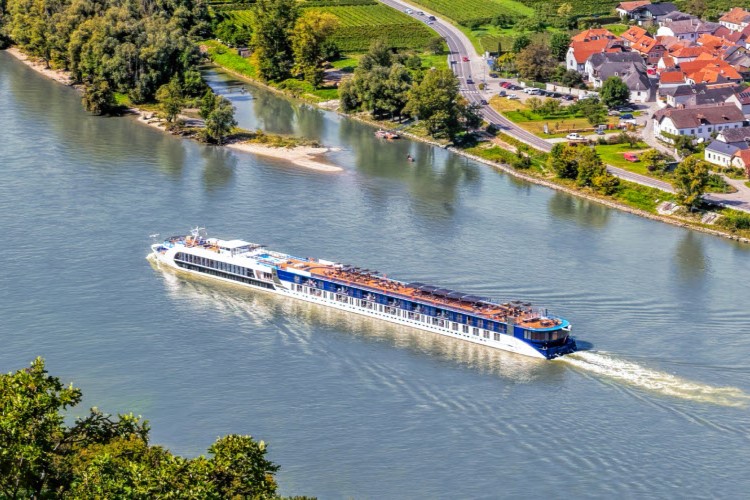
River cruises look effortless on the surface – unpack once, glide through Europe, wake up somewhere new each day – but choosing the right one is anything but simple.
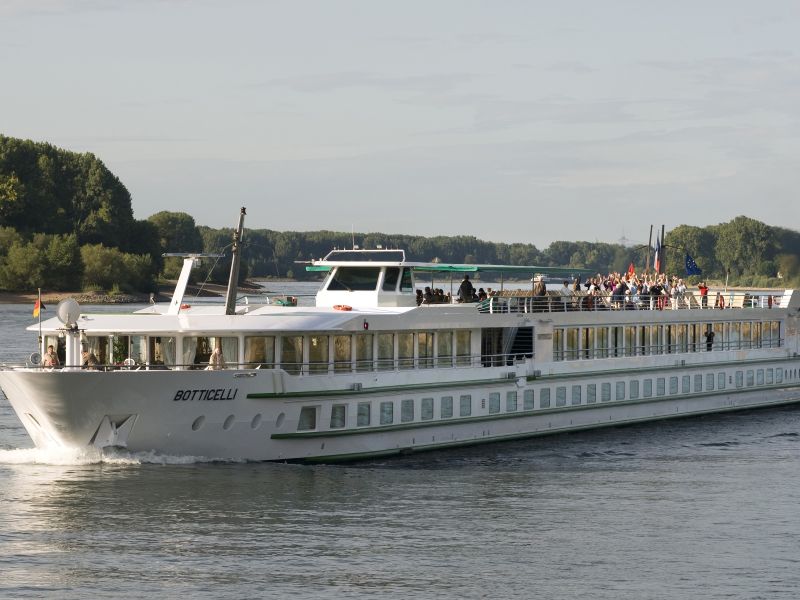
Don’t assume they’re just smaller versions of ocean cruises. They’re not.
The river you pick can completely change the feel of the trip, and two cruises that look almost identical on paper can deliver very different experiences once you’re onboard.
River cruising is brilliant – one of the easiest, most immersive ways to see Europe. But getting it right takes a bit more thought than just picking a date and pressing book.
1. Pick The Right River
Before you get too deep into cabin types, inclusions and cruise line comparisons, it helps to choose the river that actually suits the sort of trip you want. That’s the part many first-time river cruisers get backwards.
A European river cruise isn’t one single type of holiday. The Rhine feels very different from the Danube. The Douro doesn’t have the same rhythm as the Seine. Even if ships look broadly similar, the destinations, scenery and pace can vary a lot.
For most people, the right choice comes down to one question – what do you most want from the trip? Big cities? Castles? Vineyards? Food? Famous sights? Scenic sailing? Once you know that, it gets much easier to narrow things down.
The Rhine – Best For Classic Scenery And First-Time River Cruisers
If someone asks which river to choose for a first European river cruise, the Rhine is always near the top of the list. It has that instantly recognisable, storybook feel that a lot of people picture when they think of river cruising in Europe.
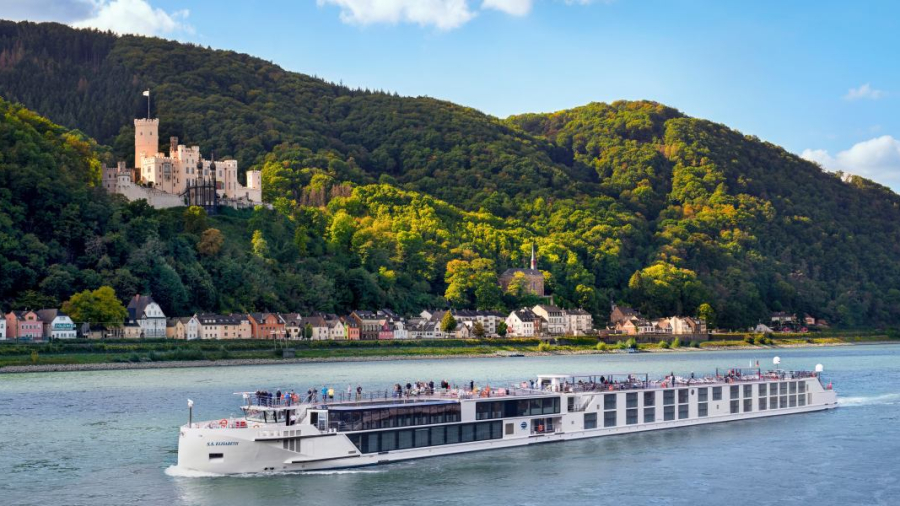
This is where you get hilltop castles, vineyard-covered slopes, half-timbered towns and some of the prettiest stretches of scenery on the continent. The Middle Rhine Gorge is the real showstopper – the bit with the castles, the Lorelei rock and those winding, dramatic views that make people fall in love with river cruising in the first place.
It’s also a very easy river to understand as a first-timer. Popular itineraries often run between Amsterdam and Basel, or the reverse, which means you can combine Dutch city breaks, German riverside towns, a touch of France and access to Switzerland in one trip. That’s a very strong mix if you want variety without overcomplicating things.
The Rhine is especially good if Germany and Switzerland are high on your wish list. You’ll often visit places like Cologne, Koblenz, Rüdesheim, Strasbourg and Basel, with some itineraries adding Heidelberg or extending into the Moselle or Main. There’s a nice balance here between scenic cruising and ports that are genuinely interesting to explore.
It’s also one of the best rivers for seasonal sailings. Spring brings tulip cruises in the Netherlands and Belgium, while late November and December are packed with Christmas market itineraries. That makes it very easy to tailor the same river to a completely different sort of holiday.
The Danube – Best For Big Cities, Culture And Variety
If the Rhine is the fairytale river, the Danube is the one for travellers who want a bit more grandeur and a stronger run of headline cities.
This is often the top recommendation for first-time river cruisers who care as much about what they’ll see ashore as they do about the scenery between ports. A typical Danube itinerary can include Vienna, Budapest and Bratislava, with places like Passau, Linz, Melk and Dürnstein adding smaller-scale charm in between. That’s an impressive line-up for one trip.
The Danube works brilliantly because it mixes very different experiences. One day you’re in a major capital city with grand architecture, music history and elegant cafés, and the next you’re cruising through vineyard country or stopping at an abbey in a small riverside town. It never feels too repetitive.
It’s also one of the best rivers for people who want a stronger sense of European history. You’re travelling through the old Habsburg heartlands, and in some itineraries into parts of Eastern Europe that feel very different from the more familiar western routes. That gives the Danube a broad appeal – it can be classic and easy for beginners, but it can also feel more adventurous if you choose a longer sailing.
For a first cruise, the middle Danube is usually the easiest place to start. Sailings between Passau and Budapest are especially popular because they combine the biggest highlights without feeling rushed. You get the best-known cities, lovely scenic stretches such as the Wachau Valley, and enough contrast from port to port to keep things interesting.
Longer Danube itineraries can continue east through Serbia, Croatia, Bulgaria and Romania towards the Black Sea. These can be fantastic for returning river cruisers or travellers who want something less predictable than the standard western European routes.
The Rhône – Best For Food, Wine And Southern France
The Rhône is one of the easiest rivers to fall for if you love the idea of France in all its richest, most indulgent forms. This is a cruise for people who hear Burgundy, Provence, Lyon and Avignon and immediately think yes, that sounds like my sort of holiday.
The scenery here is lovely, but the real pull is the atmosphere ashore. Rhône itineraries tend to be more about regional flavour than ticking off a long list of countries. You’re sailing through an area known for food, wine, Roman history and those golden-stone towns and villages that seem built for lingering over lunch.
Lyon is usually either the start or end point, and that alone is a selling point. It’s one of France’s great food cities and well worth extra time before or after the cruise. From there, itineraries often head towards Avignon or Arles, with calls that can include Vienne, Tournon, Viviers and other small towns that many travellers wouldn’t otherwise visit.
This river suits people who like a slower, more immersive style of trip. You’re not trying to squeeze in as many countries as possible. Instead, you’re getting properly stuck into one region – its wines, its markets, its Roman ruins, its art and its cuisine. If the Rhine and Danube are the obvious first-timer choices, the Rhône is the one for travellers who already know that food and place matter more than headline landmarks.
It’s also a very appealing option for wine lovers. Burgundy and the Rhône Valley are not exactly bad places to base a holiday around tastings and vineyard excursions. Even for people who aren’t serious wine buffs, there’s something very easy to enjoy about cruising through this part of France.
The Seine – Best For Paris And Normandy
The Seine has one huge advantage over just about every other European river – Paris. Starting or ending a cruise there gives it immediate appeal, especially for anyone who likes the idea of pairing a river sailing with time in one of Europe’s great cities.
But the Seine isn’t just about Paris. It also takes you through Normandy, which gives this river a really nice blend of countryside, history and culture. In one week, you can move from iconic city sights to half-timbered towns, Monet’s garden, coastal landscapes and excursions connected to the D-Day landings.
That mix makes the Seine feel a bit different from the more scenic-castle-heavy Rhine or the city-rich Danube. It’s less about a changing run of countries and more about exploring a single region in depth. For some travellers, that’s a real plus. You get a stronger sense of place rather than a more general sweep through central Europe.
Typical itineraries are round trips from Paris or sailings between Paris and the Normandy coast. Rouen and Honfleur are often among the standout stops. Rouen brings history and striking architecture, while Honfleur has the sort of harbourfront charm that makes you want to stay longer than the schedule allows.
The Seine is also a particularly good choice for art lovers and history lovers. Excursions to Giverny and the Normandy beaches add a lot of weight to the itinerary, and it’s a river that tends to appeal to travellers who enjoy the stories behind the places they visit.
The Douro – Best For Wine Lovers And Scenic Relaxation
The Douro is quite different from the classic Rhine-or-Danube first cruise, which is exactly why some people end up loving it. This is a river for scenery, wine country and a generally slower, more relaxed rhythm.
Sailings usually begin and end in Porto, which is a brilliant start. It’s one of Europe’s most characterful cities, full of steep streets, tiled buildings and riverfront views, and it sets the tone nicely for the rest of the trip. Once you leave Porto behind, the landscape becomes the star – terraced vineyards, quiet hillsides and a countryside feel that’s less about big cities and more about atmosphere.
The Douro tends to appeal to travellers who don’t mind that the ports themselves are often less famous than those on the Rhine or Danube. This is not the river for headline city after headline city. It’s about the valley, the wine estates, the scenery and the sense of being somewhere a bit more tucked away.
There’s also usually a Spanish element, with many itineraries including an excursion to Salamanca. That adds another layer to the trip and makes it feel slightly broader than a purely Portugal-focused holiday.
It’s worth noting that the Douro often involves more coach transfers for certain sights than some other rivers. That’s just part of how the region works. The reward is the landscape itself, which is one of the most distinctive in European river cruising.
Dutch & Belgian Waterways – Best For Tulips, Canals And Easy First Cruises
These itineraries don’t always get as much attention as the Rhine or Danube, but they’re a brilliant option – especially if you’re after something shorter, more relaxed or very seasonal.
While parts of the journey may touch the Rhine, these cruises are really about the network of canals, rivers and waterways that connect the Netherlands and Belgium. It’s a completely different feel from the castle-lined valleys of Germany or the grand capitals of central Europe. Here, it’s all about low-lying landscapes, historic trading cities and picture-perfect canal towns.
Spring is when this region really shines. Tulip season cruises are hugely popular for a reason, with visits to places like Keukenhof Gardens and fields bursting with colour across the Dutch countryside. It’s one of the most visually distinctive river cruise experiences you can have, and it only happens for a short window each year.
Beyond the flowers, you’re looking at a line-up of very walkable, easy-to-enjoy cities. Amsterdam is often the starting point, with its canals, museums and relaxed atmosphere. From there, itineraries might include Utrecht, Rotterdam, Antwerp, Bruges and Ghent – all places that are compact, characterful and ideal for exploring on foot or by bike.
That ease is a big part of the appeal. You’re rarely dealing with long transfers or sprawling ports. Ships often dock close to the centre, and the overall pace tends to feel gentler than some of the longer Rhine or Danube sailings. It’s a good fit if you want a more laid-back introduction to river cruising without trying to cover too much ground.
These cruises also tend to be shorter – often around five to seven nights – which makes them a smart choice if you’re testing the waters or don’t want to commit to a longer itinerary straight away.
The Main And Moselle – Best For Extra Variety On A Rhine Cruise
The Main and Moselle are often not the headline rivers people mention first, but they can add a lot to a cruise if you want something slightly different from the standard Rhine route.
The Moselle is especially pretty – quieter, narrower and arguably more intimate in feel than the Rhine in places. It winds through wine country, with steep vineyard slopes and charming little towns such as Cochem that feel more tucked away and less busy than some of the larger Rhine stops. If you like the idea of a gentler, more romantic version of Germany, the Moselle has a lot going for it.
The Main tends to appear more often on longer itineraries, especially those linking the Rhine and Danube via the Main–Danube Canal. It’s less about one iconic scenic stretch and more about opening up a wider route through Germany. You may see places like Frankfurt, Würzburg, Bamberg or Nuremberg, depending on the sailing.
These rivers are often best thought of as additions rather than standalone first choices. If you’re looking at a longer cruise and wondering whether it’s worth picking one that includes the Moselle or Main, the answer is usually yes. They can make the itinerary feel more varied and a little less obvious.
For wine lovers in particular, the Moselle is a very attractive add-on, and for anyone interested in a longer journey through central Europe, the Main helps unlock that.
The Elbe – Best For Repeat River Cruisers And History Fans
The Elbe is much less mainstream than the Rhine or Danube, which is exactly what makes it appealing. This is the river for travellers who’ve either already done one of the more classic itineraries or simply want something a bit different from the start.
One of the big draws here is the pairing of Berlin and Prague. Even if the cruise itself is shorter or more specialised, those bookend cities add huge value. In between, you get places like Dresden, Meissen and the landscapes of Saxon Switzerland, which give the route a strong historical and cultural identity.
The Elbe is particularly good for travellers interested in German and central European history. There’s a lot here tied to war, reconstruction, religion and old trading routes. It feels more niche than the broader appeal of the Rhine, but in a good way.
It’s also a river that comes with practical caveats. Water levels can be more of a challenge here, and the choice of ships and itineraries is far more limited. So while it can be a brilliant cruise, it’s usually not the most straightforward first booking for someone who just wants an easy introduction to river cruising.
The Po And Venetian Lagoon – Best For Italy Lovers
Italy doesn’t have the same huge range of river cruise options as Germany, France or Portugal, but what it does offer is very distinctive. Cruises in the Po Valley and Venetian Lagoon are less about classic river cruising in the Rhine sense and more about combining waterways, culture and iconic Italian cities.
These itineraries are particularly appealing if you love Italy and want a small-ship holiday that feels more unusual. Venice is often the main draw, and rightly so, but the surrounding region has plenty to offer too – places like Padua, Verona, Ferrara and Bologna can appear on the right itinerary.
This type of cruise feels different from the others because the setting is different. You’re not sailing through endless vineyard valleys or moving from one riverside capital to the next. Instead, you’re exploring the waterways and cultural treasures of northern Italy, with a stronger focus on art, architecture and regional history.
So Which River Should You Choose?
If you’re still not sure, it helps to simplify things.
Choose the Rhine if you want castles, classic scenery, Germany and Switzerland, and an easy first river cruise.
Choose the Danube if you want big cities, culture, music, history and a little more variety between urban highlights and countryside.
Choose the Rhône if food, wine and southern France are what really excite you.
Choose the Seine if Paris and Normandy are the main attraction.
Choose the Douro if you want vineyard scenery, a relaxed pace and a trip that feels more about the landscape than the ports.
And choose the Elbe or Po if you’re after something more niche, more specialised or a bit less expected.
That’s usually the easiest way to start narrowing things down – not by asking which river is best overall, but by asking which one sounds most like your sort of holiday.
2. Choosing a Cruise Line
Once you’ve picked your river, now’s the time to check out your cruise line.
Firstly, you need to find a cruise line that sails to the destination you want to visit – not all cruise lines cover all rivers!
Let’s break that down first, and then we’ll dig into what each cruise line offers, and what’s included with their fares.
Cruise Line
The Rhine
The Danube
The Rhône
The Seine
The Douro
Dutch & Belgian Waterways
The Main & Moselle
The Elbe
The Po
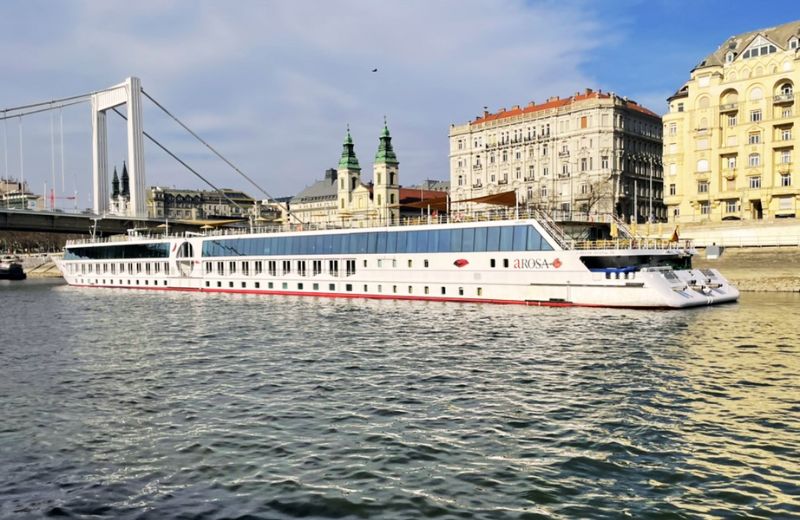
A-ROSA
✅
✅
✅
✅
✅
❌
✅
❌
❌
AMAWaterways
✅
✅
✅
✅
✅
✅
✅
❌
❌
APT Touring
✅
✅
❌
❌
✅
❌
✅
❌
❌
Avalon Waterways
✅
✅
✅
✅
✅
❌
✅
❌
❌
Celebrity River Cruises
✅
✅
❌
❌
❌
✅
❌
❌
❌
CroisiEurope
✅
✅
✅
✅
✅
✅
✅
✅
✅
Emerald Cruises
✅
✅
✅
✅
✅
✅
✅
❌
❌
Riviera Travel
✅
✅
✅
✅
✅
✅
❌
❌
❌
Scenic River
✅
✅
✅
✅
✅
✅
✅
❌
❌
Tauck
✅
✅
✅
✅
✅
✅
✅
❌
❌
TUI River Cruises
✅
✅
❌
❌
✅
✅
✅
❌
❌
Uniworld
✅
✅
✅
✅
✅
✅
✅
❌
✅
Viking River Cruises
✅
✅
✅
✅
✅
✅
✅
✅
❌
VIVA Cruises
✅
✅
✅
✅
✅
✅
✅
✅
✅
So, you’ve picked a river, you now know which cruise lines offer itineraries in that destination – how do you pick between them?
This will help:
Cruise Line
Lowest Price 7-Night Rhine Cruise
Flights Included
Excursions Included
Drinks Included
Tips Included
WiFi Included
A-ROSA
£864pp
No
No
No
No
No
AMAWaterways
£2,079pp
Yes
Yes*
During Meals
No
Yes
APT Touring
£1,995pp
Yes
No
During Meals
Yes
Yes
Avalon Waterways
£1,700pp
Yes
Yes
During Meals
No
Yes
Celebrity River Cruises
£2,448pp
No
Yes
Yes
No
Yes
CroisiEurope
£1,211pp
No
No
Yes
No
Yes
Emerald Cruises
£1,885pp
No
Yes
During Meals
Yes
Yes
Riviera Travel
£1,999pp
Yes
Yes
Yes
No
Yes
Scenic River
£2,569pp
No
Yes
Yes
Yes
Yes
Tauck
£3,290pp
No
Yes
Yes
Yes
Yes
TUI River Cruises
£1,199pp
Yes
No
During Meals
Yes
Yes
Uniworld
£2,199pp
No
Yes
Yes
Yes
Yes
Viking River Cruises
£1,695pp
Yes
Yes
During Meals
Yes
Yes
VIVA Cruises
£1350pp
No
Yes
Yes
Yes
Yes
A-ROSA
A-ROSA offers a more relaxed, flexible style of river cruising, often with fewer structured excursions and a more casual onboard feel. It’s usually good value and popular with European travellers, but feels less traditional than most river cruise lines.
They’re also one of the few river cruise lines that are genuinely good for families. Most are adults only, but A-ROSA has some great child-friendly cruise options, particularly on A-ROSA Sena.
AmaWaterways is a favourite for active travellers, with multiple excursion options in each port including hikes and bike rides. It strikes a strong balance between inclusions, quality and a slightly more energetic onboard atmosphere.
APT leans towards the premium and luxury end, with a focus on high inclusions, unique experiences and a polished onboard feel. It’s especially appealing if you like the idea of a more all-inclusive trip with fewer extra costs to think about.
Avalon Waterways
Avalon is known for its spacious, modern cabins and excellent overall value, making it a popular choice for first-time river cruisers. It delivers a comfortable, easy-going experience without pushing into ultra-luxury pricing.
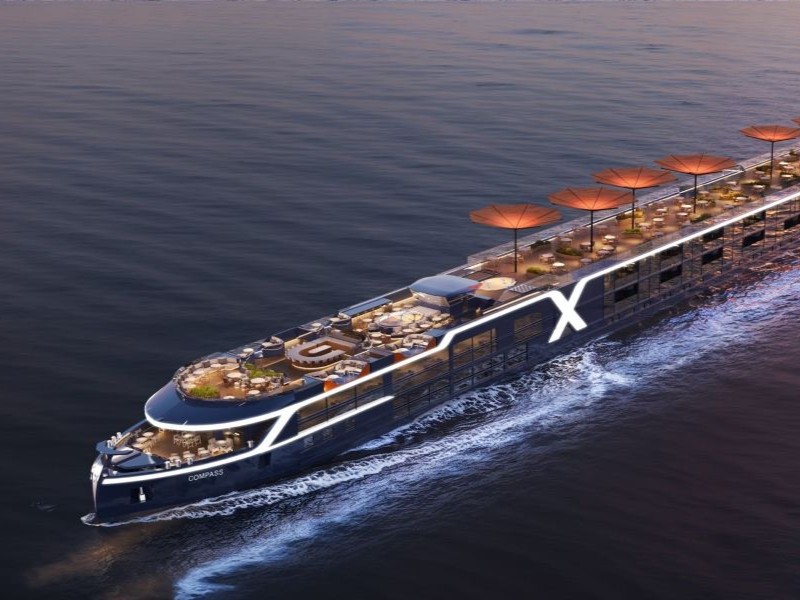
Celebrity River Cruises brings a more contemporary, design-led approach to river cruising, with a focus on style, dining and a slightly more modern onboard vibe. It’s one to watch if you like the feel of newer ocean cruise brands but want a smaller ship experience.
CroisiEurope is often one of the most affordable ways into river cruising, with a simple, no-frills approach that still covers the essentials well. It also offers some more unusual itineraries that other lines don’t operate.
Emerald Cruises sits firmly in the “value with extras” category, often including things like gratuities and a decent range of excursions. Ships feel modern and the overall experience is polished without the higher price tag of luxury lines.
Riviera Travel
Riviera is a go-to for value-conscious travellers, offering stylish ships and well-organised itineraries at competitive prices. It’s a more classic river cruise experience, with a focus on good service and solid inclusions rather than luxury extras.
Scenic is firmly in the ultra-all-inclusive luxury category, with drinks, excursions, gratuities and even extras like e-bikes and butler service bundled in. It’s a seamless experience, but you’ll pay more upfront for that level of inclusion.
Tauck is all about curated experiences and high-end, fully inclusive travel, often with unique excursions you won’t find elsewhere. It feels more like a guided journey than a standard cruise, with a strong focus on service and detail.
TUI River Cruises
TUI offers a very accessible, UK-friendly river cruise experience with straightforward pricing and familiar touches. It’s a good entry point if you want something simple, sociable and easy to book without overthinking the details.
Uniworld delivers a more boutique, luxury feel, with highly styled ships and a very all-inclusive approach. It’s ideal if you want something that feels a bit more distinctive and indulgent than the standard river cruise offering.
Viking River Cruises
Viking is one of the biggest names in river cruising, known for its consistent, well-run experience and wide choice of itineraries. It’s a safe, reliable option that gets the basics right, even if it’s not the most all-inclusive.
VIVA Cruises
VIVA Cruises is a relatively new European river cruise line that focuses on modern ships, all-inclusive fares and a more relaxed, contemporary atmosphere than some of the traditional luxury river cruise brands.
VIVA Cruises is particularly known for its stylish newer ships, flexible dining and good-value pricing, making it a popular choice for younger retirees and travellers who want a premium river cruise experience without the ultra-luxury price tag.
3. Other Considerations for a Europe River Cruise
Think Carefully About Excursions
Excursions are a huge part of river cruising. In fact, they shape the whole trip more than many first-timers expect.
On an ocean cruise, shore days can feel optional. On a river cruise, the ports are the point. That means you need to look beyond the ship and ask what’s actually included each day.
Are there guided walks in every port? Are there choices, or just one standard coach tour? Is there anything active, like hiking or cycling? Are special events and evening outings included or extra?
If you already know you enjoy getting off the ship and making the most of each stop, this can be the difference between a good holiday and a great one.
Some lines offer multiple touring styles, which can be really useful. A gentle group, a regular-paced walk and a faster active option can make the day much more enjoyable than being stuck in one big mixed group. That’s especially true if you don’t want every port to feel like the same guided wander followed by souvenir shopping.
Don’t Overlook Drinks And Onboard Atmosphere
Anyone moving from big-ship cruising needs to reset expectations a bit here.
River cruises generally aren’t built around drinks packages, late-night entertainment or lively pool decks. That doesn’t mean they’re dull – it just means the social life is different.
Think pre-dinner drinks, a quiet cocktail in the lounge, regional wines with dinner and maybe some music in the bar later on. It’s more relaxed than high-energy. Not always – some cruise lines put on big parties – but those are the exception.
That actually suits a lot of people very well. If you enjoy an occasional evening drink but you’re not the kind of cruiser who wants unlimited cocktails all day, river cruising can feel like a much better fit than ocean lines that push packages heavily.
A lot of lines include wine and beer at lunch and dinner, and some add a happy hour or more generous drinks policy. A few luxury operators include pretty much everything. It’s worth checking because drink inclusions vary more than many people assume.
Book The Right Time Of Year
Timing matters on a river cruise, and not just for weather.
Spring is lovely for a first trip. You get fresh scenery, generally comfortable temperatures and special seasonal sailings like tulip cruises in the Netherlands and Belgium. Early summer is popular too, with long daylight hours and lively cities, but it can also be busier and hotter.
Autumn is another strong choice, especially if you like wine regions, harvest season and slightly softer temperatures. Late November and December bring Christmas market cruises, which are hugely popular and feel completely different from standard sailings.
For the Rhine and Danube in particular, many seasoned travellers try to avoid the hottest part of late summer, partly because of crowds and partly because of water level concerns. There are no guarantees either way, but shoulder season often feels like the nicest balance.
Understand The Water Level Risk
This is one of the biggest practical differences between river cruising and ocean cruising, and it’s something every first-timer should know before booking.
River ships are vulnerable to both high water and low water. Too much water and they may not fit under bridges. Too little and they may not be able to sail certain stretches at all. When that happens, the cruise line may switch ships, coach passengers between sections, or alter the itinerary.
That doesn’t mean you should avoid river cruising. It just means you should go in with realistic expectations. This is part of the deal, especially on some rivers and at some times of year.
If this risk worries you, it’s worth looking at cruise lines with bigger fleets, because they may have more flexibility when disruption happens. You should also read the terms carefully so you know exactly what happens if the itinerary changes. It’s not the most glamorous part of trip planning, but it’s important.
Plan Your Flights And Hotel Stays Sensibly
For many travellers, especially those used to planning their own trips, booking airfare separately sometimes makes the most sense. You get more control over airline, route, seat choice and timing. That can be especially useful if you live near a major gateway and are comfortable arranging things yourself.
Cruise-line air can still be worth pricing up, though, since it’s reasonably priced in many cases and can make things a lot more seamless. Sometimes there are promotions, and in some cases transfers are included. For travellers who want everything kept simple in one booking, that can be appealing.
Whichever route you choose, arriving at least a day or two early is one of the smartest things you can do. It gives you breathing room if there are flight delays, and it means you actually get to enjoy your embarkation city instead of seeing it through jet lag. The same goes for the end of the trip. A post-cruise stay can turn a good holiday into a much better one.
With river cruises starting or ending in cities like Amsterdam, Budapest, Basel or Vienna, there’s usually a very good case for adding hotel time on either side.
I would advise getting a good travel agent who can package your river cruise along with flights and hotel stays so you will benefit from ATOL protection.
Check The Ship Layout And Cabin Style
River ships are small, but they’re not all identical in feel.
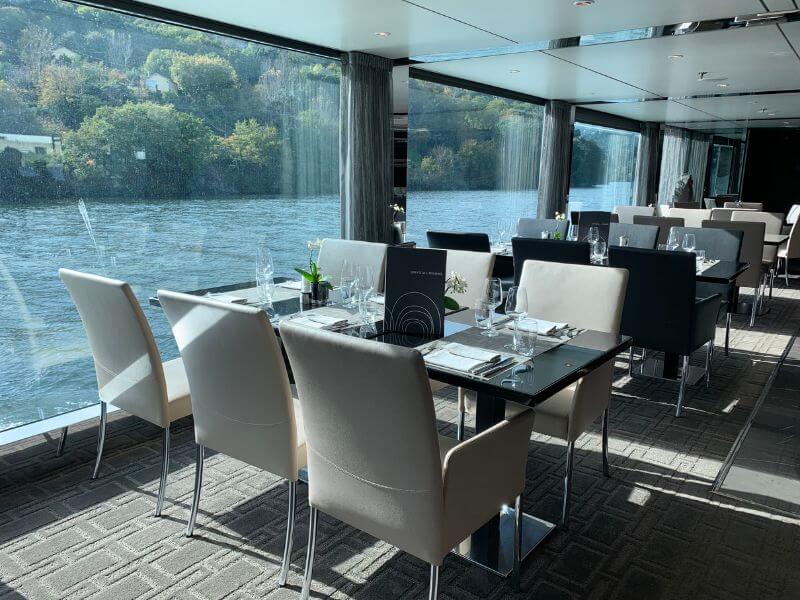
Some have more spacious cabins, almost all have French balconies rather than step-out balconies (but there are a few exceptions), and some feel noticeably more contemporary than others. A few ships include things like small fitness rooms, bikes for guests or multiple dining venues, while others are more straightforward.
Because you’ll spend a fair amount of time in your cabin and on the public decks watching the scenery go by, layout matters. On a first river cruise, it’s worth paying attention to what sort of balcony you’re actually getting and how much indoor space the cabin has.
This is one reason some travellers end up preferring one line over another even if the itinerary is very similar. On river ships, little design differences are more noticeable because the ships are so compact.
Know What River Cruising Isn’t
It helps to be clear about this before you book.
River cruising isn’t a floating resort. It isn’t packed with big production shows, waterslides, casinos or endless speciality restaurants. You probably won’t be sailing all day with nothing to do. And you may occasionally be docked beside another ship or beside a less-than-pretty stretch of town.
But that’s not really what this kind of holiday is for.
River cruising is about the route, the ease of unpacking once, the smaller number of guests, the included touring and the simple pleasure of gliding into one interesting place after another. For a lot of ocean cruisers, that ends up being the surprise – not that it’s smaller, but that it feels more immersive and far less hectic.
Final Thoughts
The easiest way to choose a European river cruise is to narrow it down in this order – river first, then cruise line.
If you’re brand new to river cruising and want a safe first pick, the Rhine is hard to beat for Germany, Switzerland and classic scenery. The Danube is just as tempting if you’d rather focus on big cities and central Europe. From there, compare what’s actually included rather than just staring at the fare.
For many first-timers who like excursions, enjoy a drink now and then but don’t need an all-inclusive bar setup, and want a good balance of quality and value, lines such as Avalon, AmaWaterways, Viking, Emerald and Riviera are all worth close attention.
Above all, book with the right expectations. River cruising is different from ocean cruising – and for plenty of people, that’s exactly why they end up loving it.
There’s a special little moment on embarkation day when you finally step into your cruise cabin for the first time.
After the airport, the port, the queues, the check-in desks and the general chaos of travel day, this is when it all starts to feel real. You’ve made it. The holiday has officially begun.
It’s also very tempting, of course, to throw yourself onto the bed, admire the view and do absolutely nothing for half an hour. Fair enough. But before you settle in properly, there are a few things worth doing first.
Nothing too dramatic, and definitely nothing that’ll eat into your first cocktail of the trip, but a handful of smart cabin tasks can make the rest of your cruise run much more smoothly.
1. Drop Your Bags and Take a Proper Look Around
The first thing to do when you arrive is the simplest one – put your bags down and take in the room. Even if your suitcase hasn’t arrived yet and you’ve only got your carry-on with you, it’s worth pausing for a couple of minutes before rushing off again.
This is your base for the next few days, and getting your bearings straight away helps the whole cabin feel less like a temporary stop and more like your own little space at sea.
Have a quick wander around. Open the wardrobe, look in the bathroom, check where the desk is, clock the storage space and see what sort of outlets you’ve got.
If you’ve booked a balcony cabin, this is also the moment for the classic first step outside. It’s part practical, part excitement, and both are equally valid.
Also, you might want to take a photo of the cabin. Trust me, this it the nicest it will look all week, no matter how tidy you are!
2. Make Sure It’s Okay
You don’t need to conduct a full inspection worthy of a shipping surveyor, but it is worth giving the cabin a quick once-over as soon as you get in.
Check that the lights work, the air conditioning is blowing properly, the safe opens, the bathroom looks clean and there’s nothing obviously broken, missing or out of place. Cruise cabins are turned around quickly between sailings, so the odd issue can slip through.
This matters most on embarkation day because it’s when problems are easiest to sort.
If a lamp isn’t working, the the bathroom smells funky or the bed isn’t set up as requested, it’s much better to raise it early than discover it later when everyone else is also asking for help. Most issues are fixed quickly – but only if someone knows about them.
Having an issue with your cabin isn’t uncommon or anything to get upset about. Just let your cabin steward known and there’s a 99% chance it’ll be fixed within the hour.
3. Consider Asking For An Upgrade
If you walk into your cabin and your heart sinks, know that you may not have to stay in that cabin.
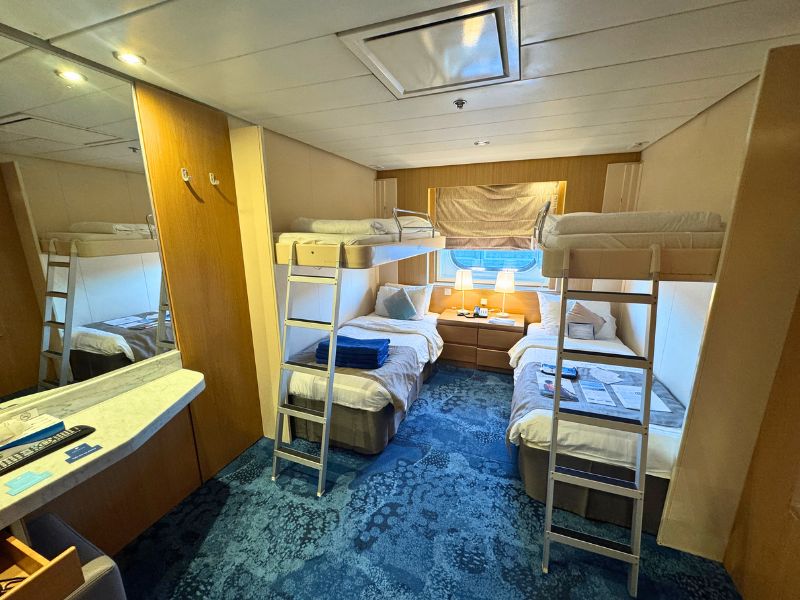
This happened to me when I booked a two-week cruise over Christmas in the cheapest cabin on P&O Arvia. The cruise was expensive and it was all we could afford. But when I walked in to the cabin and saw how little space there would be four our family of four, I decided to see if there were any other options.
Our original room
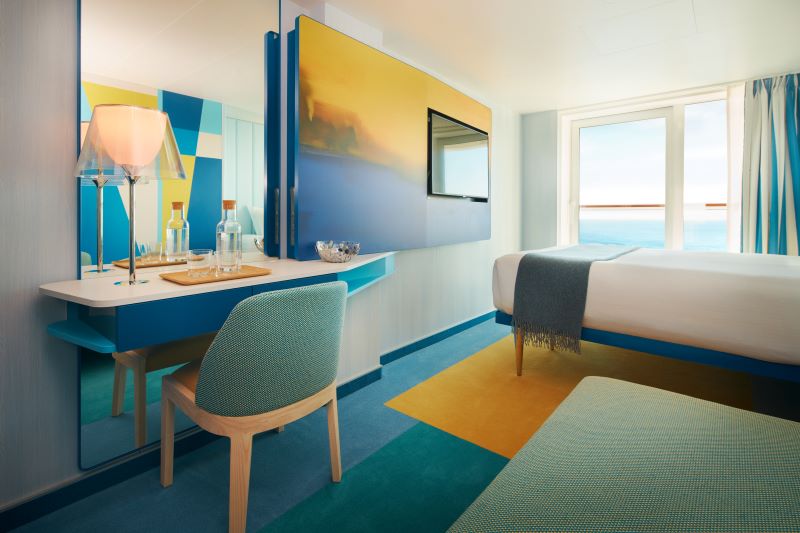
I immediatley went to reception and asked if they had anything else. Luckily for me, someone in a balcony cabin had cancelled at the last minute, and so we were offered an upgrade.
The price to upgrade was just £260, which was an absolute bargain, as booking the balcony room originally would have cost us a lot more than that.
We were given the keys to our new room and we loved it! It made such a difference to wake up there on Christmas morning.
Our new room
4. Put Your Valuables in the Safe Straight Away
Once you’ve had your first look around, put anything important in the safe and get it out of the way. Passports, spare cash, jewellery, laptops, car keys, wallets – anything you don’t need to have on you should be stored safely rather than left on the desk or stuffed into a random drawer.
It’s not about being paranoid. Cruise cabins are generally very safe, and your steward will be in and out cleaning during the sailing. But embarkation day is busy, you’re unpacking, you’re distracted, and that’s exactly when things are easiest to misplace.
Popping your valuables in the safe from the start means you won’t spend the first evening wondering where you left your passport. Keep your cruise card with you and stash the rest.
5. Unpack As Soon As You Can
Unpacking is one of those jobs nobody feels like doing, but it makes a huge difference on a cruise.
Cabins are usuall pretty compact, and even the nicest ones can start to feel cramped if you live out of an open suitcase for a week. The quicker you hang things up, fill the drawers and get the cases out of sight, the quicker the room feels calm and usable.
It’s especially worth hanging up anything that creases easily – dresses, shirts, linen bits, dinner outfits – so they’ve got a chance to drop out before you wear them.
Once you’ve unpacked, slide the cases under the bed if there’s room. It’s one of the easiest ways to reclaim floor space. Even on a short cruise, it’s still worth doing. A tidy cabin feels bigger, and on a ship, bigger always feels better.
There’s something psychologically refreshing about changing out of whatever you travelled in and into proper cruise clothes.
It doesn’t matter whether you arrived by car, train or after a long-haul flight – your embarkation-day outfit has done its job. Swapping it for something fresh is a very effective way of telling your brain that the stressful bit is over now.
This is especially handy if you’ve packed a first-day outfit in your carry-on, which is always a smart move. Maybe that’s swimwear and a cover-up if you’re heading straight to the pool deck, or maybe it’s something casual for exploring the ship and grabbing lunch.
Either way, you’ll feel much more comfortable, much more put together and much more like you’re actually on holiday. It’s a small reset, but it works brilliantly.
Nobody boards a cruise ship thinking, “Excellent, can’t wait for the safety drill,” but it’s one of the few genuinely non-negotiable things you need to do on embarkation day.
Many cruise lines now use e-muster systems, which usually means watching a short safety video on your cabin TV and then physically checking in by tapping your cruise card at your station. Others still do a more traditional drill.
Either way, get it done early. It’s much nicer to tick it off before the ship gets busier and before you’re halfway through a drink wondering whether you still need to go. Once it’s done, you can properly relax and get on with enjoying the holiday.
There’s a good chance you’ll even do it before you’ve made it to your cabin. If so, win.
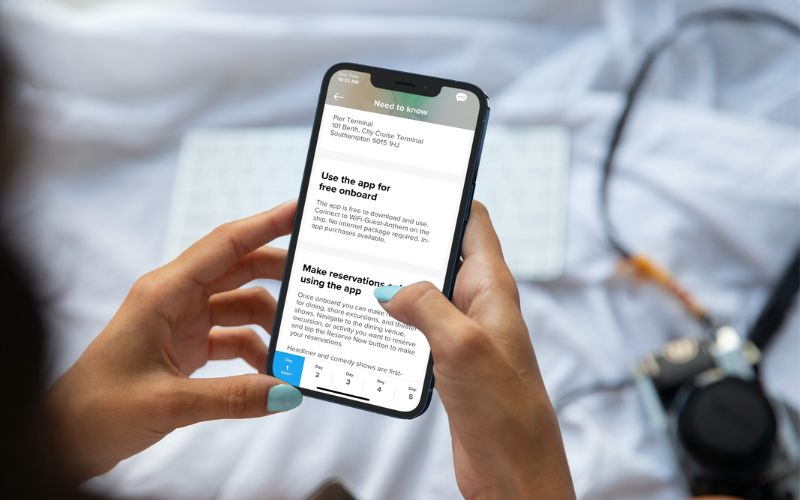
If your cruise line has an app – and most do now – hopefully you’ll have already downloaded it and logged in while at home.
On many ships, the app is where you’ll find daily schedules, dining times, deck plans, reservation systems and even chat functions for messaging other people in your group.
Some parts of the app won’t be available until you’re onboard, so now’s the time to log back in and see what extra features you have (more on those later)
If you’ve bought WiFi, now’s also a good time to activate it. Sorting that while you’re still in port can be easier if anything goes wrong, and it means you’re not fiddling with login screens later.
Don’t forget airplane mode too – cruise ship roaming charges are the sort of holiday surprise nobody wants. A few minutes of tech admin now can save a lot of faff later.
The daily planner doesn’t look exciting at first glance, but it’s actually one of the handiest things in your cabin. Whether it comes as a printed sheet, on the TV or through the cruise app, it tells you what’s happening on board and when.
That includes the fun stuff – sailaway parties, shows, quizzes, live music, deck events – but also the practical bits, like dining times, drill instructions and venue opening hours.
Having a quick read early on helps you spot anything you’d otherwise miss. Maybe there’s a first-day special at the spa, a welcome event you’d enjoy or an activity that books out quickly. It also helps you get a sense of the ship’s rhythm.
One of the nice things about cruising is that there’s always something going on, but unless you check the planner, you can easily drift past the best bits without realising.
10. Look At All The Papers On The Desk
The desk in your cruise cabin will likely have an arrangement of papers on it. Don’t ignore these.
Some of them will be vital things like excursion tickets that you need to keep safe, or wristbands that children must wear at all times that have their muster station letter on.
Other things are special offers or invitations to events like wine tastings, cookery classes and spa events. These can often book up quickly, so if you want to do one of these, now’s the time to pick up the phone in your cabin and call to book your place.
11. Book Anything Important Before Everyone Else Does
Embarkation day is prime time for booking the things. Some ships only open up availability once you’re onboard, so it’s important that you make your bookings early on embarkation day.
For example, Virgin Voyages let you book your dining in each of the restaurants before your cruise. But when I checked, the only slots available were 5pm or 9pm. However, once I got on the ship, I checked again and there were many more times available. The next day, they had gone again.
Specialty restaurants, spa appointments, shows, limited-capacity attractions, sometimes even excursions – the best slots can disappear quickly once everyone gets on board and starts checking the app. That’s why it’s worth using a few quiet minutes in your cabin to get organised.
Even if you think you might decide later, it often pays to reserve a time and then change it if needed. It’s much easier to tweak a booking than to find there’s nothing left at all.
This is particularly true on ships where entertainment needs reserving, or on cruises with a lot of sea days where everyone’s competing for the same prime evening spots. Handle it early and you won’t spend the rest of the cruise mildly annoyed that the steakhouse is full.
12. Check the Bed Configuration
Cruise ship beds are wonderfully flexible, which is great in theory but does mean the setup isn’t always exactly how you expected when you first walk in.
If you requested a double bed and found twins, or you’re sharing with a friend and were hoping not to be pushed together all week, check it straight away and mention it as soon as you can.
The same goes if you’ve got children or extra guests in the cabin and need the sofa bed or Pullman arrangements sorted.
None of this is usually difficult to fix, but it’s much nicer to get it done early in the day than to realise at bedtime that the room still isn’t set up properly. Cruise staff are used to these requests, so don’t feel awkward asking. Better a quick conversation now than a less cheerful one later when everyone’s tired.
13. Meet Your Cabin Steward
At some point not long after you arrive, you’ll probably meet your cabin steward. It might just be a quick hello in the corridor, or they may pop in and introduce themselves while they’re working nearby. Either way, it’s worth taking a minute to say hello properly.
Your steward plays a huge part in how smoothly your cabin experience goes, and a friendly introduction sets the tone nicely.
This is also the perfect moment to make any simple requests. Extra pillows, extra towels, more hangers, ice, a mattress topper, separate beds, a sofa bed left out – whatever you need, ask early.
They may not be able to do everything instantly on the busiest day of the cruise, but they can usually sort most things pretty quickly. A little friendliness goes a long way, and it makes future requests feel much easier too.
This one’s optional, but plenty of experienced cruisers do it and it’s easy enough if it gives you peace of mind.
A quick wipe over the high-touch areas in your cabin can be a sensible little embarkation-day habit, especially after a long journey through airports, terminals and busy public spaces. You’re not trying to deep-clean the room – the steward’s already done that – just freshen the bits that get touched most.
Think door handles, light switches, the TV remote, the phone, the safe keypad and maybe the bathroom taps. It only takes a minute or two if you’ve packed antibacterial wipes in your carry-on, and it can be particularly reassuring at the start of the trip.
Cruise ships work hard on hygiene, but no one’s ever been upset they spent sixty seconds wiping the remote before using it all week.
15. Set Up a Charging Spot
If you travel with a phone, watch, camera, Kindle, earbuds and whatever else modern life seems to require, then setting up a charging spot early is one of the smartest little things you can do.
Cruise cabins don’t always have loads of sockets, and the ones they do have aren’t always where you’d ideally want them. Rather than charging things randomly all over the room, pick a sensible place and make that your device corner.
That way, you’re not hunting for cables every night or leaving your phone balanced precariously somewhere ridiculous. It also helps keep the cabin tidier, which matters more than you’d think in a compact space.
If you’ve brought an approved multi-USB charger, even better. Once your charging setup is sorted, the whole room feels more organised – and you’re far less likely to wake up to a phone battery on 12 per cent.
I used to have the setup above, which was crazy when I thnk about it. Now instead, I have one multi-adaptor that handles everything…
16. Leave the Cabin and Go Enjoy the Ship
Once the essentials are sorted, don’t spend too long hiding in your room. It’s easy to get sucked into unpacking, fiddling with drawers and generally nesting, but embarkation day is one of the most exciting parts of the whole cruise.
The ship is buzzing, the bars are open, lunch is being served somewhere and the holiday atmosphere is fully kicking in. You’ve done the practical jobs – now go enjoy the fun part.
Head up on deck, grab a drink, take a wander around the ship, get your bearings and soak it all in. This is also a brilliant time for photos before things get too messy or crowded.
Your cabin matters because it’s your home base, but the reason you’re here is everything happening outside it. Get the smart stuff done first, then get out there and start the holiday properly.
Final Thoughts
Getting to your cruise cabin for the first time is one of the best moments of embarkation day – but a little bit of early organisation can make that first afternoon, and the rest of your trip, much smoother.
You don’t need to overthink it, and you definitely don’t need a military-style checklist. Just focus on the things that genuinely matter – unpacking, checking the room, sorting the safety drill, booking anything popular and getting your cabin set up in a way that works for you.
Do that, and you can settle in quickly, avoid a few common annoyances and get on with the important business of actually enjoying your cruise.
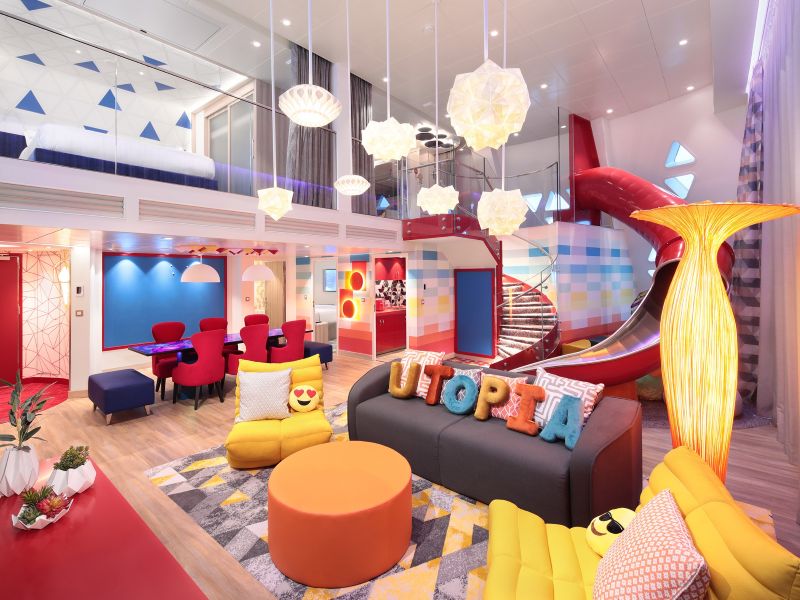
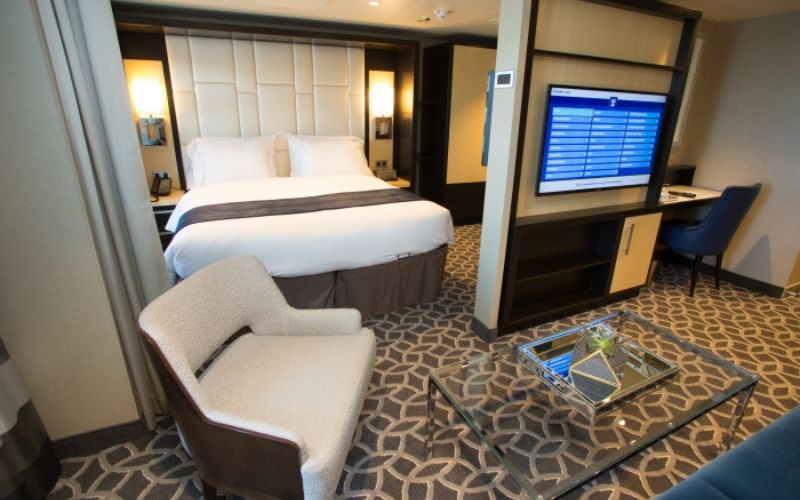
Suite life on a cruise ship looks incredible – private lounges, butlers, huge balconies – but the price tag can be eye-watering. What most people don’t realise is – you rarely need to pay full price!
I’ve seen suite prices swing wildly depending on timing, ship, and even booking tactics – sometimes by thousands. The difference between overpaying and getting a bargain often comes down to a few secret moves.
Here’s what you need to know before you book – because some of the best deals aren’t obvious at all, and one of them completely flips the “book early” advice on its head…
1. Book As Early As Possible
This is where most savvy cruisers start.
Suites are limited in number, and the best ones go quickly. Cruise lines usually release their lowest prices when itineraries first go on sale, often 12 to 24 months in advance.
Booking early can also unlock perks like onboard credit, drinks packages or WiFi. Even if you’re not 100% certain, deposits are often refundable, so there’s little risk in securing a good rate early.
Having said that…
2. Look For Last-Minute Deals
Here’s the twist.
If suites haven’t sold, cruise lines sometimes discount them closer to departure to fill the ship. That’s where last-minute deals can come in.
The catch is flexibility. You’ll need to be able to travel at short notice and accept whatever cabins are left. It’s not guaranteed, but when it works, the savings can be significant.
3. Re-Price Your Booking If Fares Drop
Booking early doesn’t necessarily mean you’re locked in at that price.
Cruise fares fluctuate constantly. If you spot your exact suite at a lower price before final payment, some cruise lines or travel agents may let you reprice your booking or offer the difference as onboard credit.
Even after final payment, it’s sometimes worth asking. Cruise lines may offer onboard credit instead of a refund, which still adds value to your trip.
It’s worth knowing, however, that US cruisers are generally more likely to benefit from repricing than those in the UK.
UK bookings can be more restrictive because they’re often sold as package holidays with different pricing structures and terms. That doesn’t mean it never happens in the UK, but American travellers are typically more accustomed to monitoring fares and requesting price adjustments or onboard credit when prices fall.
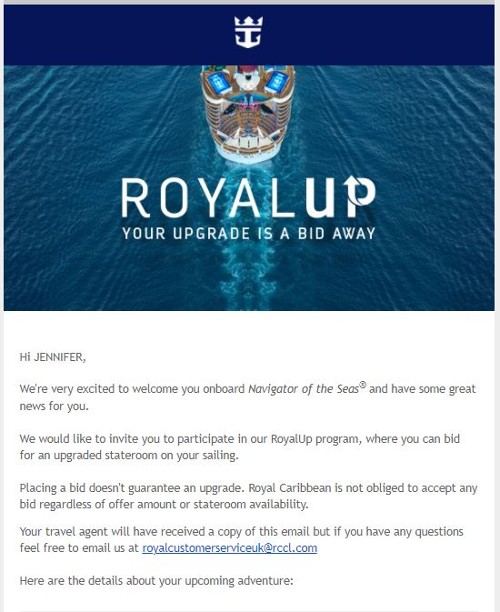
Several cruise lines now let you bid for a cabin upgrade after booking.
The idea is simple – book a lower category, then place a bid to move up to a suite. If your bid is accepted, you’ll pay less than the original suite price in many cases.
It’s not guaranteed, but it can be a clever way to access a higher category without paying full fare upfront.
However, it’s important to know how it works, if you want to have the best chance at the upgrade.
The cruise lines let you bid varying amounts, from a set minimum. Then, once it gets close to sailing date, the cruise line will look at who has put the best bid together, and then award those staterooms the upgrade.
But the highest bid doesn’t mean the best one…
Basically, if you’re in an Inside Stateroom and you bid £500pp to upgrade to a Suite, you might be beaten by someone in a Balcony Stateroom only bidding £300pp – because they could then free up their stateroom for someone in an Inside who bid £250pp for a Balcony Stateroom.
Or, if the cruise line thinks that there might be demand for sold-out Balcony Staterooms, they may prefer to free up that cabin even if the offered upgrade is less, because they’re expecting to then sell a Balcony and make even more.
The most profitable upgrade-chains will win.
So, to maximise your chances, book the highest grade of stateroom you are happy with, and then make sure you bid as much as you’re comfortable spending. A Balcony Stateroom bidder is much more likely to win a Suite than someone in an Inside Stateroom.
A guarantee booking means you choose the suite category, but not the exact cabin. Just like with any category of cabin on a ship.
In return for giving up control over location, you’ll often pay less. The cruise line assigns your cabin closer to departure, sometimes even upgrading you if availability allows.
The trade-off is uncertainty – you could end up near a noisy area or with a less desirable layout – but for many, the savings are worth it.
6. Choose A Lower-Tier Suite (Mini/Junior Suite)
Not all suites are created equal – and you don’t need the biggest one to get a taste of the experience.
Mini-Suites and Junior Suites are usually the most affordable entry point. You’ll still get more space, a better bathroom, and a few upgraded touches compared to a standard cabin.
Just be aware that perks vary. Some entry-level suites include access to exclusive areas, while others are simply larger rooms. Always check what’s included so you’re not paying for a label alone.
Older ships, on the other hand, often have significantly lower suite prices – especially if they’ve been recently refurbished.
You might miss out on the latest attractions, but your cabin experience can be very similar. If you’re more interested in spedning time in the suite itself than the newest slides or restaurants, this is an easy win.
8. Pick A Cheaper Destination Or Itinerary
Not all cruise regions are priced equally, especially when it comes to suites.
The Caribbean and Bahamas tend to offer better value because ships sail there year-round and there’s a lot of competition. Compare that to Alaska or Northern Europe, where seasons are shorter and demand is higher, and prices climb quickly.
Of course, this depends on where you’re travelling from. It’s much easier for US-based cruisers to save by booking suites on a Caribbean cruise than it is for UK travellers.
But bear in mind, it could be cheaper to book return transatlantic flights and cruise in a suite, than it is to book a suite for a sailing out of the UK.
If your main goal is the suite experience rather than the destination, switching regions can save a surprising amount.
9. Book In The Off-Season Or Shoulder Season
Cruise prices are driven by demand, and suites follow the same pattern as flights and hotels. Travel when fewer people want to sail and prices drop – sometimes dramatically.
In the Mediterranean, that means April, May, late September and October. In the Caribbean, think November, early December and mid-January.
Suite people usually want the ‘best of the best’ and that can include peak dates as well as the premium accommodation. That means that the demand for suites in the off-season can drop even more than the demand for other cabin types.
You’ll often get the exact same suite experience for far less simply by avoiding peak summer and school holidays. It’s an easy tip, but it really is the best way to enjoy lower prices.
10. Look For Major Sales
Sales are one of the easiest ways to bring suite prices down.
Wave season, which typically runs from late December to late February, is when cruise lines roll out some of their strongest offers. Black Friday and Cyber Monday are also worth watching.
These deals are sometimes just big price cuts, or discount codes you can apply to save a set amount. Or they’ll often bundle extras like free WiFi, drinks or gratuities, which can add up to a meaningful saving.
11. Use A Travel Agent
Travel agents can still unlock deals you won’t easily find yourself.
They often have access to group rates, exclusive perks or additional onboard credit. More importantly, they know which ships, sailings and dates offer the best value for suites.
A good agent can save you both money and time, especially if you’re comparing multiple options.
Suite Deals
My preferred luxury cruise specialist can help you compare options, unlock extra perks, and find the right suite for your trip.
12. Use Loyalty Program Perks Or Upgrade Offers
If you cruise regularly, loyalty programmes can start to pay off.
Cruise lines sometimes offer discounted upgrades or special suite deals to past guests, especially if a sailing isn’t selling as expected.
It’s worth keeping an eye on emails and offers, as these deals don’t always appear publicly.
Also remeber that many cruise lines give you double loyalty points when you stay in a suite, which can make climbing the ranks much faster. Twice as fast, in fact!
13. Book A Shorter Cruise
A simple but effective tactic.
Even if the nightly rate is similar, a three- or four-night cruise will cost less overall than a week-long sailing. That makes it a great way to try a suite without committing to a higher total spend.
It’s also a good option if you’re curious about whether the extra space and perks are worth it.
14. Use Credit Card Points Or Travel Rewards
If you collect points, this is where they can really shine.
You might not be able to pay for the suite itself entirely with points, but you can offset major costs like flights, pre-cruise hotels or even onboard spending.
That effectively reduces the overall cost of your trip and makes the suite more affordable in real terms.
If you’re in the UK, look at things like Tesco Clubcard points that can be exchanged towards cruise spend.
And if you’re in the US, look for special cruise-line branded credit cards that offer specific cruise rewards.
Prices can vary significantly between sailings that look almost identical on paper. Shifting your departure by a week or choosing a slightly different itinerary can make a big difference.
If you’re willing to adapt your plans, you’ll almost always find a better deal.
Suite Deals
Want the best suite for your budget? My preferred luxury cruise specialist can help you compare options, unlock extra perks, and find the right suite for your trip.
Final Word
Booking a cruise suite for less isn’t about one magic trick – it’s about combining a few smart strategies.
Get the timing right, stay flexible, and use the tools available – from upgrades to points – and that “unaffordable” suite suddenly becomes far more realistic.
And that thing they don’t tell you? Plenty of people in those suites didn’t pay full price either.
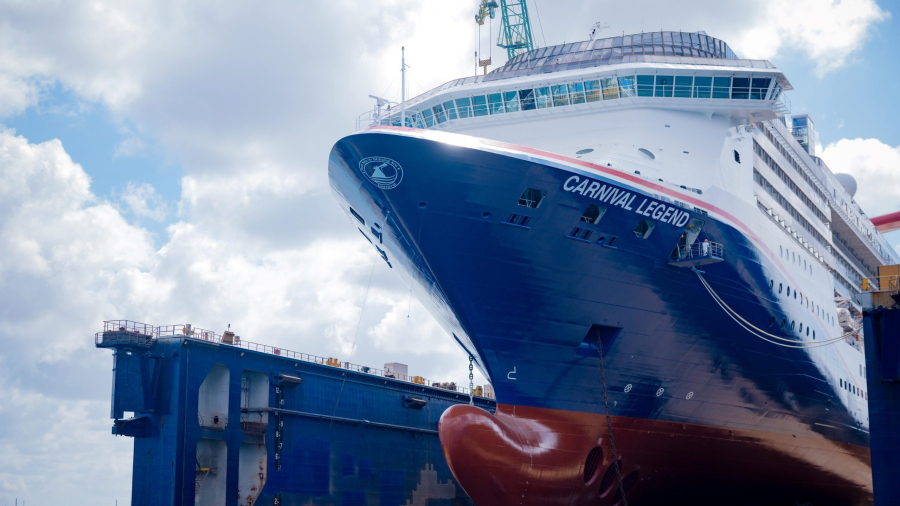
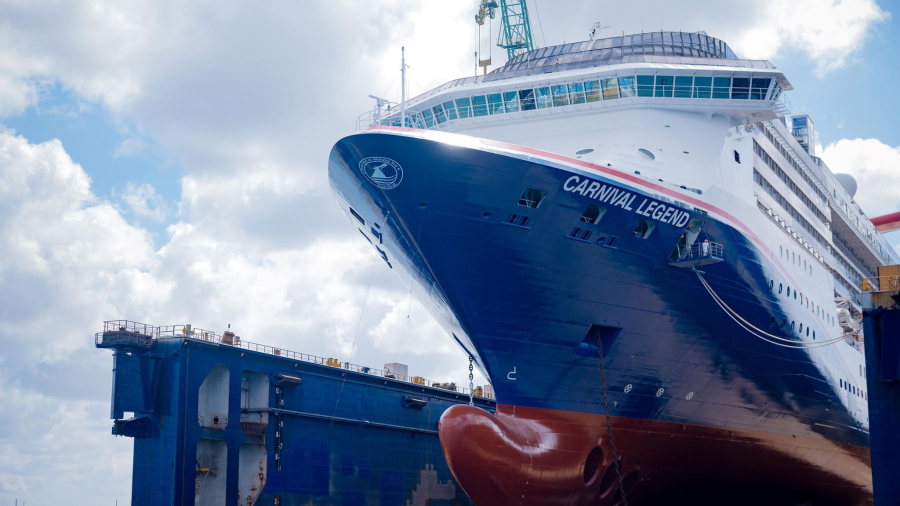
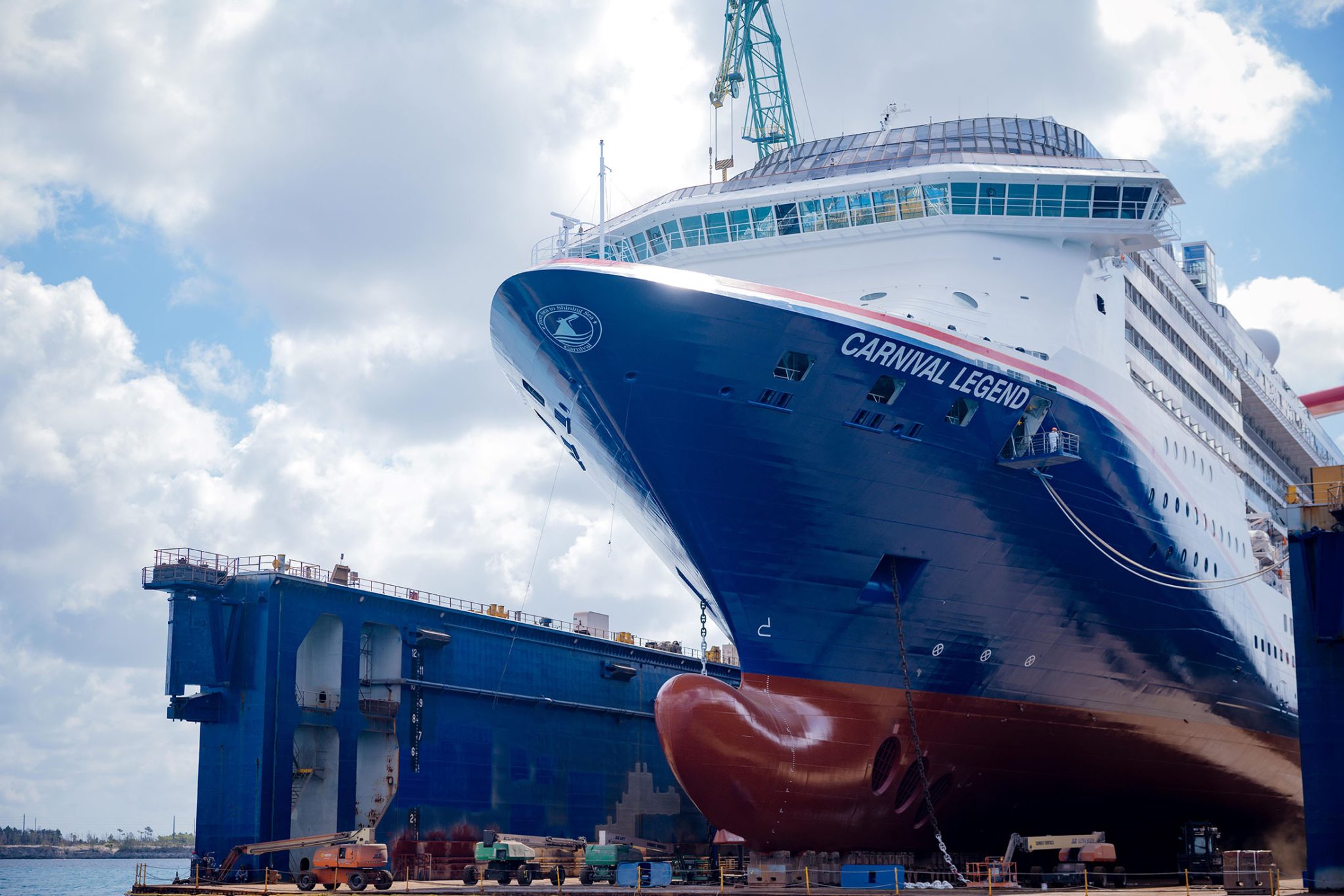
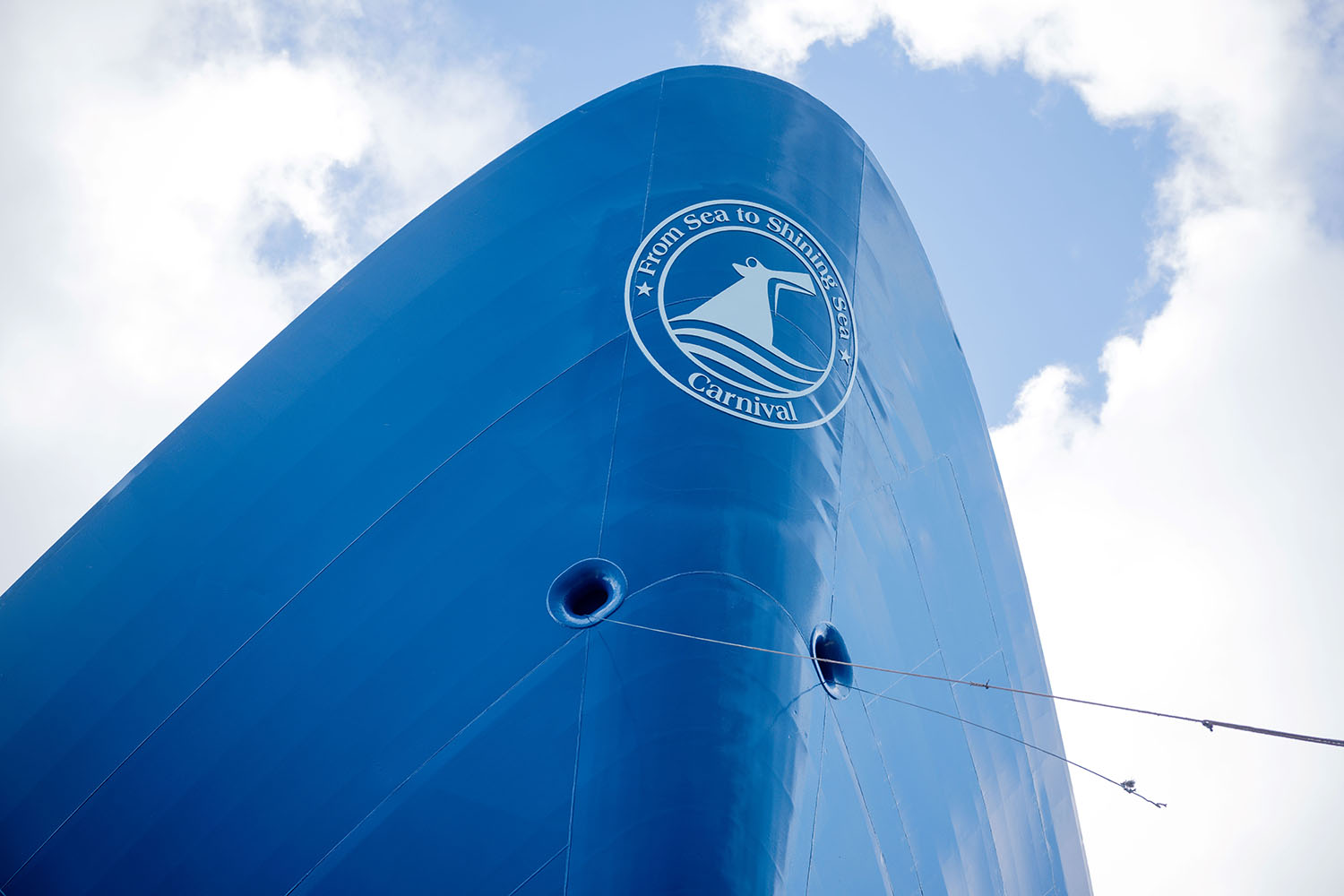
As Memorial Day weekend approaches, Carnival Cruise Line is giving its fleet a patriotic new look. Carnival Cruise Line returned Carnival Legend to service today following a 16-day dry dock in Freeport, unveiling the cruise line’s bold new “From Sea to Shining Sea” bow crest as part of Carnival’s continued push to reinforce its identity as America’s Cruise Line.
Inspired by “America the Beautiful,” the new bow crest celebrates the landscapes and oceans Carnival shares with guests nationwide. The design will roll out across Carnival’s U.S. ships during dry docks and new builds, except for Carnival Jubilee and Carnival Tropicale, coming in 2028, which display the Texas star on their bows. Carnival Magic will be next to receive the new crest, returning to PortMiami from dry dock on May 26.
From Sea to Shining Sea
Carnival Legend’s NEW Bow Crest Design (Credit: Carnival Cruise Line)
“With the debut of this new crest, we’re reinforcing what guests have long known: Carnival is proud to be America’s Cruise Line,” said Christine Duffy, president of Carnival Cruise Line. “We sail coast to coast and connect with millions of guests every year, and this crest reflects the reach of our brand across the U.S. – from the communities we visit to the memories we help create at sea.”
To mark the occasion, Carnival invited veterans from the Miami Veteran Affairs Healthcare System to view the new crest and receive Carnival’s America250 challenge coins in honor of their service. Carnival hosts more active-duty military and veterans than any other cruise line, honoring them at military appreciation gatherings on every North American sailing.
Pictured from left to right: Miami VA Healthcare System Acting Executive Director Dr. Seth Spector, U.S. Army Retired and Chief of Center for Development & Civic Engagement Mernie Williams, U.S. Army National Guard Veteran and Associate Director for Patient Care Services Dr. Aimee Manion, U.S. Army Retired and Chief of Communications Kelvin Lovelist, along with Carnival Legend Captain Vita Giacalone, U.S. Navy Veteran and Carnival Cruise Line’s Vice President of Global IT Infrastructure John Harshaw, Carnival Legend Hotel Director Renato Debeuc and Carnival Legend Chief Engineer Raffaele Cuomo. (Credit: Carnival Cruise Line)
The crest’s debut comes as Carnival prepares to celebrate America250, the nation’s 250th anniversary. From June 4 to July 4, guests across the fleet will enjoy patriotic events, including trivia, crafts and ship meet-ups timed for July 4 fireworks on both coasts.
For additional information on Carnival Cruise Line and to book a cruise vacation, call 1-800-CARNIVAL, visit www.carnival.com, or contact your favorite travel advisor or online travel site.
The Bermuda Tourism Authority has named respected global tourism executive Jan Hutton as its next Chief Executive Officer.
Hutton most recently served as CEO of the Australian Tourism Data Warehouse (ATDW) and is widely recognized as a trusted advisor to governments, tourism boards, and international organizations focused on destination growth and competitiveness.
Known for her innovative leadership style, Hutton brings extensive experience in destination strategy, tourism marketing, AI-driven innovation, and sustainable growth initiatives. Her career spans more than two decades across the Middle East, Africa, and the Asia-Pacific region, where she has helped guide destinations through evolving traveler trends and economic challenges.
In appointing Ms. Hutton, the BTA Board recognized a people-centric transformation leader working at the intersection of destination strategy, AI innovation, and sustainable growth. Her career spans more than two decades across the Middle East, Africa and Asia Pacific, her roles have included Managing Director within Ogilvy Group, Director at Nielsen Company, Chief Marketing Officer roles at Deloitte Consulting, South African Tourism, Destination Gold Coast, and Destination NSW. With global corporations such as Salesforce, Barclays, BHP Group having also shaped her career, she is widely regarded as a trusted voice for destinations navigating economic uncertainty and evolving consumer behavior.
Ms. Hutton has been recognized with numerous industry accolades, including ‘Most Impactful Women Shaping Australian Travel & Tourism (2025)’, ‘Most Influential CEO in Tourism Strategy’ (2023), ‘Top 100 Global Travel Marketing Experts’ (Travelstart), and ‘Top 50 Brand Marketer’ (SKIFT). She has also served on Australia’s THRIVE 2030 ‘Reimagining the Visitor Economy’ panel as Director on the GIFT (Griffith Institute for Tourism) Advisory Board.
Ms. Hutton will be joining the BTA team on July 1, dedicating her early weeks to listening and learning from the team, industry partners, and community leaders.
BTA Chairman William “Billy’ Griffith added: “The BTA Board of Directors welcomes Ms. Hutton and looks forward to working with her for the ongoing advancement of our tourism product. She brings a wealth of experience in destination marketing, digital transformation, and visitor economy strategy across three continents.Her expertise will help drive the BTA mission of making Bermuda a premier destination for visitors.Ms. Hutton joins the BTA at a critical time when new significant foundations are being laid in our visitor economy — new hotel capacity, airlift development, and product investment. Her role is to make sure the marketing and commercial strategy is ready to capture and capitalize on what’s coming.”
Ms. Hutton said: “I’m genuinely honored to be joining the BTA, and I don’t take lightly the responsibility that comes with this role. Before I do anything else, I’m here to listen. The BTA team has been holding the line through a difficult period — they know this destination, they know this industry, and their perspective is essential. I’m coming in with eyes open.
Acting CEO Erin Wright will resume her role as Chief Operating Officer once Ms. Hutton takes up the position.
Mr. Griffith added, “On behalf of the Board, I want to sincerely thank Erin for her dedication and leadership during her time as Acting CEO. She has provided critical stability and continuity for the organization during a significant transition period, while ensuring the BTA continued to deliver on its core mandate and strategic priorities. Under her leadership, the organization strengthened key stakeholder relationships, advanced important initiatives, and successfully recruited several senior leaders that will help support the BTA’s next phase of growth and transformation. The Board is deeply grateful for her commitment to the organization, the industry, and Bermuda during an especially demanding time.”
Bermuda is a rare destination — one with genuine emotional resonance, a loyal visitor base, and a proud tourism legacy. That legacy matters, and so does what comes next. Global destination marketing has entered the most transformative period any of us have seen — driven by AI, shifting traveler values, intensifying competition, and a fundamental reset in how people choose where to go and why. No destination gets a free pass through that. There is real work to be done.
Bermuda competes in one of the world’s most demanding tourism corridors. We have to earn our place every time. I’m here to do that work, alongside the team, our industry partners, and the community who are at the heart of everything we do. This is a shared endeavor, and I’m proud to be part of it.”
One of Carnival Cruise Line’s ships returned to service today after spending more than two weeks in dry dock in Freeport, Bahamas.
Carnival Legend is now back in service after a short dry dock, and is also the first Carnival cruise ship to receive the cruise line’s new “From Sea to Shining Sea” bow crest.
Inspired by “America the Beautiful,” the new bow crest celebrates the landscapes and oceans Carnival Cruise Line shares with guests nationwide.
The design will roll out across all of Carnival’s ships in the U.S. during dry docks and new builds. Two exceptions will be Carnival Jubilee and Carnival Tropicale, coming in 2028, which display the Texas star on their bows.
Carnival Magic will be next the next Carnival ship to receive the new crest, returning to PortMiami from dry dock on May 26.
Christine Duffy, president of Carnival Cruise Line, gave the following statement:
“With the debut of this new crest, we’re reinforcing what guests have long known: Carnival is proud to be America’s Cruise Line. We sail coast to coast and connect with millions of guests every year, and this crest reflects the reach of our brand across the U.S. – from the communities we visit to the memories we help create at sea.”
To mark the occasion, Carnival invited veterans from the Miami Veteran Affairs Healthcare System to view the new crest and receive Carnival’s America250 challenge coins in honor of their service.
Carnival hosts more active-duty military and veterans than any other cruise line, honoring them at military appreciation gatherings on every North American sailing.
The crest’s debut comes as Carnival Cruise Line prepares to celebrate America250, the nation’s 250th anniversary.
From June 4 to July 4, guests across the fleet will enjoy patriotic events, including trivia, crafts and ship meet-ups timed for July 4 fireworks on both coasts.
Get the latest cruise news, tips, and deals sent straight to your inbox with our free newsletter: Sign Up Now
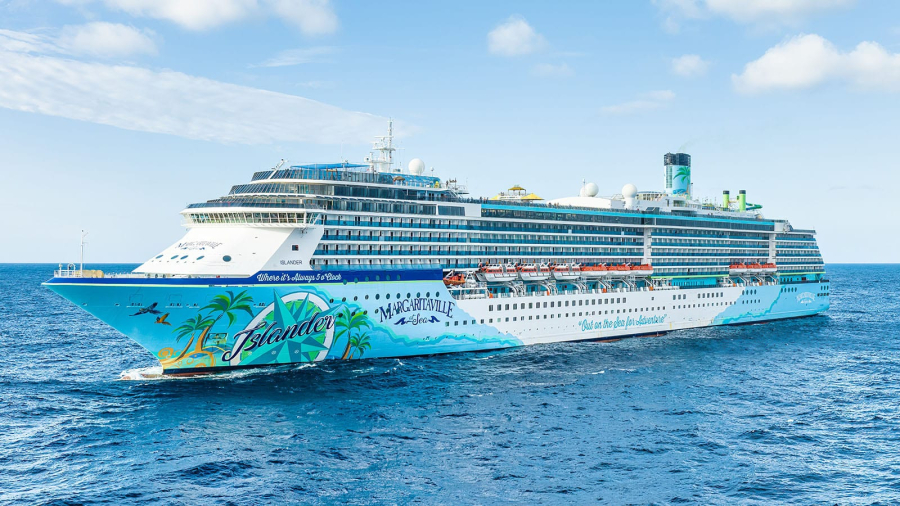
Margaritaville at Sea has introduced a new Back-2-Back sailing program for guests who are looking for extended vacations with a smoother experience.
The cruise line’s new Back-2-Back sailing program allows you to combine any two consecutive cruises into one itinerary. Margaritaville currently offers cruises from the Port of Palm Beach and Tampa, with PortMiami being added when their third ship joins the fleet.
The following perks are included with the Back-2-Back sailing experience:
Complimentary laundry service between sailings
Expedited debarkation and embarkation to minimize waiting time in the terminal
Consecutive staterooms or luggage transfer to guests’ new stateroom
Margaritaville at Sea is currently offering a flash sale that has 50% off all cruises that include holiday departures.
Margaritaville at Sea’s Flash Sale
50% off all cruises, destinations, and itineraries
Cruises from $59 per night
Kids Sail Free on select dates
Complimentary stateroom upgrades on select date
For complete terms and details of Margaritaville’s Back-2-Back program, you can visit their website.
Get the latest cruise news, tips, and deals sent straight to your inbox with our free newsletter: Sign Up Now